




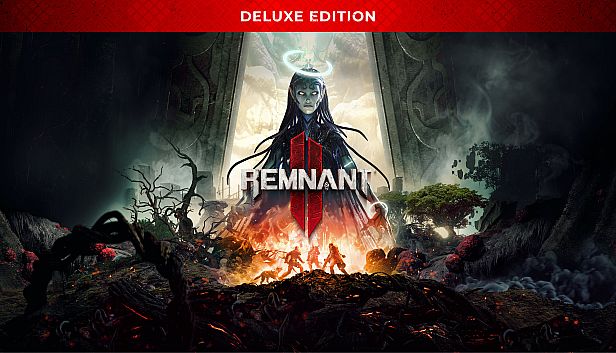















Remnant II is a third-person shooter that blends intense gunplay with melee combat in a challenging action experience. Players take on the role of survivors fighting deadly creatures and powerful bosses across varied worlds. The game supports both solo play and cooperative sessions with up to two additional players.
Gameplay
Combat centers on precise shooting and close-quarters strikes against a range of humanoid, non-humanoid, and fantastical enemies. Critical hits can lead to dramatic effects such as decapitation in specific situations. Players customize their approach through archetypes that define core abilities and perks. These systems allow for different playstyles focused on damage, support, or utility. Exploration involves navigating procedurally generated environments where choices influence available paths and encounters. Resource management and build crafting play key roles in overcoming tougher challenges.
Game Modes
The primary experience unfolds through a campaign that emphasizes survival against escalating threats. Procedural generation ensures varied layouts and enemy placements across multiple worlds. A separate Boss Rush mode offers focused encounters without narrative elements. Players select from different lengths in this mode, ranging from shorter sets of three bosses to longer sequences of up to nineteen. This structure supports repeated runs with different archetype combinations.
Worlds and Progression
Each world presents distinct biomes filled with unique threats and objectives. Multiple story branches and boss variations increase replay value as players return with new archetypes or team setups. Progression involves unlocking additional archetypes through in-game actions and refining dual-class combinations for specialized builds. The system rewards experimentation with perks that enhance prime abilities, damage output, or team support.
Is It Worth Playing?
Remnant II suits players who enjoy demanding combat and build experimentation in a third-person shooter format. Its mix of solo viability and seamless co-op makes it accessible for different group sizes. The procedural worlds and archetype variety encourage multiple playthroughs without relying on identical experiences each time. Current updates have added modes like Boss Rush, extending long-term engagement for those invested in the core loop. Those seeking straightforward action may find the difficulty curve steep, while fans of methodical progression and cooperative challenges will find substantial depth.


