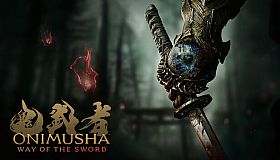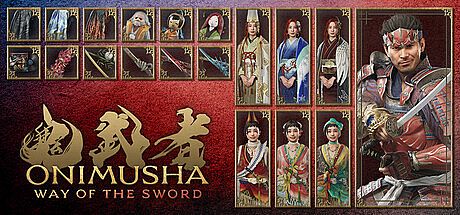


















Onimusha: Way of the Sword is a single-player third-person action-adventure game set in a dark fantasy version of Edo-period Kyoto. Players take control of the legendary swordsman Miyamoto Musashi as he wields an Oni Gauntlet to battle demons known as Genma and other supernatural threats spreading malice across the land.
Gameplay
The core loop centers on deliberate sword combat that rewards observation and timing over rapid button presses. Musashi uses a single katana throughout the campaign, mixing quick one-handed strikes with slower, heavier two-handed attacks that can be chained into combos. Defensive options include a standard block, a timed parry that redirects enemy momentum, a deflect that drains stamina, and a reflex dodge that opens follow-up opportunities when timed perfectly.
A signature mechanic is the Issen counter, which triggers when an attack is readied just as an enemy strikes, interrupting foes and creating openings for additional damage. Successful hits and counters allow absorption of souls released by defeated enemies. Yellow souls restore health, blue souls charge an Oni Power gauge for special armaments and abilities, and red souls fund upgrades to techniques and equipment. The Oni Gauntlet also enables supernatural powers during exploration and combat, while a bow provides ranged options and environmental objects can be used to gain advantages in fights.
Exploration takes players through twisted historic locations in Kyoto, where combat encounters blend with narrative moments. The game emphasizes precise blade-on-blade interactions, with animations that convey weight and impact in each clash. Boss encounters stand out for their demanding patterns and cinematic presentation, requiring players to adapt counters and manage resources carefully.
Game Modes
The experience is entirely single-player with no multiplayer components. Two difficulty settings shape the campaign from the start. Story Mode reduces enemy aggression and damage to focus on narrative progression and exploration. Action Mode increases challenge through tougher enemy behaviors and higher damage output, suiting players who want to test mastery of the combat systems.
Progress carries forward in a New Game Plus option that unlocks a harder difficulty tier after the initial playthrough. The campaign structure follows Musashi's journey against spreading demonic forces, with combat encounters and set-piece battles forming the primary activities. No separate side modes or alternate campaigns exist beyond these difficulty variants and the core story path.
Story and Setting
The narrative follows Miyamoto Musashi, modeled after the actor Toshiro Mifune, as he becomes an Onimusha after acquiring the Oni Gauntlet. He confronts rival swordsmen, demonic Genma hordes, and the blight overtaking Kyoto in a blend of historical figures and Japanese mythology. Cutscenes and character interactions highlight Musashi's drive to rely on personal skill while adapting to supernatural elements. The setting draws from real Edo-period locations with added dark fantasy twists, creating a grounded yet otherworldly atmosphere for the action.
Is It Worth Playing?
Players who enjoy precise, momentum-based melee combat in a focused single-player package will find strong appeal here. The combat system delivers satisfying progression through technique upgrades and resource management, with boss fights frequently cited as highlights for their design and spectacle. Campaign length averages around 20 hours for a main playthrough, extending toward 30 hours when pursuing upgrades and thorough exploration.
Reception has been generally favorable, with praise centered on the weighty swordplay, animations, and overall feel of the combat. Some players note pacing inconsistencies in the story and less engaging side activities, but these do not overshadow the core fighting mechanics. The game suits those seeking a modern take on traditional action-adventure swordplay without open-world sprawl or multiplayer distractions. Availability on PC makes it accessible for those with capable hardware, and the emphasis on skill-based encounters rewards repeated attempts at mastery.