














Like a Dragon: Infinite Wealth is a role-playing game that follows the stories of Ichiban Kasuga and Kazuma Kiryu as they navigate personal struggles across locations in Japan and Hawaii. The Deluxe Edition provides the full game along with additional content packs focused on vacation-themed items and features.
Gameplay
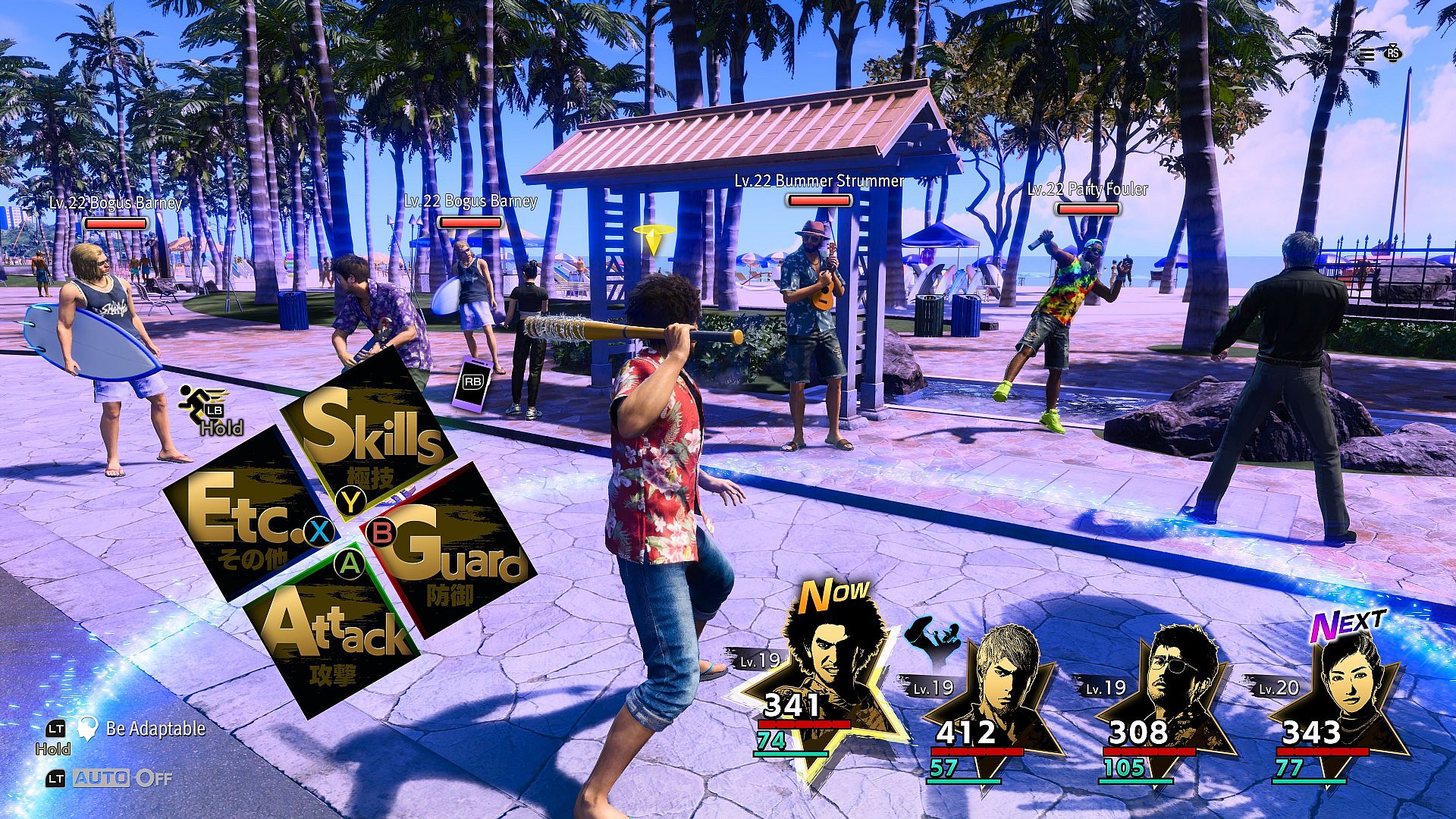
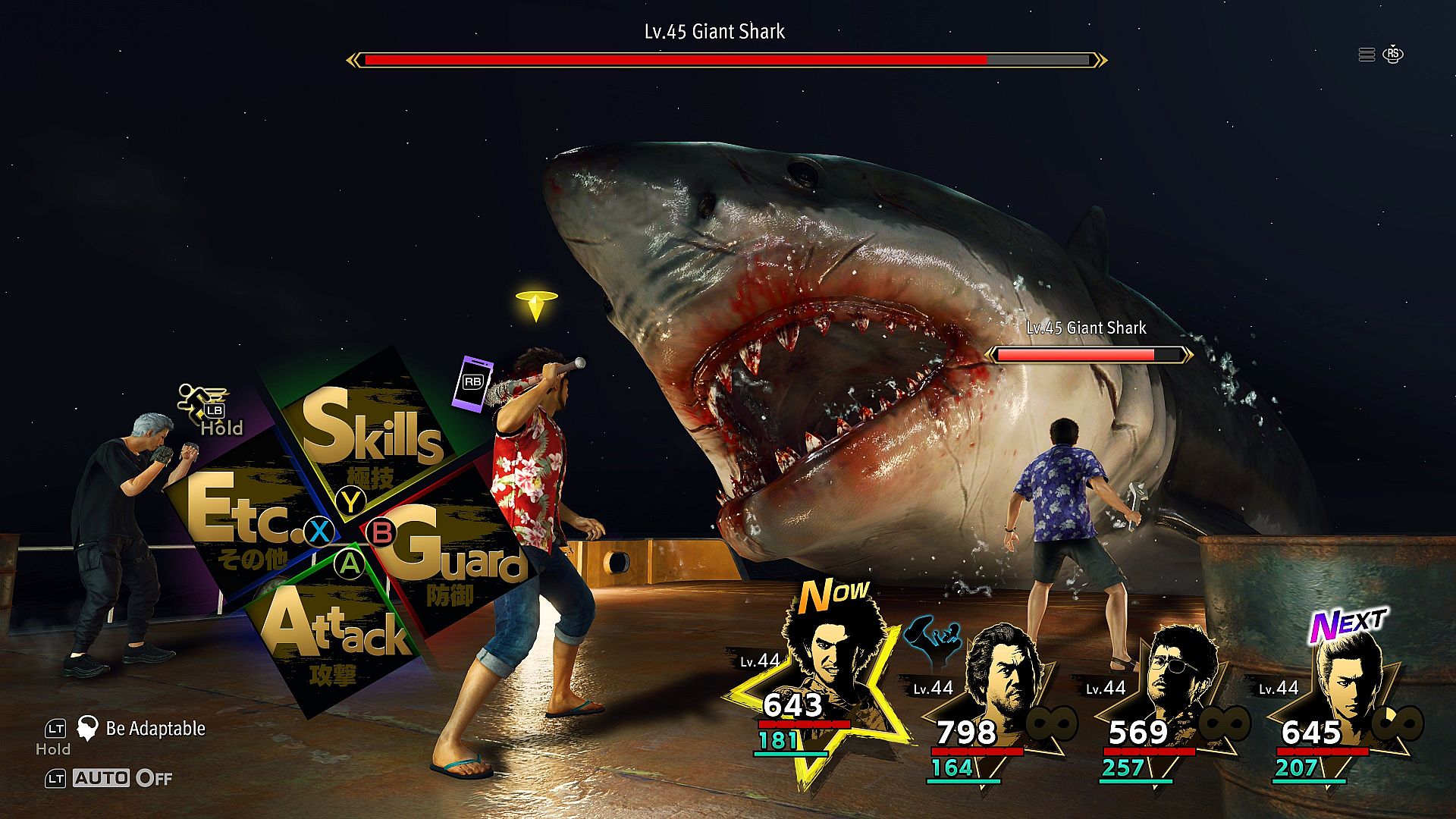
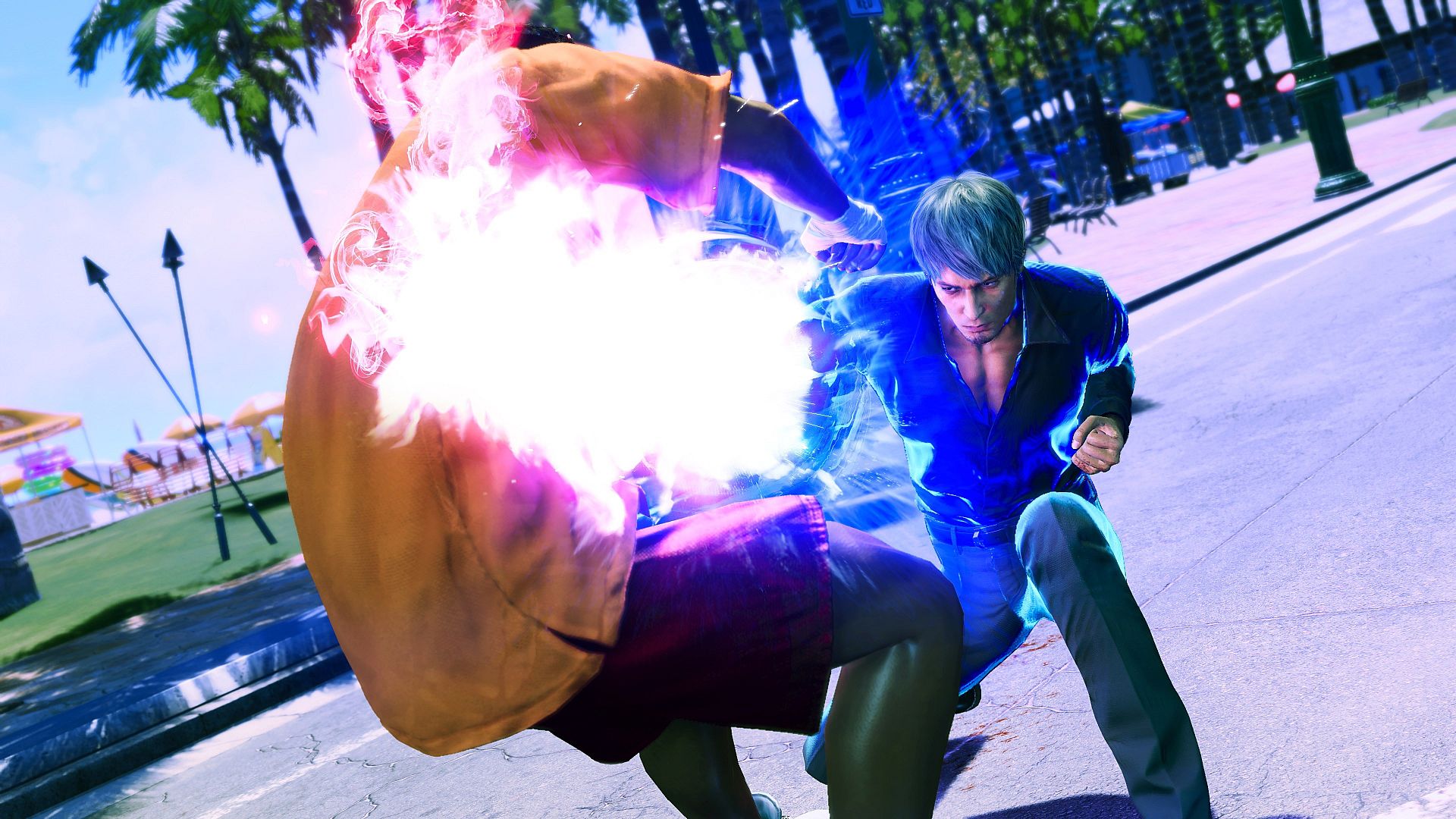
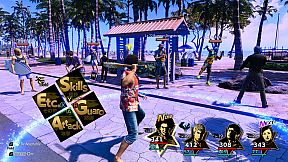
The core loop centers on turn-based battles that emphasize positioning and strategy. Characters move freely within a defined range on their turn, which allows players to set up attacks from different angles, knock enemies into each other or environmental objects, and trigger follow-up strikes when allies stand nearby. Area-of-effect skills can hit multiple targets in lines or clusters, while perfect guards create openings by slowing incoming strikes.
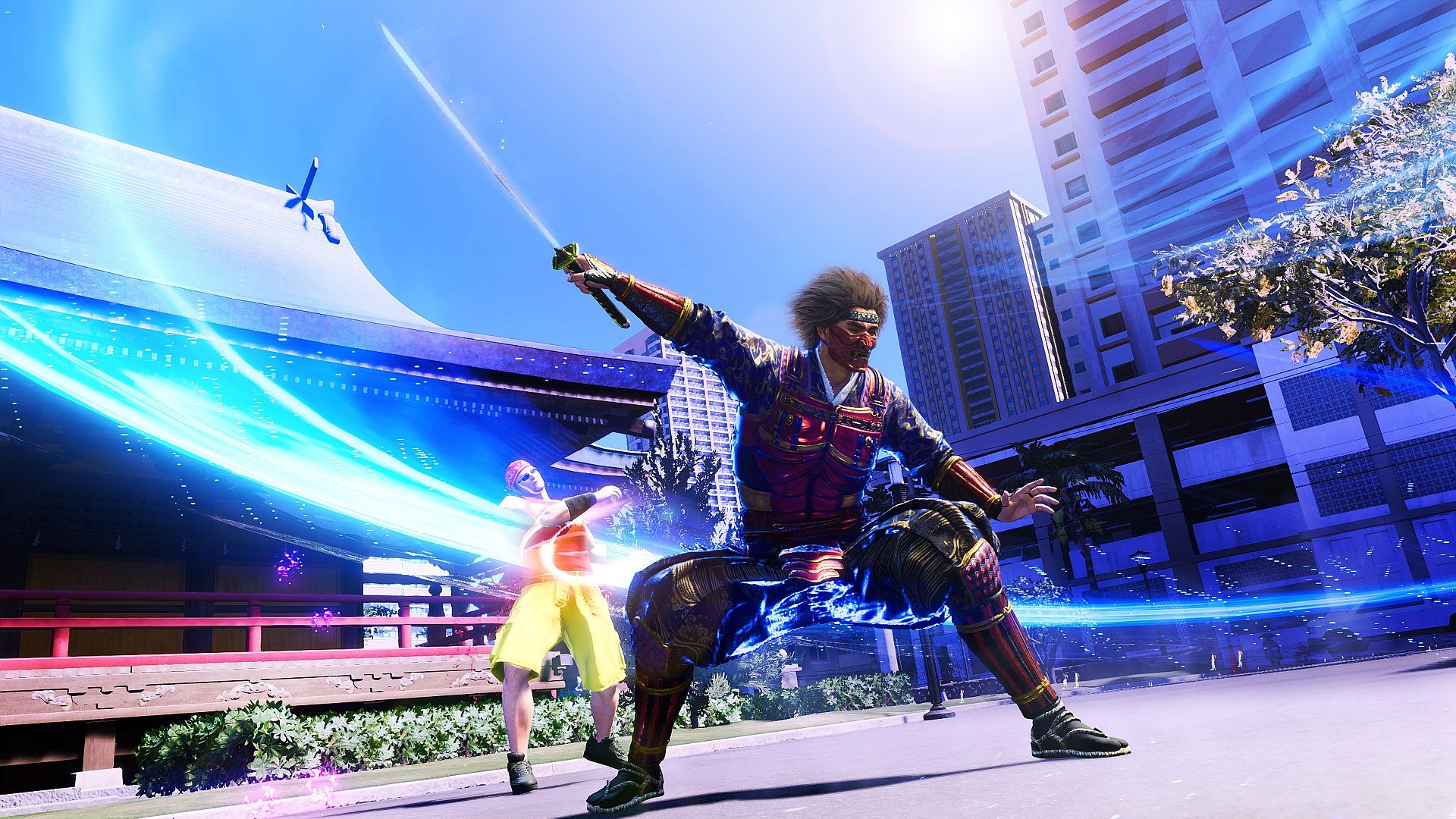
Each party member switches between jobs that alter stats, available skills, and combat roles. These jobs unlock through story progress and side activities, giving options to adapt party composition for different enemy groups. Equipment includes weapons that boost attack or magic values, along with accessories that provide further customization. The system rewards experimentation with skill synergies and elemental weaknesses during longer encounters.
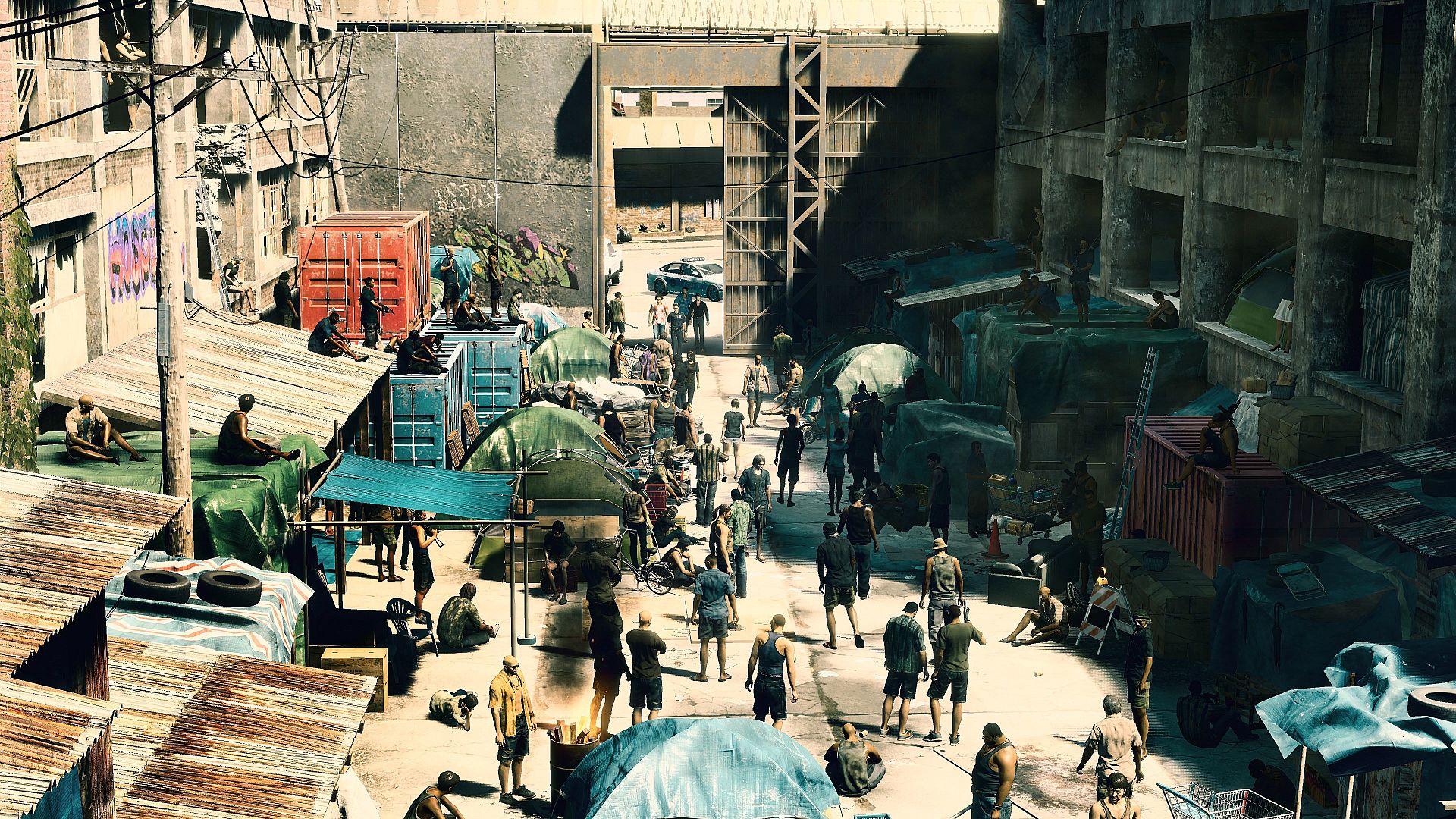
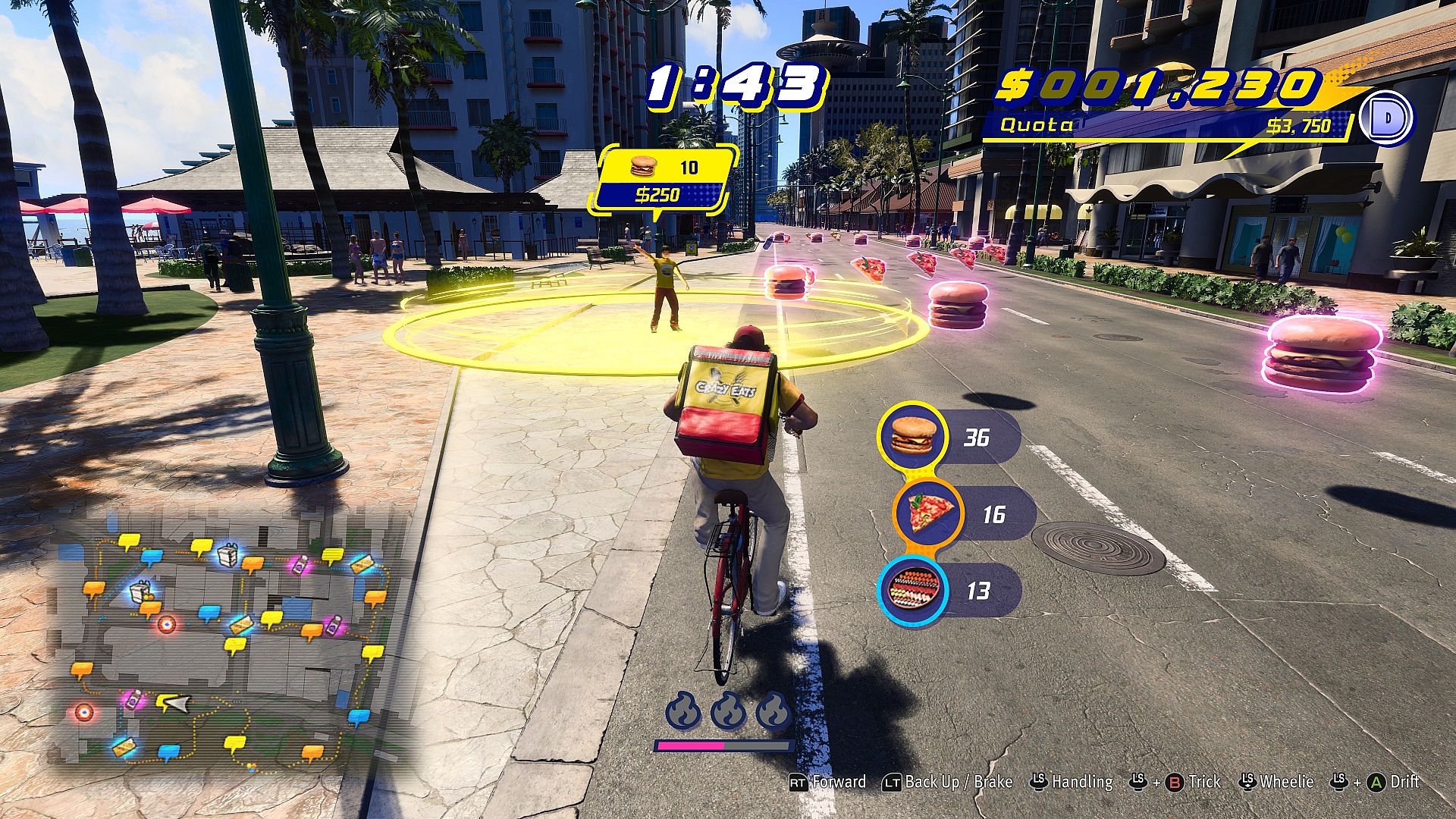
Outside combat, players explore open city areas filled with side quests, mini-games, and character interactions. Progression involves leveling characters, upgrading jobs, and collecting resources from both main objectives and optional tasks.
Game Modes
The primary experience follows a chapter-based single-player campaign that alternates between the two lead characters. Story missions advance the central narrative while incorporating combat, exploration, and dialogue choices.
Sujimon battles function as a separate collection and competition system. Players capture data on defeated enemies to build a team of up to three Sujimon, then engage in dedicated 3v3 matches against trainers. Team building focuses on balancing types and abilities to counter opponents, separate from the main party combat.
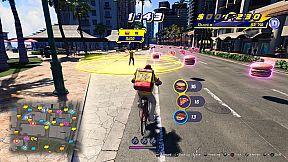
Additional activities such as substories and repeatable challenges appear throughout the world, offering self-contained scenarios that reward experience and items without altering the main campaign structure.
Story and Setting
The narrative connects Ichiban Kasuga, returning from earlier hardships, with Kazuma Kiryu, who confronts his own limited time. Their paths intersect through circumstances that span Pacific locations, mixing dramatic personal stakes with lighter moments in urban and resort environments. Chapters structure the plot around key events in both Japan and Hawaii, with each protagonist bringing distinct perspectives and combat styles to shared sequences.
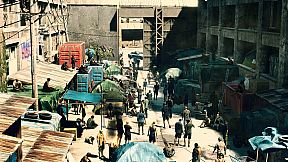
World traversal includes detailed city districts where players encounter residents, complete requests, and uncover side narratives. The dual focus expands the scope beyond a single viewpoint while maintaining consistent tone across locations.
Is It Worth Playing?
Reception has been positive across critic and player scores, with the game earning generally favorable marks on major aggregators and selling over one million copies in its first week. Many highlight the refined combat system, extensive side content, and emotional character arcs as standout elements. A typical playthrough exceeds 80 hours when including optional activities.
The game suits players who enjoy story-driven RPGs with turn-based combat that incorporates movement and positioning. Those seeking a lengthy single-player experience with humor, drama, and varied activities will find substantial depth. Current support includes patches that address stability and minor balance issues, though the title remains a complete, self-contained release without ongoing seasonal content.
Overall, the combination of improved battle mechanics, dual-protagonist storytelling, and extensive world activities makes it a strong choice for the target audience.