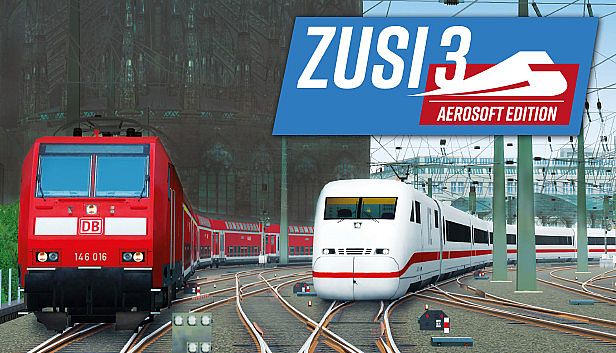












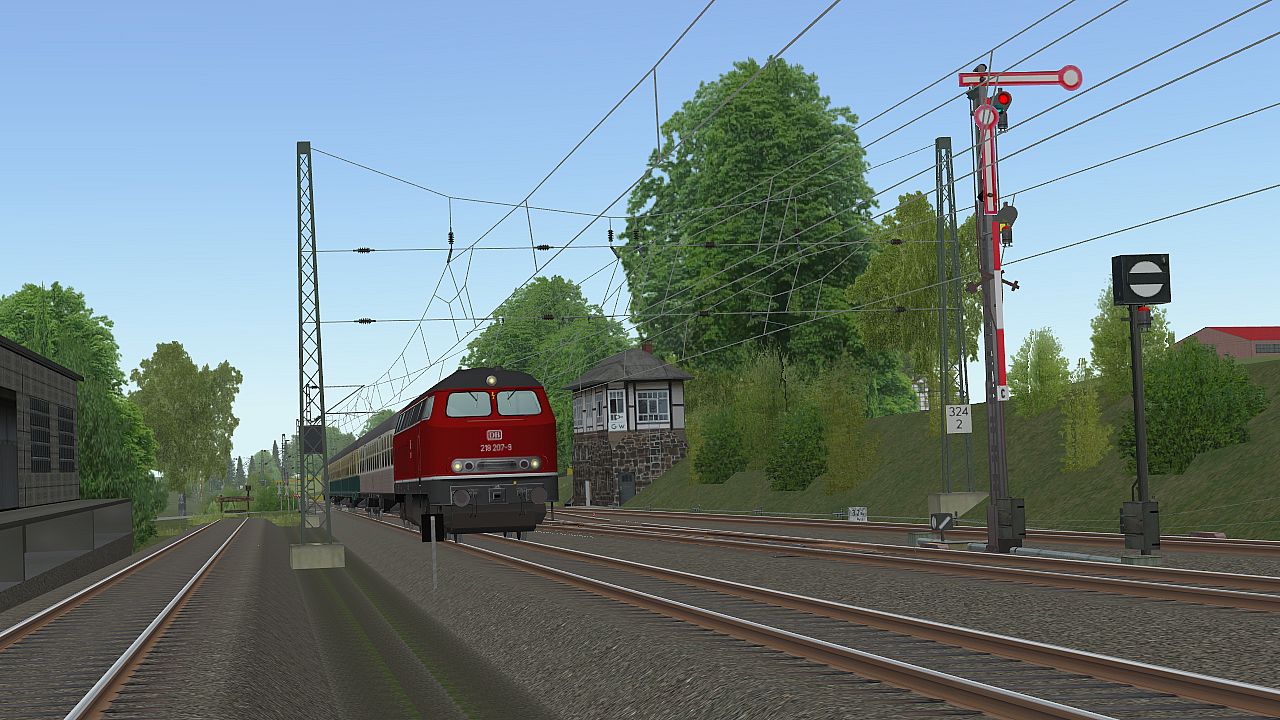
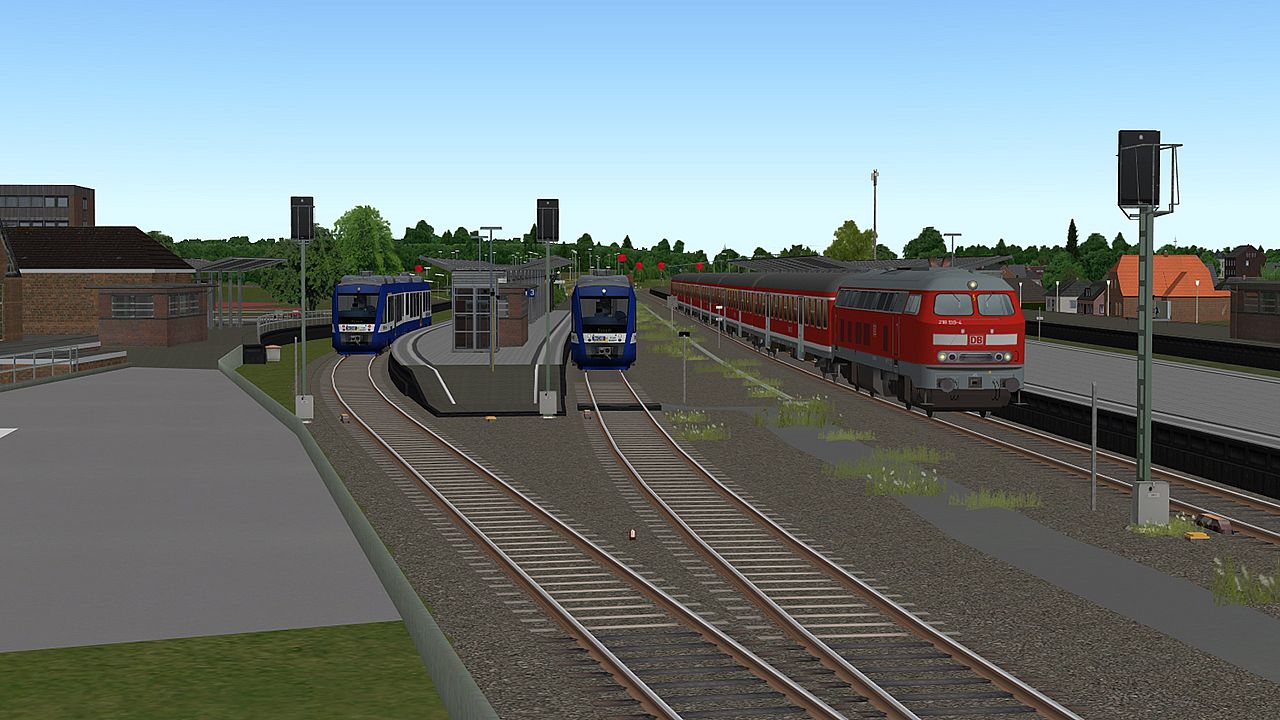
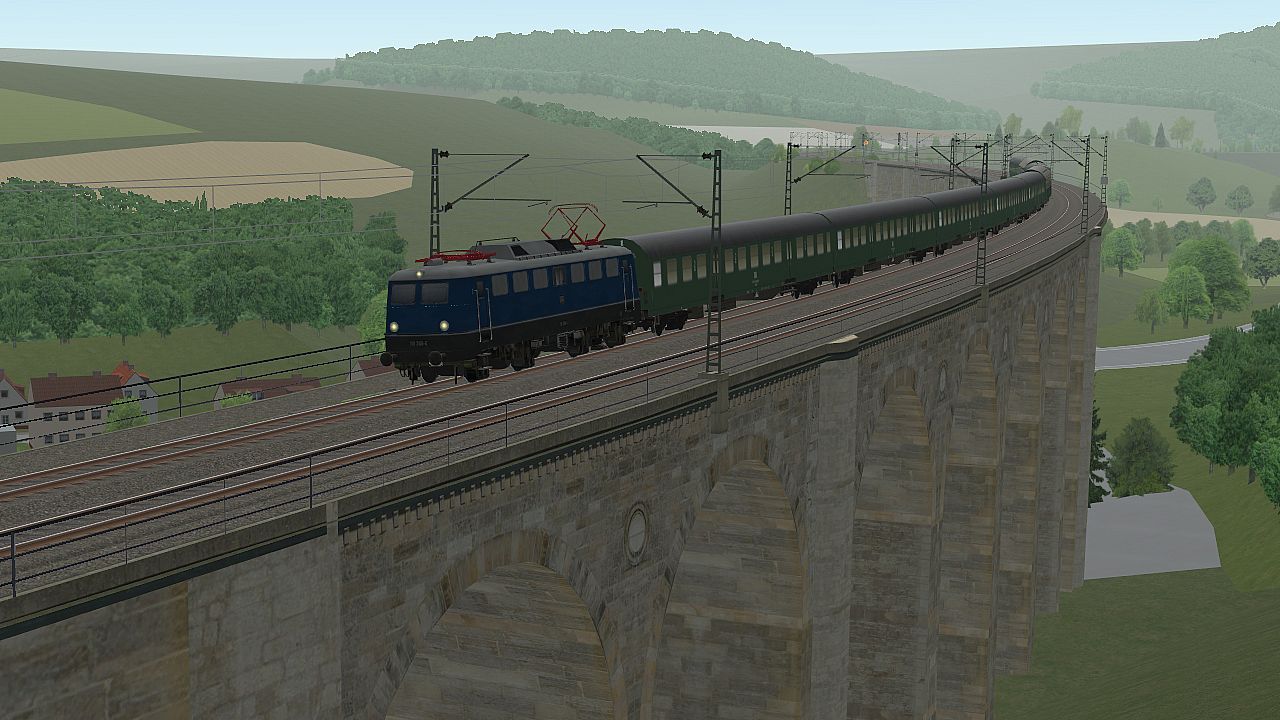
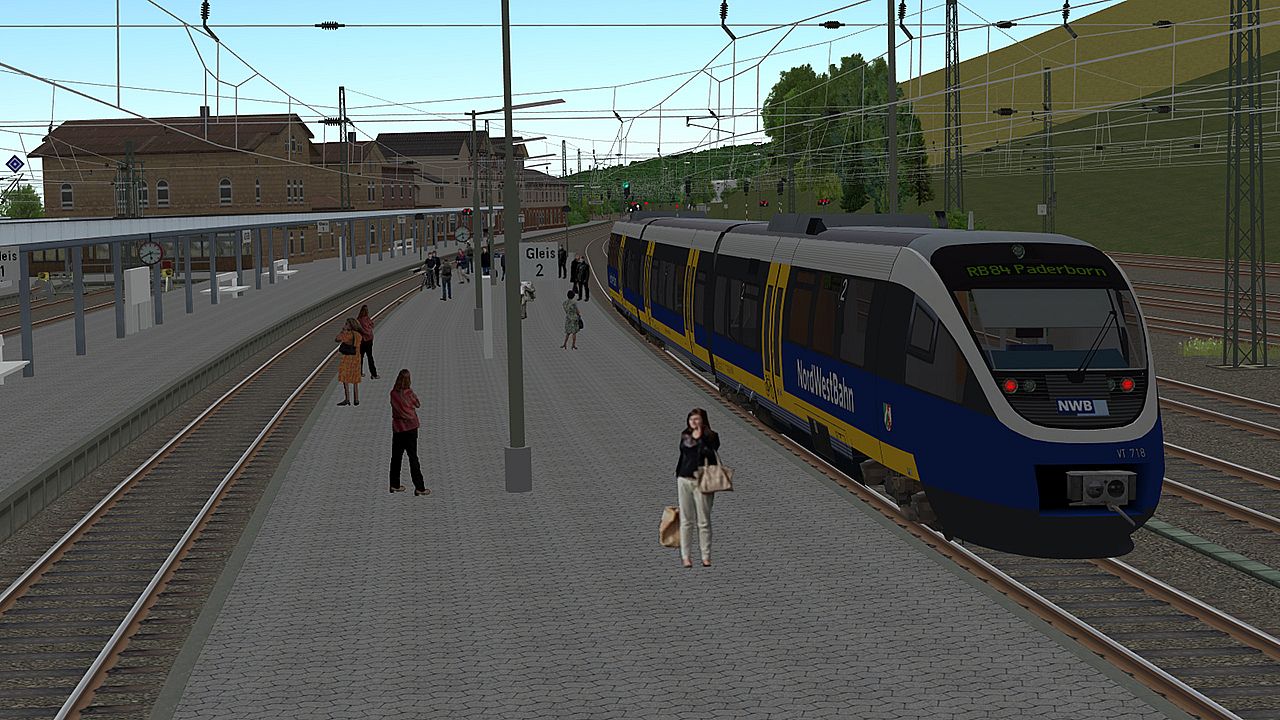
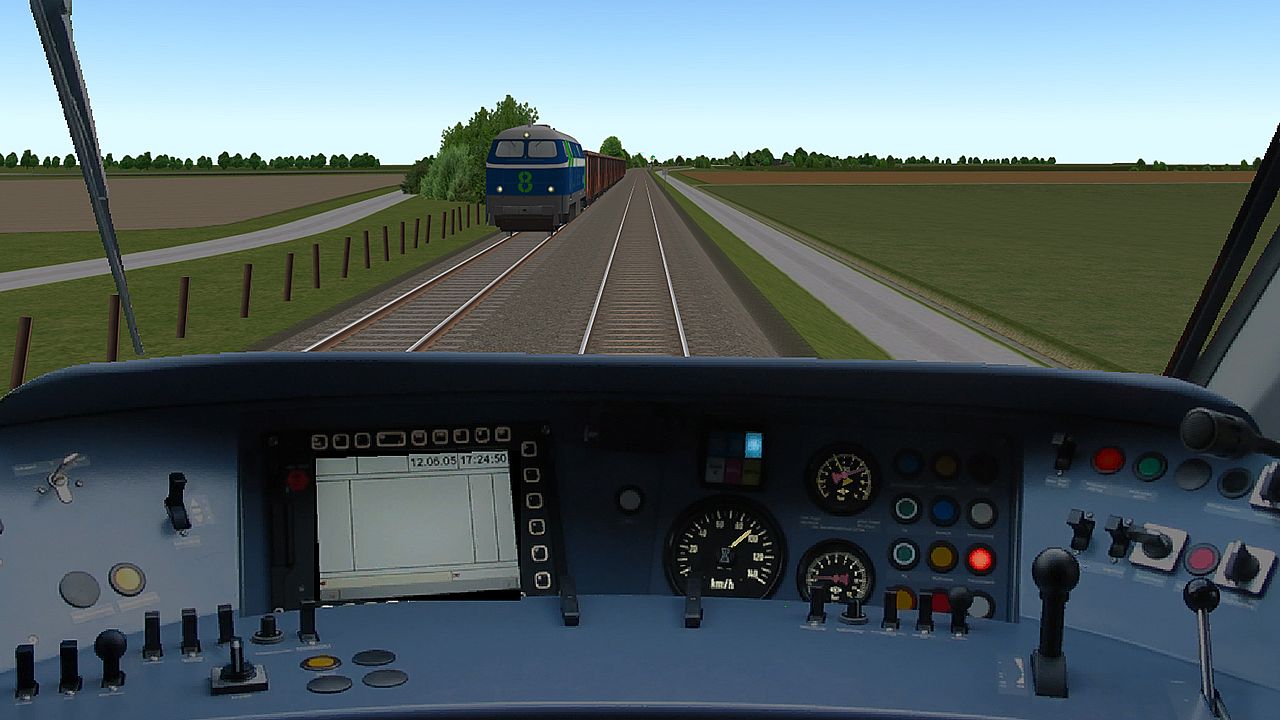
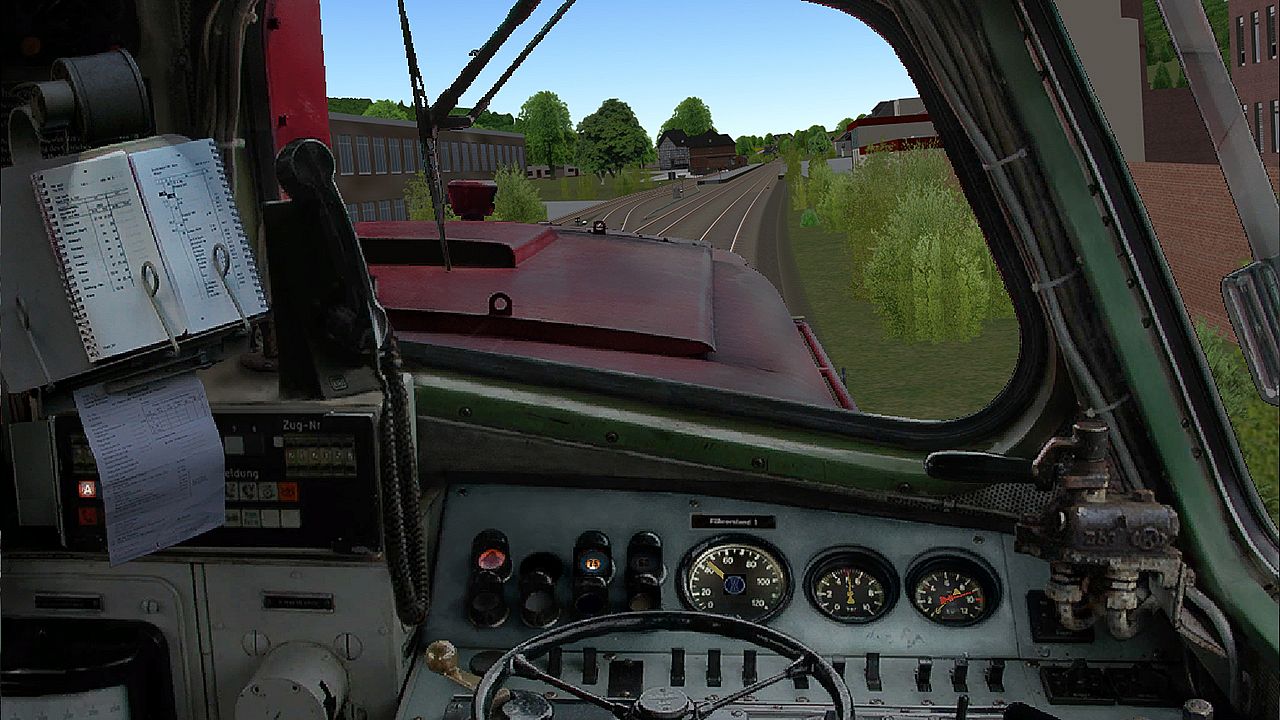
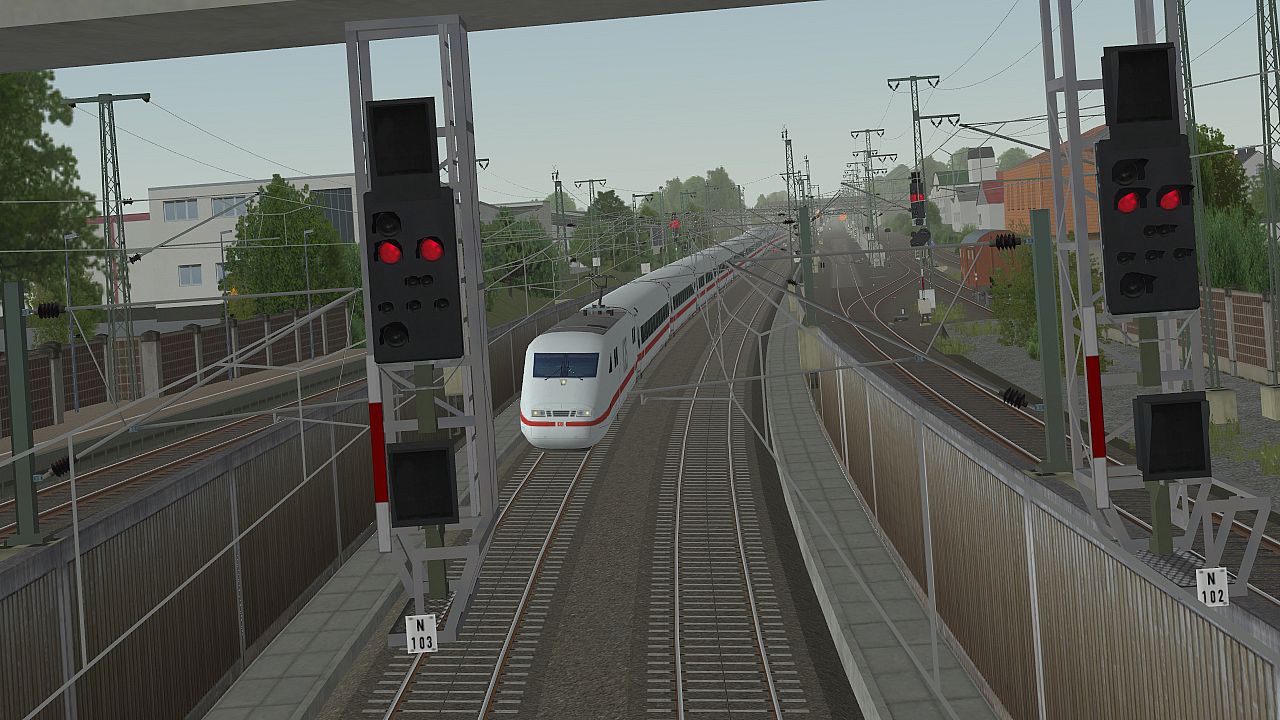
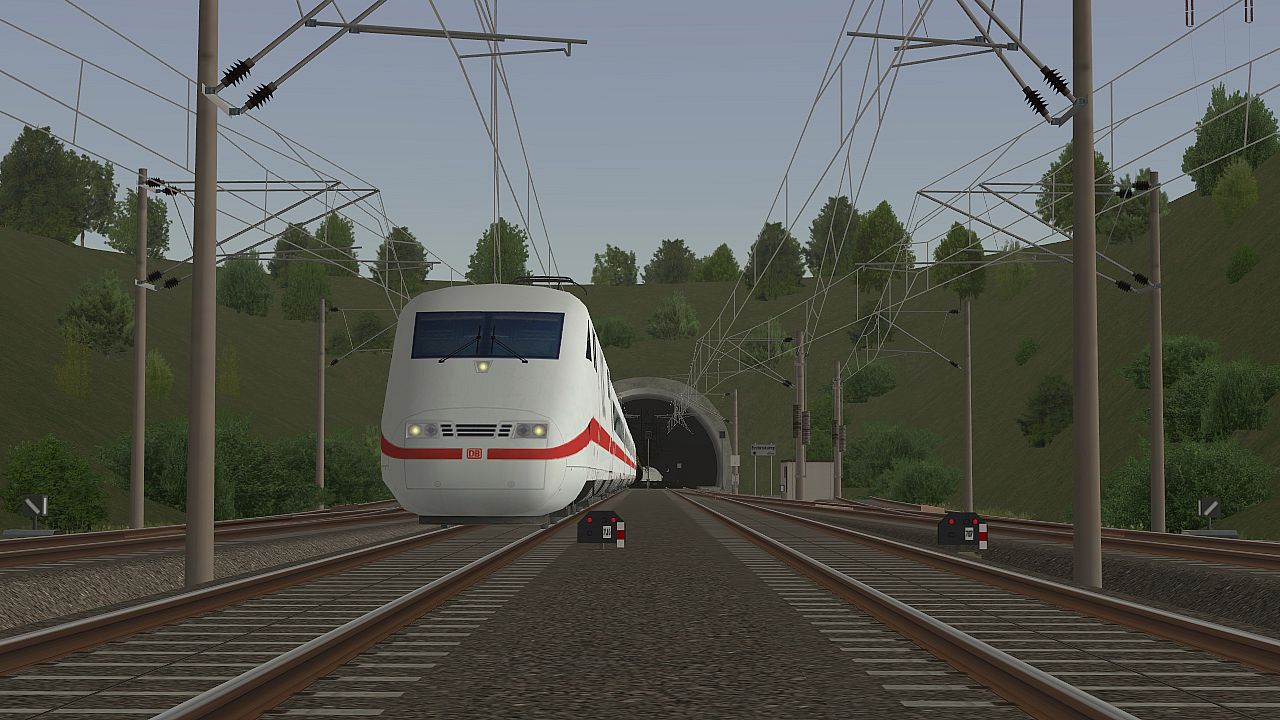
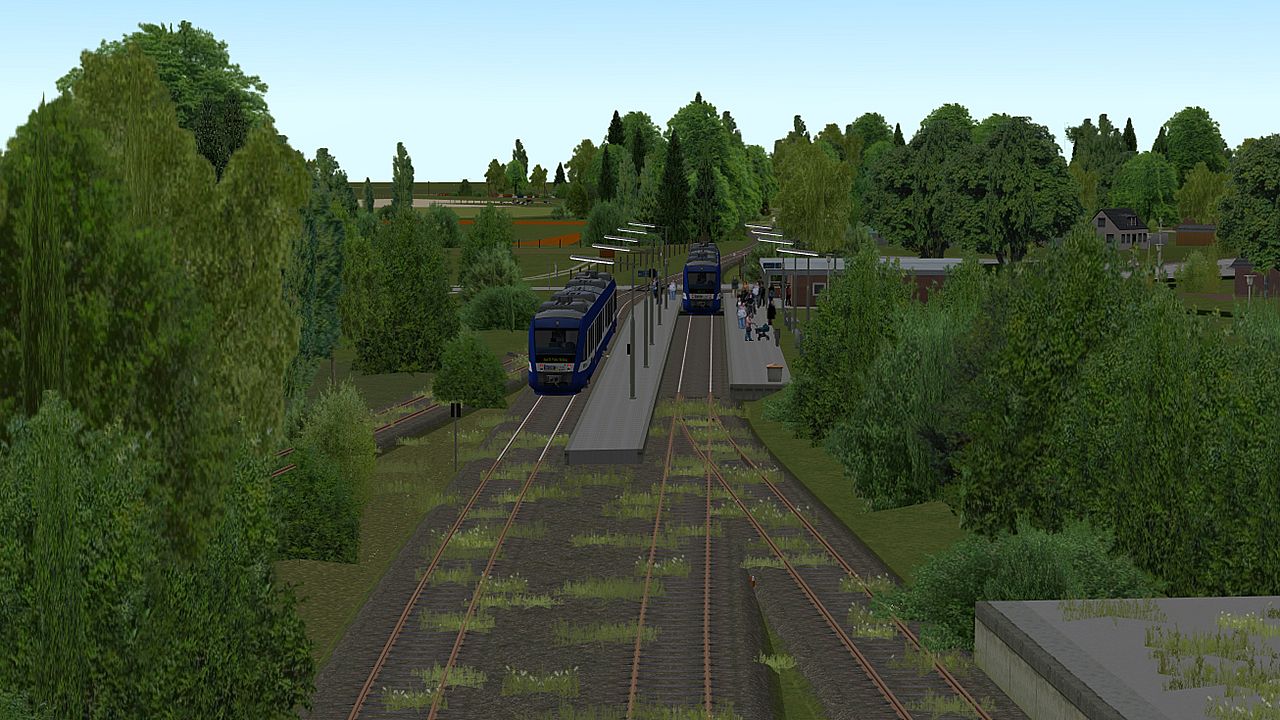
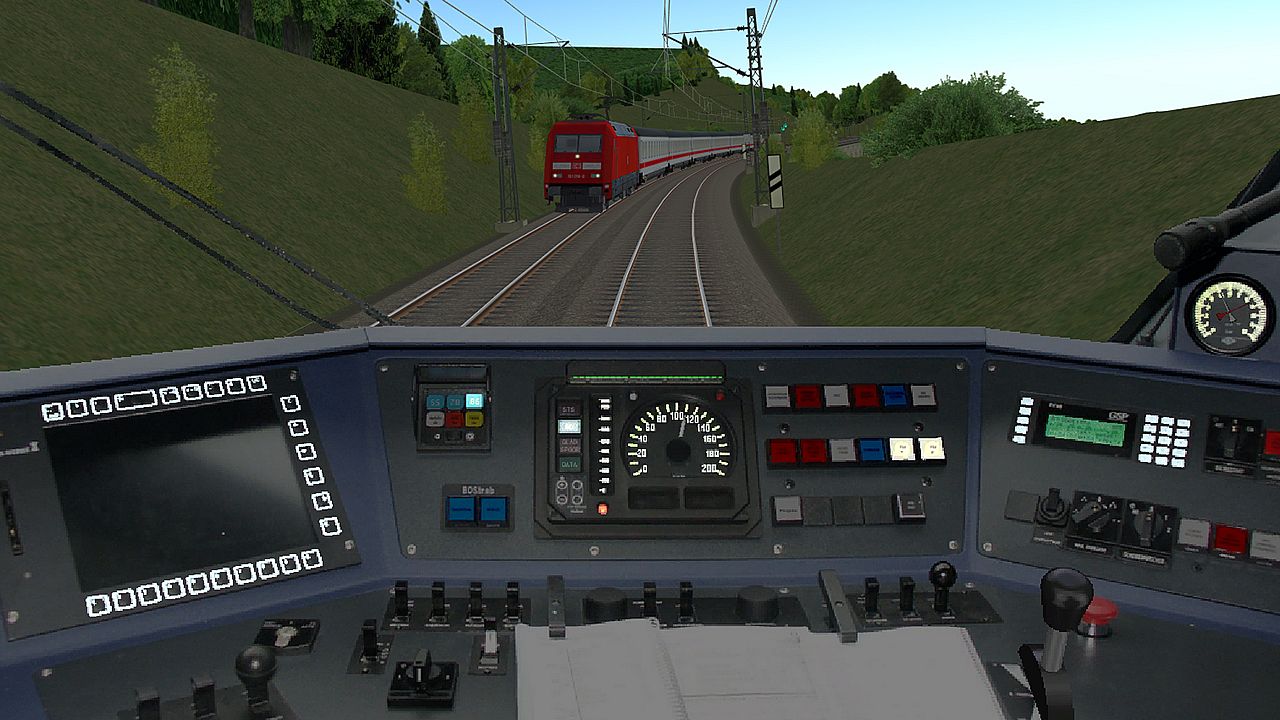
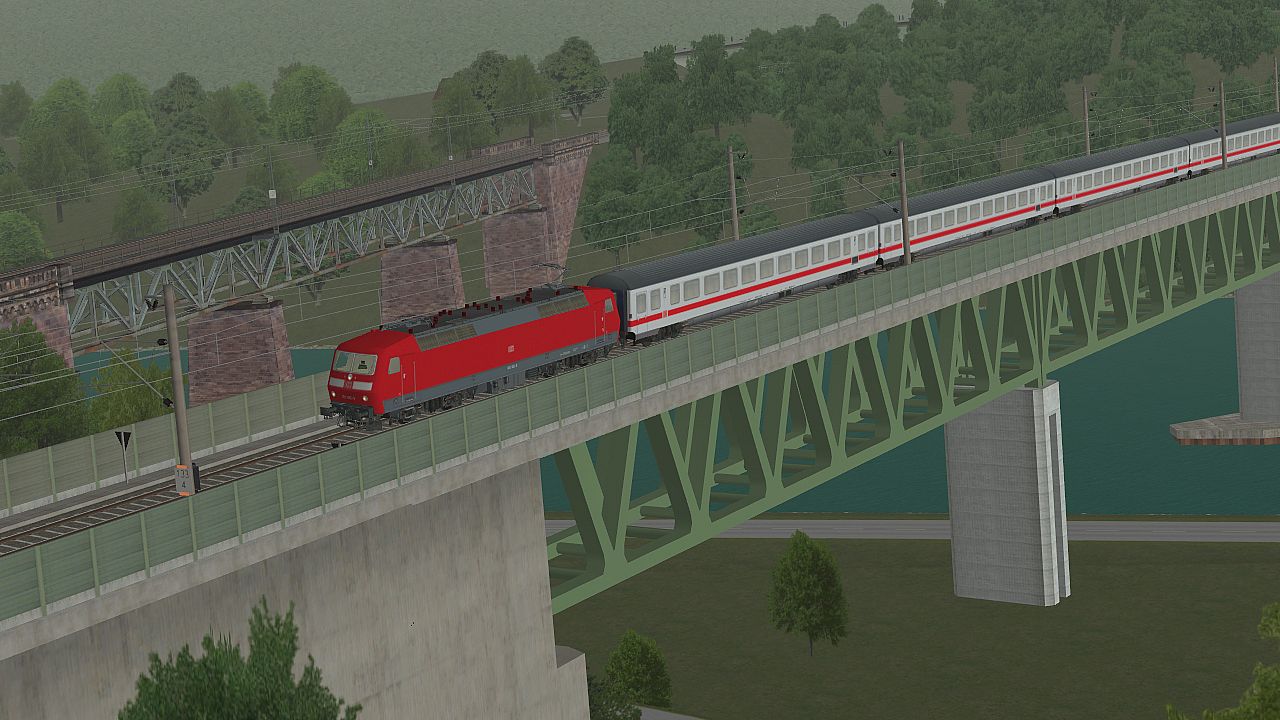
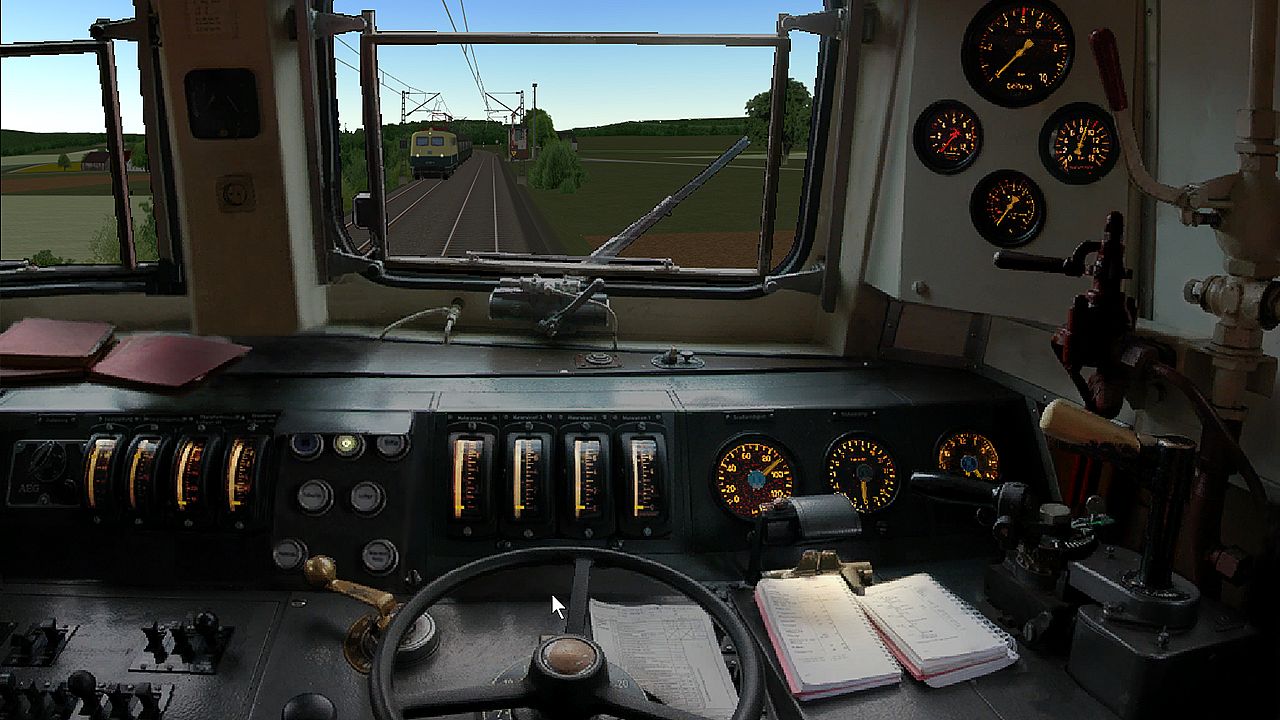
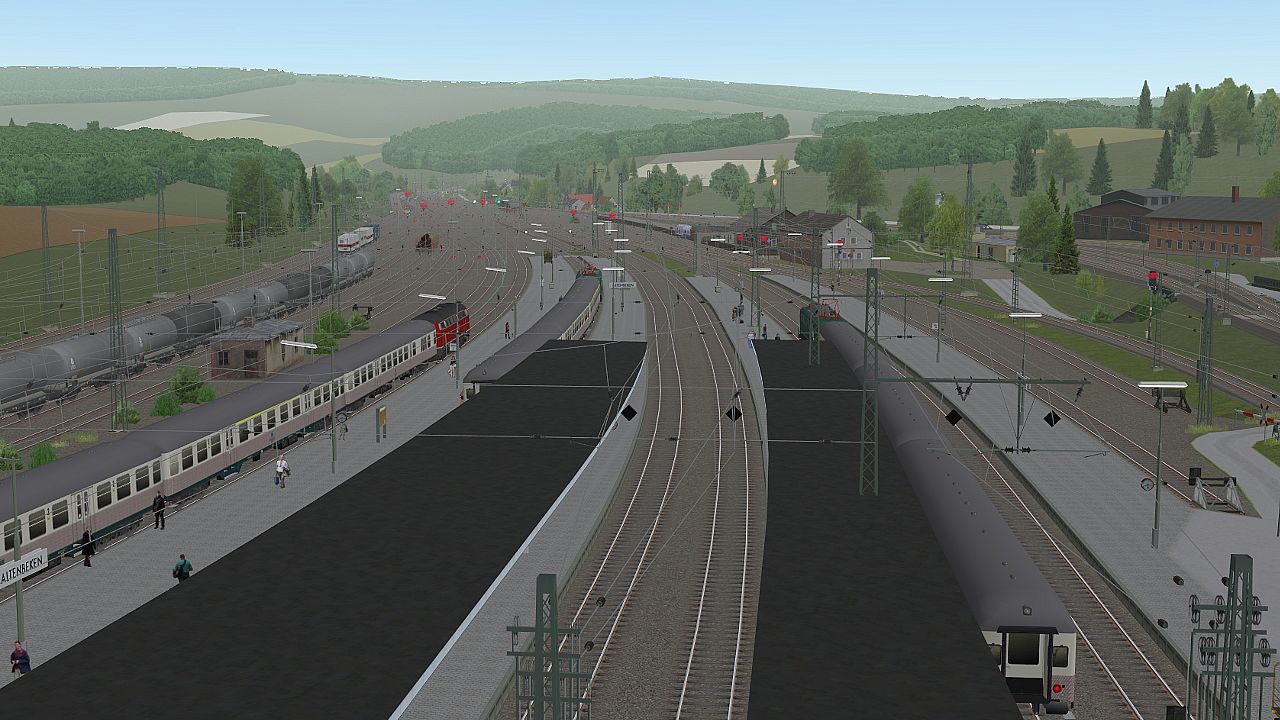
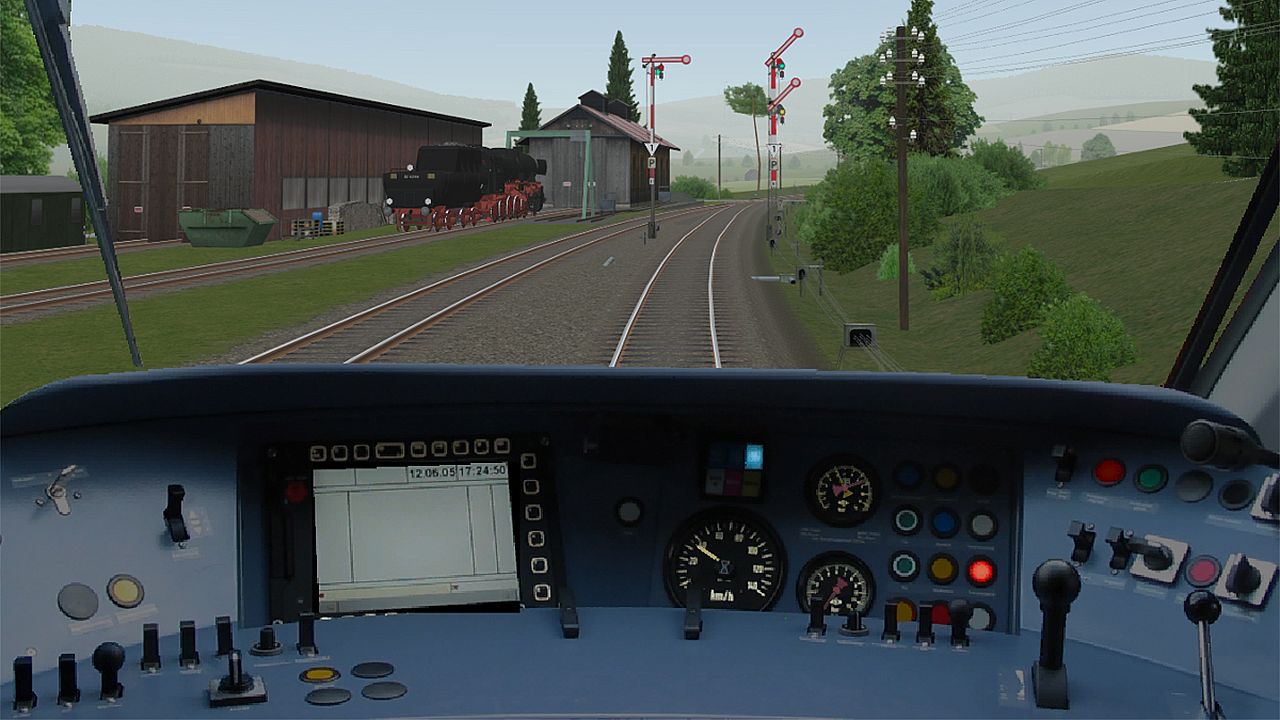
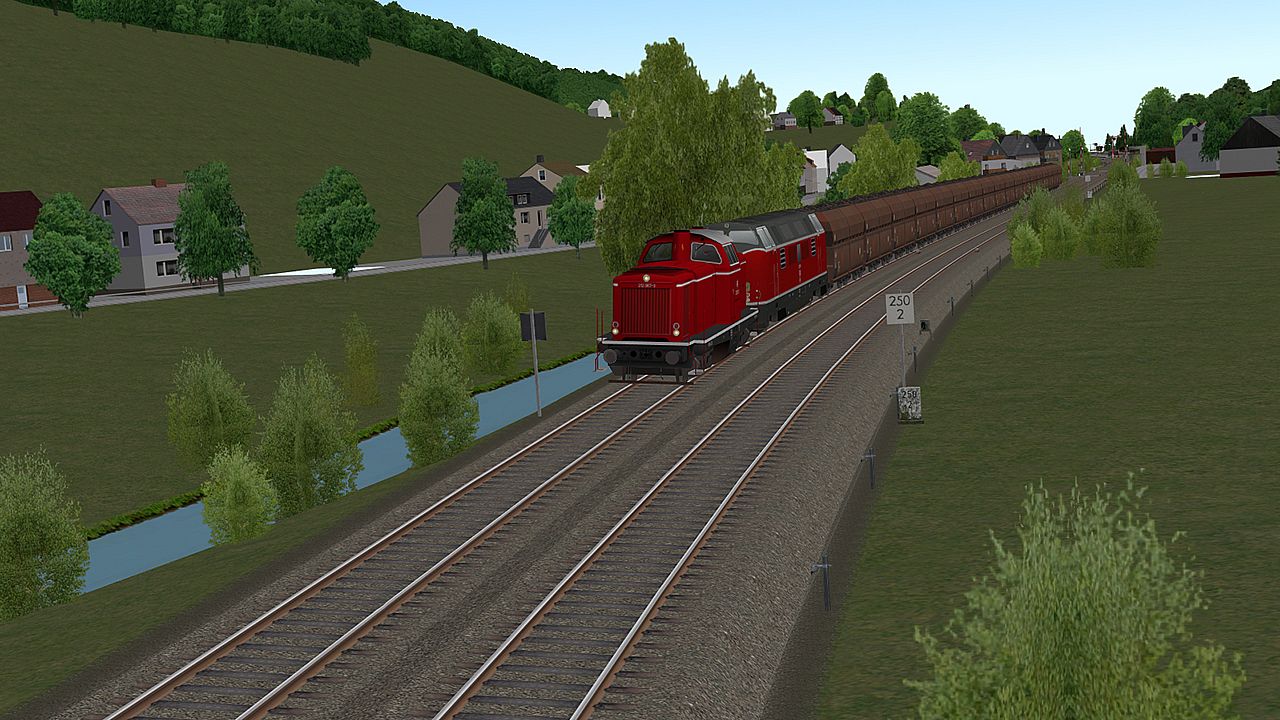
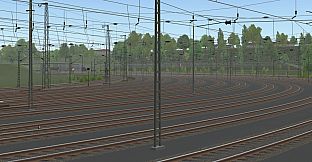
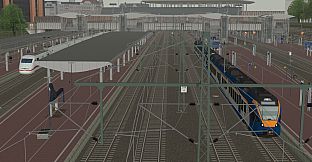
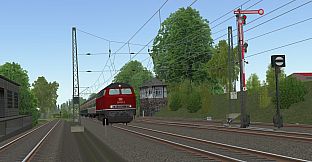
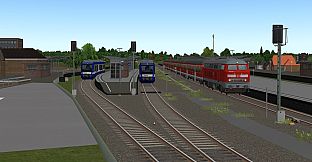
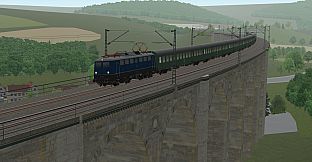
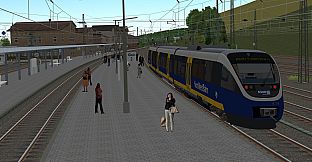
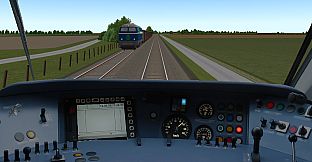
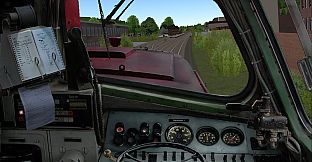
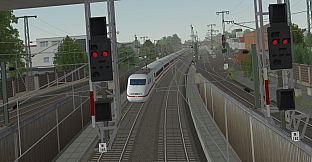
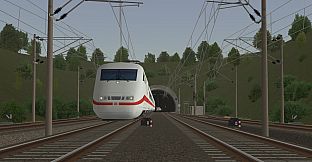
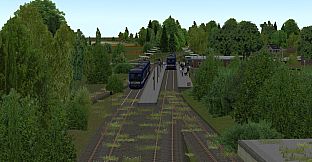
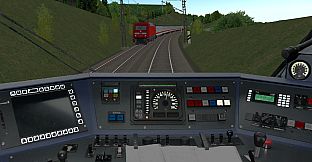
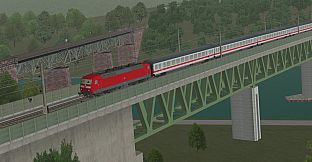
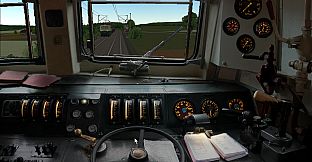
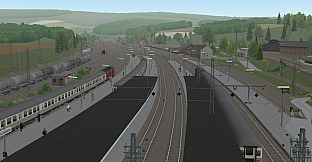
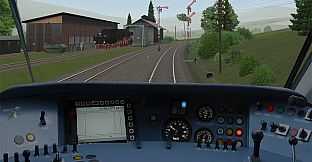
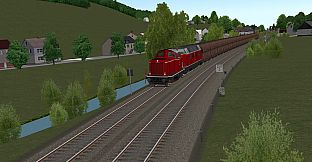
ZUSI 3 Aerosoft Edition is a train simulation game developed for PC that places players in the role of a locomotive engineer. The title recreates authentic railway operations with precise attention to German signaling, track geometry, and vehicle physics. It draws from a professional training platform used by actual railway operators, delivering the same level of detail to hobbyists who want to operate trains under realistic conditions.
Gameplay
Core gameplay centers on operating trains along faithfully recreated routes while adhering to timetables, speed limits, and safety systems. Players manage acceleration, braking, and route adherence using either keyboard and mouse controls or compatible hardware driver desks. Driving dynamics account for factors such as superelevation on curves, air resistance, tilt technology on certain vehicles, and the behavior of different propulsion and braking systems.
Train protection receives full simulation treatment. Systems include multiple variants of Indusi and PZB, LZB with optional PZB integration, CIR-ELKE, GNT/ZUB tilting protection, and ETCS. Sifa vigilance devices and door interlock mechanisms add further layers of operational procedure. Signaling follows every German standard, requiring correct interpretation of aspects and compliance with speed restrictions.
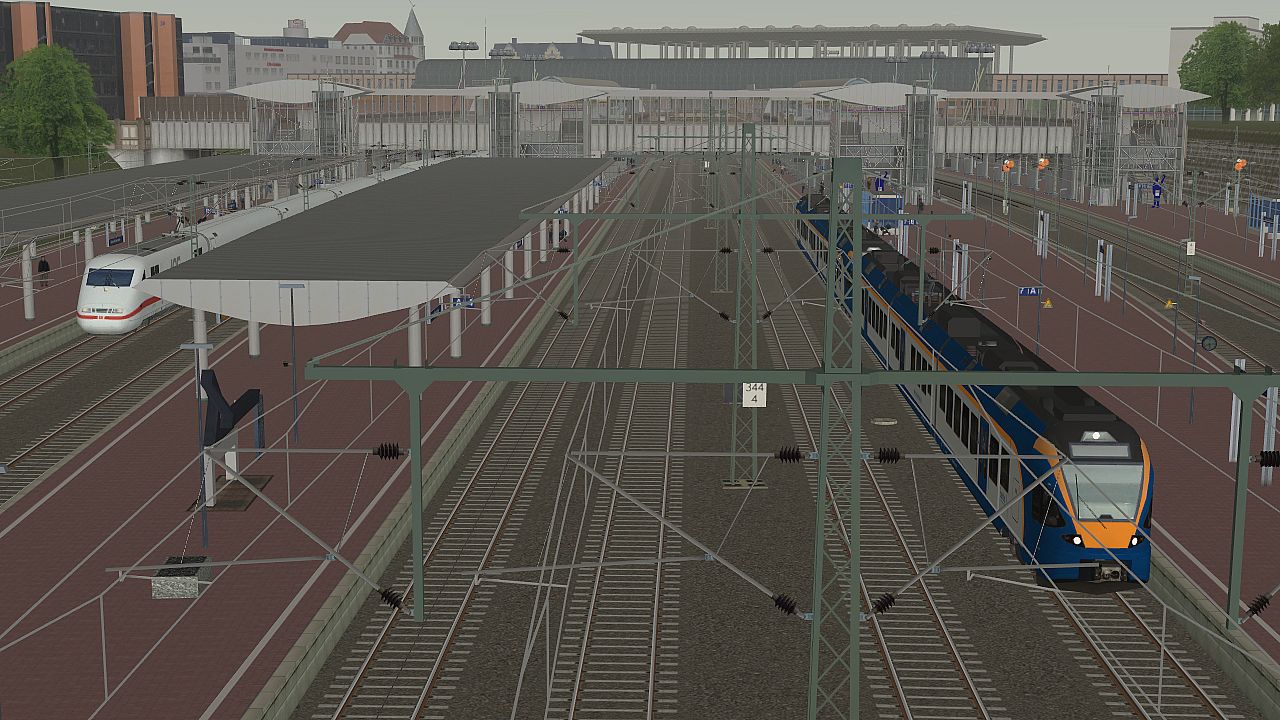
Sound design uses surround audio to convey engine notes, track noise, and environmental cues. Routes are constructed in modular sections that combine into larger networks, allowing seamless transitions across more than 500 kilometres of track spanning multiple eras. Ten base routes are included, one of which is the Cologne to Düsseldorf line created specifically for this edition.
Game Modes
The primary activity involves driving a single player-controlled train within a full timetable scenario. Hundreds of additional trains run simultaneously under autopilot control, interacting with the player's schedule through shared track sections and signaling. This creates dynamic operational pressure where delays or routing decisions affect the entire network.
Players receive a preview of each train, including its timetable and consist, before departure. Adjustable realism settings allow beginners to reduce the strictness of protection systems during initial learning, while experienced users can enforce full prototypical behavior. The simulation supports both scheduled service and the creation of custom scenarios through included editors, though the editors themselves are available only in German.
Route Network and Expansion
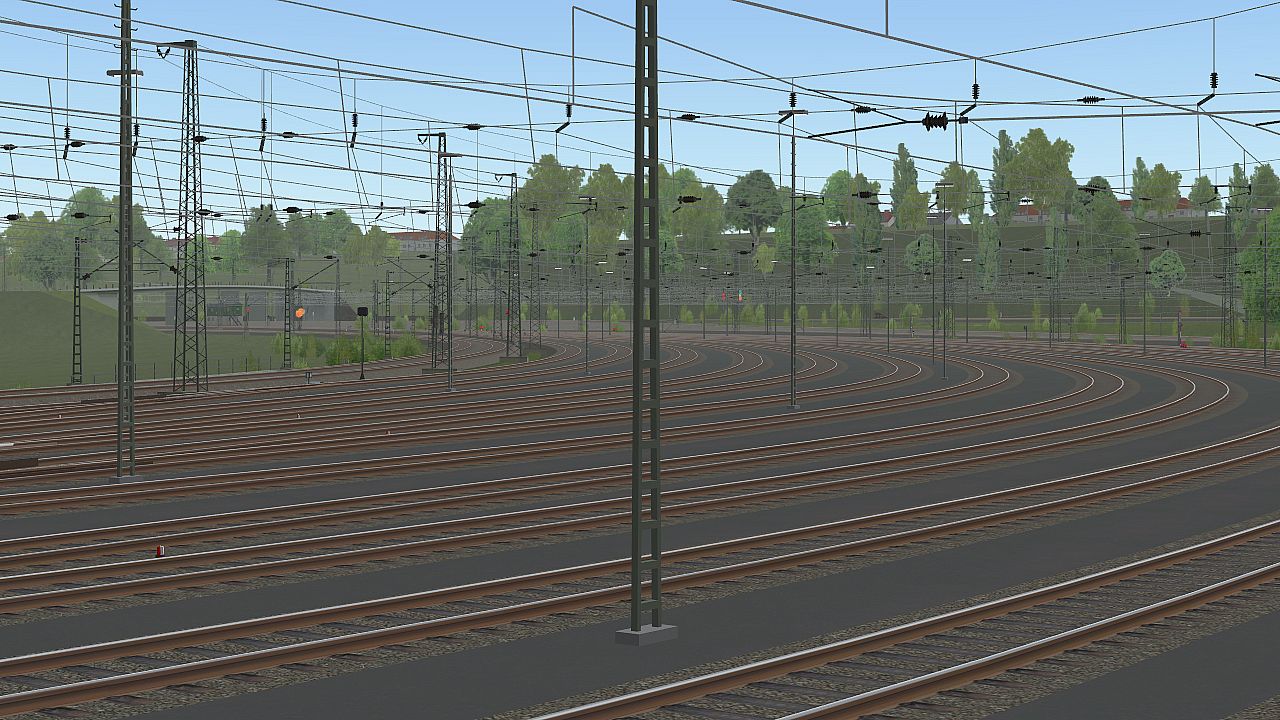
Track layouts incorporate exact geometry, including pointwork superelevation and interfaces for importing real-world geographic data. This modular approach enables users to merge additional content into existing timetable scenarios. A wide selection of extra routes, vehicles, and timetables can be added from community sources or created internally, extending the base 500 kilometres of track indefinitely.
Hardware support extends beyond standard input devices. Compatible driver desks connect directly, reproducing the physical layout of real locomotive controls for more immersive sessions.
Is It Worth Playing?
Player reception on the primary distribution platform stands at Very Positive, with 90 percent of 318 reviews rated positively. The simulation appeals most to dedicated rail enthusiasts who value procedural accuracy over arcade-style controls. Beginners benefit from graduated assistance options that ease the learning curve without removing core challenges.
The game remains actively available years after its 2019 release and continues to receive community-created content. Its professional origins ensure that every listed protection system and signaling element functions according to real railway rules. Those seeking a detailed, single-player train operation experience on PC will find the depth and fidelity match the expectations set by its training-software heritage.