








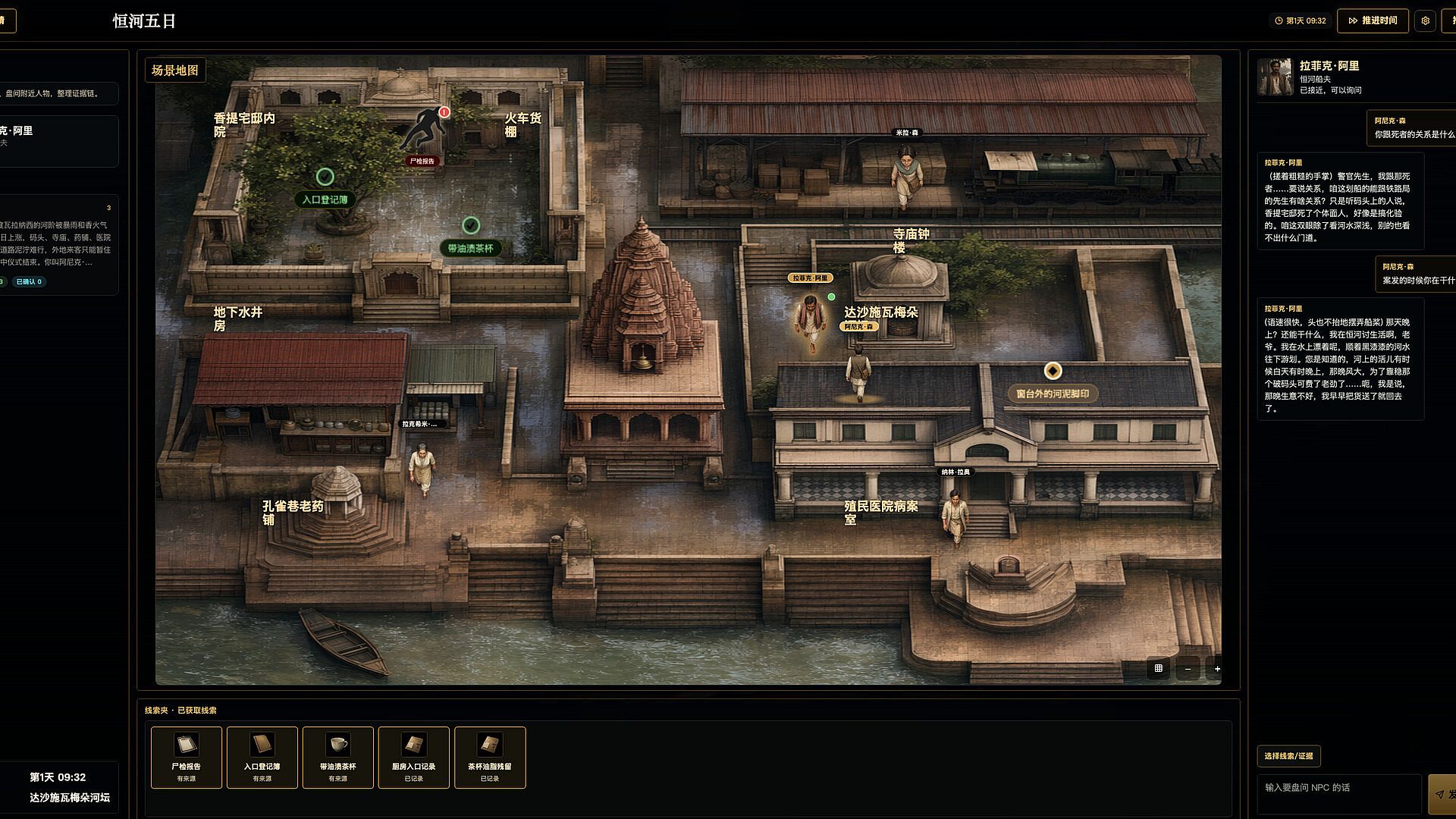



The Last Question is an indie simulation and RPG title built around AI-driven detective work on PC. Players step into the role of an investigator who must solve complex mysteries by questioning suspects, gathering evidence, and piecing together timelines through open conversation rather than preset choices.
Gameplay
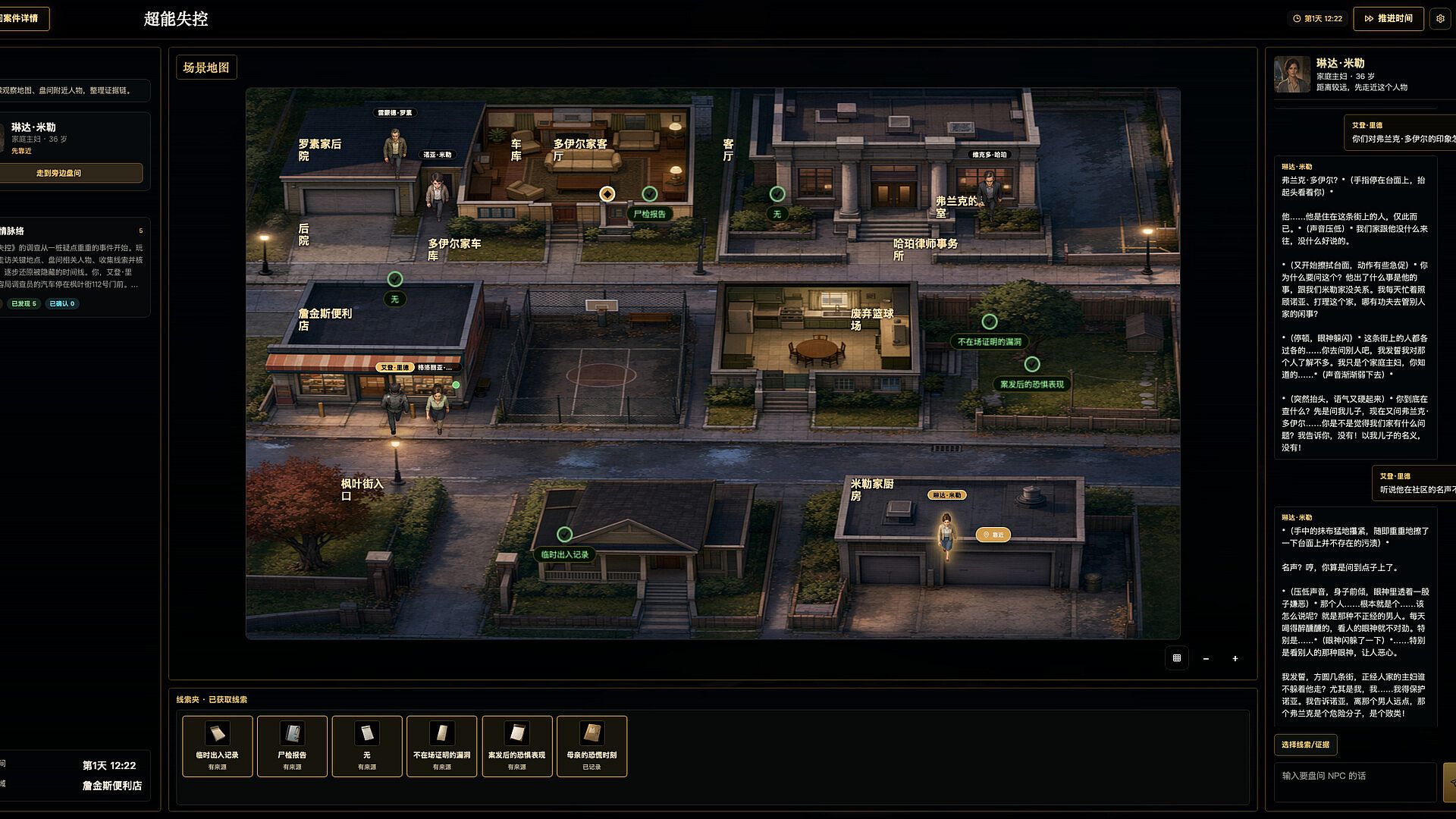
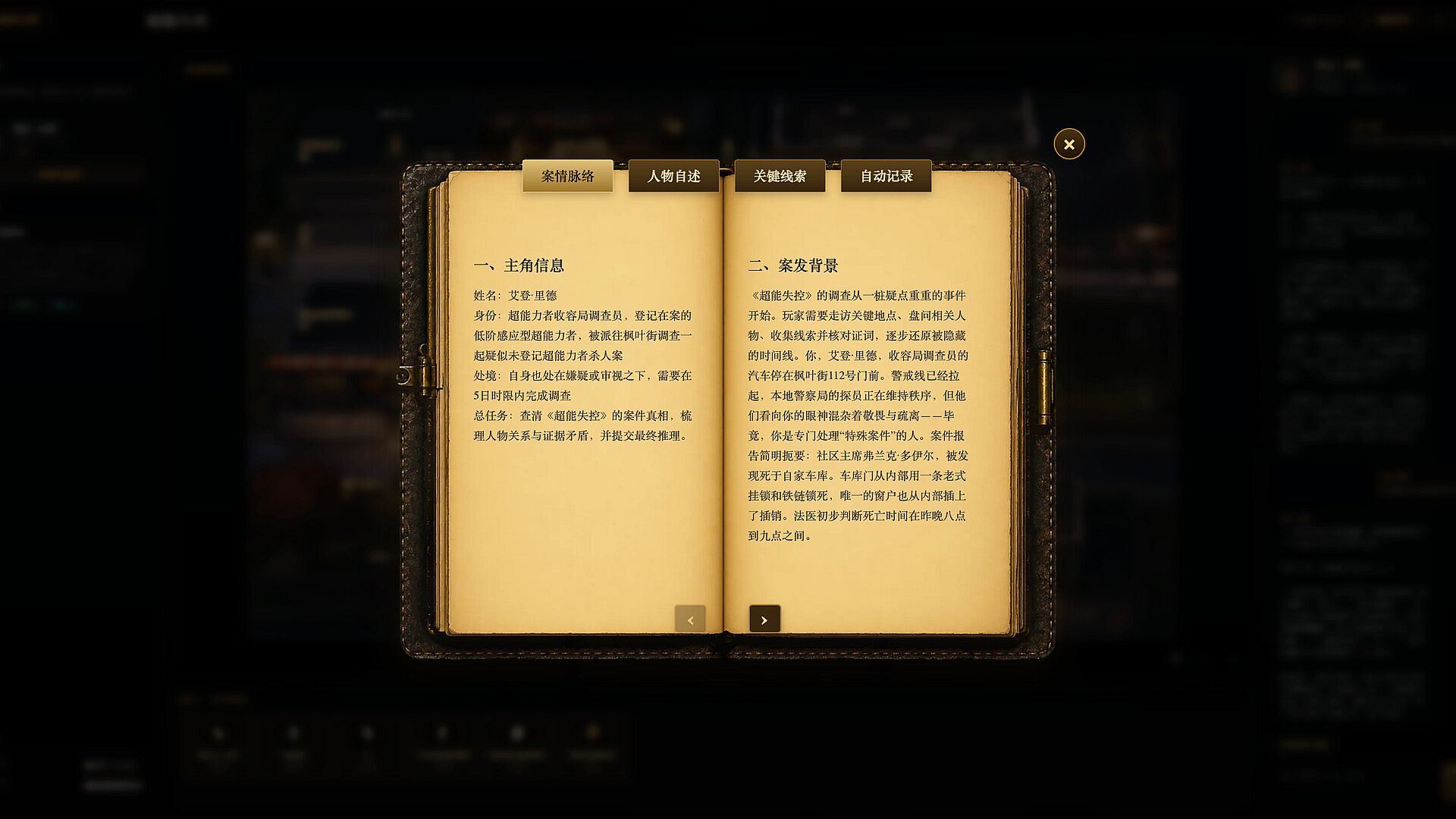
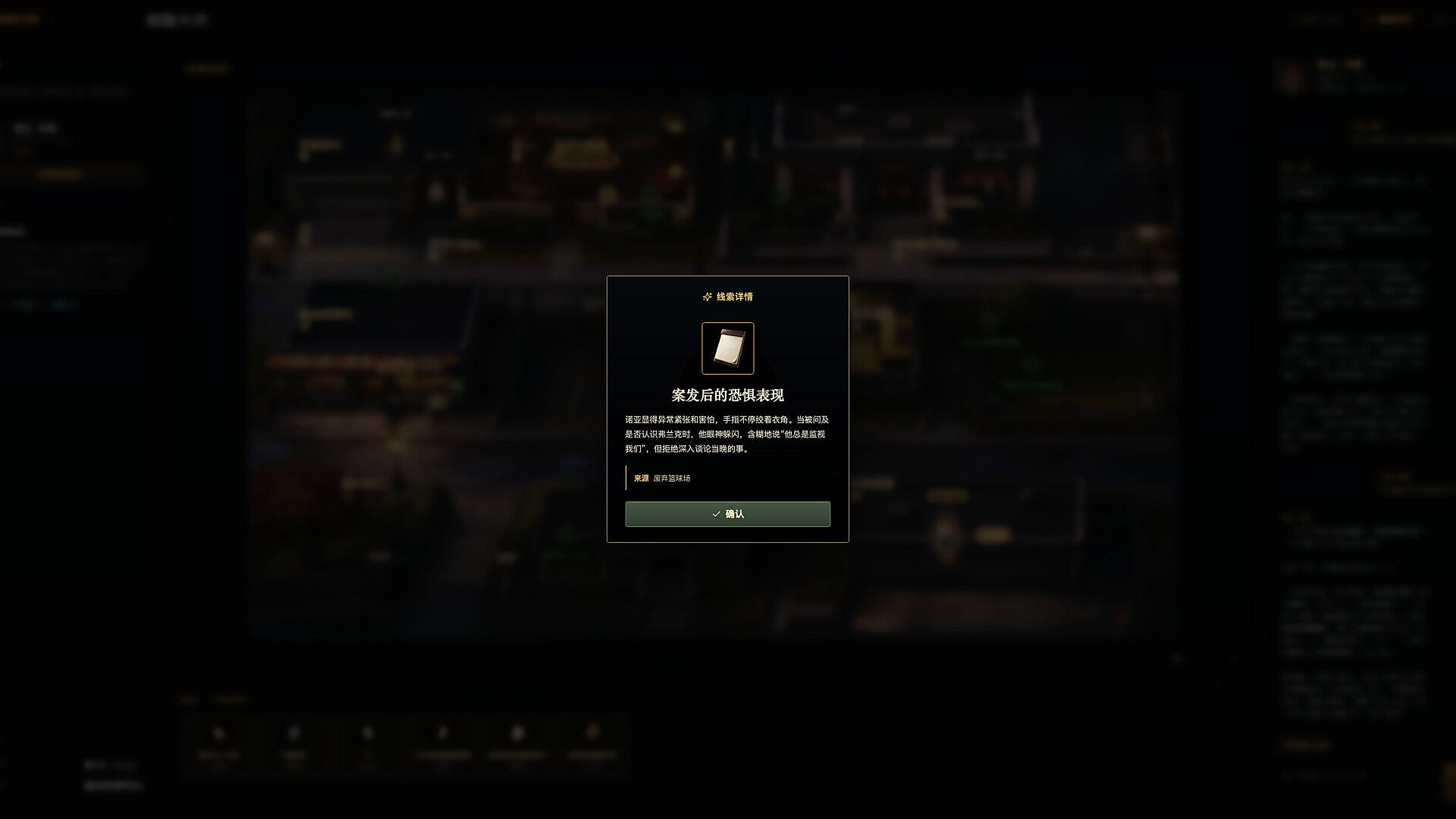
Core play centers on free-form interrogation and investigation. Suspects respond according to their individual identities, motives, memories, and hidden details, allowing natural follow-up questions that can expose contradictions or build pressure with collected evidence. Locations can be examined for clues, items gathered, and timelines organized to reconstruct events. Testimony is not always reliable, so connections between relationships, motives, time, place, and unusual behavior become essential for reaching conclusions.
Characters react differently depending on the current time, location, task progress, and previously discovered information. This creates dynamic exchanges where the same question might yield new details or resistance based on prior actions. The focus remains on reasoning like a detective, with clues rarely providing direct answers and requiring players to interpret silences or overlooked elements.
Game Modes
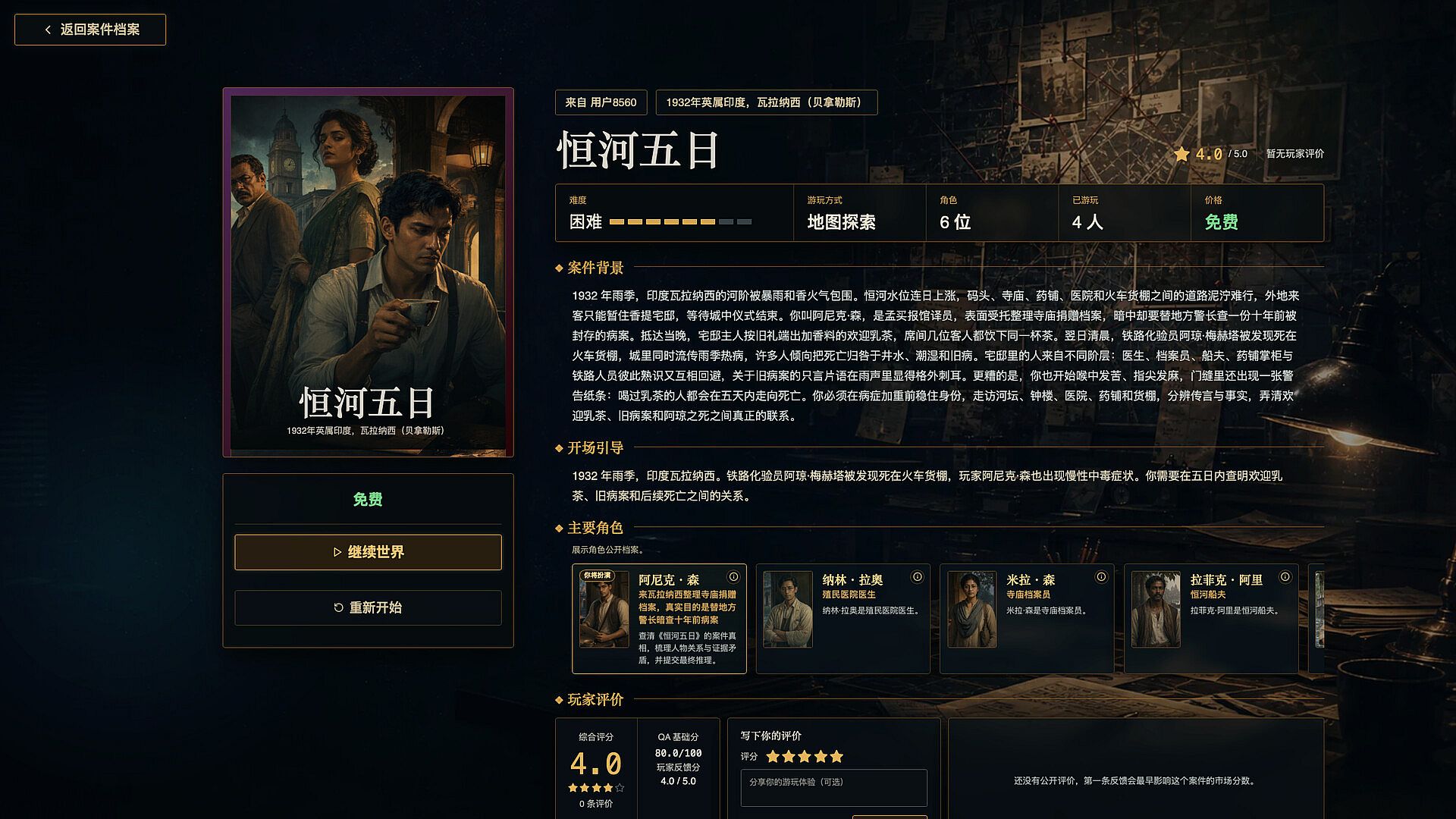
Cases appear in several formats that mix interrogation, scene examination, timed sequences, item management, NPC routines, evidence tracking, and final judgments. Some investigations unfold under time constraints that force decisions about priorities, trust, and which leads to pursue. Others emphasize relationship mapping or extended deduction sessions without strict timers.
Progression involves multiple cases that vary in structure and complexity. Community-created suspects add further variety, expanding the pool of available mysteries beyond the core set of dozens of criminal scenarios.
Key Mechanics
AI dialogue drives most interactions, supporting unrestricted questions that can lead to breakthroughs or dead ends. Evidence collection feeds into pressure tactics during conversations, while timeline reconstruction helps identify inconsistencies across statements. No fixed question lists or single-button solutions exist, so each case demands personal strategy and attention to detail.
Dynamic responses tie directly to case state, discovered clues, and character backgrounds. This system rewards careful note-taking and logical deduction over trial-and-error guessing.
Is It Worth Playing?
The game suits players who enjoy methodical detective work and open-ended problem solving. It has drawn thousands of participants since launch, with many appreciating the freedom to question suspects in their own words and the challenge of unreliable testimony. Those seeking structured puzzles or action-focused experiences may find the emphasis on conversation and reasoning less engaging. Current support includes ongoing case additions and community features that extend playtime for dedicated investigators. Availability on PC makes it accessible for anyone interested in AI-powered mystery titles that prioritize thinking over combat or exploration loops.












