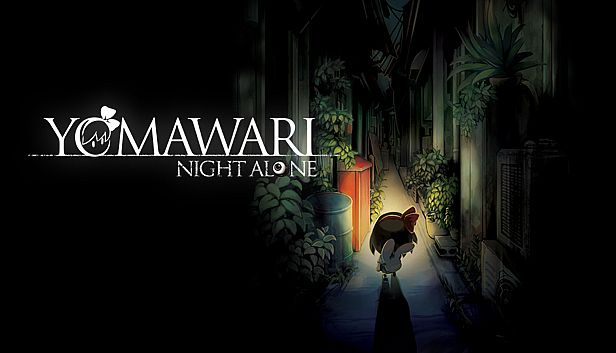












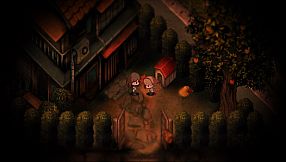
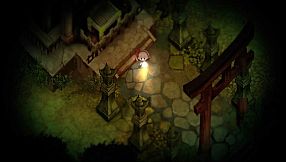
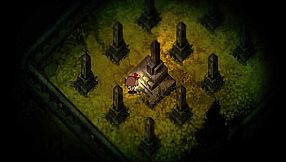
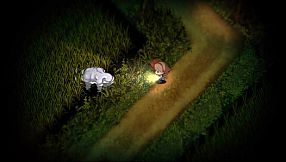

Yomawari: Night Alone is a single-player survival horror adventure game that blends exploration, puzzle solving, and evasion mechanics on PC. The core premise follows a young girl who ventures into a transformed town at night after a family tragedy, searching for her missing sister and dog amid hostile spirits.
Gameplay
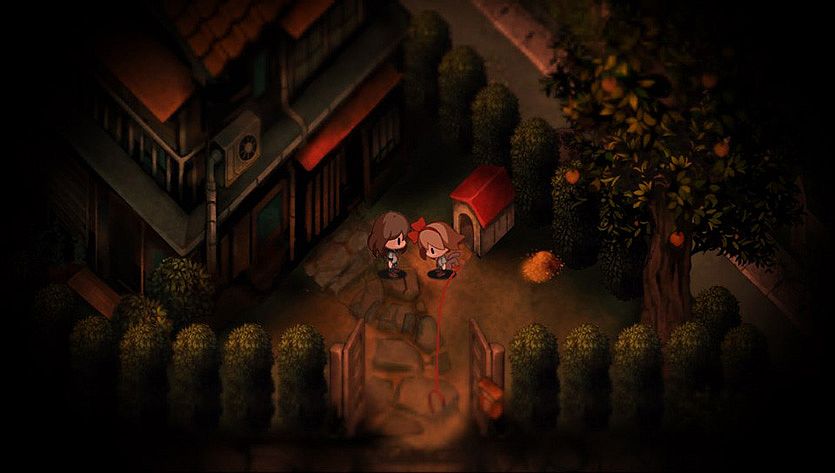
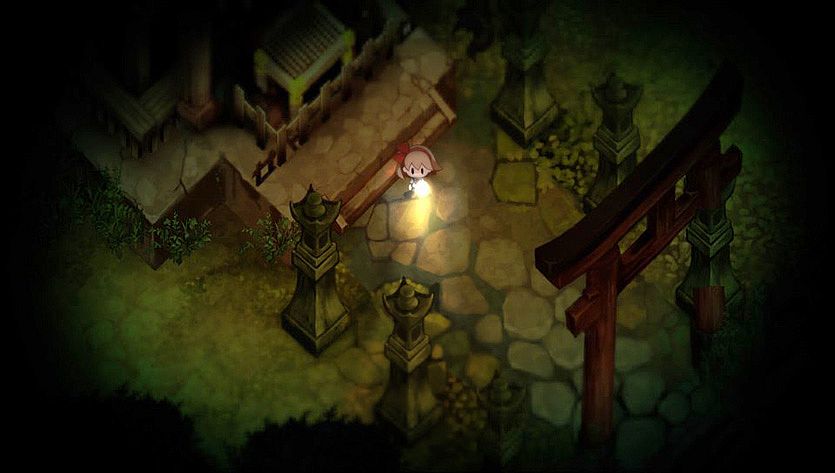
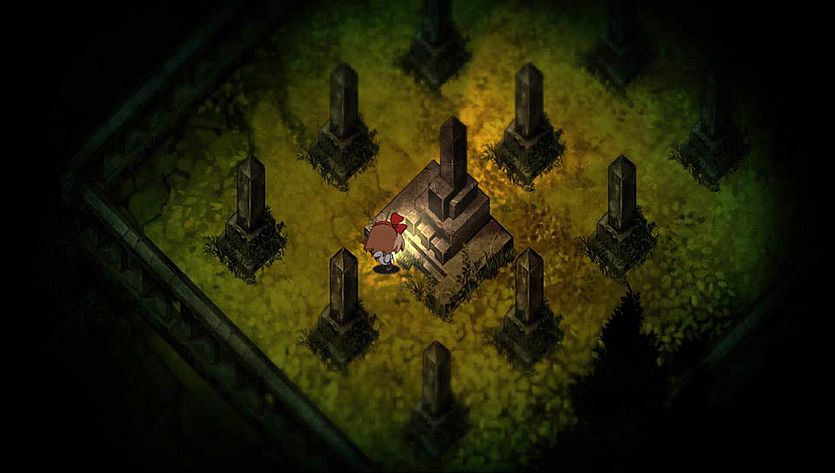
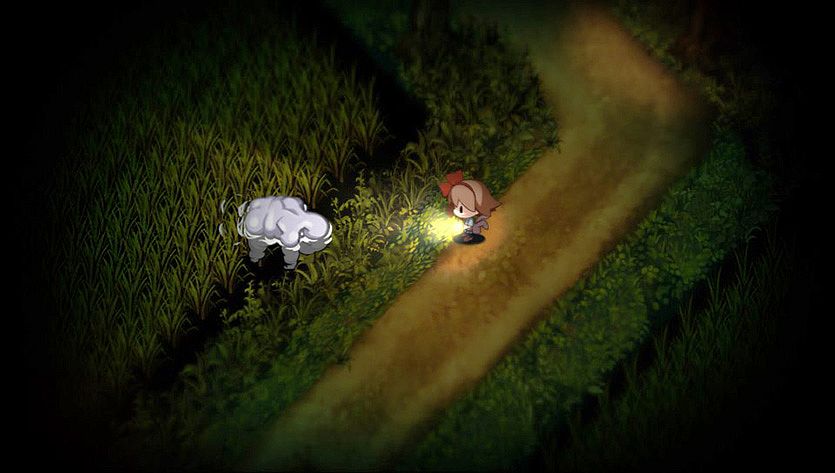
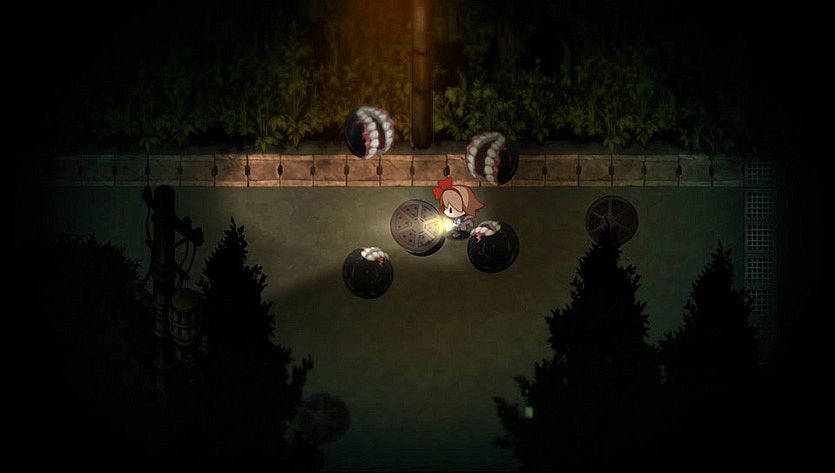
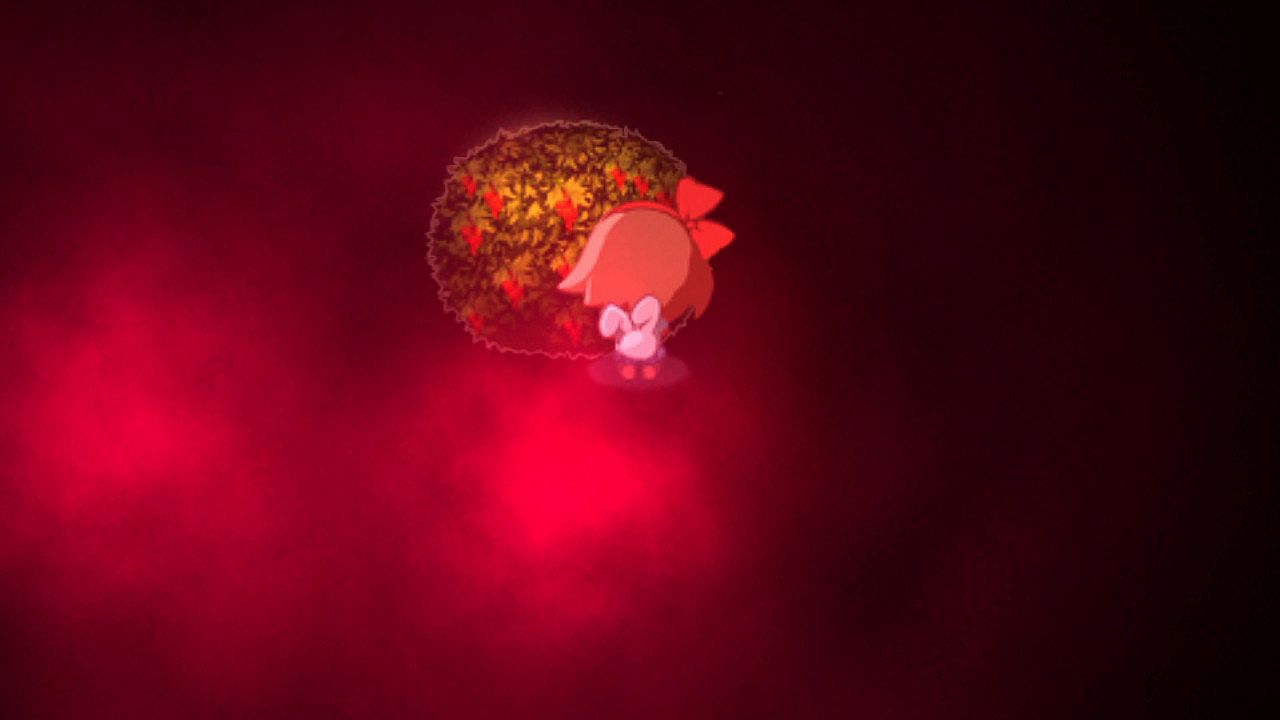
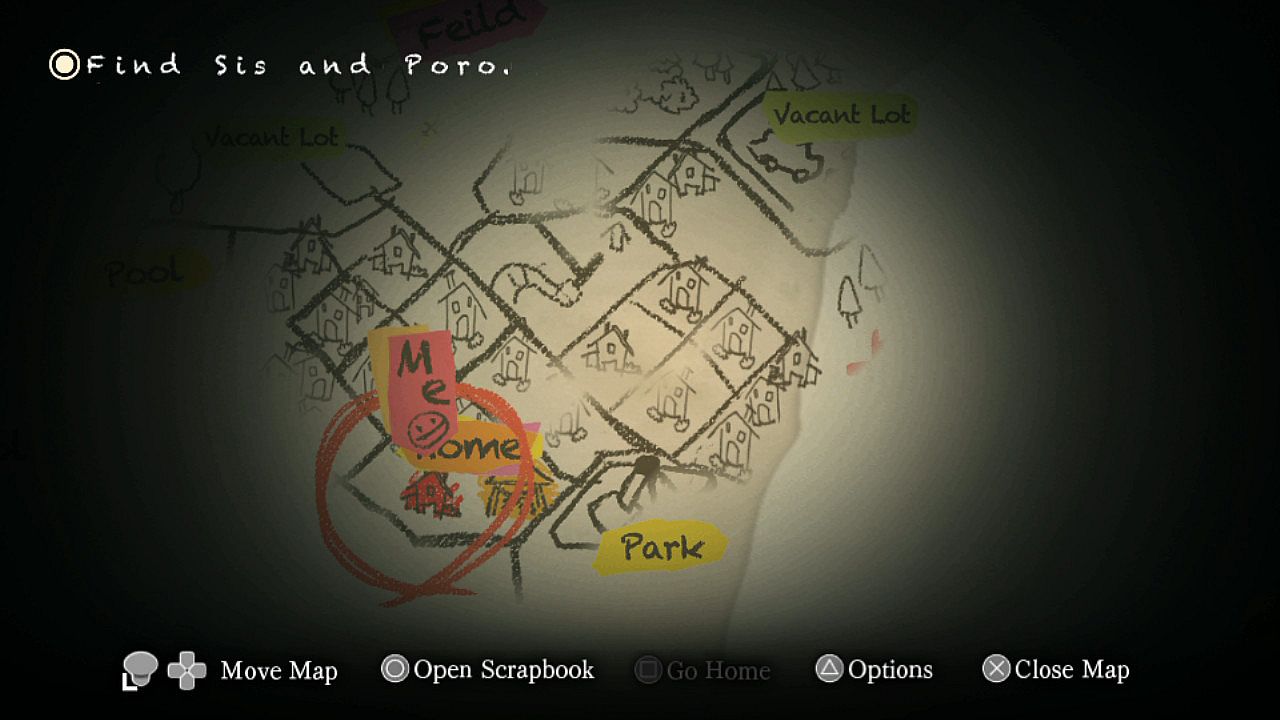
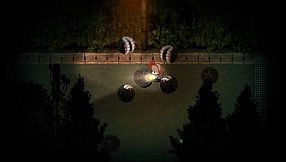
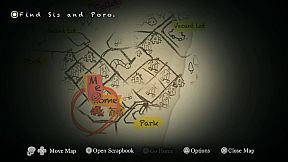
The game uses an isometric perspective with direct controls for movement and interaction. Players navigate a darkened town that changes based on the time of night, using a flashlight to reveal paths and locate items. A heartbeat sound and visual screen effects intensify when spirits draw near, serving as the primary warning system for danger.
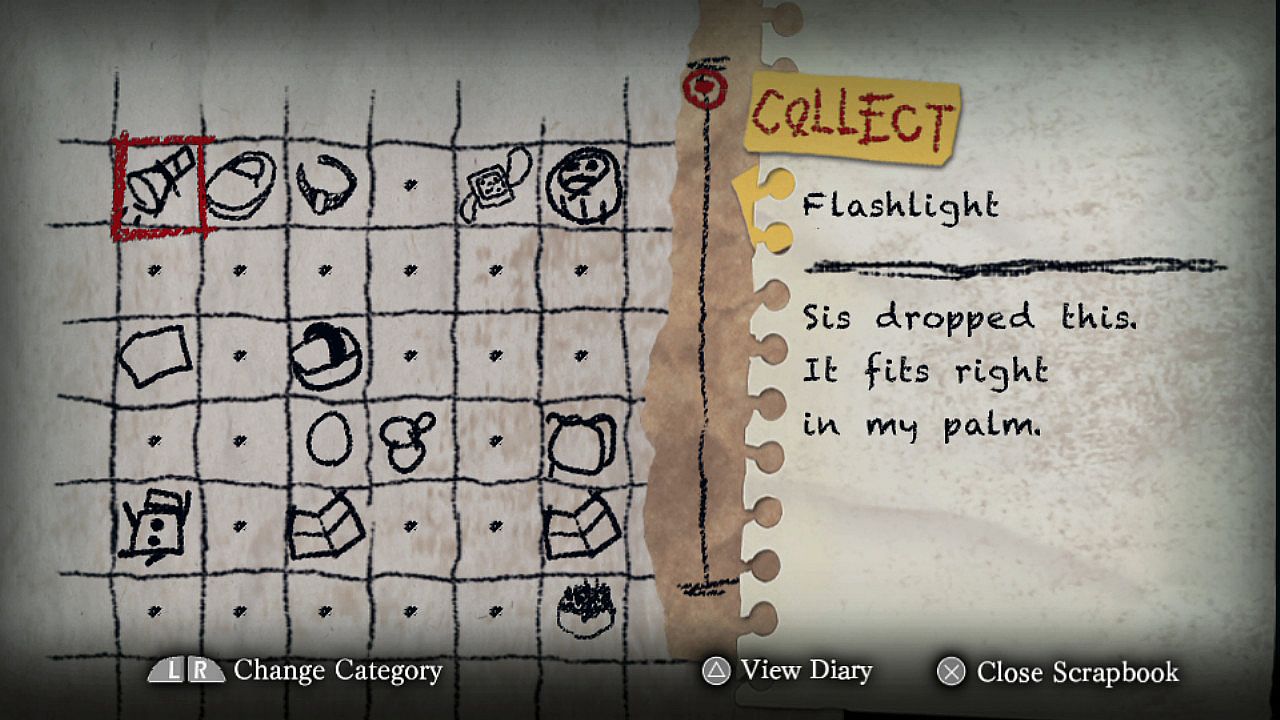
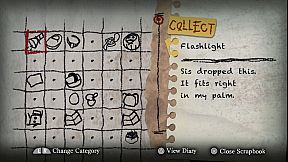
Survival depends entirely on evasion rather than combat. The girl can run to escape pursuers, hide in specific spots, or deploy items such as pebbles to distract or mark locations, matches for temporary light or deterrence, and a shovel for digging up hidden objects. Money collected serves as offerings at shrines to aid progress or unlock paths. Exploration reveals collectibles and clues that advance the story, with question marks and exclamation points marking interactive points of interest.
Progression involves solving environmental puzzles and uncovering town mysteries while managing limited resources. The design emphasizes careful observation of surroundings and sound cues over direct confrontation.
Game Modes
The experience centers on a linear single-player story campaign divided into chapters that unfold across the night. Each section builds on the previous one through sequential exploration and discovery.
After completing the main story, a freeroam mode unlocks. This allows unrestricted access to the town for collecting remaining items, revisiting locations, and interacting with non-player elements without the pressure of the primary narrative sequence.
Story and Atmosphere
The narrative unfolds through environmental storytelling and brief encounters rather than extensive dialogue. The town shifts from familiar streets into an unsettling, spirit-filled environment that reflects the protagonist's isolation and growing fear. Dark themes appear through stylized depictions of loss and the supernatural, integrated into the exploration loop.
Atmosphere relies on audio design, including the escalating heartbeat and ambient sounds, paired with the visual contrast between everyday settings and encroaching darkness. The isometric view keeps focus on navigation and threat awareness throughout.
Is It Worth Playing?
This title suits players who prefer deliberate, single-player horror adventures centered on exploration and tension rather than action or combat. The evasion-focused mechanics and item-based problem solving create a consistent loop that rewards patience and attention to detail.
Reception highlights the strong atmospheric presentation and narrative tone as standout elements, with some noting the straightforward gameplay as a potential limitation for those seeking deeper systems. As a completed single-player release with no ongoing updates or additional modes, it offers a self-contained experience best approached by fans of quiet horror and puzzle-driven discovery.
Those drawn to atmospheric single-player titles with evasion and collection elements will find the most value here, while players expecting combat or multiplayer features may want to look elsewhere.