








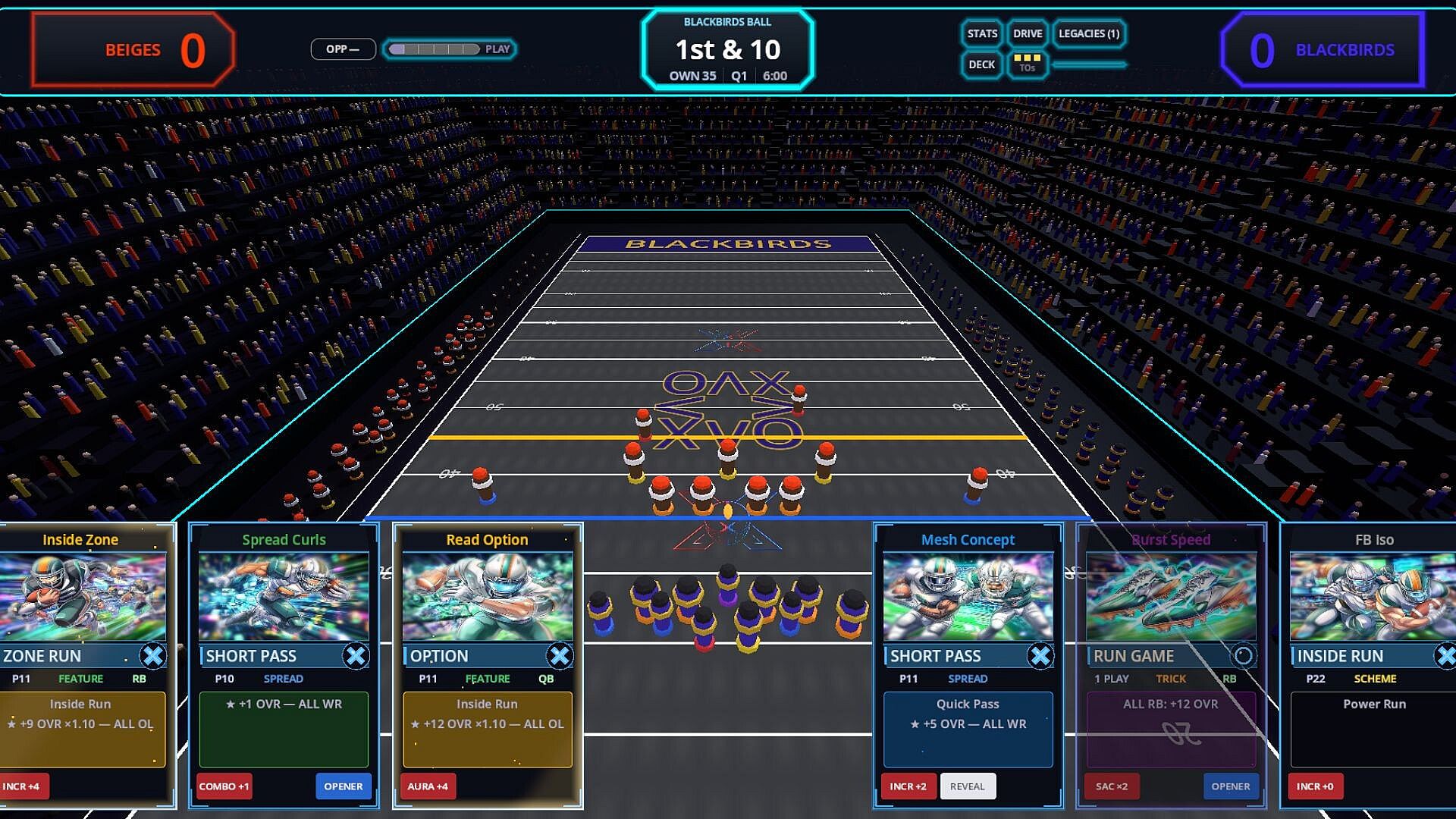
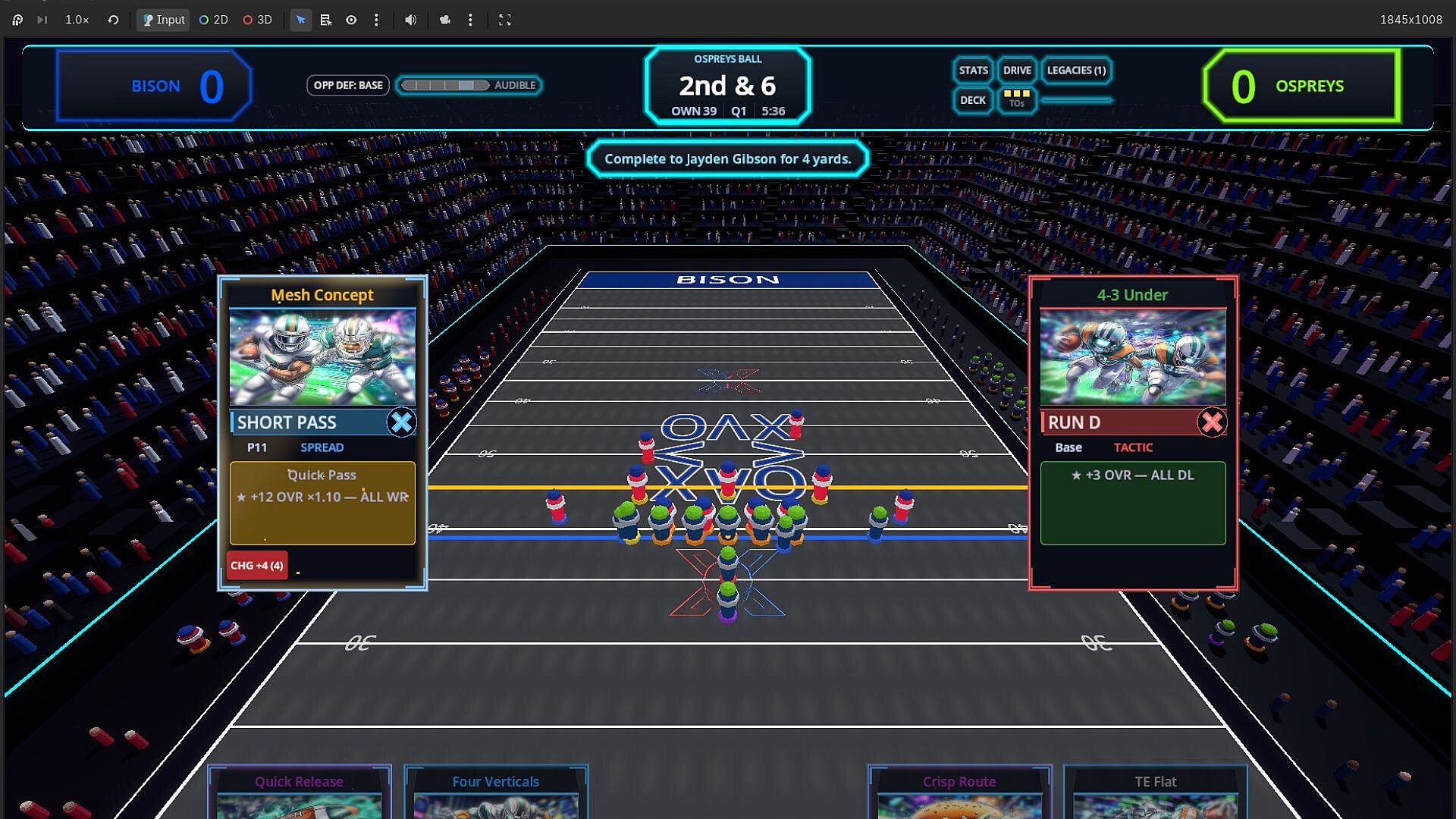
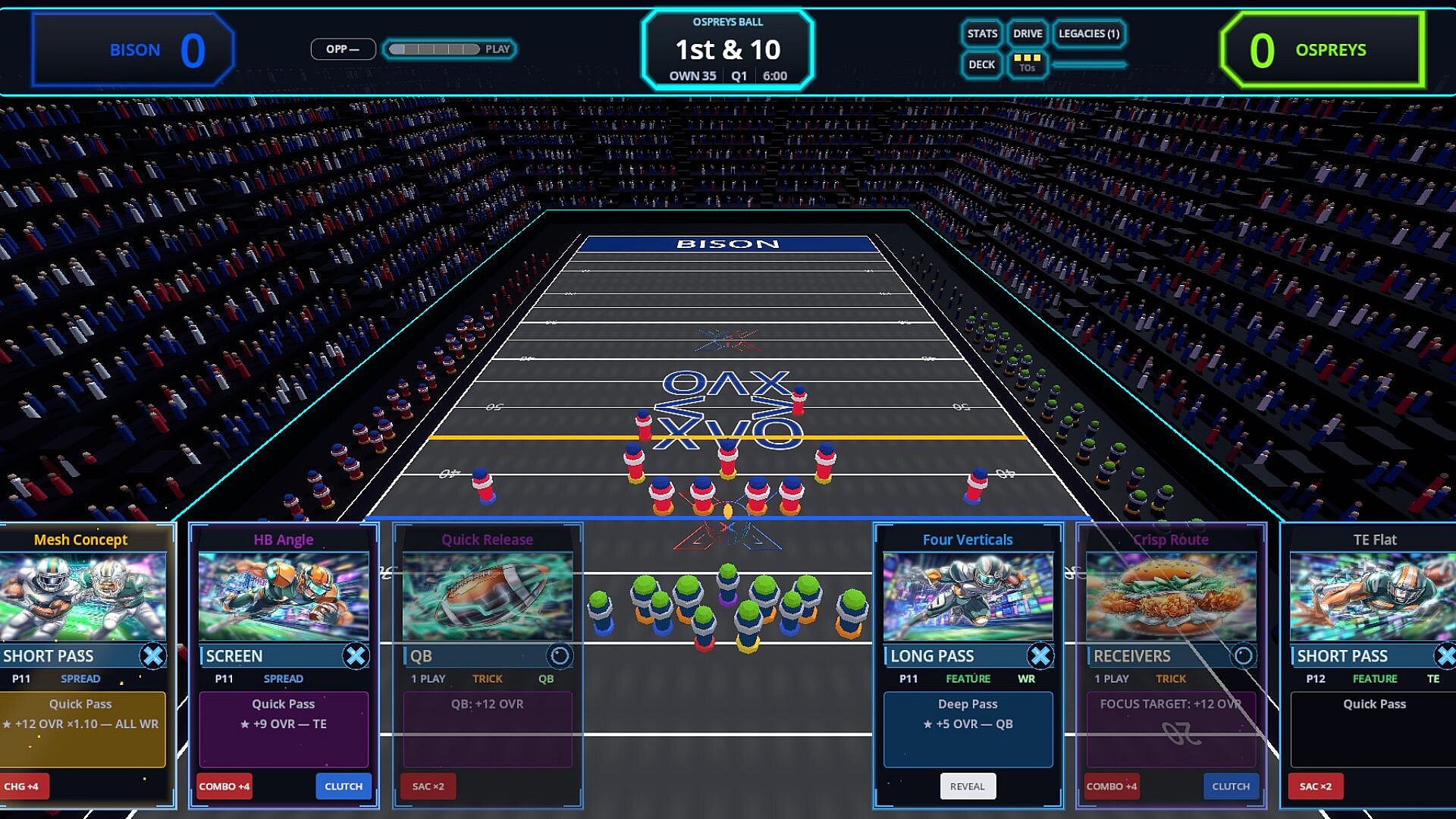
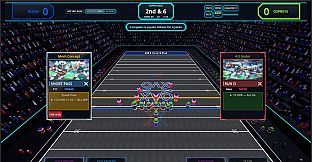
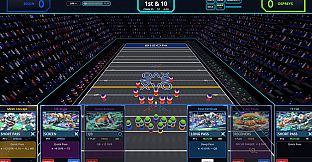
xvorogue is a roguelike deckbuilder football simulation for PC in early access. Players manage offense and defense through card selections in a system that resolves plays using a simulation grounded in extensive real-world NFL statistics and historical data.
Gameplay
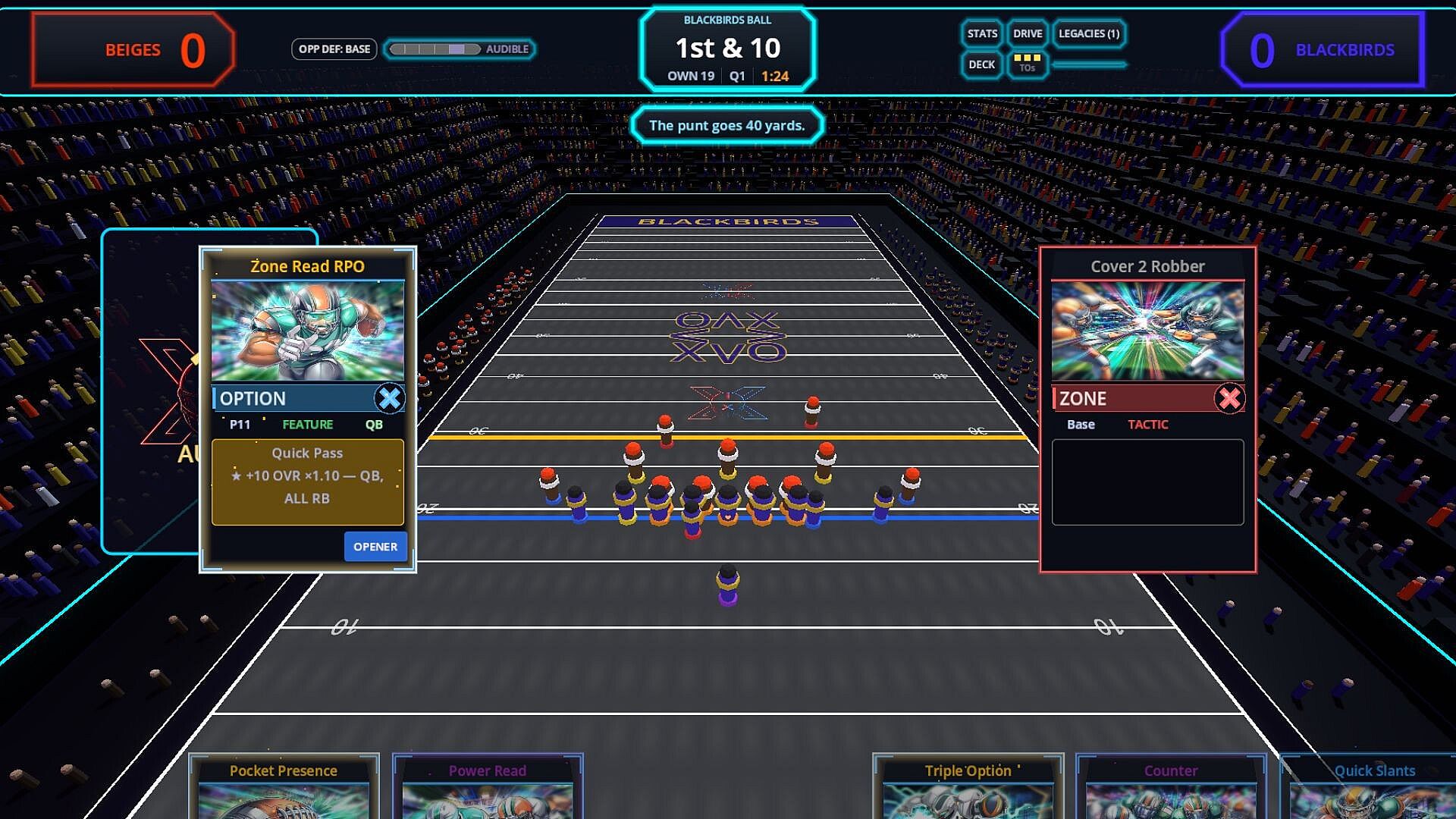
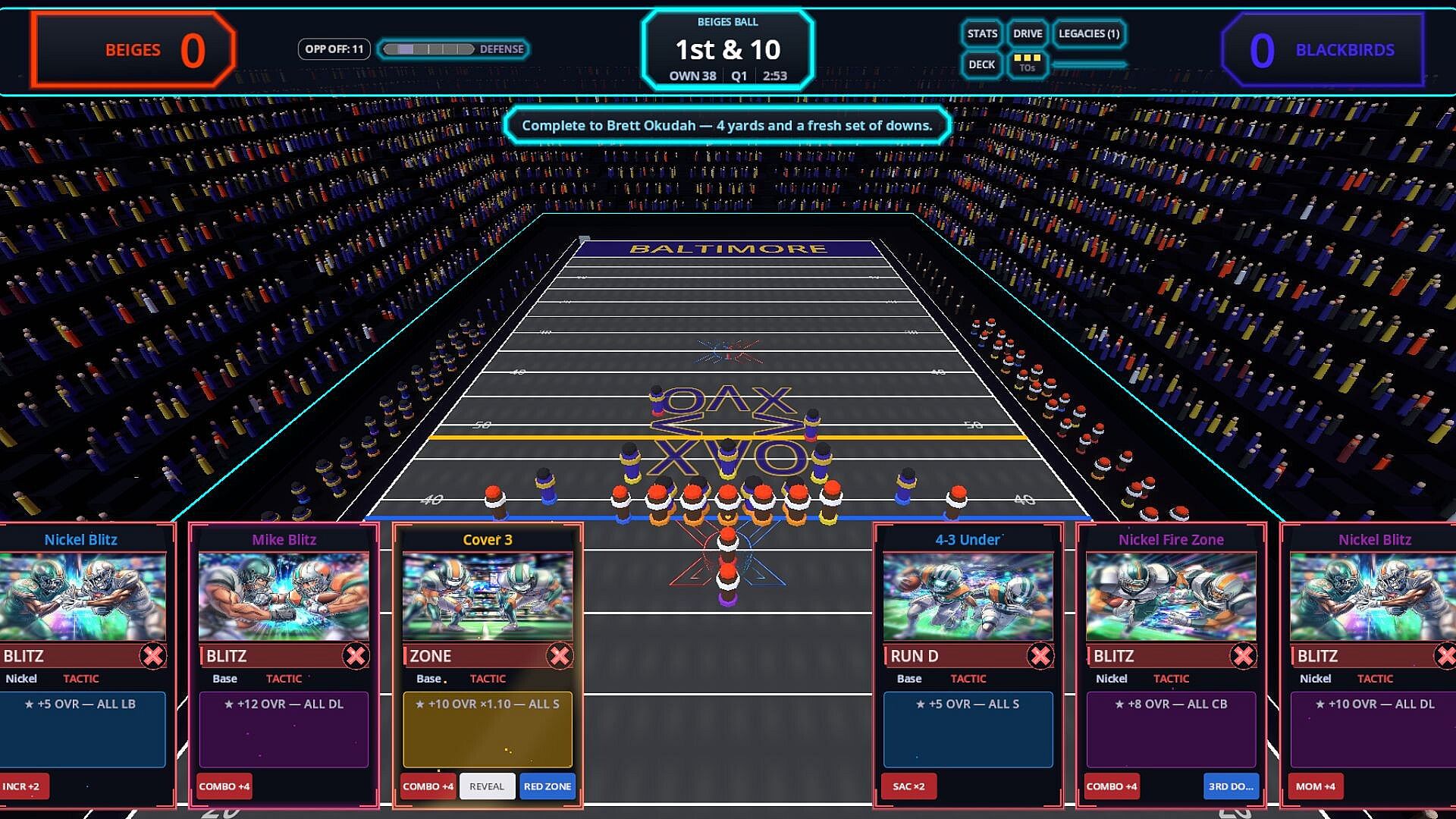
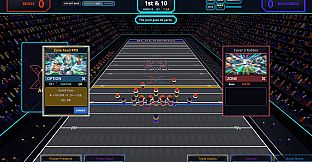
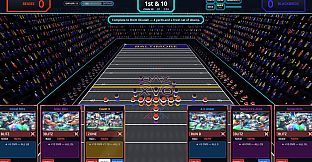
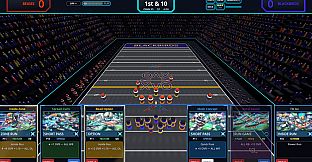
The core loop centers on drafting and refining a deck of play cards. Each hand represents options for calling offensive and defensive schemes during simulated matches. The underlying engine draws from ratings, formations, and historical play-calls to determine results on the field. Matches unfold as part of longer runs where outcomes influence team development and deck adjustments.
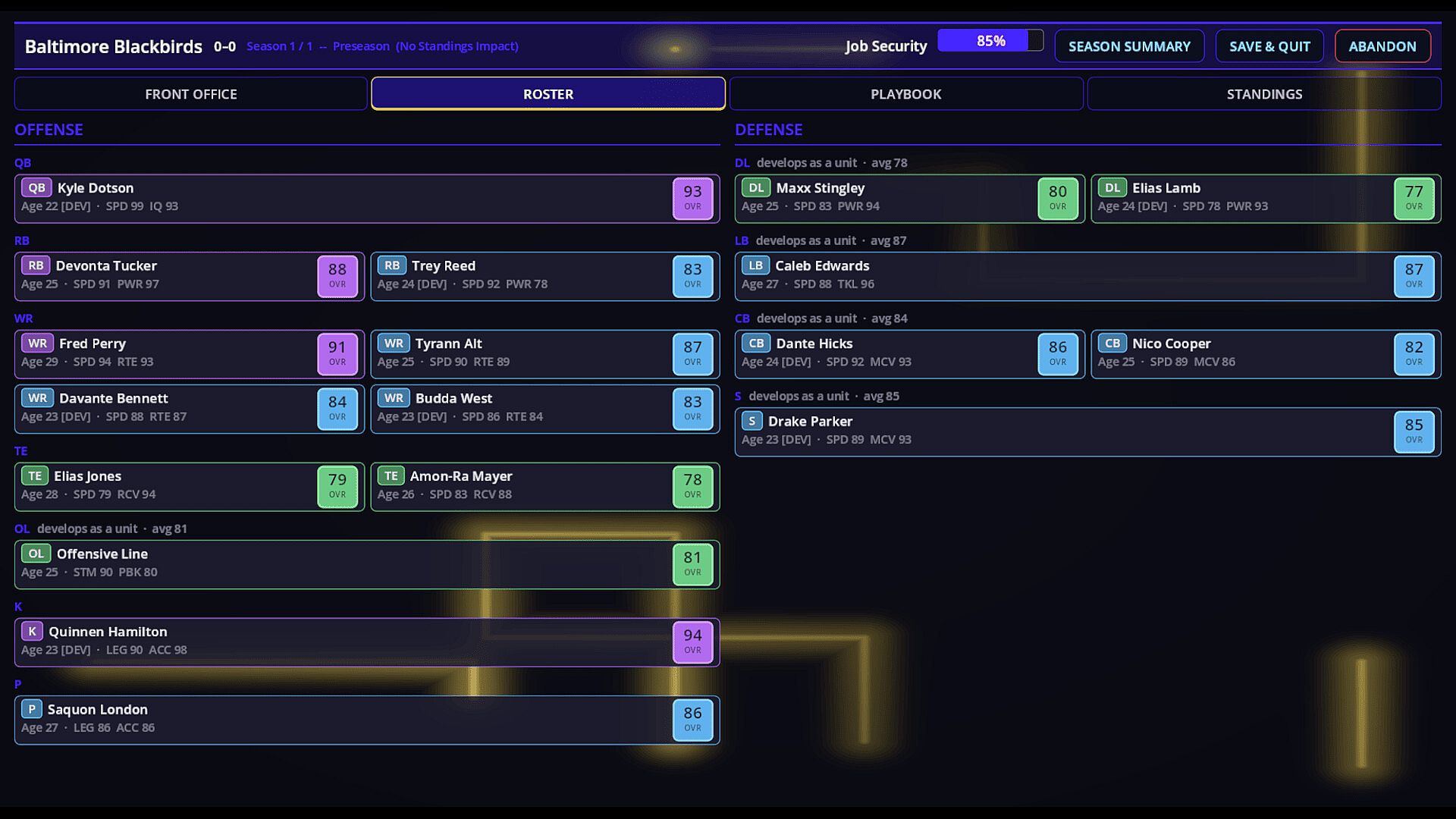
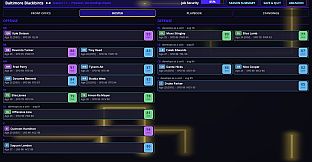
Progression involves building a roster while adapting the card collection to counter opponents and improve performance. Permadeath elements mean a failed run sends the player back to the start with a new team, encouraging repeated attempts to refine strategies. The simulation emphasizes realistic variance based on the provided data foundation rather than abstract mechanics.
Game Modes
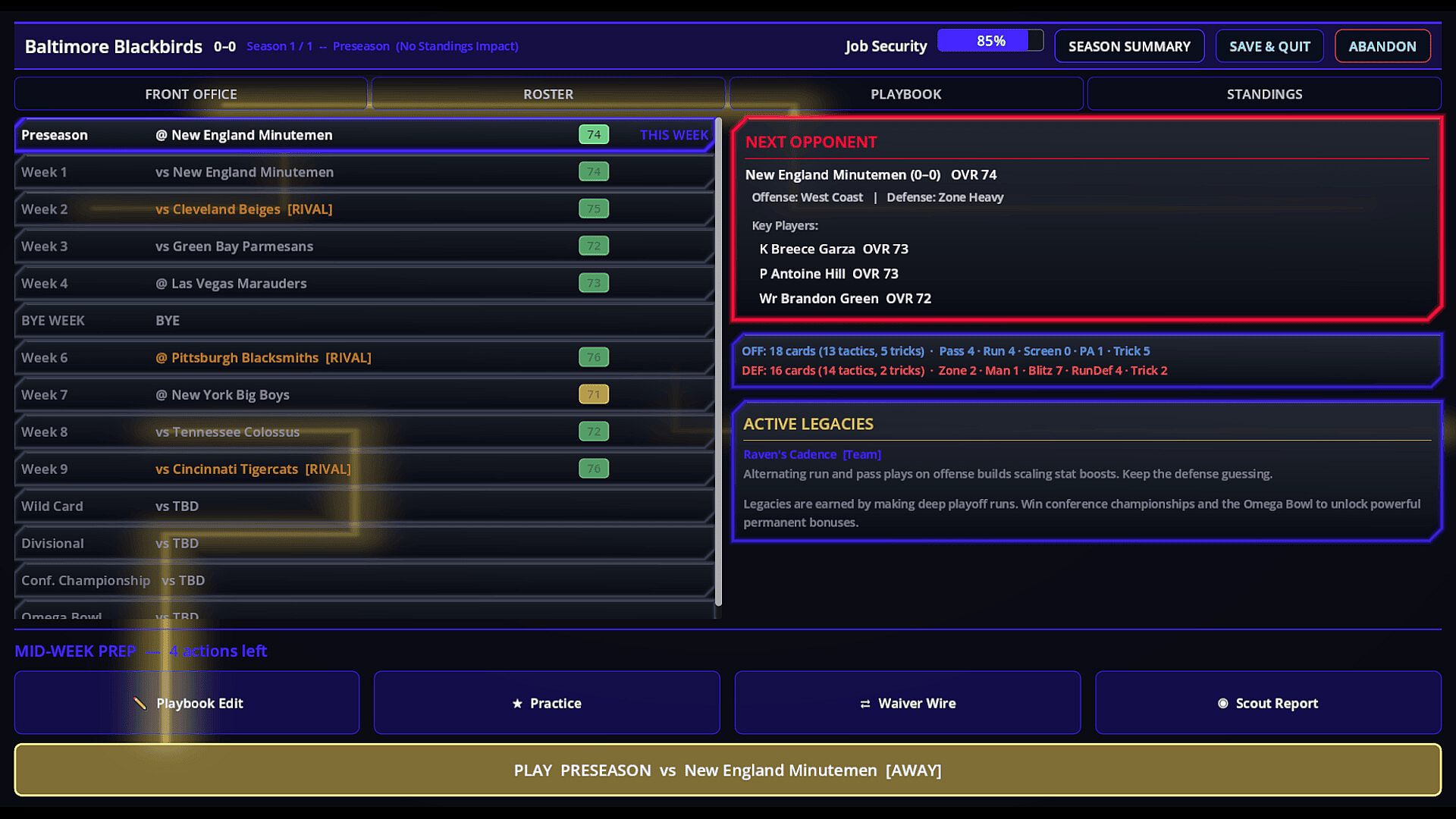
The primary structure follows a gauntlet format where players advance through a series of challenges. Success leads toward the Omega Bowl as the ultimate goal. Failure resets progress, aligning with roguelike conventions of starting over with accumulated knowledge from prior attempts.
No additional distinct modes appear in the current description. The focus remains on single-player runs that combine deck management with simulated football outcomes.
Team Building and Progression
Players assemble and modify their team roster alongside deck refinements. Choices in card selection and team composition directly affect how the simulation plays out across multiple games. The loop rewards experimentation with different play combinations drawn from the card pool.
Each run offers opportunities to test new configurations against the data-driven results. The emphasis stays on iterative improvement rather than permanent unlocks outside of a single attempt.
Is It Worth Playing?
xvorogue suits players interested in roguelike deckbuilding combined with sports simulation elements. The card-based decision making and reset-on-failure structure provide repeated attempts to optimize a run toward the Omega Bowl. Those who enjoy blending strategic card play with realistic outcome resolution will find the core systems align with that preference.
As an early access title, the game continues to evolve. Fans of indie sports simulations or roguelike mechanics may appreciate the unique fusion presented here, particularly if they value data-informed results over arcade-style gameplay.












