



















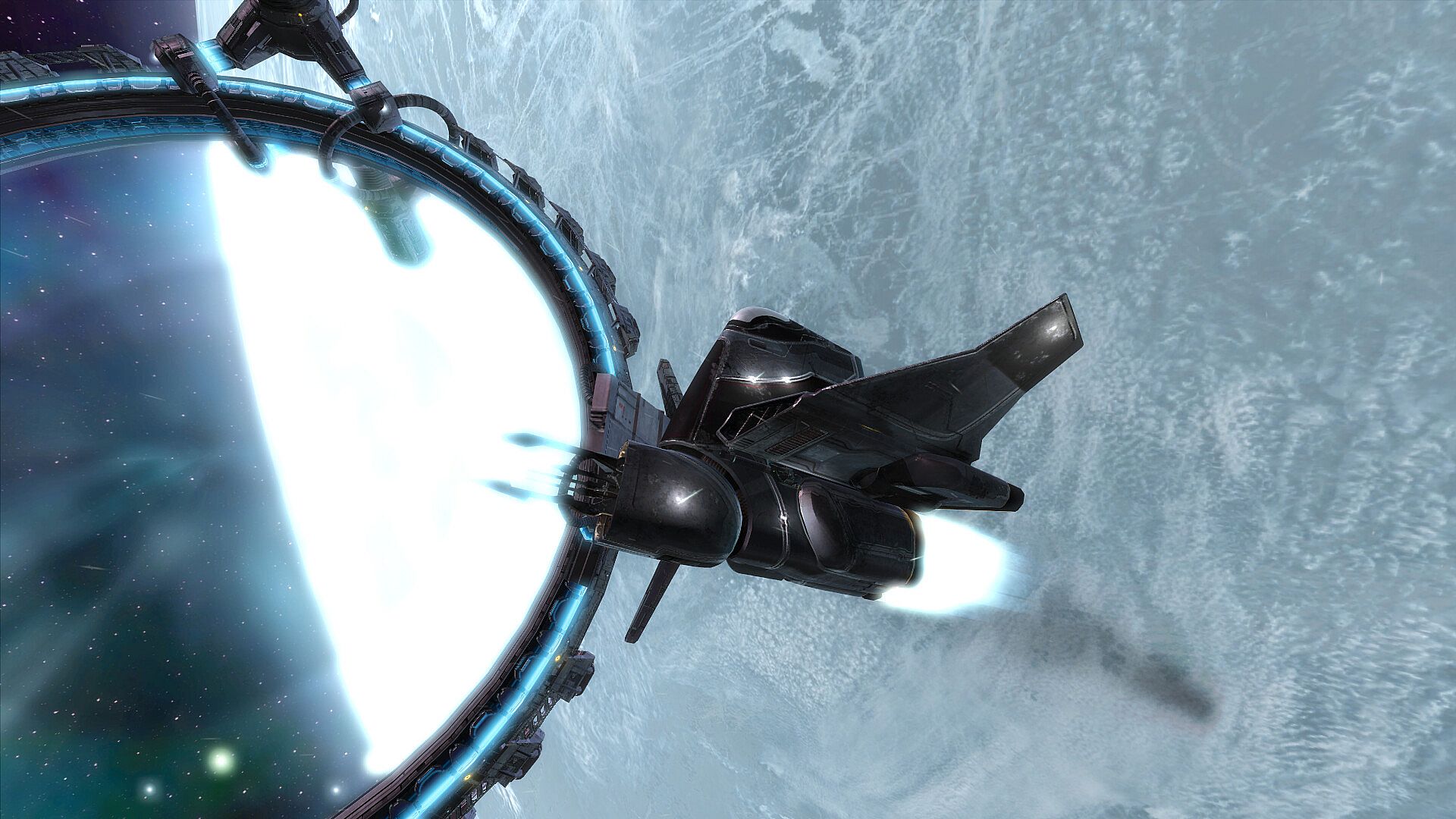
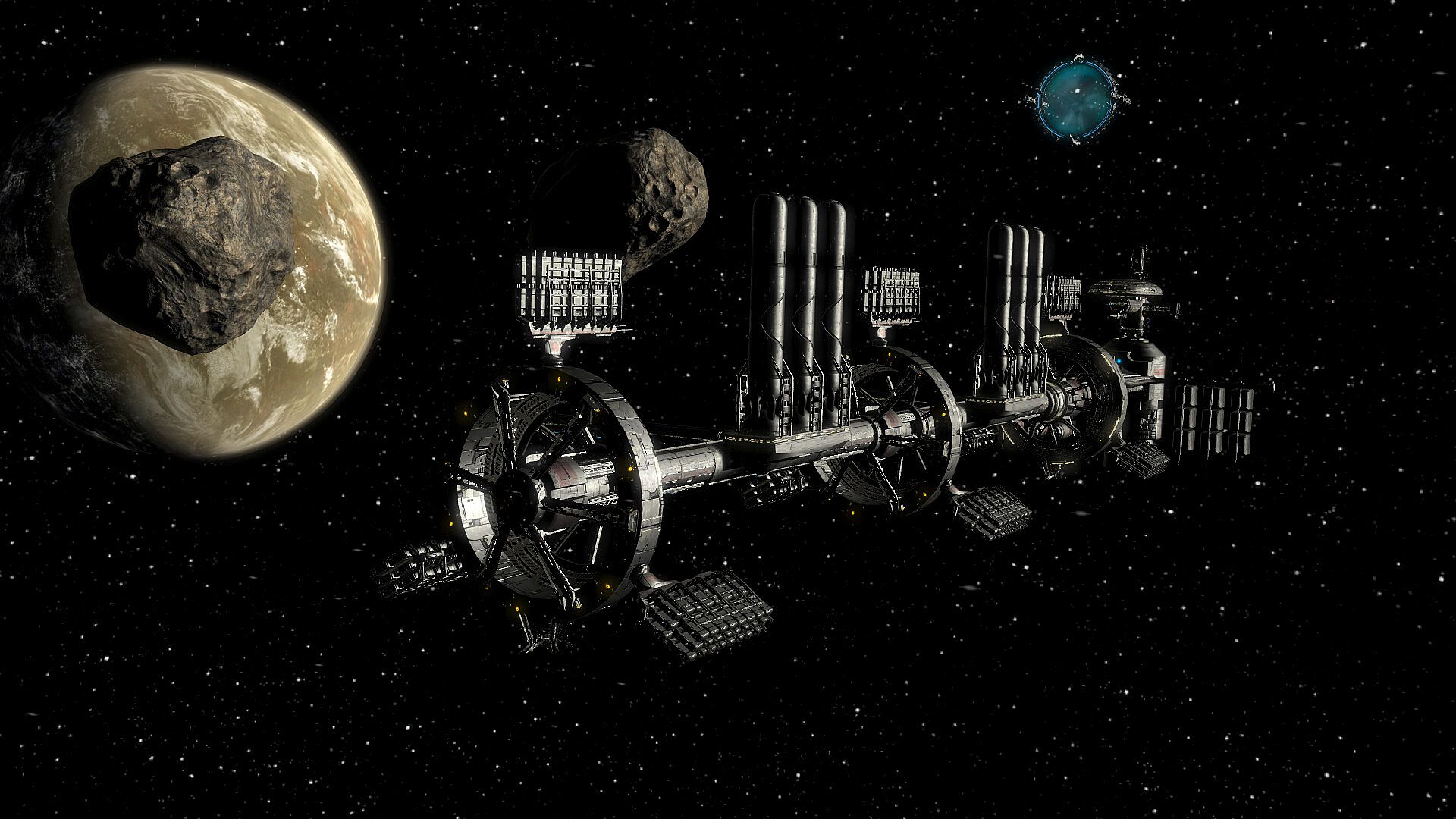
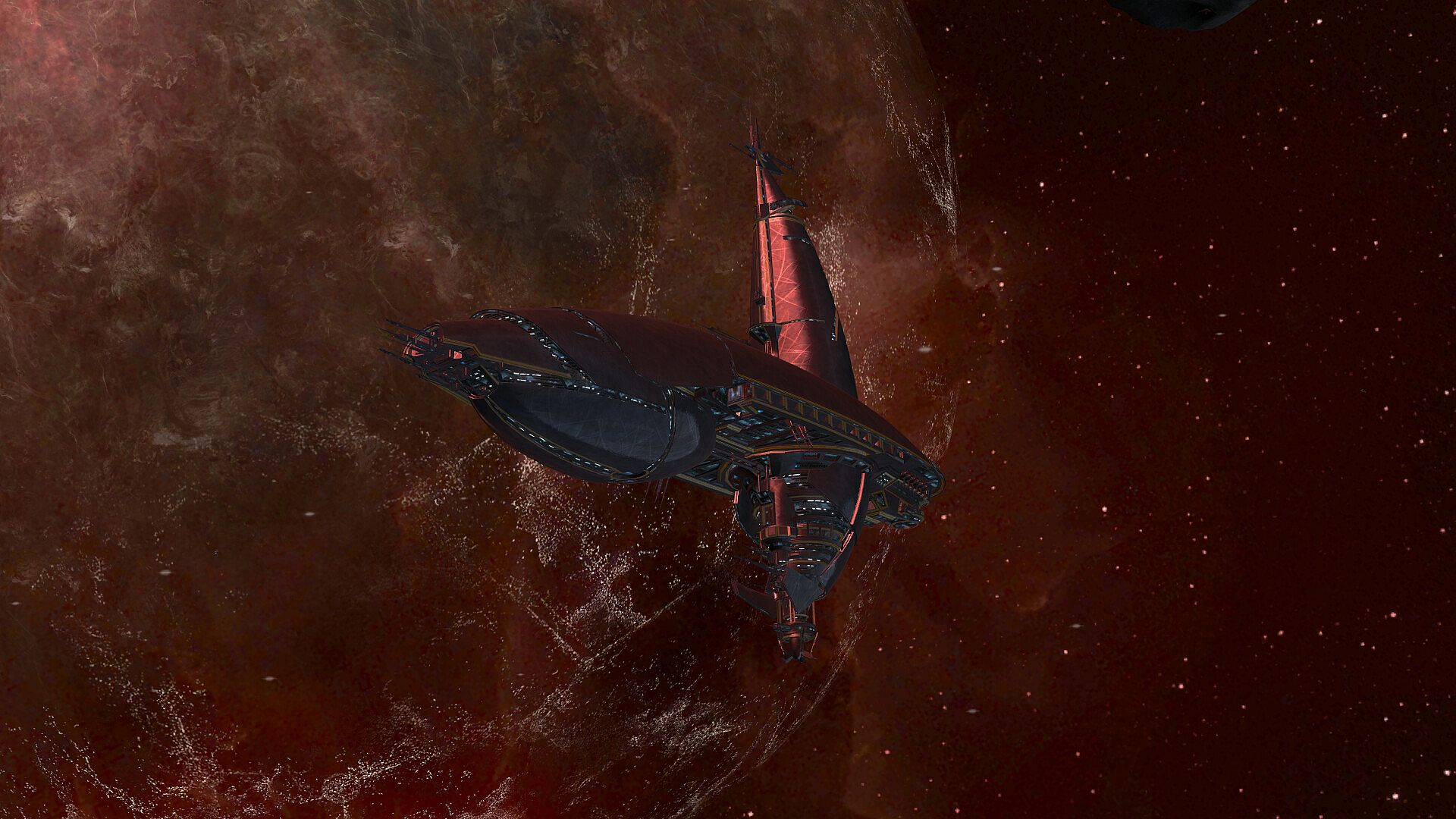
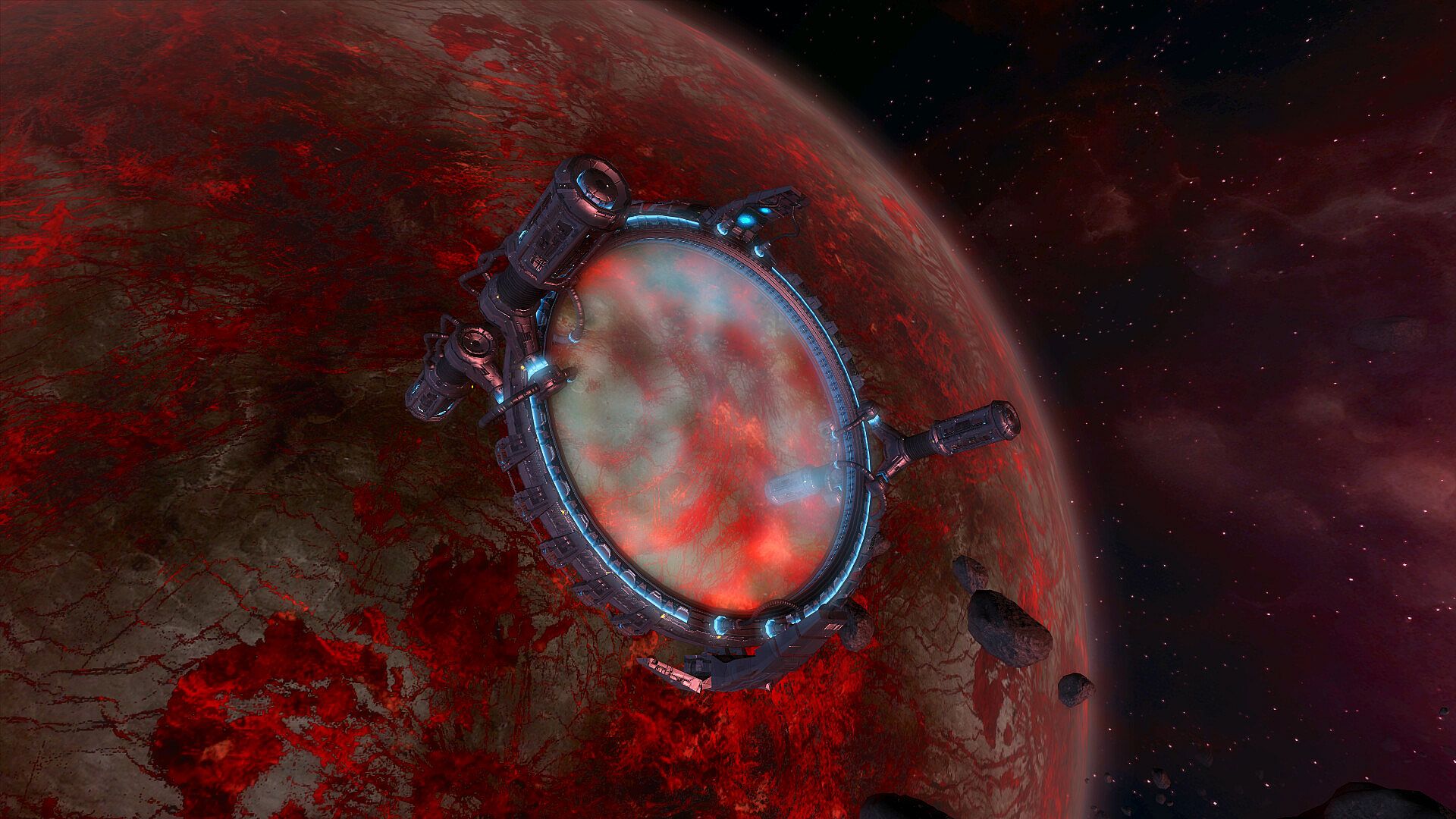
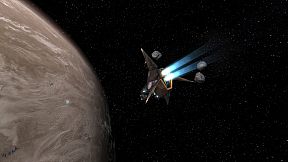
X3: Reunion is a strategy game set in a vast space simulation where players manage trading, combat, and economic influence across a dynamic universe. Released as a sequel to an earlier entry in the series, it emphasizes player-driven progression through ship ownership, factory operations, and interactions with various factions on the PC platform.
Gameplay
The core loop revolves around piloting spacecraft through sectors while engaging in trade routes, resource gathering, and occasional skirmishes with pirates or hostile forces. Players start with basic vessels and expand by acquiring better ships, establishing production chains, and responding to shifts in supply and demand. The economy operates with factories constructed and operated by non-player characters, allowing market fluctuations based on ongoing conflicts or trade patterns. Pirates exhibit more lifelike behaviors, targeting vulnerable transports rather than following rigid scripts.
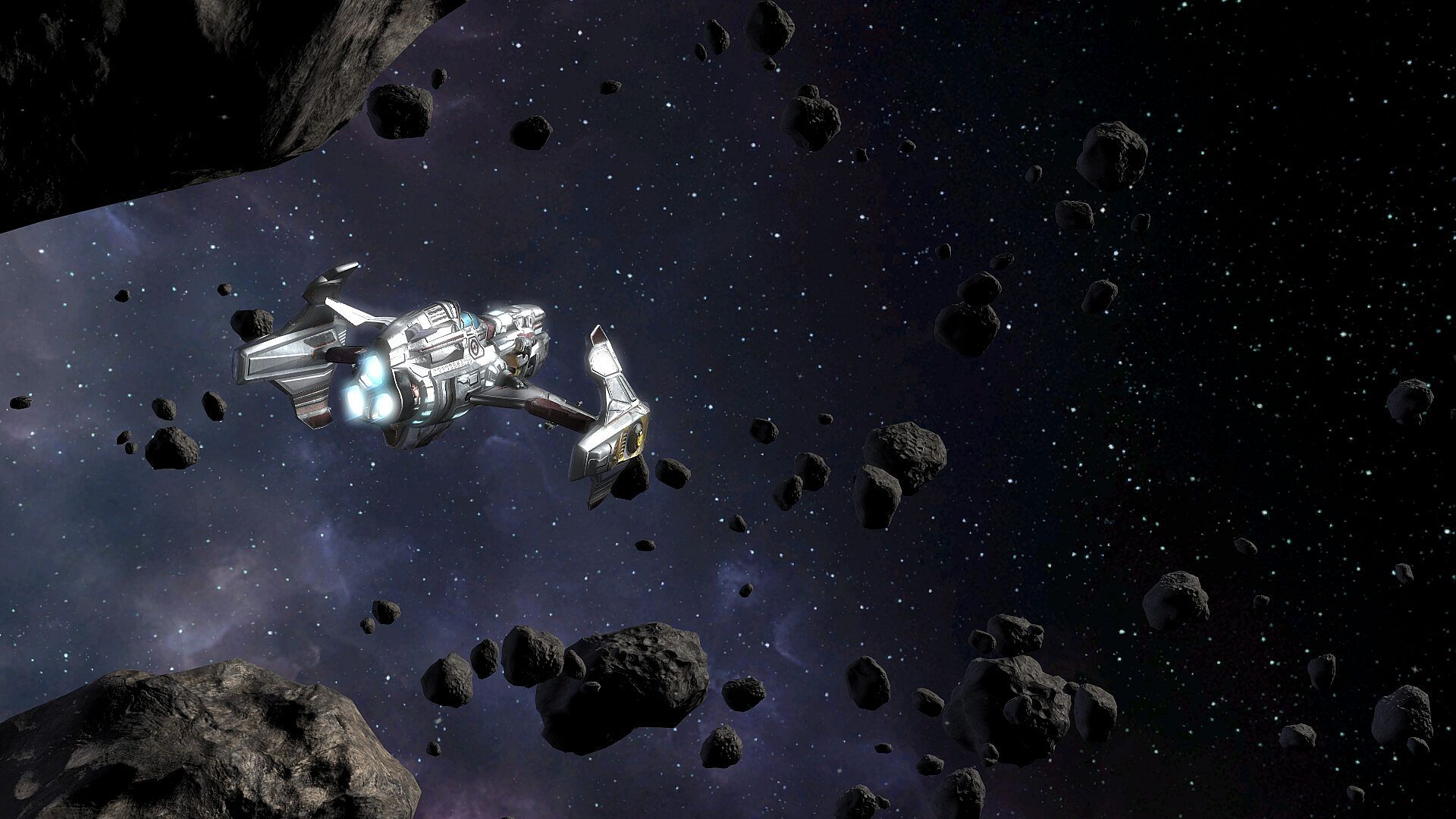
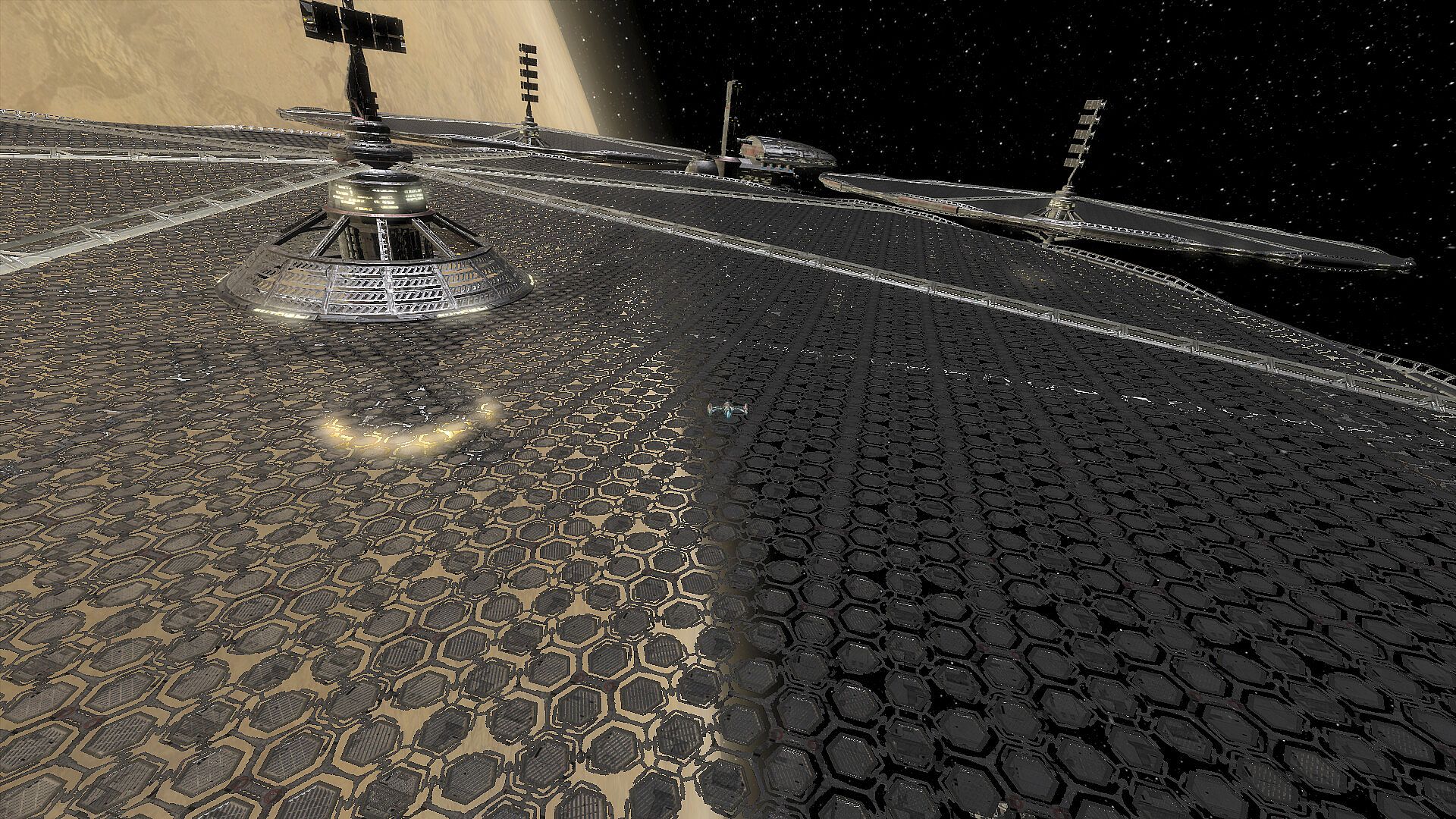
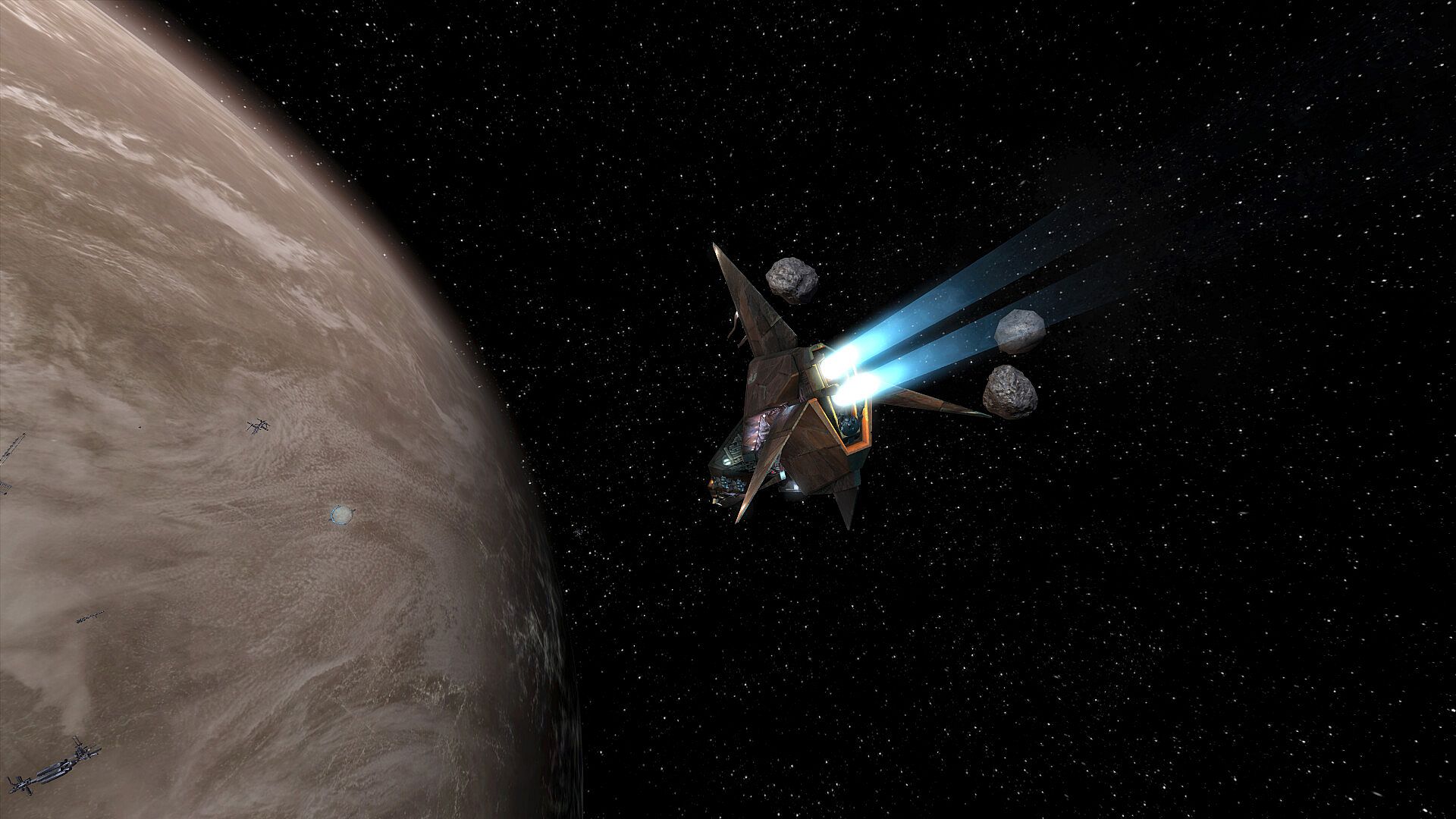
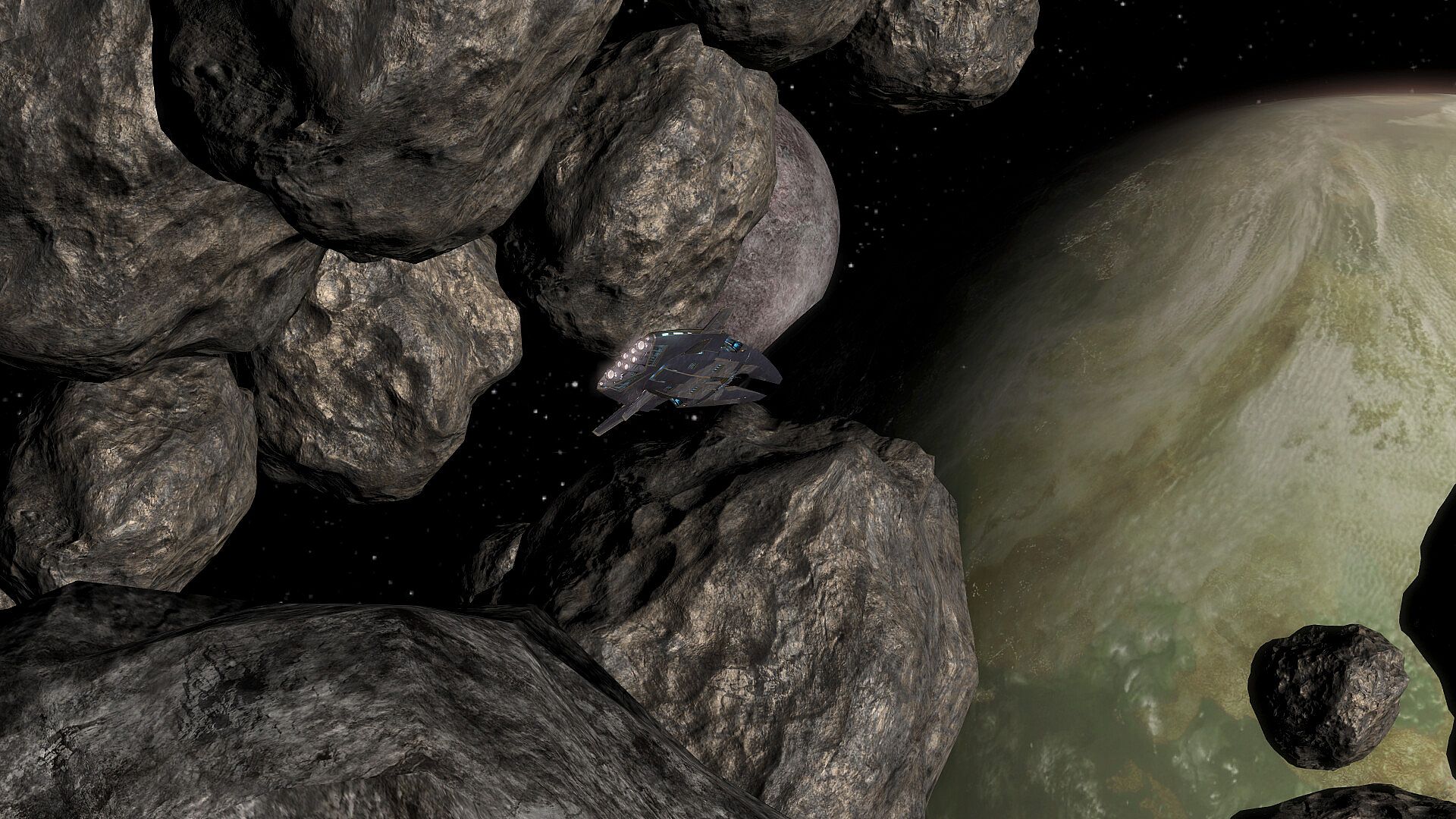
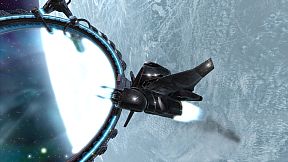
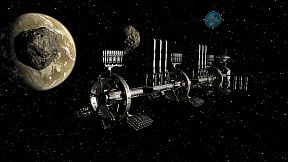
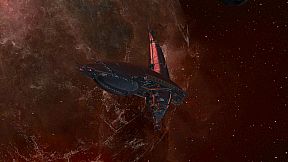
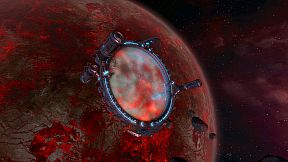
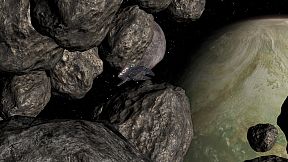
Advanced artificial life systems govern the background activity, creating an environment where distant events can ripple outward and alter available opportunities. DirectX 9 rendering supports detailed ship models and lighting effects that enhance navigation through asteroid fields and station docks. New weapons and onboard devices introduced in later patches expand tactical options during fights or exploration tasks. The player headquarters feature permits construction of custom vessels complete with personalized color schemes, adding layers to fleet management.
Game Modes
Activity centers on a single-player experience that blends open-ended sandbox elements with structured plot lines. The Bala Gi Research Missions, added through the 2.0 update, provide a sequence of research-oriented tasks that require scanning asteroids, delivering blueprints, and maintaining positive standing with specific races such as the Boron while avoiding enmity with the Split or Paranid. These missions unlock after sufficient playtime and reputation thresholds.
Beyond the main narrative thread, players pursue independent goals like sector expansion, ship customization, and economic dominance without following prescribed objectives. Two additional sectors expand the playable map, offering new locations for trade and conflict. No separate competitive or cooperative modes exist beyond the primary single-player framework.
Economy and Faction Interactions
Global market conditions respond to wars and NPC trading activity, forcing players to adapt routes and production focuses over time. Factions maintain distinct territories and diplomatic relations that influence access to goods and technology. Building reputation opens better contracts and reduces hostility risks during travel. The headquarters serves as a central hub for research and manufacturing, integrating these systems into long-term strategy.
Is It Worth Playing?
This title suits players who enjoy methodical space simulations focused on economic systems and gradual empire building rather than fast-paced action. The steep learning curve associated with its interface and mechanics rewards persistence with a living universe that evolves based on individual choices. Reception has been mixed across critic and user evaluations, reflecting both the depth of its simulation and the challenges of its presentation. No ongoing seasonal content or major patches support it today, positioning it as a complete, self-contained experience for those drawn to classic strategy gameplay on PC. Individuals seeking complex trading loops and ship progression will find sustained engagement, while those preferring guided stories or modern accessibility features may encounter frustration with its age and design choices.