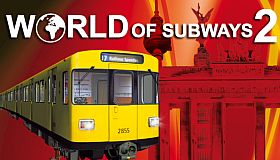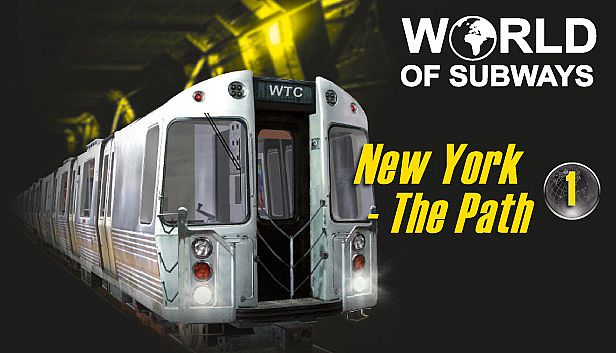













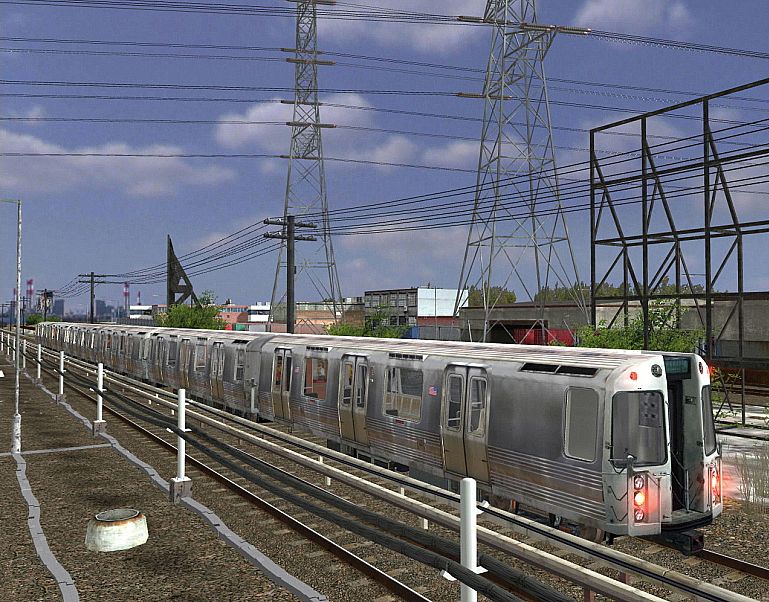
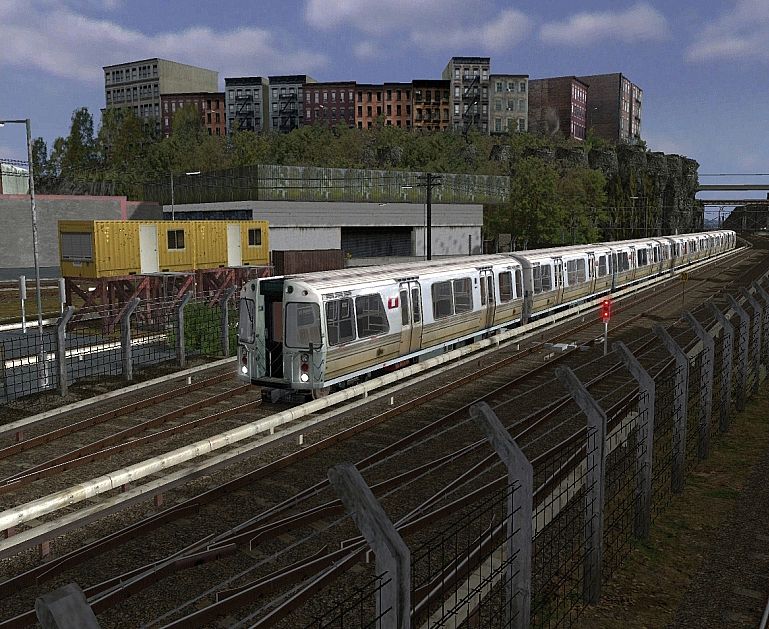
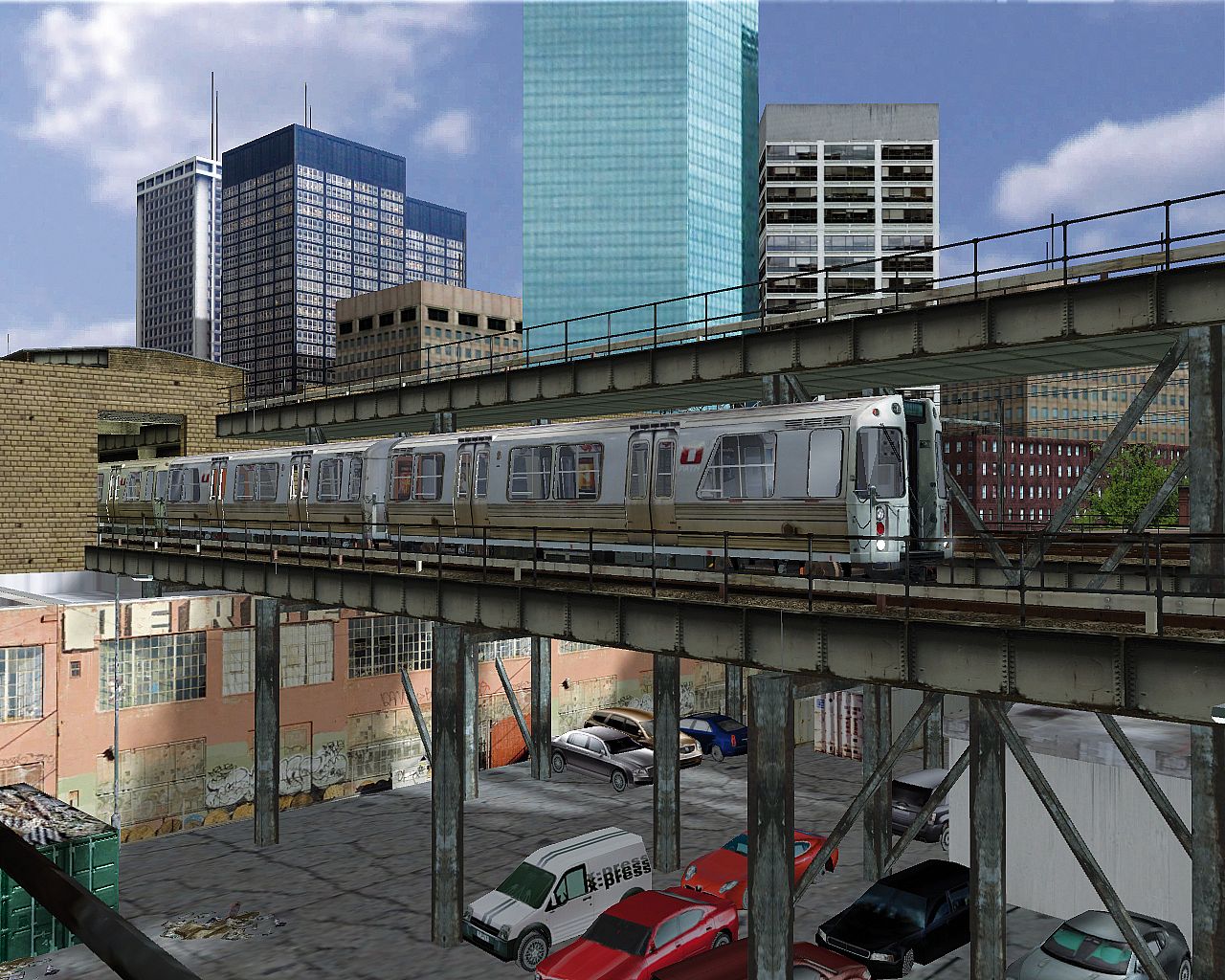
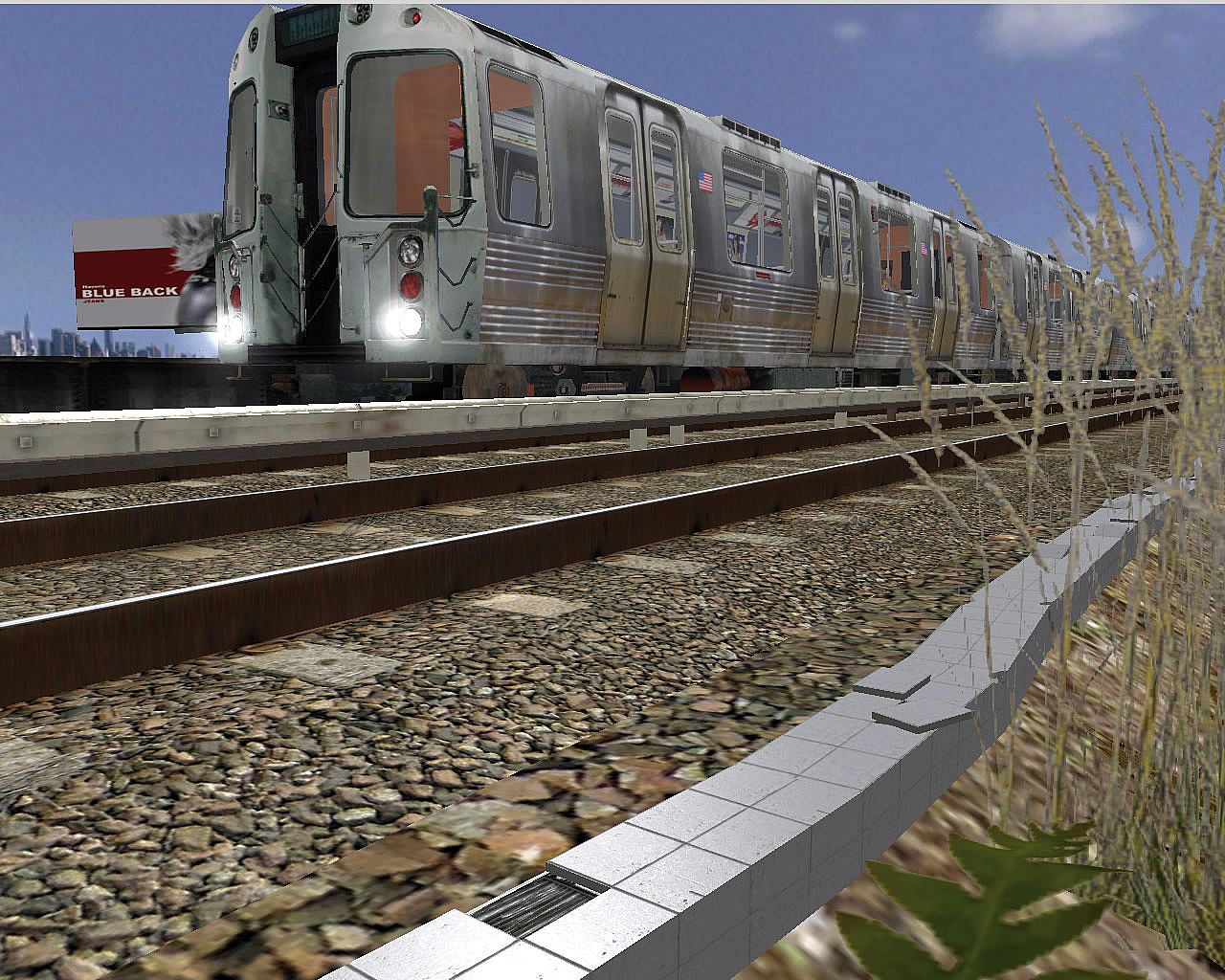
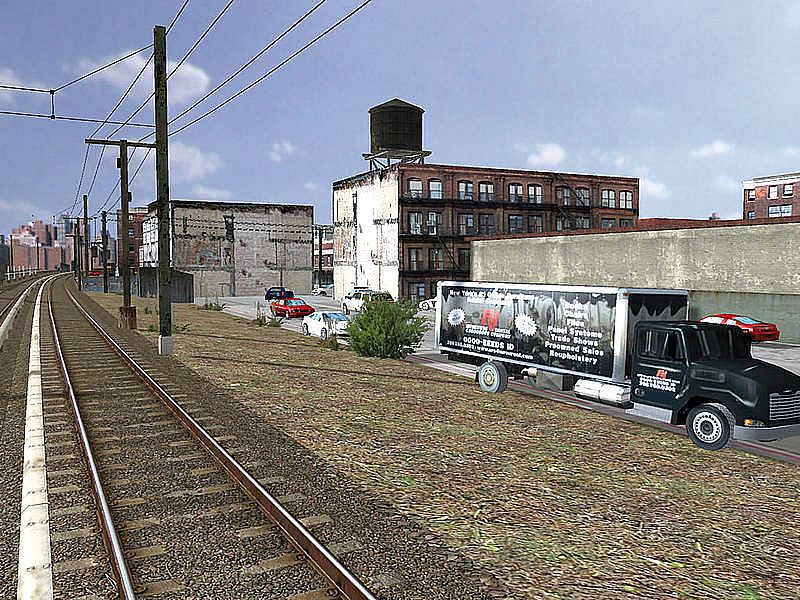
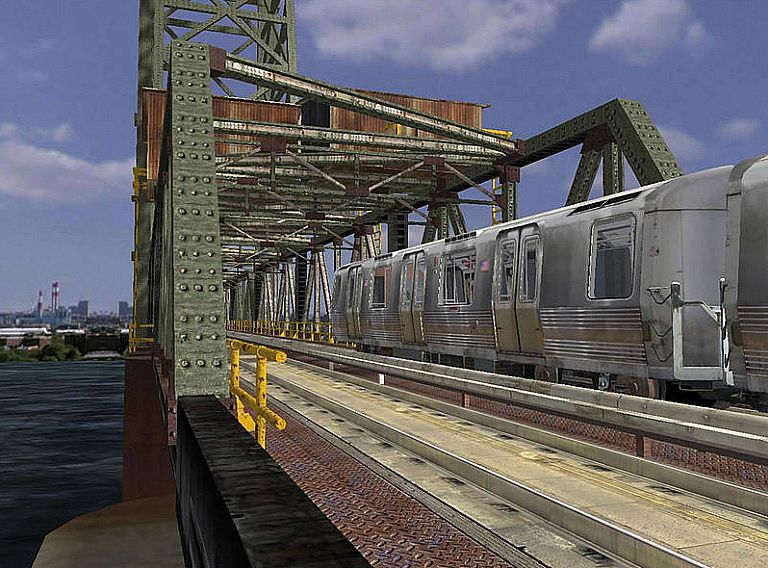
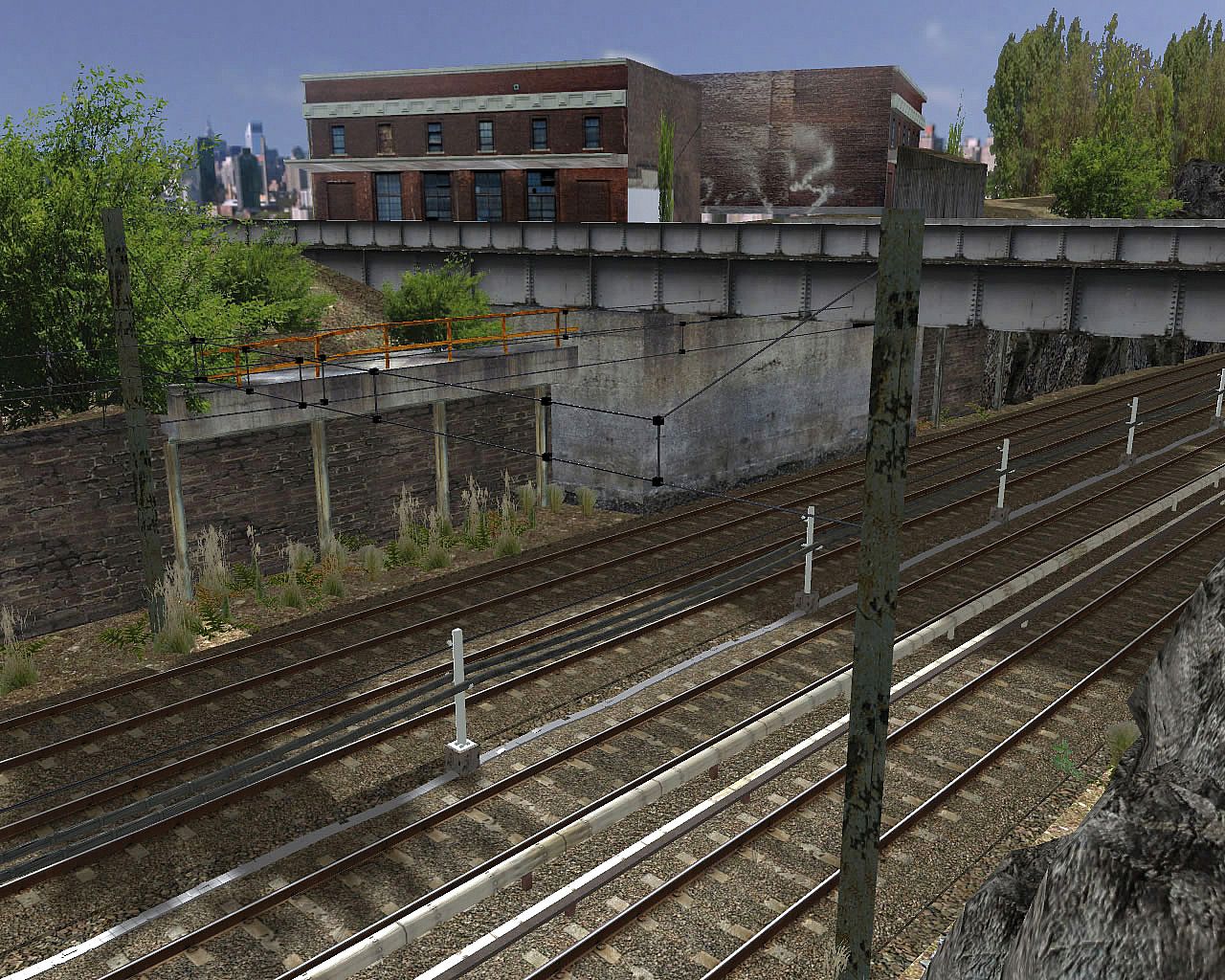
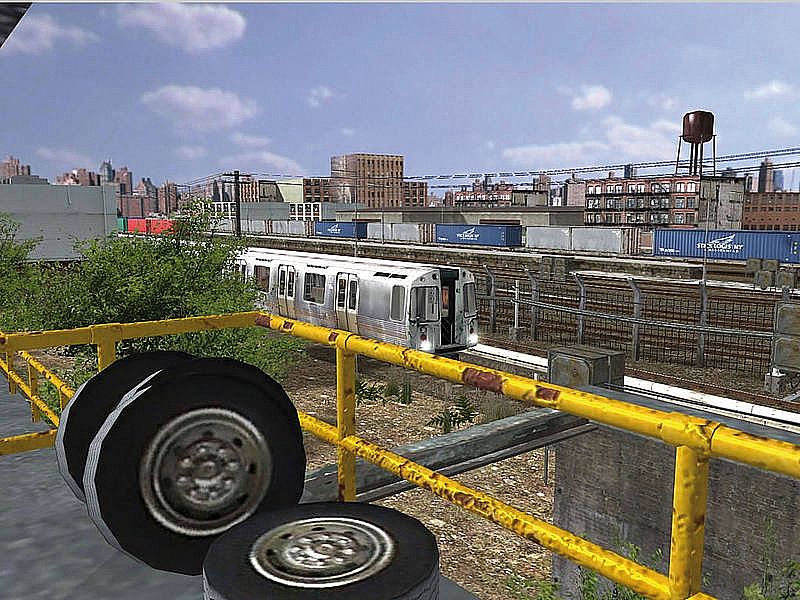
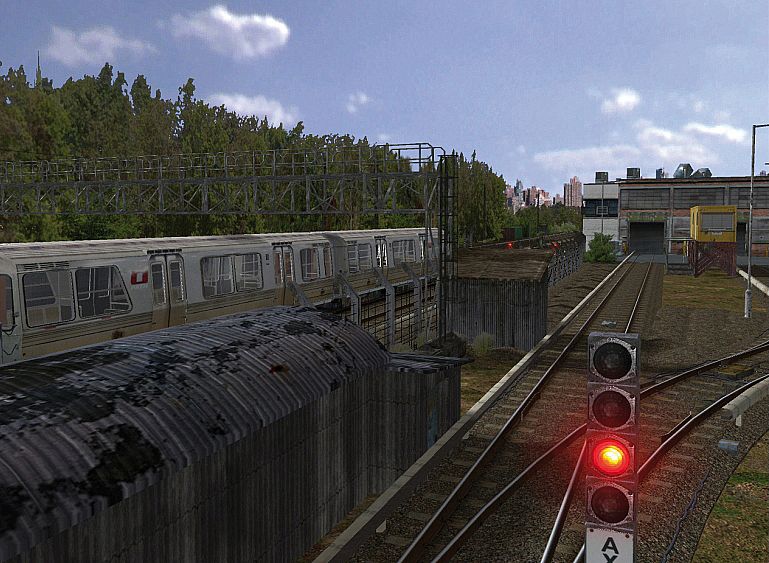
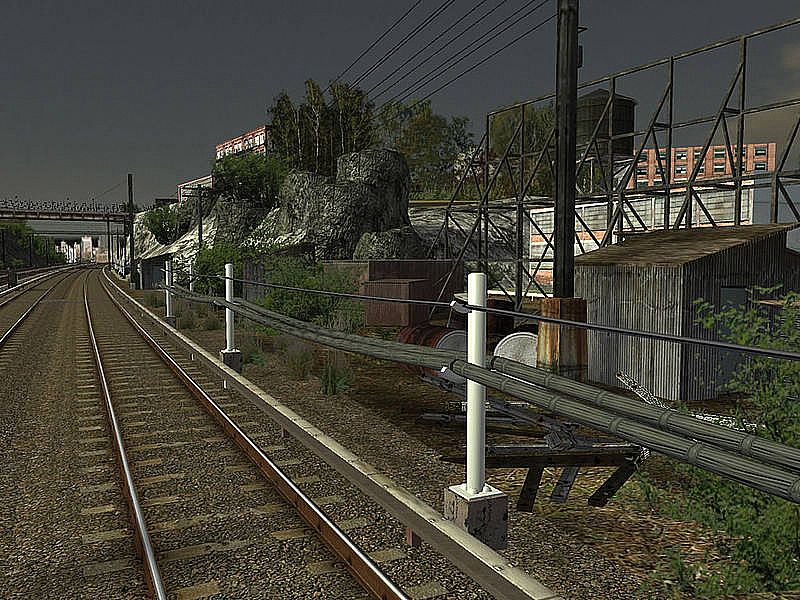
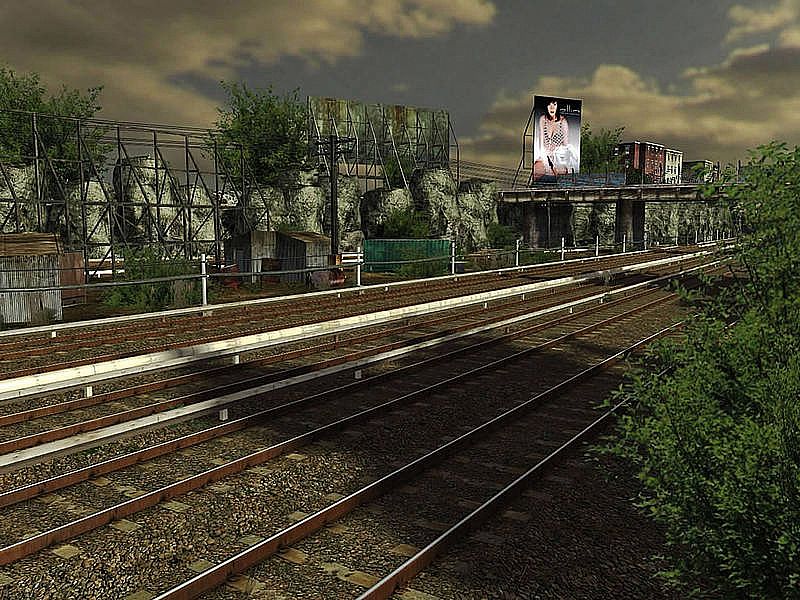
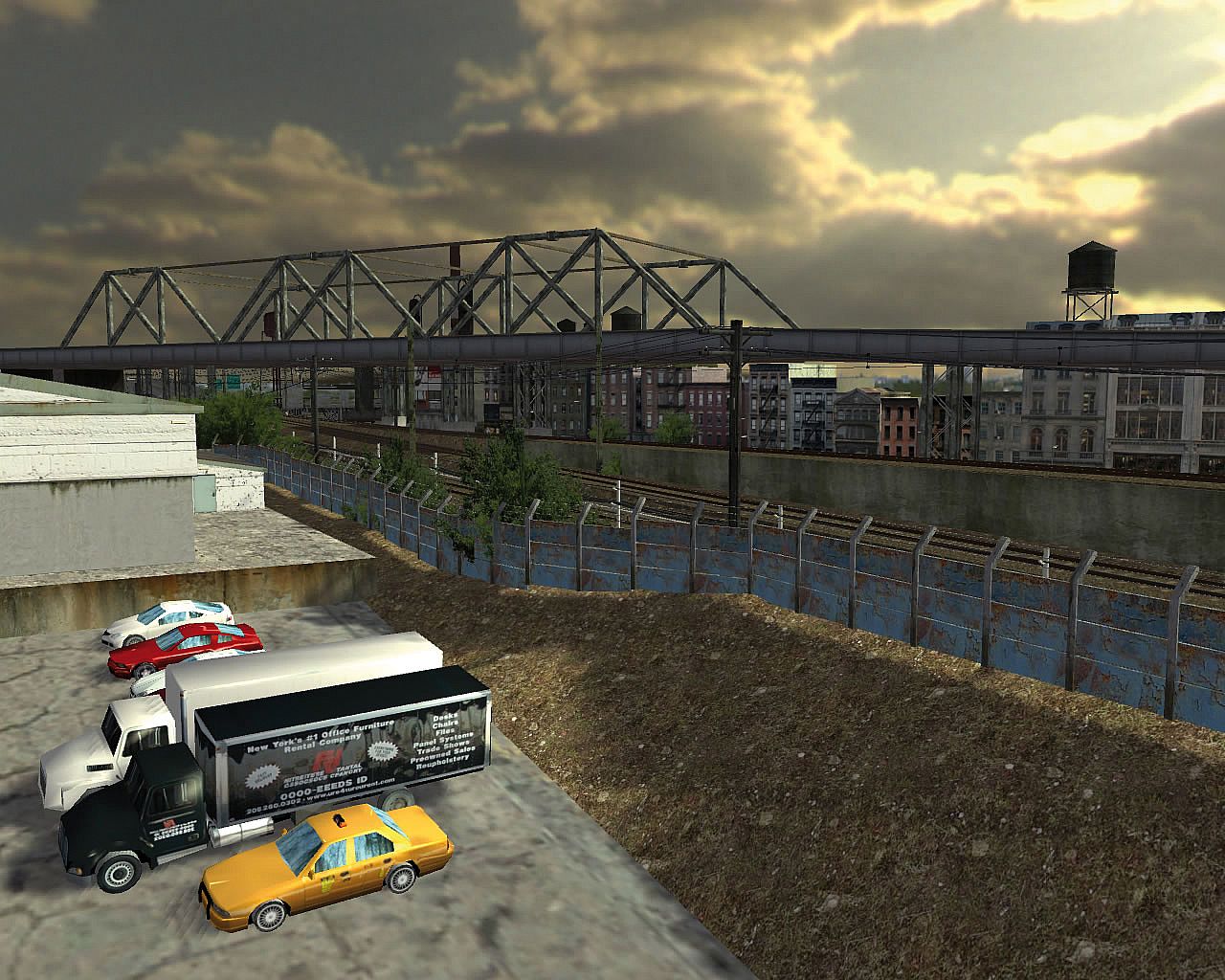
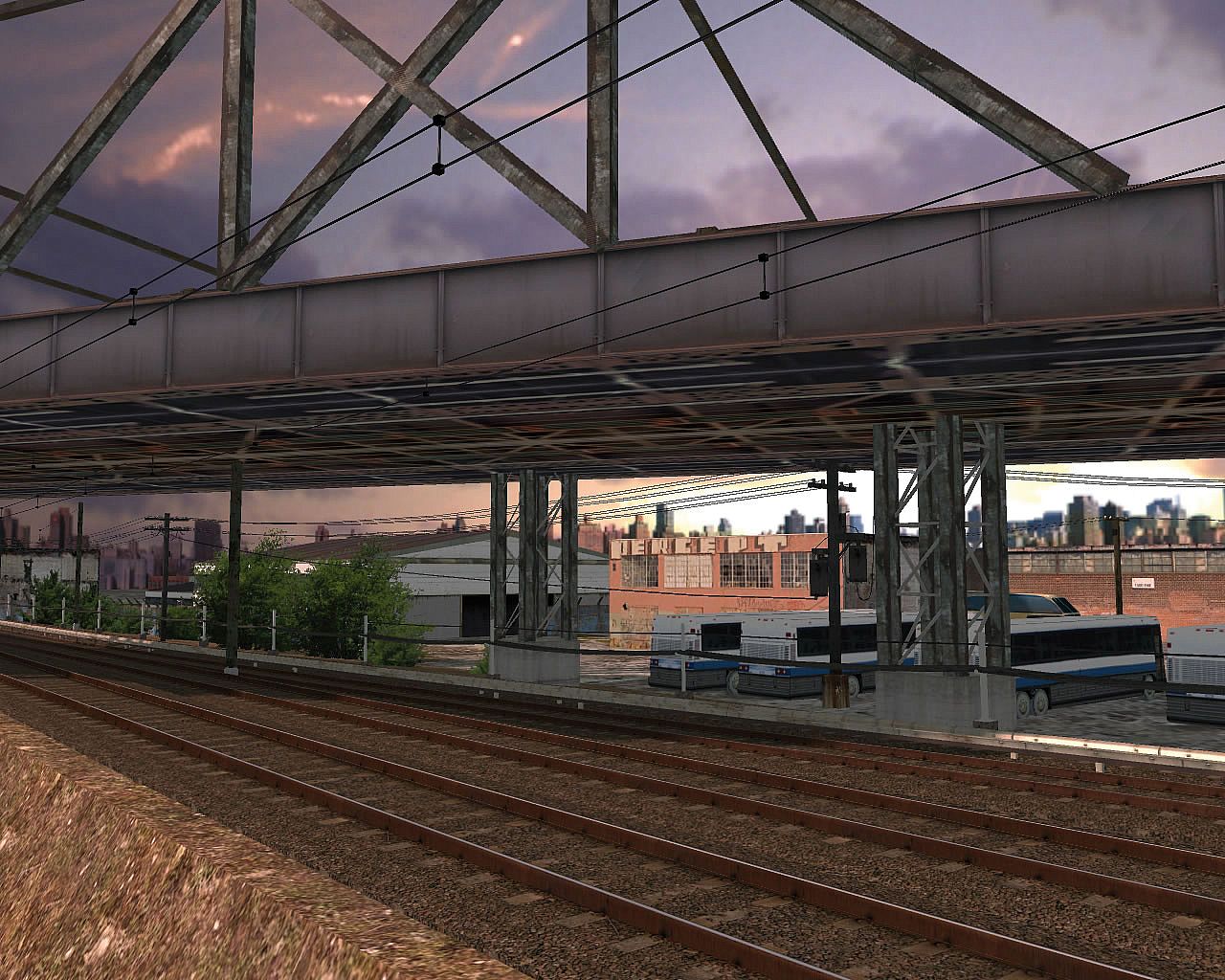
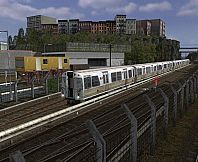
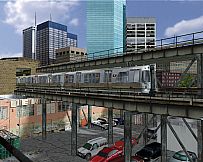
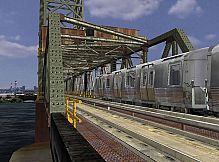
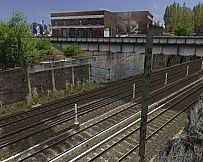
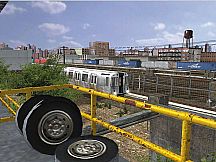
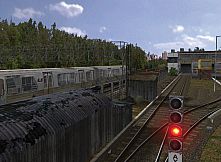
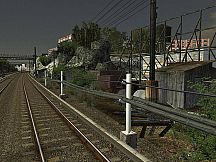
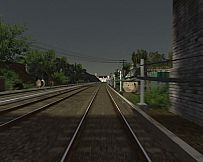
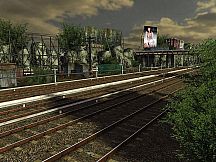
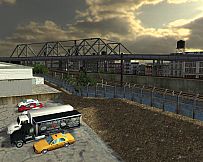
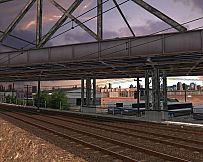
World of Subways 1 The Path is a train simulation game that places players in the role of a subway operator on the historic PATH route connecting New York and Newark. The experience centers on realistic operation of a subway train across a roughly 50 kilometer line that runs both underground and above ground, with more than 40 percent of the track exposed to open air. Developed as an indie title in the simulation genre, it emphasizes authentic train handling, station procedures, and environmental details drawn from the real New York New Jersey corridor beneath the Hudson River.
Gameplay
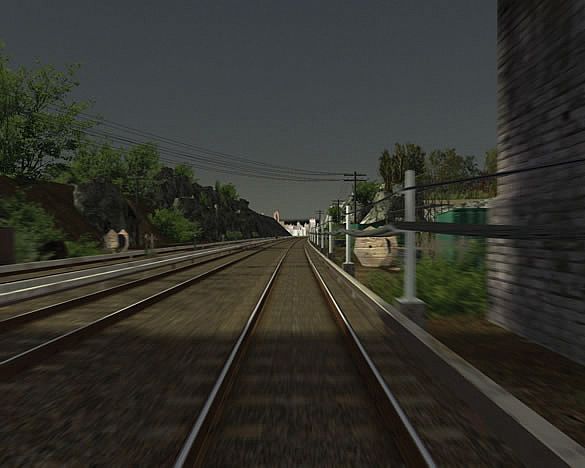
The core loop revolves around scheduled shifts where players manage acceleration, braking, and route adherence while responding to time of day passenger volumes. Train physics simulate wear and tear based on driving style, with options to adjust how aggressively the vehicle is handled. Vibrations begin as soon as motion starts, and the train sways more noticeably at higher speeds or during hard stops, effects that are especially apparent from the cab view. Break sparks appear between live rails as visible flashes and audible sounds, most striking inside tunnels where the brief illumination lights the walls.
Doors operate independently on each side or together, visible from both interior and exterior perspectives. Players control destination displays and receive intelligent announcements that adapt to conditions. Animated monitors and random passengers populate stations, while realistic lighting uses pixel shaders to show how tunnel lamps and external sources affect the cockpit in real time. A rotatable 3D cockpit camera allows free looking around, with a reset option to recenter the view. When the train stops at stations, players can exit the cab for free movement inside passenger cars or onto platforms in first person, enabling missions that begin on the platform and require walking to the separated cab.
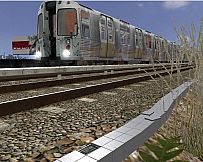
Sound design records audio from ear level distances to produce convincing 3D effects, particularly noticeable with headphones. Configurable key bindings let players map controls such as the brake lever to preferred inputs. The modern 3D engine supports parallax mapping for track details like gravel and specular effects that give surfaces realistic shine, alongside motion blur that enhances the sense of speed during runs.
Game Modes
Shift service forms the main activity, following realistic timetables with options for incidents that can occur mid run. An extensive scoring system tracks performance across each shift, adding measurable goals for precision and efficiency. Players handle full routes or segments, including cab changes at terminals such as Hoboken during weekend operations, where the driver must walk the platform to the opposite end of the train.
Free movement on stations supports additional objectives that start outside the train, requiring the player to board and reach the cab. Passenger dependent timing influences how crowded platforms feel, and custom announcements integrate with the schedule. No separate competitive or multiplayer modes exist; all activity remains single player focused on operational realism and personal scoring.
Route and Features
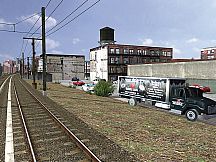
The PATH line simulation recreates the connection between New Jersey and New York states with accurate underground and surface sections. Over 40 percent of the route runs above ground, allowing varied scenery and lighting conditions. Animated station elements and time based passenger flows contribute to the operational atmosphere without altering the fundamental driving focus.
Additional systems include separate door controls, configurable destination signs, and the ability to experience the train from multiple viewpoints. Wear simulation ties directly to player choices in braking and acceleration, feeding back into the scoring at the end of each shift. These elements combine to create a consistent emphasis on procedural fidelity rather than narrative or action sequences.
Is It Worth Playing?
This title suits players seeking a detailed subway driving simulation with emphasis on physics, station procedures, and route authenticity. The single player structure and scoring system provide repeatable challenges through varied shifts and incident options. Older graphics and interface reflect its release era, yet the core mechanics of train control and free movement remain functional for those interested in the genre.
Reception among simulation enthusiasts highlights its charm for realistic operation despite dated visuals, with some noting the sound and lighting effects as standout elements. Availability on PC keeps it accessible for fans of train simulators who prioritize procedural depth over modern presentation. Those who enjoy methodical, schedule driven gameplay without competitive elements will find the most value here.