




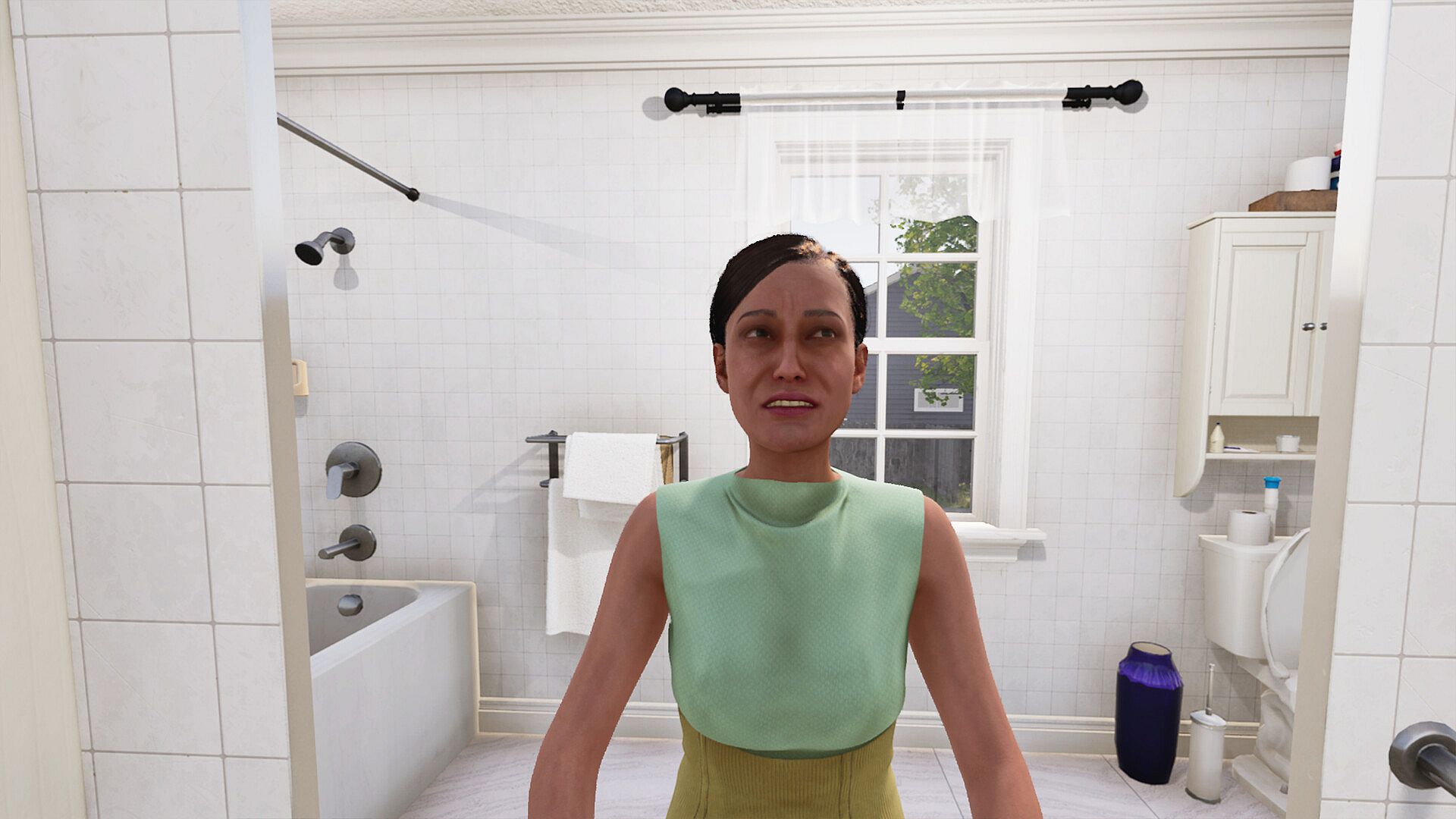




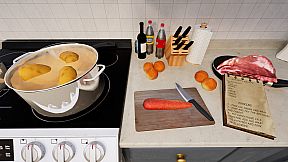


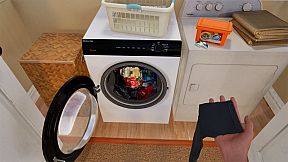
Woman Simulator is a single-player simulation game that places players in the role of a housewife handling a full schedule of domestic responsibilities. The experience centers on completing household tasks while managing personal morale and the mood of a controlling spouse who monitors performance and issues penalties for substandard results. Players progress toward an escape goal by balancing chores with opportunities to improve their situation over time.
Gameplay
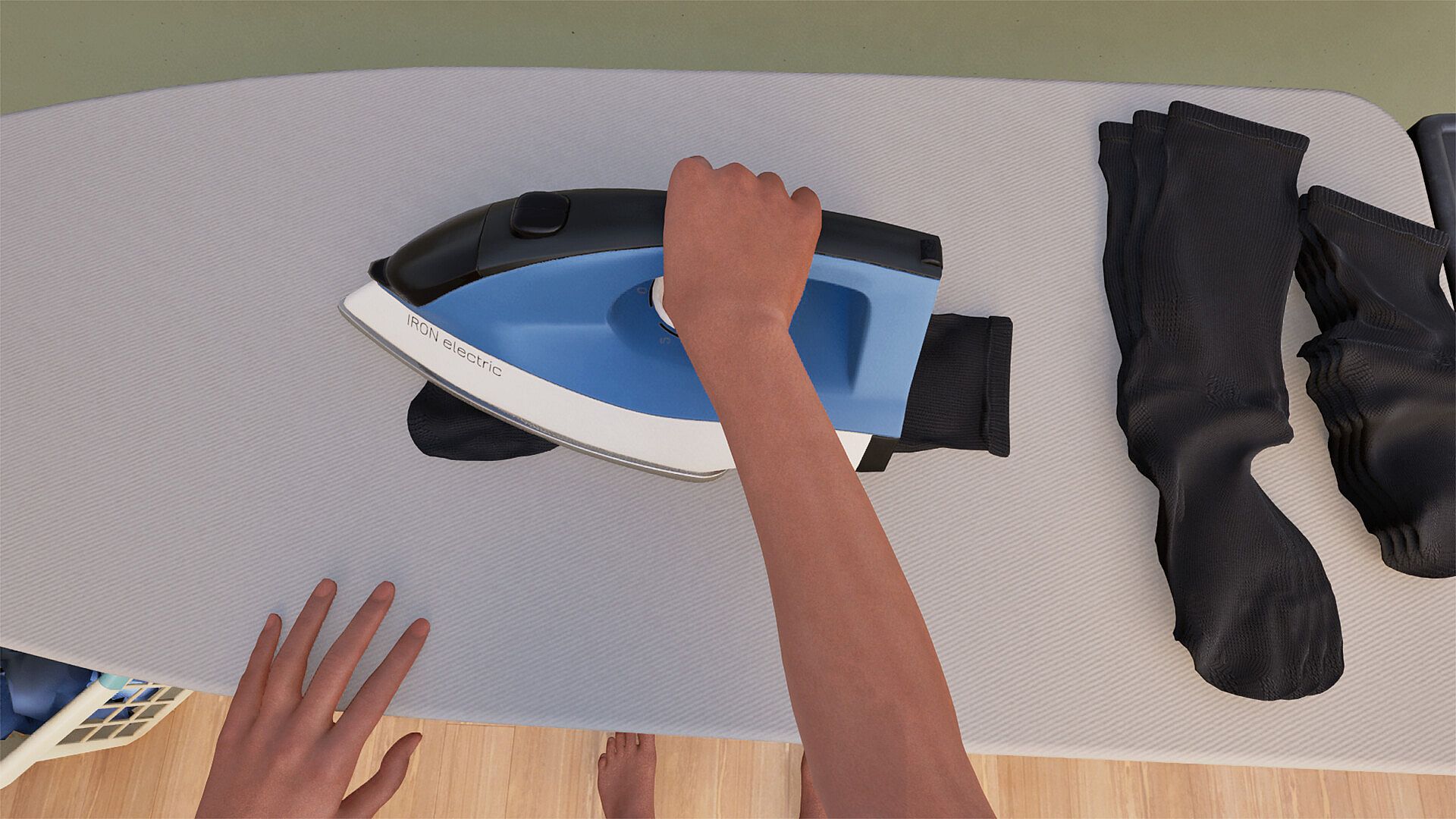
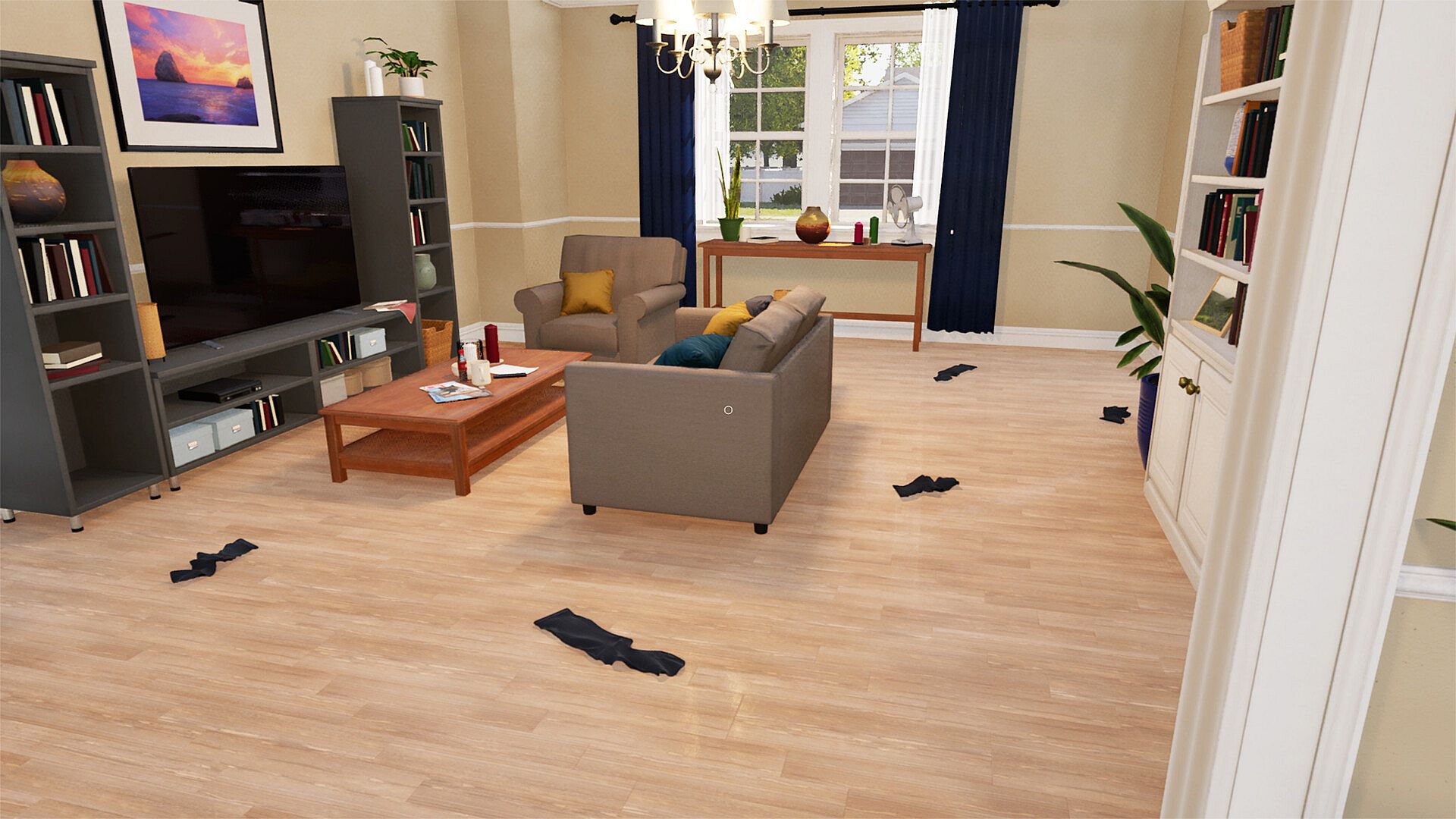
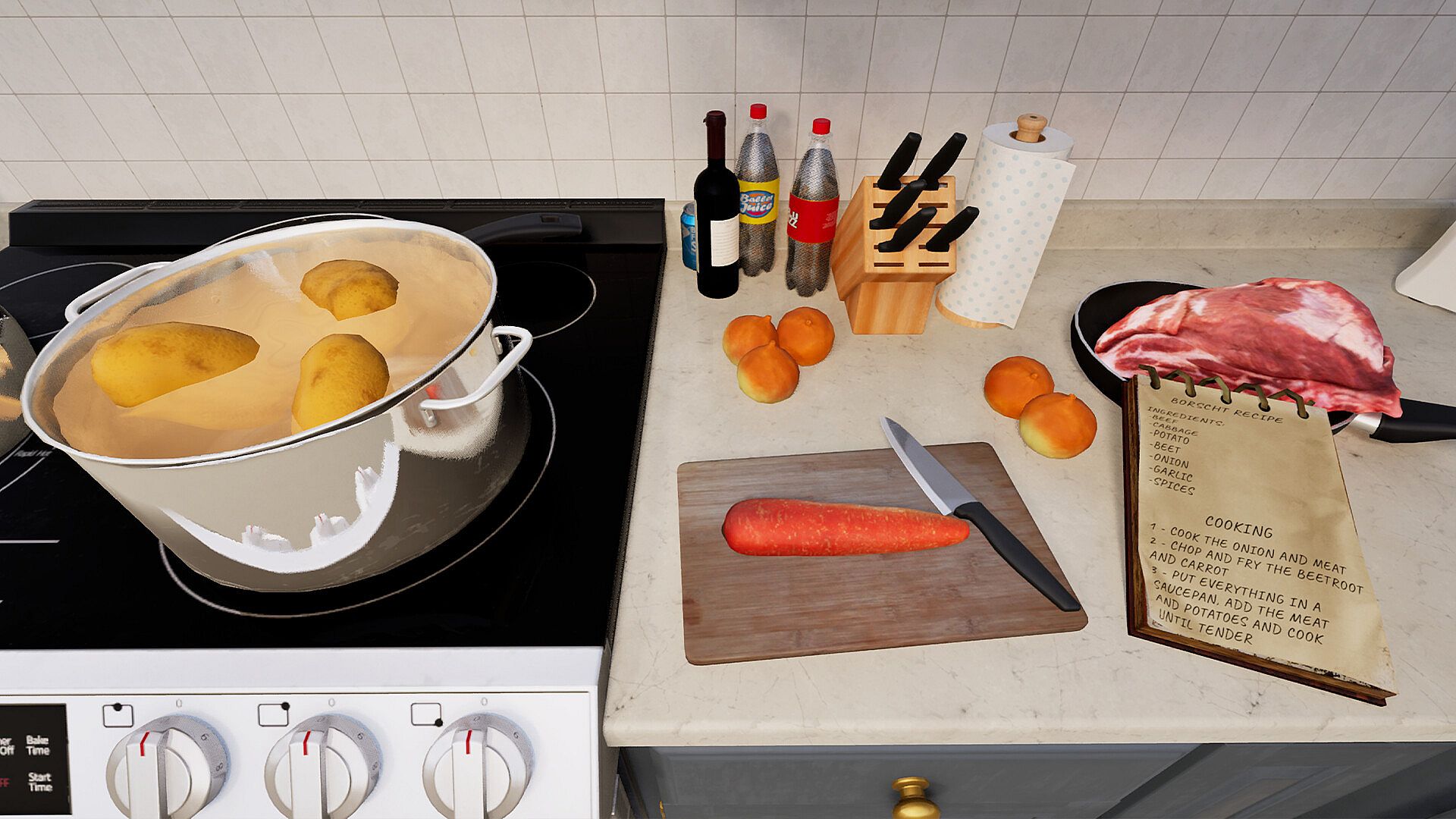
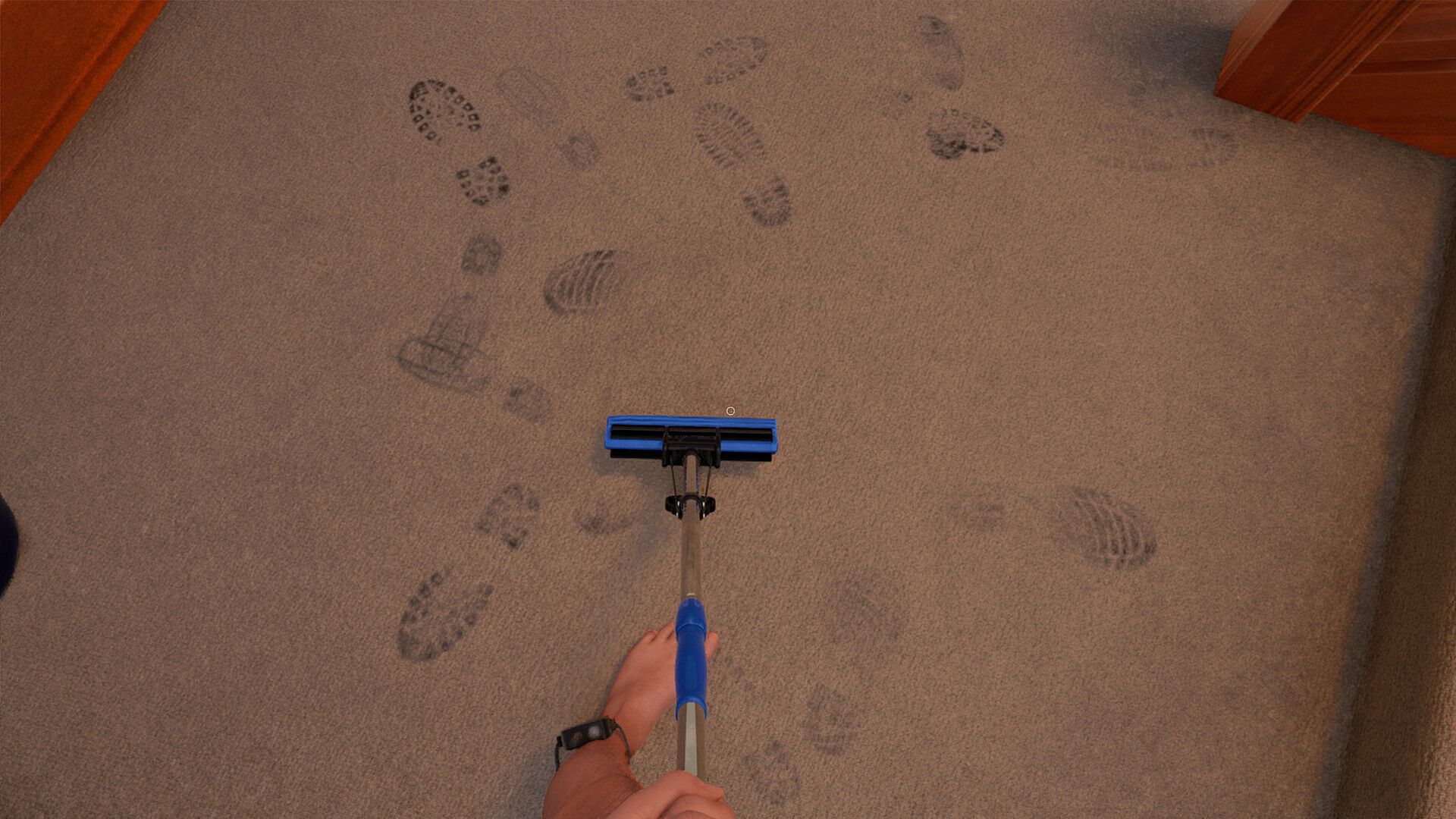
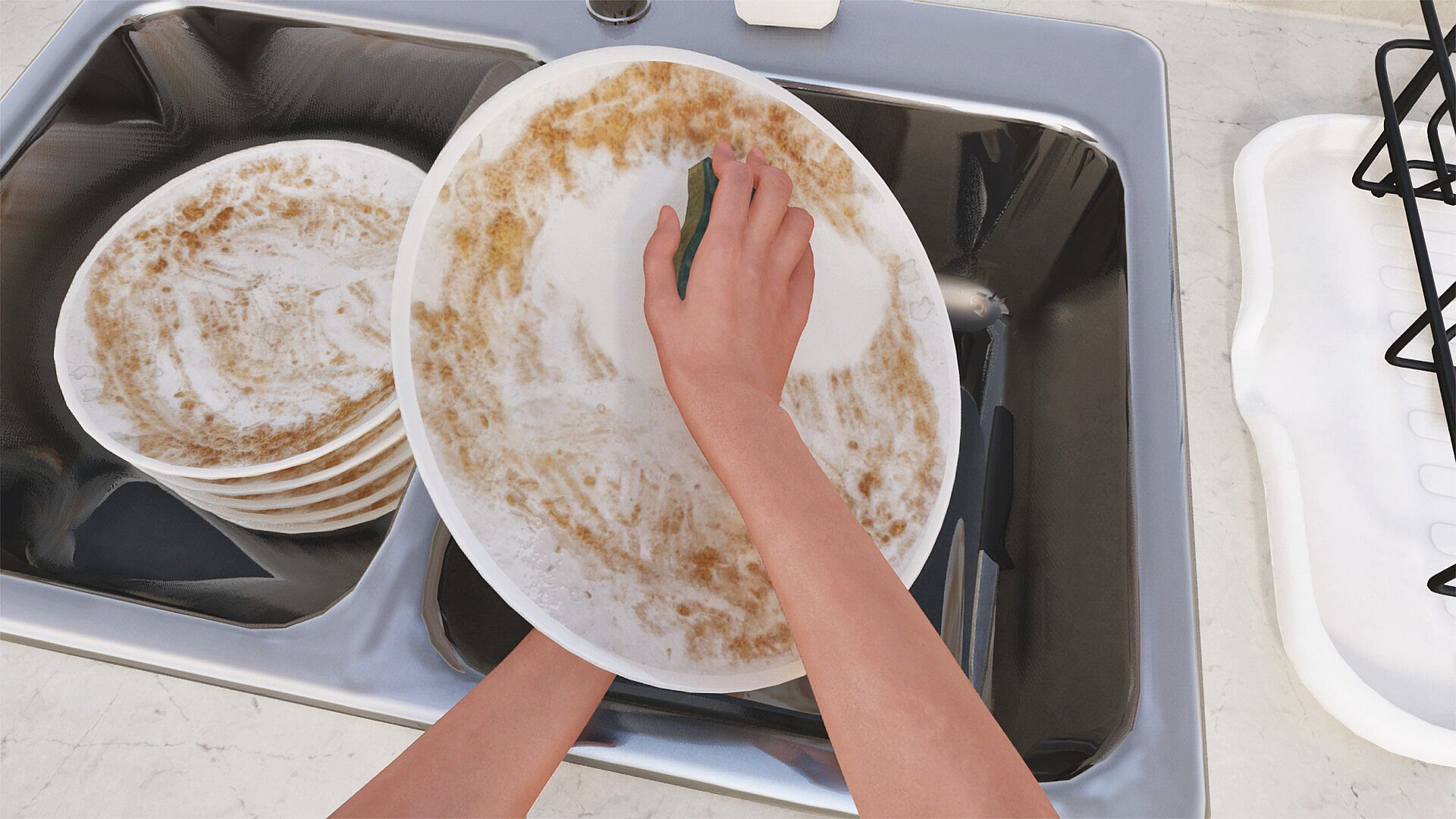
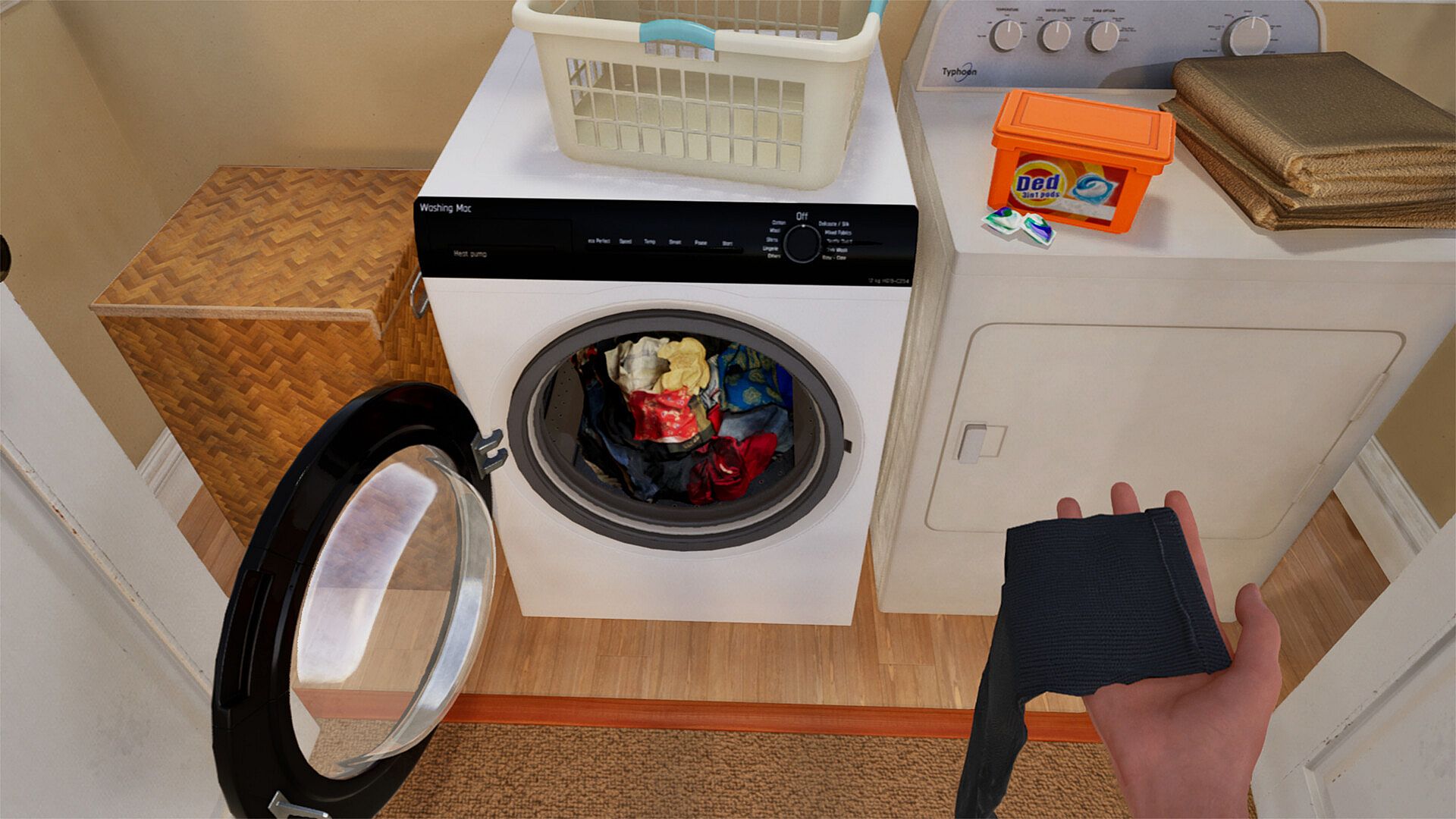
The core loop involves performing a series of chores that reflect everyday household maintenance. These include preparing meals, cleaning dishes, handling laundry through washing, drying, and ironing items such as underwear and socks, vacuuming and mopping floors, and scrubbing surfaces like toilets and windows. Each task requires attention to detail because poor execution triggers direct consequences from the husband character.
Alongside the chores, players track two key meters: their own morale and the husband's mood. Low morale can be restored through rest activities such as taking a bath. Improving the husband's mood opens access to items like handbags that can later be sold to fund an escape plan. The combination of timed chores, mood management, and resource gathering creates a steady rhythm of work and recovery that builds toward the central objective of leaving the situation.
System requirements indicate the game runs on standard PC hardware, with minimum specifications covering Windows 10, an Intel Core i3 or Ryzen 3 processor, 8 GB of RAM, and a GTX 1050 Ti or RX 570 graphics card. Recommended settings suggest an Intel Core i5 or Ryzen 5, 16 GB of RAM, and a GTX 1080 or RX 580 for smoother performance.
Game Modes
Woman Simulator operates entirely in single-player format with no multiplayer components or separate competitive modes. The structure revolves around a continuous simulation session where players advance through daily routines and incremental progress toward escape. Achievements are supported to mark completion of specific tasks or milestones within this single experience.
Steam Cloud saves progress across sessions, allowing players to resume exactly where they left off without losing tracked morale levels or collected items. Family Sharing extends access to additional accounts on the same platform once the game launches.
Key Mechanics
Mechanics emphasize observation and timing. The husband character patrols or observes at intervals, so players must complete chores before detection of unfinished or low-quality work. Resource management extends beyond chores to include strategic use of flattery or rest to maintain balance between the two mood meters. The escape path relies on accumulating sellable goods rather than direct confrontation, keeping the focus on careful planning within the domestic setting.
Supported languages include full interface, audio, and subtitles in English, with additional interface and subtitle support in Russian, French, Italian, and German among others. This broad language coverage makes the simulation accessible to a wider audience interested in the core loop of task completion and mood tracking.
Is It Worth Playing?
The game remains in development with a planned release date of August 25, 2026, and currently offers a free demo for players to test the chore and mood systems ahead of launch. No user reviews exist yet because the full version has not released, leaving reception details unavailable at this stage.
Those drawn to detailed simulation of routine tasks combined with light resource and relationship management may find the premise engaging. The single-player focus and emphasis on incremental progress toward a clear goal suit players who prefer steady, self-paced gameplay over action or competition. Availability on PC with standard features such as achievements and cloud saves adds convenience for those who want to track personal milestones across play sessions.
Early interest appears driven by the unusual domestic escape premise rather than established player data. Potential buyers can sample the mechanics through the demo to determine whether the task variety and mood-balancing loop match their preferences before committing at launch.