













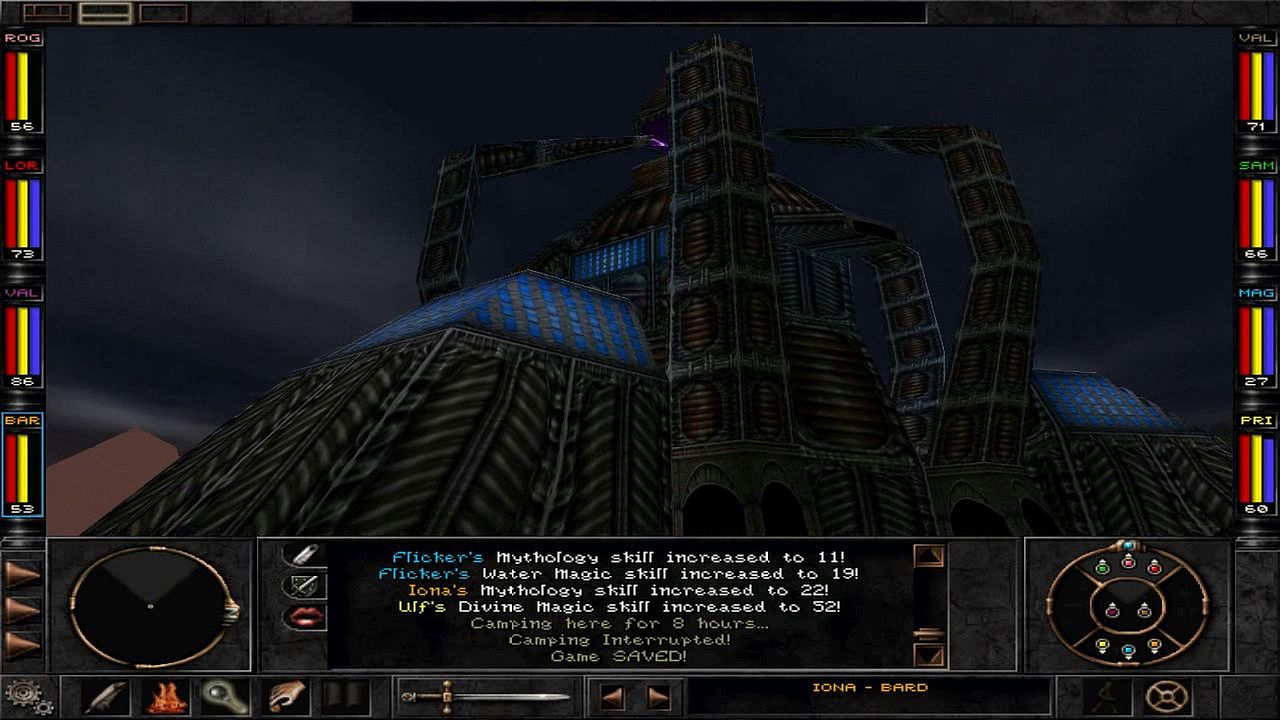
Wizardry 8 stands as a classic party-based RPG that blends deep character creation with strategic combat and open exploration in a science-fantasy setting. Players assemble a team of adventurers to navigate a world threatened by cosmic forces, making choices that shape alliances and outcomes across a non-linear narrative.
Gameplay
Core gameplay centers on building and managing a party of up to six characters, with room for additional NPC companions. Creation draws from eleven races and fifteen classes, allowing combinations such as gnome gadgeteers, lizardman fighters, rawulf lords, or faerie ninjas. Each character receives a custom personality that influences spoken dialogue, with over one hundred lines available per individual. Personalities range across options like kindly or chaotic, affecting interactions and party dynamics.
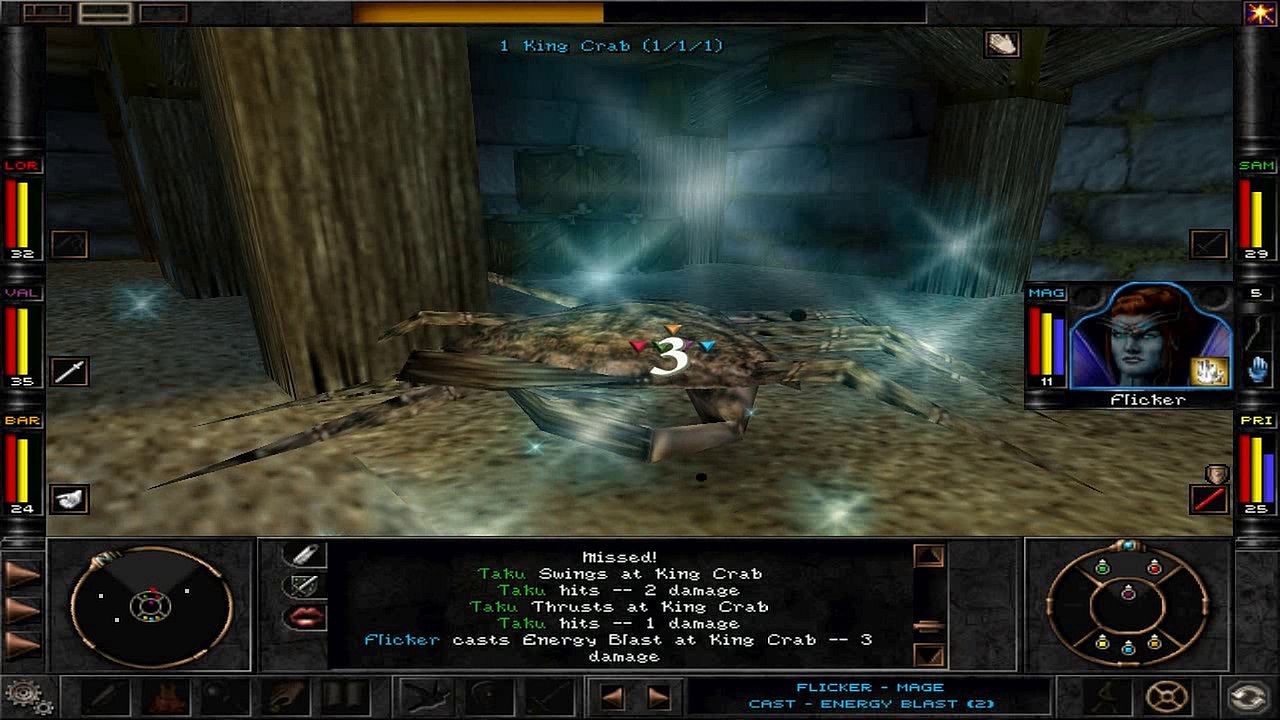
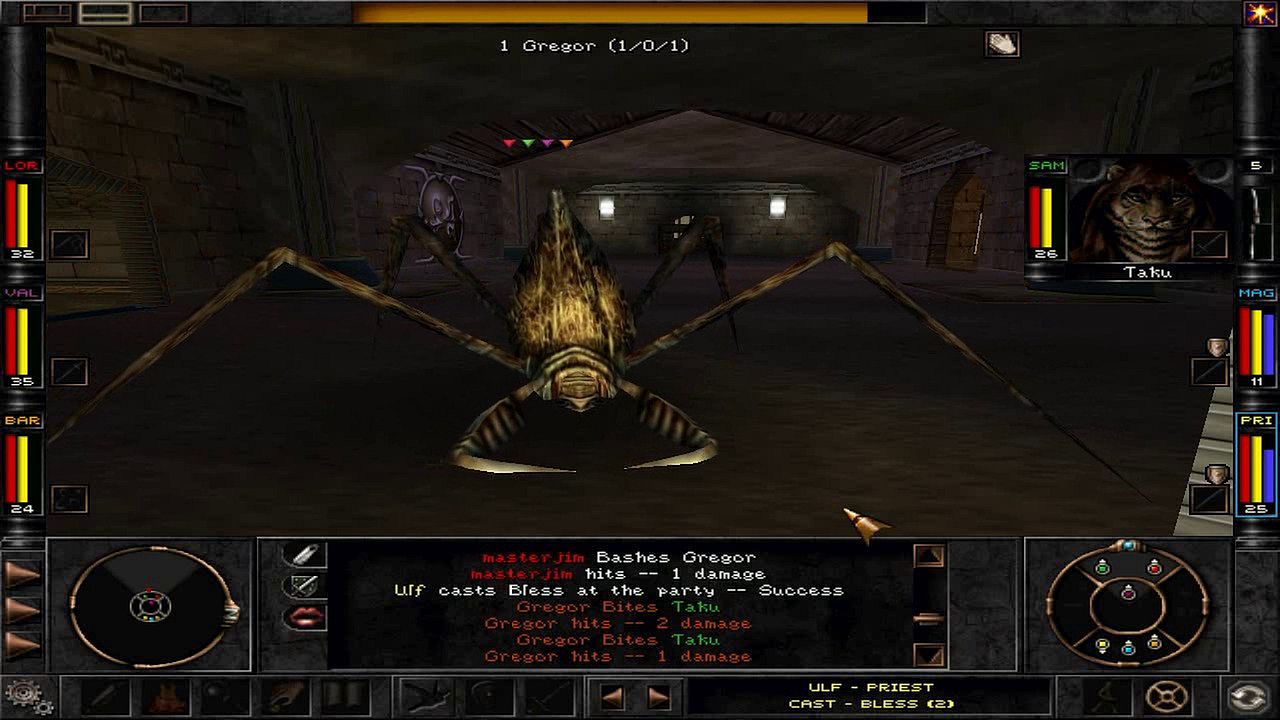
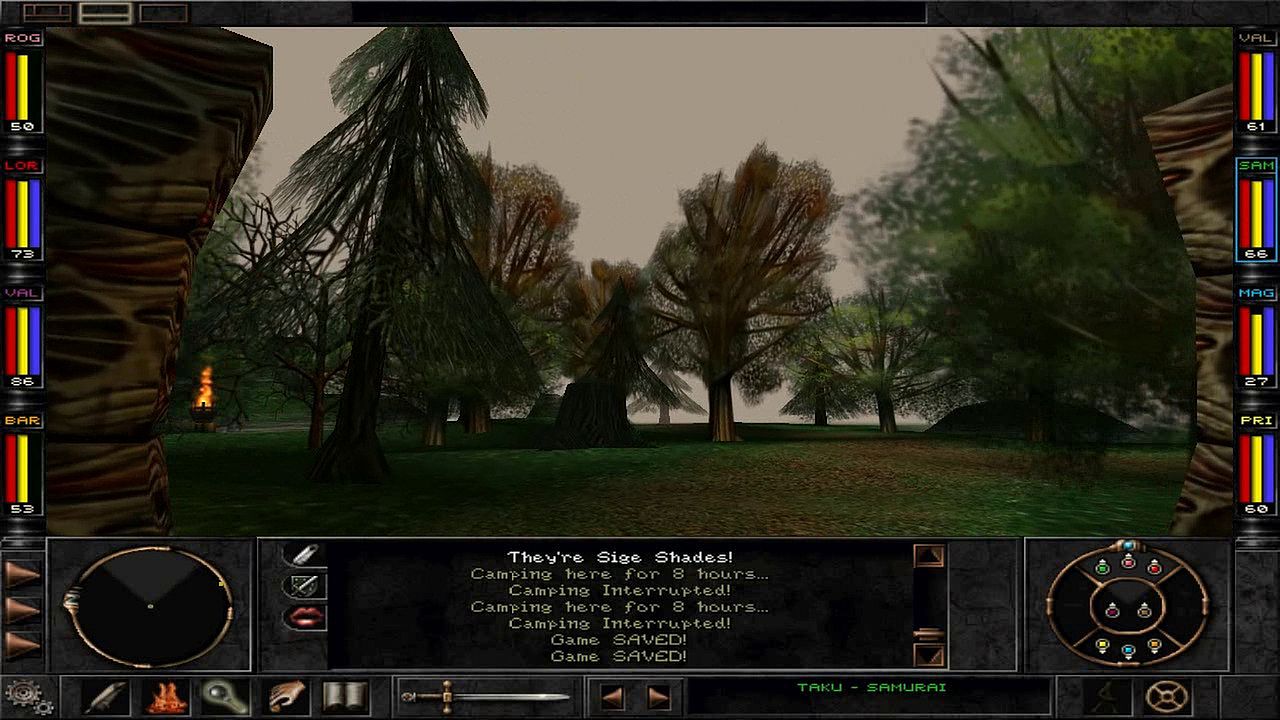
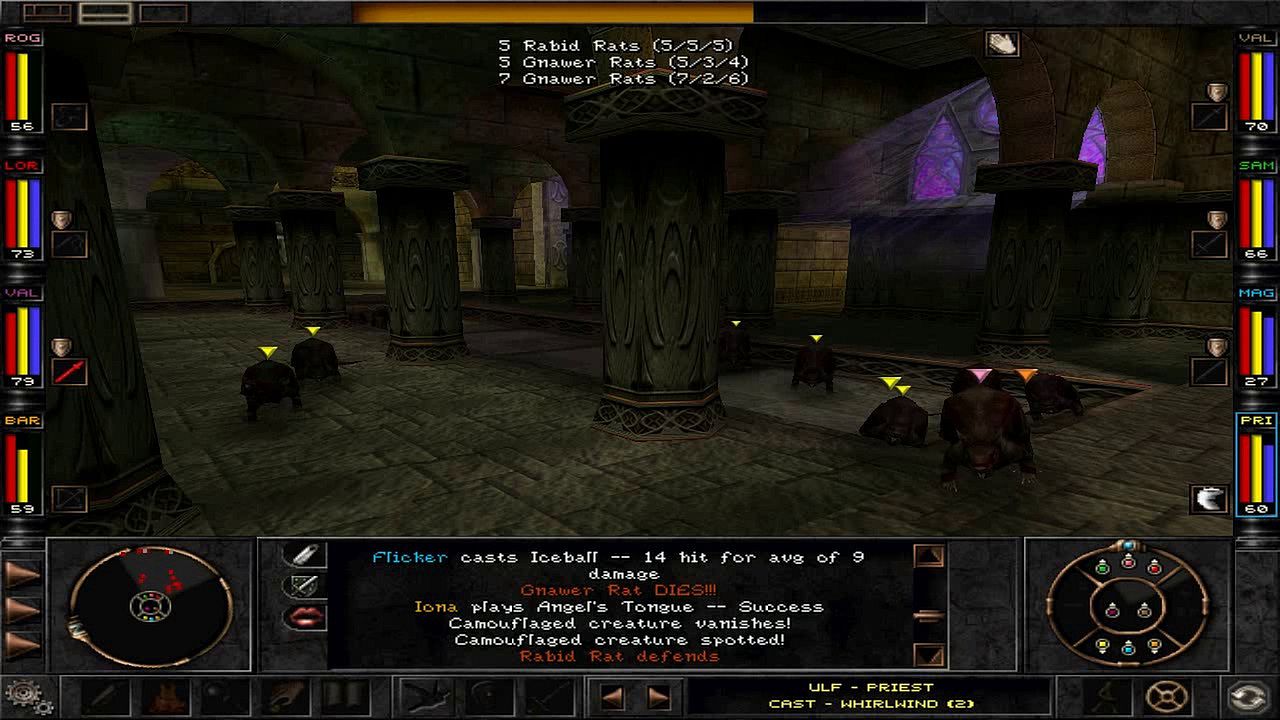
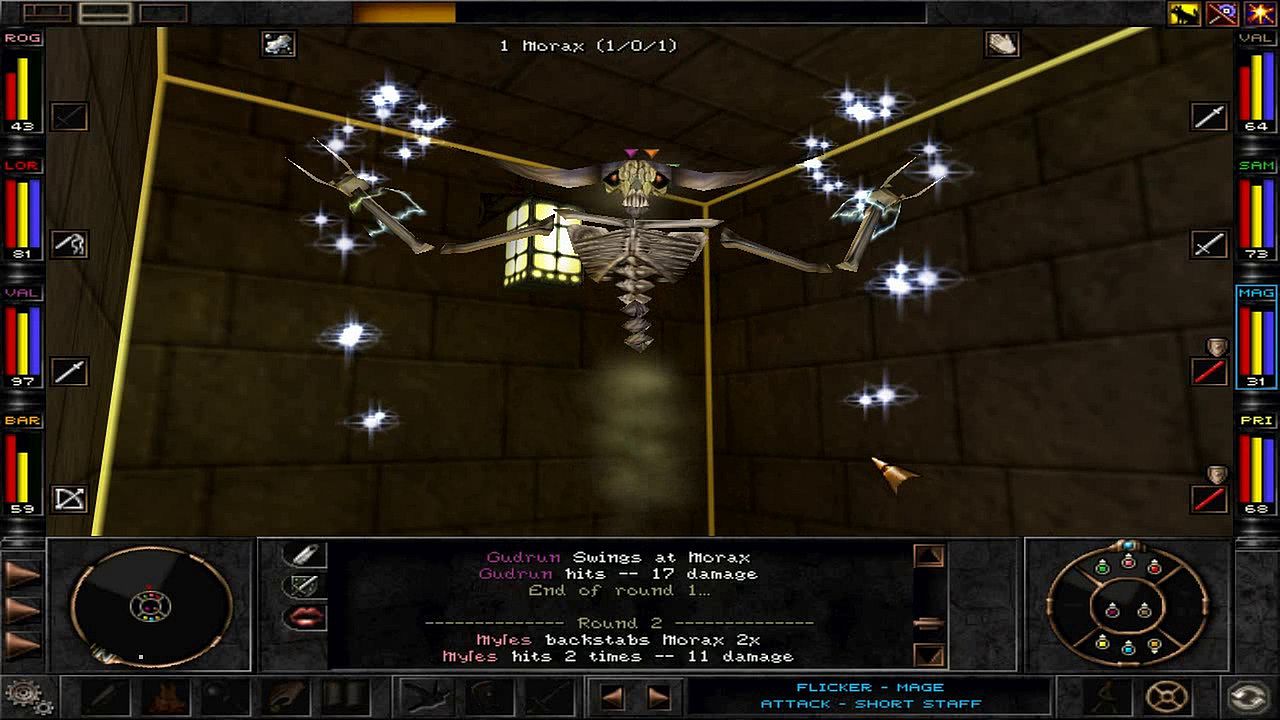
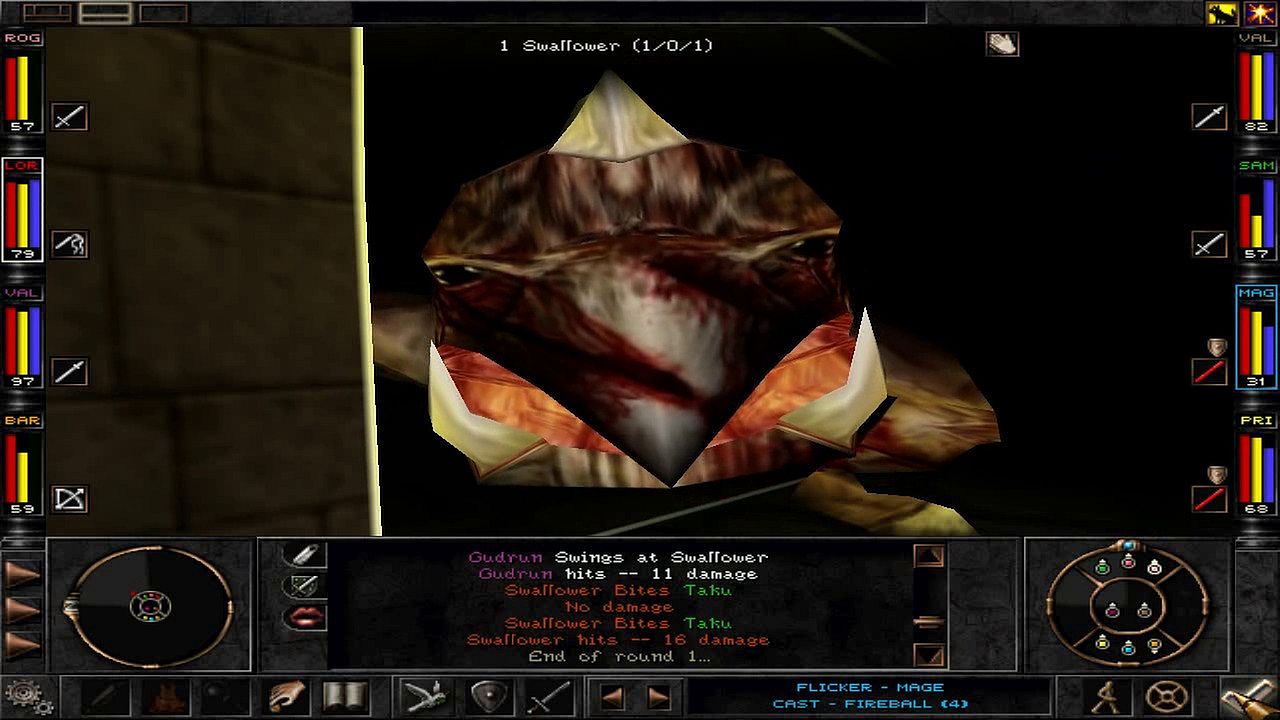
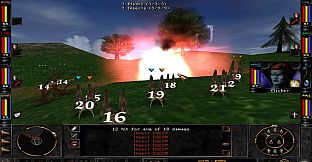
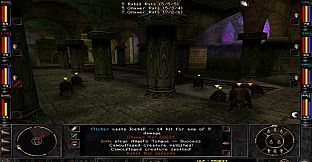
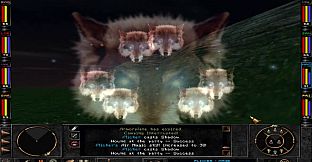
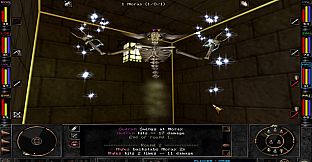
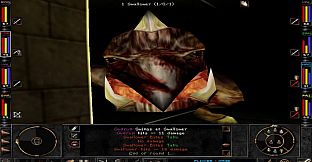
Exploration unfolds in a fully three-dimensional environment that includes dungeons, forests, volcanoes, and underwater areas. Movement feels fluid compared to earlier grid-based entries in the series, and players encounter roaming monsters that actively pursue the party. Over three hundred monster types populate the world, each presenting distinct threats that demand tactical responses.
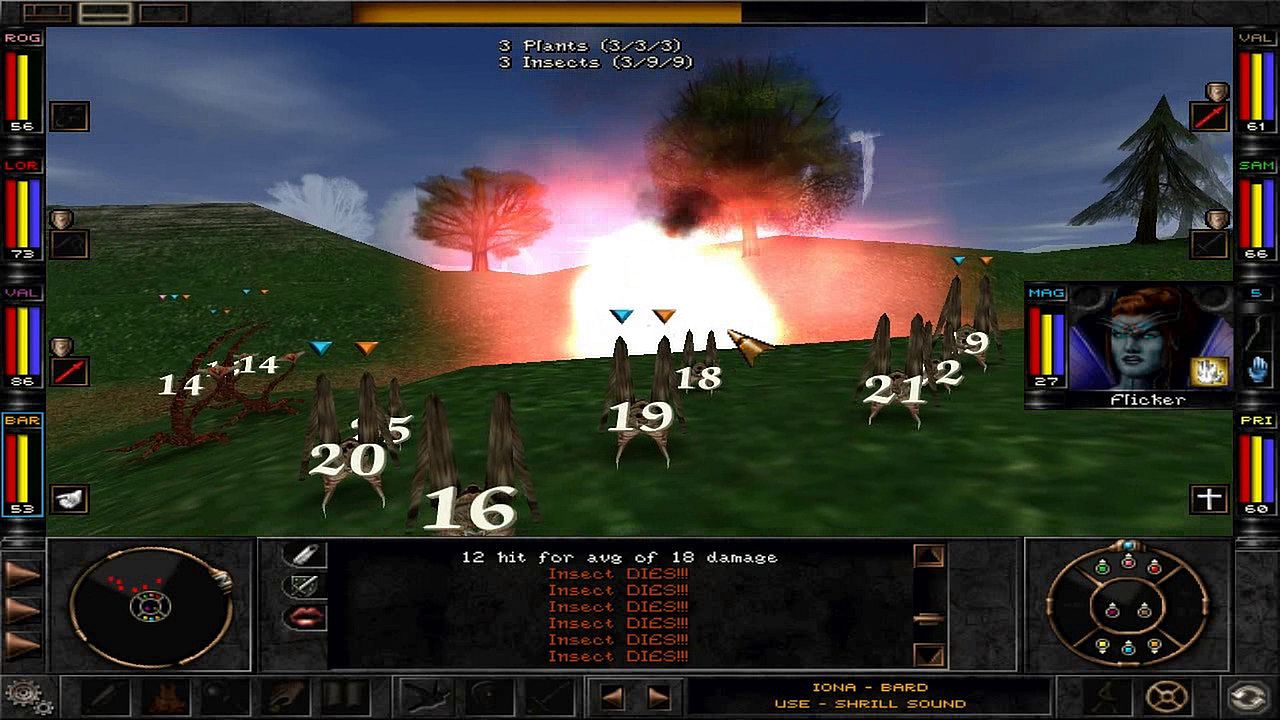
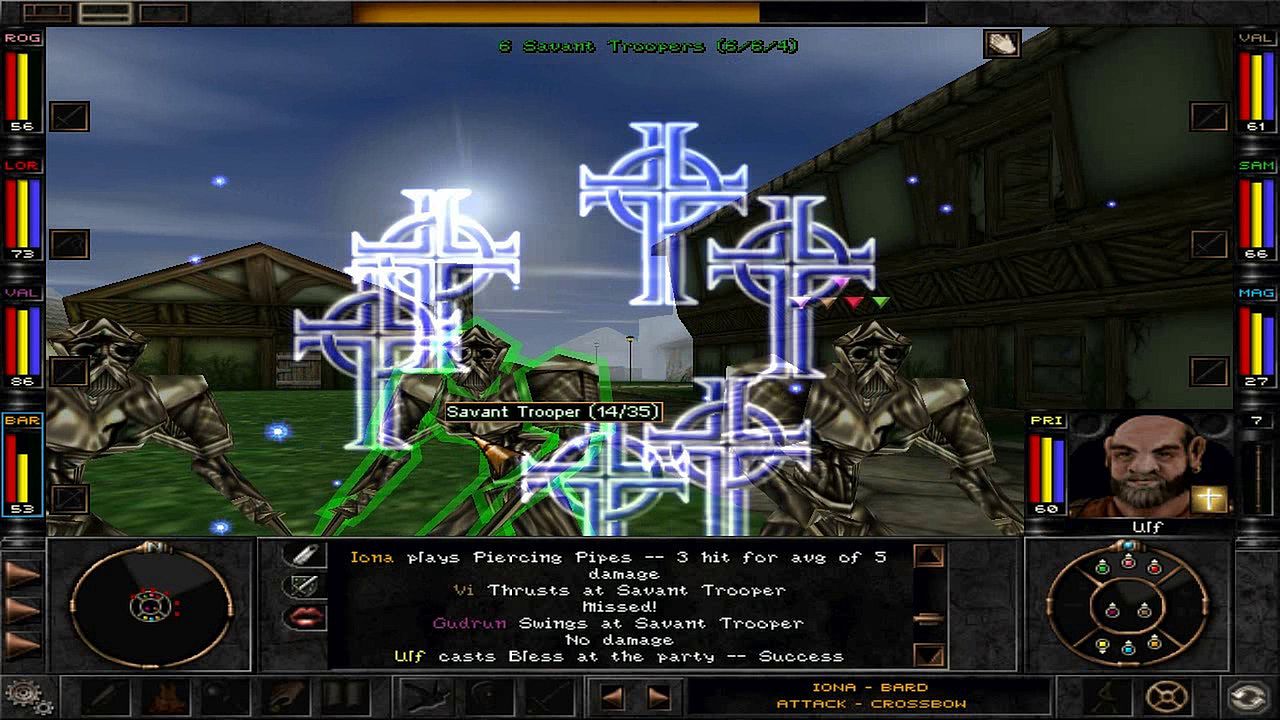
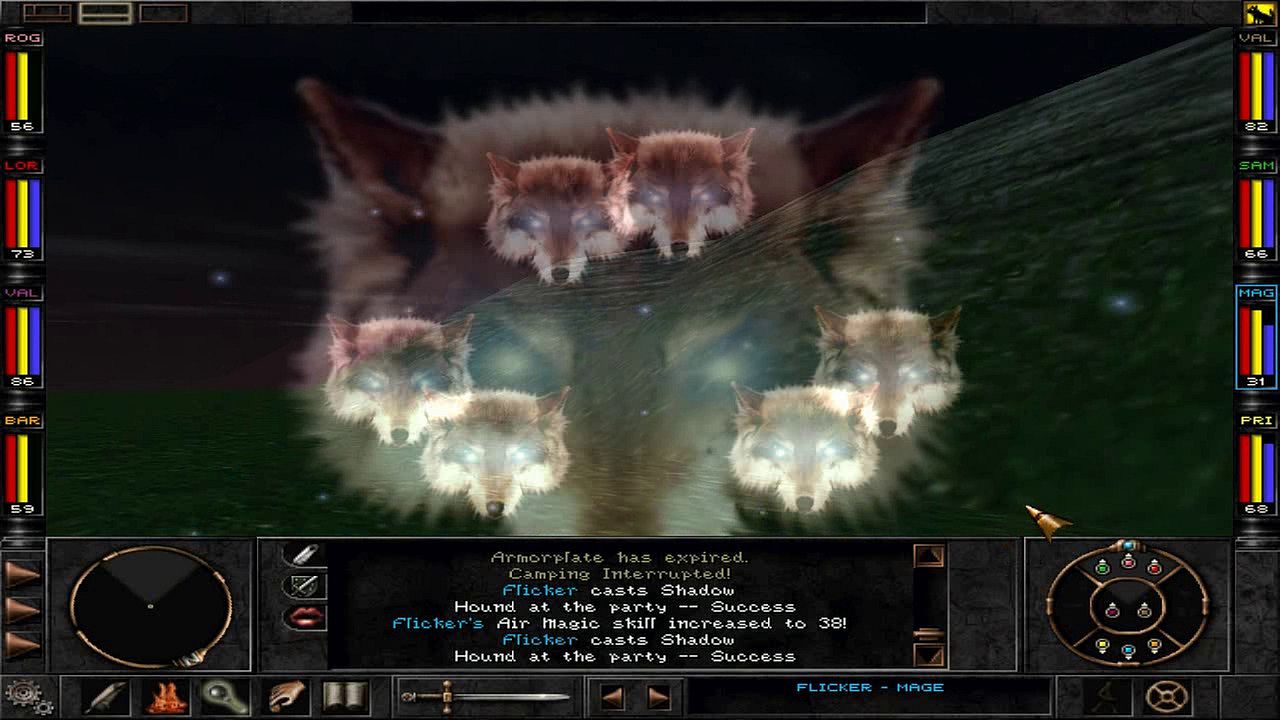
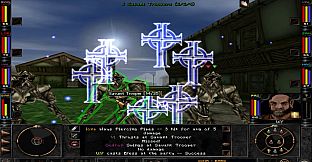
Combat operates primarily through a phased turn-based system driven by initiative and character speed. An optional continuous combat mode exists for those seeking a different pace. The auto-targeting feature simplifies basic execution while the underlying strategy layer rewards positioning, spell selection, and resource management. Over one hundred spells function through a power-level mechanic that scales effectiveness, preventing any single spell from losing relevance as characters advance.
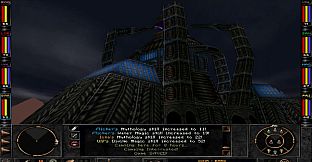
Skills develop through repeated use or allocated points, creating a progression loop where combat, exploration, and crafting activities all contribute to growth. Players converse with dozens of intelligent NPCs, where treatment determines whether individuals become allies or adversaries. This system adds layers to quest resolution and world reactivity without relying on rigid dialogue trees.
Game Modes
Wizardry 8 offers single-player experiences centered on difficulty selection. Three main settings adjust enemy strength, resource availability, and overall challenge: Novice provides a gentler introduction, Normal balances accessibility with tension, and Expert demands precise planning and party optimization.
An additional Iron Man Mode imposes permadeath rules, removing the ability to reload after a party wipe. This variant heightens stakes during extended expeditions and appeals to players seeking maximum consequence from every decision. No multiplayer components appear in the design, keeping focus on solo party management and long-term strategy.
Character Development and World Interaction
Advancement extends beyond levels to include skill mastery and equipment choices that interact with the power-level spell system. Characters gain tangible benefits from consistent activity, such as improved weapon proficiency or resistance bonuses, which feed back into combat effectiveness. The prestige classes available from the start, including lord, samurai, and bishop, encourage specialized builds that complement one another in a full party.
World interaction emphasizes consequence. Decisions with NPCs ripple outward, unlocking or closing paths based on reputation and alliances. The overarching goal involves ascending the Cosmic Circle while confronting the Dark Savant, with multiple routes through the story that reward thorough exploration over linear progression.
Is It Worth Playing?
Wizardry 8 delivers substantial depth for players who value tactical combat, intricate party building, and methodical exploration in a single-player RPG format. Its mechanics reward careful preparation and adaptive thinking during encounters, while the skill and personality systems provide meaningful customization that affects both gameplay and narrative flavor.
Reception highlights the engaging combat and character systems as standout features, with many noting the game's lasting appeal for fans of older role-playing titles. It remains available on PC through standard digital platforms and runs on modern hardware without requiring additional patches for basic functionality. Those drawn to challenging, systems-heavy experiences will find the title holds up as a complete package, particularly when approached with patience for its deliberate pace and strategic demands. Newcomers to the genre may benefit from starting on Novice difficulty to learn the interplay between skills, spells, and positioning before advancing to higher settings.