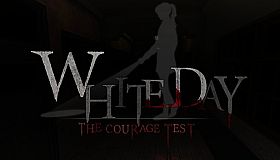




























































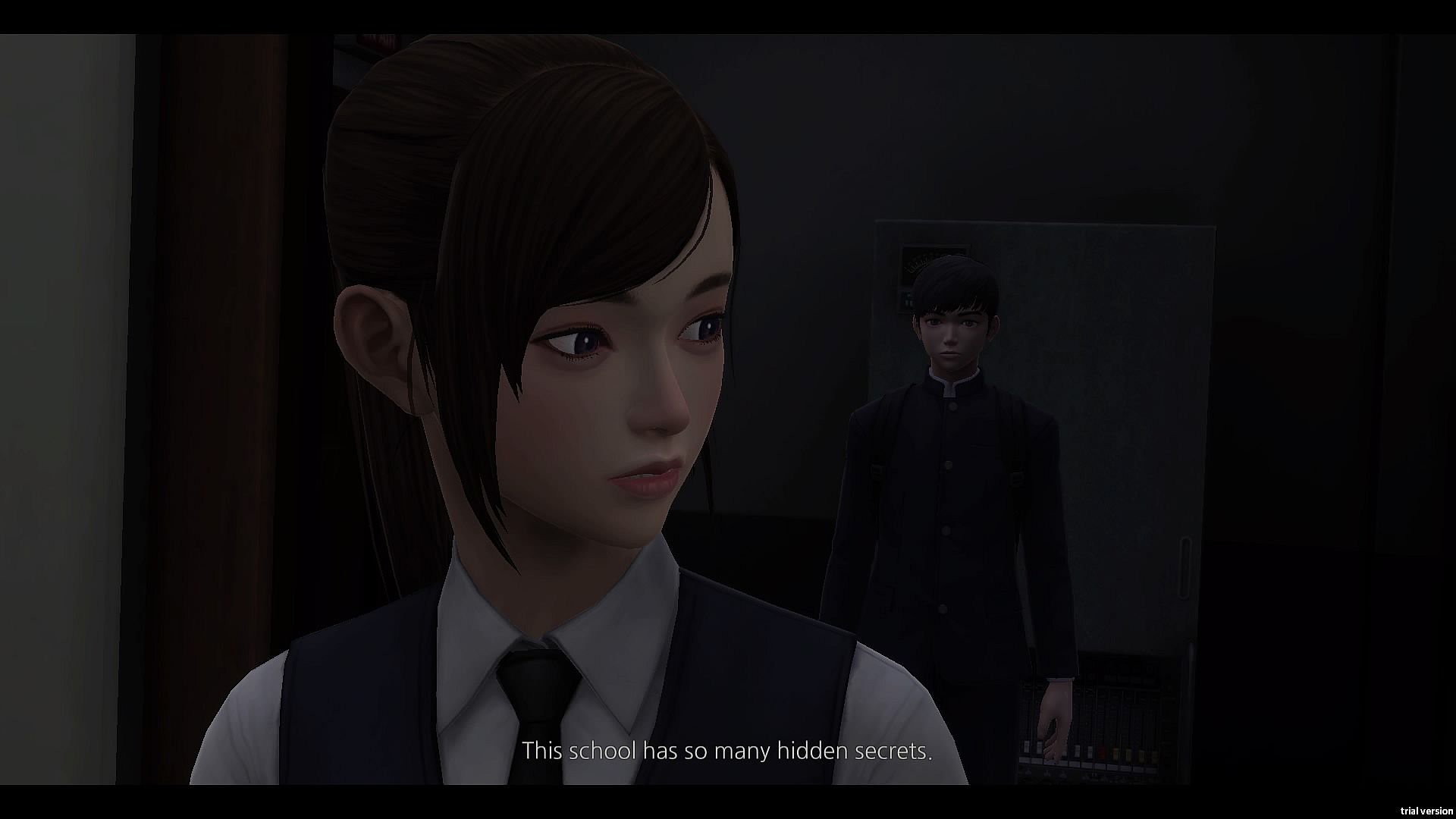
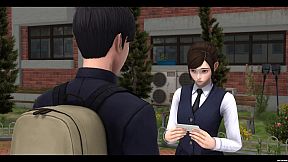




White Day: A Labyrinth Named School is a first-person survival horror game developed for PC. Players control new student Hee-Min Lee as he sneaks into Yeondu High School on White Day to leave a gift, only to become trapped inside with hostile forces. The experience centers on exploration, item management, and evasion in a single-player campaign with no combat options.
Gameplay
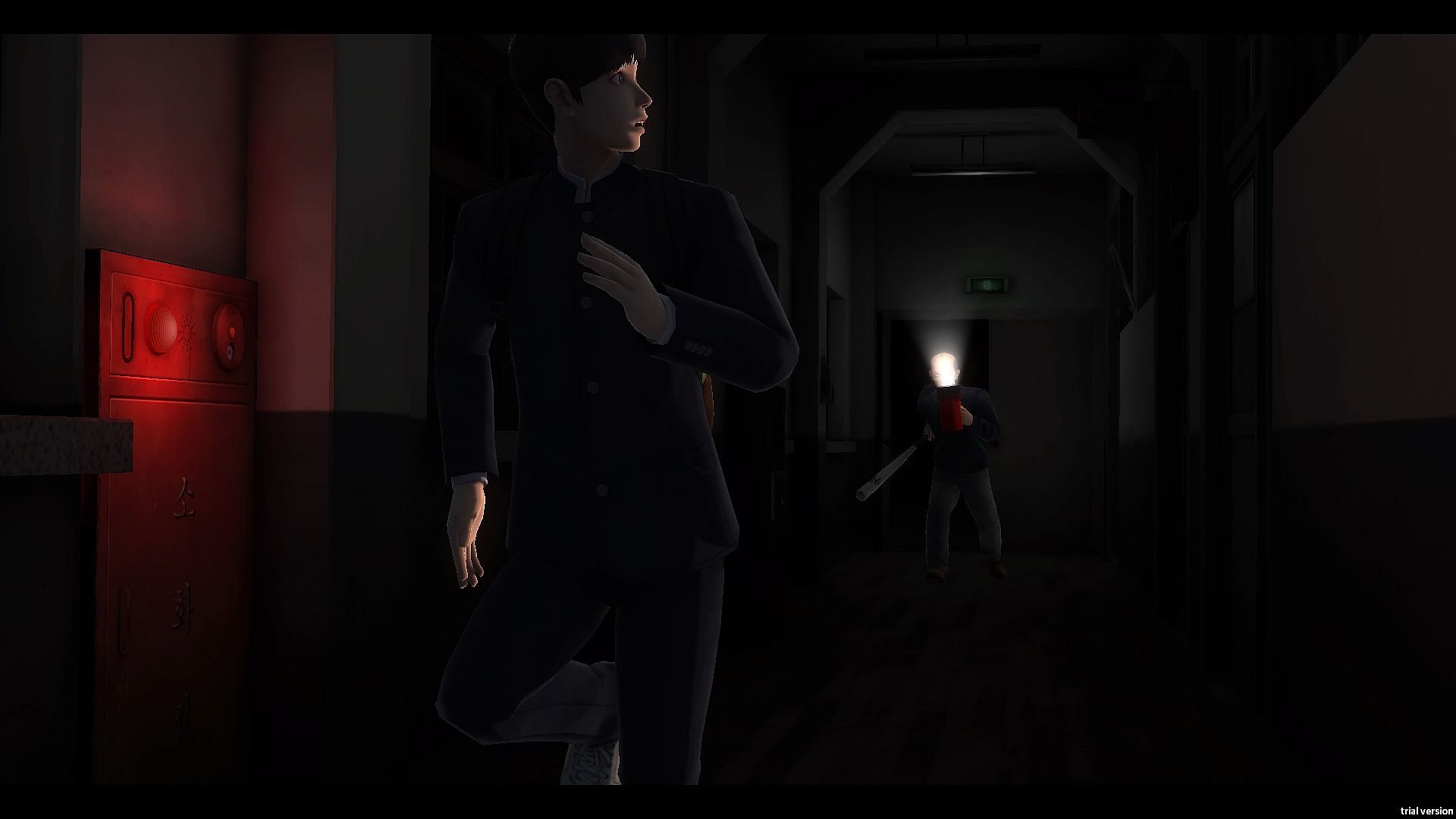
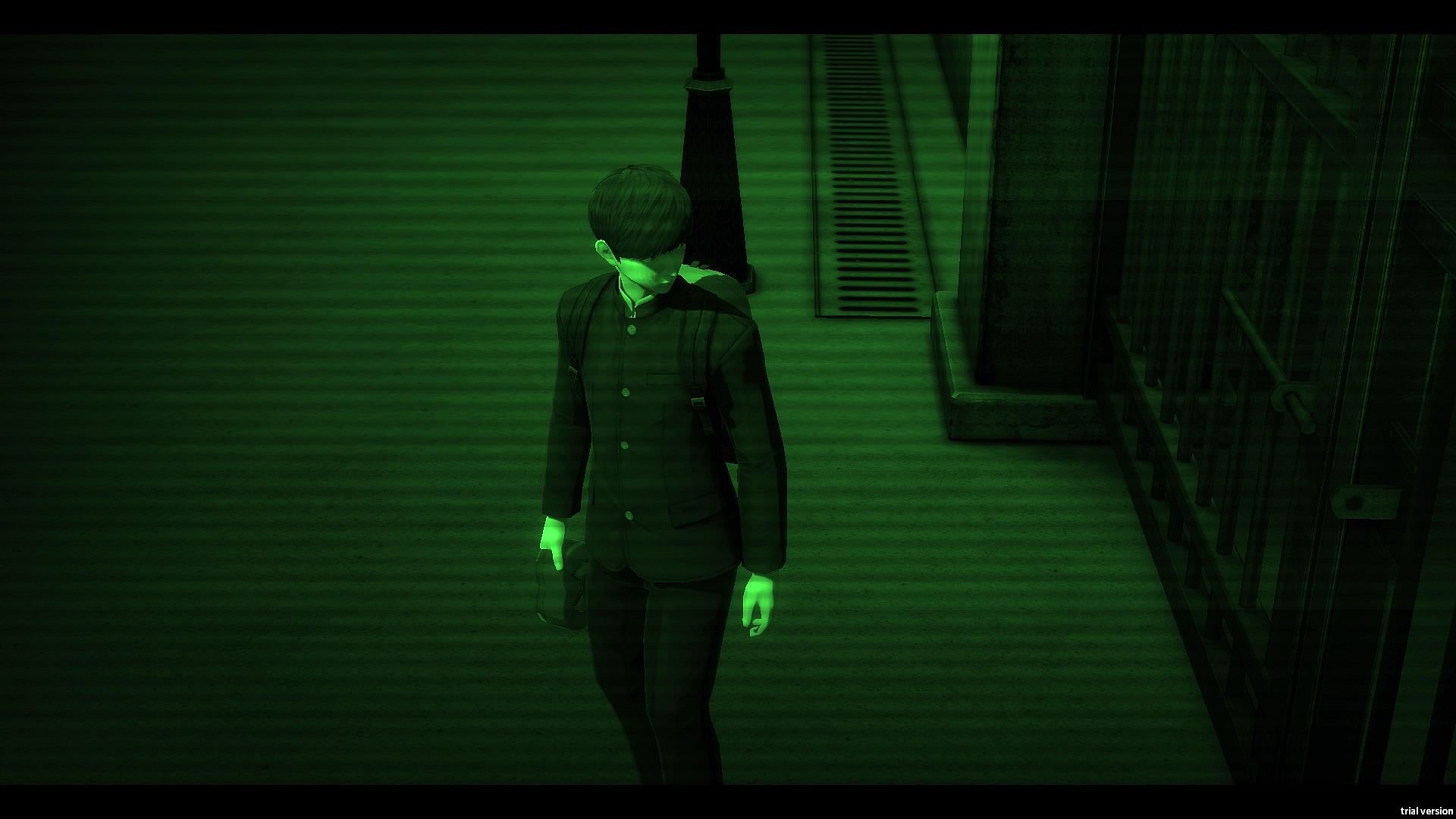
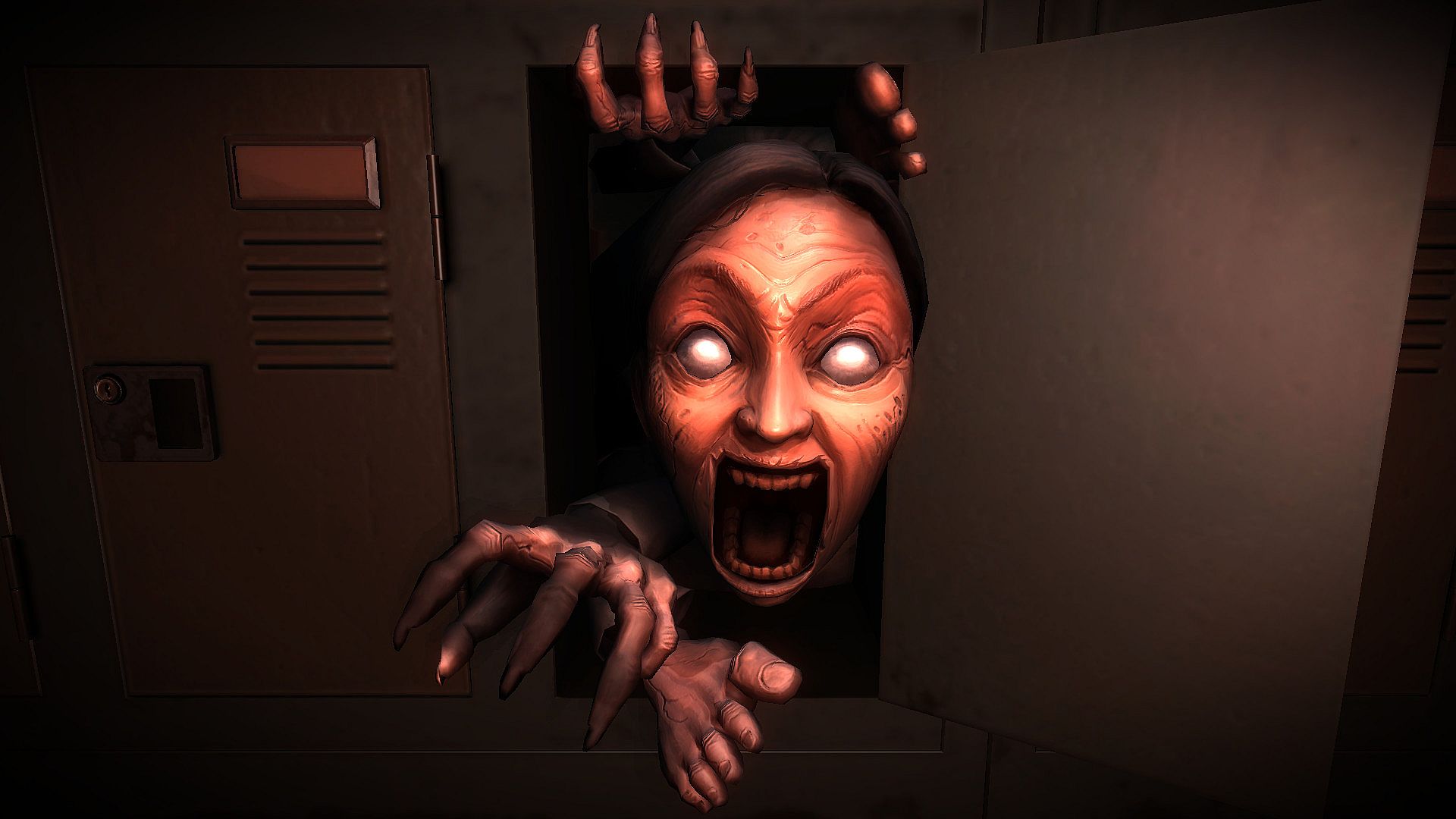
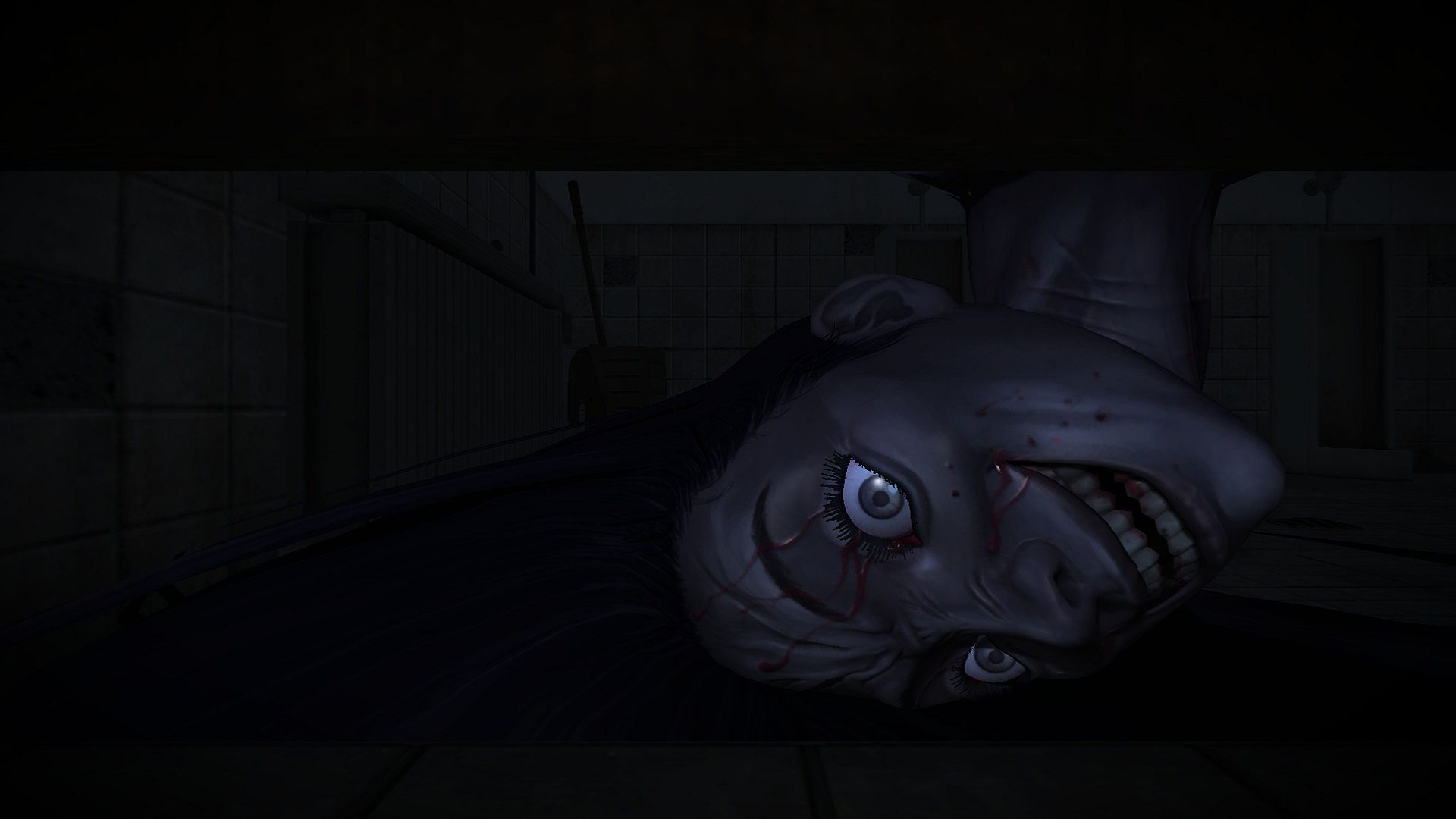
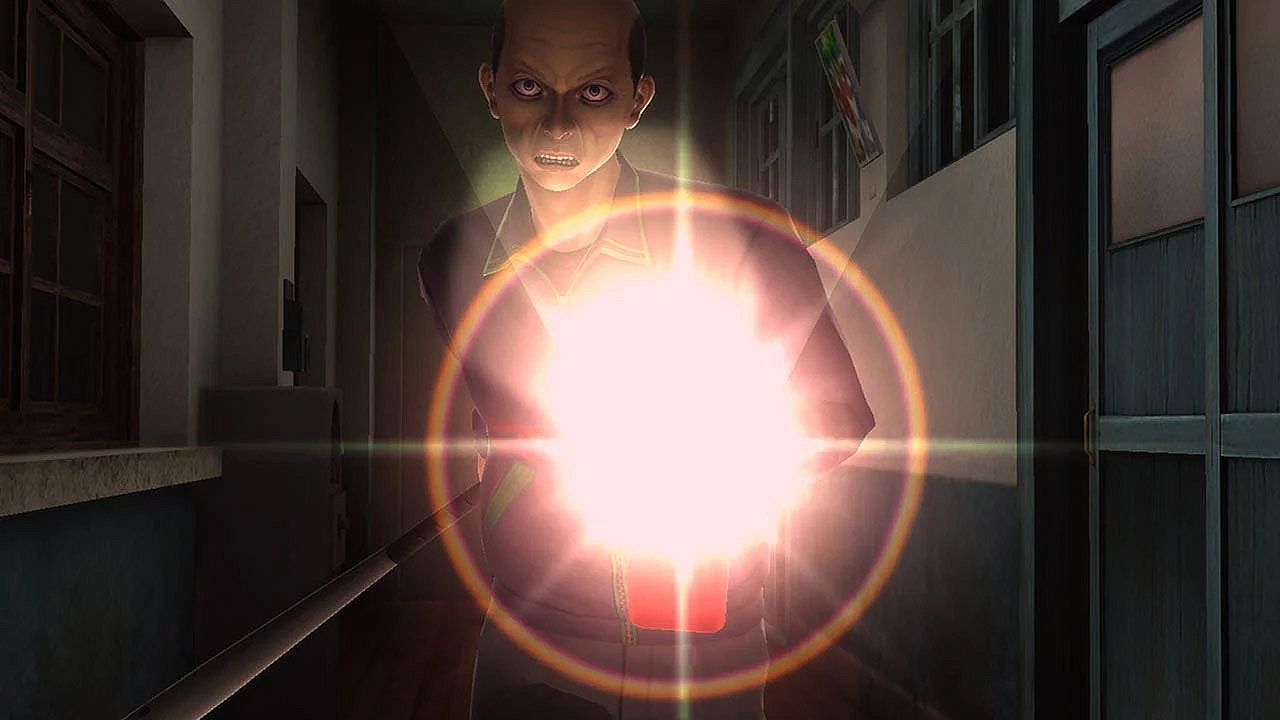
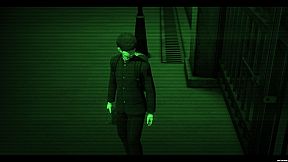
The core loop involves navigating the school's corridors and rooms by flashlight while avoiding detection. Limited inventory slots force careful decisions about what to carry, and healing items restore health only when used. Saving occurs exclusively at bulletin boards using scarce felt-tip pens, adding tension to every decision. Puzzles require collecting objects and solving environmental riddles, with solutions randomized across playthroughs to discourage reliance on prior knowledge. Dialogue choices during encounters with other trapped students influence relationships and available paths. Ghosts and a persistent janitor pursue the player, requiring hiding spots or timed movement to survive encounters.
Game Modes
The game offers a range of difficulty settings that alter item availability, hint frequency, enemy aggression, and paranormal activity. Very Easy mode reduces threats and provides more resources for players focused on the narrative. Higher settings increase ghost appearances, remove phone signal clues, and limit supplies. Hell mode, unlocked after an initial playthrough, delivers the most intense version with exclusive encounters and stricter resource constraints. These options shape the overall challenge without introducing separate game types or multiplayer elements.
Story and Atmosphere
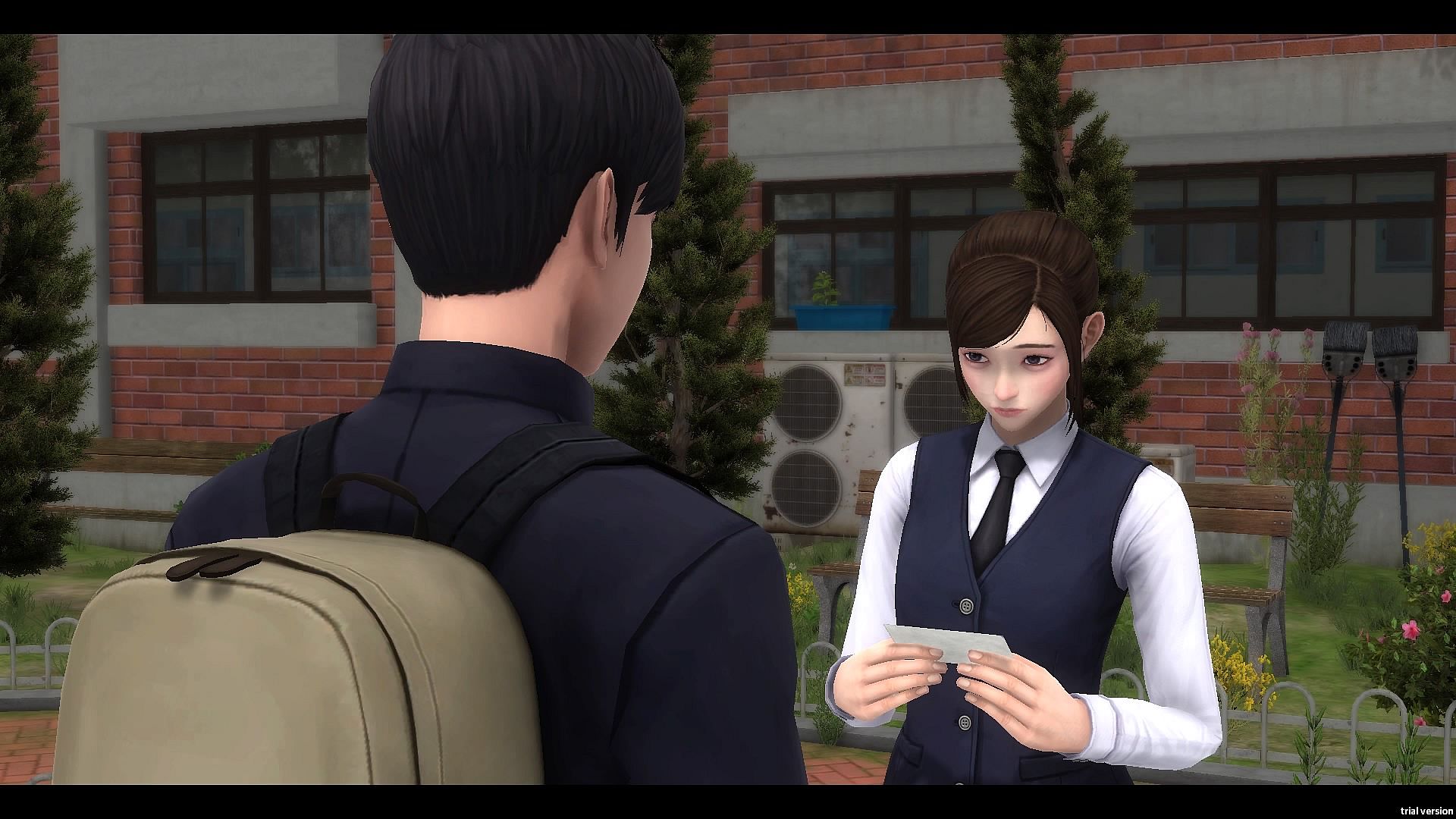
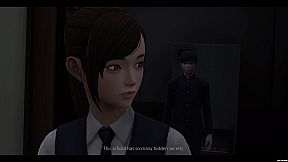
The narrative unfolds through exploration of the school's past, revealed via documents, ghost stories, and interactions with classmates. Branching conversations lead to different outcomes based on choices made during the night. The setting emphasizes isolation in dimly lit hallways, with audio cues heightening the sense of dread. Collectible items expand on the building's troubled history, encouraging thorough searches even under pressure from pursuing threats.
Multiple Endings
Actions and dialogue selections determine the conclusion, resulting in nine possible endings. Difficulty level further influences which endings remain accessible, as harder modes unlock additional content while restricting aids. This structure rewards repeated playthroughs with new scenarios and revelations about the characters and location.
Is It Worth Playing?
The title appeals to players who enjoy classic survival horror mechanics, including resource scarcity, randomized puzzles, and stealth-focused evasion. Its single-player focus and emphasis on atmosphere suit those seeking a contained, tense experience rather than action-heavy titles. Reception highlights strong environmental storytelling and replay value from the ending variations and difficulty tiers, though some note occasional stiffness in controls and enemy behavior. Patches have addressed balance issues from launch. Those drawn to puzzle-solving and narrative-driven horror in a school setting will find consistent engagement, while players preferring direct confrontation or online features may look elsewhere. The remake improves visuals and accessibility compared to the original release while preserving the core tension.