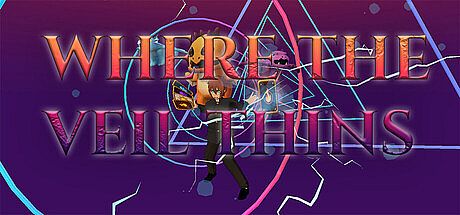


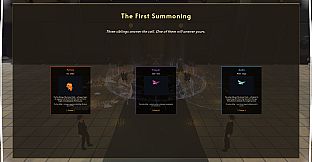

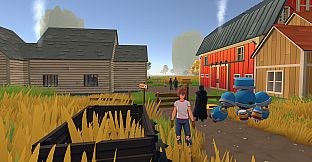
Where the Veil Thins is a single-player strategy RPG that blends monster taming with card-based combat and a military academy narrative. Players follow Marius of Sabinia as he joins the Imperium's summoner training program, bonding with creatures from beyond the Veil to build a personal deck of summon cards. The game emphasizes tactical decisions in battles where positioning, timing, and hidden elements determine outcomes rather than raw power alone.
Gameplay
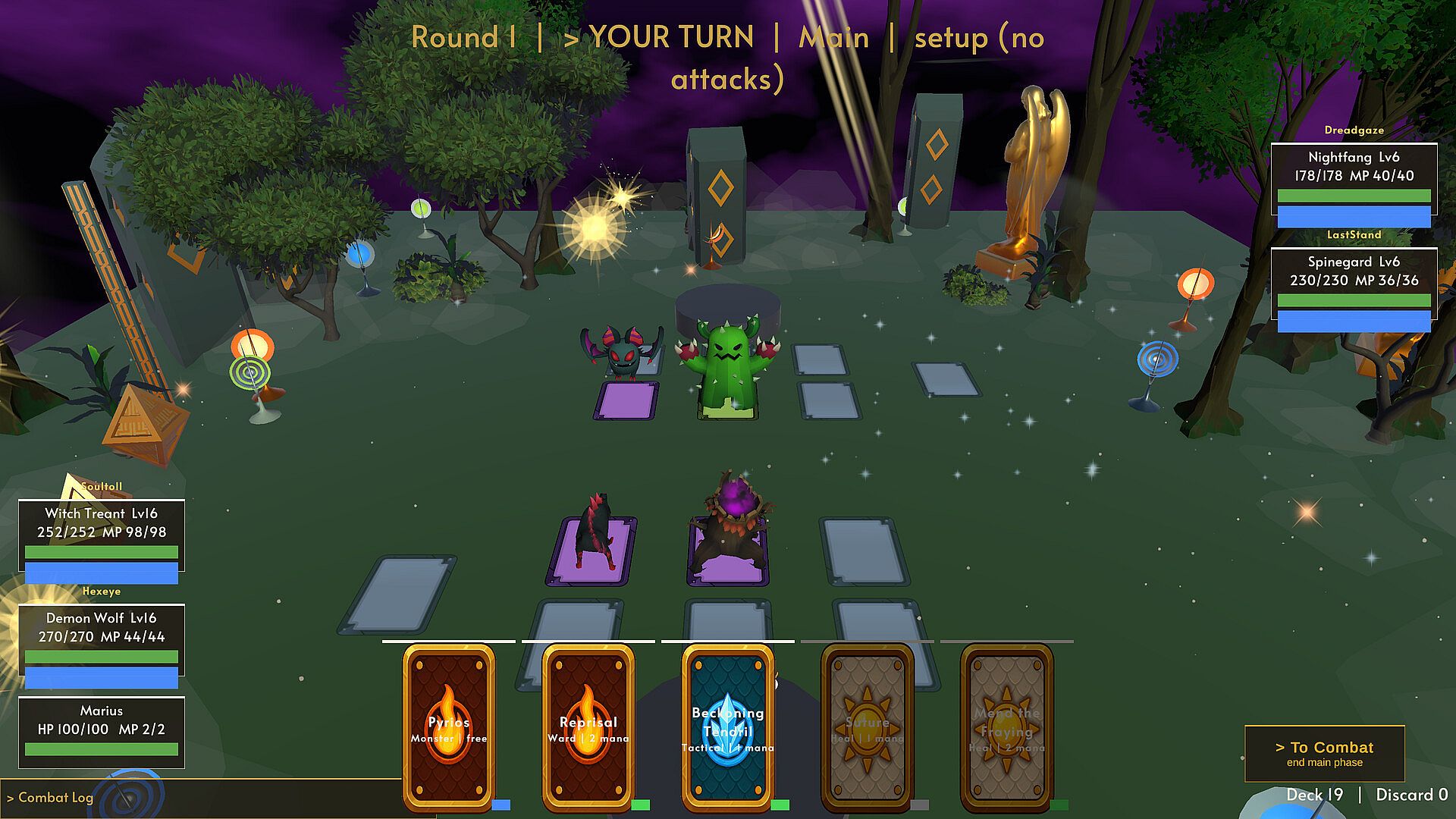
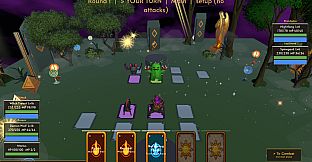
Combat unfolds from a hand of cards while creatures occupy the board. Each bonded monster becomes a summon card that can be played to attack or support. Magic and relics provide control options to shift momentum, while equipment attaches directly to monsters and is lost if the creature falls. Relics activate effects each round, and combo cards scale in strength based on prior plays in the same turn. Terrain cards alter the battlefield by favoring specific elements, changing how abilities resolve across the field.
Wards add a layer of hidden information. These cards are placed face-down and trigger when an attack meets their condition, revealing effects with immediate impact. Opponents use the same system, so every face-down card on their side requires careful assessment before committing resources. Bond ranks from zero to ten increase through repeated use in fights, unlocking passive abilities that modify how a creature performs in later encounters. Evolution chains for each species include cinematic moments when ranks advance.
Over two hundred creatures are available for bonding, ranging from common field animals to powerful war beasts. Each has its own summon card and progression path. Legendary creatures appear in specific locations and require narrative effort to recruit rather than chance encounters.
Game Modes
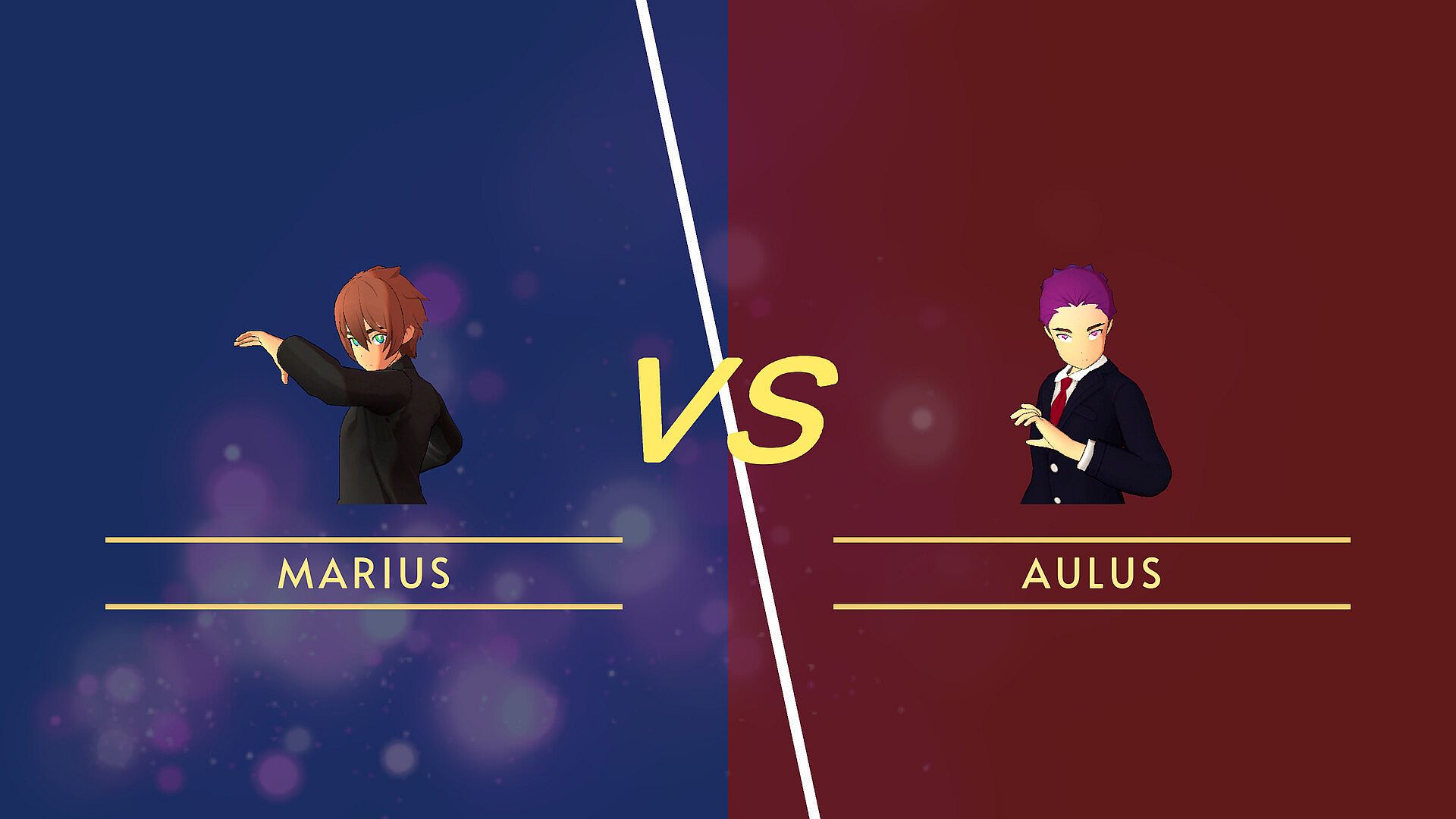
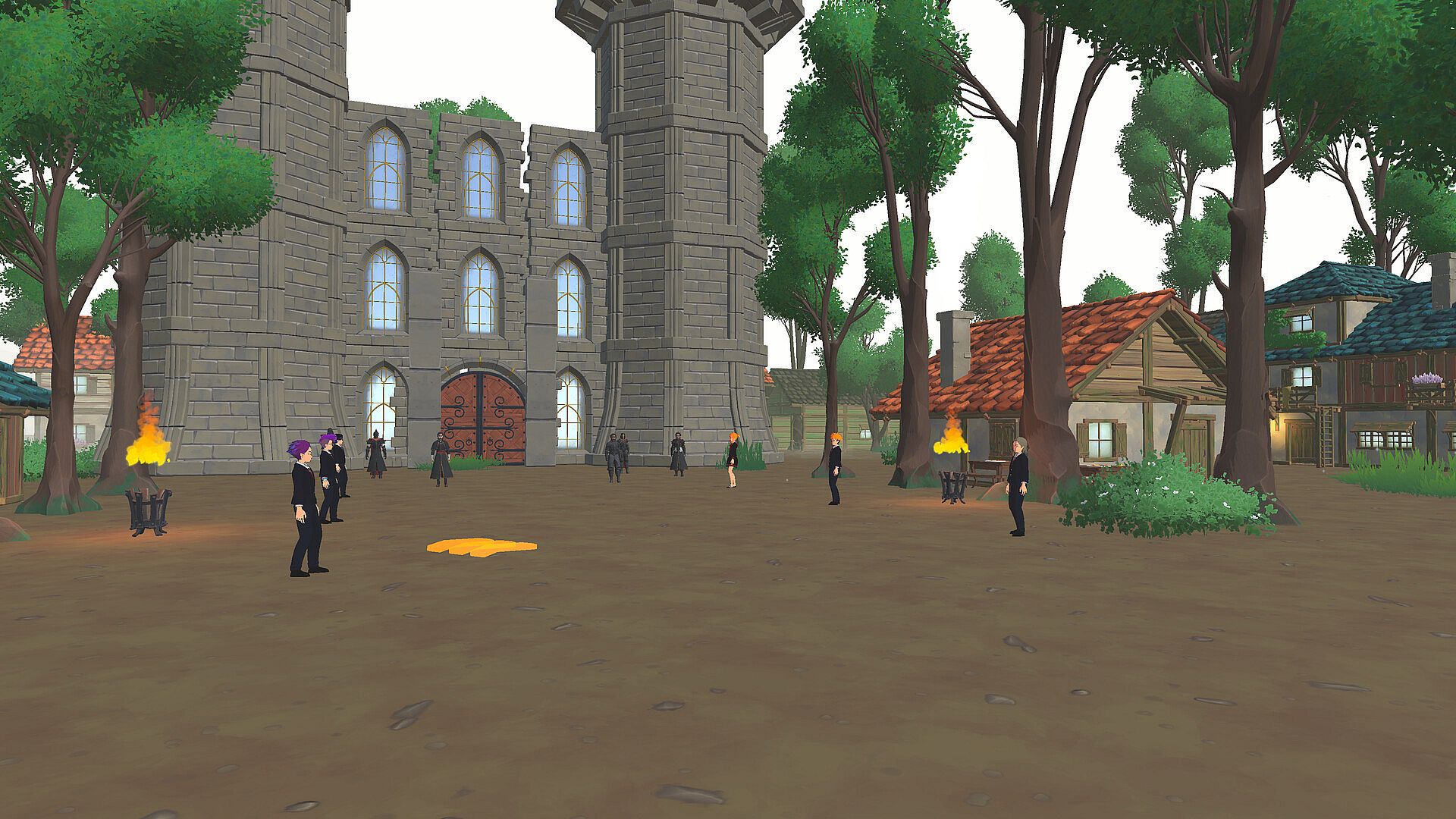
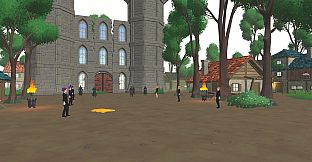
The core experience centers on Act 1, set within the Academia military academy. Players attend lectures, participate in daily sparring sessions against cohort members, and undertake night missions into contested borderlands. Story choices influence relationships and assignments, some of which diverge from official briefings. A rival character selects a dragon that the player does not, creating ongoing tension within the cohort.
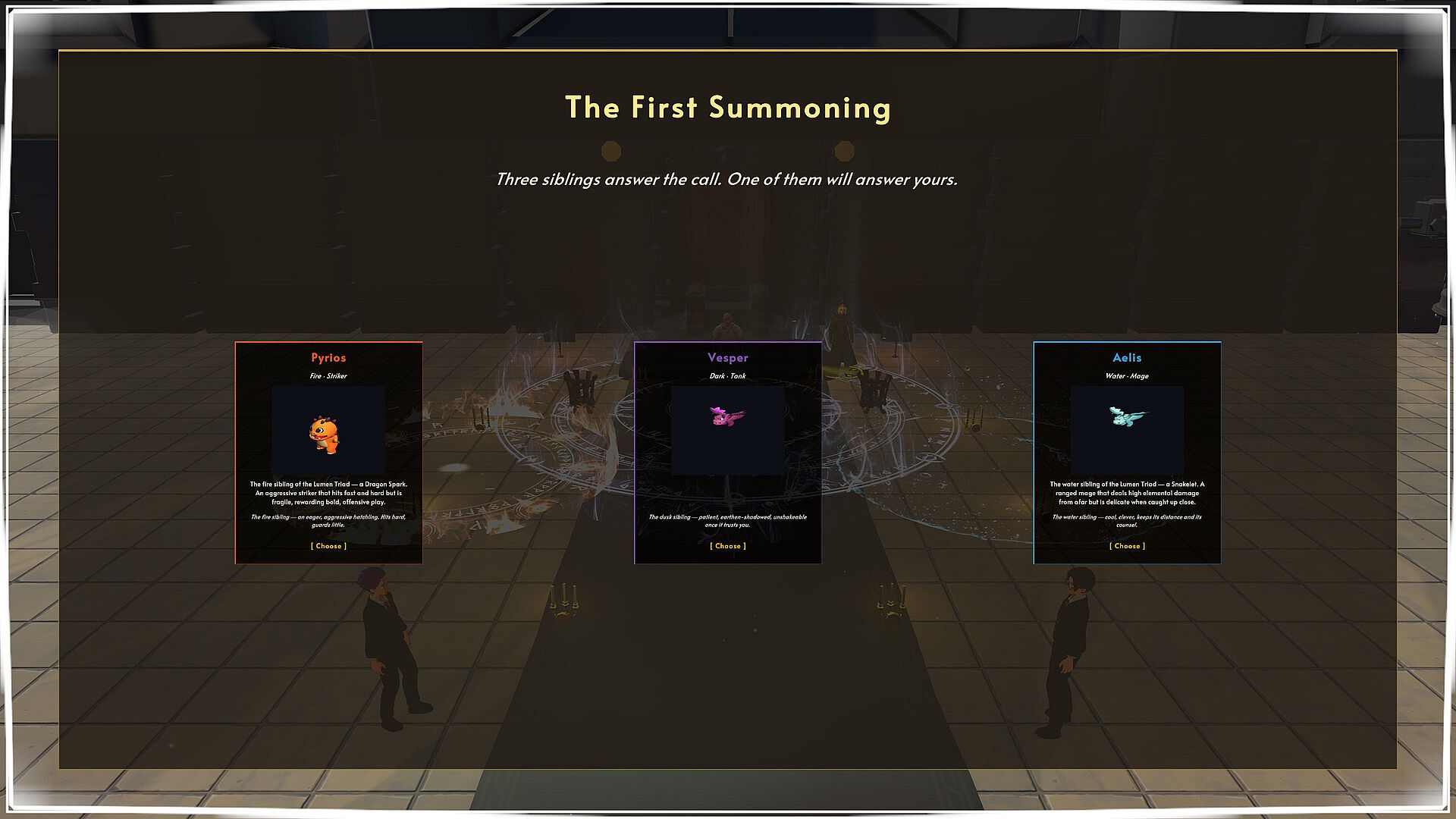
Arcade Mode offers a separate roguelite experience accessible directly from the main menu. Players select a starter dragon and face a ladder of twenty opponents. After each victory, a monster is drafted from the defeated team, allowing the deck to be rebuilt between rounds. Progress in this mode does not affect any story save file.
A free Act 1 demo provides an accelerated version of the academy arc. It covers Marius's recruitment through the completion of training and serves as an entry point without requiring a purchase.
Story and Setting
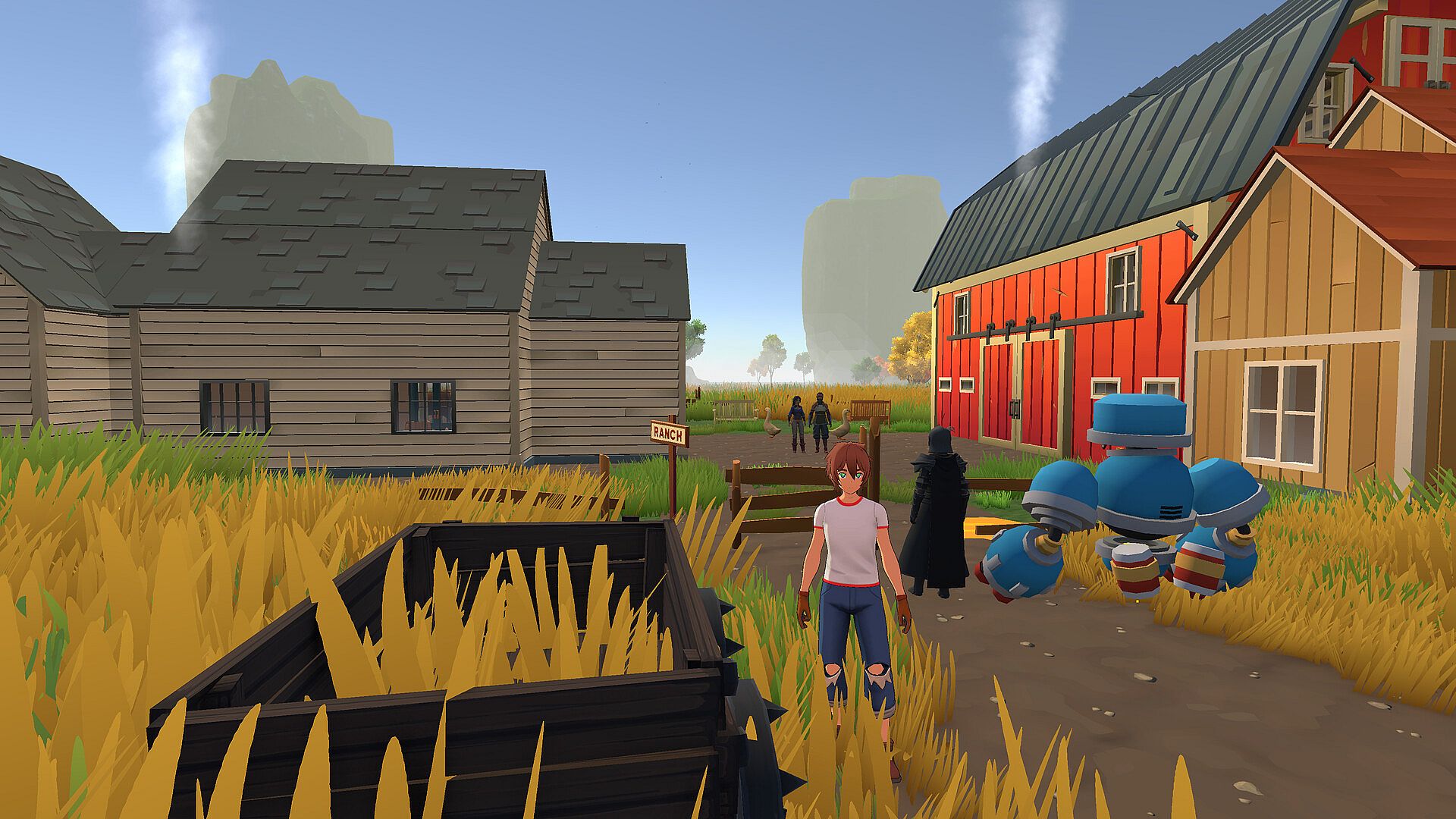
The narrative follows a structured academy arc in Act 1 before expanding into broader conflicts in later acts. Summoning is presented as a controlled military tool, with bonds functioning as leashes that must be maintained. The Imperium's world includes provinces, a capital city, and border threats that drive the night missions. Character interactions within the cohort add personal stakes alongside the larger recruitment and training framework.
Current State and Development
The game remains in active development with a planned full release in Q4 2026. The Act 1 demo is available now for free, while Acts 2 and 3, additional legendary creatures, and expanded story elements are scheduled for later inclusion. The full version will incorporate deeper bond mechanics and further narrative branches.
Is It Worth Playing?
The free Act 1 demo allows direct evaluation of the summoning system, ward mechanics, and academy progression without commitment. Players who enjoy single-player strategy RPGs that combine deck building with monster collection and tactical board presence will find the core loop intact in the available content. Those seeking a complete story or additional acts should note that the full game is still in development. The absence of user reviews at this stage reflects the pre-release status, so the demo serves as the primary way to assess fit for individual preferences in card-driven combat and narrative pacing.