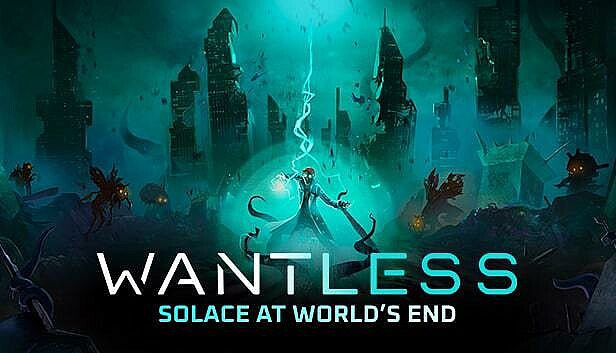












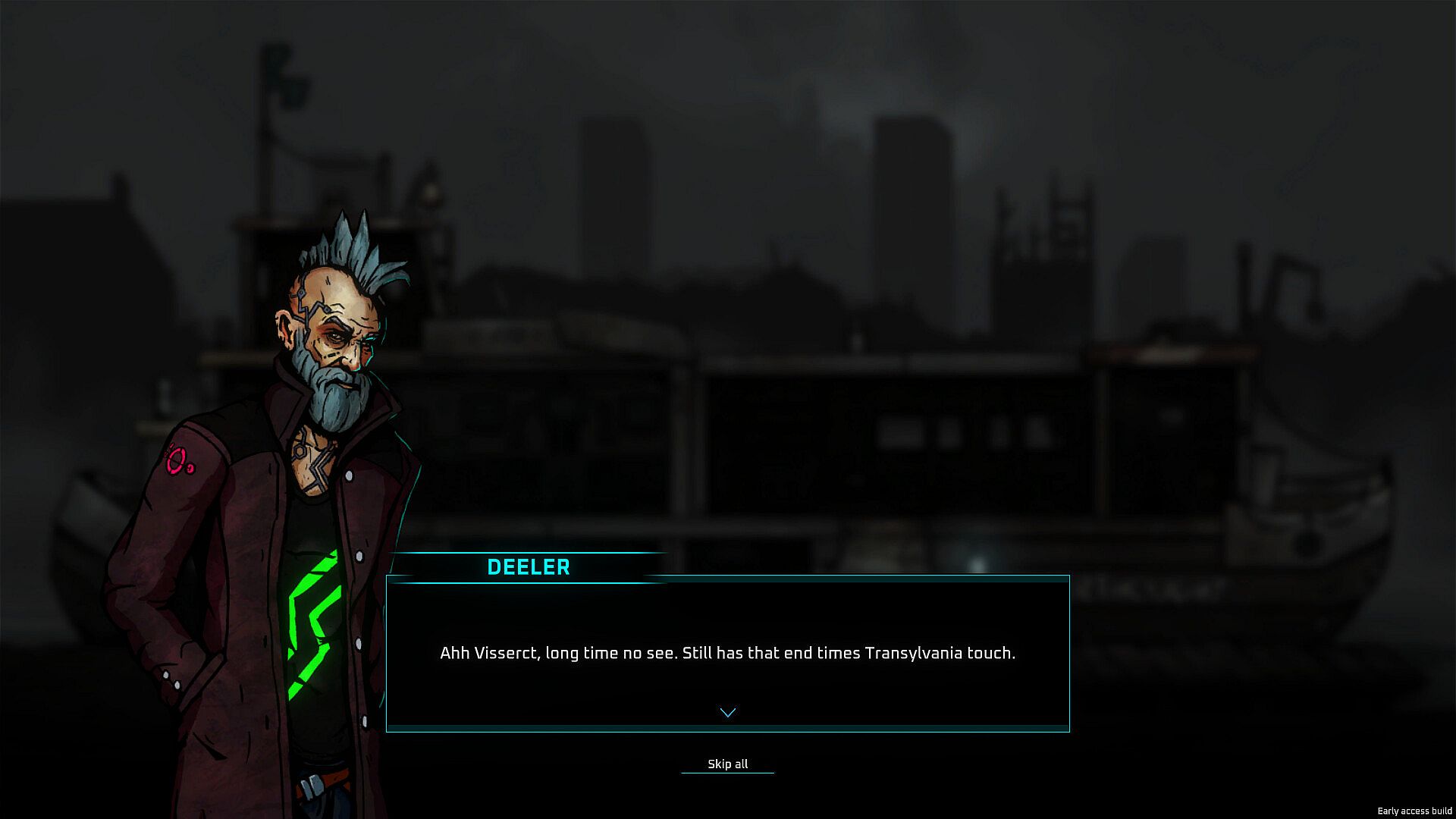
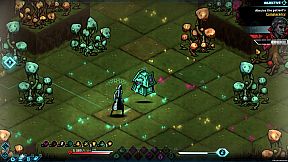

Wantless: Solace at World's End is a turn-based tactical RPG that blends strategy and indie development into a focused single-player experience. Players take on the role of Eiris, a Transposer who enters patients' minds to confront mental torments through combat and skill management. The game emphasizes procedural runs where each session involves exploring subconscious environments, managing limited resources, and adapting builds on the fly.
Gameplay
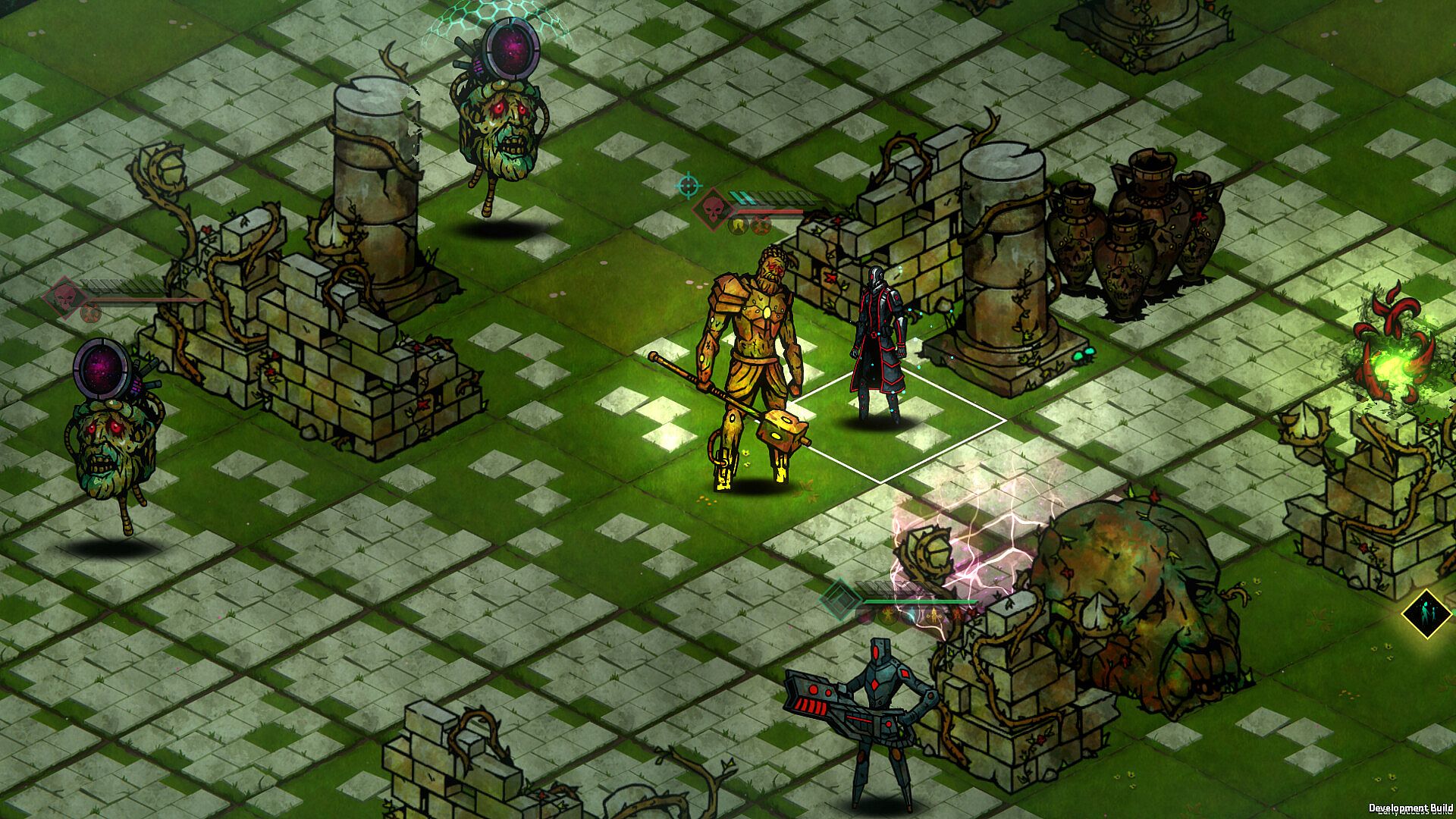
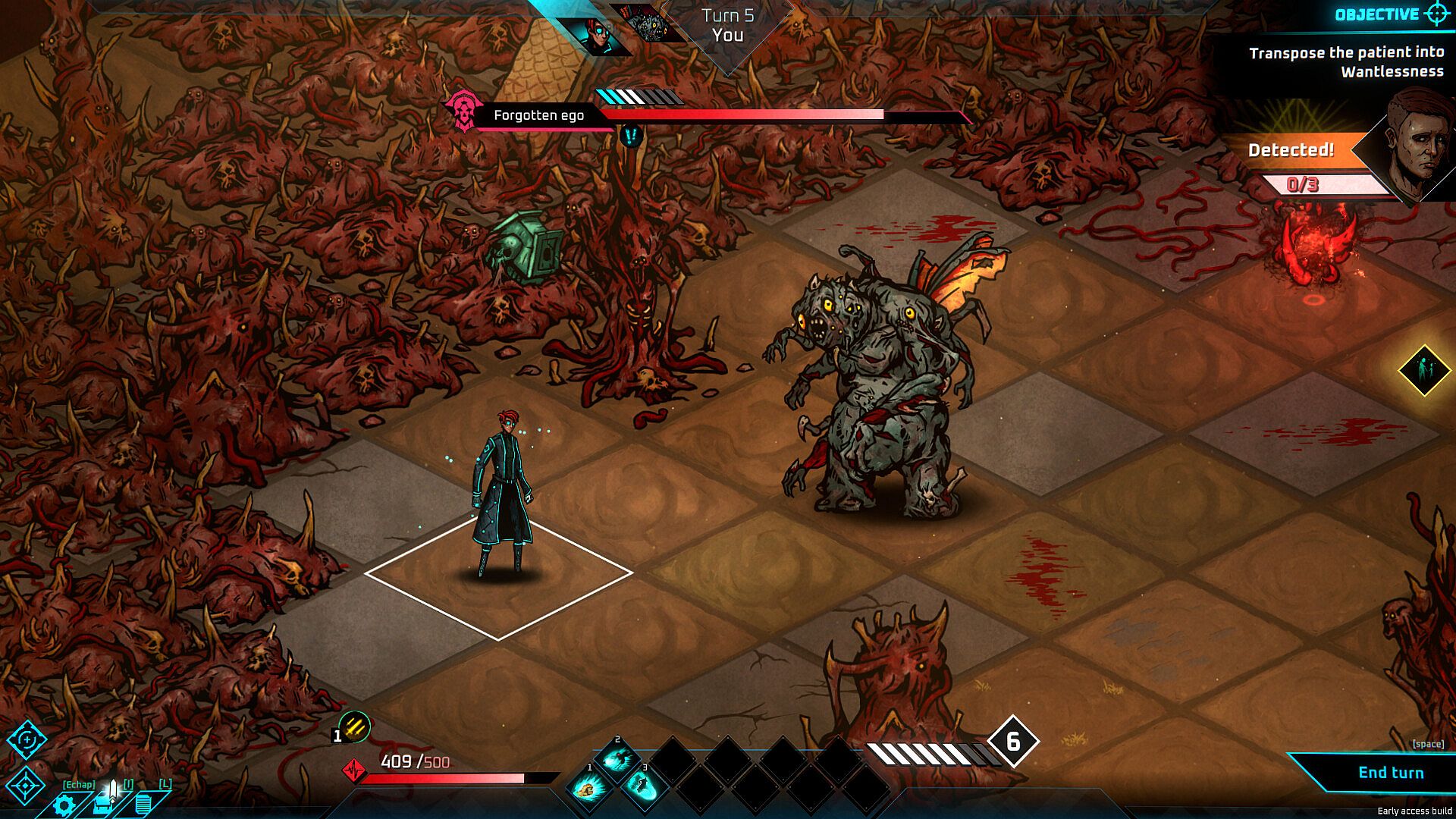
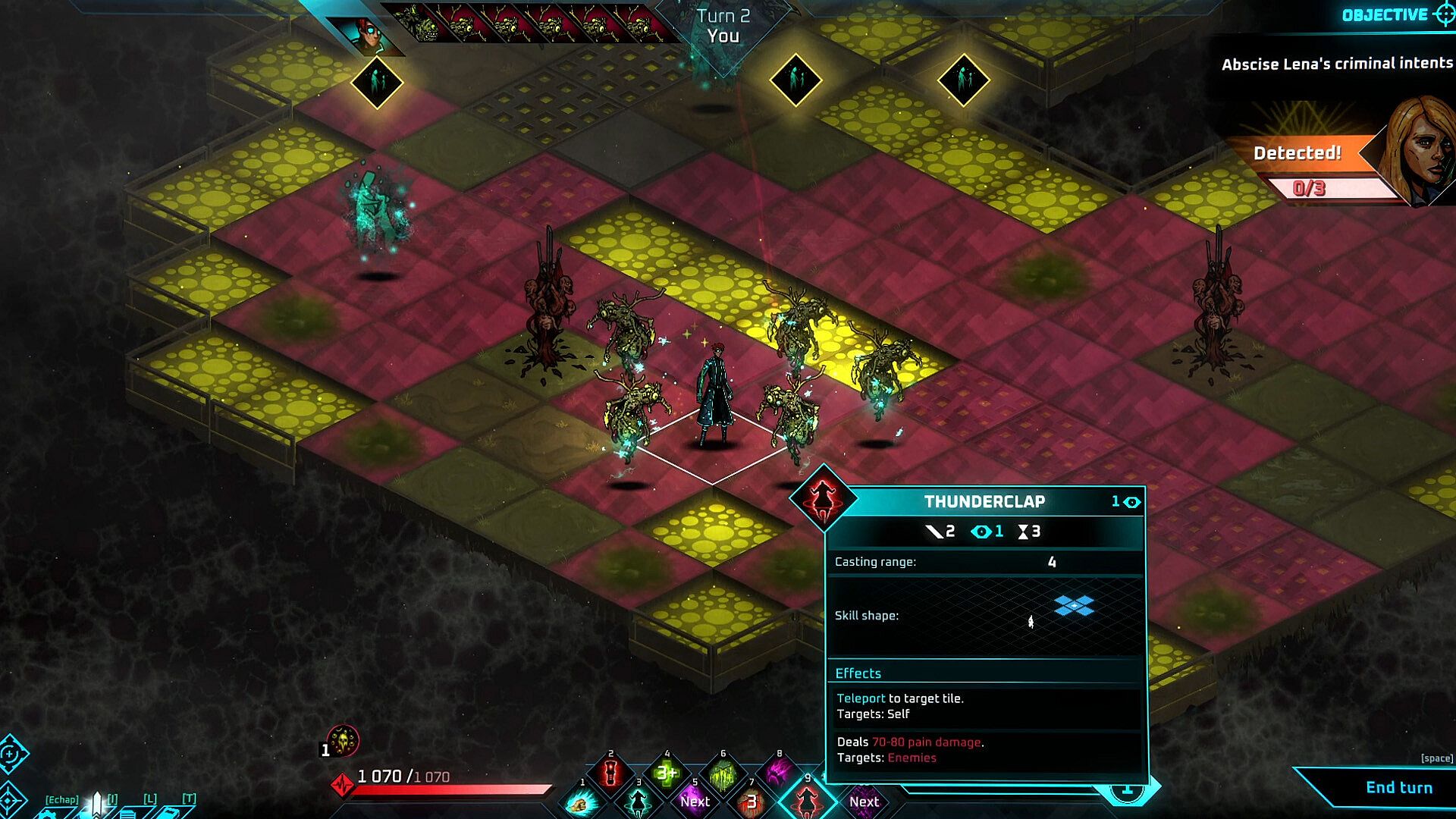
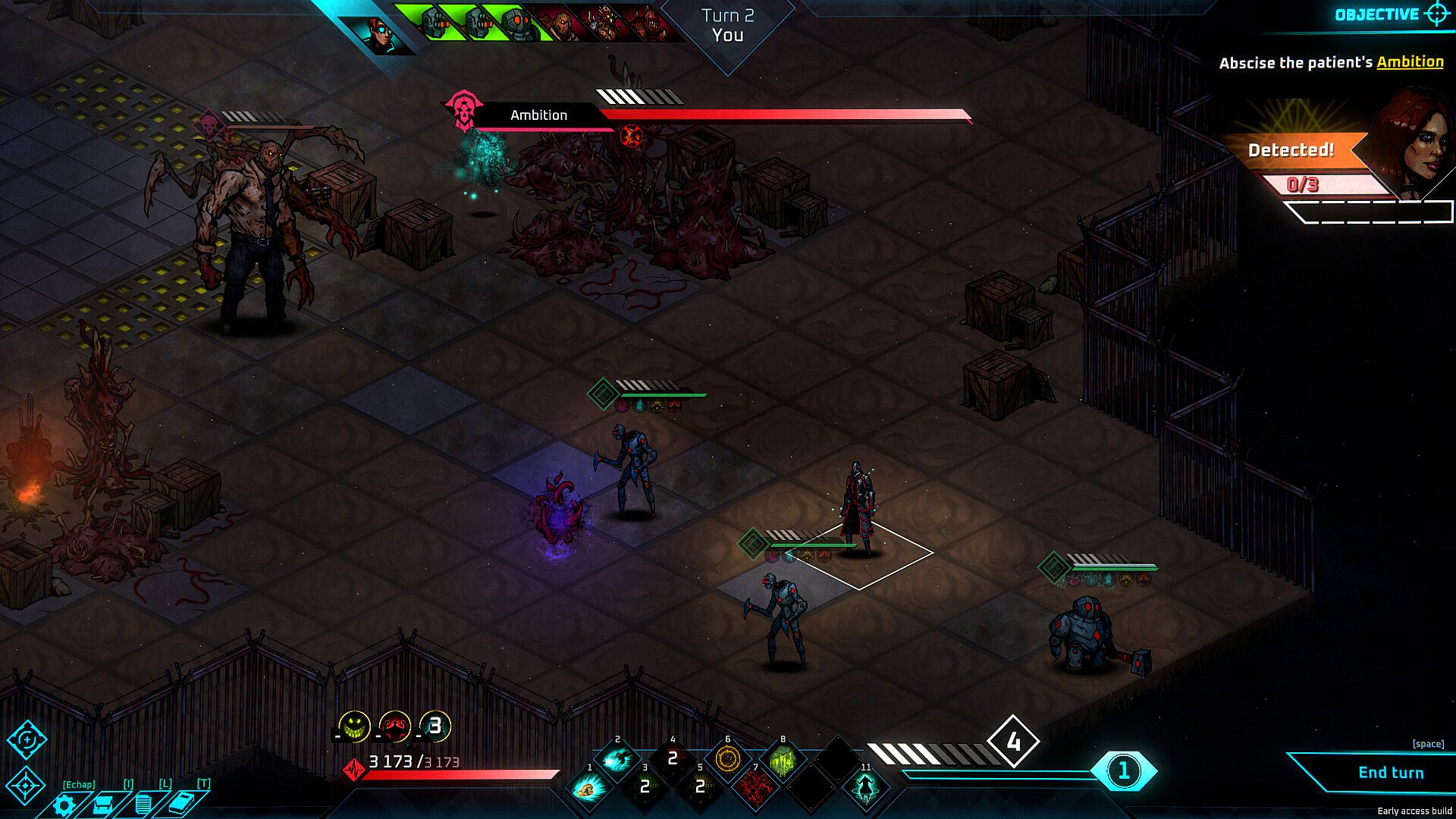
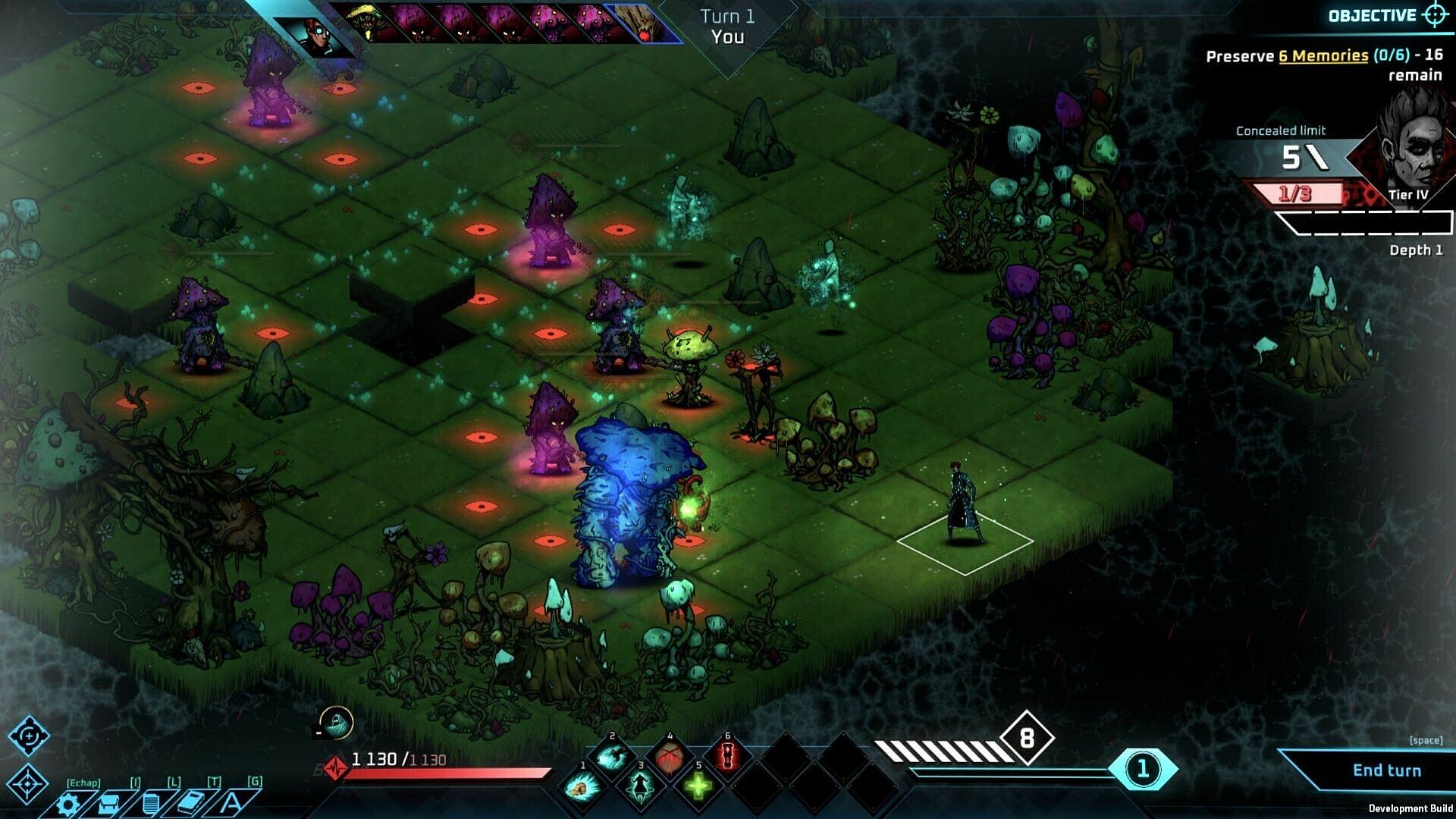
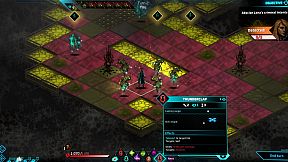
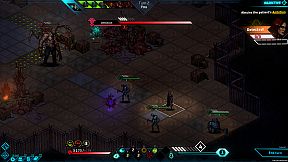
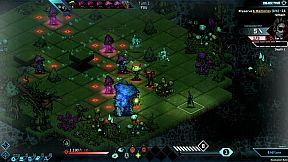
Combat operates on a shared action point system. Each turn begins with eight action points, but every point spent also grants one to each enemy. Eliminating foes returns action points to the player, which creates tense back-and-forth exchanges where aggressive play can backfire or lead to powerful follow-ups. Environmental hazards such as explosives and toxic pools become essential tools for controlling the battlefield and turning the tide against stronger opponents.
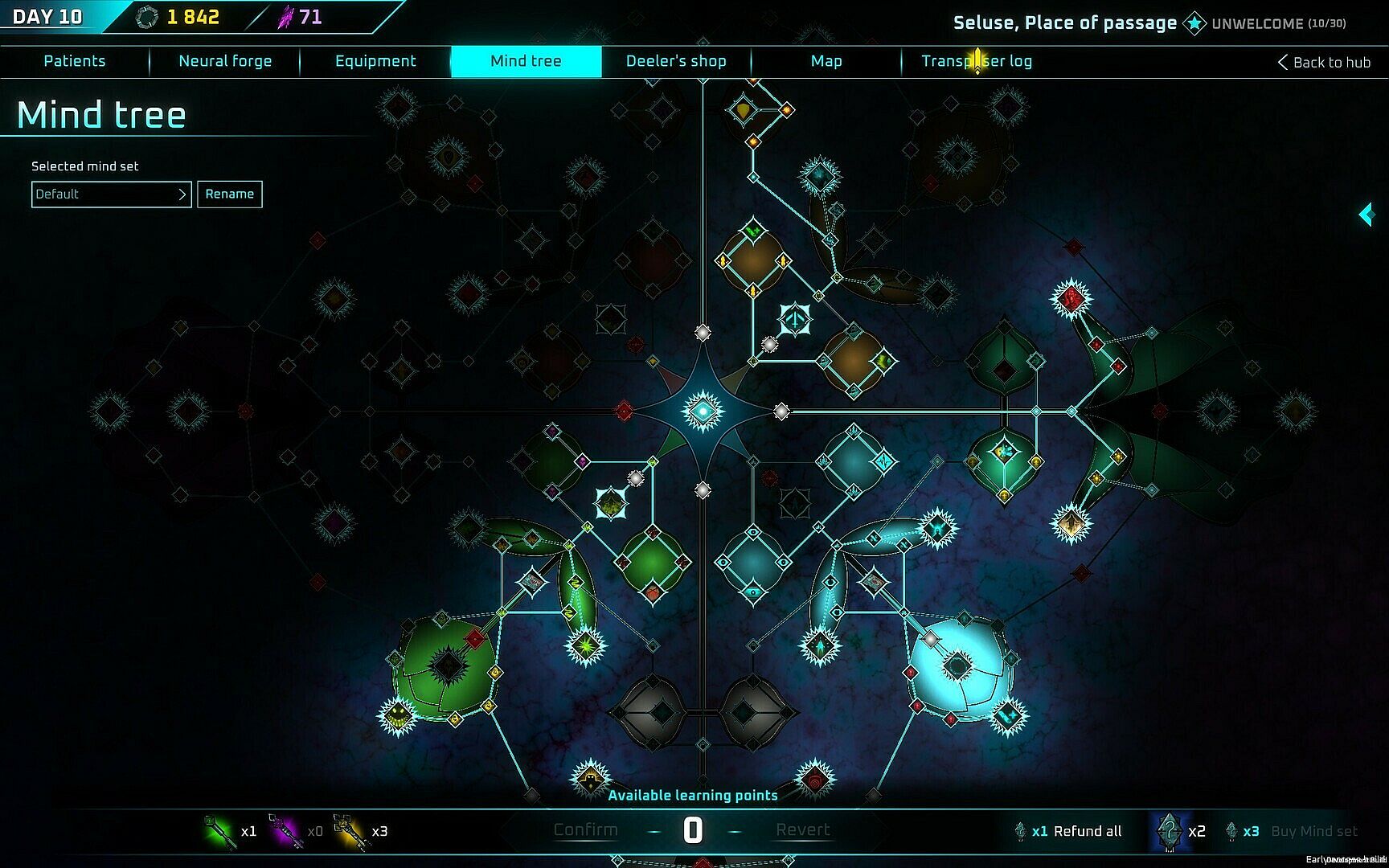
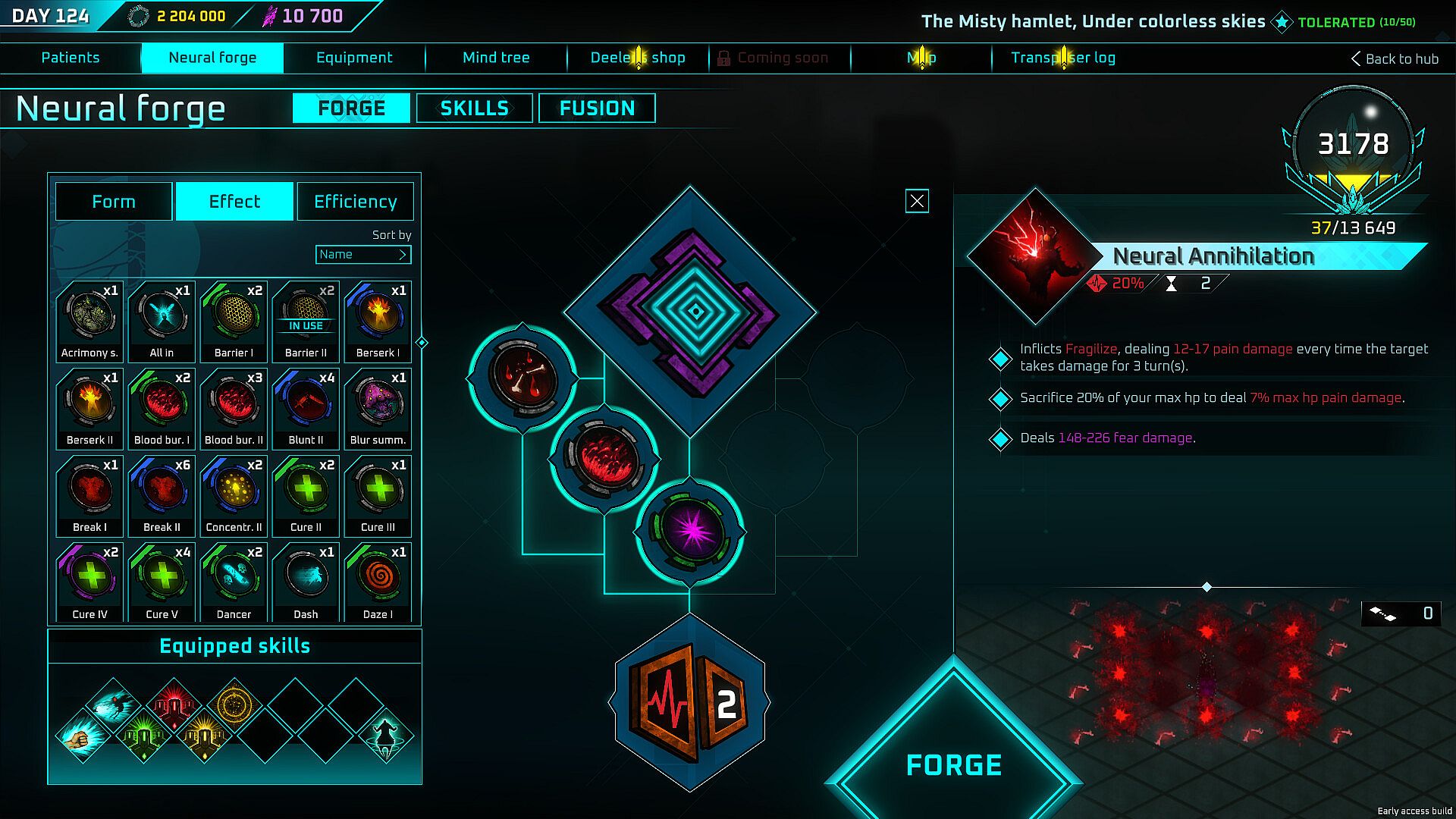
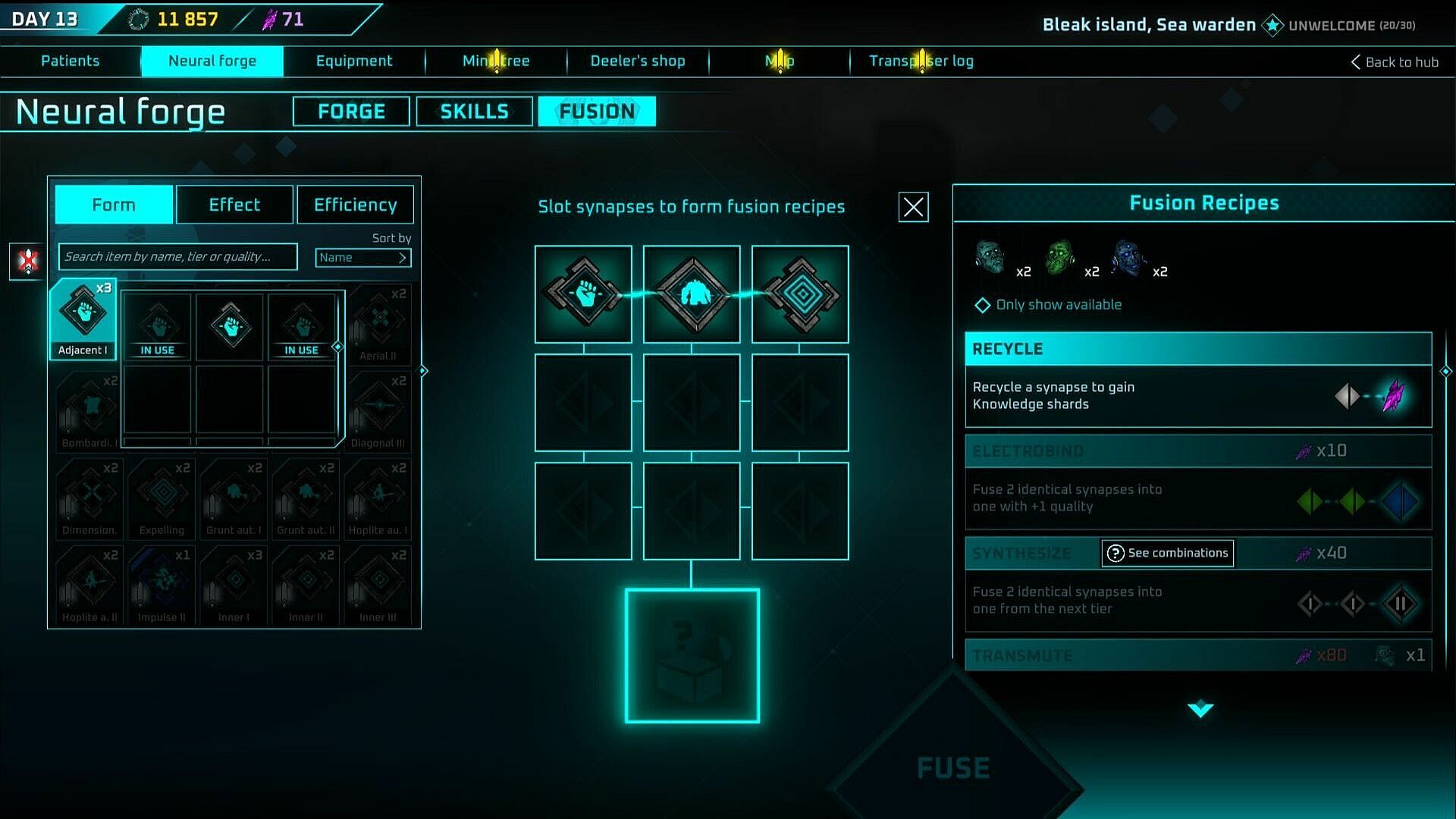
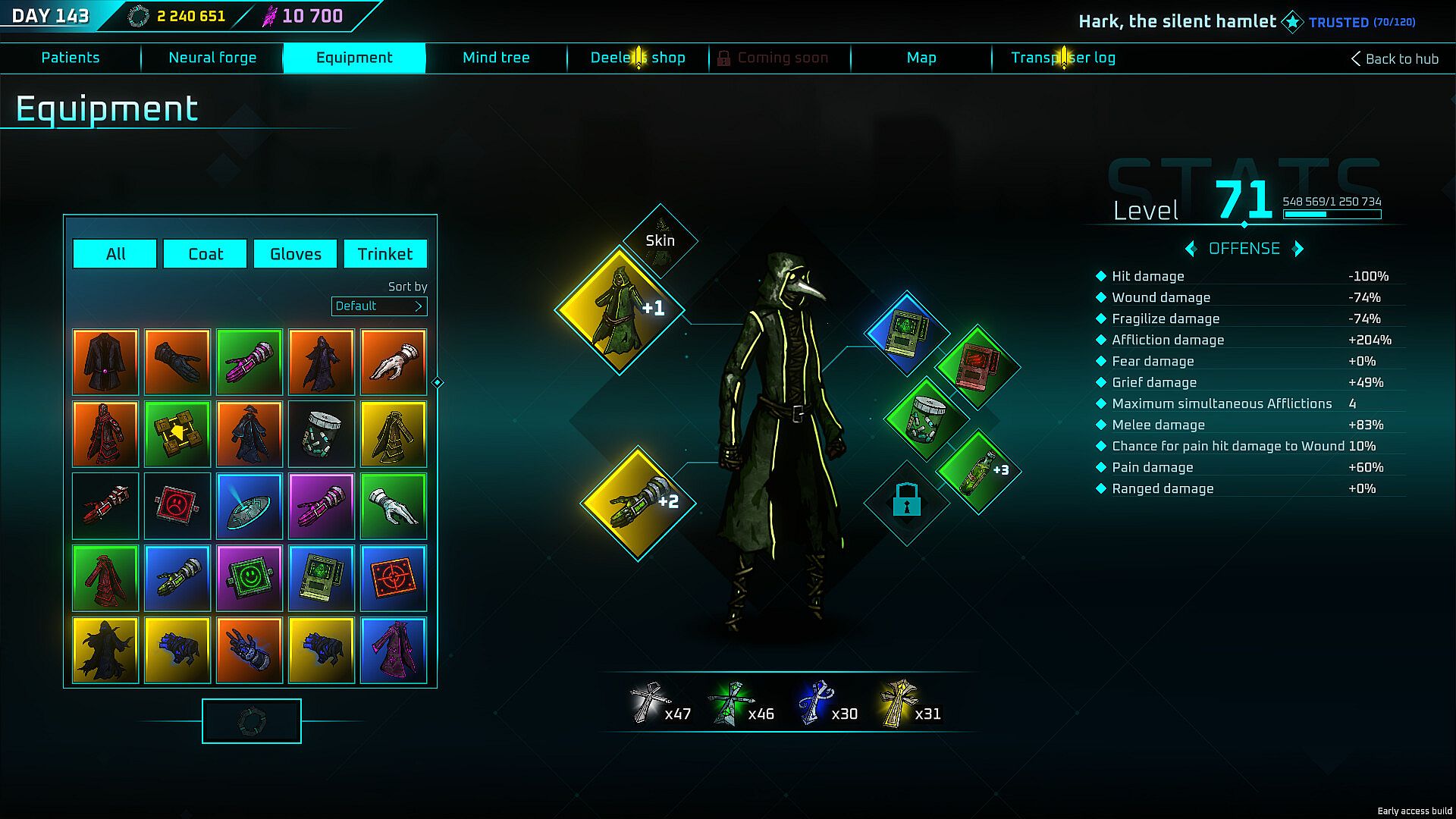
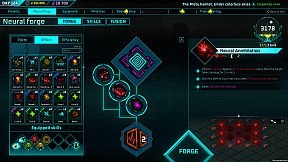
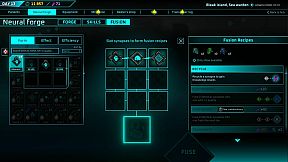
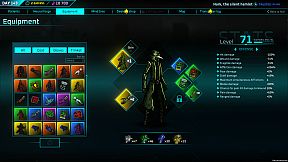
Skill customization forms the core progression loop. Players collect synapses during runs to craft abilities by mixing effects, shapes, costs, and cooldowns. Over one hundred synapses support combinations that layer damage, status ailments, buffs, and terrain interactions. The Mind Tree expands character options with more than one hundred seventy perks, each carrying potential drawbacks that require careful selection to avoid weakening the build.
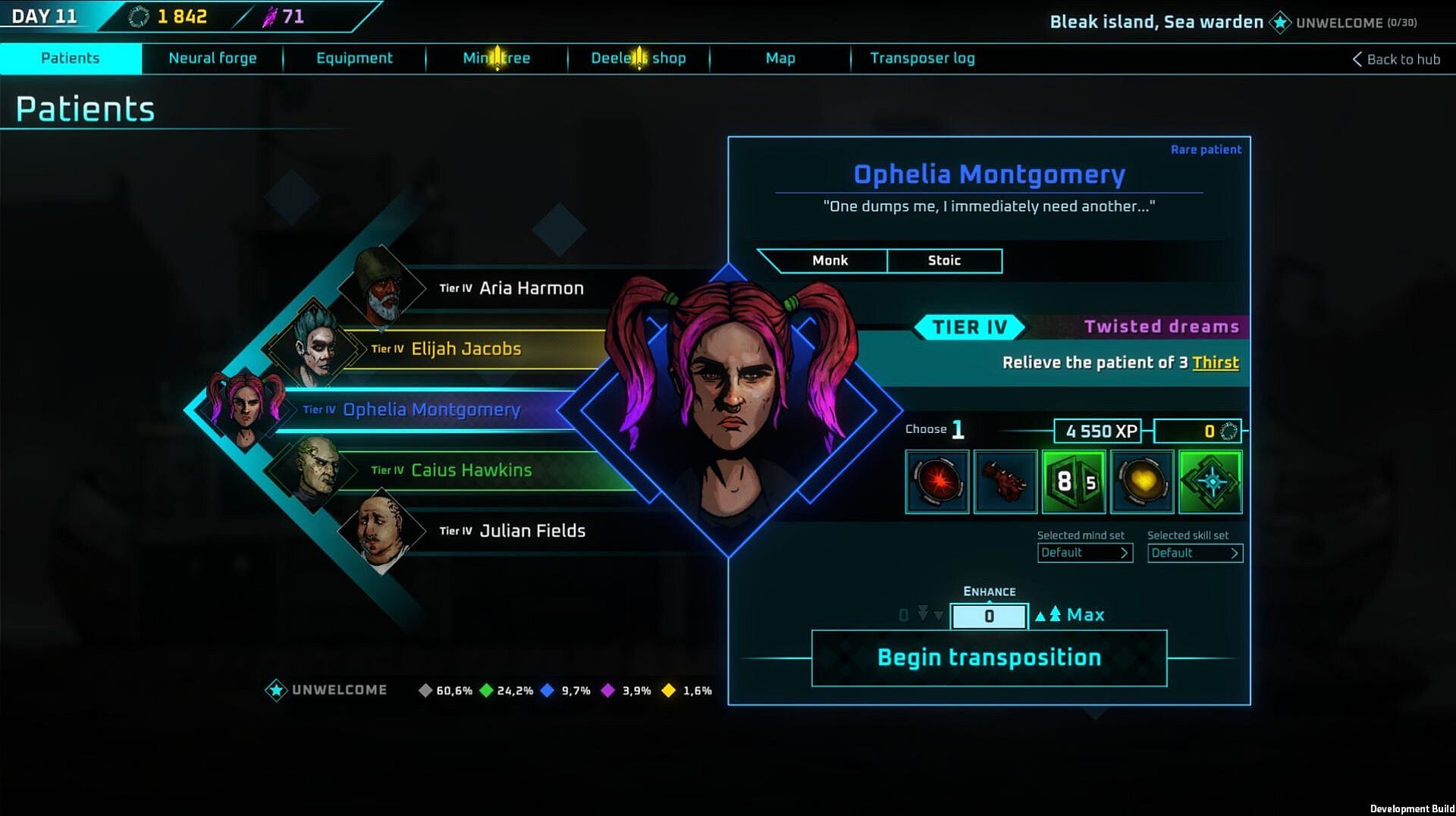
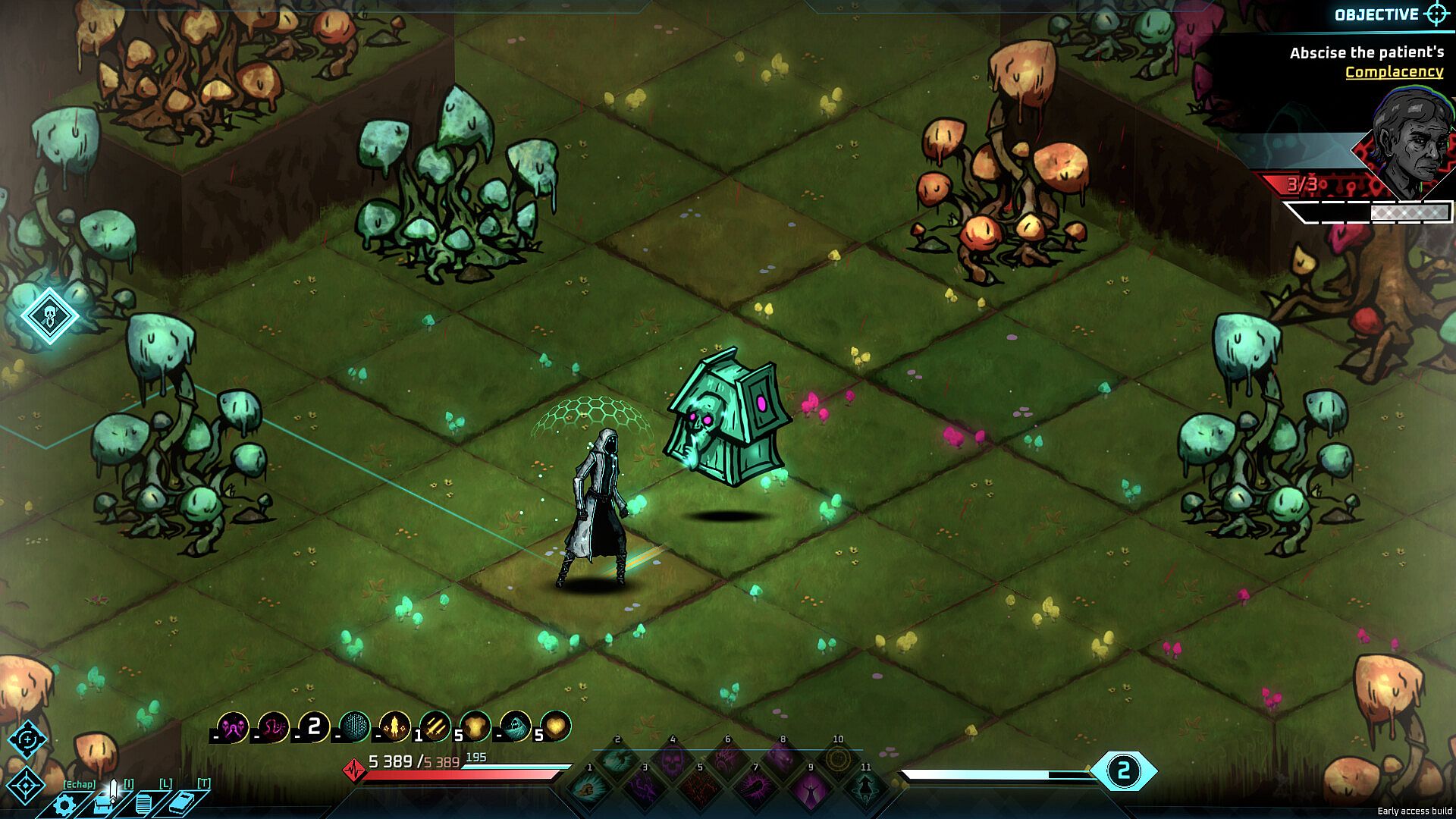
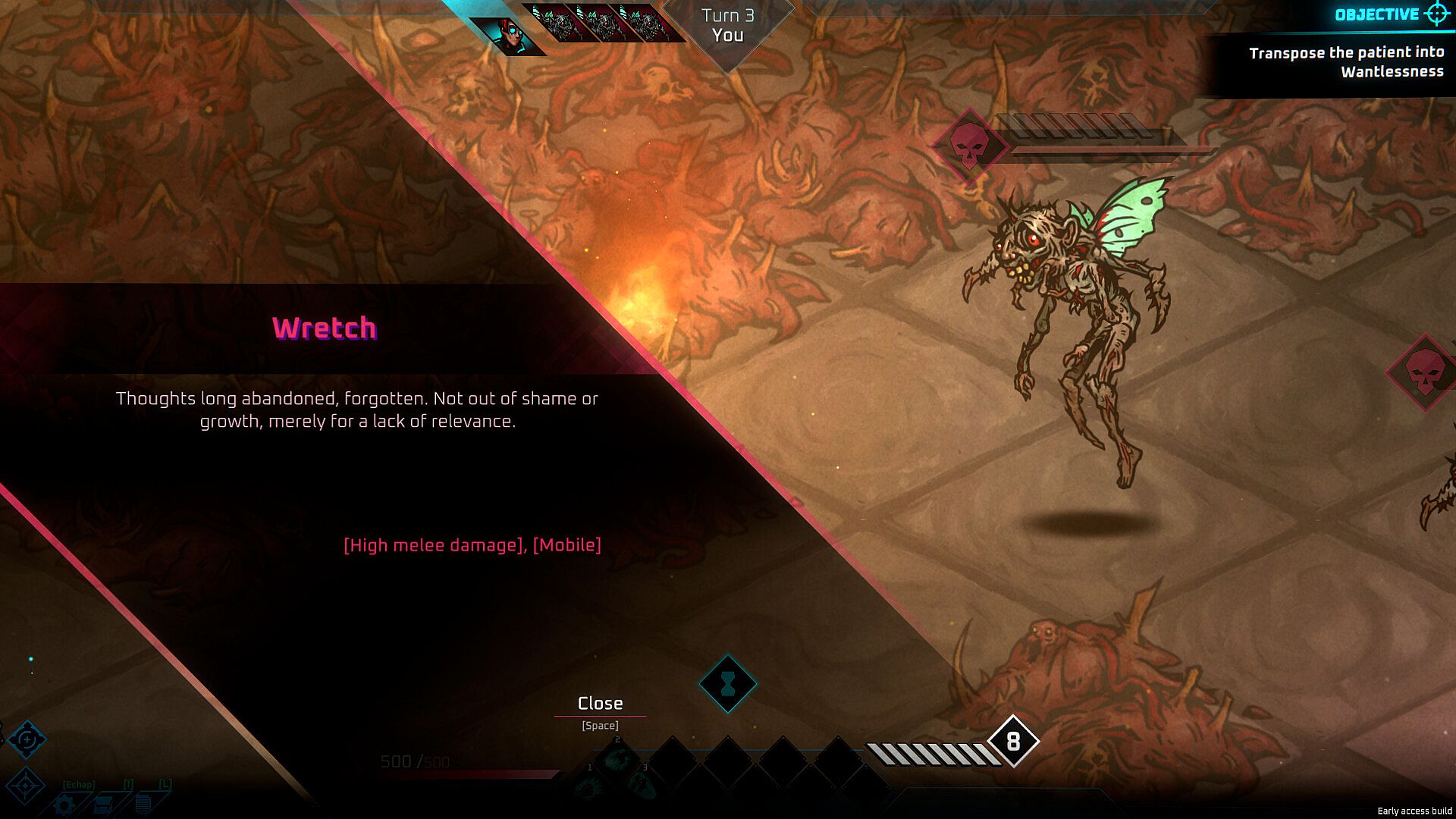
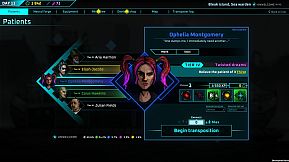
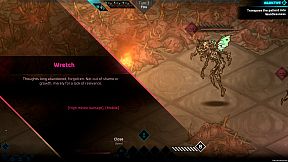
Patients appear mostly through random generation, producing varied traits and enemy compositions across runs. Occasional unique patients introduce fixed stories and specialized challenges that test optimized setups. Instability from failing to protect key memories can strengthen enemies or reshape the map, adding risk to every decision inside the mental landscapes.
Game Modes
The game structures play around repeated runs into different patients' minds. Each run functions as an independent tactical challenge where success depends on adapting to generated layouts and enemy behaviors. There are no separate competitive or cooperative modes, keeping the focus on solo progression through the mind-exploration loop.
Random patient generation ensures high replayability within the single-player framework. Special unique patients break the procedural pattern with predetermined narratives and enemy sets, providing distinct encounters that reward refined builds without altering the overall run-based structure.
Core Mechanics and Progression
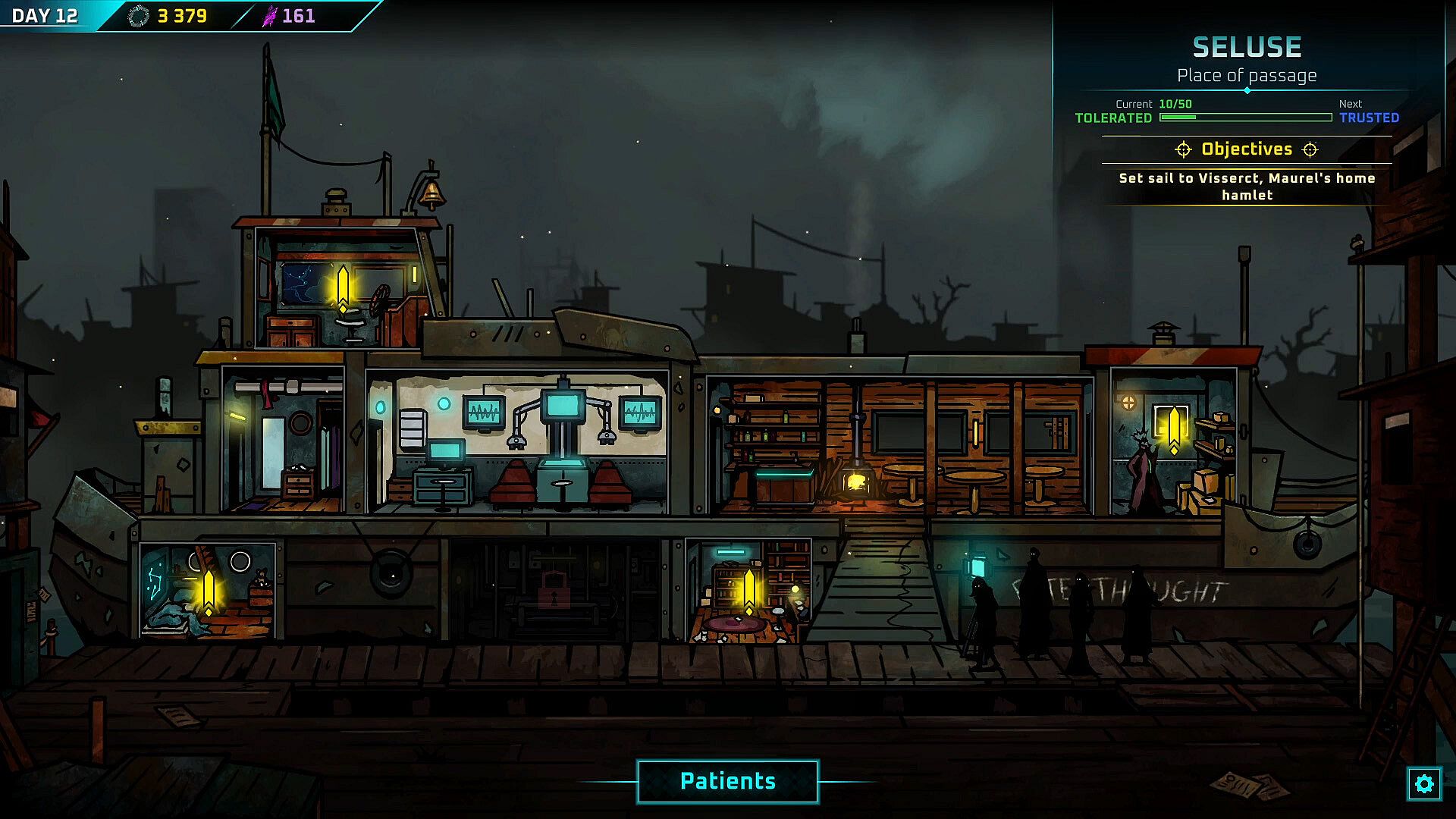
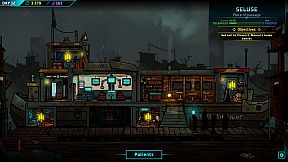
Resource management extends beyond action points to include careful navigation of instability risks. Players must balance aggressive elimination of threats with protection of critical memories to prevent map alterations or enemy empowerment. The ghost metropolis serves as the hub connecting these mental expeditions, allowing players to prepare builds between runs.
Build experimentation encourages testing different synapse combinations and Mind Tree paths. Powerful nodes often introduce trade-offs, forcing players to weigh immediate strength against long-term viability across multiple runs. This system rewards thoughtful planning while punishing overreliance on any single strategy.
Is It Worth Playing?
Steam user reviews stand at Very Positive based on hundreds of ratings, with players highlighting the tactical depth and build variety for those who enjoy challenging turn-based systems. The game remains in Early Access, which means the core loop is playable but further refinements may arrive over time.
It suits fans of tactical RPGs who appreciate procedural variety, environmental tactics, and extensive skill customization without multiplayer elements. Those seeking straightforward campaigns or lighter difficulty may find the unforgiving combat and random elements demanding. The experience delivers consistent runs that reward experimentation and adaptation within its single-player structure.