

























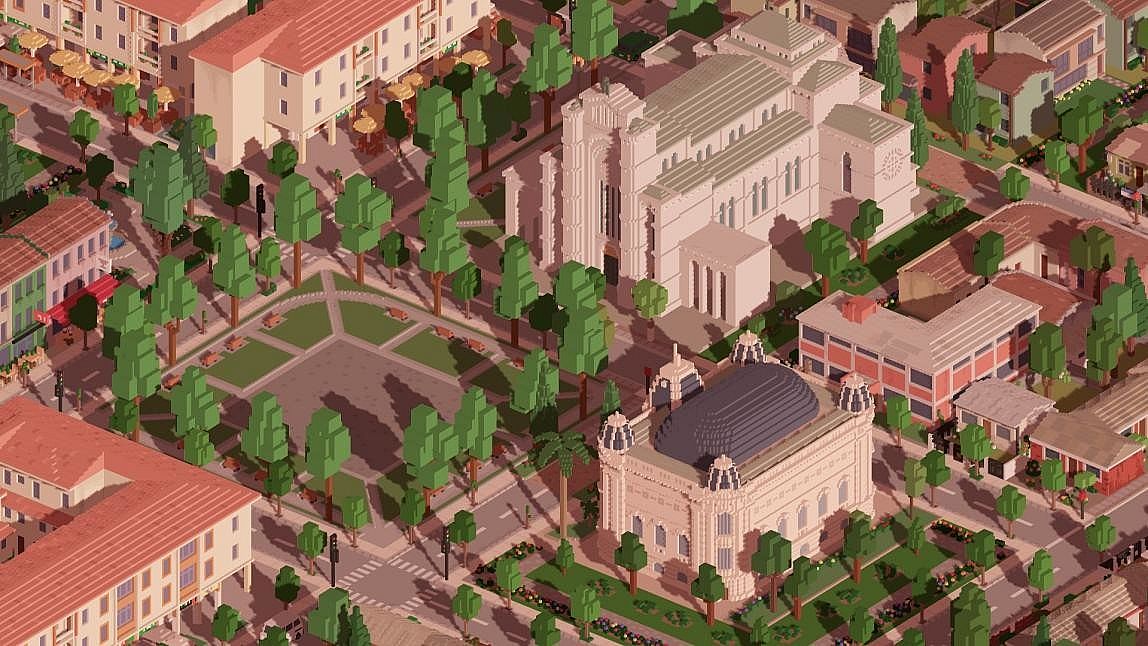
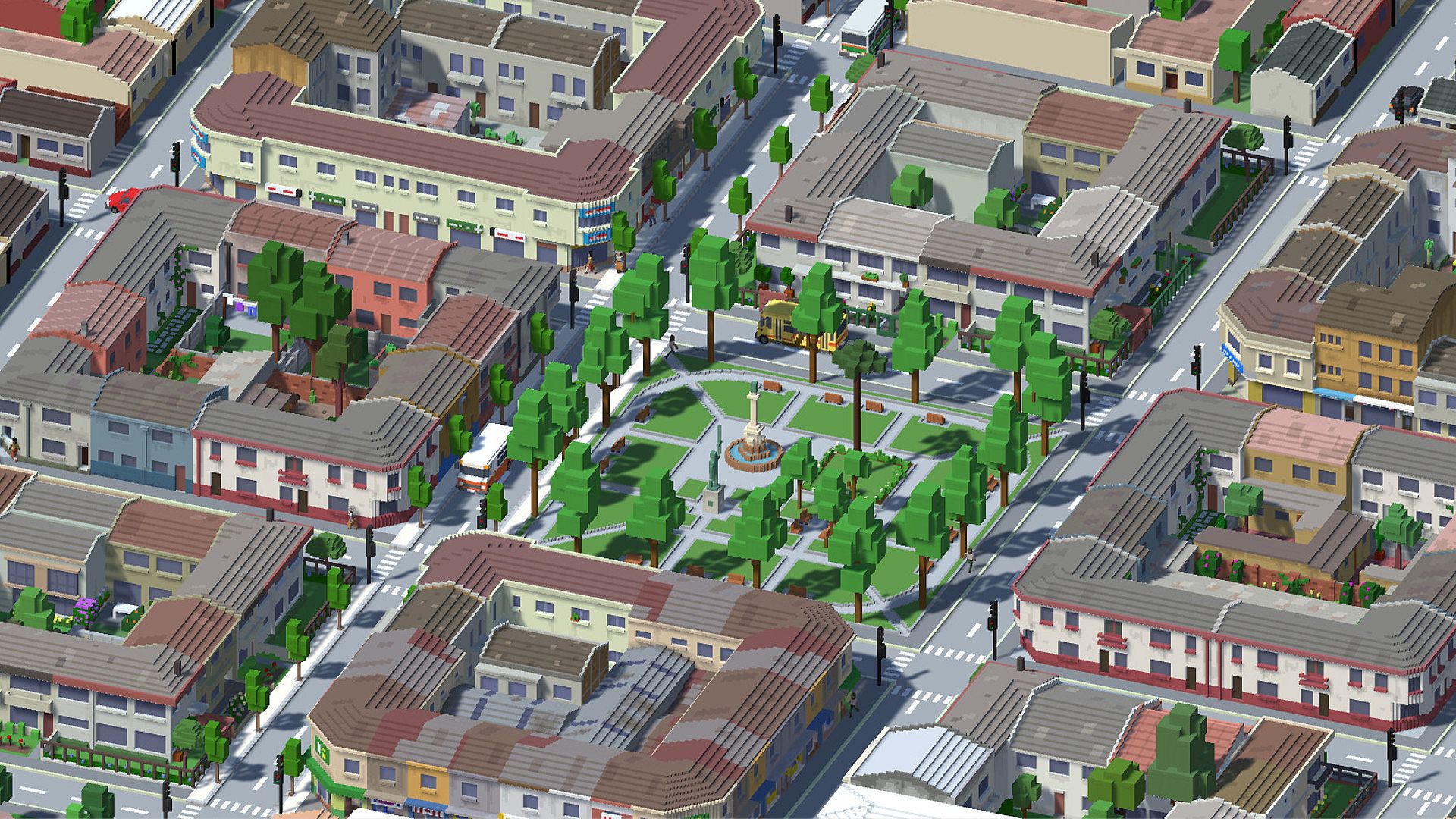
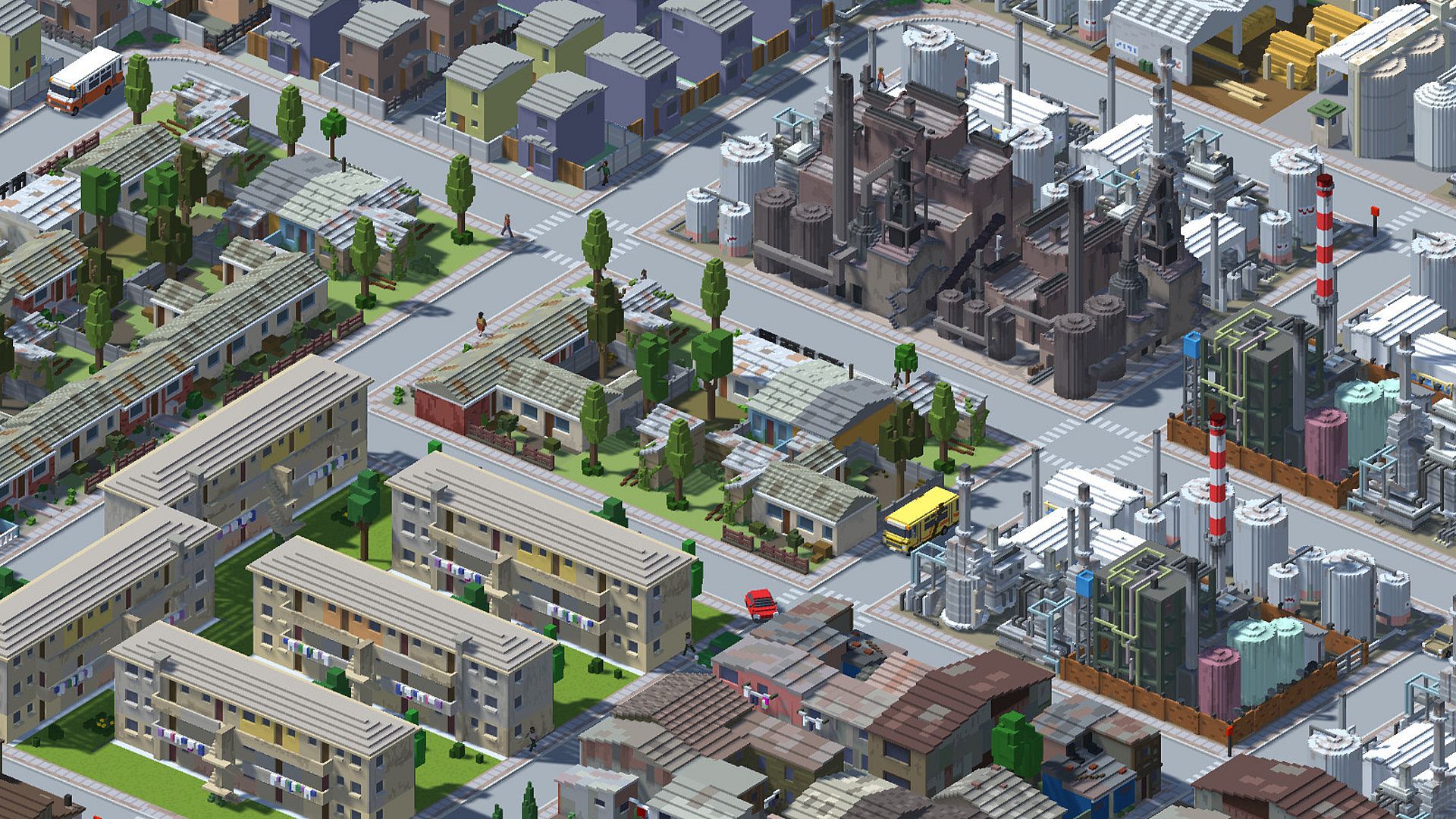
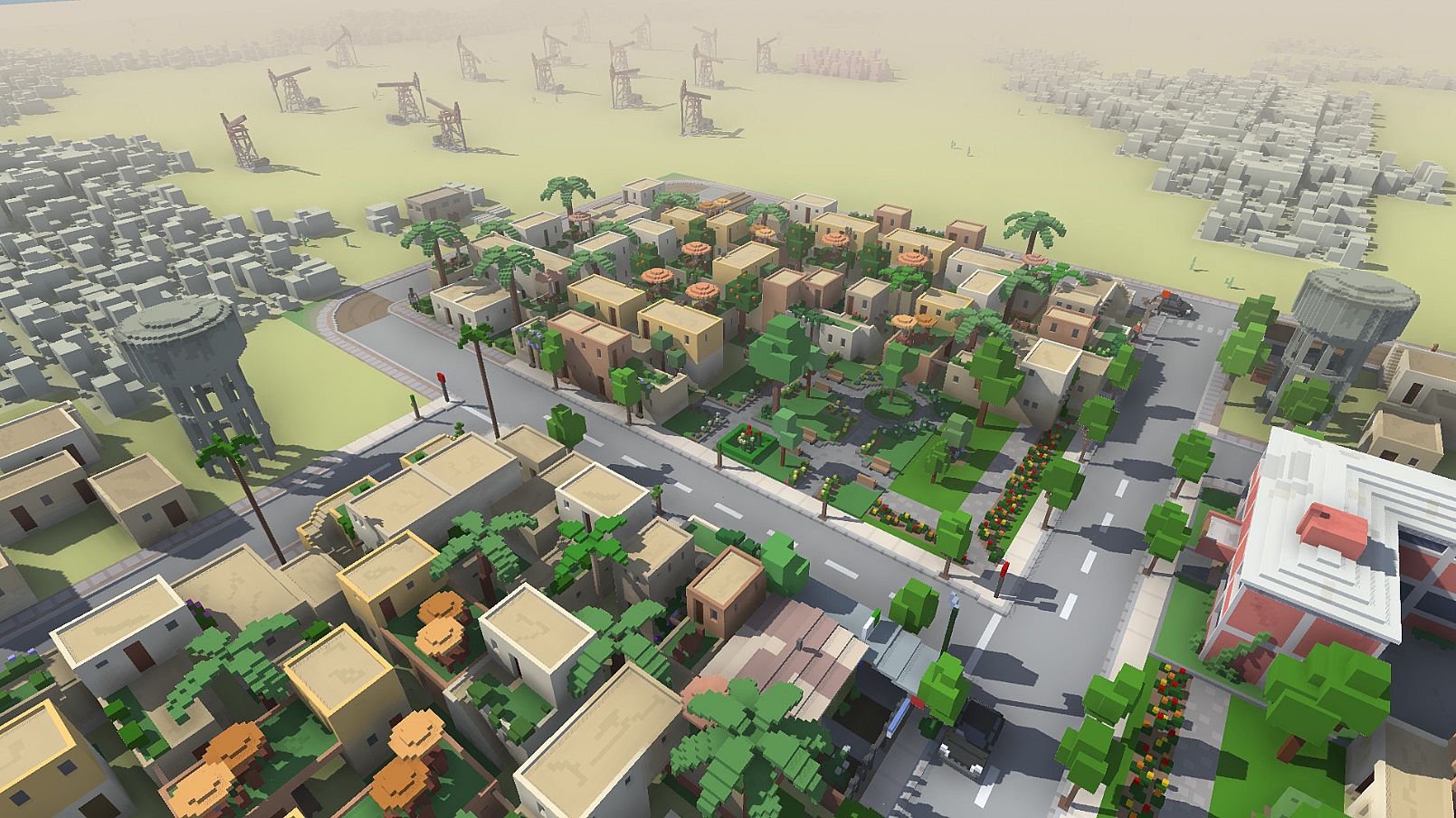
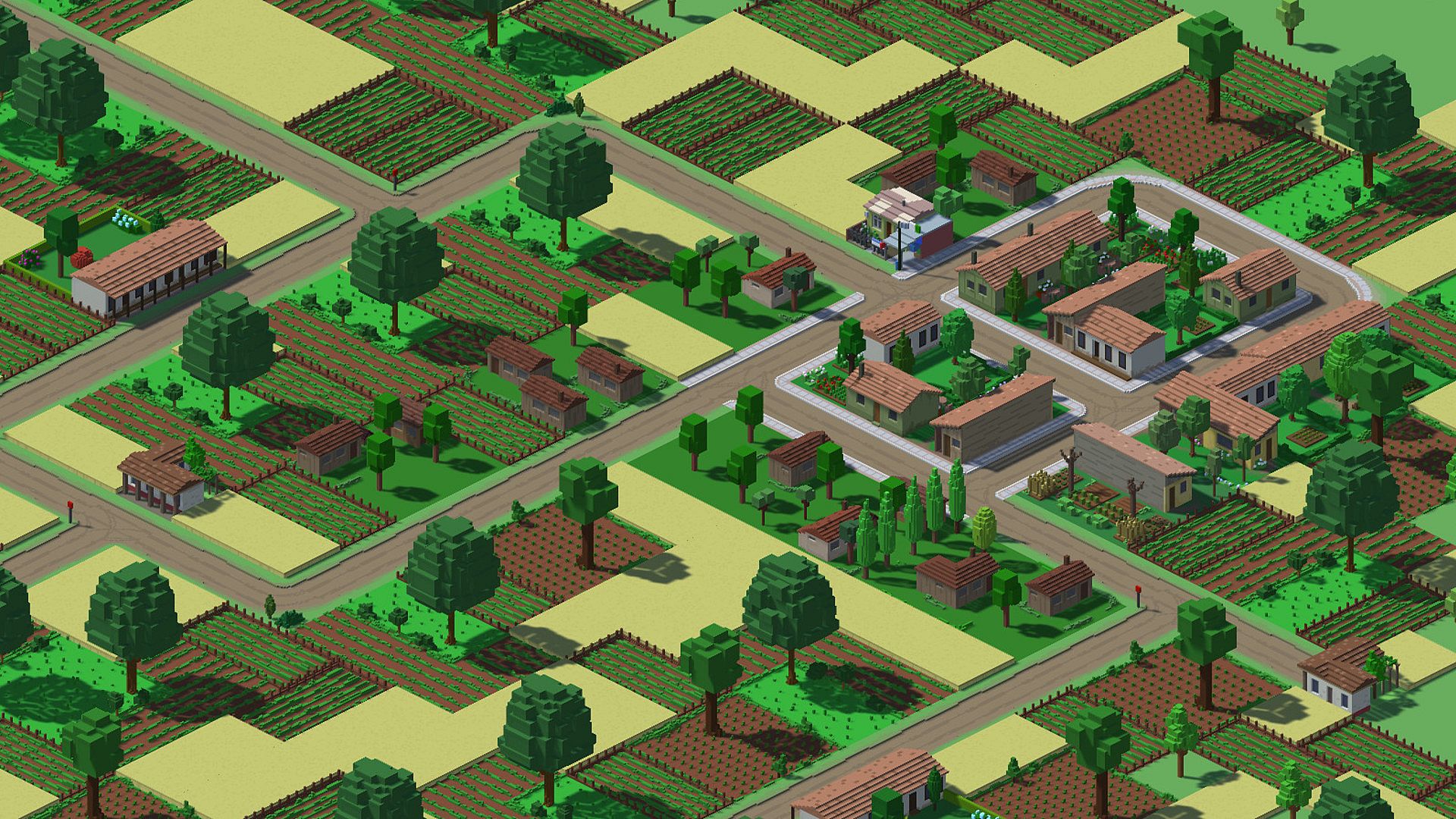
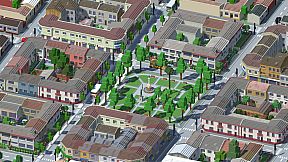
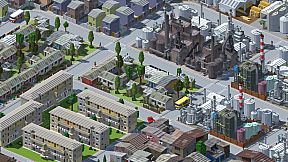
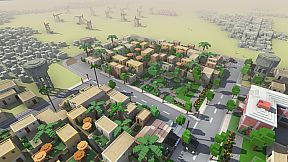
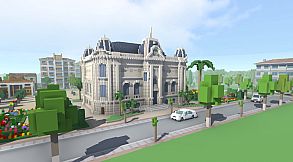
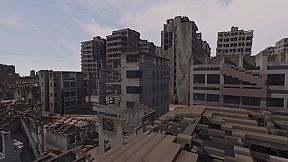
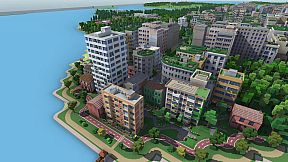
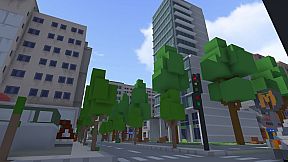
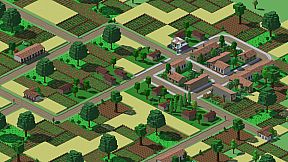
Urbek City Builder is a strategy and simulation game focused on constructing and managing a custom city through resource allocation and neighborhood planning on PC.
Gameplay
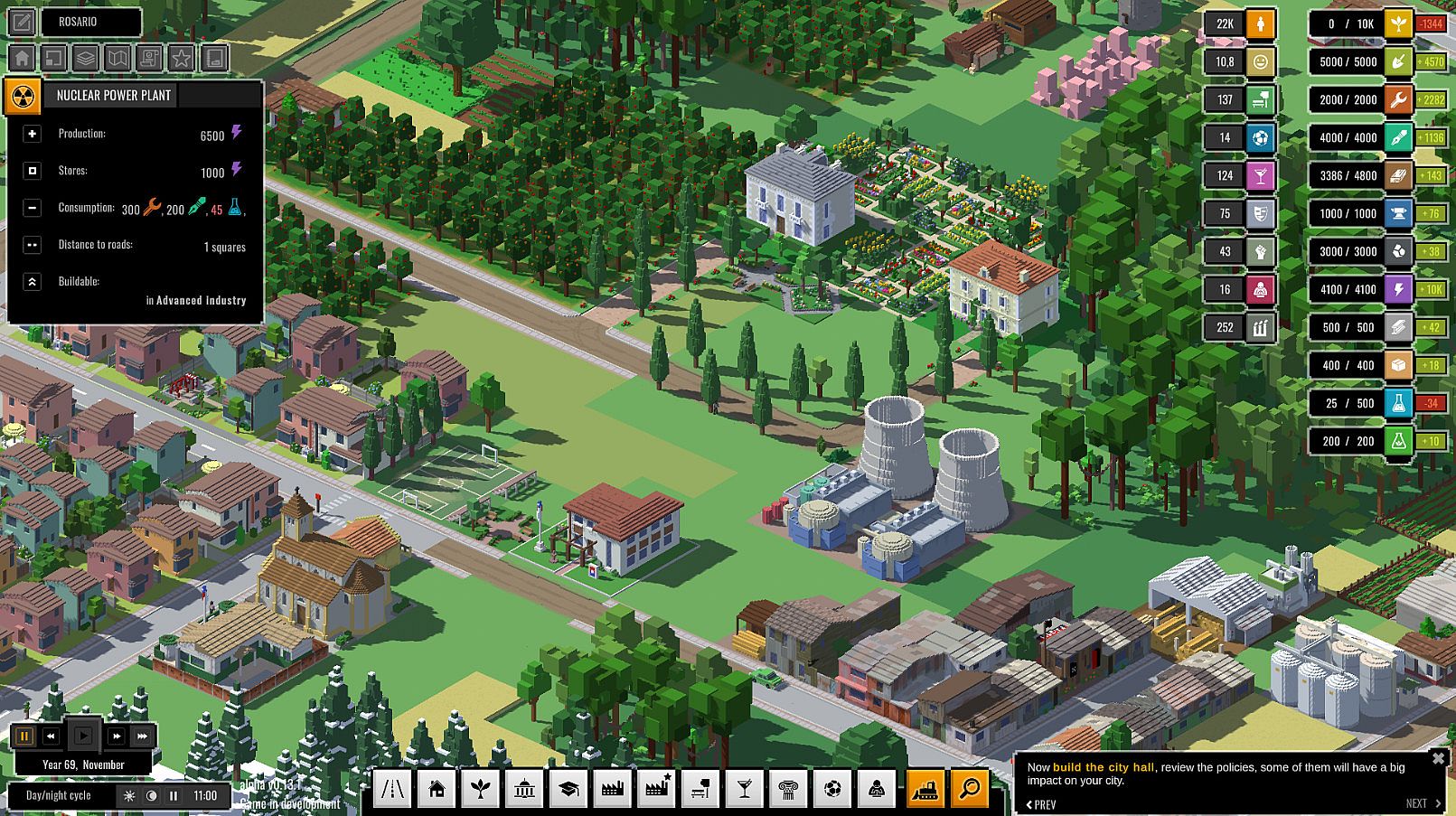
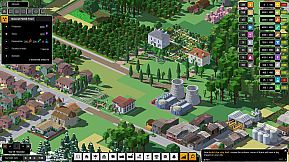
The core loop revolves around gathering and balancing more than thirty distinct resources such as food, coal, and skilled labor to construct buildings without any currency system. Players allocate these materials directly to develop infrastructure while ensuring natural resources remain sustainable and do not deplete faster than they regenerate. Energy production choices affect both industry and residential areas, requiring careful decisions on how to power the growing settlement.
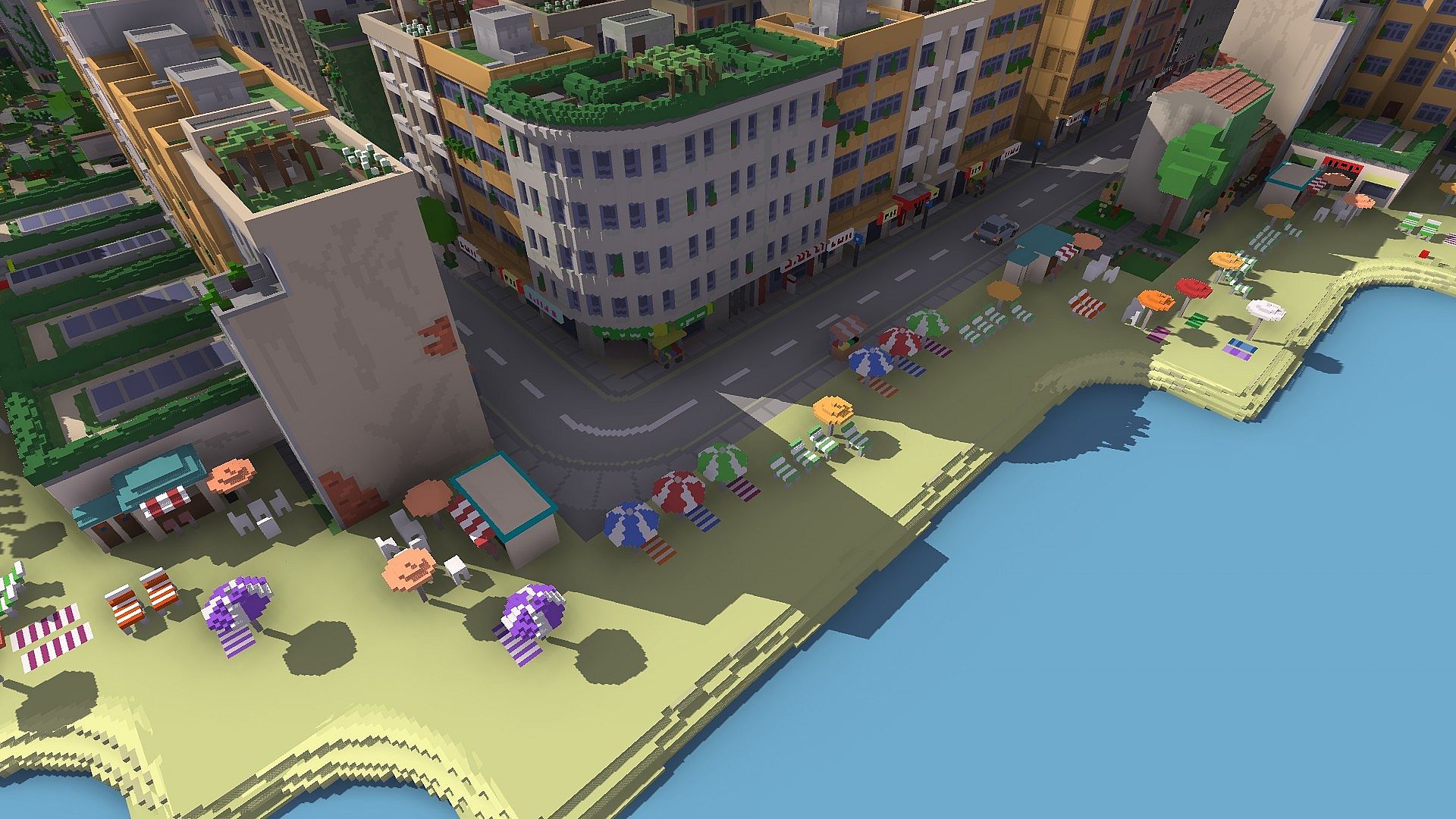
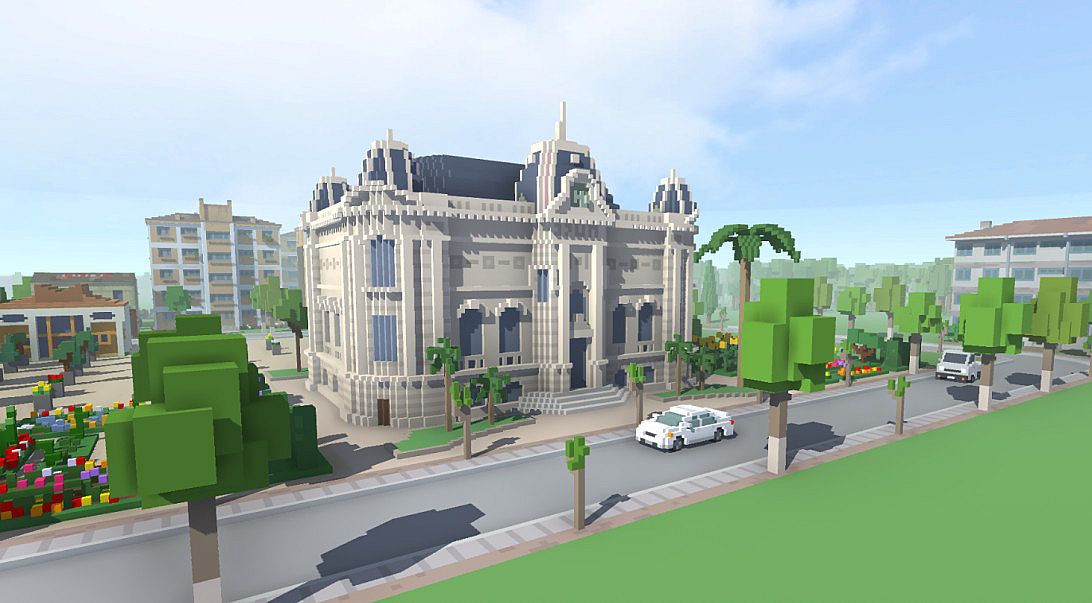
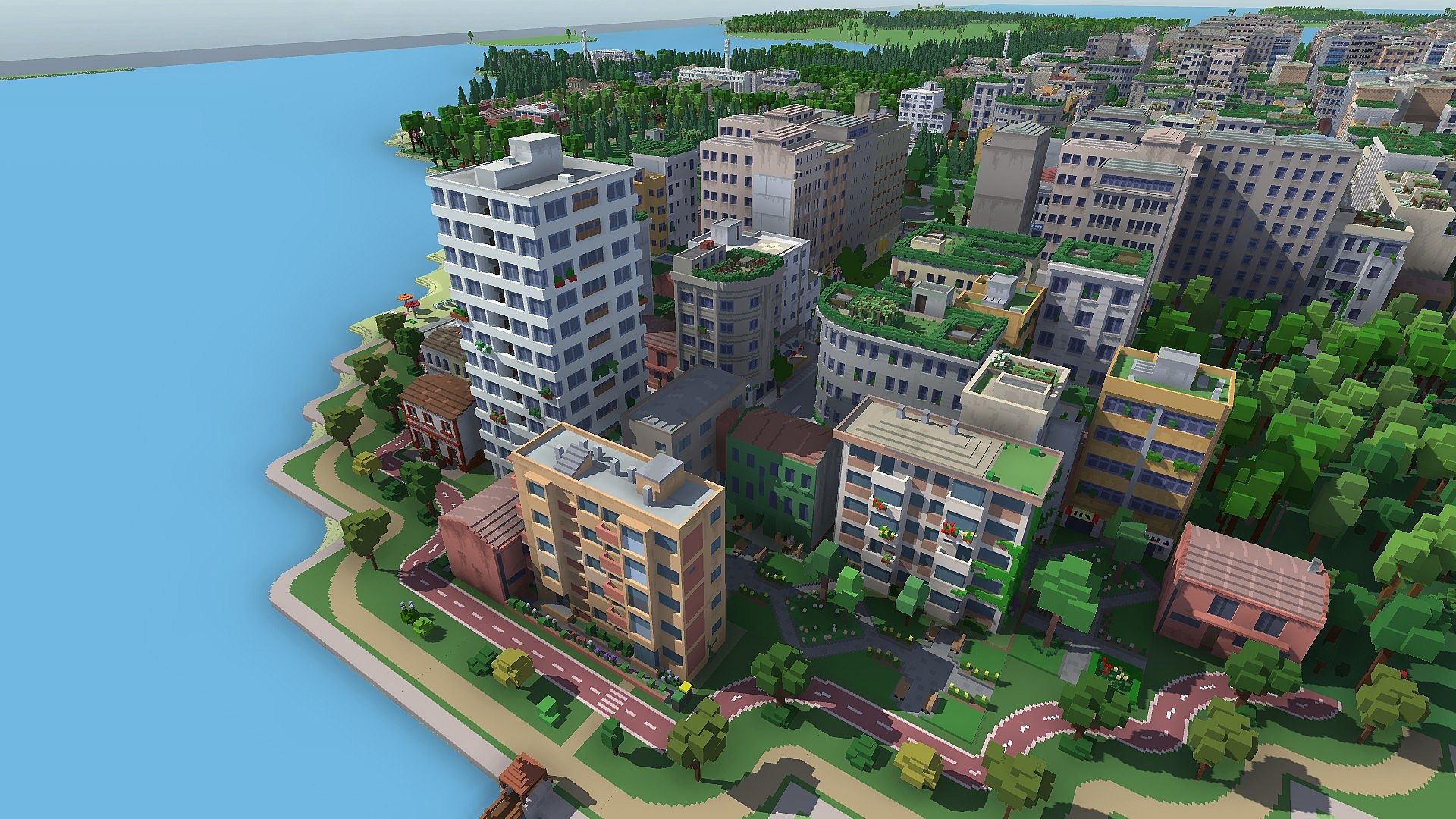
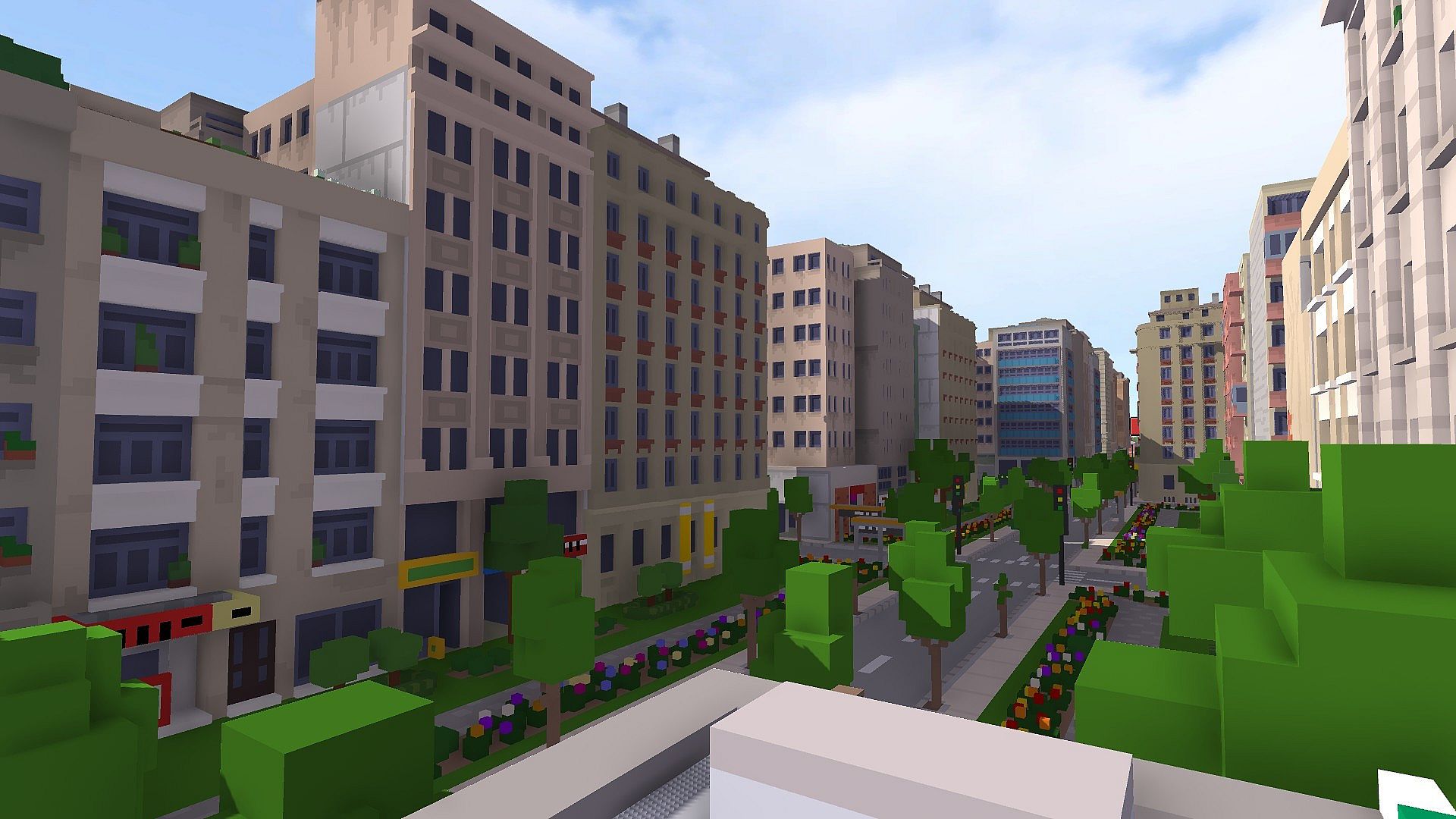
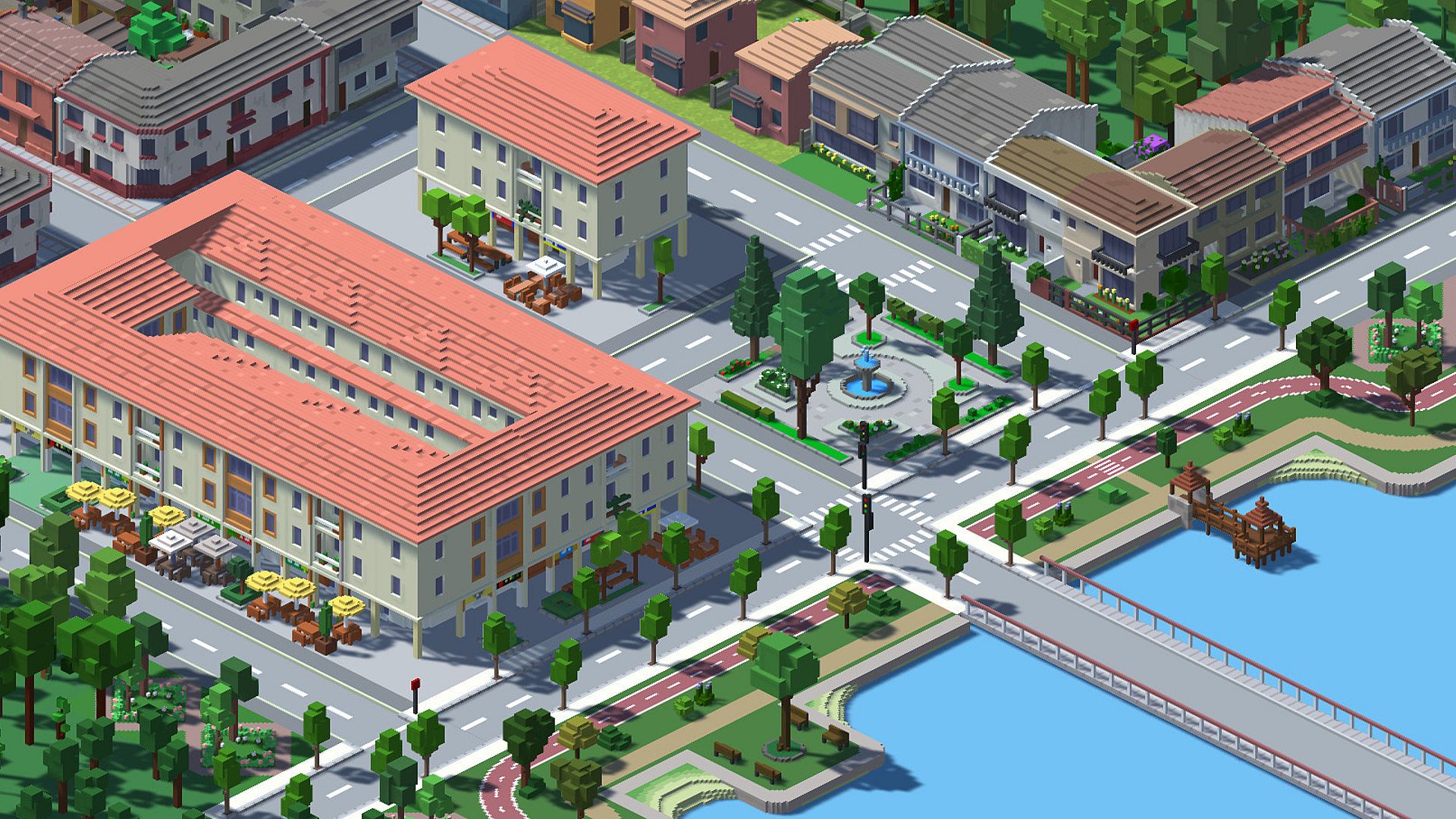
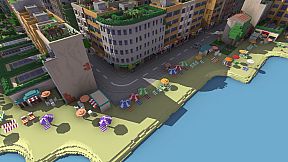
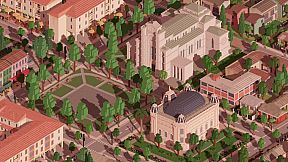
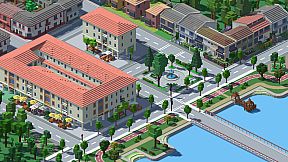
Education plays a central role as producing qualified and scientific work unlocks more advanced structures. Neighborhood design encourages variety, with options for low-density bohemian zones featuring bars, parks, and libraries or higher-end bourgeois areas supported by parks and luxury shops. Buildings appear organically based on local conditions, such as multi-story structures emerging in dense zones with adequate services, while player-placed constructions like markets must sit near farms and universities require nearby high schools.
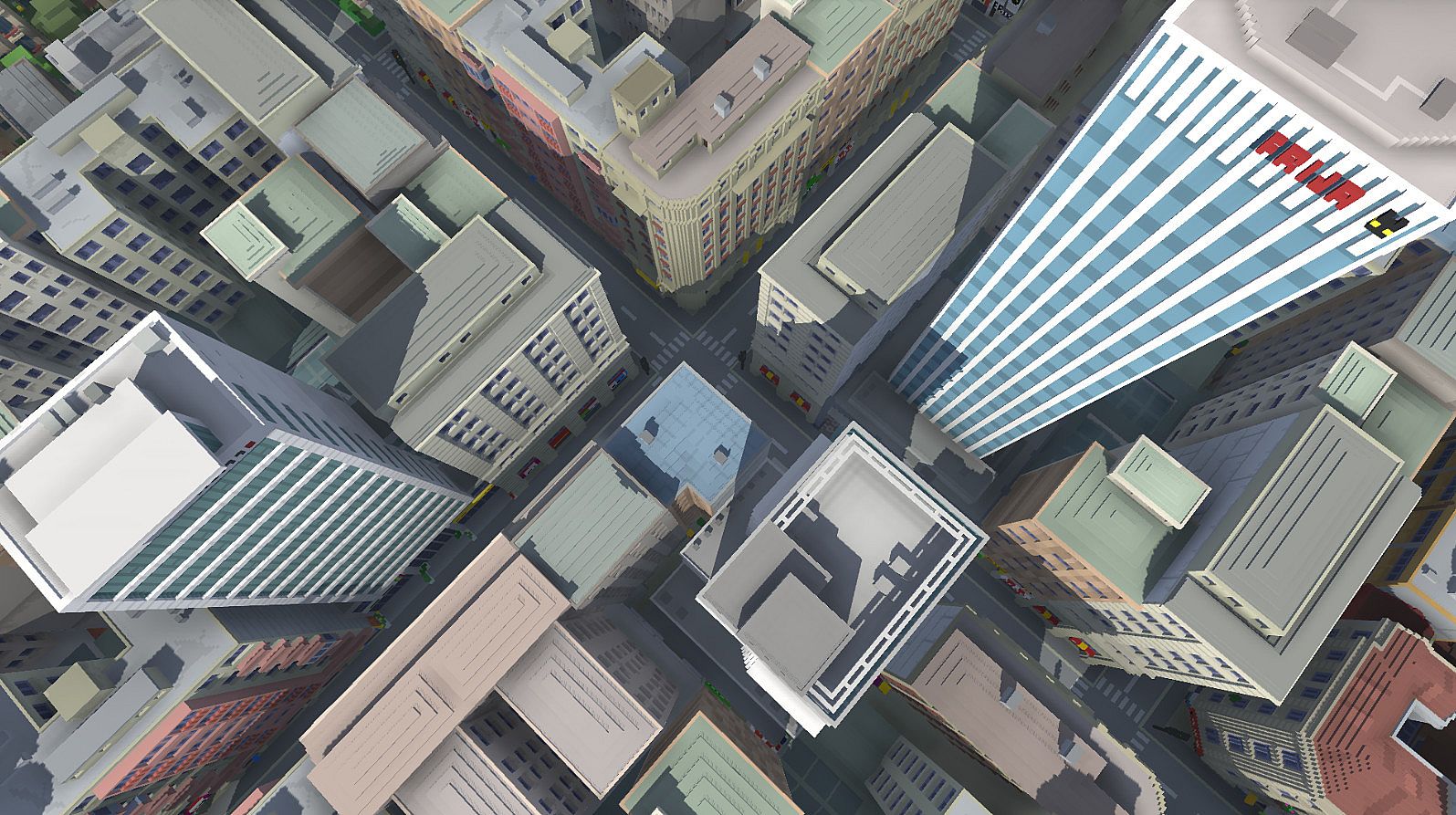
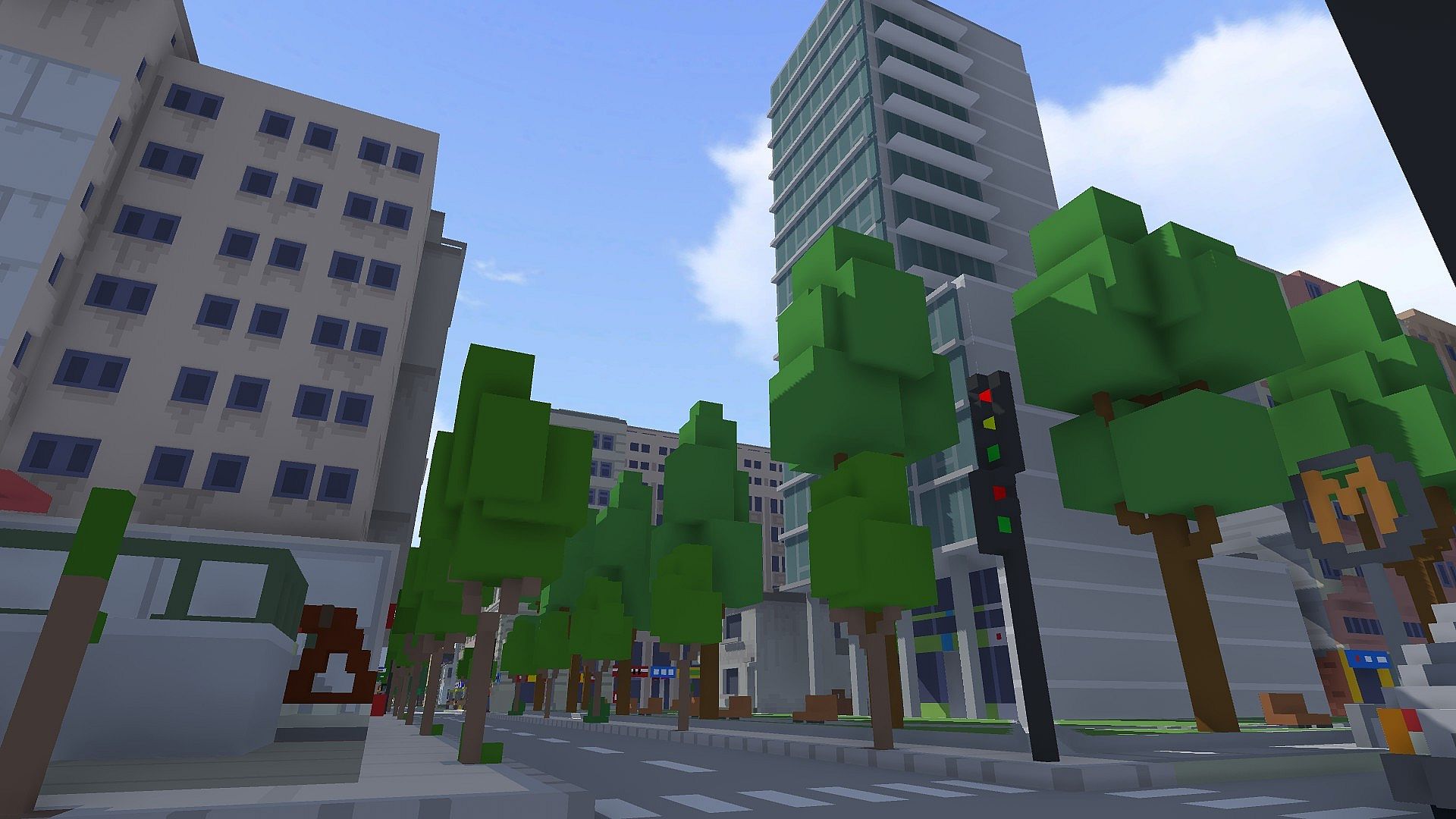
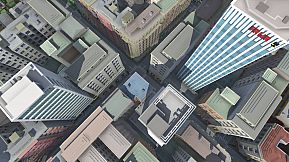
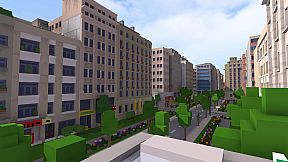
Street-level observation allows players to view the city from a resident perspective, highlighting differences between districts. Every choice carries trade-offs, including bourgeois housing that boosts resident quality of life at higher resource costs versus industrial improvements that increase output but lower nearby living standards.
Game Modes
The game operates as a single continuous single-player experience without separate named modes or scenarios. All building and management occurs in one open-ended session where the city evolves through player decisions and automatic growth patterns. A free prologue serves as an introductory version that demonstrates the same core systems on a smaller scale before the full release.
Resource Management and City Design
Resource chains form the backbone of progress, with each material feeding into others to support population needs and expansion. Players must monitor consumption rates across residential, industrial, and service buildings to maintain balance. Placement rules add a layer of planning, as certain structures only function when positioned near prerequisites like schools feeding into higher education facilities.
Organic elements mean the city develops partly on its own once basic services are in place, rewarding players who anticipate how density and amenities influence building types. This approach creates varied city layouts depending on priorities, whether emphasizing quality of life through green spaces or maximizing production through efficient industrial clusters.
Is It Worth Playing?
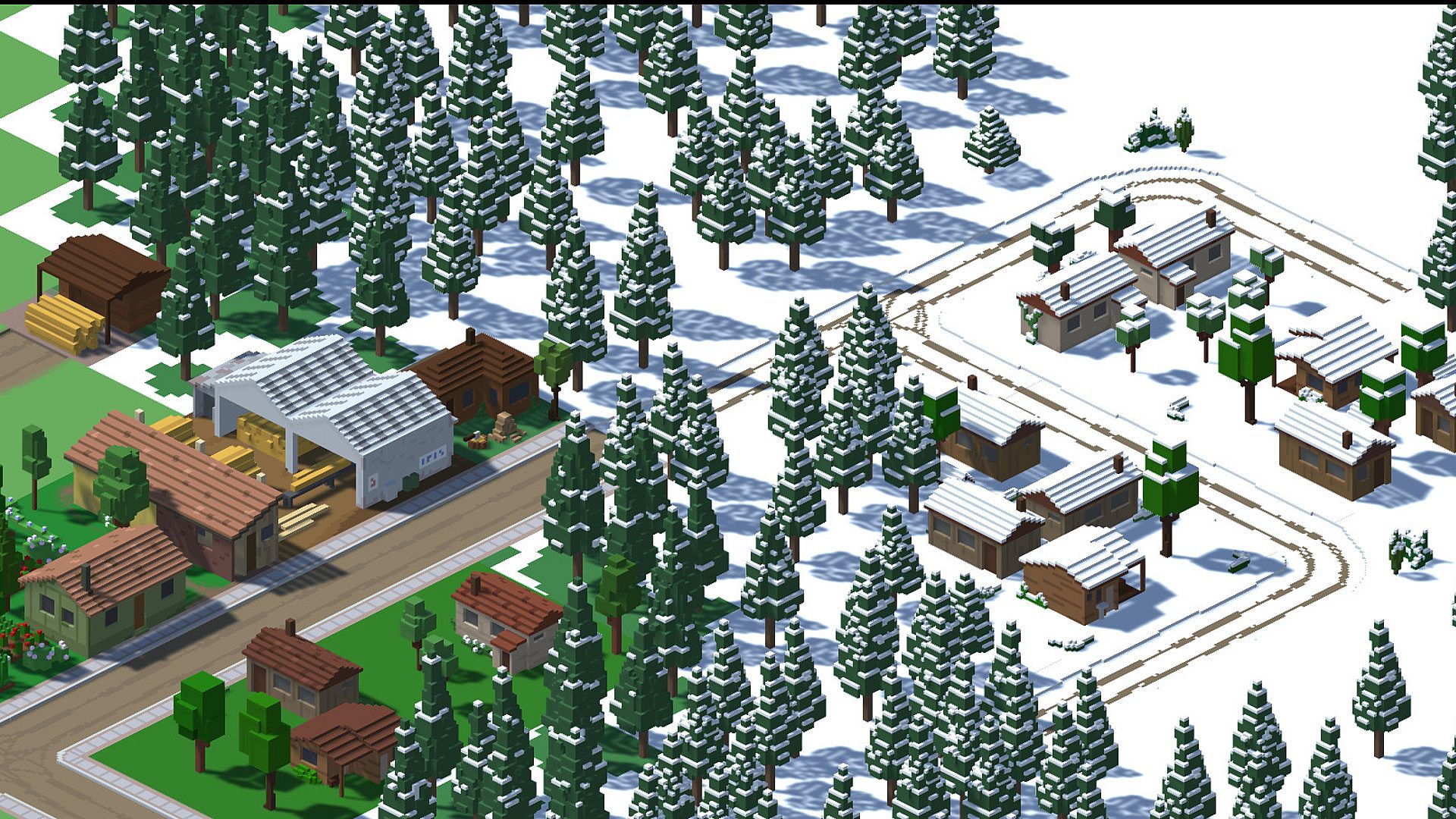
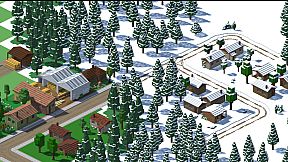
Urbek City Builder suits players who enjoy deliberate city planning without financial abstraction or random events. Its resource-driven system and emphasis on neighborhood character provide a focused alternative to traditional city builders. The game has received ongoing support through downloadable content that adds features such as train networks and defensive elements in new biomes. Those seeking a thoughtful single-player simulation with clear cause-and-effect mechanics will find the experience rewarding, particularly if they appreciate organic development and trade-off decisions over fast-paced action or competitive elements.














