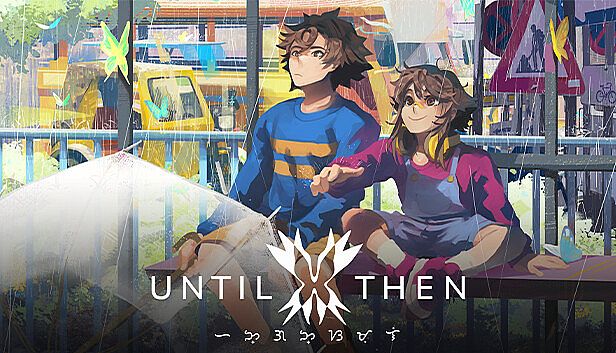




















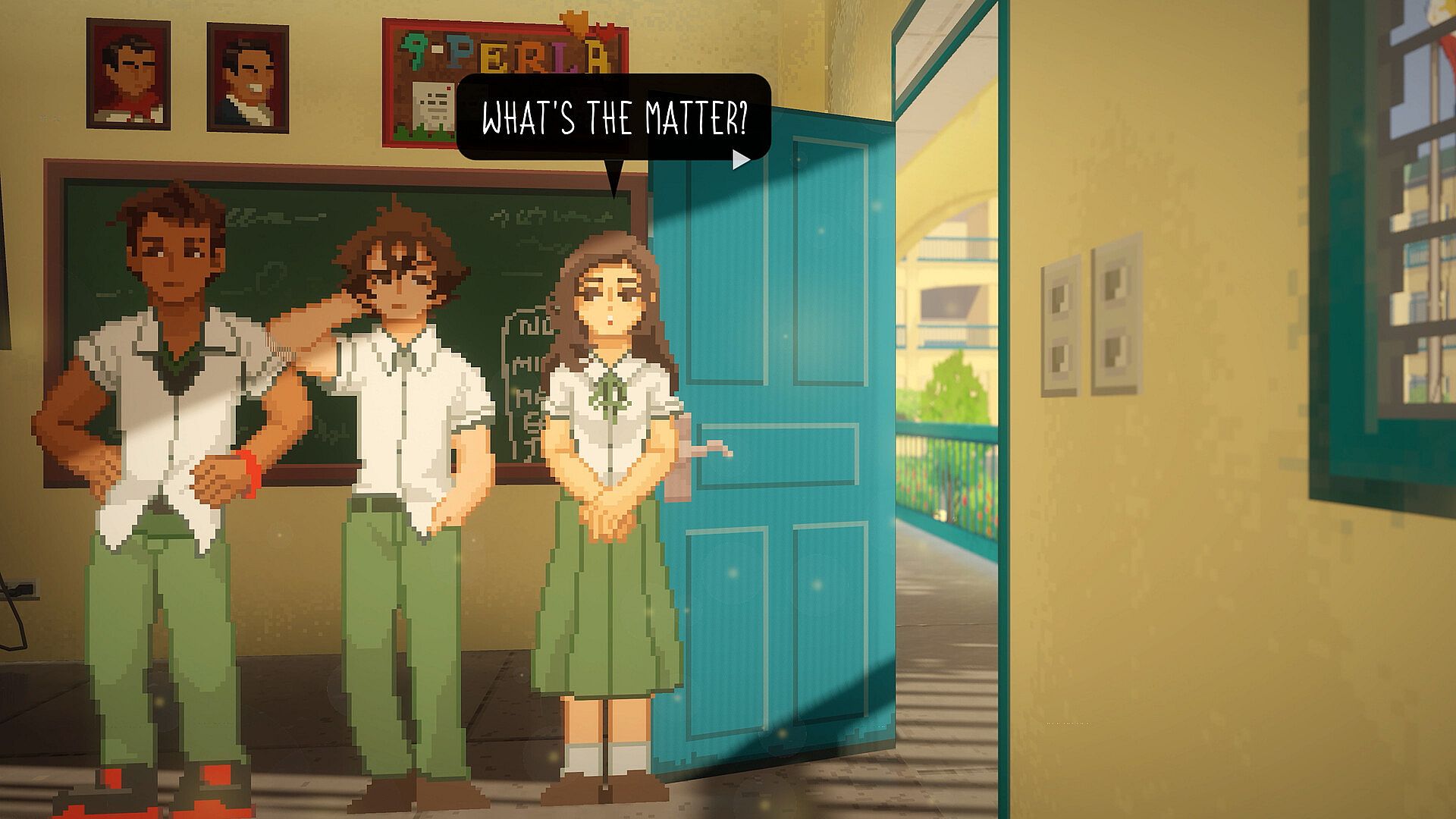





Until Then is an indie adventure game that blends narrative storytelling with light interactive elements on PC. Players follow the experiences of a high school student named Mark as a chance encounter disrupts his routine and leads into questions about disappearing people and shifting memories. The experience emphasizes emotional depth and character relationships over action or complex systems.
Gameplay
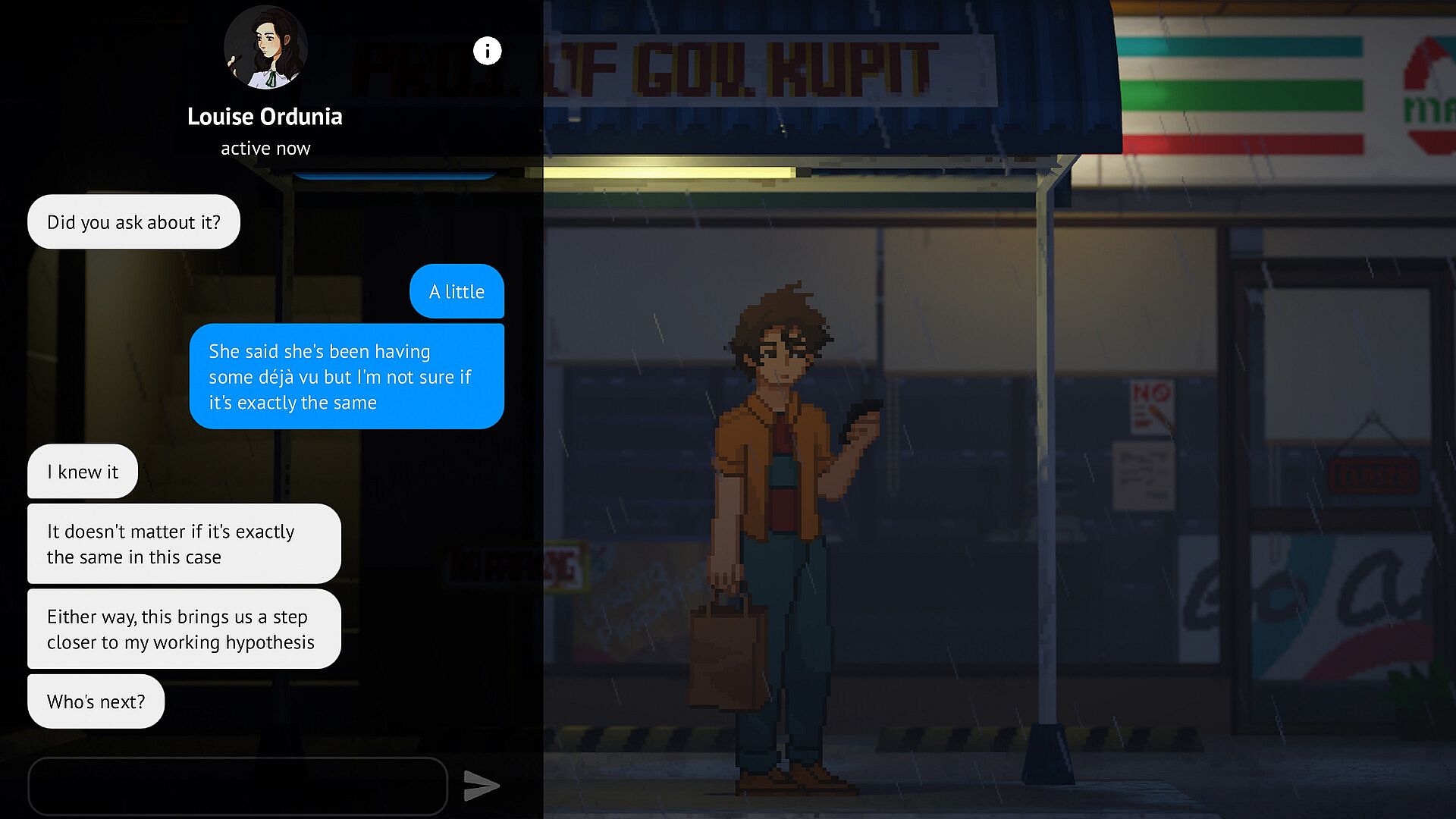
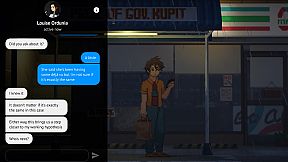
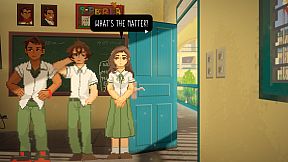
The core loop centers on progressing through a story by controlling Mark in a 2.5D perspective. Movement follows set paths while players examine surroundings and engage in conversations that branch based on selected dialogue options. These choices influence how relationships develop and how certain events unfold without altering the overall narrative direction in major ways.
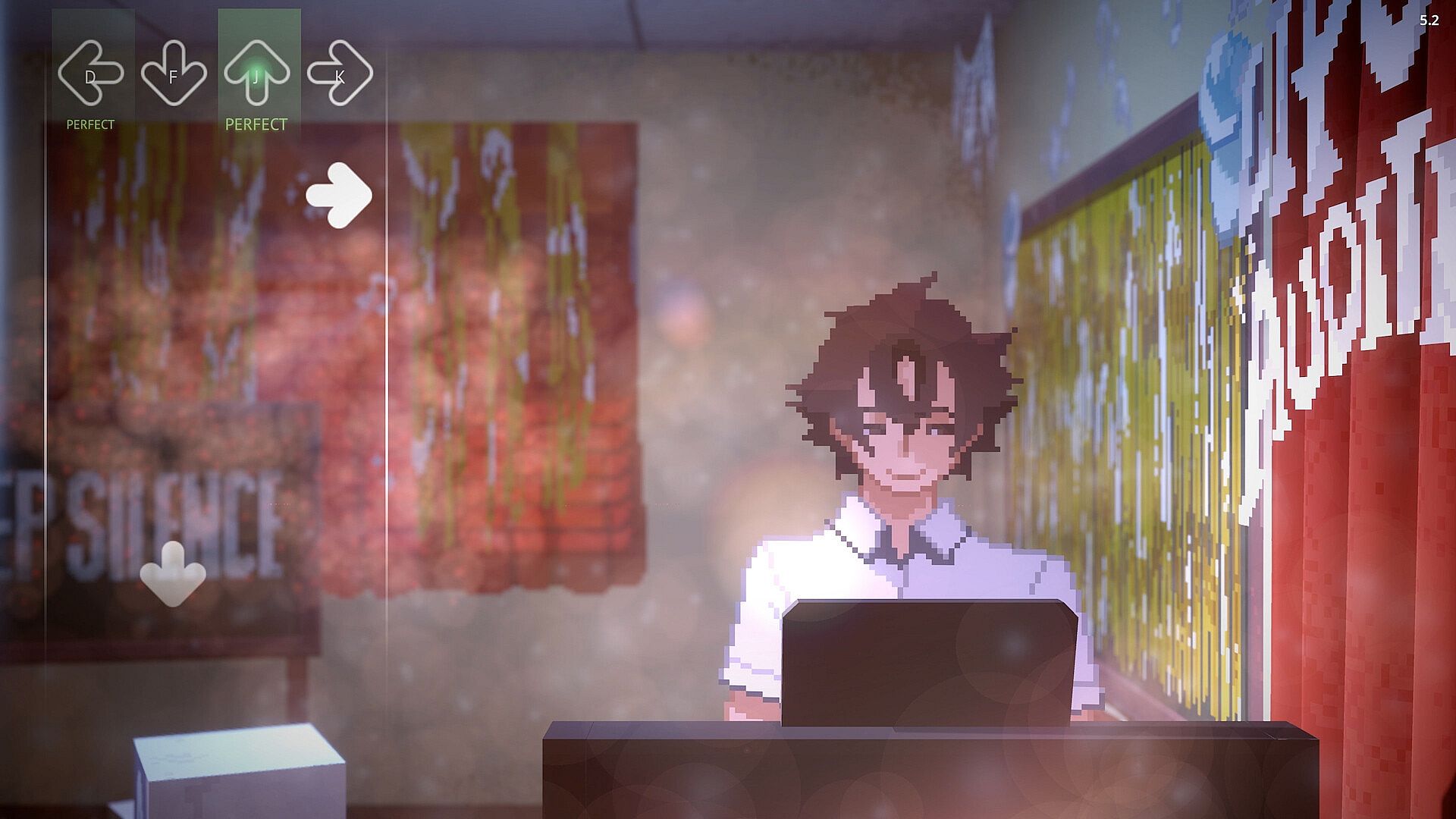
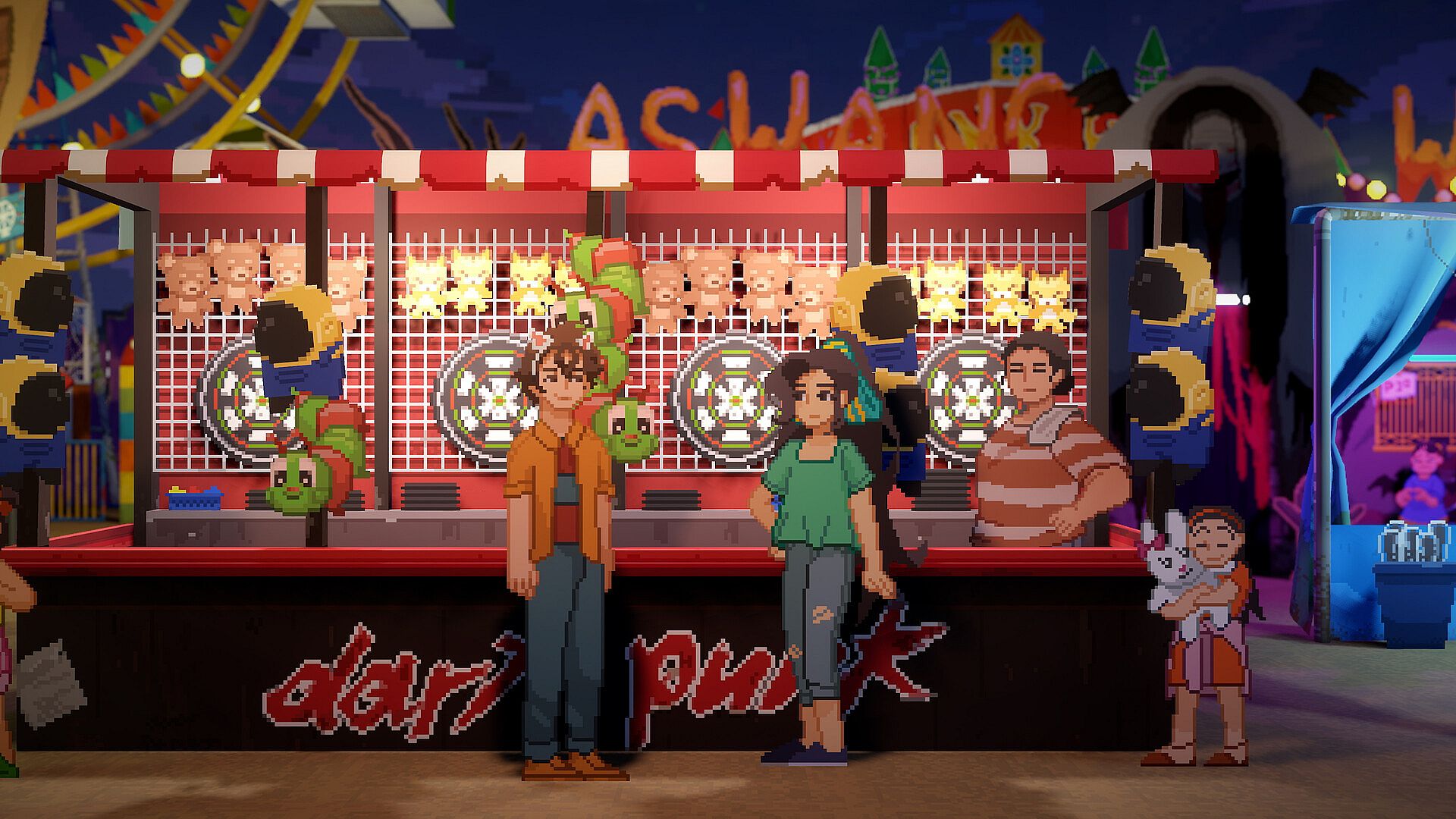
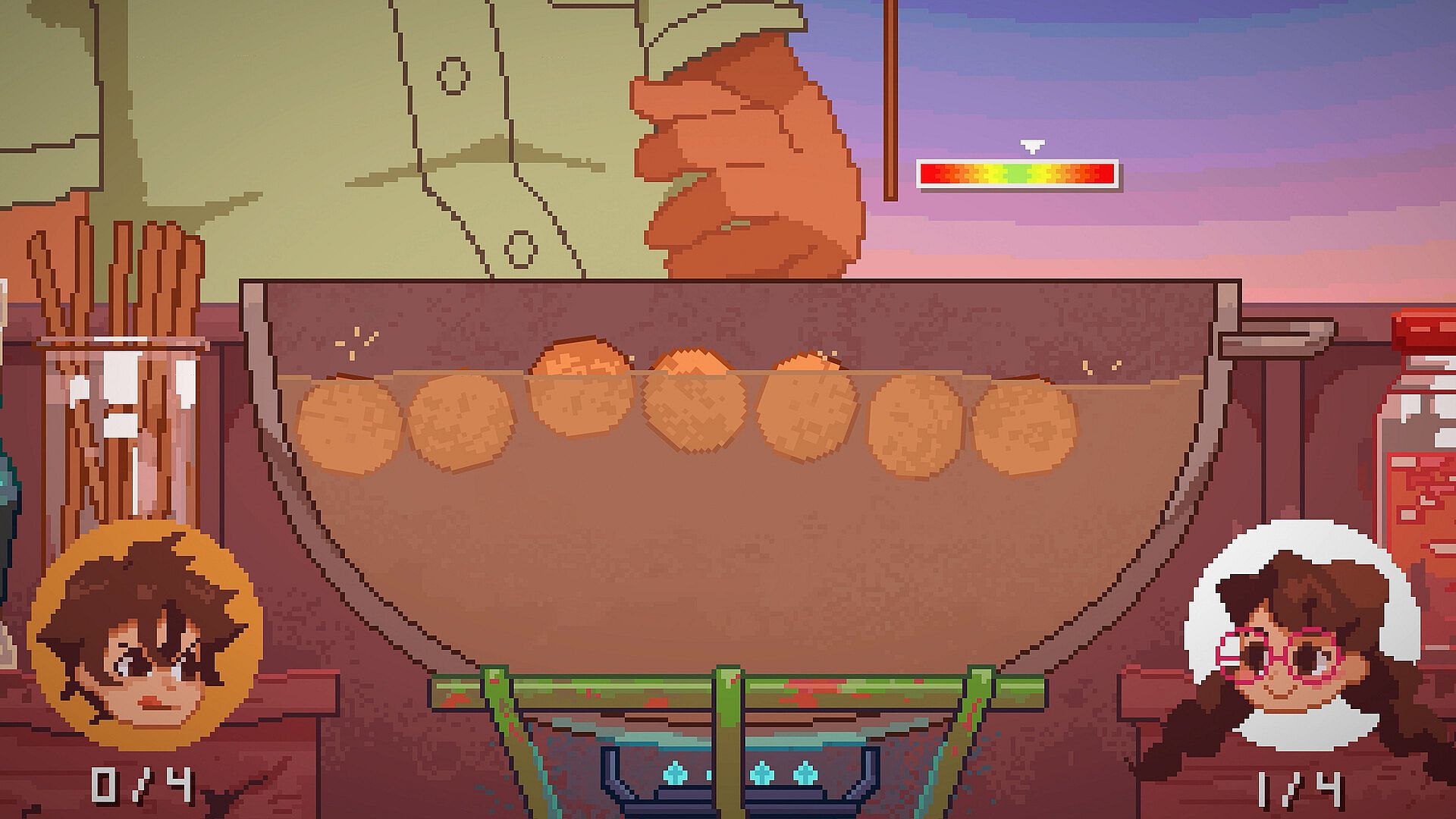
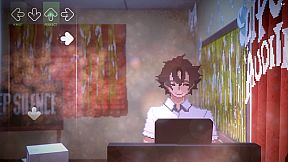
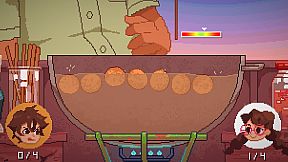
Interspersed throughout are short minigames that provide variety during quieter moments. These activities range from simple tasks that tie into daily life scenes to more focused challenges that reflect the characters' situations. Exploration remains limited to key locations that advance the plot, keeping the pace steady and focused on unfolding events rather than open-world discovery.
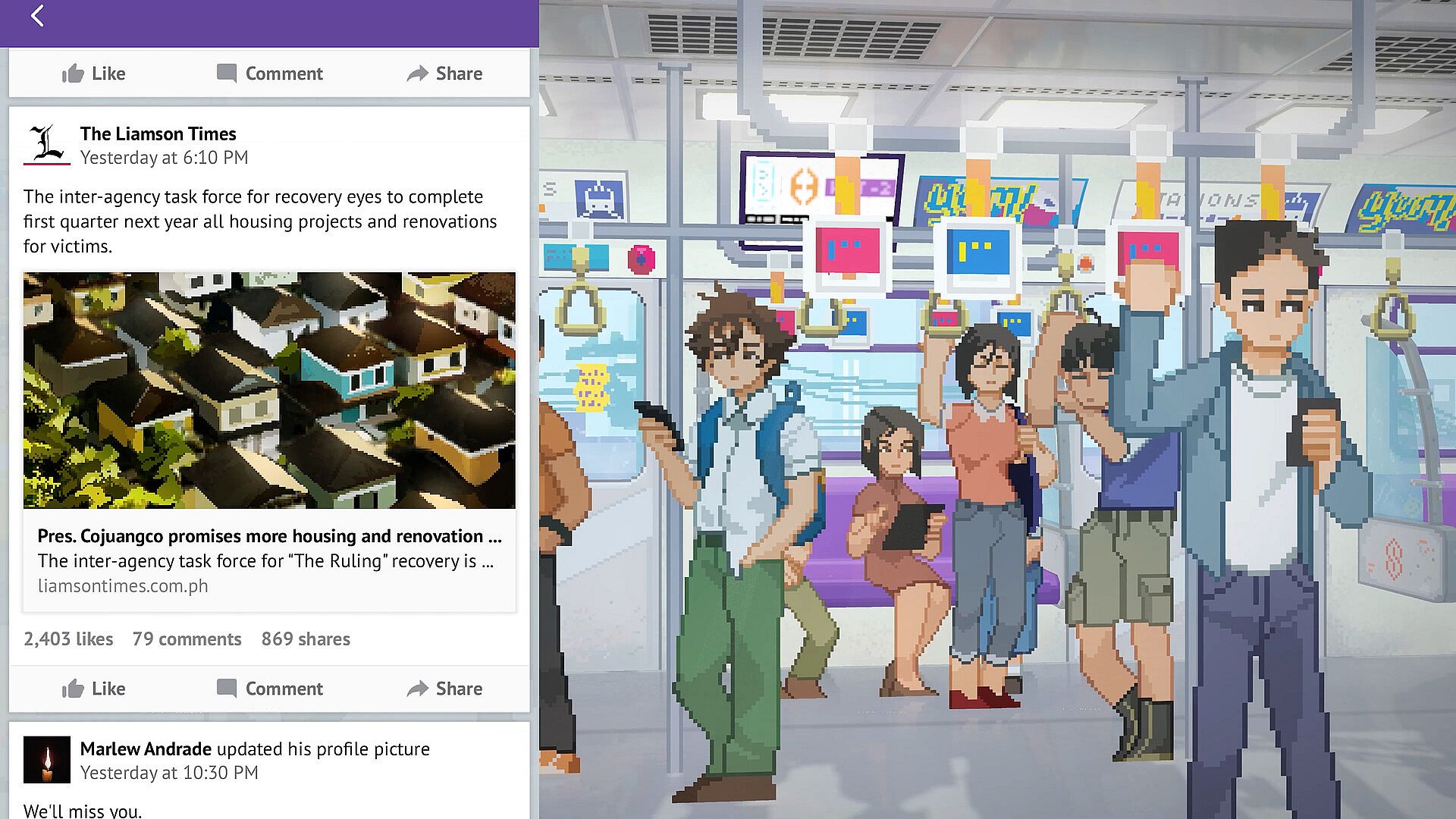
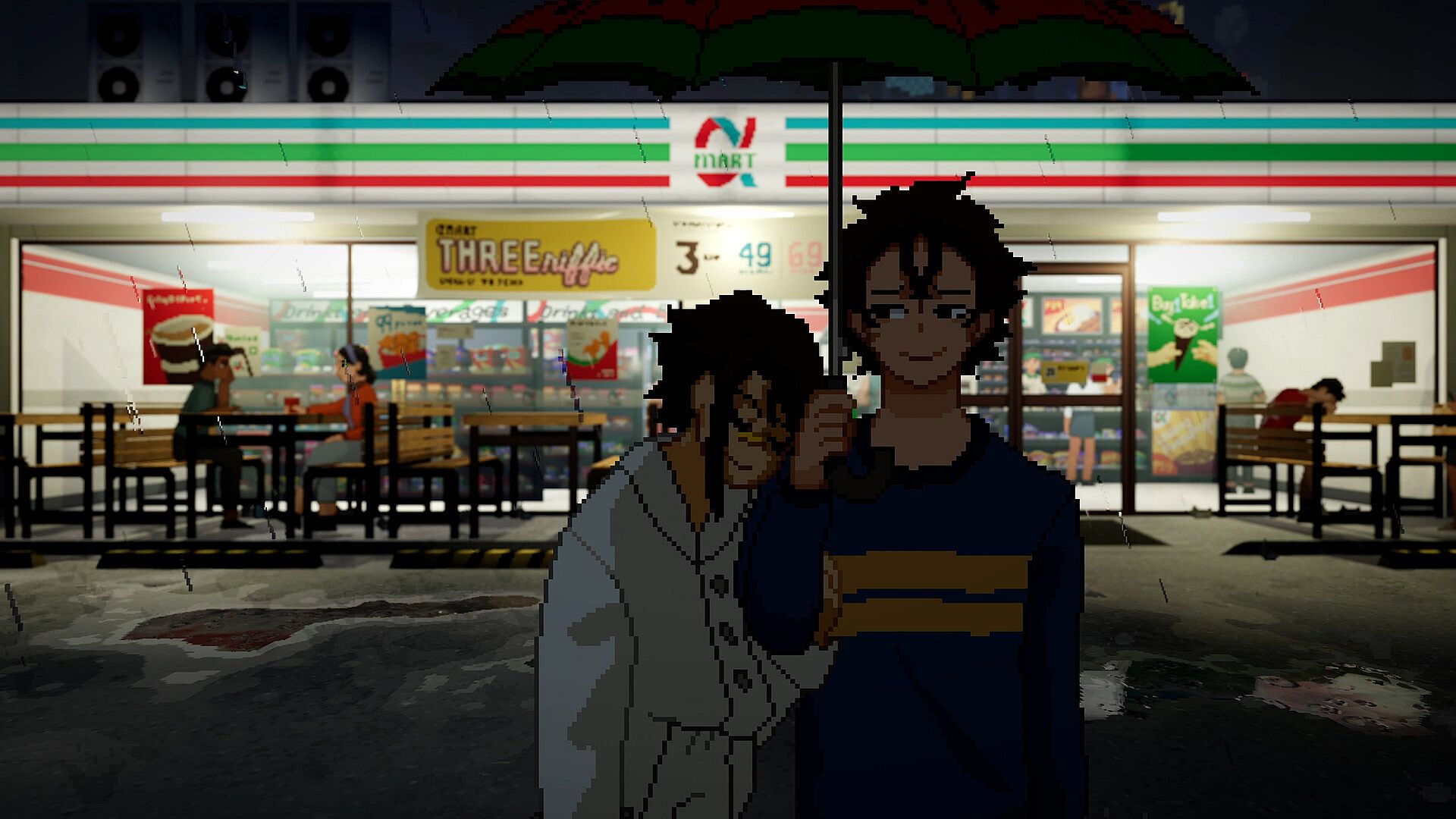
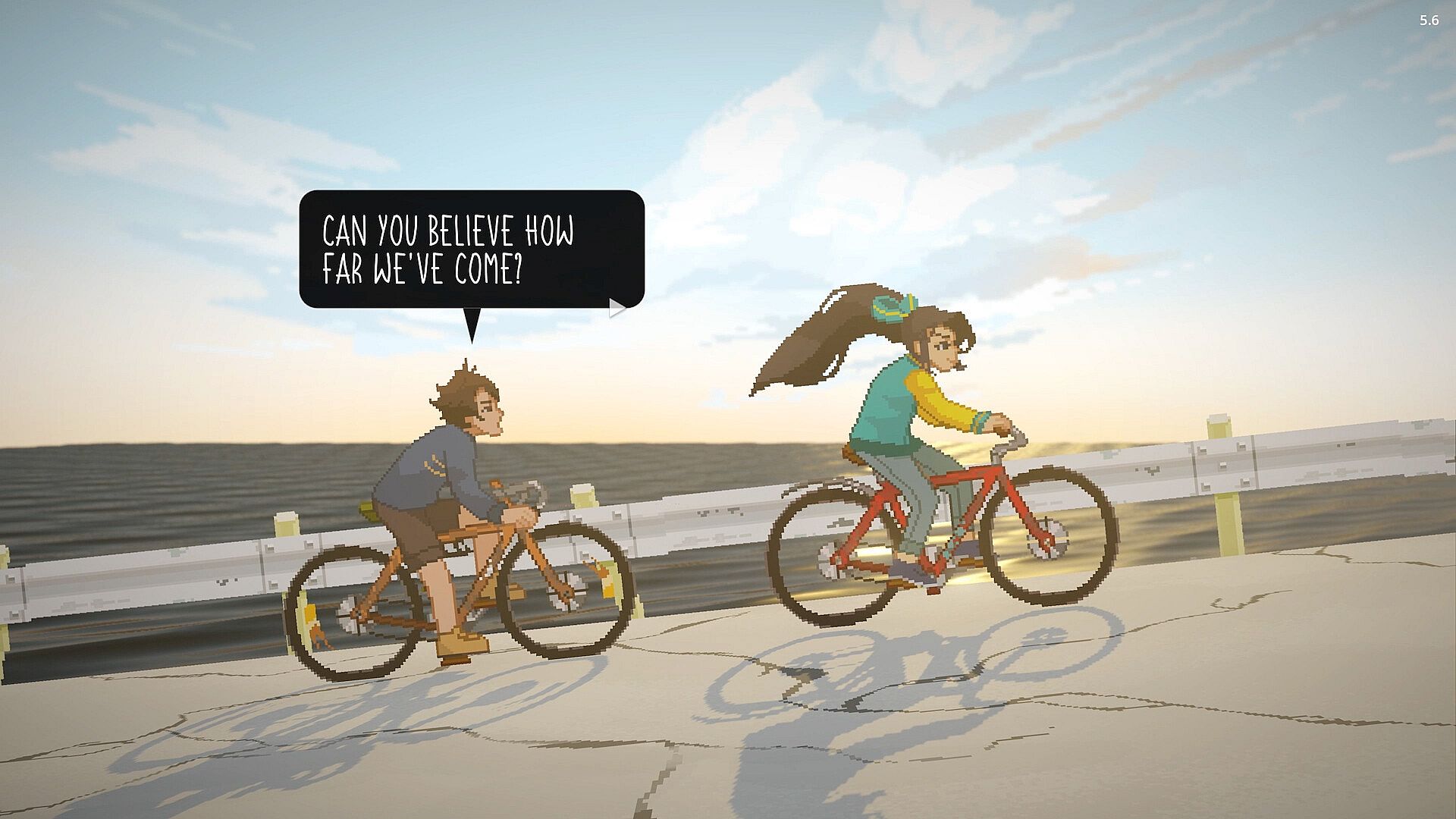
Visual presentation uses pixel art that captures detailed expressions and environments, supporting the intimate feel of the story. Audio cues, including a memorable soundtrack, reinforce emotional beats during key scenes.
Game Modes
Until Then operates as a single-player narrative experience with no separate multiplayer or competitive modes. The structure follows a linear story path with optional dialogue variations that encourage replay for different conversational outcomes. A demo version allows players to sample the initial sections before committing to the full release.
Progression relies on completing story chapters in sequence, with achievements tied to specific interactions and completions rather than skill-based challenges. The design prioritizes accessibility for those interested in story-driven titles over mechanical depth or competitive play.
Story and Themes
The narrative explores themes of loss, unreliable memories, and personal growth within a setting that mixes everyday adolescent life with subtle supernatural elements. Mark and his group of friends navigate these developments in a post-disaster town, where relationships and hidden truths drive the central mystery.
Character interactions form the backbone of the experience, with dialogue choices revealing more about each person's background and motivations. The story builds through paced revelations rather than constant twists, allowing time for emotional investment in the cast.
Is It Worth Playing?
Player feedback on Steam shows overwhelmingly positive reception, with 97 percent approval across more than nine thousand reviews. Reviewers highlight the emotional resonance, strong character work, and distinctive art style as standout features for those who enjoy narrative adventures.
The game suits players seeking a focused, story-led experience with meaningful dialogue decisions and occasional lighter minigames. Its concise structure and emphasis on personal connections make it a strong fit for fans of indie titles that prioritize atmosphere and character over extensive systems or replayability through multiple endings. Recent updates have added new chapters that extend the original narrative for those who have completed the base story.