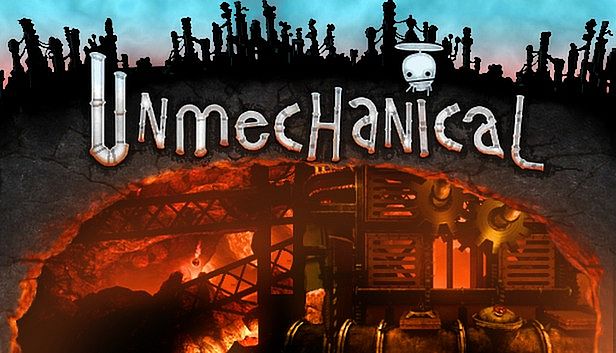


















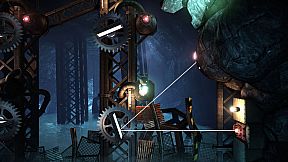
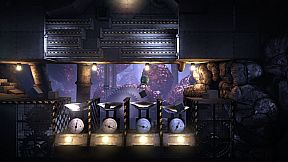

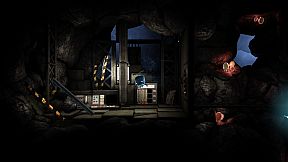
Unmechanical is an indie puzzle adventure game that places players in control of a small hovering robot navigating a strange underground world. The experience blends exploration with puzzle solving across interconnected environments built from flesh, rock, and steel. Released on PC in 2012 and later updated with additional content, the title emphasizes intuitive mechanics that remain accessible while growing more demanding as progress continues.
Gameplay
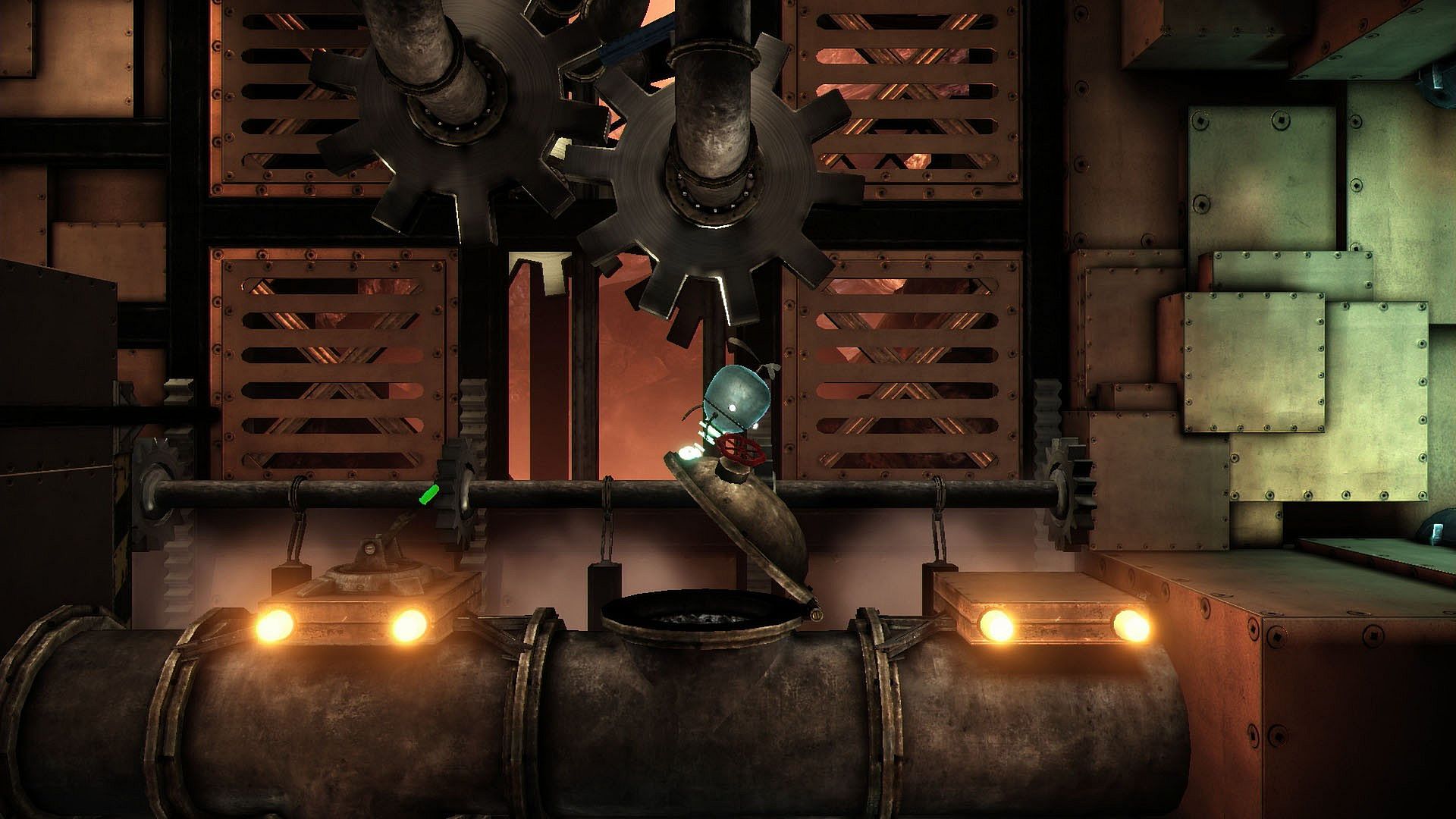
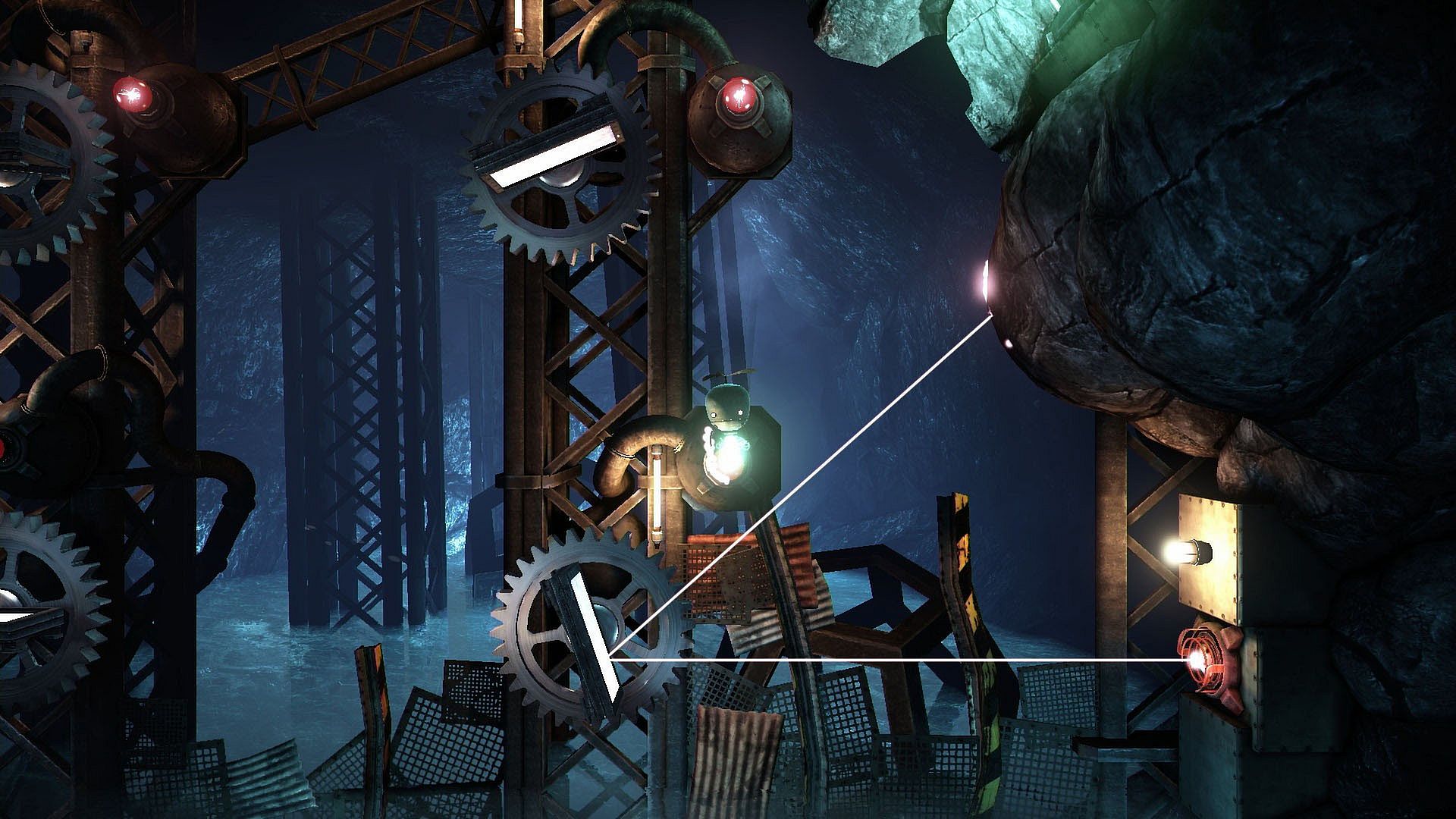
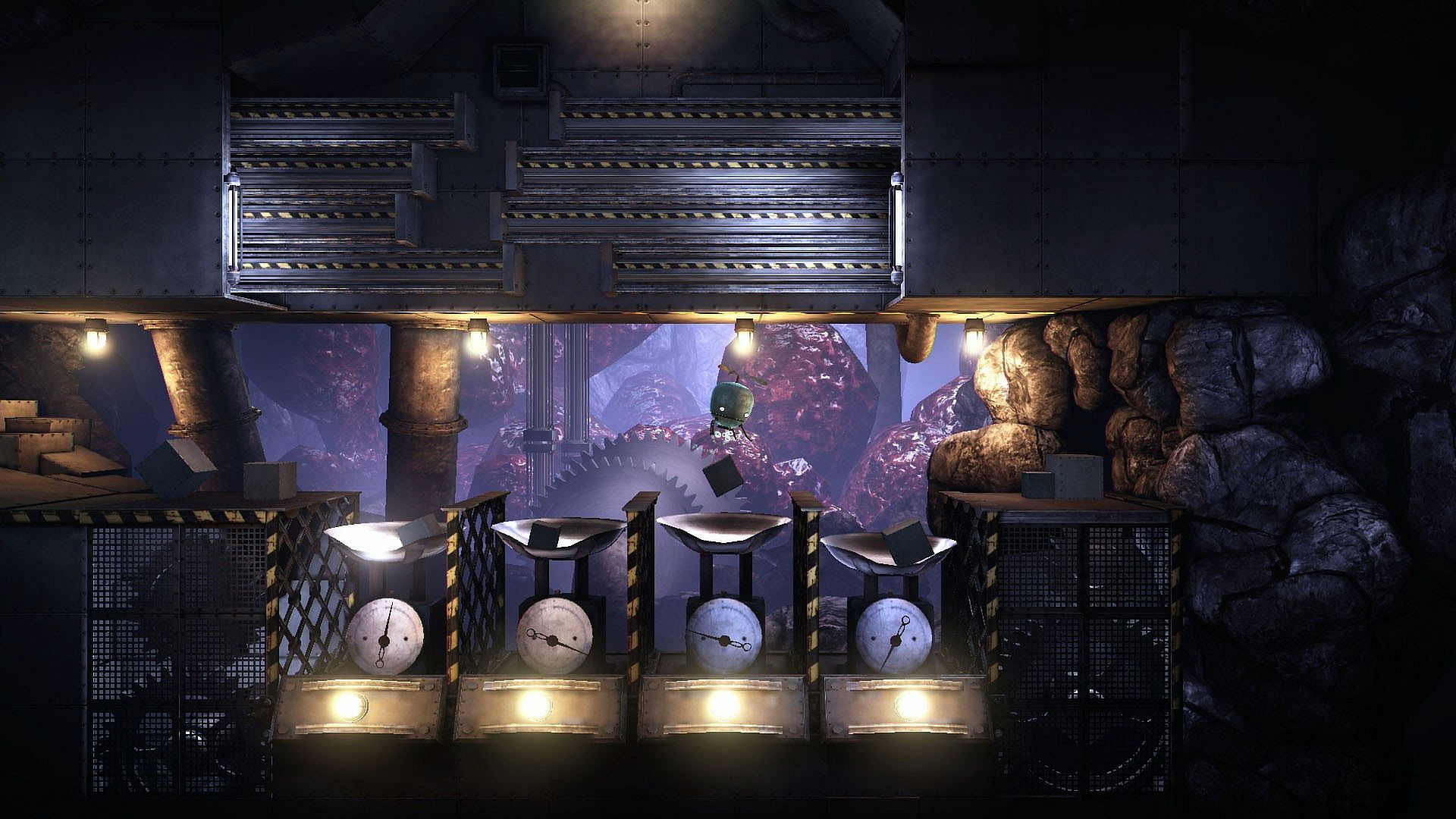
Players guide the robot through side-scrolling levels using straightforward directional controls that allow hovering, precise movement, and interaction with objects in the environment. The core loop revolves around observing surroundings, experimenting with available elements, and applying solutions to progress. Puzzles draw from logic patterns, physical interactions such as pushing or manipulating objects, and memory-based sequences that require recalling earlier clues or patterns.
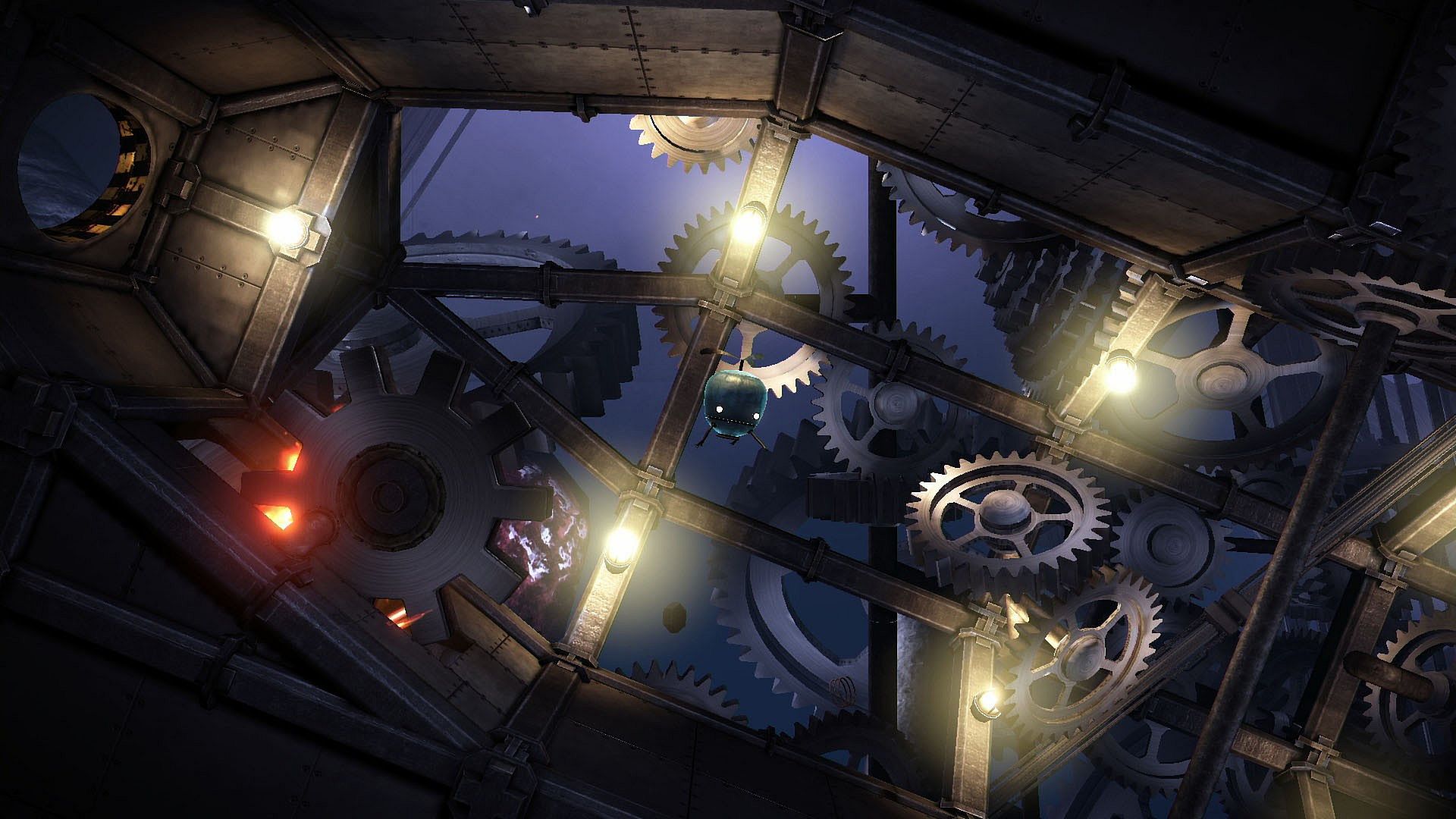
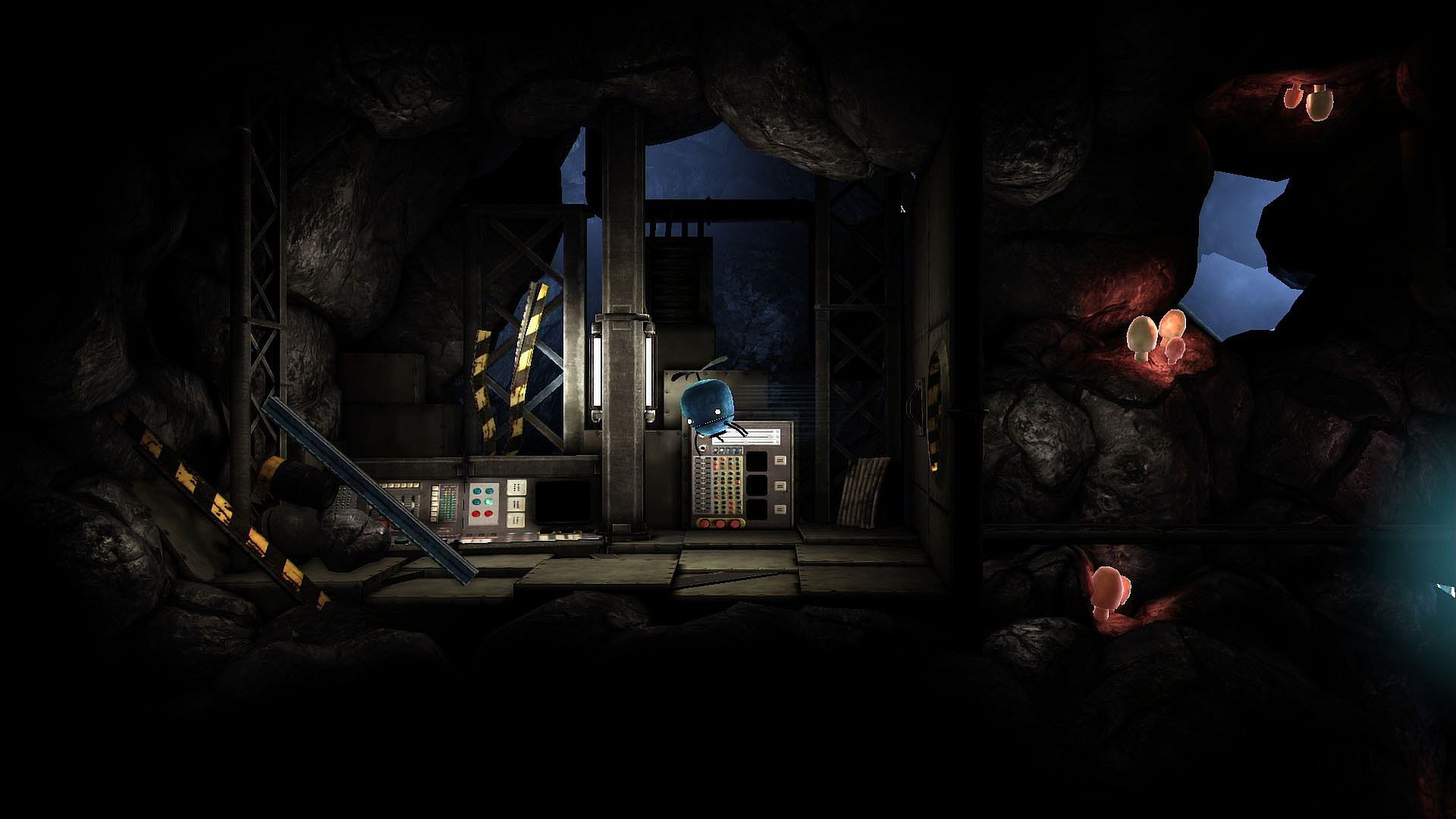
Environments shift between distinct zones, each presenting new visual and mechanical twists that encourage careful observation rather than rushed actions. Exploration reveals hidden paths and strange events that hint at a larger narrative without relying on dialogue or text explanations. The robot's abilities expand naturally through the challenges themselves, keeping focus on discovery and trial rather than complex skill trees or upgrades.
Over thirty distinct puzzles appear throughout the journey, mixing straightforward early examples with later sequences that combine multiple mechanics at once. Simple inputs support a wide range of interactions, from activating switches to navigating tight spaces or handling delicate objects. The atmosphere builds through detailed backdrops and subtle sound design that reinforce the sense of an unfamiliar, organic-industrial setting.
Game Modes
Unmechanical operates entirely as a singleplayer experience centered on a continuous campaign. There are no separate competitive or cooperative modes, allowing uninterrupted focus on the puzzle sequence and exploration. The structure follows a linear path with occasional branches that reward thorough searching, but the primary goal remains reaching the end through successive challenges.
Progression relies on completing each area before advancing, with no time limits or scoring systems that alter the pace. An extended version of the game incorporates additional levels and content that expand the total playtime beyond the original three hours of puzzle solving and discovery. This single continuous mode suits players who prefer steady advancement through varied challenges without switching between different formats.
Story and Atmosphere
A minimal narrative unfolds through environmental storytelling and unusual occurrences rather than direct exposition. Strange clues scattered across the world suggest an underlying mystery tied to the robot's situation and the nature of the facility or realm being traversed. Events unfold gradually, creating moments of surprise that tie into the puzzle solutions without interrupting the flow.
The visual style combines hand-crafted details with a 2.5D perspective that highlights depth in each scene. Unique textures and lighting across different zones maintain visual interest while supporting the puzzle design. The overall tone stays consistent, blending curiosity with a subtle undercurrent of unease that fits the theme of uncovering hidden truths.
Is It Worth Playing?
Unmechanical appeals to players seeking a focused singleplayer puzzle adventure with straightforward controls and escalating difficulty. Reviews on major platforms describe the experience as engaging and visually distinctive, with praise for the variety of challenges and the cohesive world design. The game holds a Very Positive rating from hundreds of user reviews, reflecting consistent appreciation for its length and mechanics among those who enjoy short, self-contained titles.
Its compact scope makes it suitable for sessions that do not require long commitments, though some note the total duration leaves room for replay to explore missed details. The absence of ongoing updates or additional modes means the content remains as originally delivered after the extended edition release. Those drawn to indie puzzle games with physics and logic elements will find the core loop rewarding, particularly if they value atmosphere and discovery over expansive systems or multiplayer features.