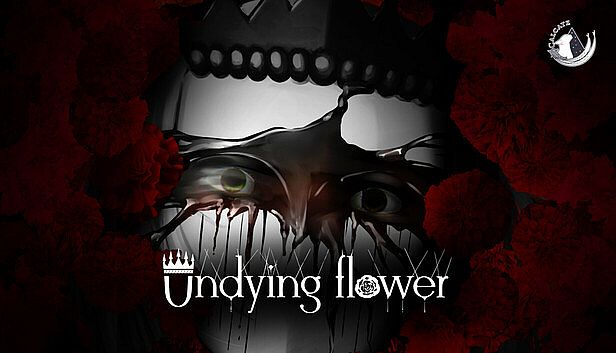

















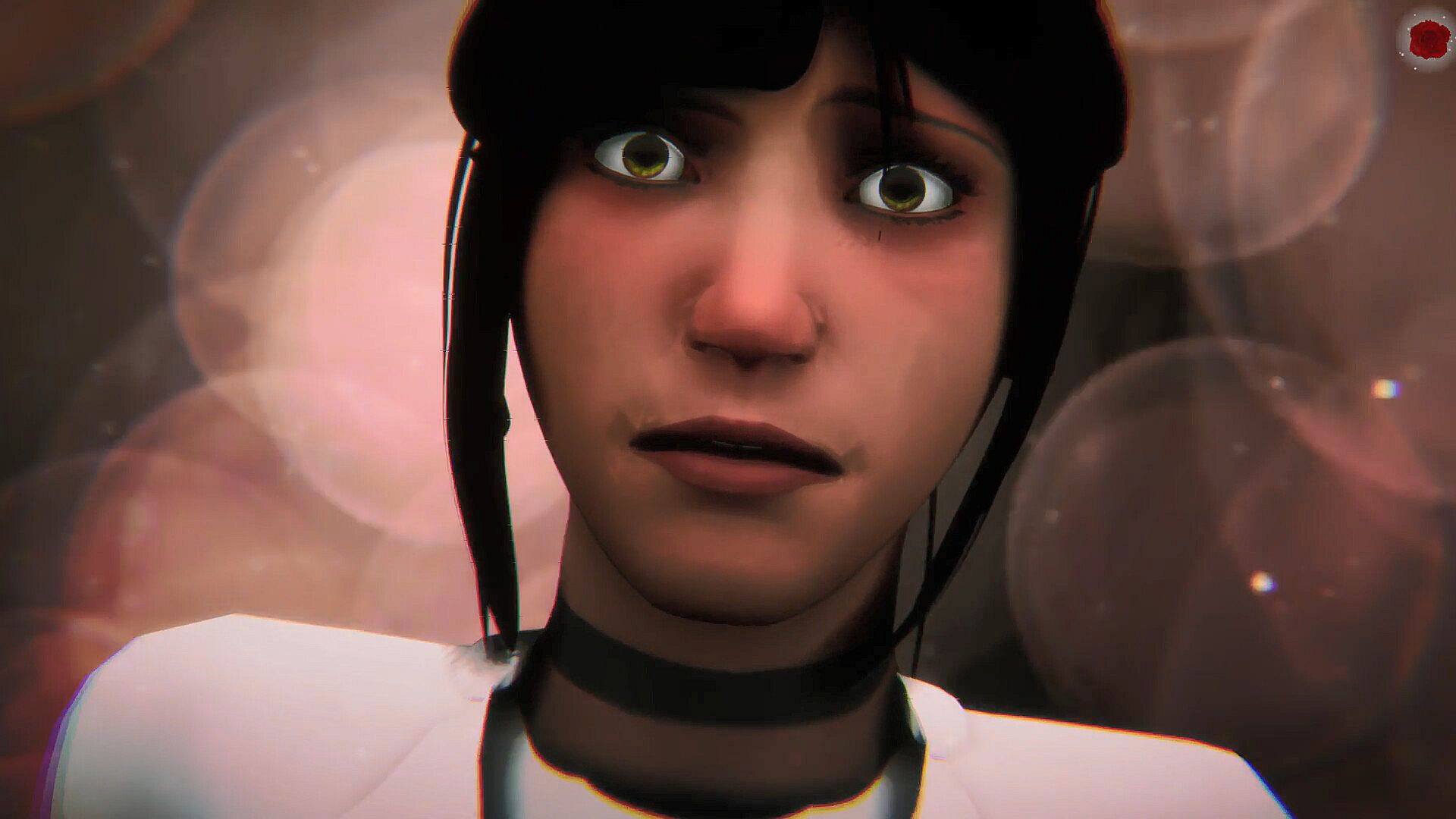
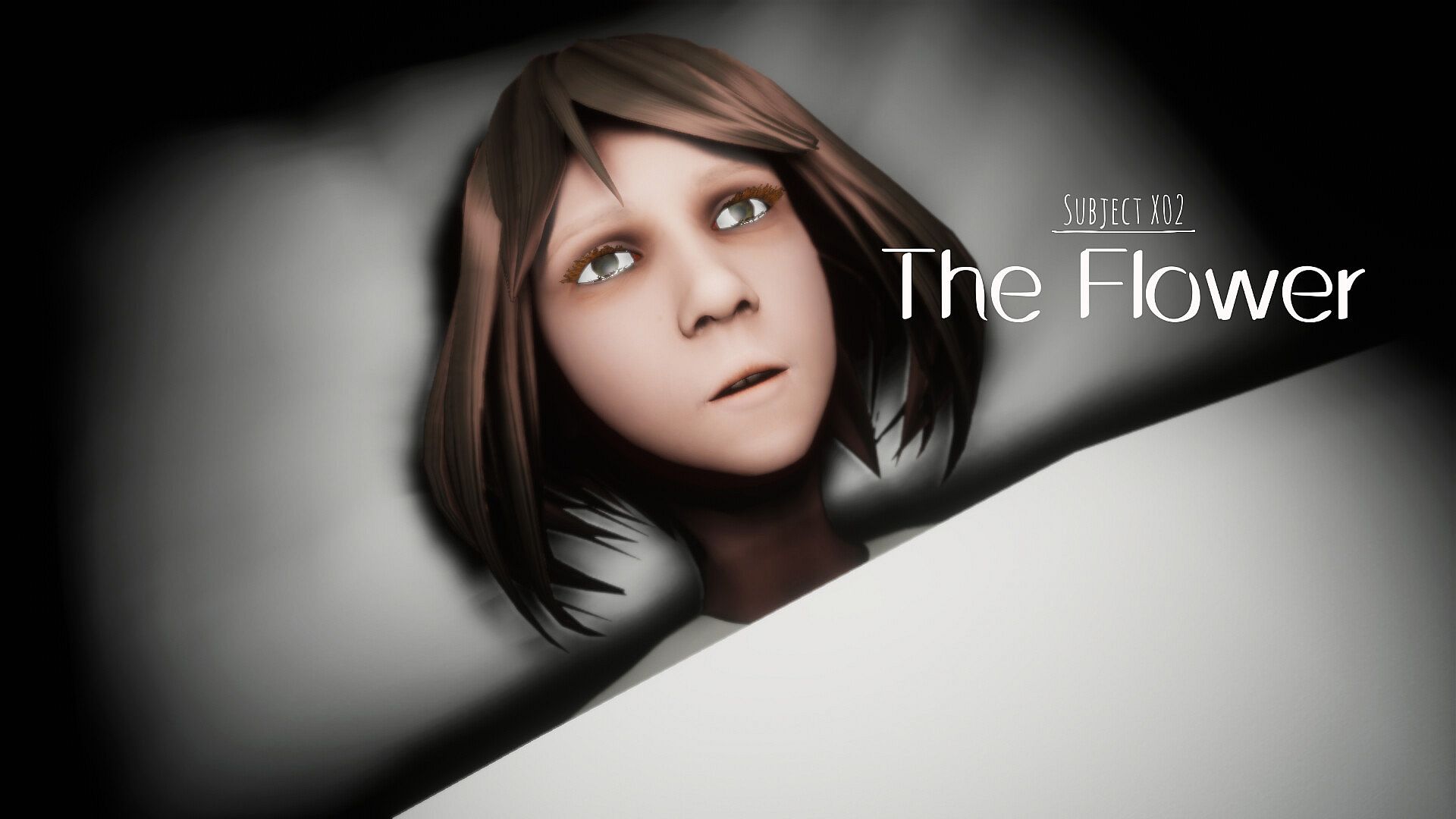
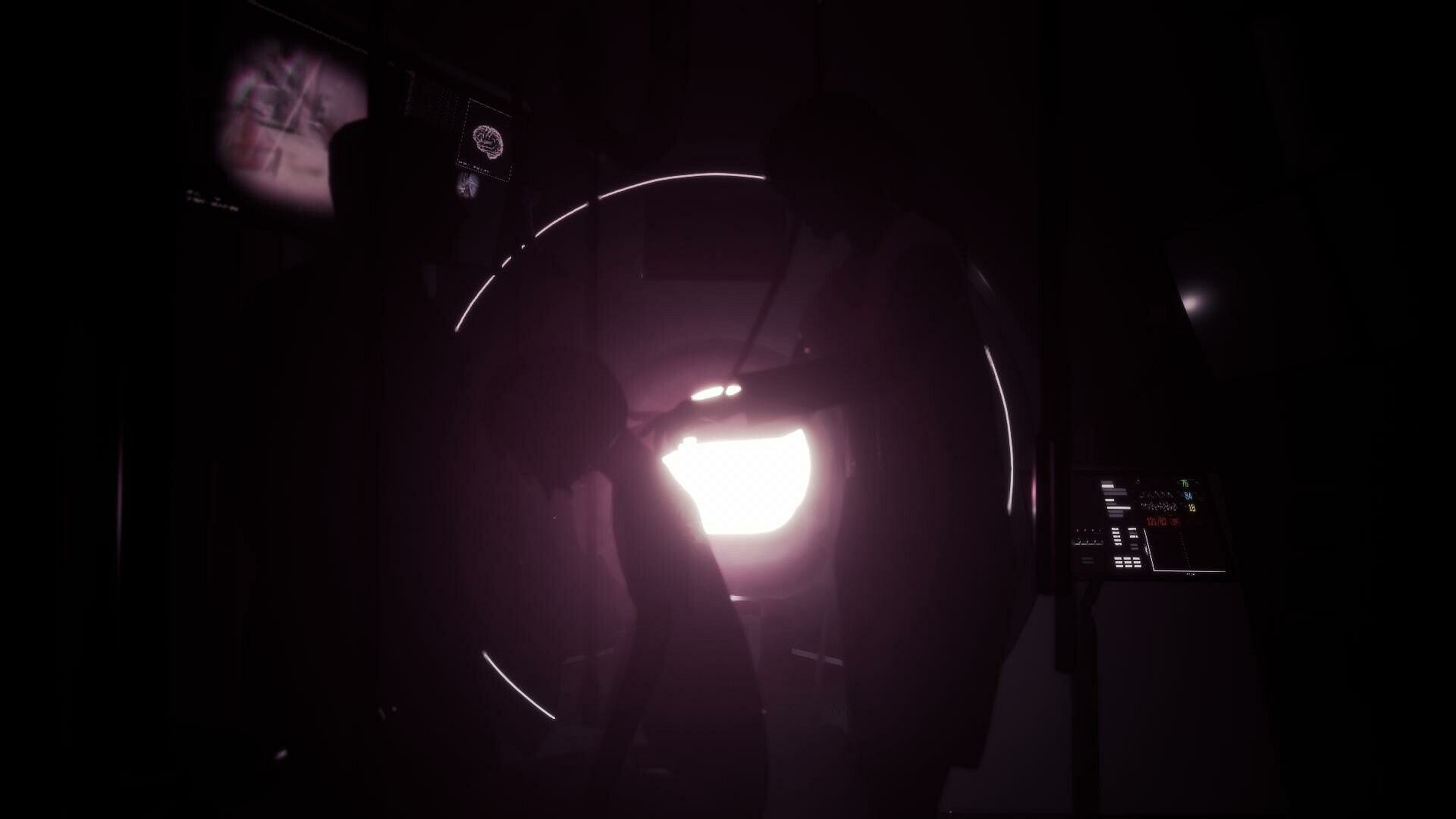
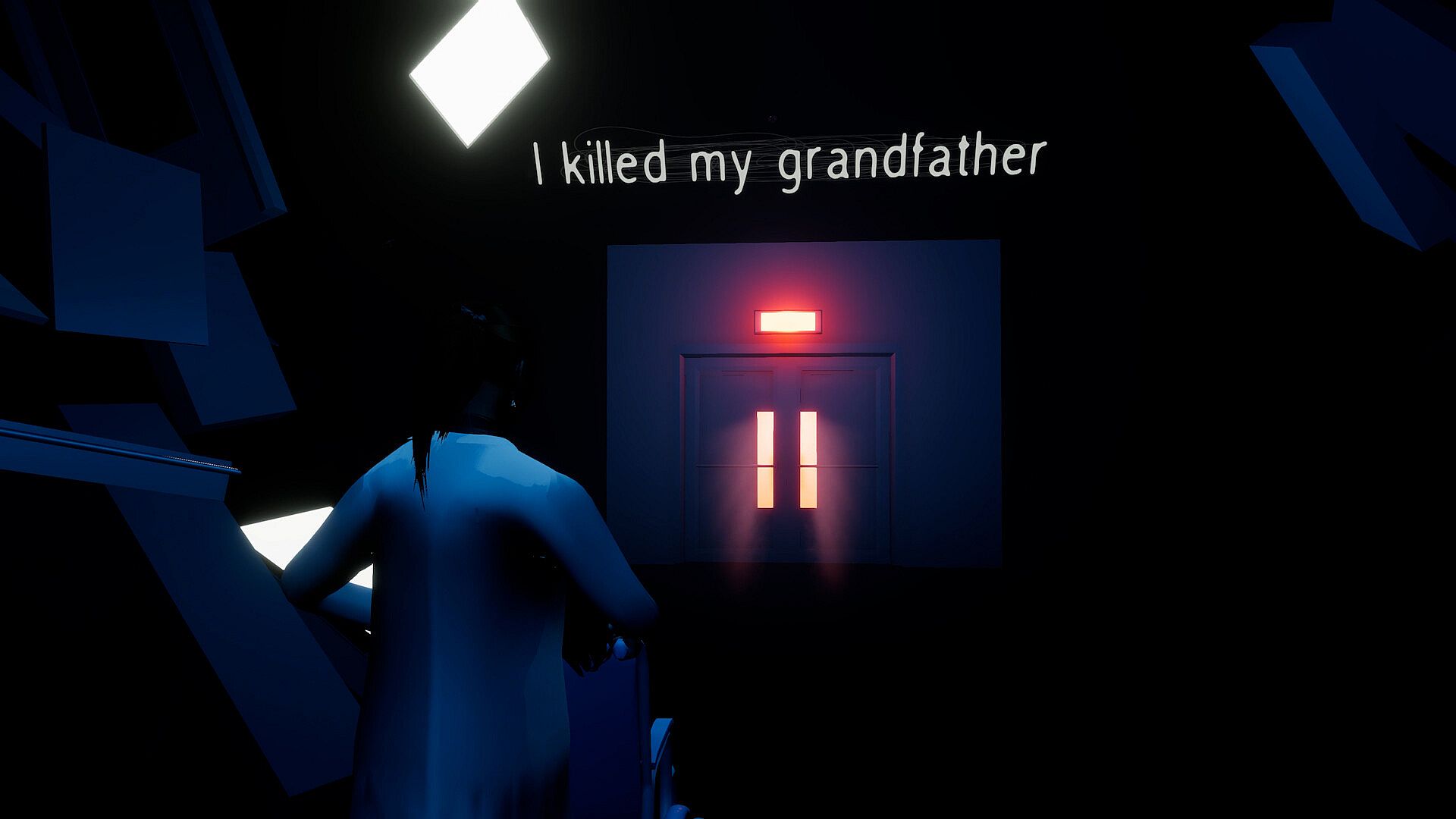
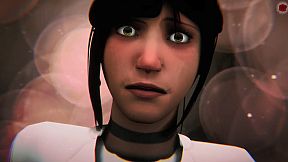
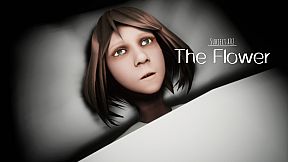
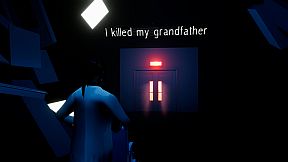
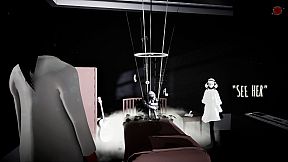
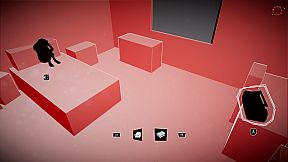
Undying Flower is an indie adventure game developed for PC that blends walking simulator mechanics with visual novel-style sequences. Players follow Nala as she enters an experimental treatment designed to confront and potentially erase deep-seated trauma and regret tied to a tragic event in her past.
Gameplay
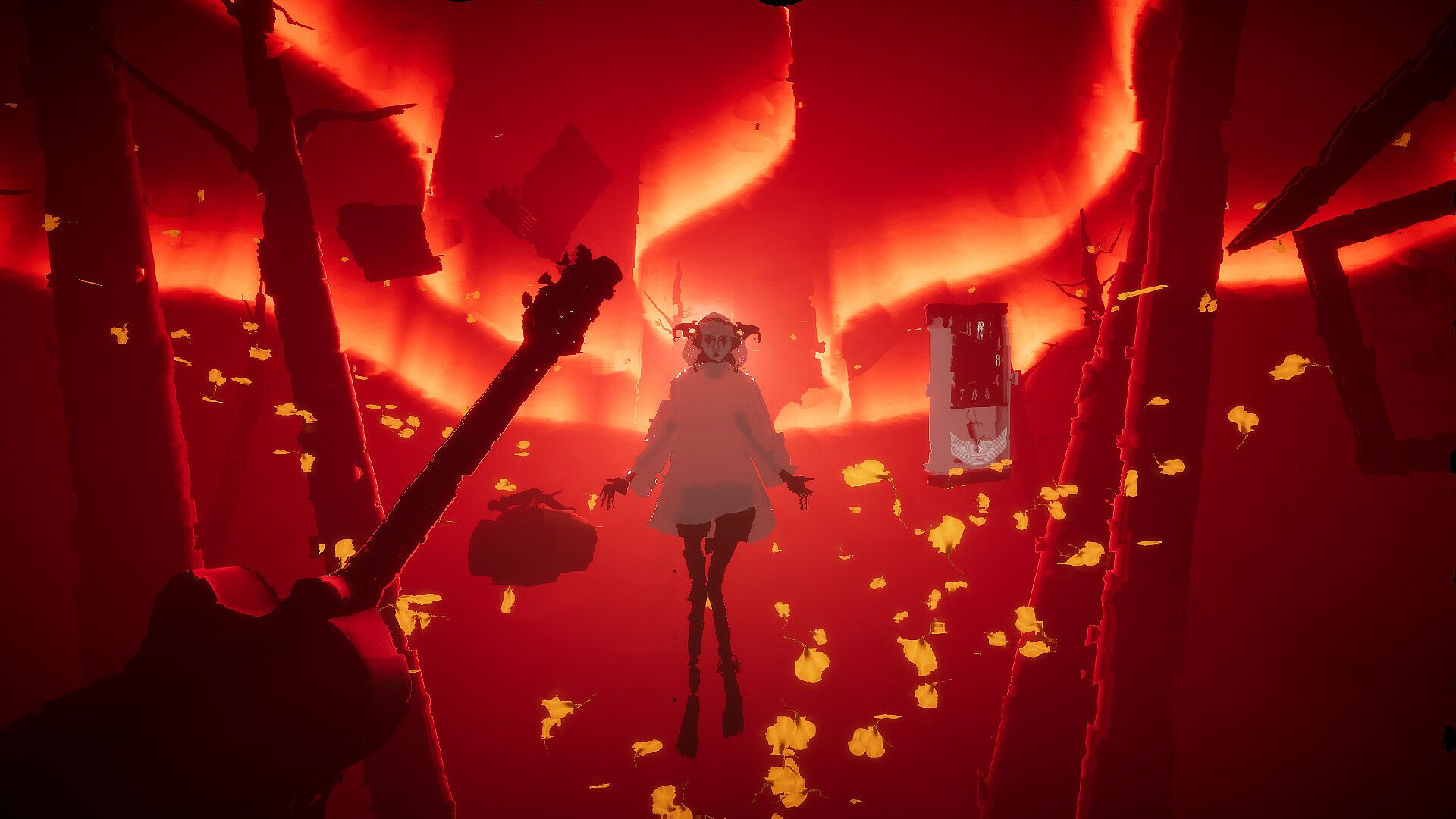
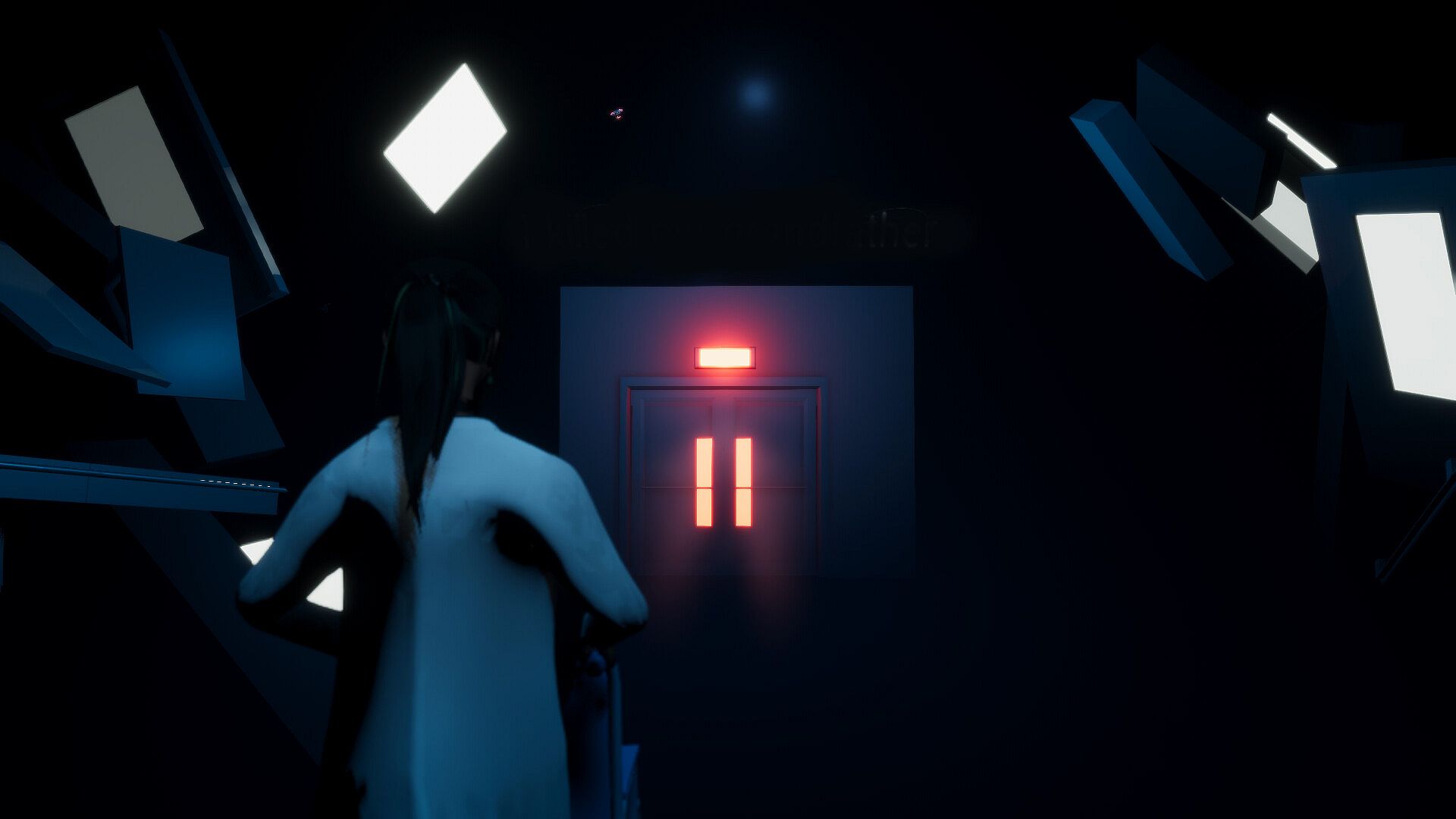
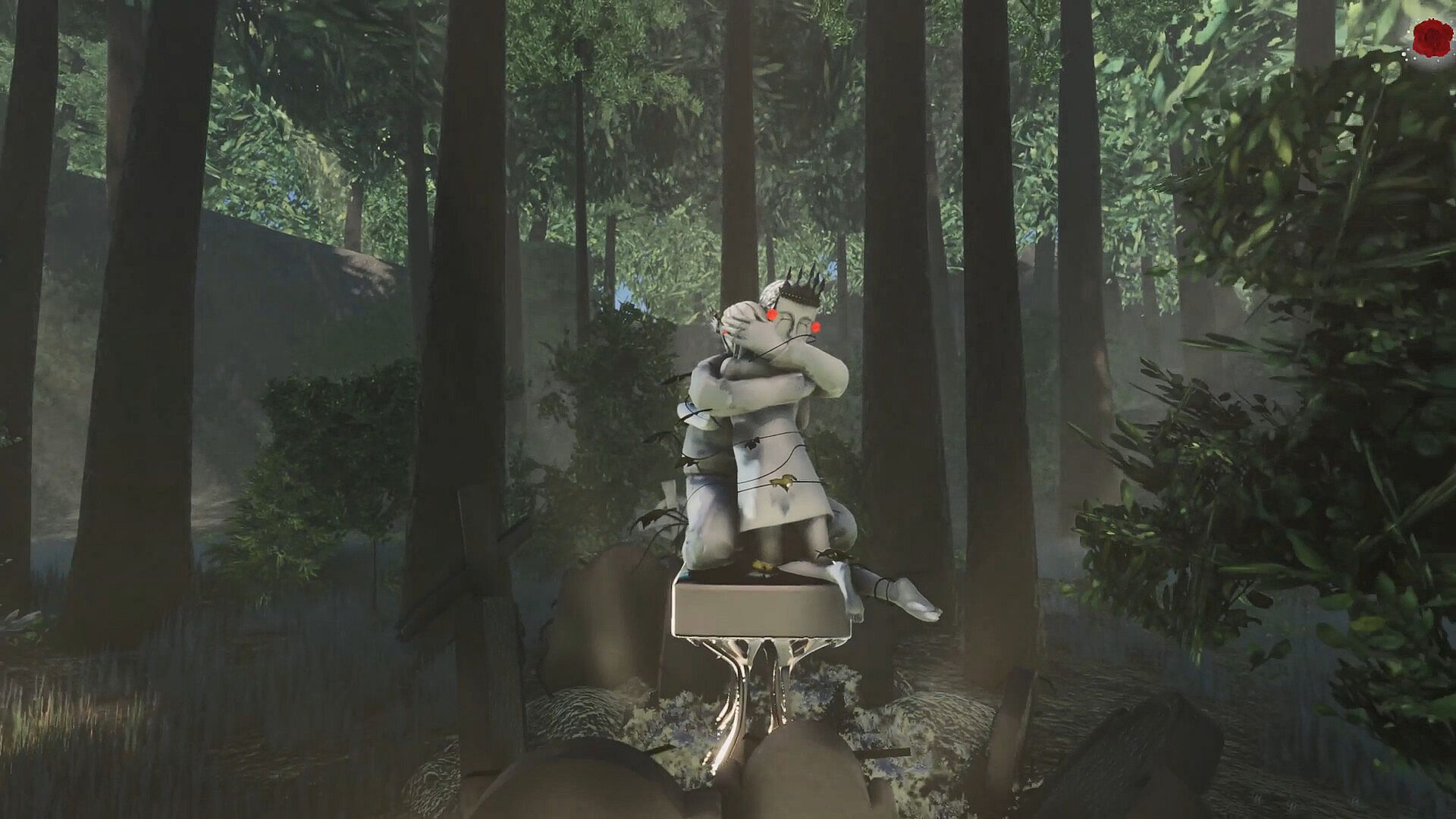
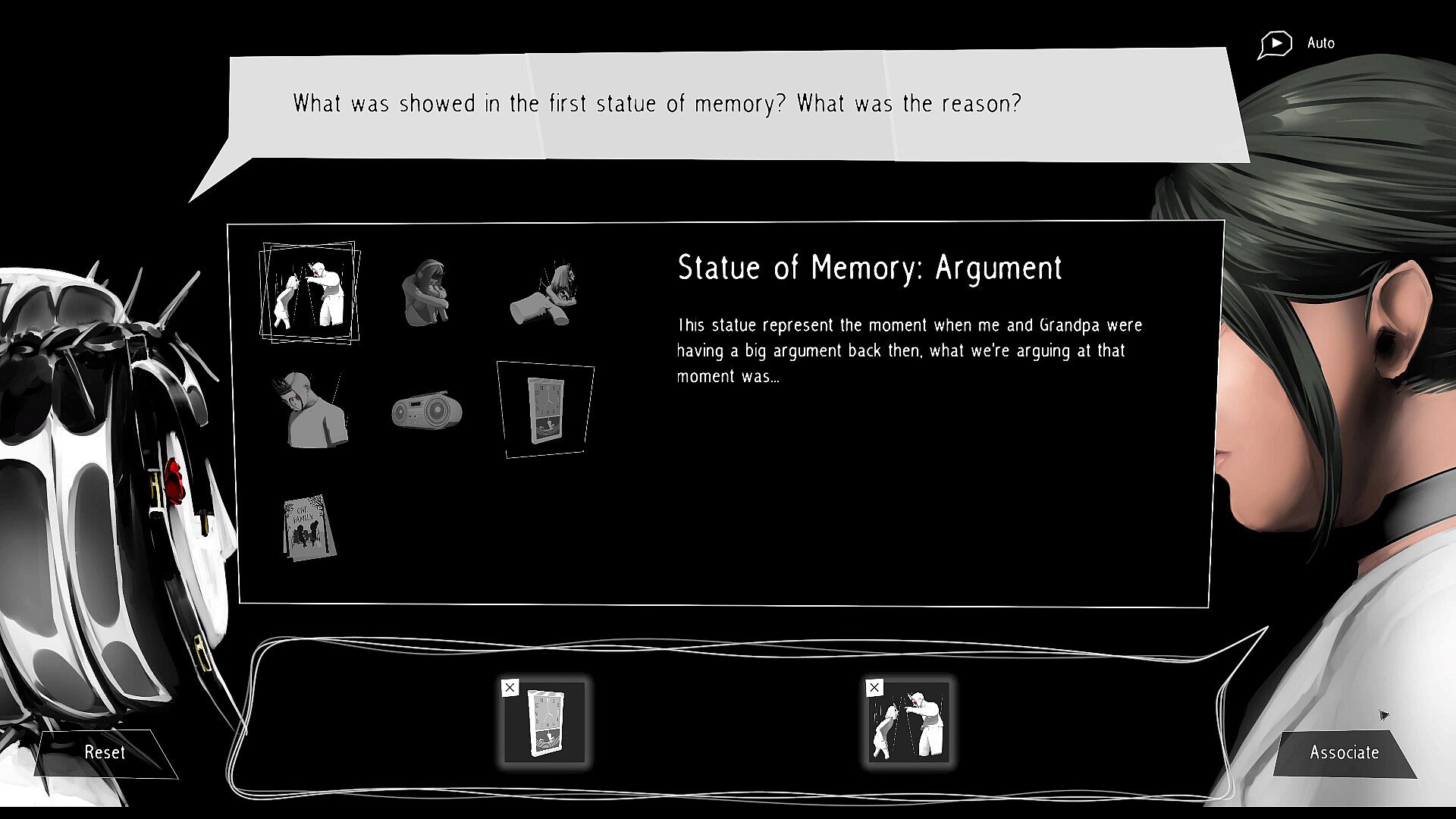
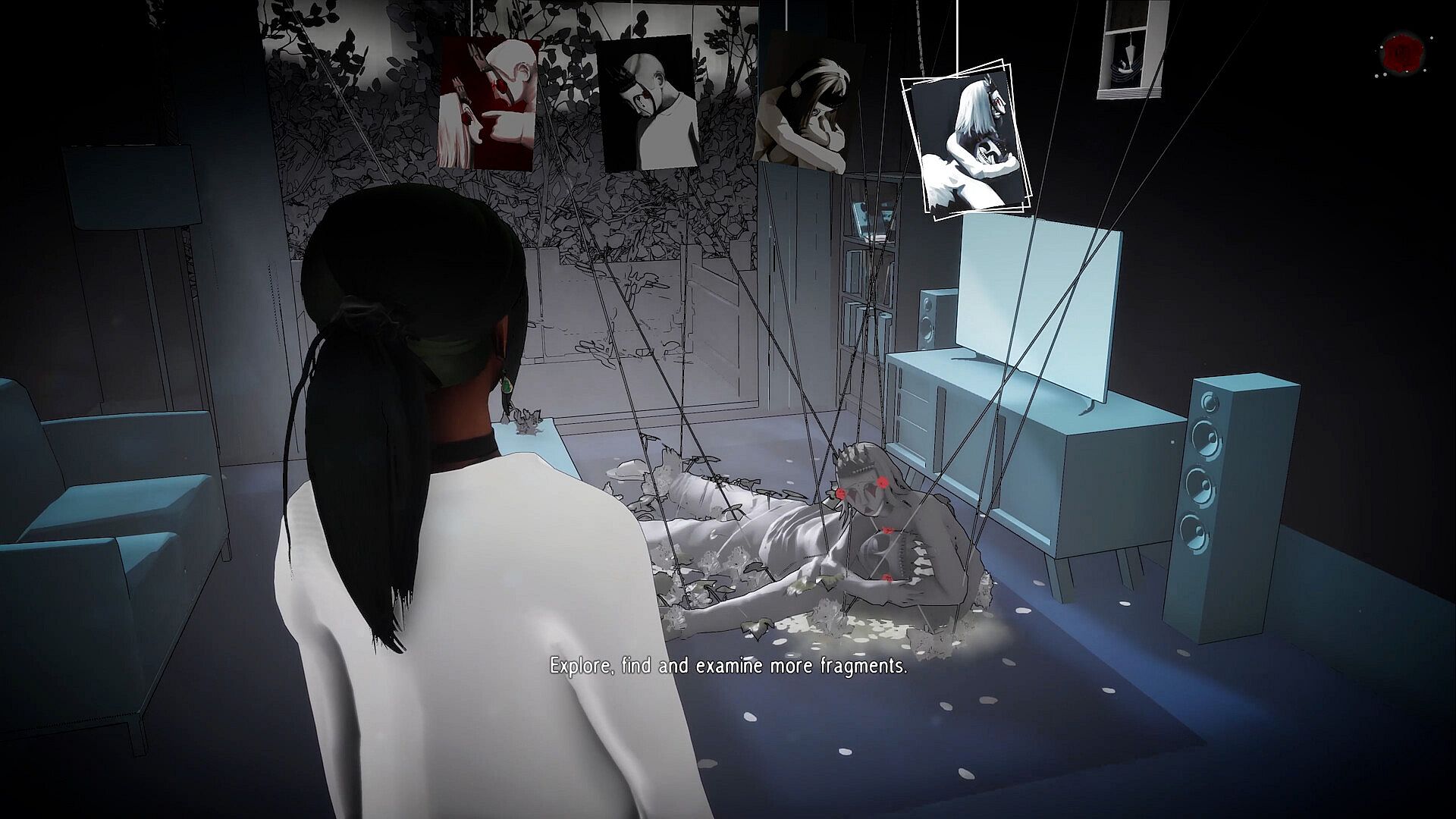
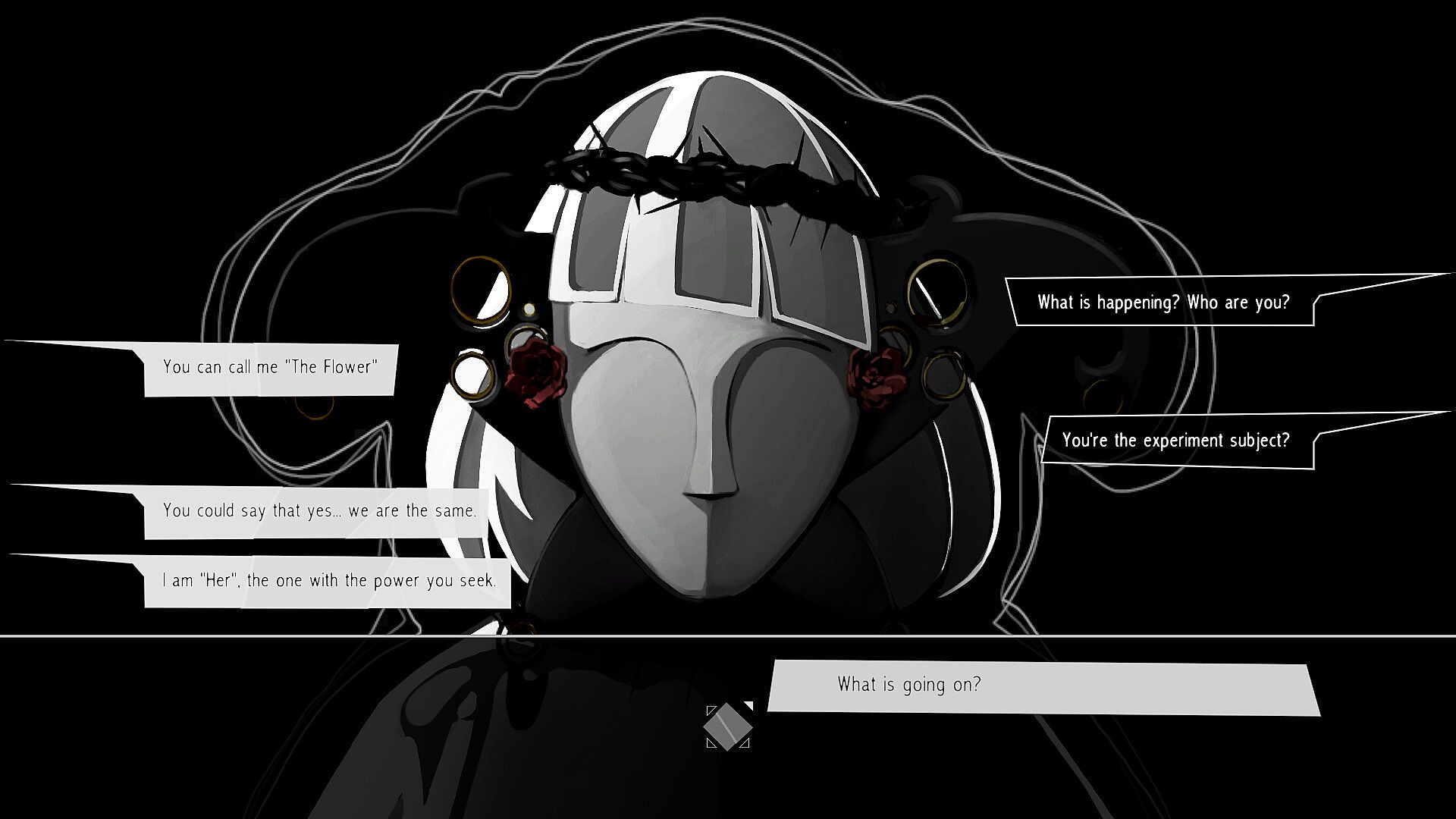
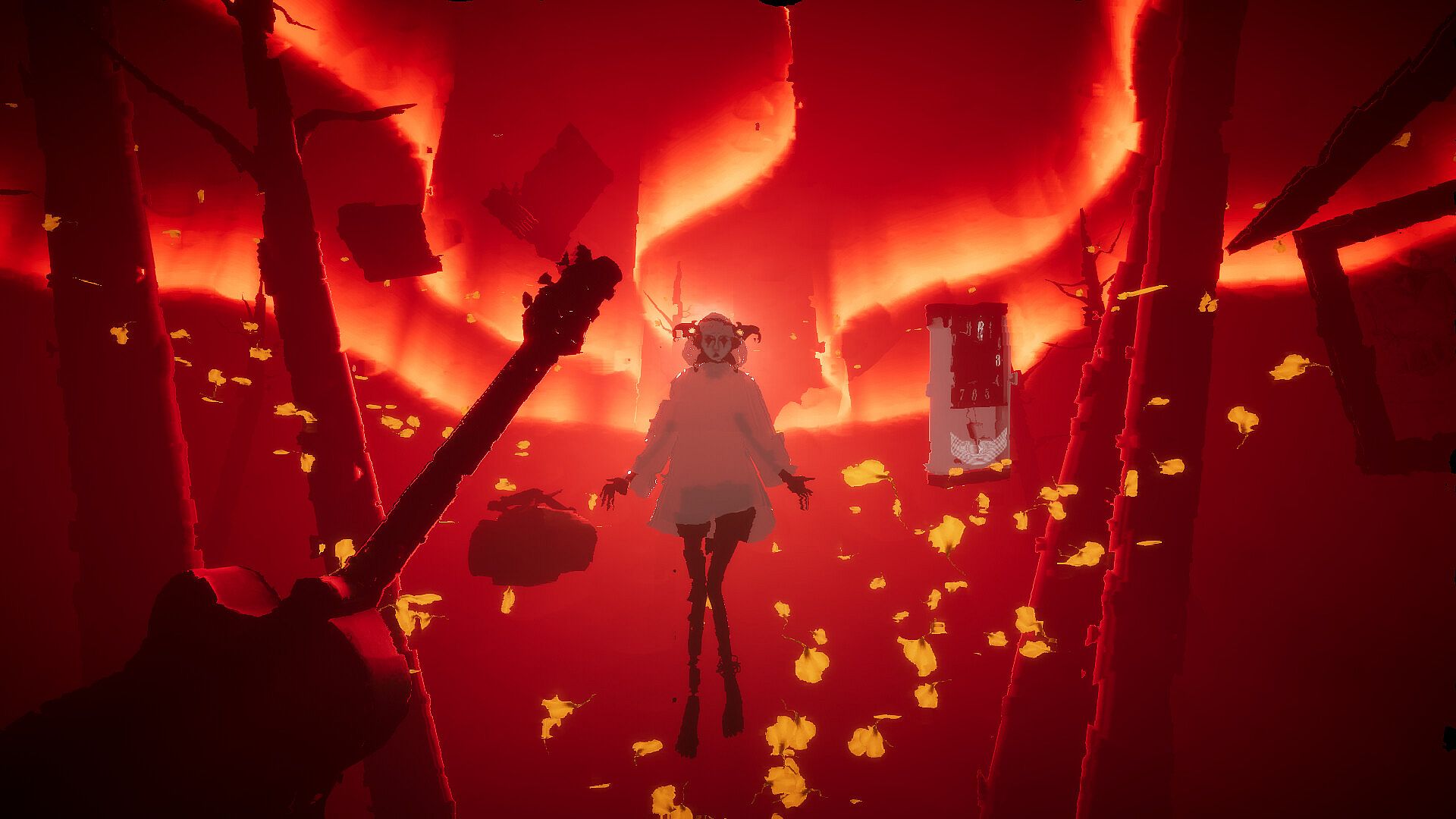
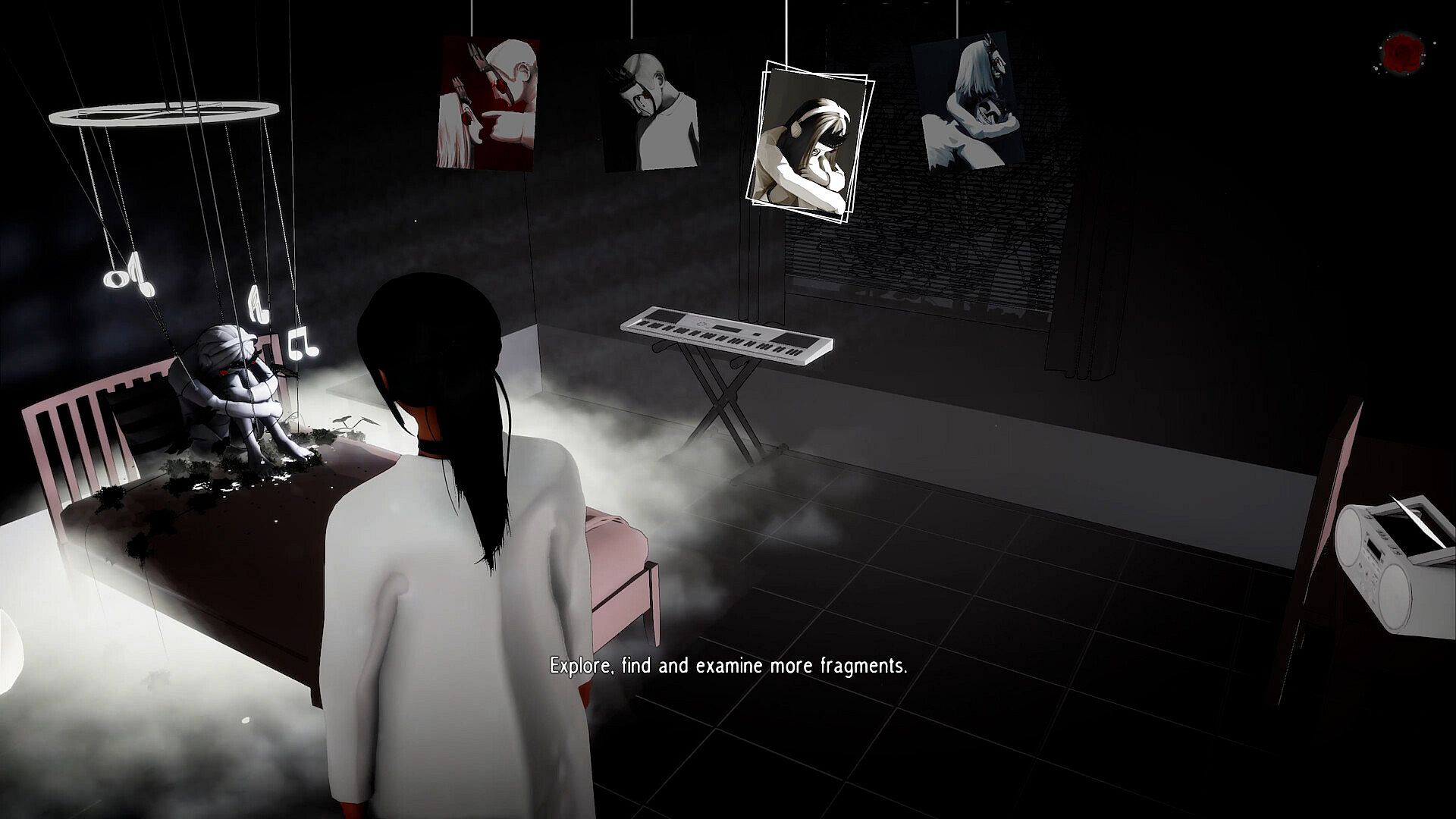
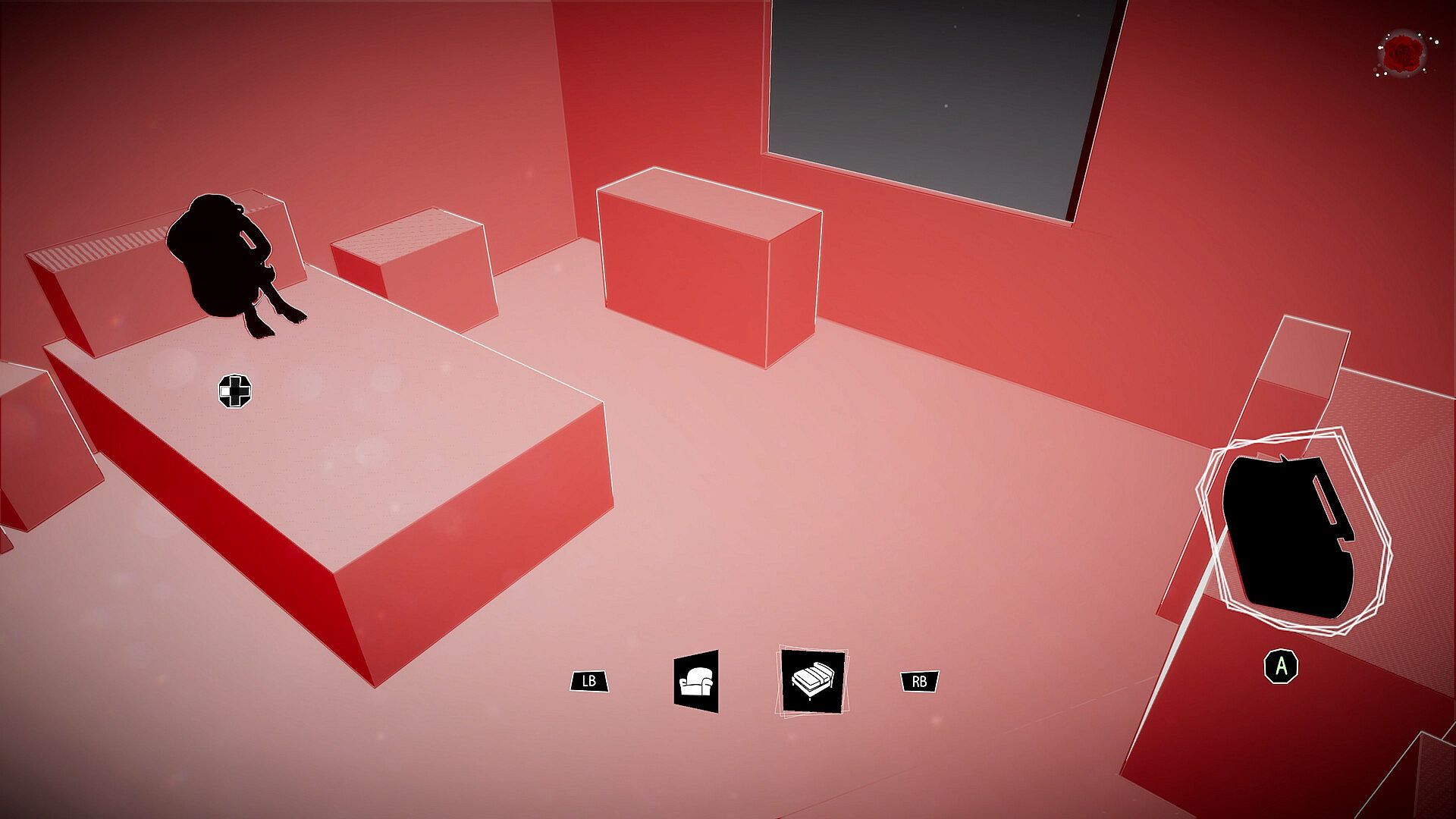
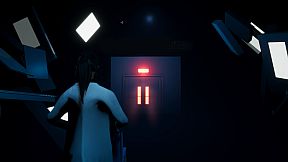
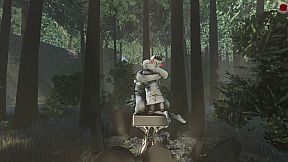
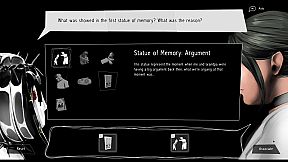
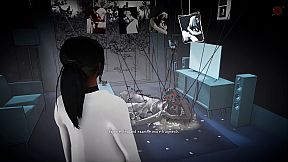
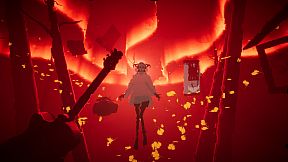
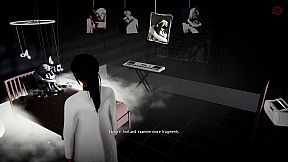
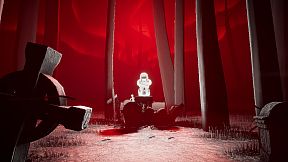
The core loop centers on slow, deliberate exploration through surreal, memory-based environments. Players control Nala in third-person view, moving through painterly landscapes that shift between dreamlike and nightmarish tones. Interaction is minimal but purposeful, limited to examining select objects that trigger dialogue exchanges revealing differing perspectives on past events. These moments alternate between Nala's viewpoint and that of her late grandfather, highlighting contrasts in recollection without requiring complex inputs or timed actions. Occasional summary quizzes appear after key memory segments, prompting players to recount details from what they have observed, with the option to retry without penalty if answers do not align. Movement feels measured and atmospheric, emphasizing immersion in the emotional weight of each scene rather than challenge or speed. The experience remains linear, guiding players forward through a series of interconnected memory imprints while the wilting flower serves as a recurring visual motif and narrative anchor.
Game Modes
Undying Flower presents its content as a single continuous narrative experience with no separate modes or branches. The entire journey unfolds in one cohesive playthrough focused on memory reconstruction and personal reflection. Players progress sequentially through stylized flashbacks and present-day laboratory sequences, with the quiz elements serving as integrated checkpoints rather than optional side activities. This structure keeps the focus squarely on uncovering layered truths about family dynamics, loss, and guilt, allowing the story to unfold at its own deliberate pace without interruptions from competitive, cooperative, or replay-oriented systems.
Story and Themes
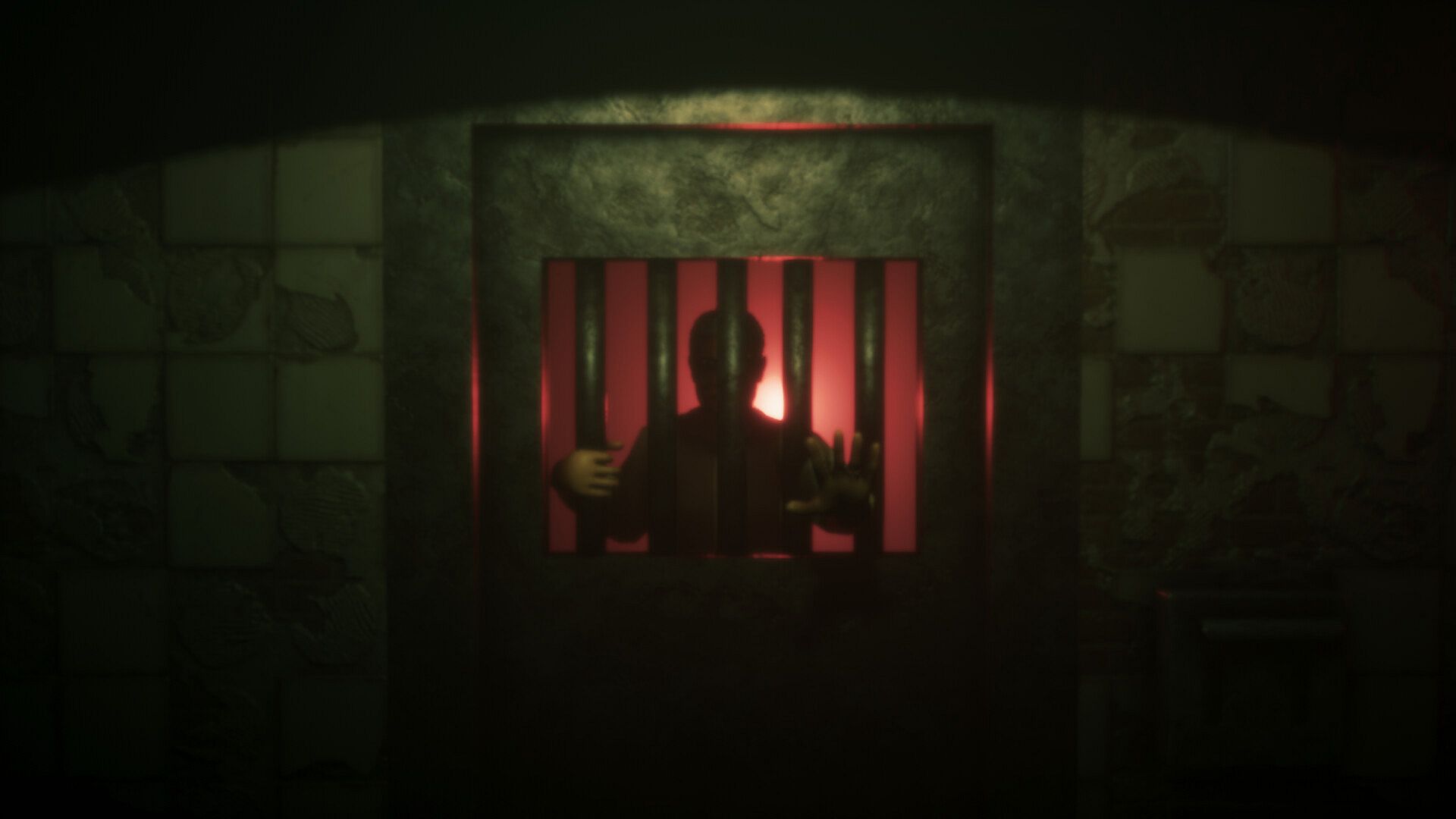
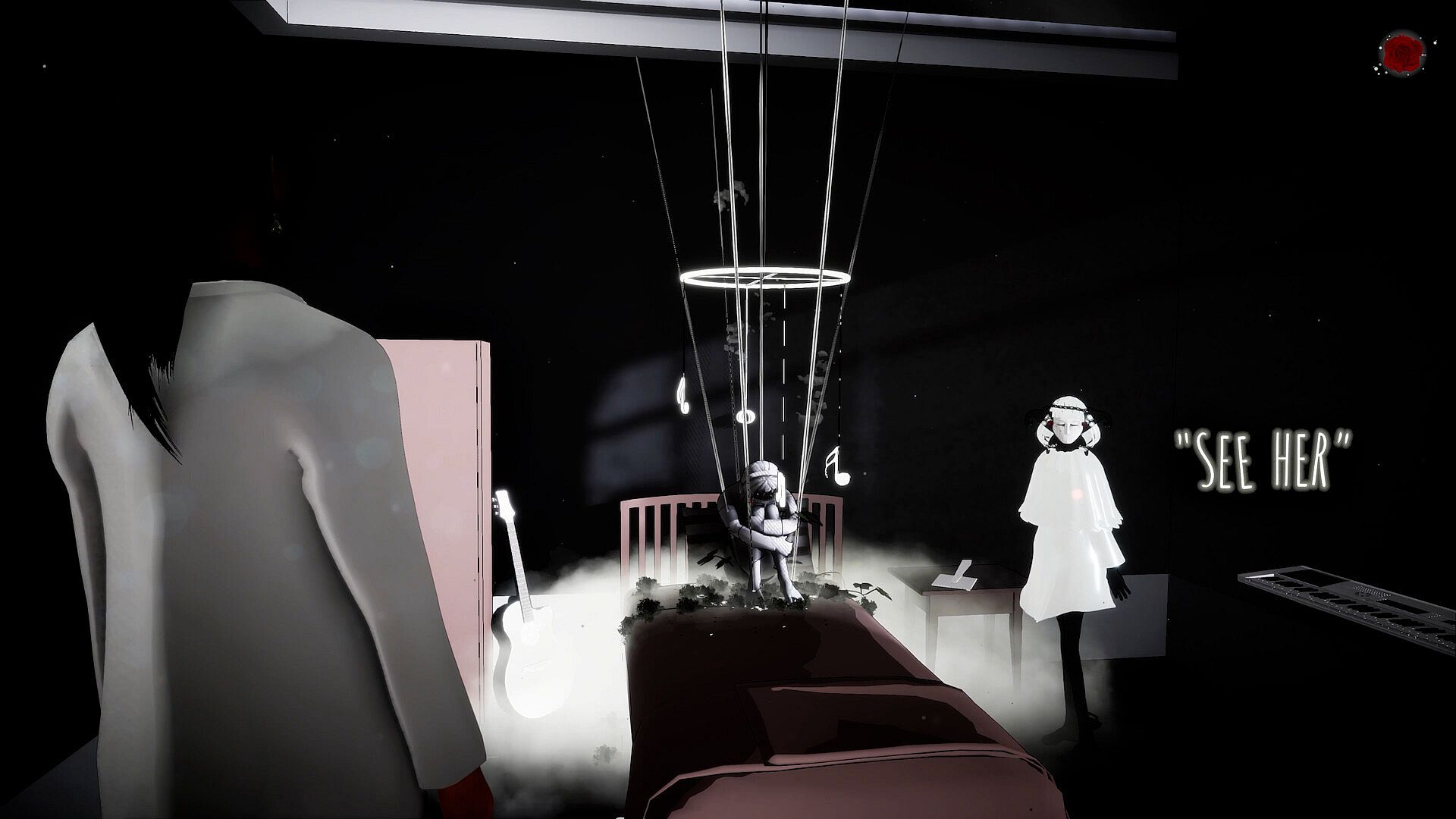
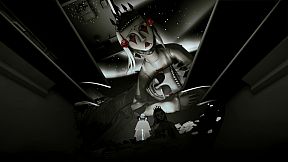
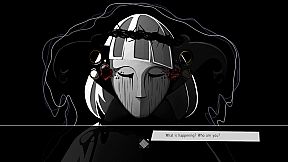
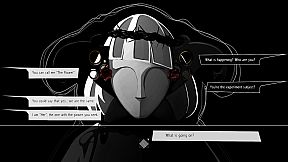
The narrative follows Nala's attempt to process the accidental death of her grandfather through an experimental memory interface hosted by a child subject known as The Flower. Shared recollections reveal moments of joy alongside sorrow, gradually exposing the events leading to the central tragedy. Dialogue choices during object interactions provide dual accounts of the same incidents, underscoring how individual perceptions shape understanding of regret. The story explores themes of forgiveness, the limits of altering the past, and the emotional cost of seeking absolution, presented through abstract sequences that include static masked figures and floating text elements for added visual emphasis. Mature subject matter involving trauma and grief appears throughout, handled with restraint and without graphic depictions.
Visual Style and Presentation
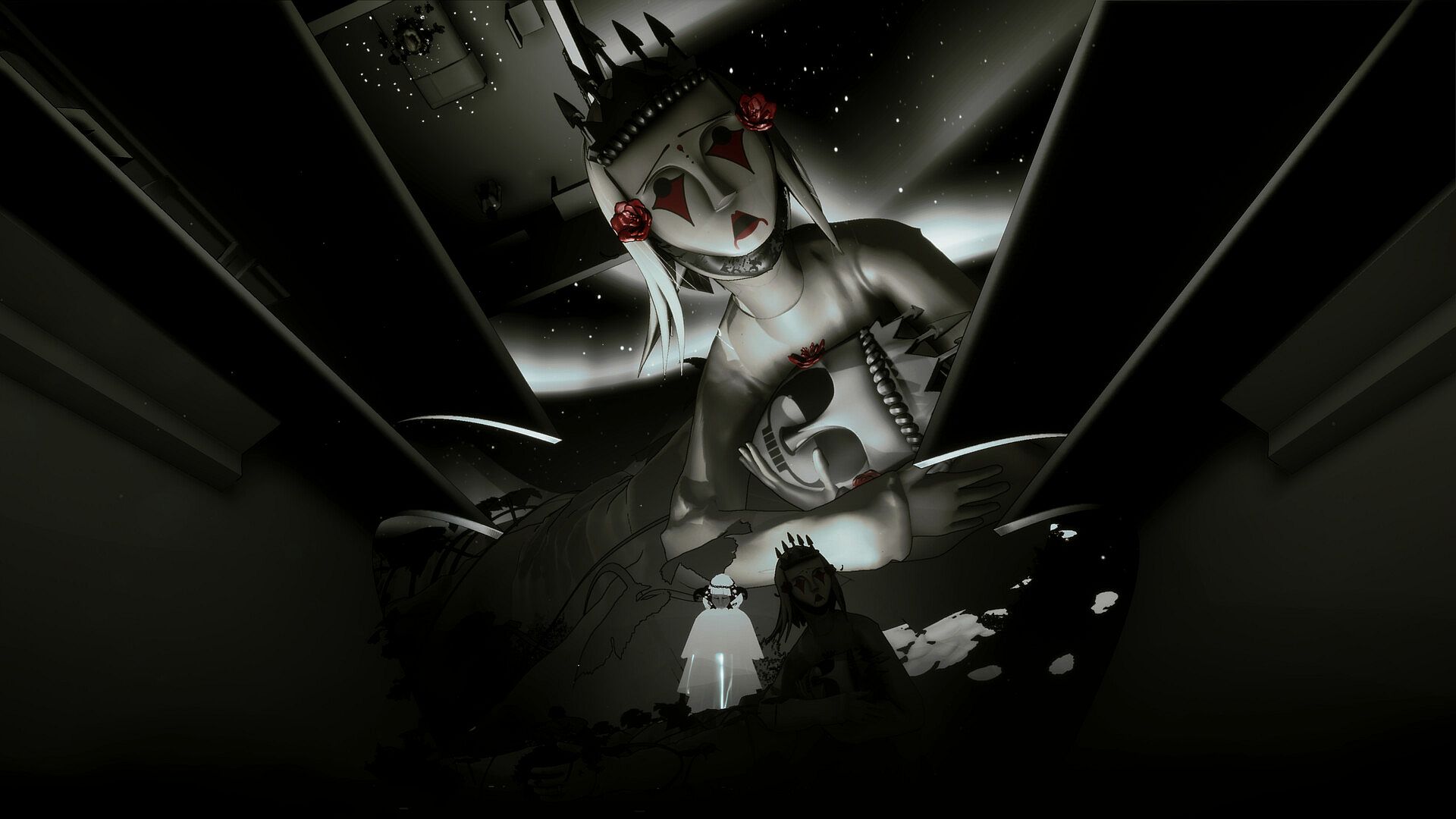
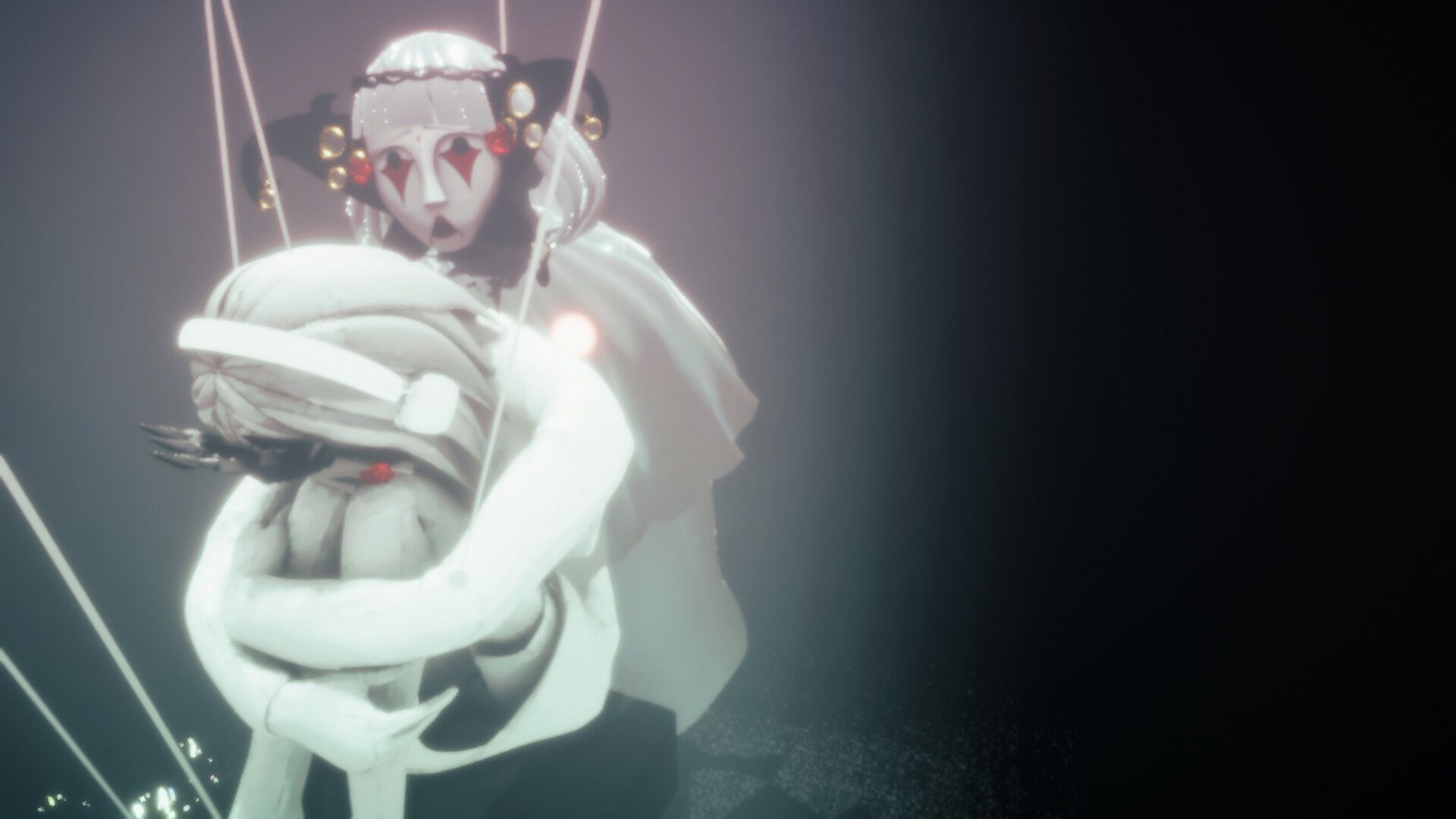
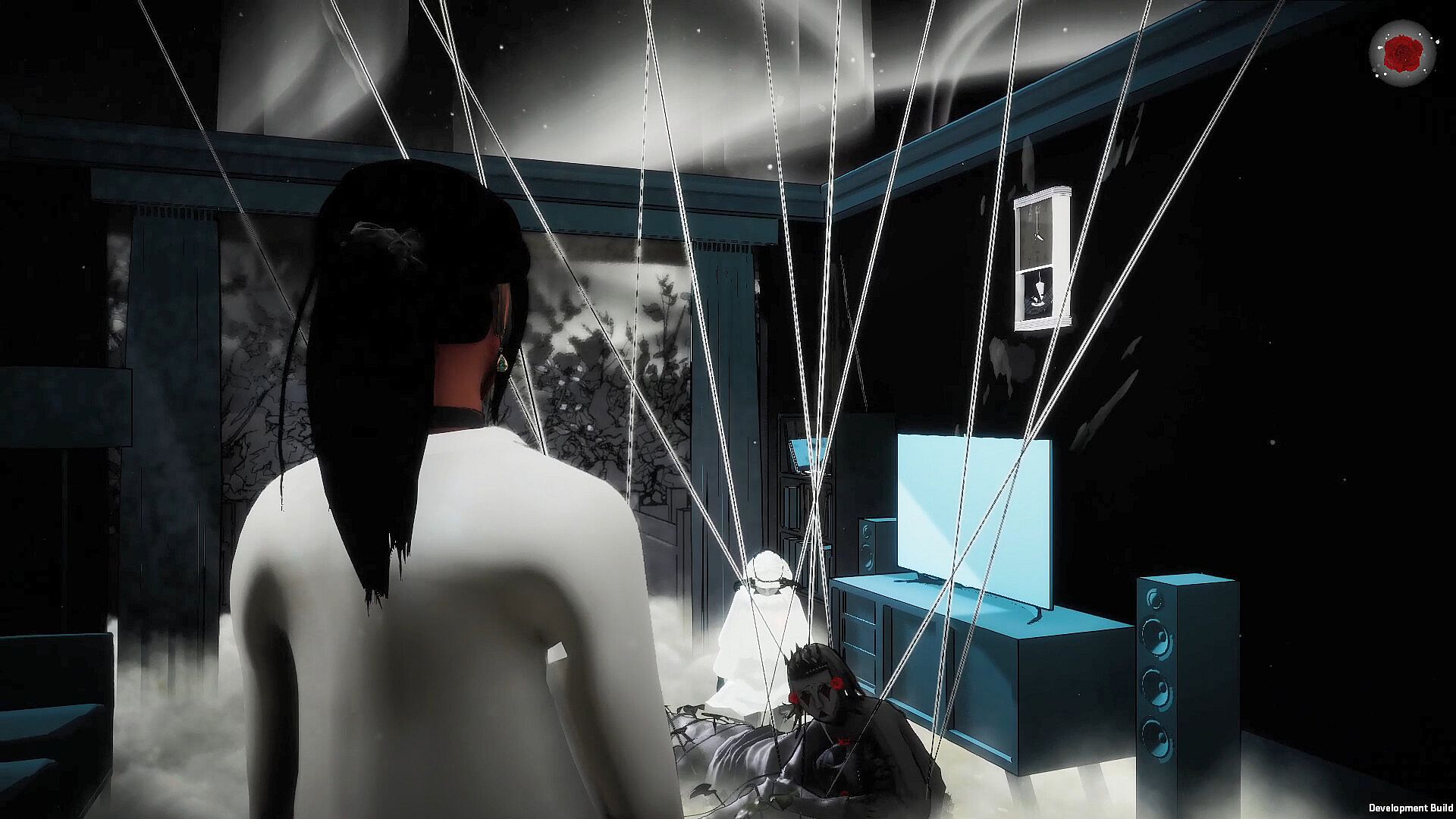
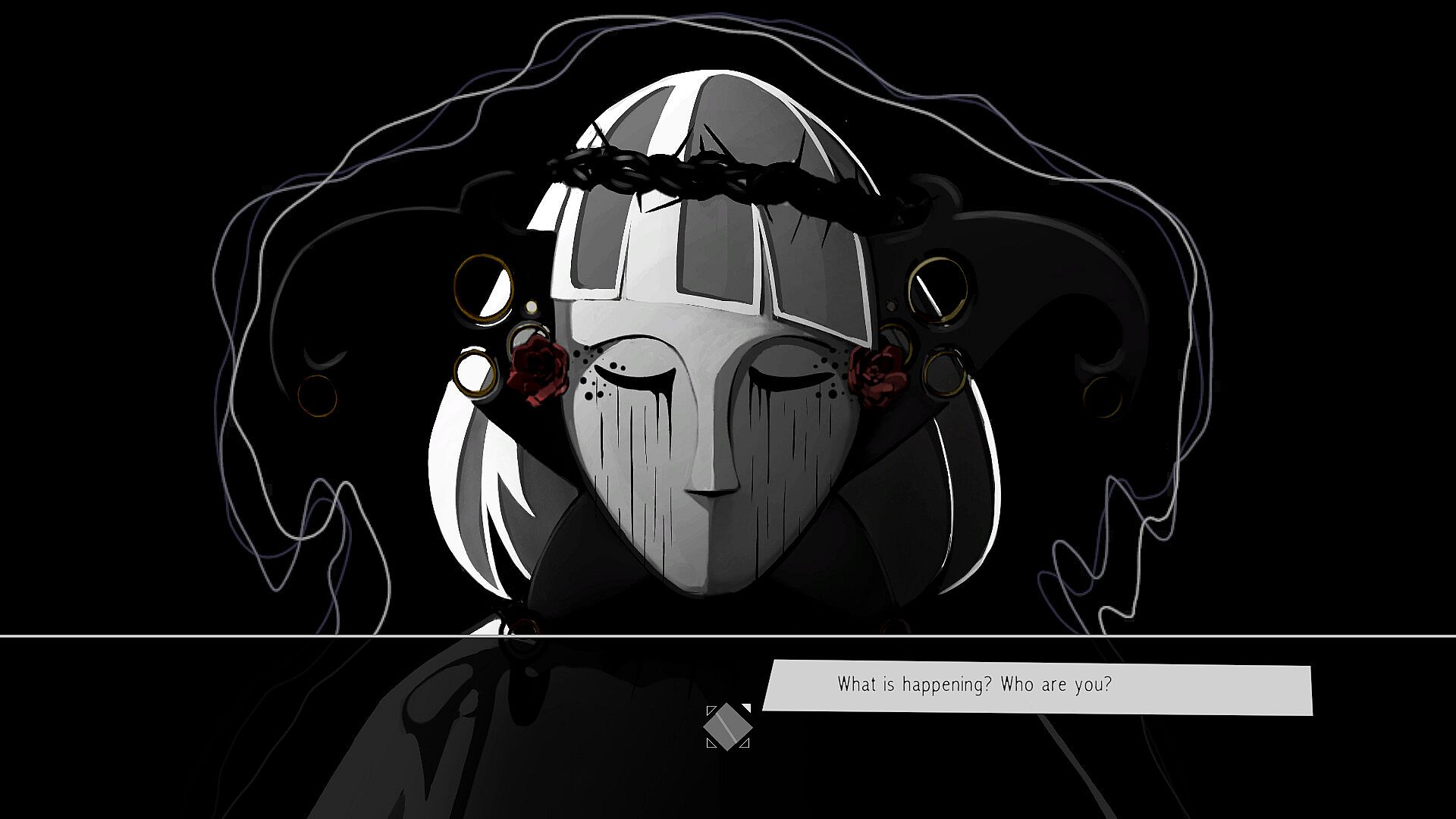
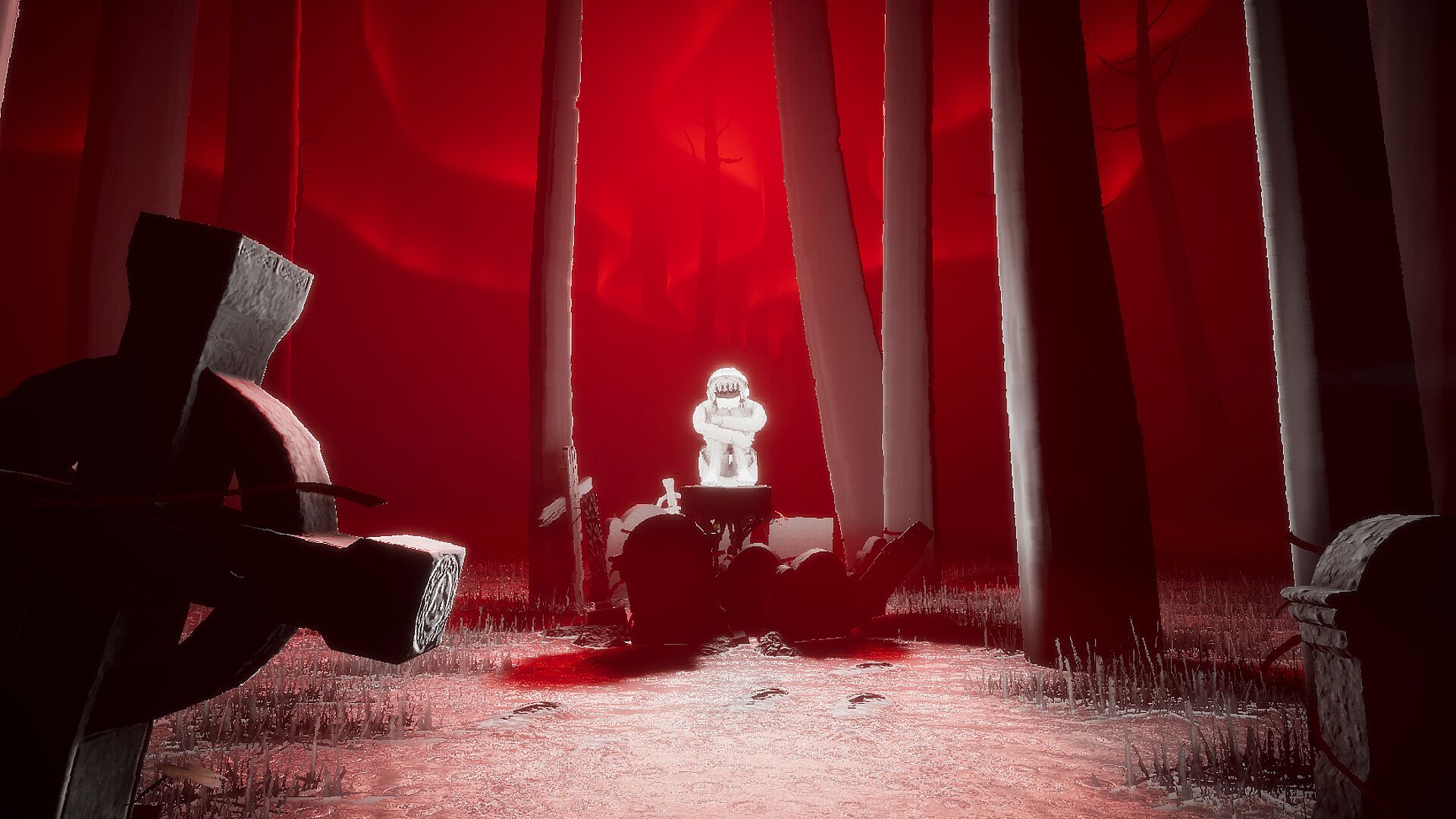
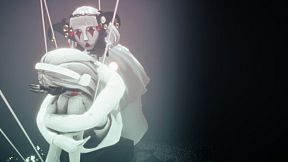
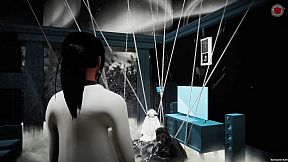
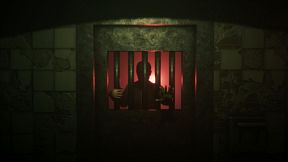
Art direction stands out through its use of contrasting palettes, primarily black and white with selective red accents that evoke both theatrical masks and emotional intensity. Memory scenes feature marionette-like character models suspended by strings, creating a performative, diorama effect that reinforces the theme of relived events. Exploration segments shift to expansive voids or distorted environments, accompanied by atmospheric piano-driven music that underscores isolation and introspection. Text overlays appear dynamically during key moments, displaying single words or phrases that heighten tension without relying on voice acting beyond one brief cutscene. The overall presentation prioritizes stylistic consistency over technical polish, resulting in a distinctive look suited to its introspective tone.
Is It Worth Playing?
Player feedback on Steam shows strong approval, with 96 percent positive ratings from a modest number of reviews. The game suits those who appreciate short, emotionally focused experiences that prioritize atmosphere and storytelling over mechanical depth or replayability. At roughly one to five hours in length, it delivers a complete arc without unnecessary padding, making it accessible for players seeking a contemplative single-session narrative. Individuals drawn to surreal walking simulators and themes of memory and loss will find the deliberate pacing and visual artistry rewarding, while those preferring action, puzzles, or branching choices may find the limited interactions repetitive. Current support appears centered on the base release with no announced expansions or seasonal content, positioning it as a standalone title best approached for its focused emotional journey rather than ongoing engagement.