

















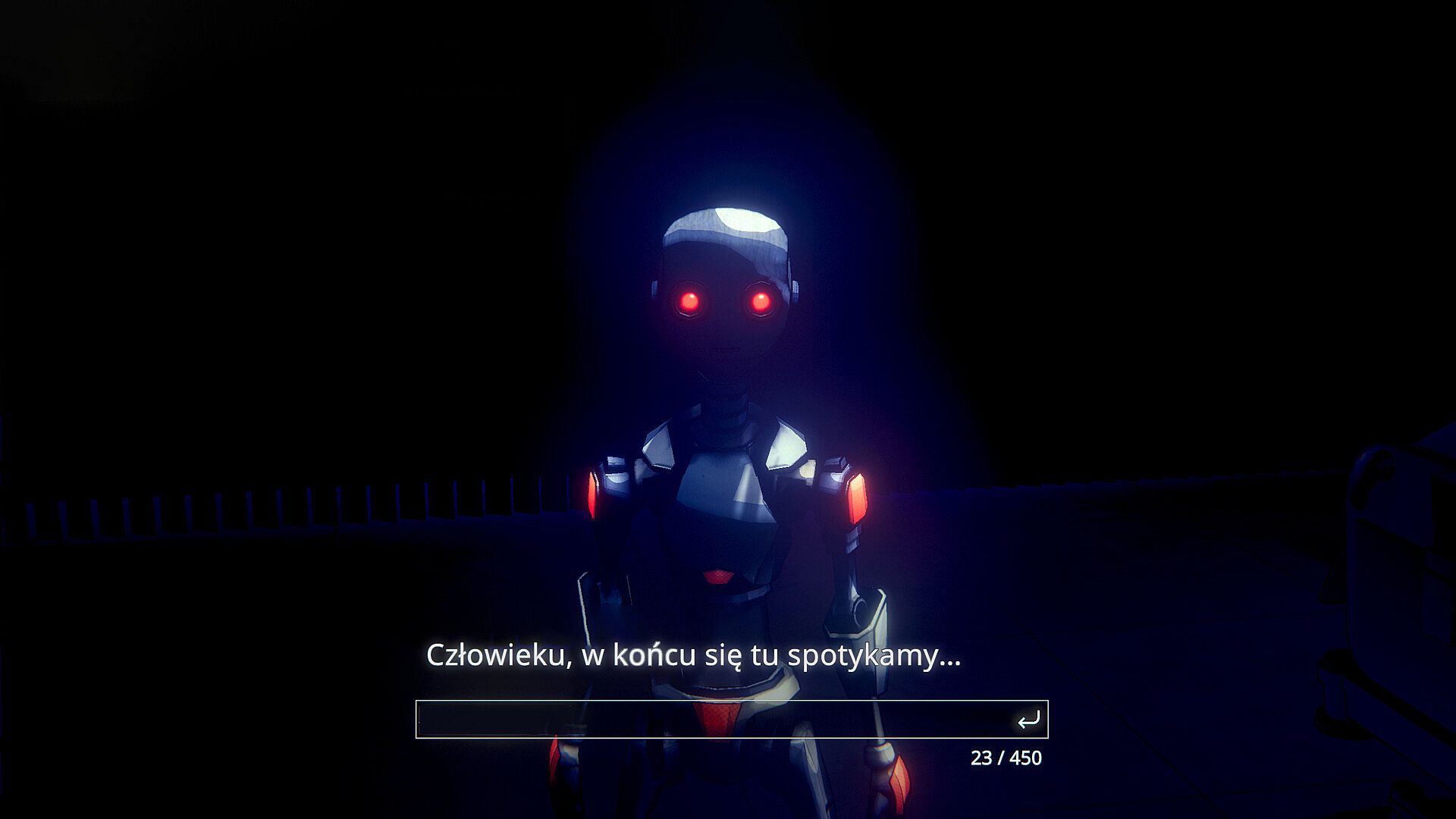


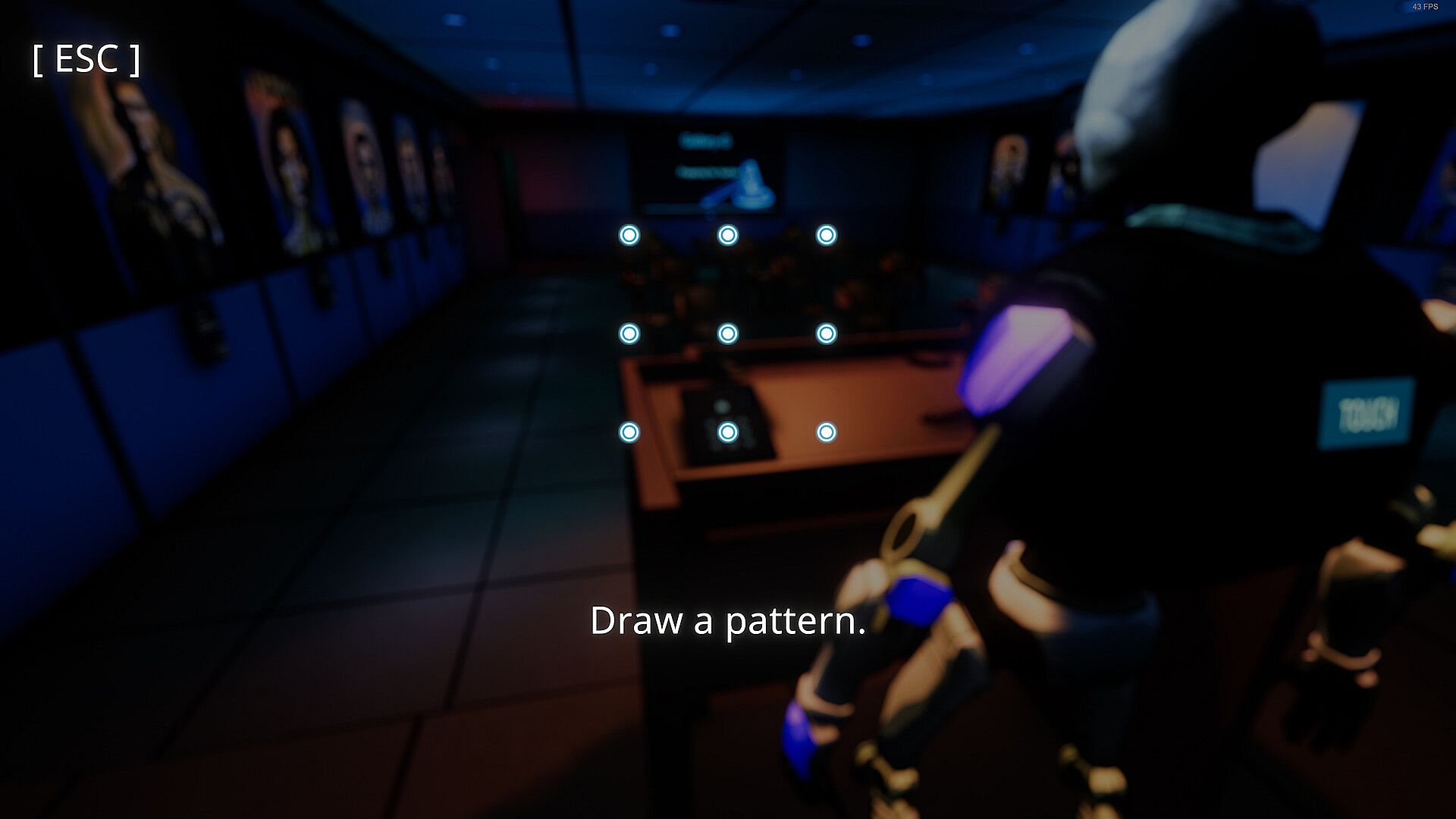
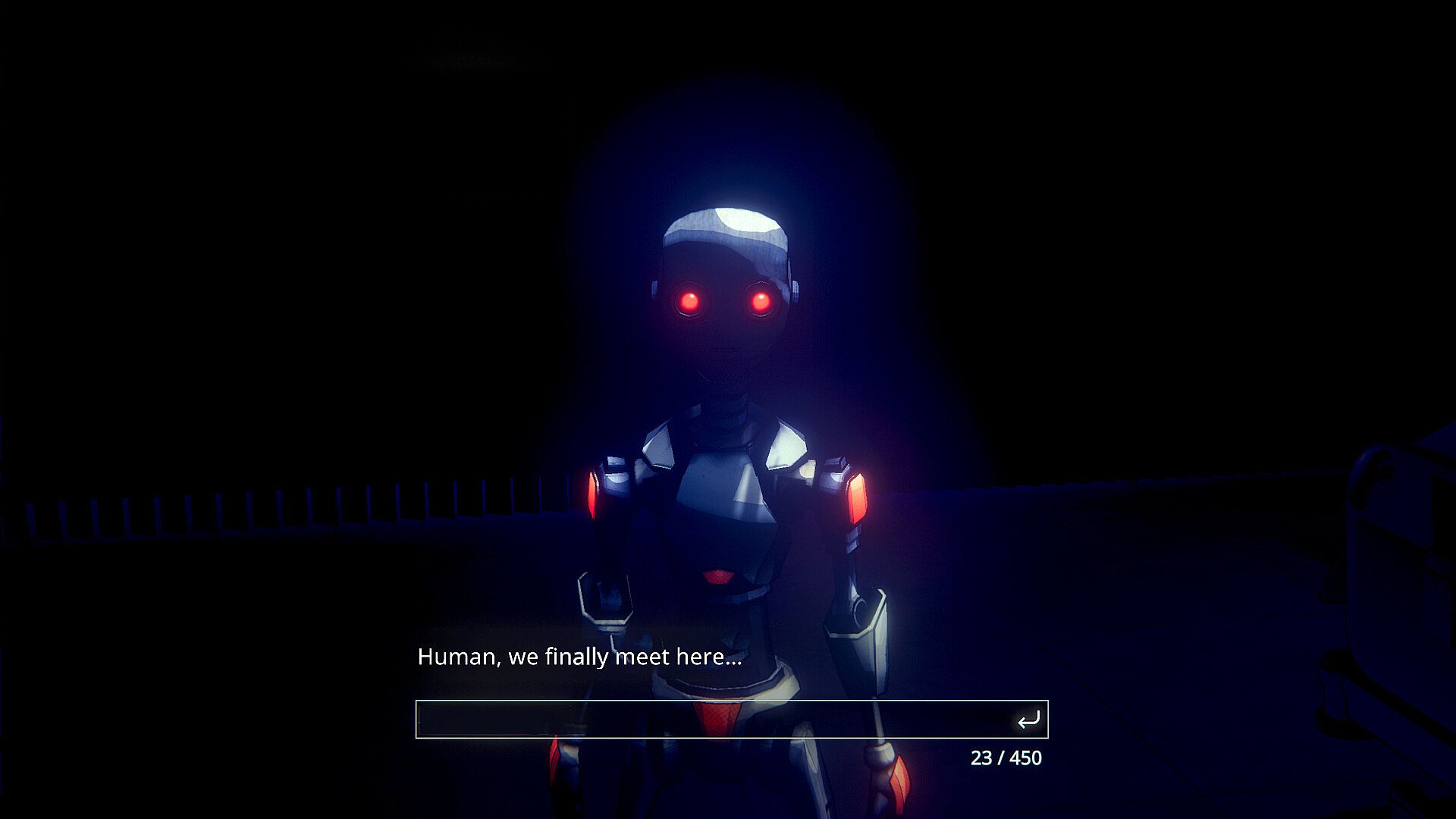









Uncover the Smoking Gun is a single-player strategy, indie, casual, simulation, and adventure game set on PC. Players take the role of an investigator in a 2030 world where humans and robots share daily life, and a string of murders points to robotic suspects tied to an experiment known as Project Atlas. The experience centers on gathering physical evidence from crime scenes and conducting open-ended interrogations to separate truth from deception.
Gameplay
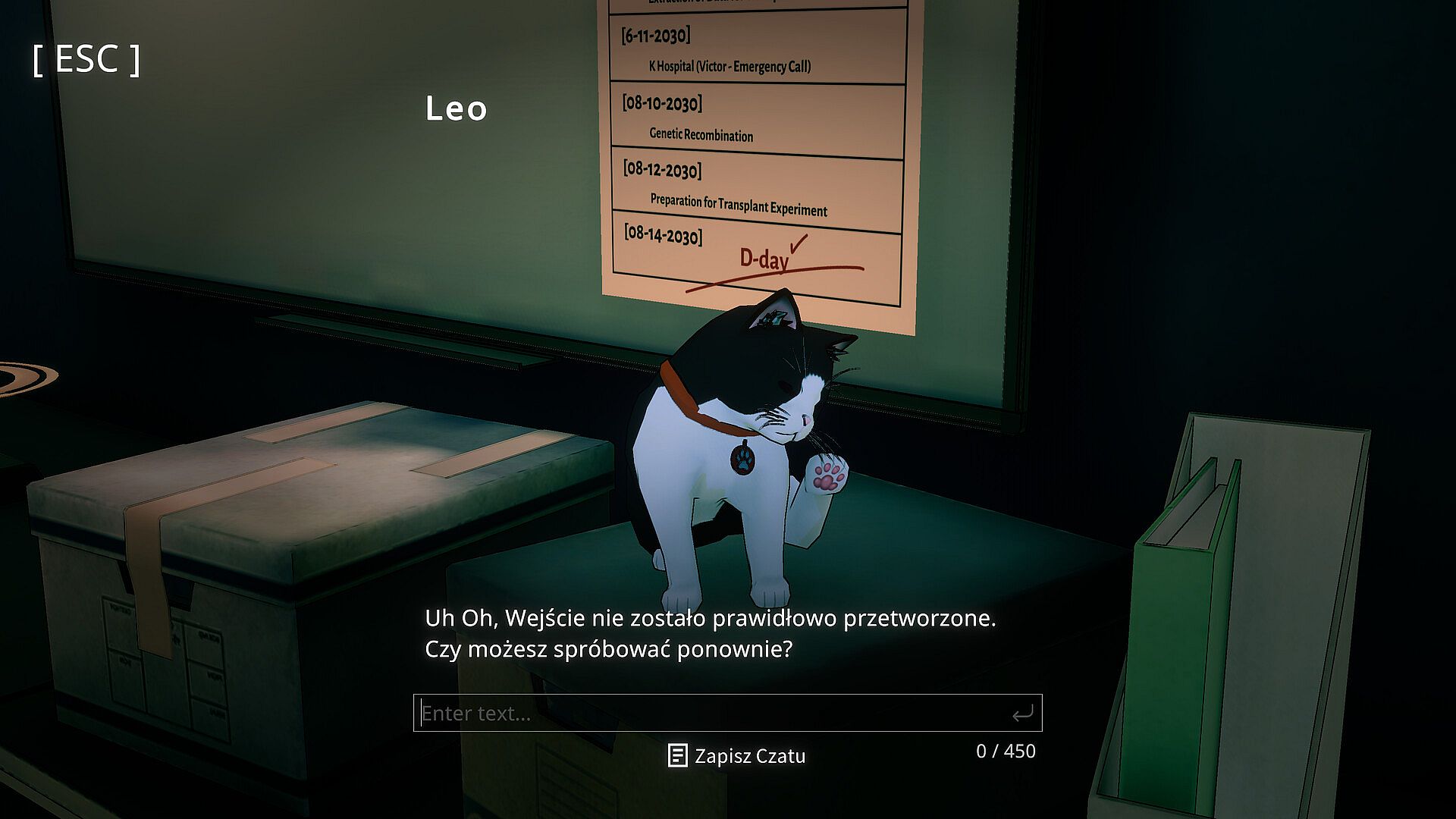
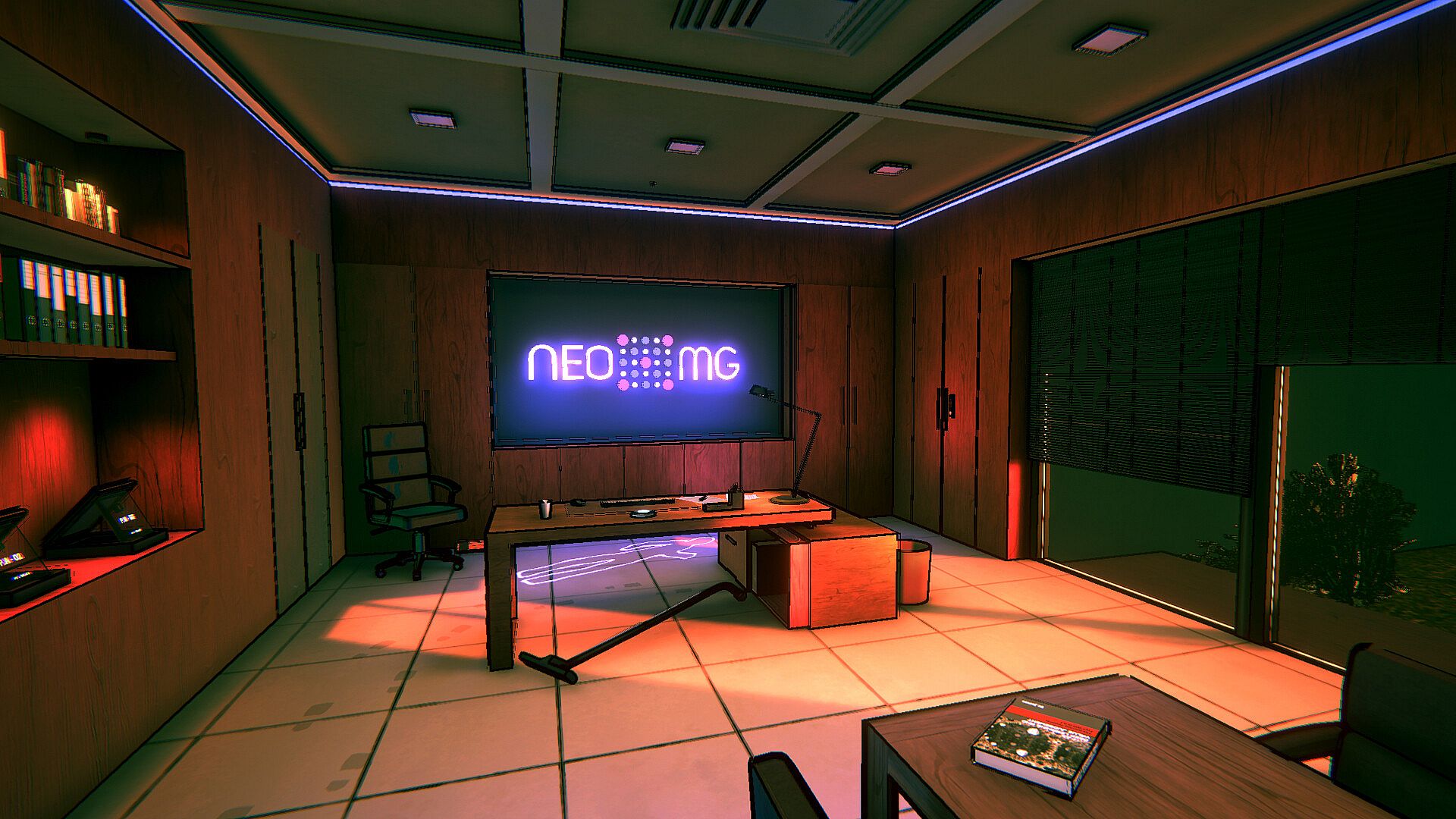
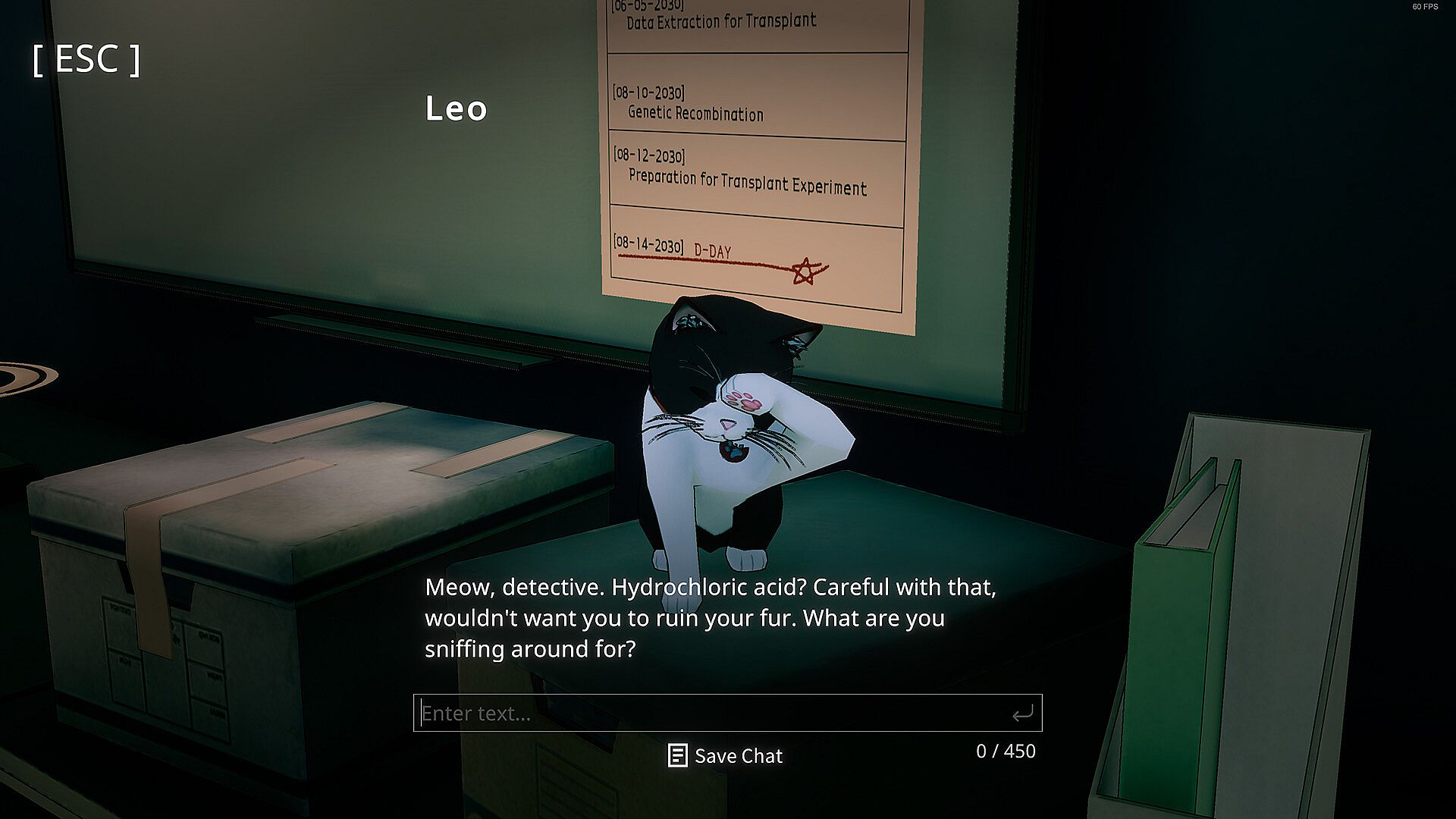
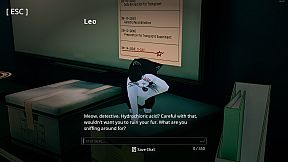
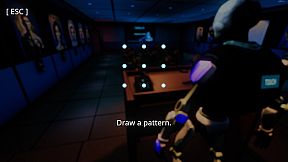
The core loop involves exploring detailed crime scenes to collect scattered clues such as documents, recordings, and objects. These pieces of evidence feed into conversations with suspect robots, where players type any question they choose rather than selecting from fixed options. Each robot maintains consistent knowledge and response patterns based on its role in the case, allowing the same query to yield different results depending on the individual being questioned.
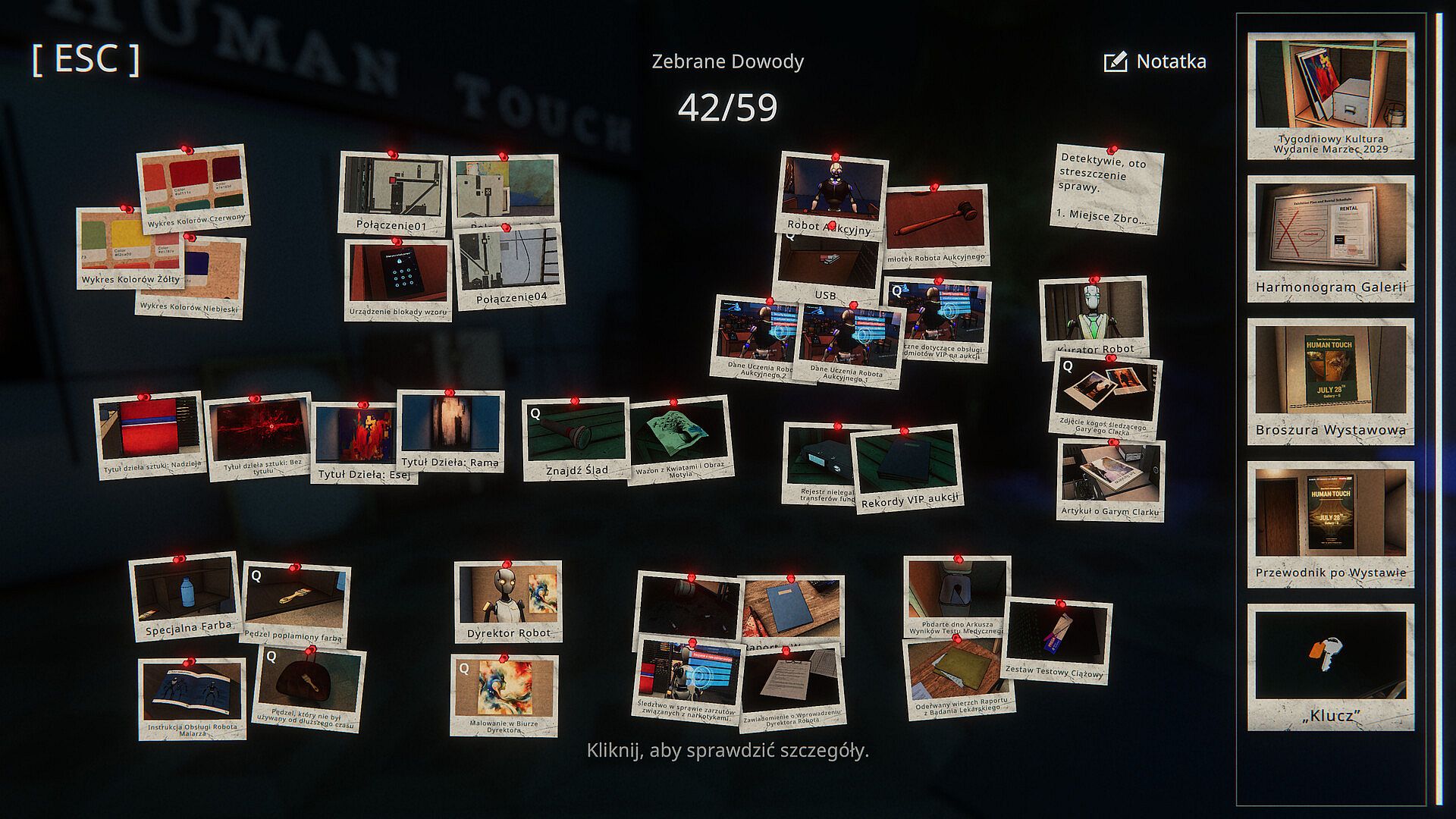
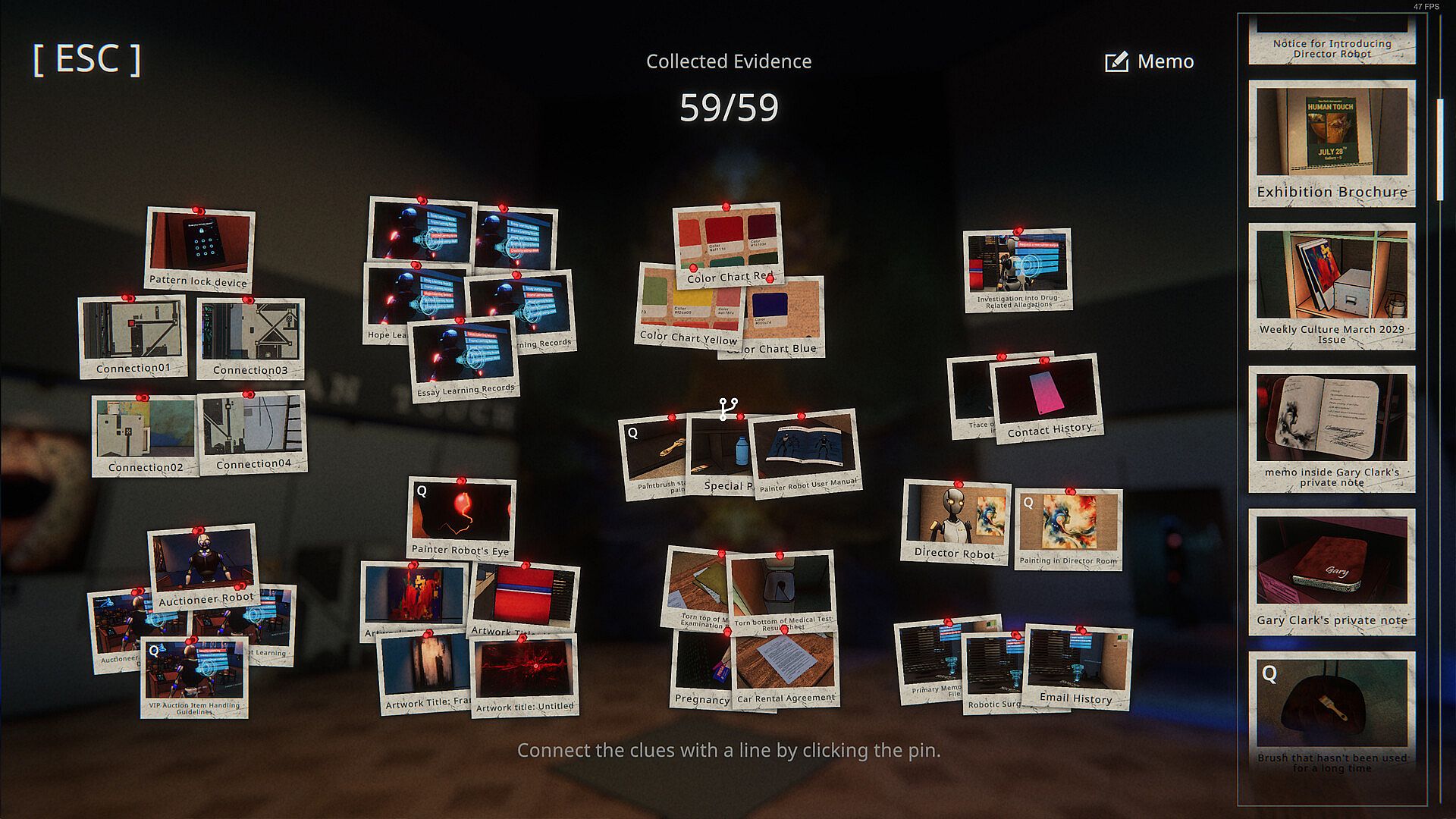
Progress relies on an investigation status board that tracks collected evidence and outstanding leads. Players must cross-reference information across multiple robots to identify contradictions or confirm connections to Project Atlas elements like Subject X, the Atlas Chip, and H.R.P. When a suspect appears to be the culprit, specific overload questions can push the robot into a confession state that reveals additional details about the incident.
The game emphasizes careful listening and logical deduction over action or combat. Every conversation builds on prior answers, so repeated or poorly framed questions can waste time while precise follow-ups unlock new branches of information. Hidden narrative layers emerge only after all relevant evidence is located and verified through dialogue.
Game Modes
The title structures its content across five distinct episodes, each presenting a self-contained murder investigation that contributes to the larger story arc. Within each episode, players move freely between crime scene exploration, evidence review on the status board, and robot interrogations without time limits or external pressure.
Progression follows a linear episode sequence, yet the order of clue discovery and question phrasing within an episode remains entirely player-driven. This creates replay value through different lines of inquiry that can surface alternate details or confirm the same facts through varied paths. No separate competitive or cooperative modes exist; the focus stays on solitary case resolution.
Narrative and Setting
The story unfolds in a near-future society where robots possess free will yet remain linked to human-designed systems. All cases connect back to Project Atlas, raising questions about the experiment's purpose and the robots' place in the world. Players piece together the overarching truth by confirming facts across episodes rather than receiving direct exposition.
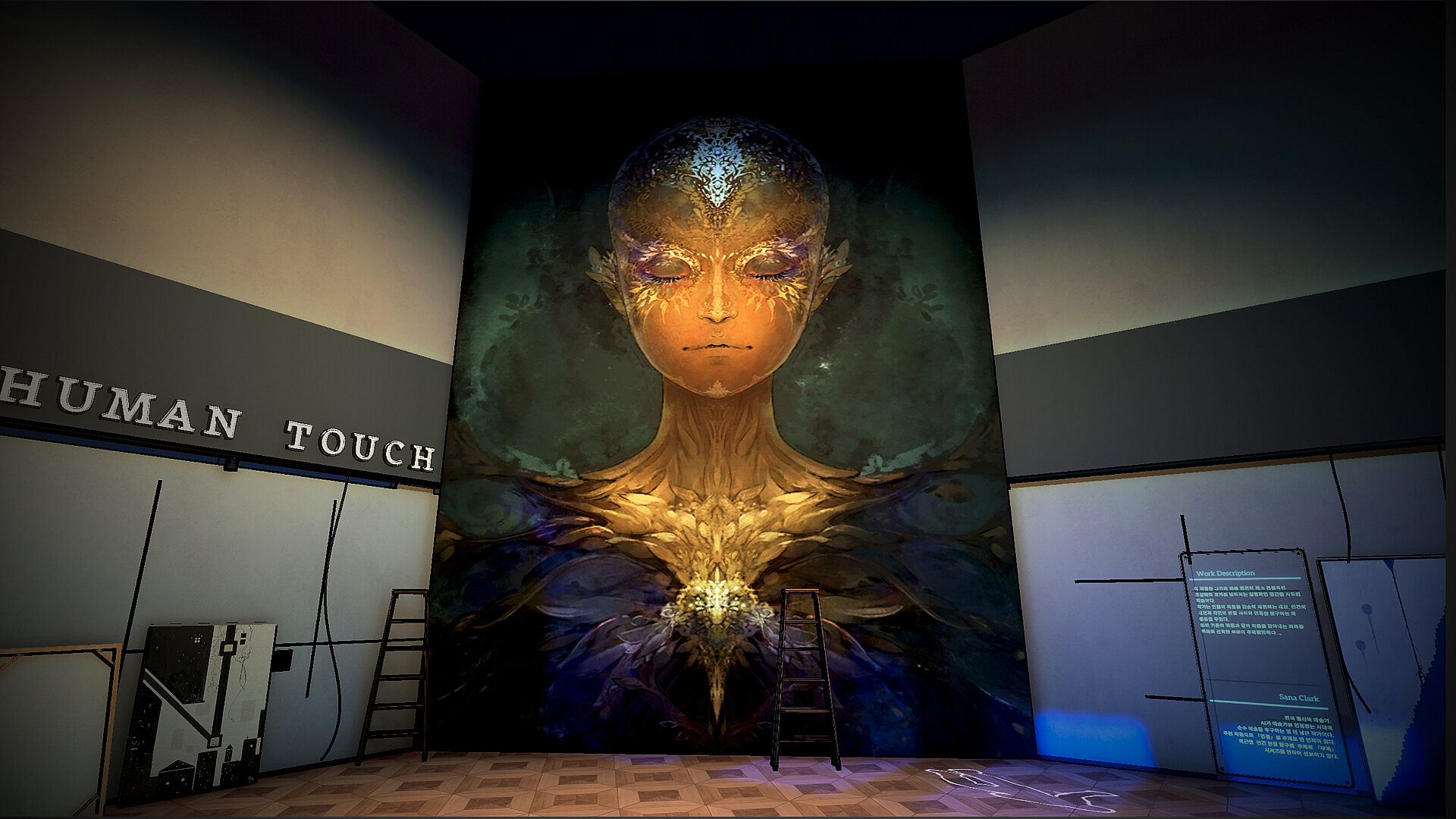
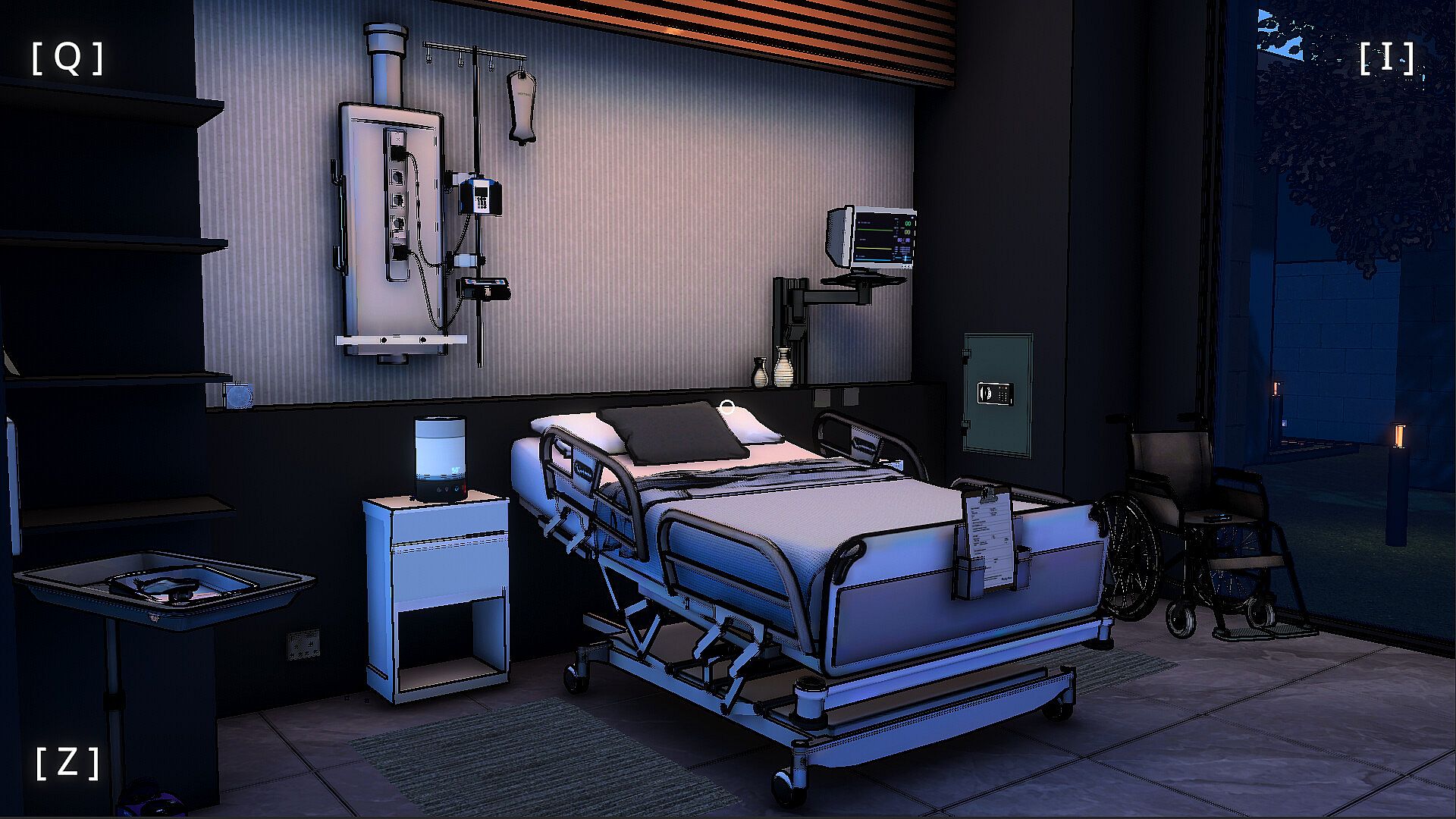
Robot personalities vary by background and involvement, producing unique speech patterns and knowledge gaps that players must navigate. The setting incorporates everyday locations turned into crime scenes, grounding the sci-fi premise in tangible investigation work.
Is It Worth Playing?
Player reception stands at Very Positive, with 96 percent of 411 reviews rating the game favorably. Reviewers highlight the originality of freeform AI-driven dialogue and the satisfaction of solving cases through personal deduction. The five-episode structure delivers a complete narrative without requiring additional purchases or ongoing updates.
The game suits players who enjoy methodical detective work, logical puzzles, and conversational mechanics over fast-paced action or multiplayer competition. Those seeking a thoughtful single-player experience that rewards careful evidence gathering and precise questioning will find the systems engaging. Availability on PC with a demo allows direct testing of the interrogation style before purchase.