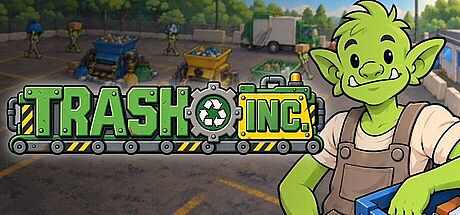


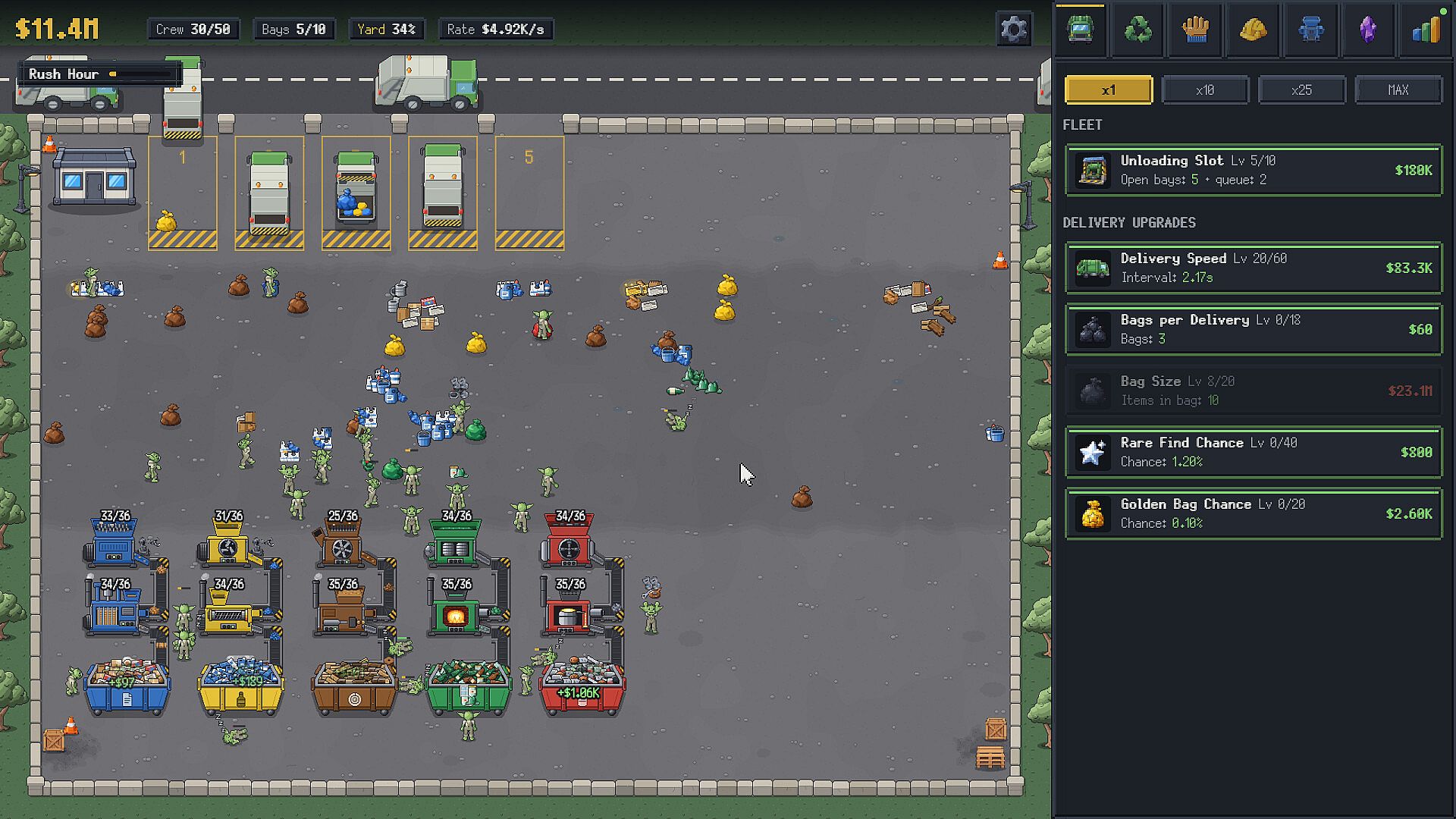
Trash Inc. is a strategy, indie, casual, and simulation game set on PC where players take over a bankrupt recycling yard and gradually transform it into an efficient operation. The experience centers on turning incoming waste deliveries into organized processing through a combination of manual effort and incremental upgrades.
Gameplay
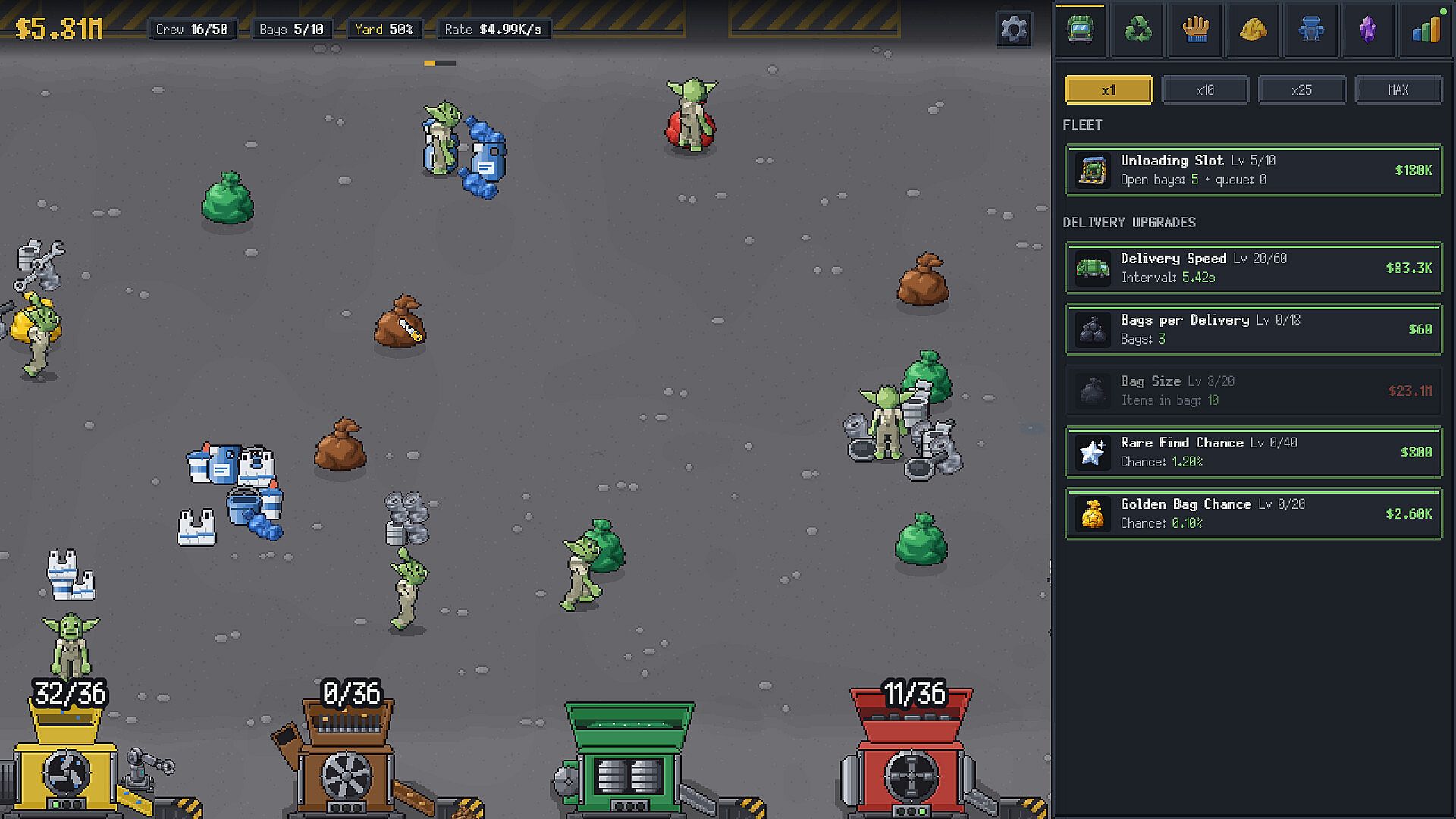
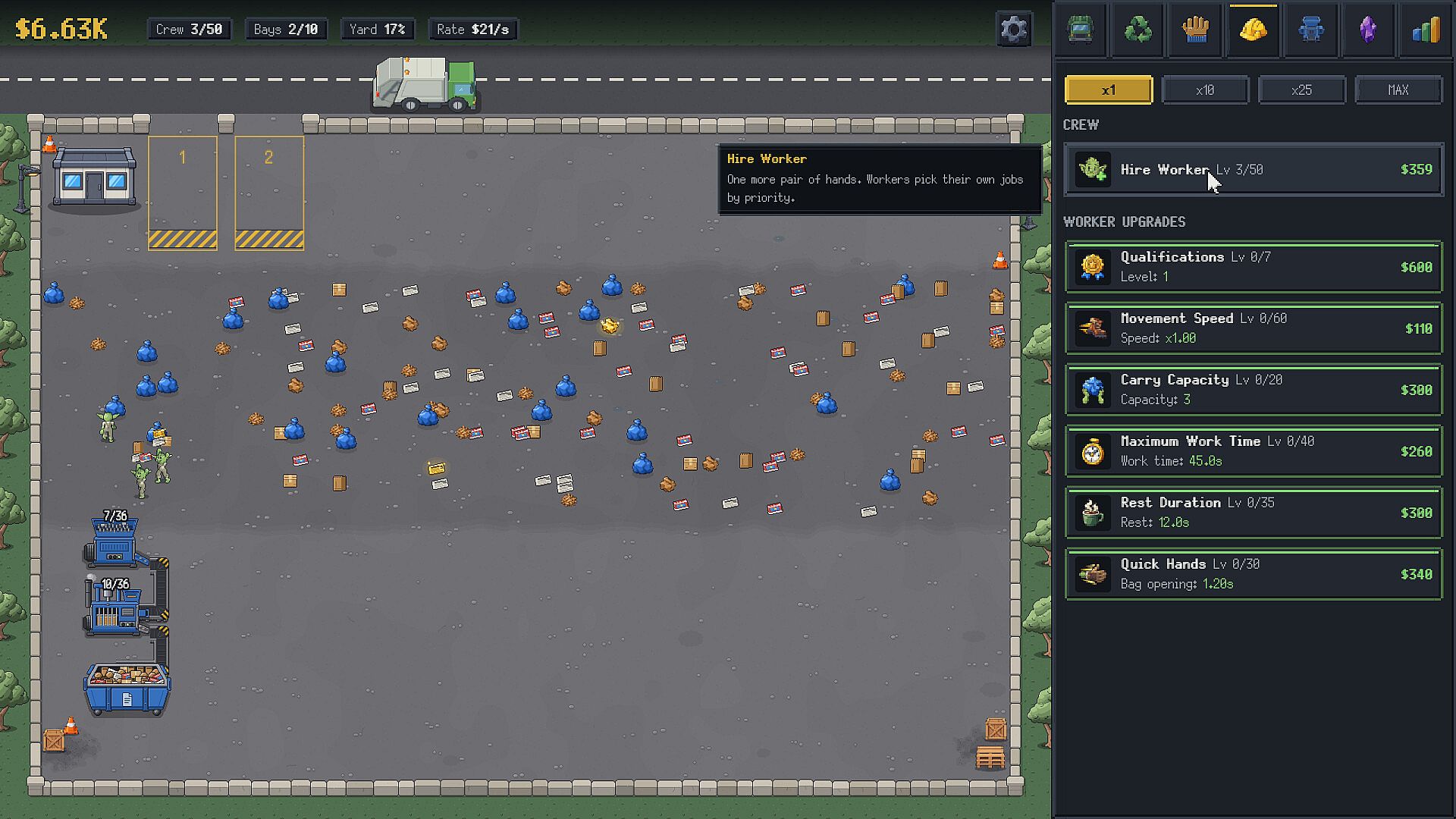
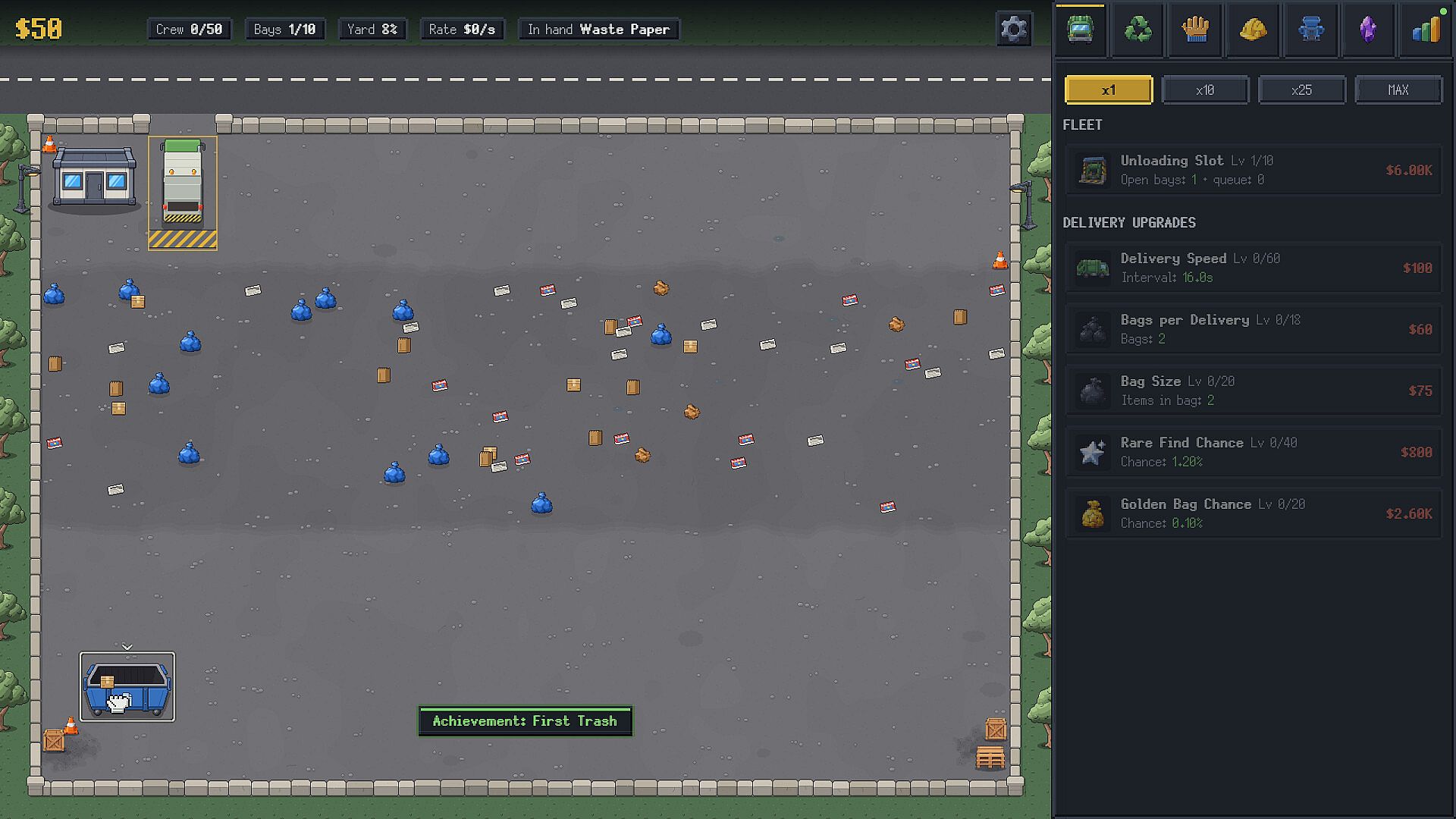
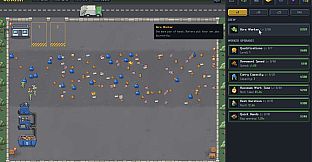
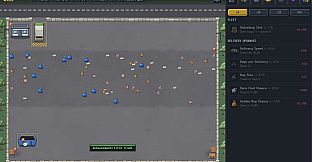
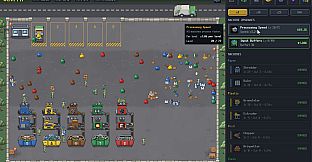
The core loop begins with direct interaction in the yard. Players open arriving bags, gather scattered materials, and sort items by hand into appropriate destinations. This hands-on phase emphasizes physical movement and decision-making as deliveries occupy space and require immediate attention.
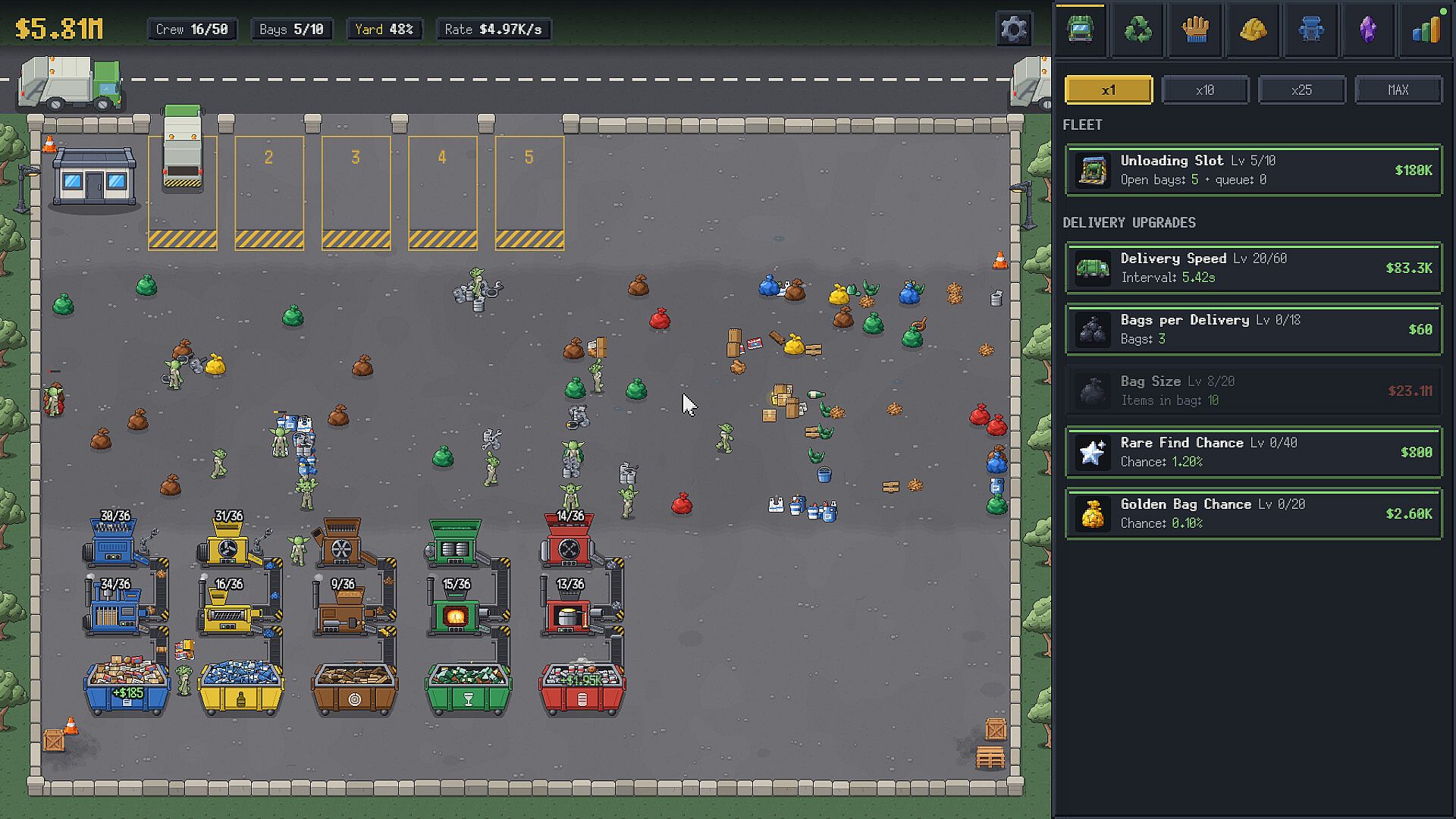
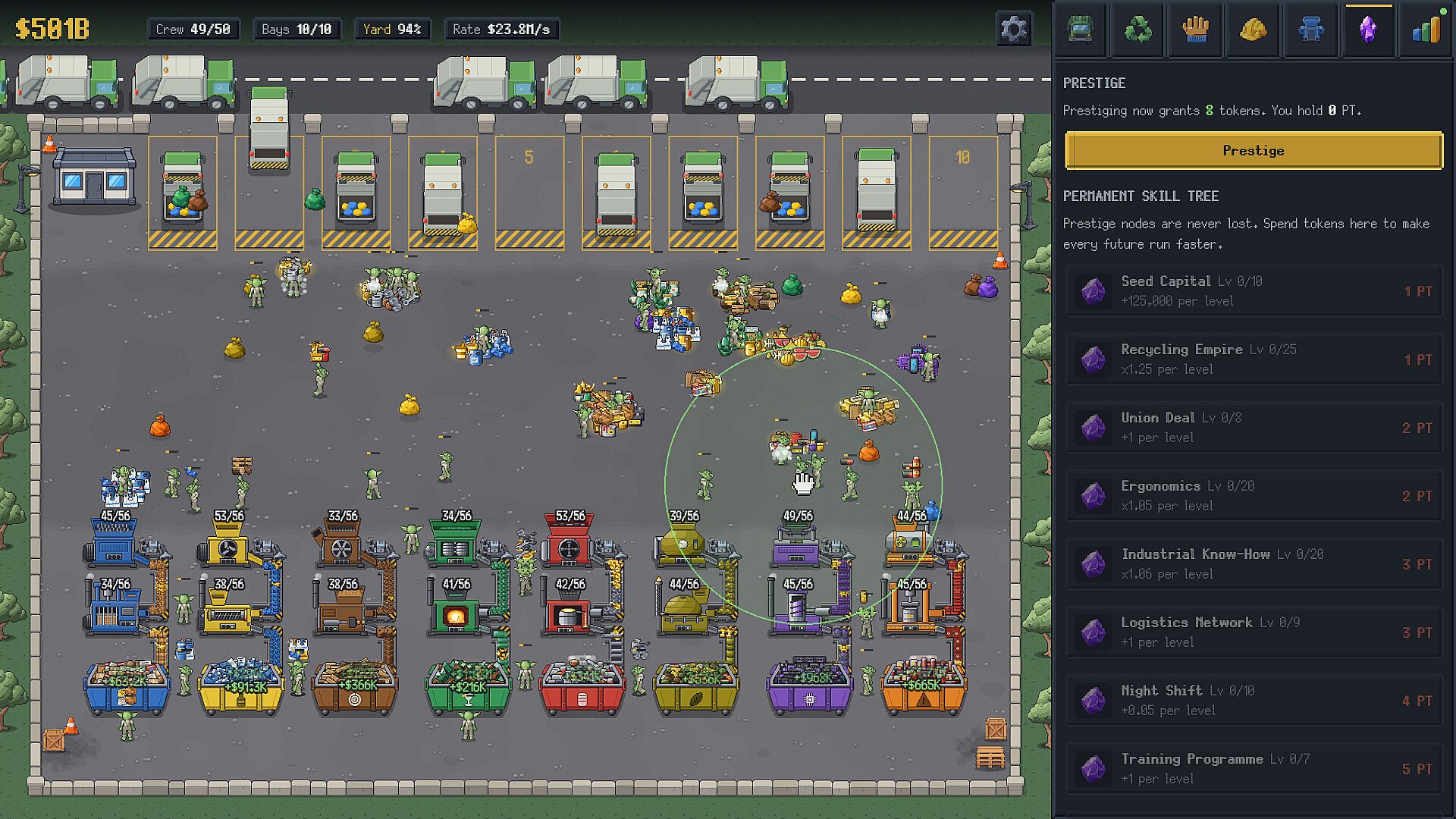
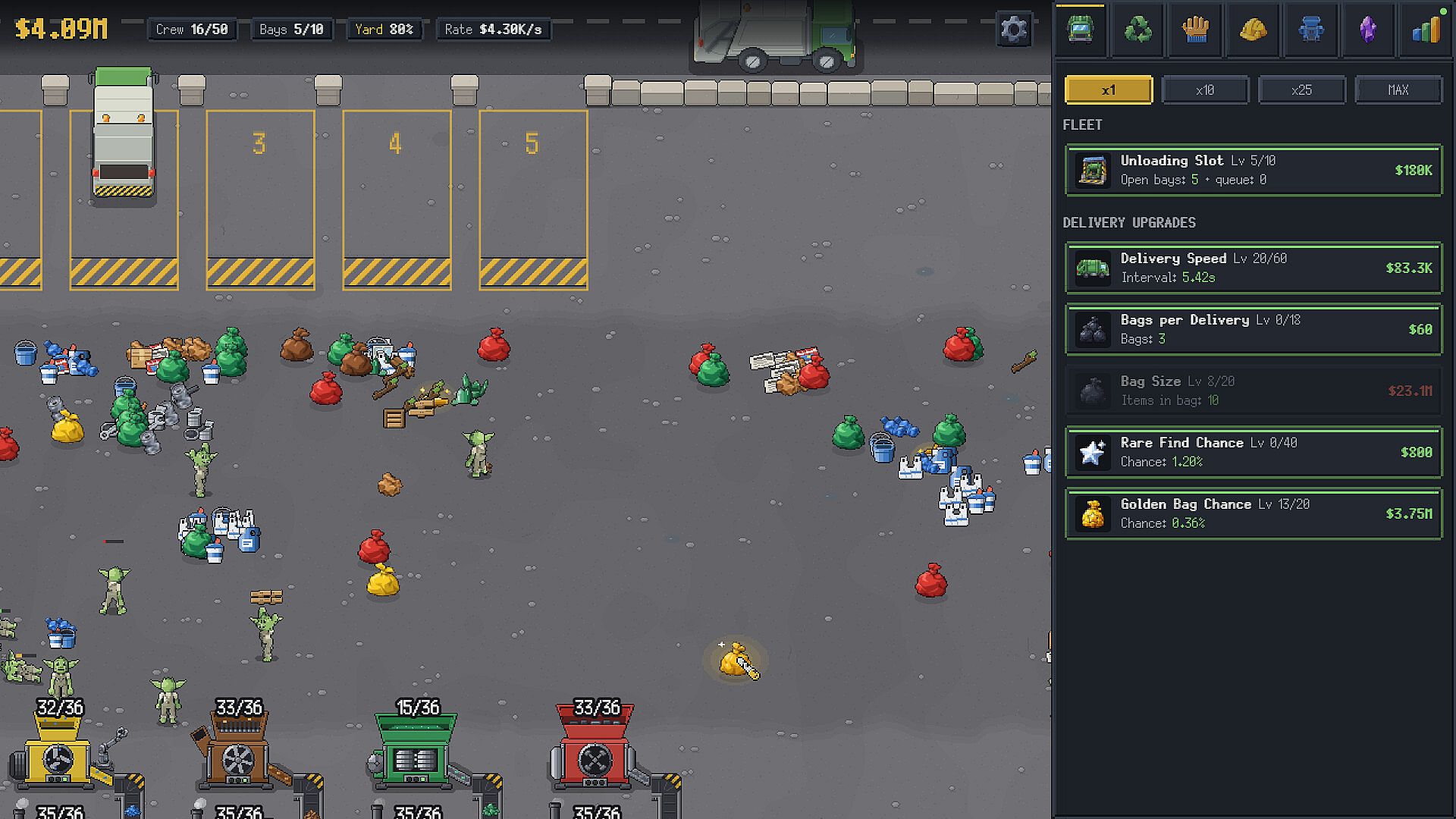
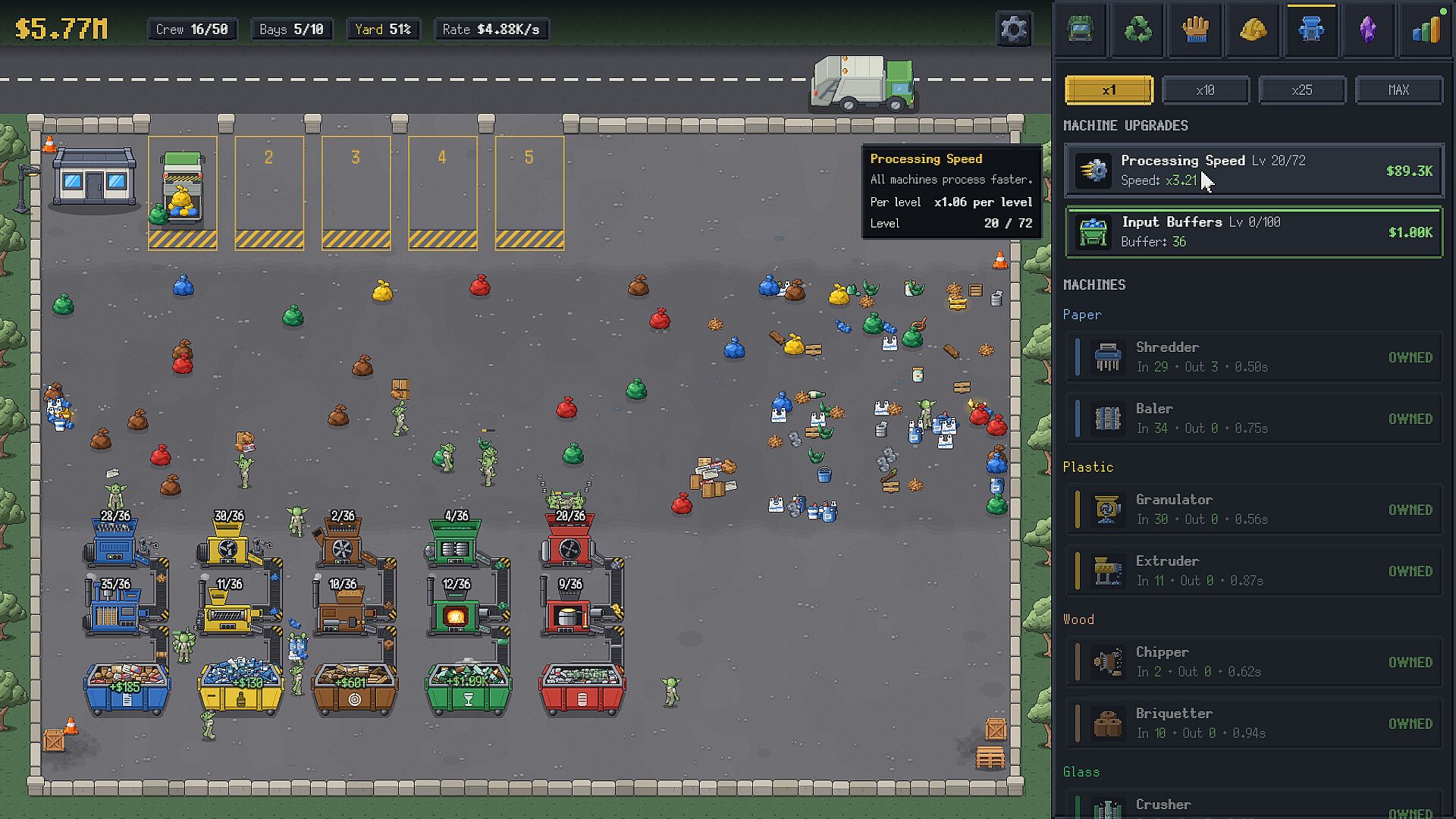
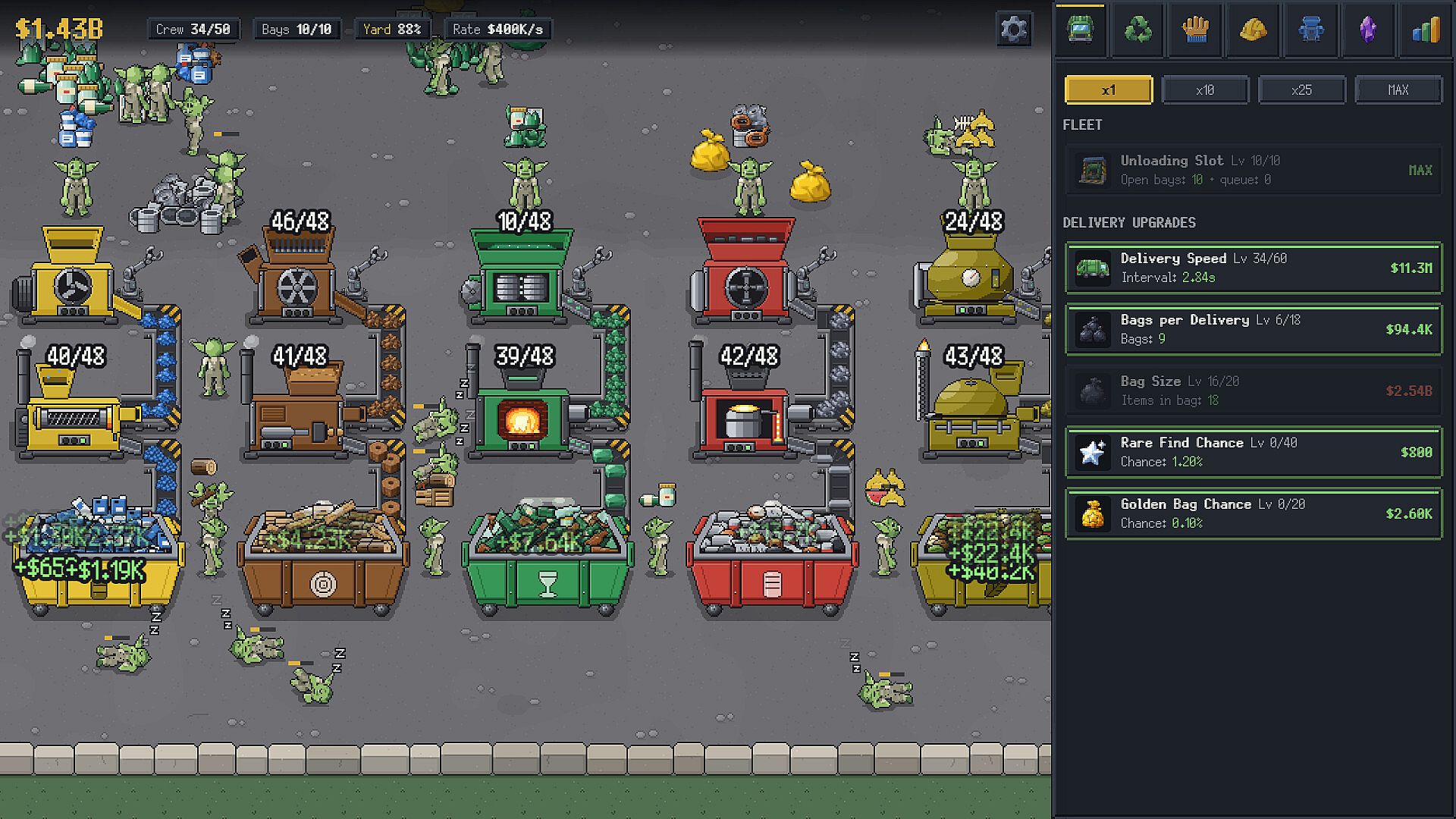
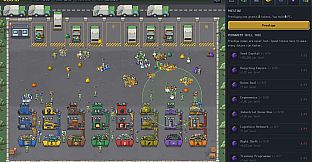
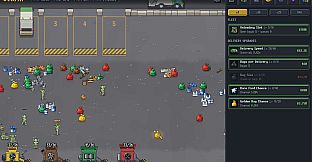
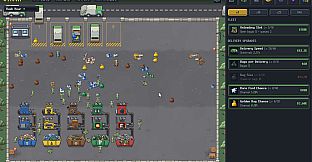
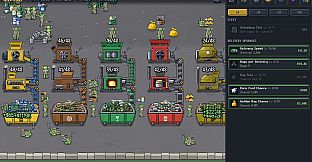
Once earnings accumulate, investments shift toward automation. Workers can be hired to handle bag opening and material transport, with upgrades improving their speed, capacity, qualifications, work duration, and recovery time. Machines process materials in stages, linked by conveyors that move items visibly across the yard from initial handling to final containers.
Upgrades extend to the player character for better reach and carrying ability, as well as enhancements for trucks, machines, and storage. Multiple waste categories follow distinct processing paths, creating varied chains that players must balance against incoming volume. The top-down 2D pixel-art view keeps the entire facility visible, highlighting how manual sorting evolves into coordinated systems while bottlenecks like overloaded areas or slow throughput demand ongoing adjustments.
Game Modes
Trash Inc. operates as a single-player experience without additional modes or multiplayer elements. The focus remains on one continuous progression through the recycling yard, starting from basic manual tasks and advancing through layered automation and crew management.
Progression unfolds across a single facility that grows in complexity. Players manage real-time logistics where deliveries, worker paths, machine output, and container limits interact physically rather than through abstracted menus. This structure encourages repeated refinement of layouts and priorities as the yard scales from chaotic startup to streamlined production.
Progression and Systems
Early stages reward direct player involvement in sorting and transport, with improvements to personal capabilities keeping manual play relevant even later. As the operation expands, hiring and upgrading a crew shifts emphasis toward oversight while workers handle routine movement of materials.
Processing chains rely on physical flow: conveyors connect machines, materials travel visibly, and capacity limits create meaningful constraints. Upgrades target speed, volume, and efficiency across every element, turning initial clutter into visible production lines. The relaxed pace allows time to identify and resolve issues like uneven throughput or storage shortages without intense pressure.
Is It Worth Playing?
Trash Inc. suits players who enjoy incremental management simulations with tangible, visible mechanics. The gradual shift from hands-on sorting to automated systems provides steady progression and satisfying problem-solving around bottlenecks and resource flow.
Those drawn to casual strategy titles that combine simulation depth with pixel-art presentation will find the core loop engaging. The single-player focus and emphasis on physical yard interactions distinguish it from purely menu-driven management games, offering a grounded approach to building efficiency in a recycling operation.