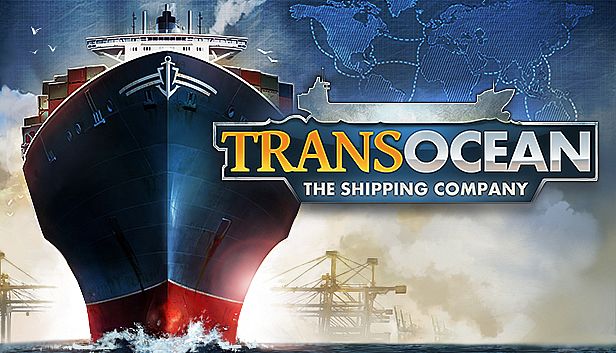




















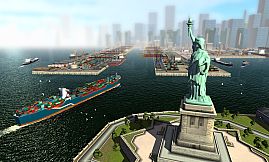
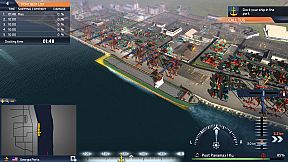
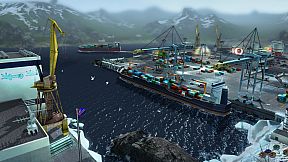
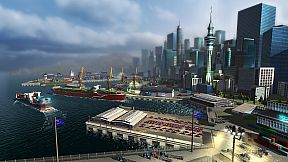
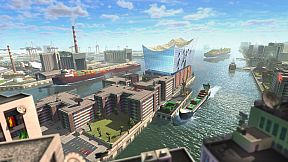
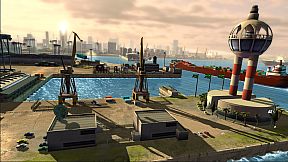
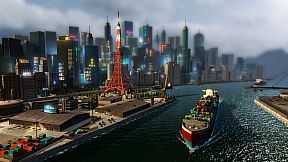
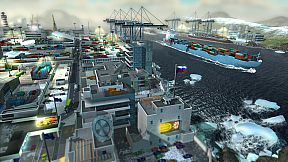
TransOcean: The Shipping Company is a strategy simulation game focused on building and managing a merchant shipping empire. Players handle fleet operations across global trade routes, balancing costs, schedules, and market demands in a realistic economic environment. The experience centers on long-term company growth through careful route planning and resource allocation rather than action or combat elements.
Gameplay
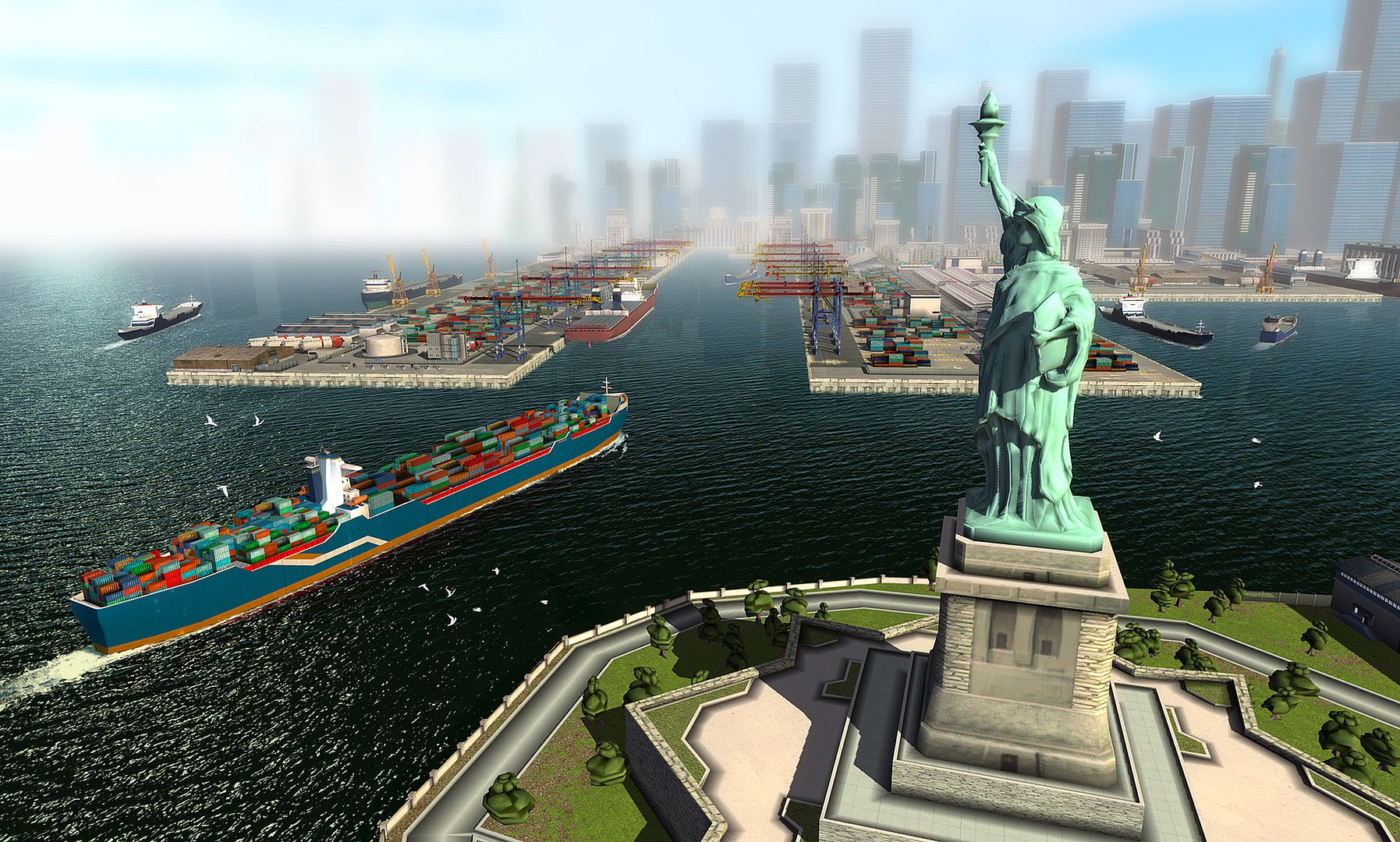
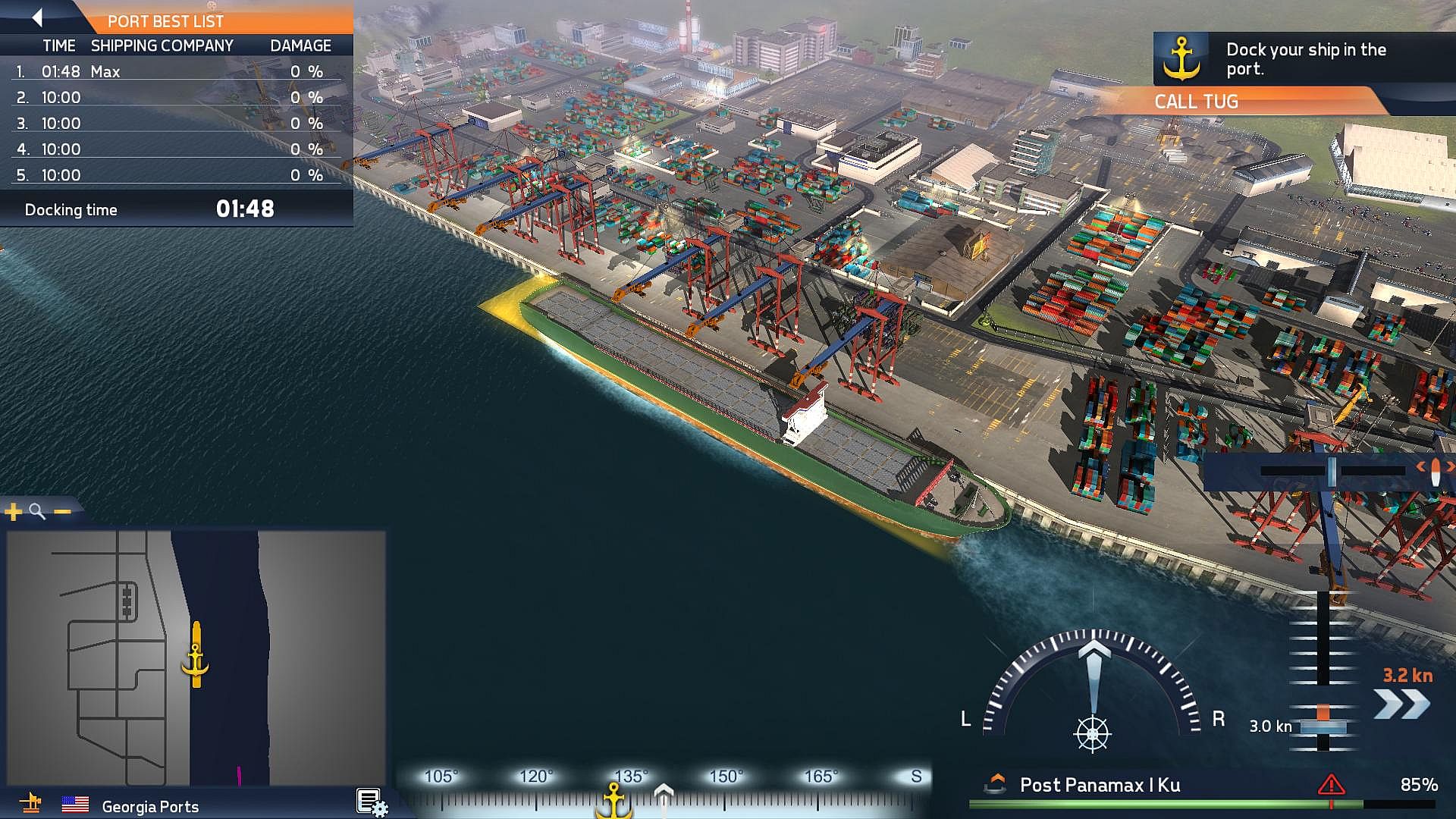
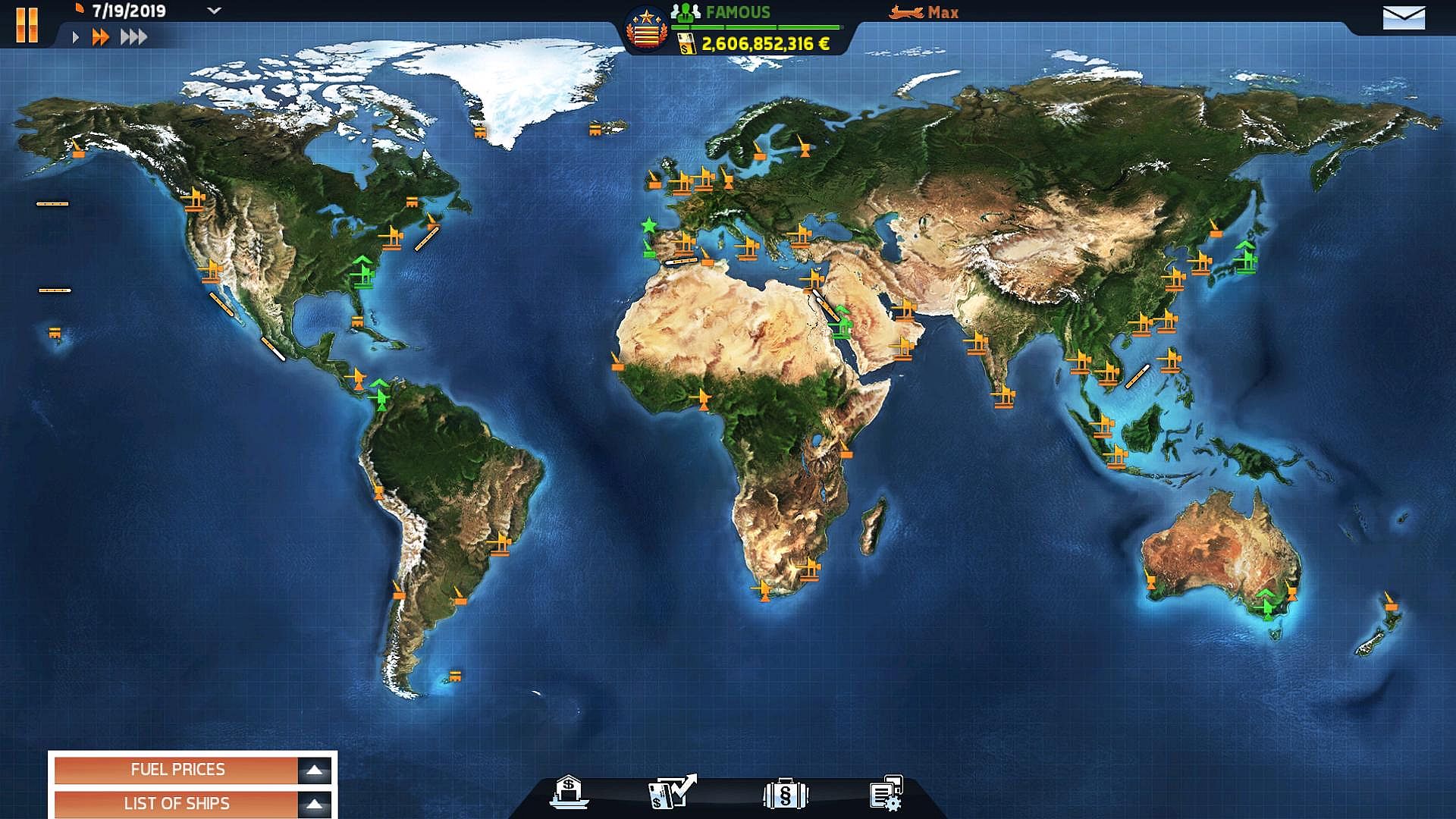
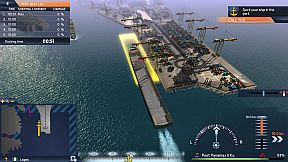
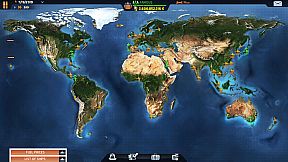
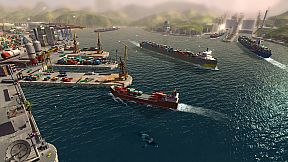
The core loop involves selecting a home port from 55 detailed harbors modeled after real-world locations, then expanding operations by purchasing and maintaining ships from 20 different classes. Each vessel requires upkeep, and players must account for factors like canal restrictions, weather events, and port capacity when plotting courses. Trade revolves around 22 goods with prices that shift based on supply and demand, encouraging players to identify profitable assignments while avoiding excessive downtime in harbors.
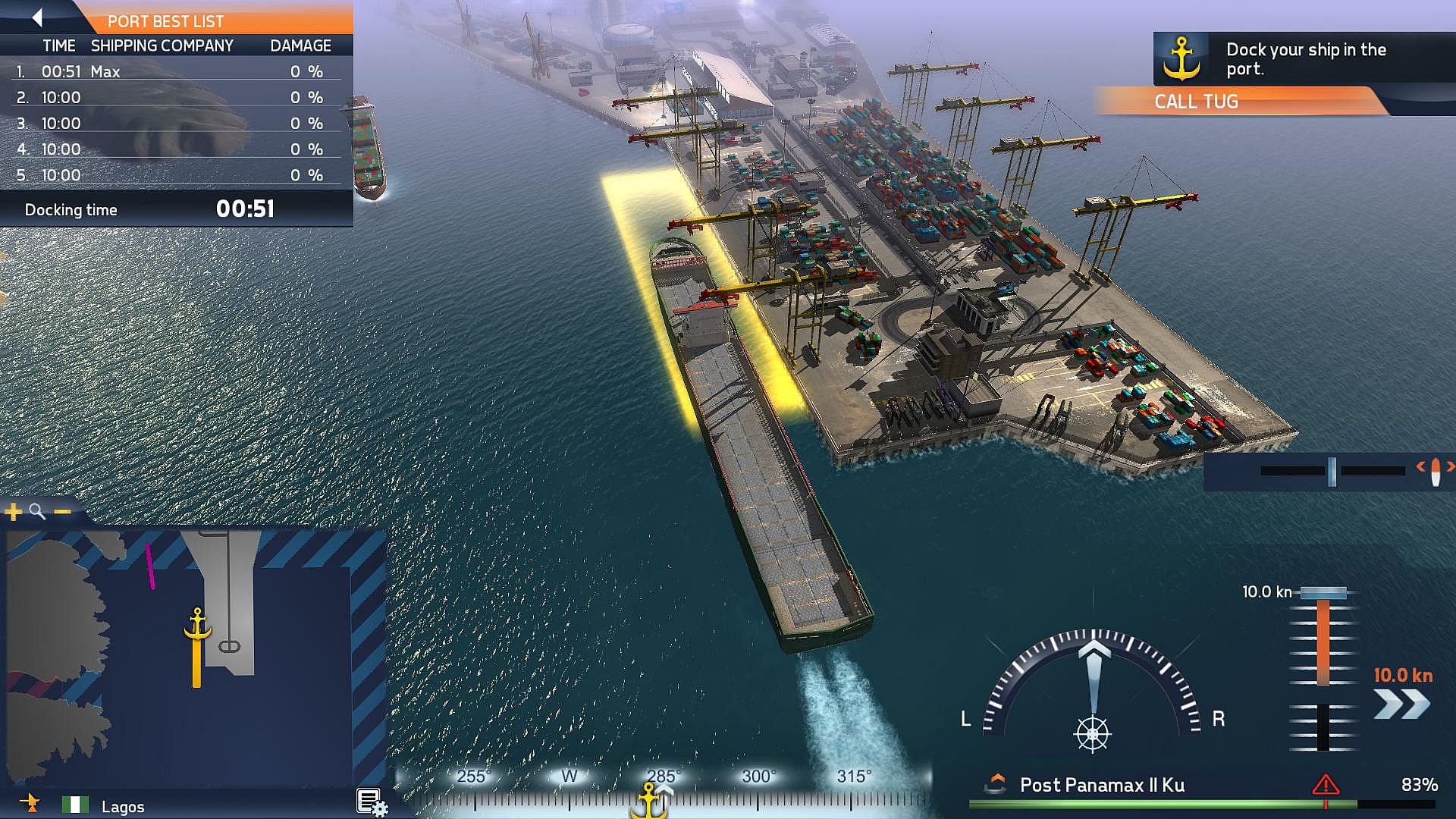
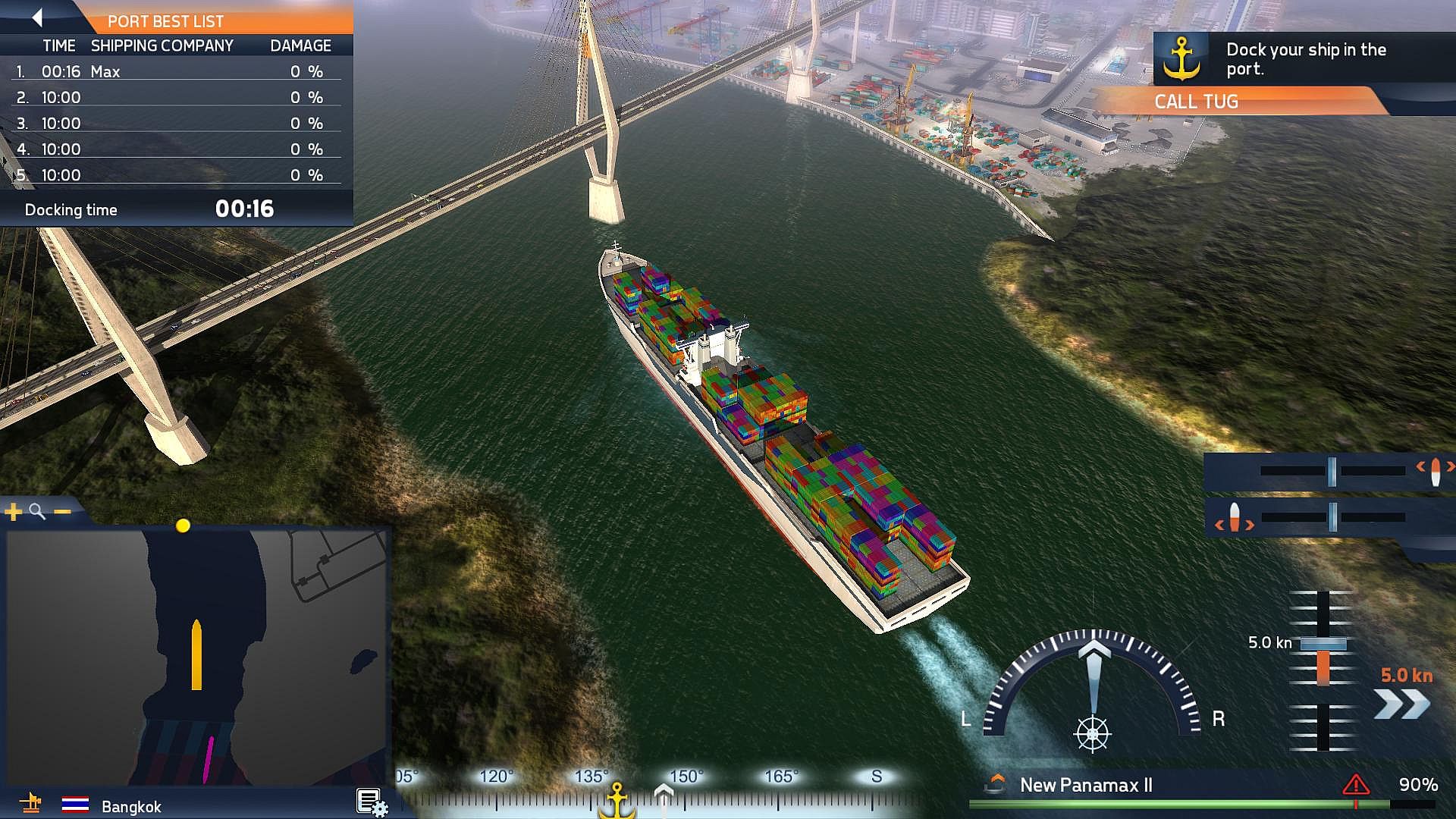
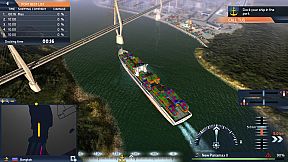
Route decisions incorporate real-world geography, such as choosing between the Panama Canal or longer alternatives, and weighing risks like storms or piracy. A reputation system influences the quality of contracts offered over time, and players can opt for self-guided or automated ship handling during mooring and departure. Chance events and global occurrences add variability to ongoing operations, forcing adjustments to maintain profitability.
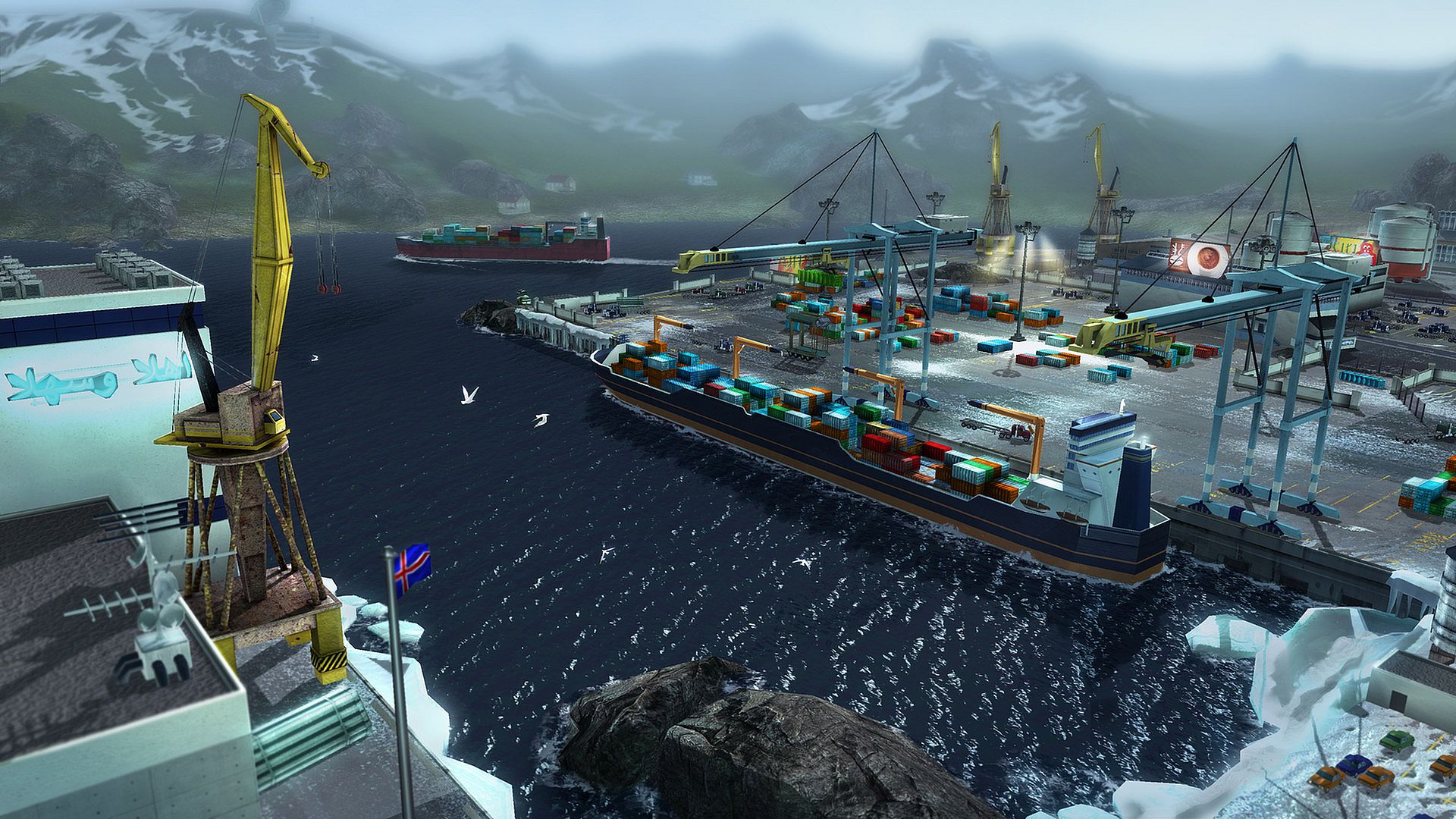
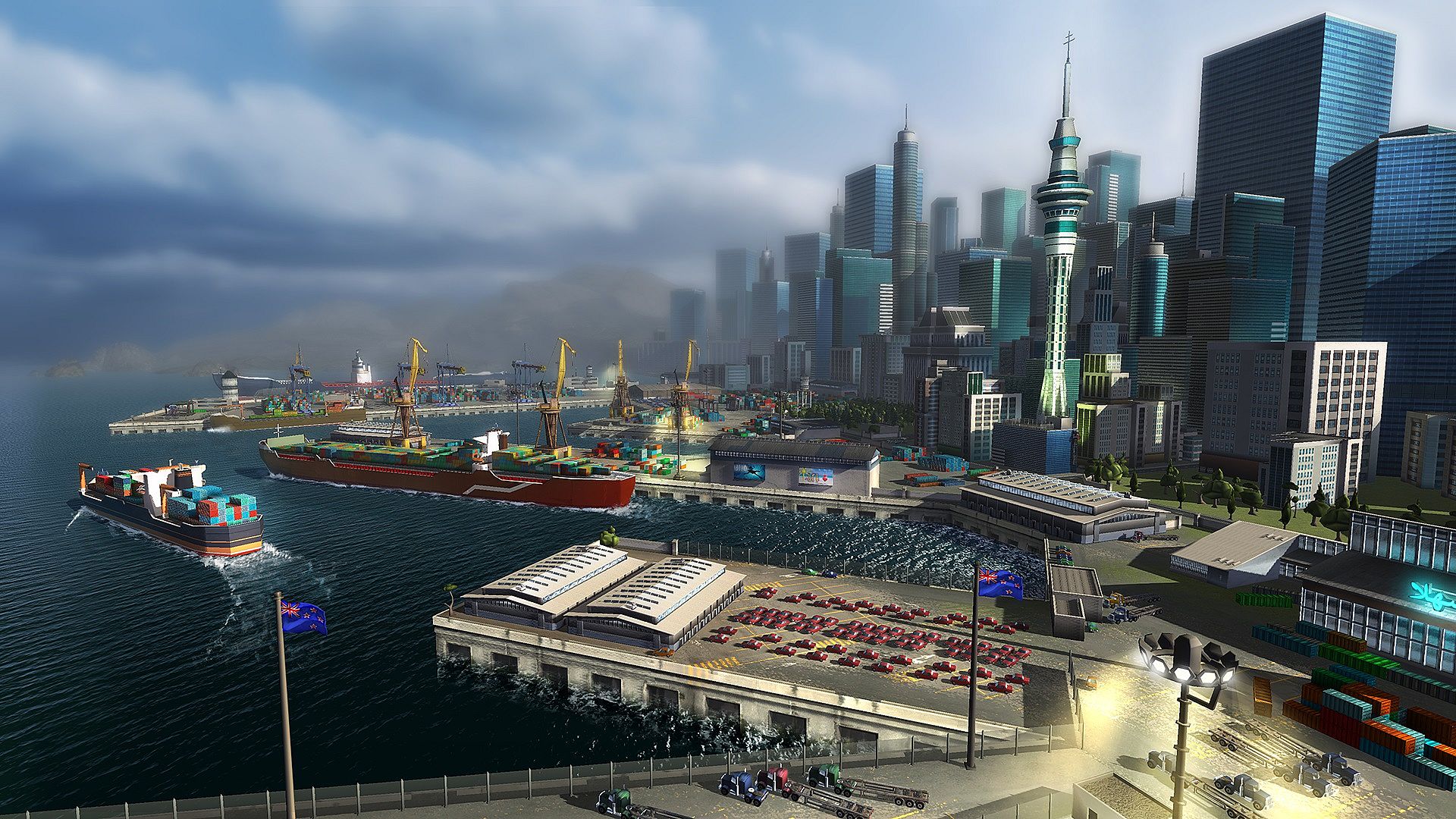
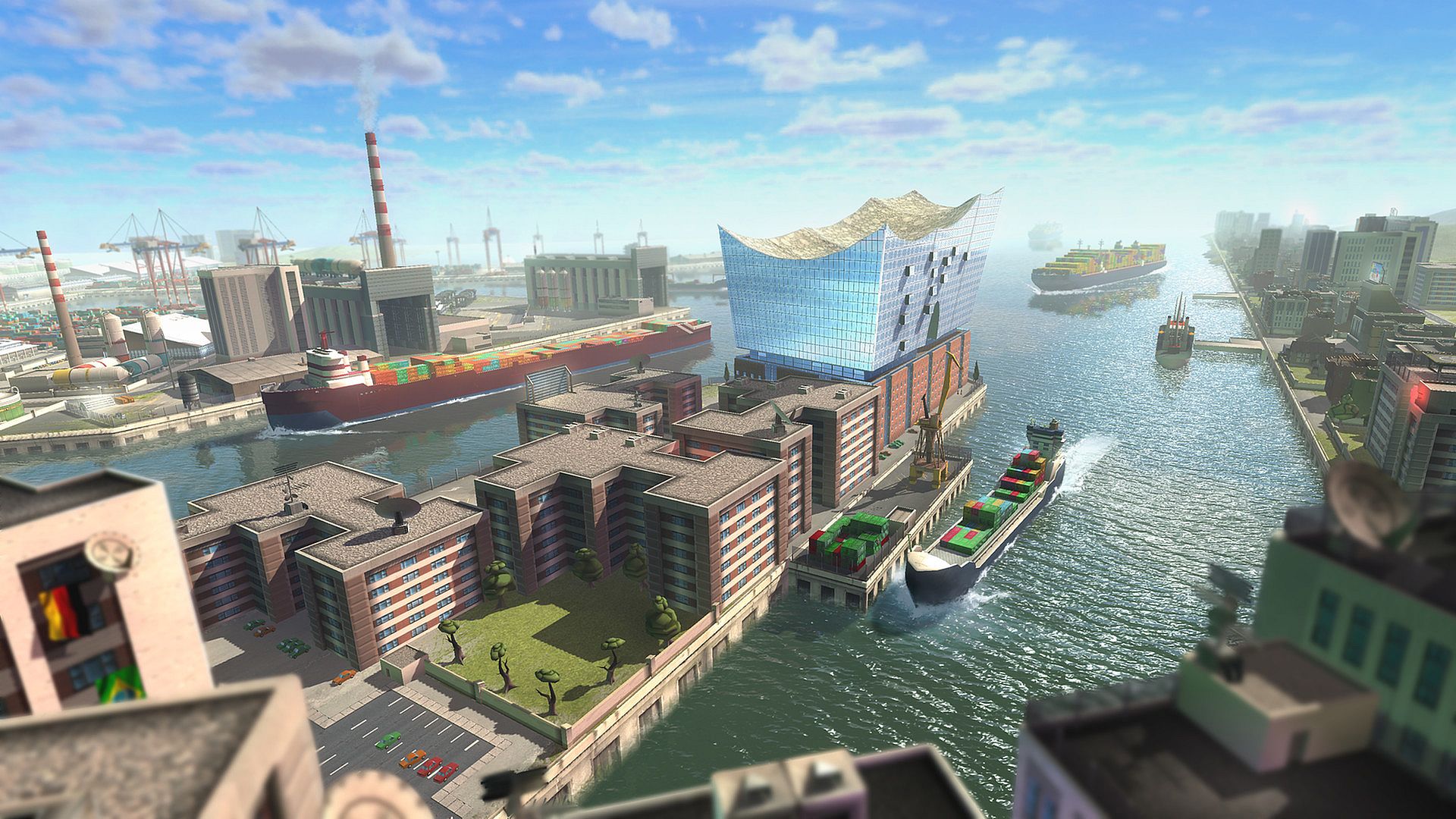
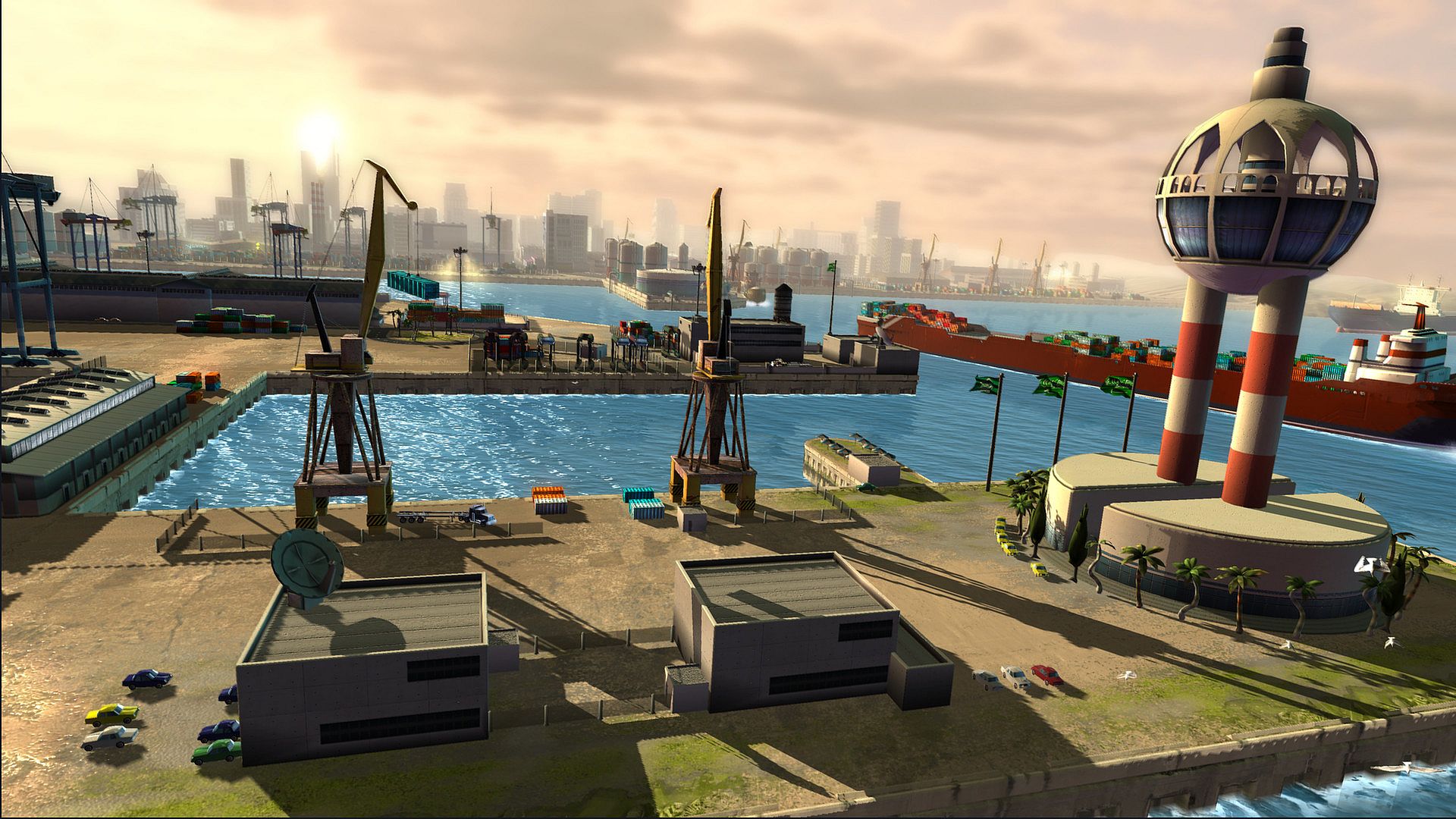
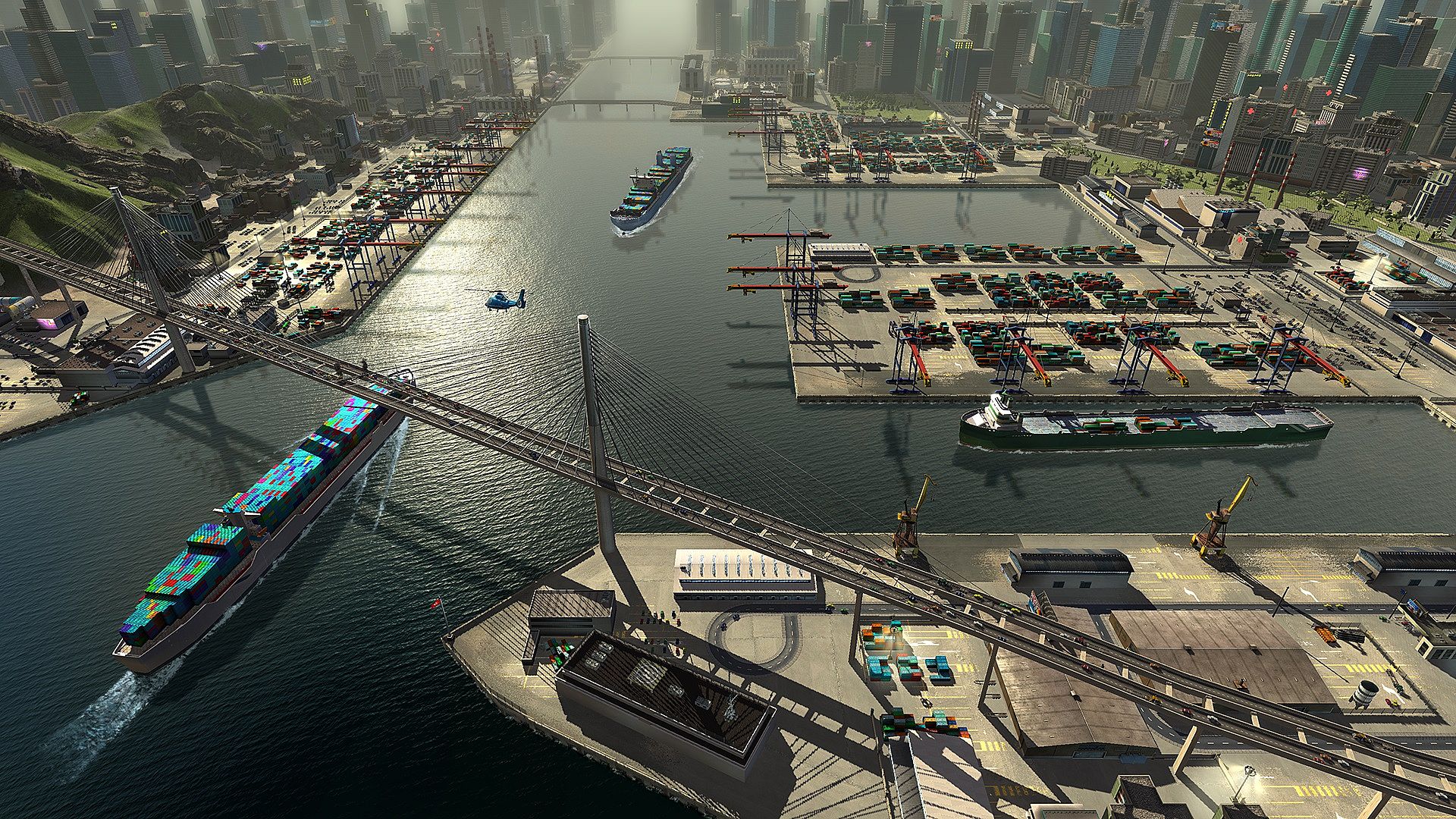
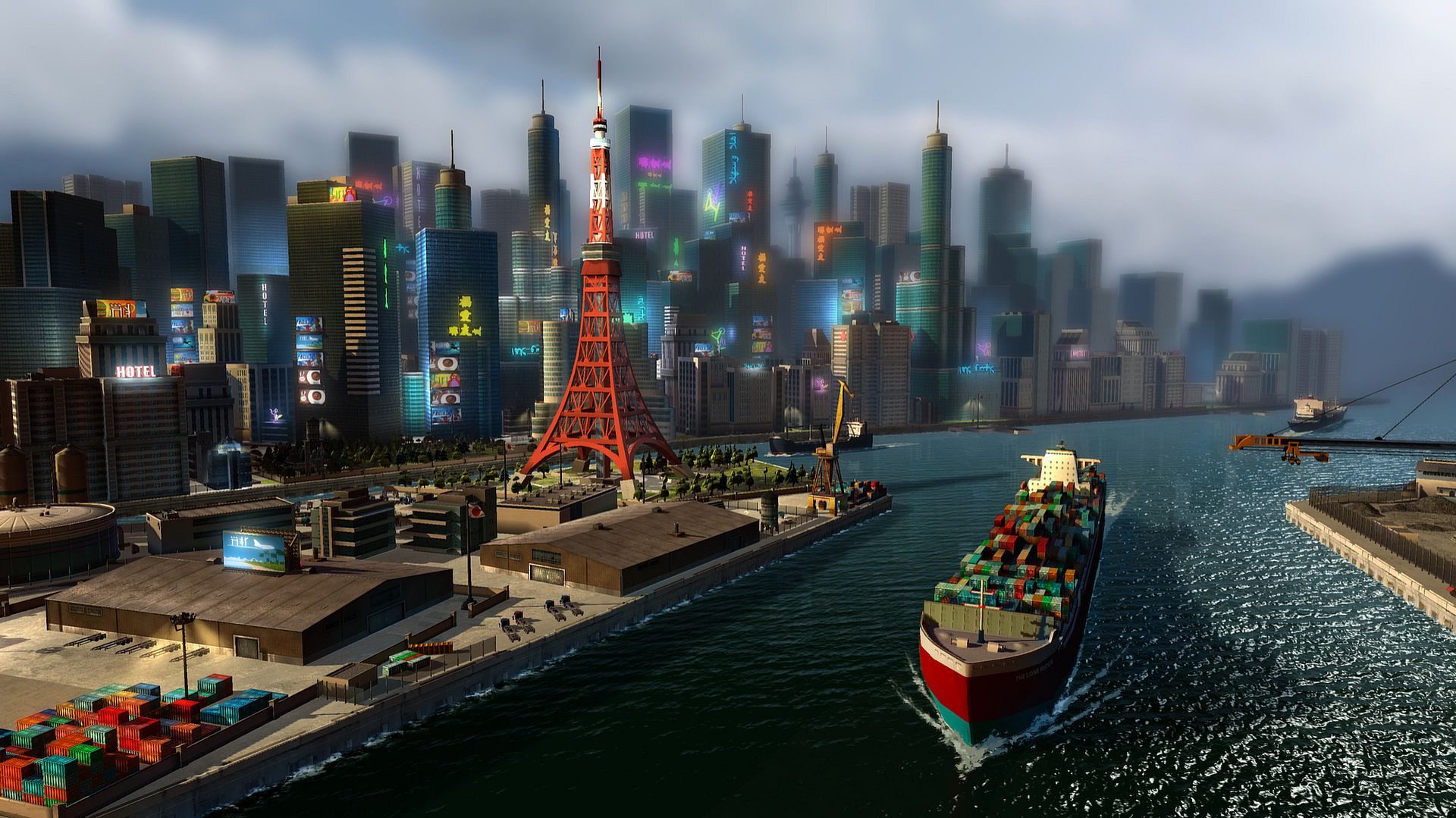
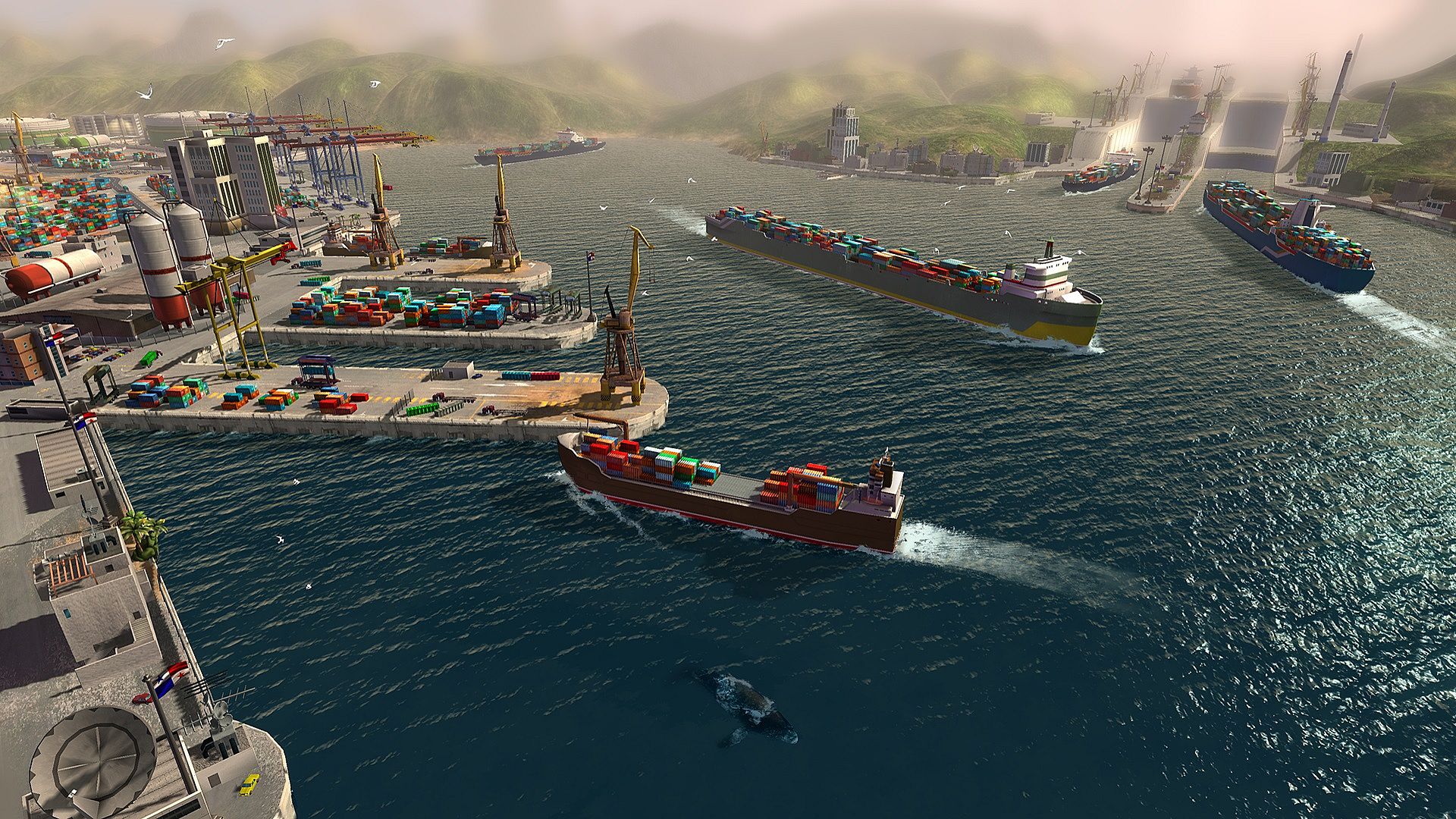
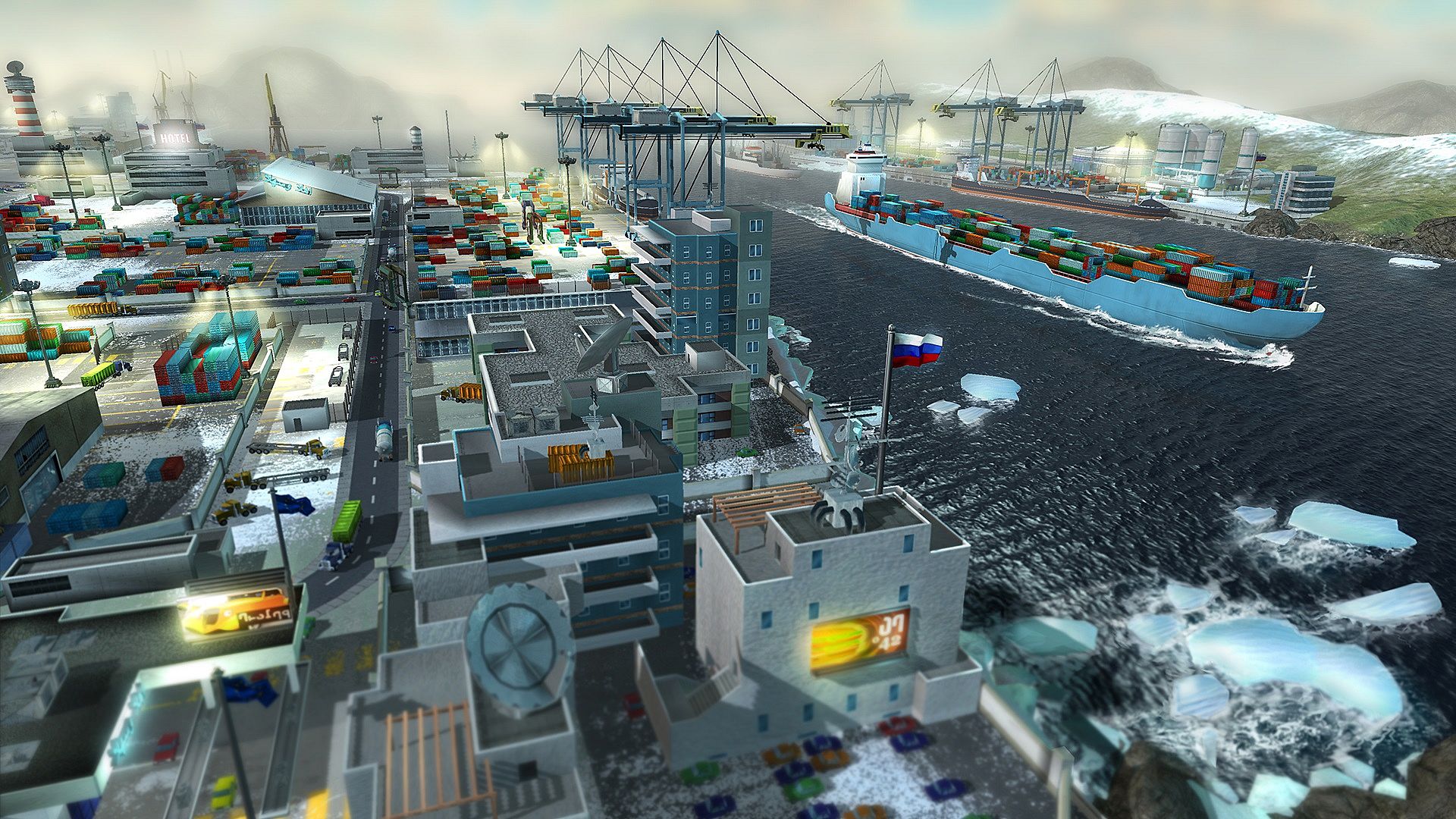
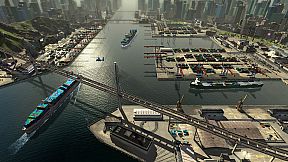
Harbors feature distinct advantages and disadvantages, with some including iconic landmarks for visual distinction. The system rewards strategic foresight in fleet composition and contract selection, as larger ships may not fit every destination and maintenance costs accumulate steadily.
Game Modes
The primary experience unfolds in a single-player campaign where players build their transport company from the ground up. Progression comes through completing assignments, expanding the fleet, and optimizing routes to grow revenue while managing expenses. This mode emphasizes individual strategy without external interference.
Online mode allows competition against other players for the most lucrative routes and best commodity prices. Supply and demand mechanics operate in real time across participants, creating a shared market where individual choices affect availability and pricing for everyone involved.
Key Mechanics and Systems
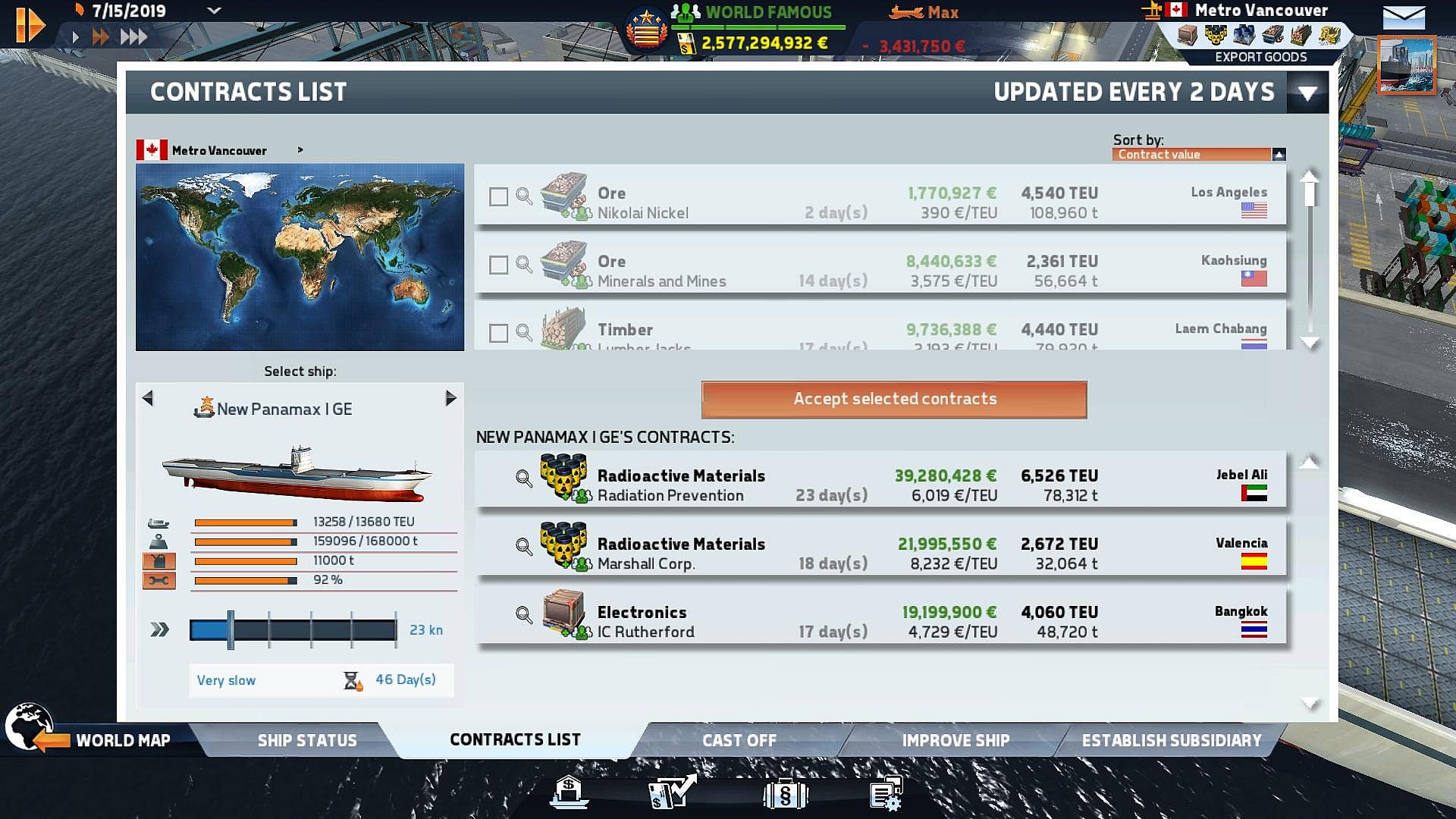
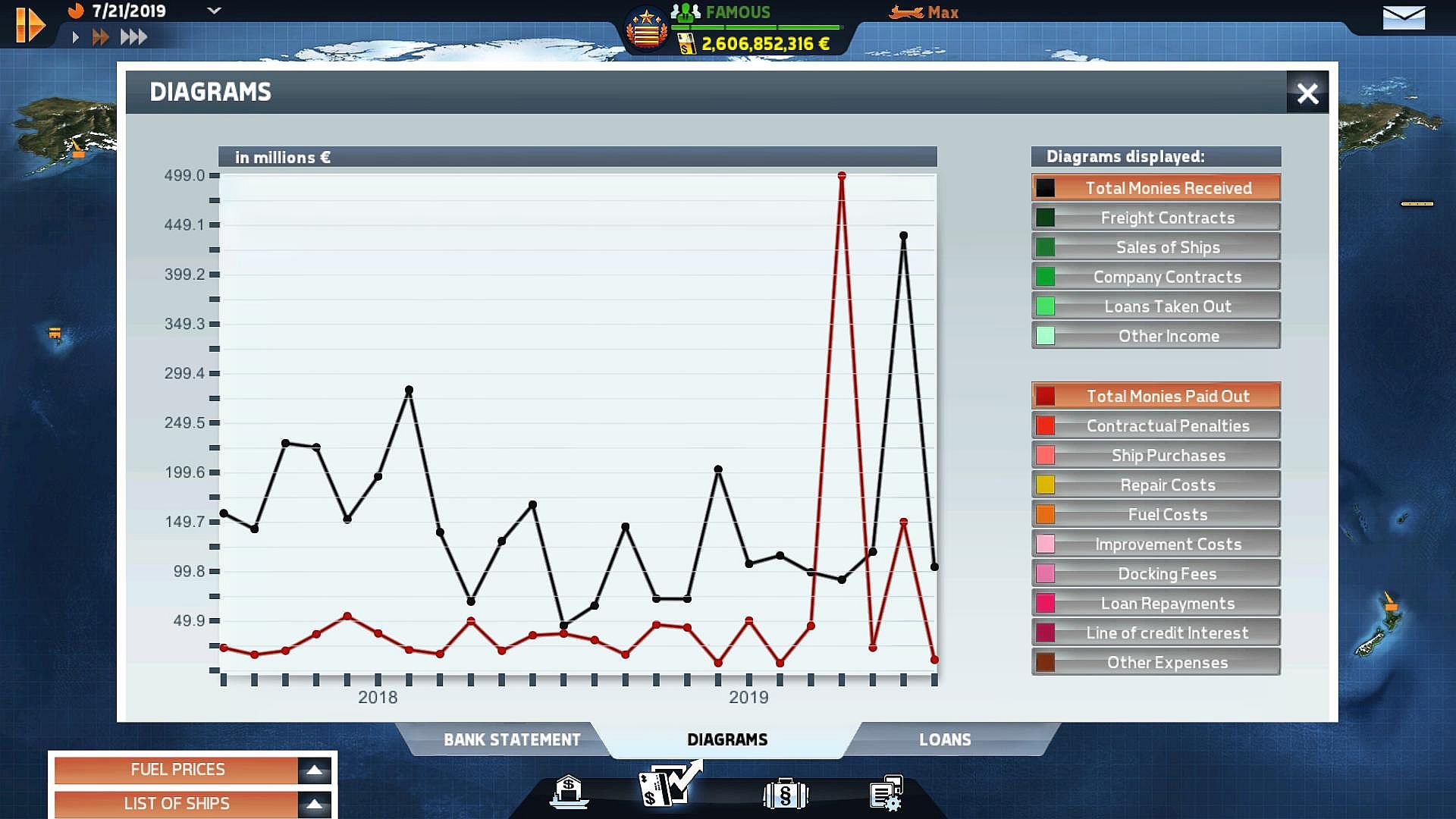
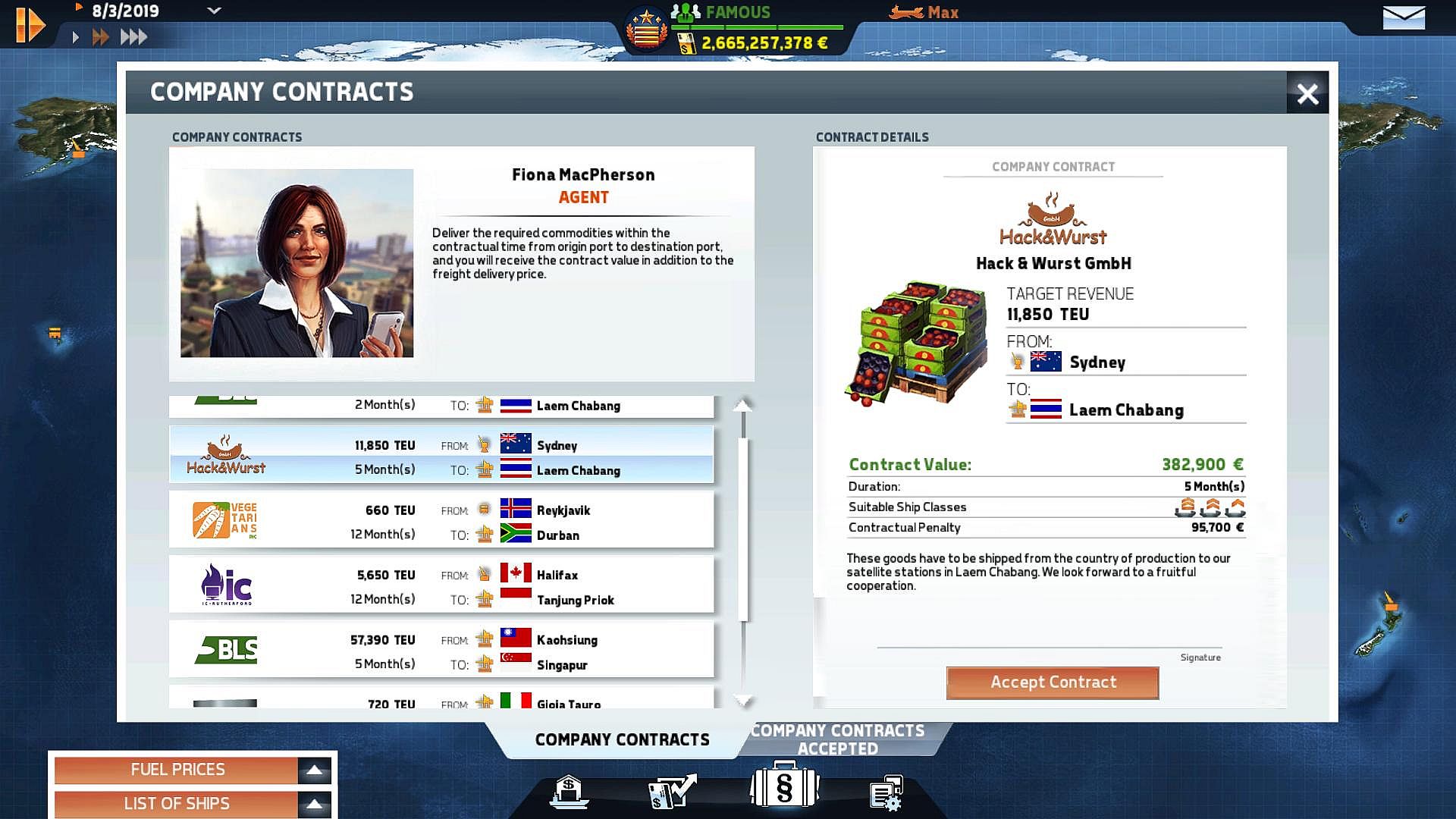
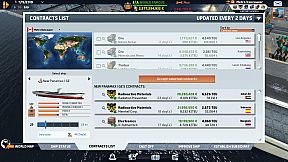
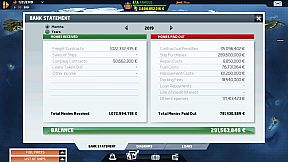
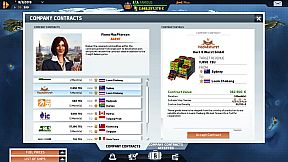
Assignment management forms the backbone of daily play, presenting a steady stream of contracts that vary in payout, distance, and requirements. Players track multiple vessels simultaneously, ensuring efficient loading and timely arrivals to avoid penalties from delays. The bonus system tied to harbor choices adds layers of decision-making, as selecting the right base port can unlock better opportunities or create logistical challenges.
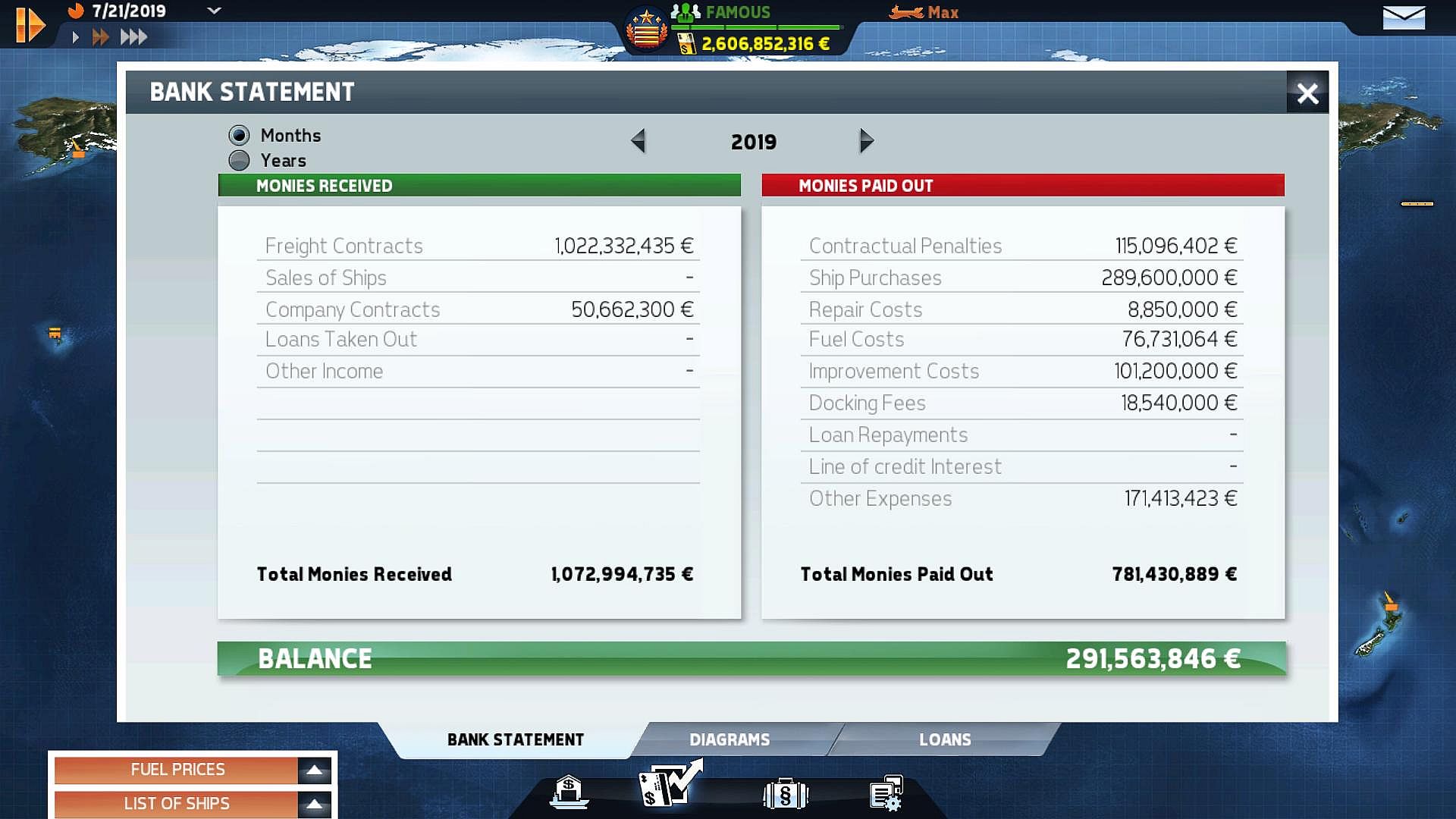
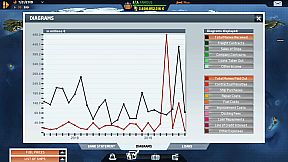
Dynamic pricing keeps the economy active, requiring constant monitoring of trade goods to spot high-value runs. Smuggling options exist as a high-risk alternative for extra profit, but they threaten long-term reputation and future contract quality. Maintenance needs for ships introduce ongoing costs that must be balanced against income from successful deliveries.
Is It Worth Playing?
This title suits players who enjoy methodical simulation and economic strategy without fast-paced action. The combination of route optimization, fleet management, and market awareness delivers a focused experience centered on building a successful business. With mostly positive reception from hundreds of reviews, it appeals particularly to those interested in realistic trade and logistics themes.
The game remains available as a one-time purchase with no additional microtransactions or ongoing seasonal content. Its systems provide substantial depth for extended play sessions, though the 2014 release means it lacks modern quality-of-life updates found in newer titles. Individuals drawn to port management, contract balancing, and competitive online markets will find the mechanics rewarding, while those seeking narrative-driven or combat-heavy gameplay may prefer other options.