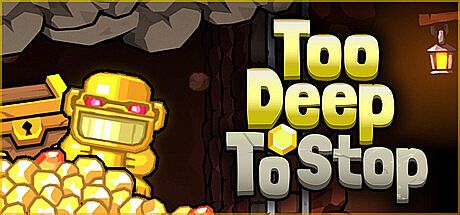


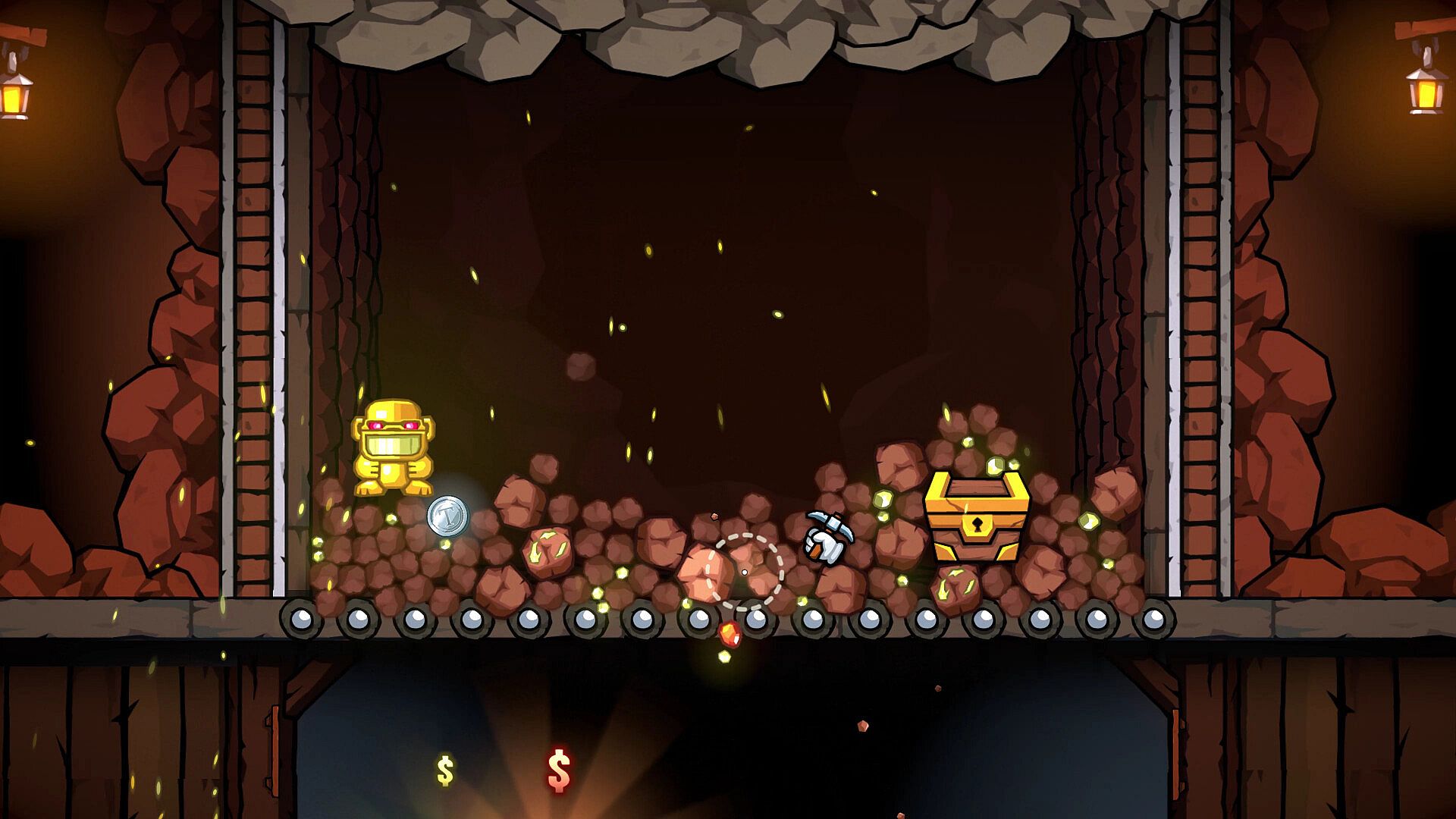
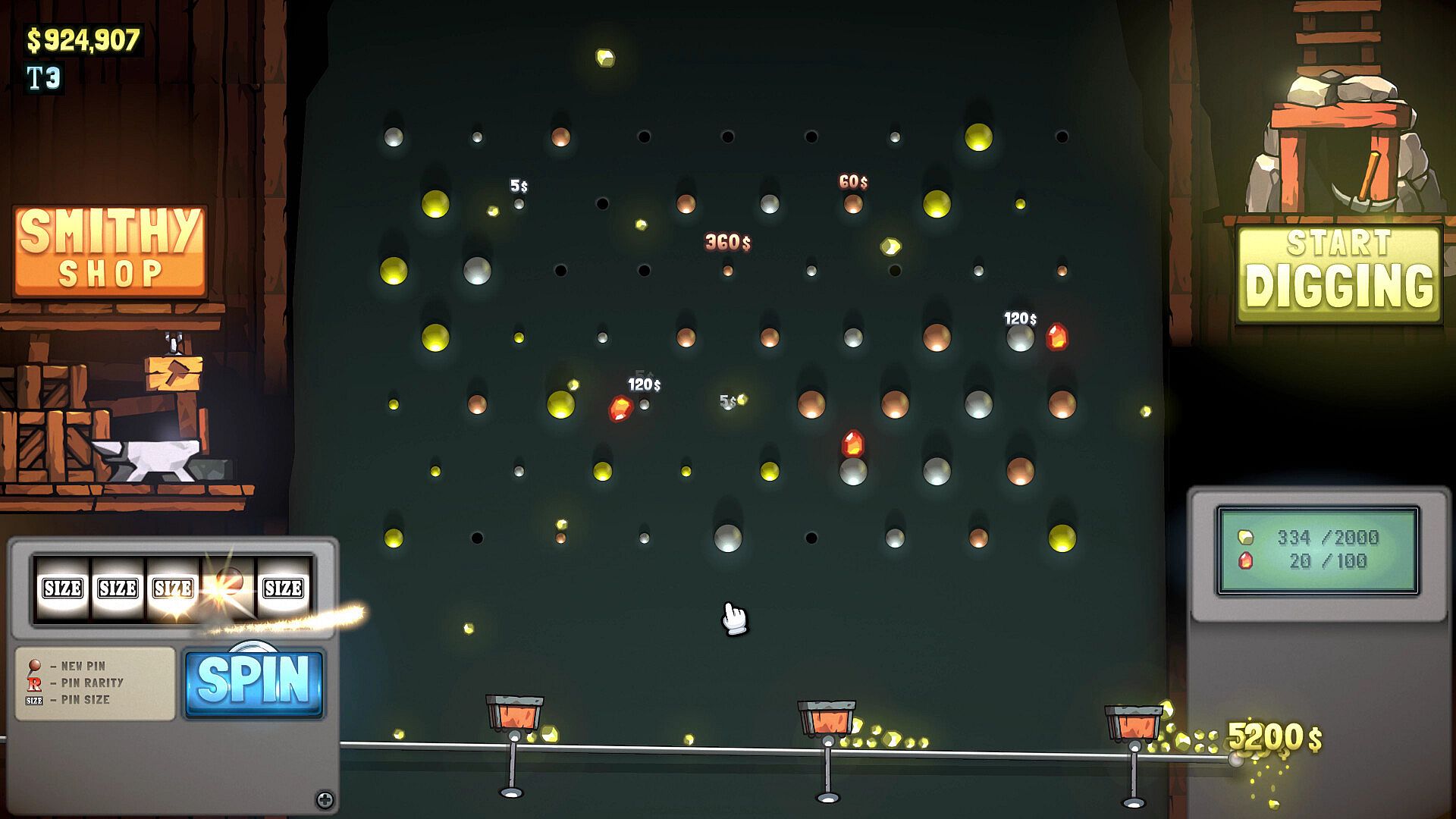
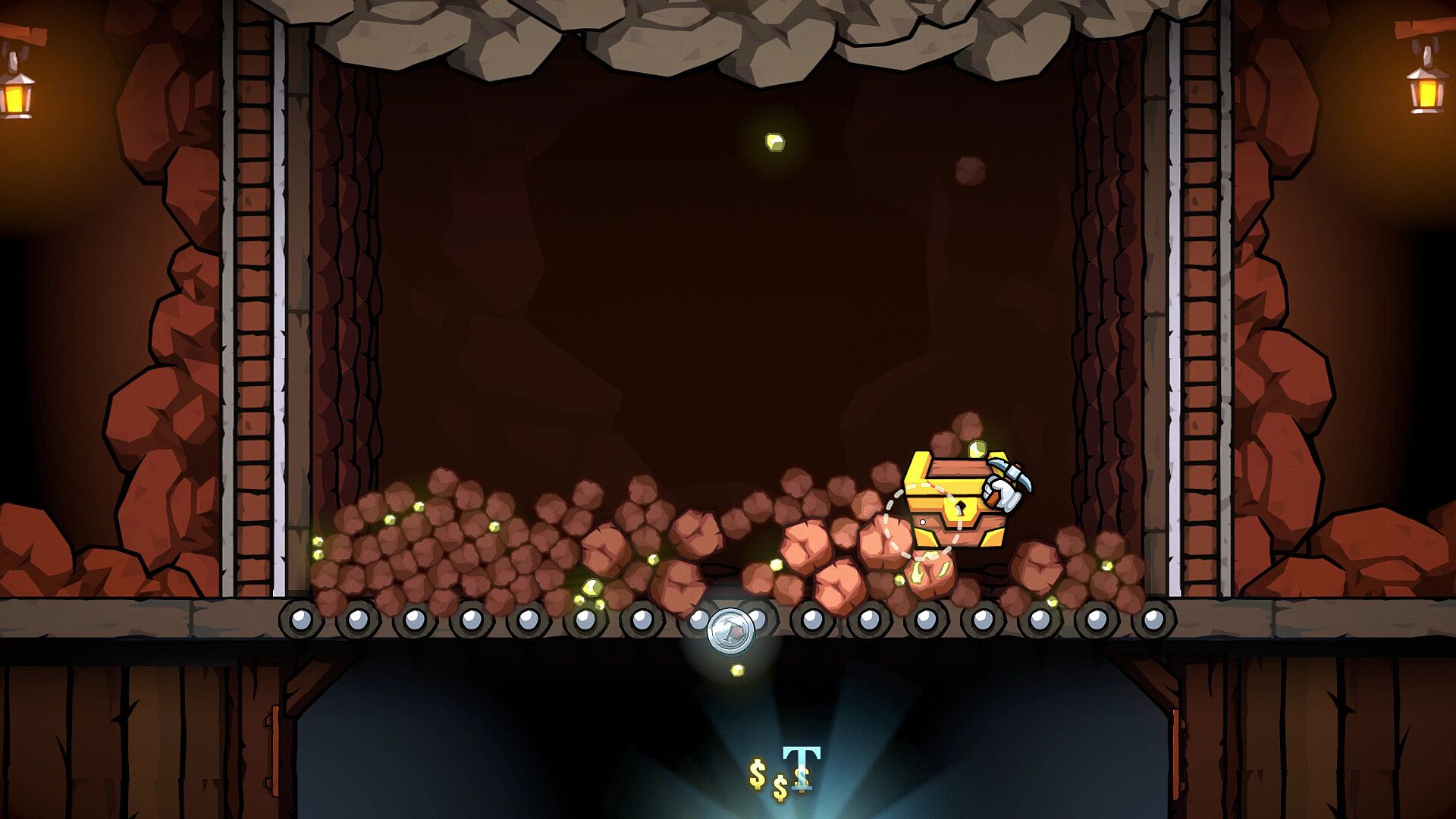
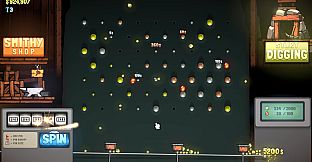
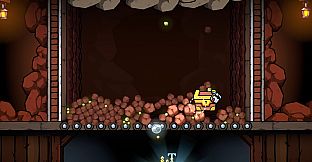
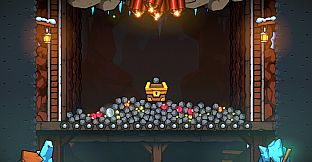
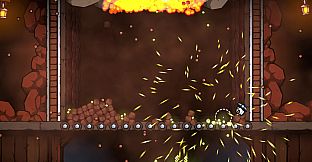
Too Deep To Stop is a casual physics-based incremental mining clicker developed for PC. Players break through layers of dirt and stone in timed runs, using precise hits and tools to dislodge valuable items and direct them toward a collector before the clock expires. The core loop revolves around physics interactions where every strike influences rocks, gems, and other objects in realistic ways, often creating chain reactions or avalanches that affect the outcome of each session.
Gameplay
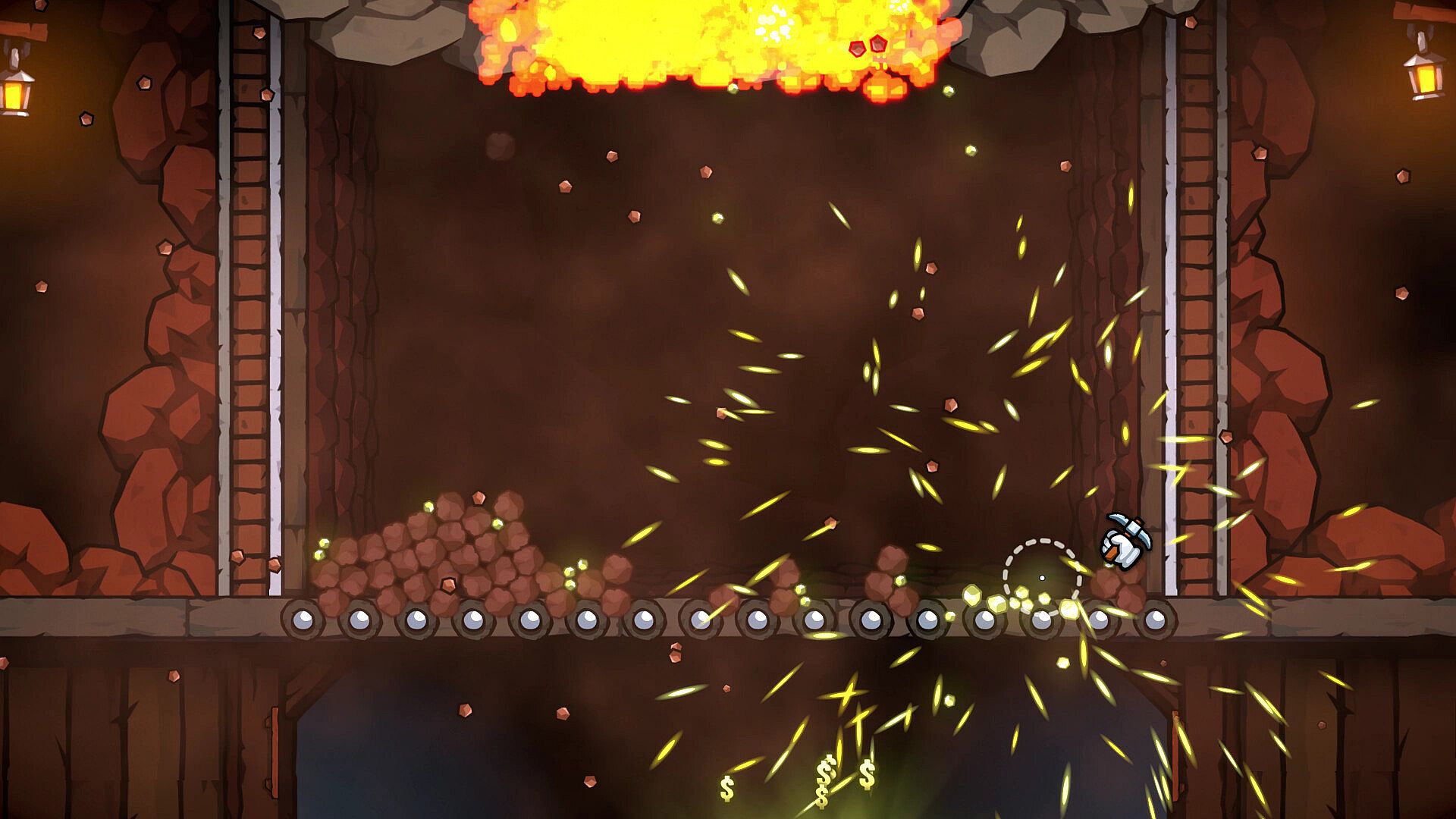
The central mechanic involves swinging at mine walls to shatter material and send treasure tumbling. Objects respond dynamically to impacts, so a well-placed blow can shift stones aside, free embedded gems, or trigger larger collapses that expose more loot. Positioning matters because hits can clear paths to the collector, reposition obstacles, or set up gravity-assisted sequences that multiply rewards without additional effort.
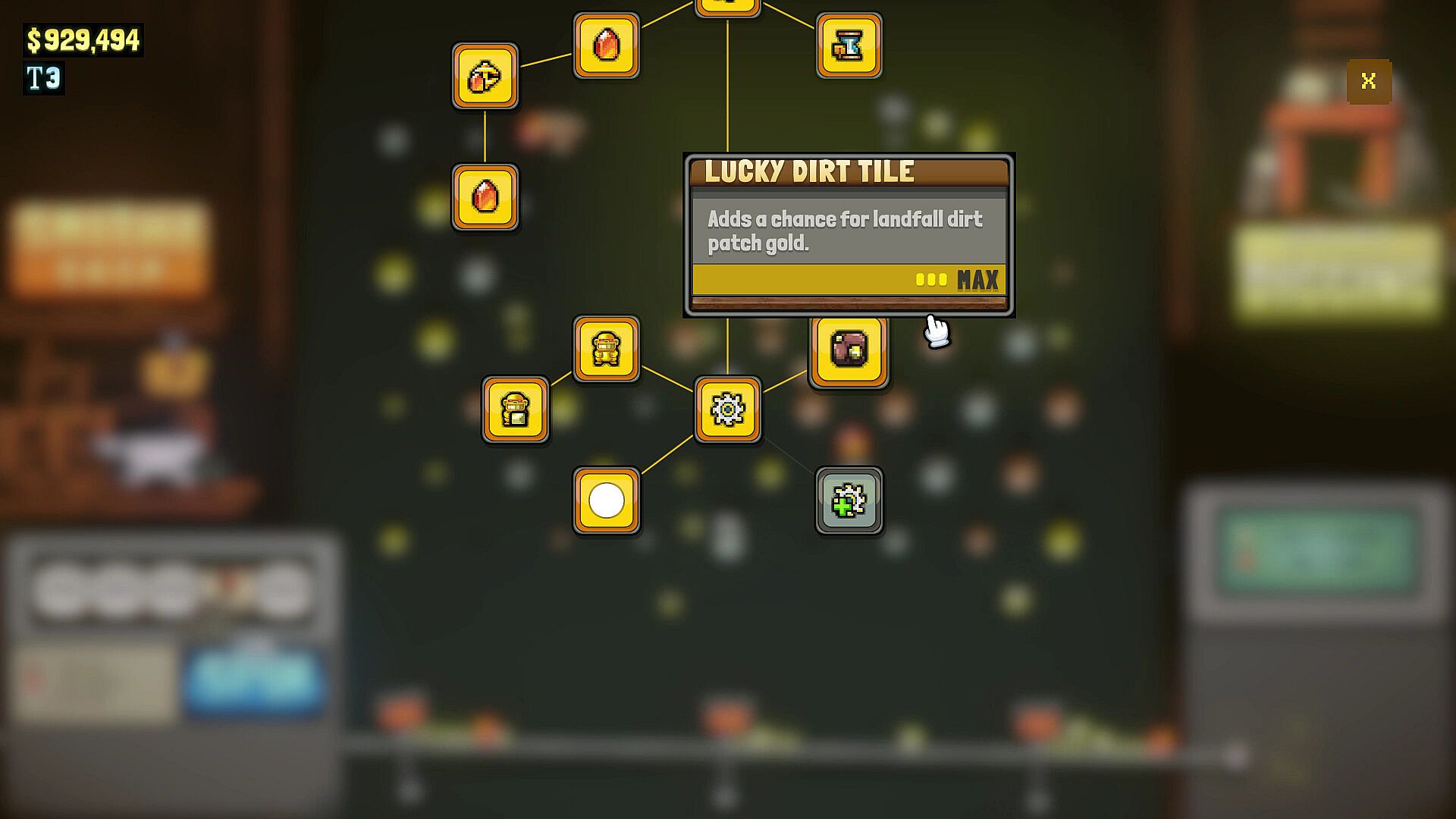
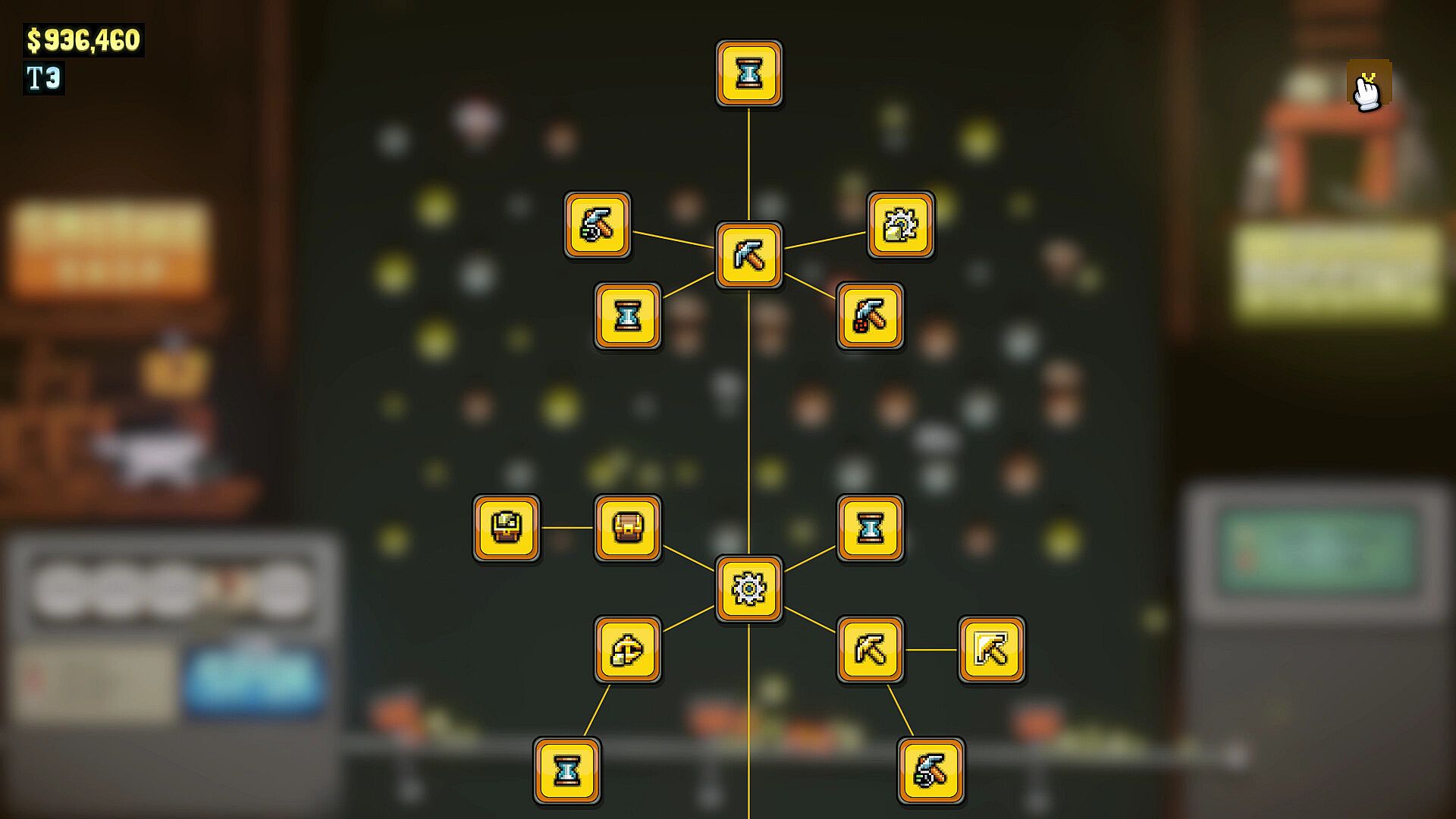
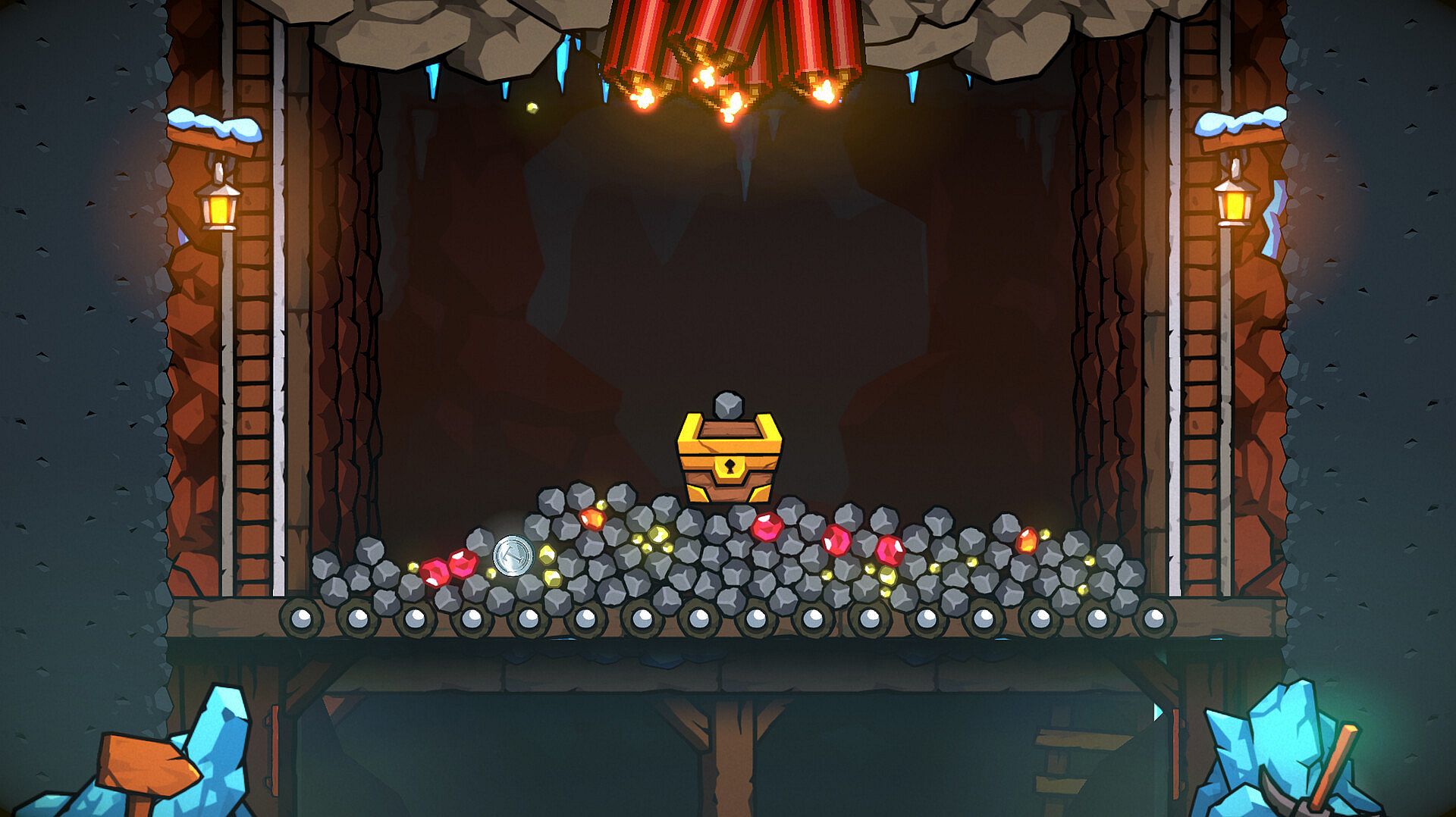
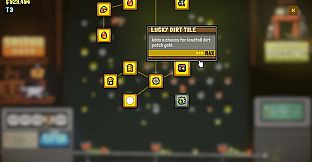
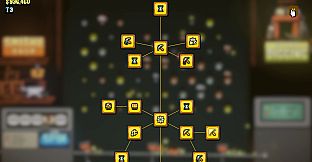
Progression comes through an upgrade tree that players customize to match their preferred mining style. Options include boosting the power and accuracy of manual clicks, expanding the area affected by each swing, accelerating automatic attack systems, enhancing the quality or quantity of collected items, or investing in heavier machinery. Later upgrades introduce specialized equipment such as dynamite for explosive clears, spinning saws for sustained cutting, and other devices that increase the scale of destruction while maintaining the focus on controlled chaos.
Multiple distinct mines appear as players advance, each featuring unique materials and associated rewards. Collectors gather gold, gems, chests, idols, and relics, with the value and type varying by location. The incremental nature means earnings from one run fund stronger capabilities for the next, creating a steady loop of experimentation and optimization.
Game Modes
Timed runs form the primary structure, with each session imposing quotas that grow stricter over successive attempts. Success depends on meeting or exceeding these targets within the allotted time, after which reward drops and bonus time extensions become available for strong performances. The emphasis stays on single-player sessions where strategy centers on adapting hit patterns and tool use to the specific mine layout and physics outcomes.
No additional named modes beyond these timed challenges appear in the available details. The experience centers on repeated runs that build toward deeper progress through the upgrade system and mine variety rather than separate competitive or cooperative formats.
Upgrades and Progression
The branching upgrade tree encourages different approaches to mining. Some paths favor careful, targeted manual strikes that minimize waste and maximize precision. Others prioritize broad coverage, faster automation, or explosive interventions that reshape entire sections of the mine at once. Players decide whether to emphasize loot quality, hit frequency, tool durability, or raw power, with each choice altering how subsequent runs unfold.
As upgrades accumulate, the available equipment expands to include items that would raise safety concerns in a real setting. These additions allow for more ambitious strategies while still requiring players to read the physics of each situation and adjust on the fly.
Is It Worth Playing?
Too Deep To Stop targets players who enjoy incremental clicker mechanics combined with physics-driven interactions and short, repeatable sessions. The single-player focus and emphasis on building a personal upgrade path suit those who like experimenting with different strategies across multiple mines without external pressure.
Because the game remains in a pre-release state with no user reviews available yet, reception cannot be assessed from actual play data. The described systems suggest appeal for fans of casual mining games that reward observation of object behavior and thoughtful investment in tools. Those drawn to physics puzzles, upgrade customization, and the satisfaction of efficient hauls in limited time windows will likely find the core loop engaging once it launches.