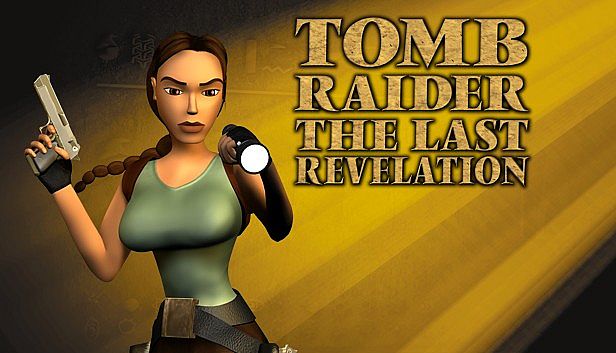













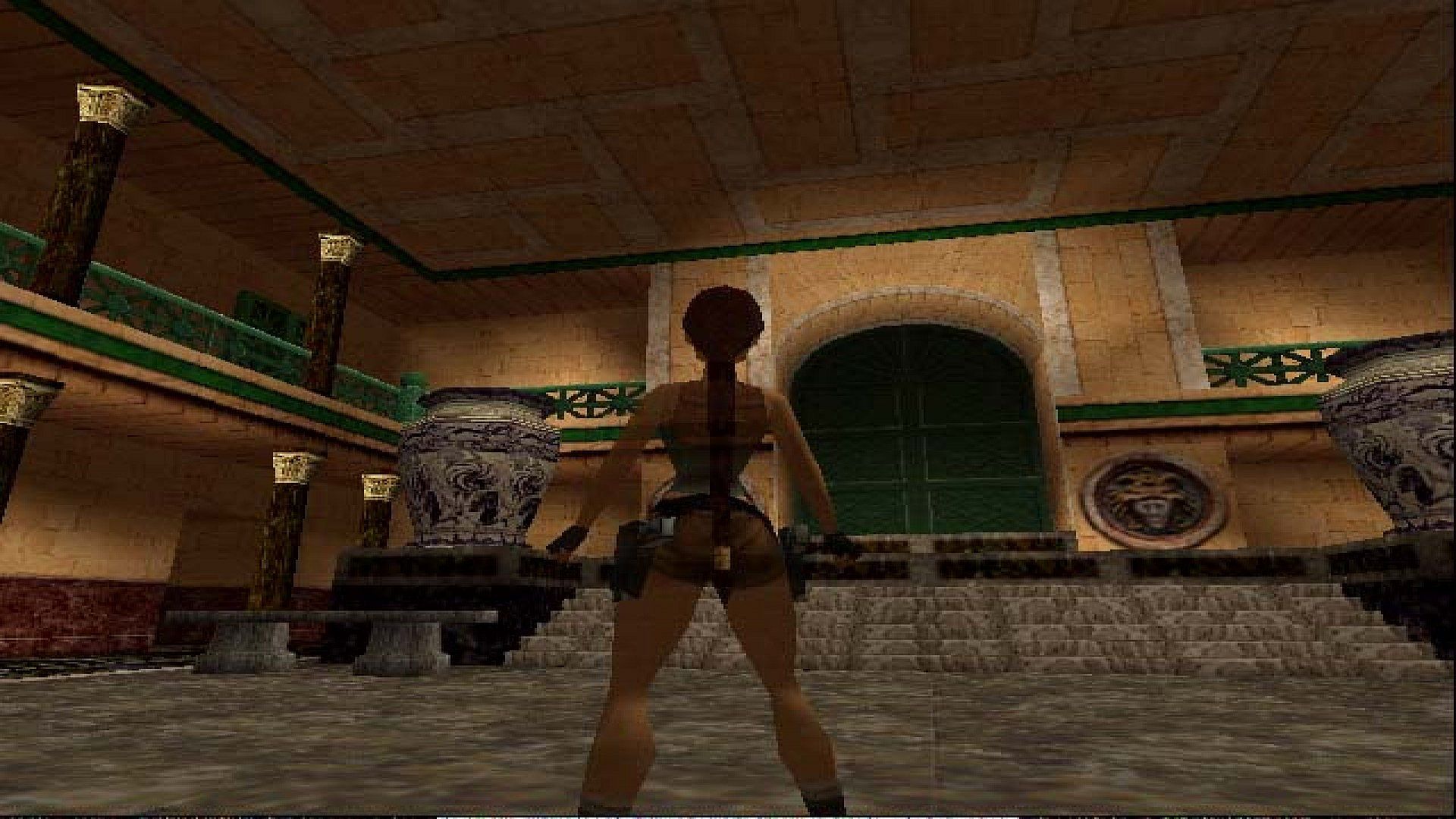
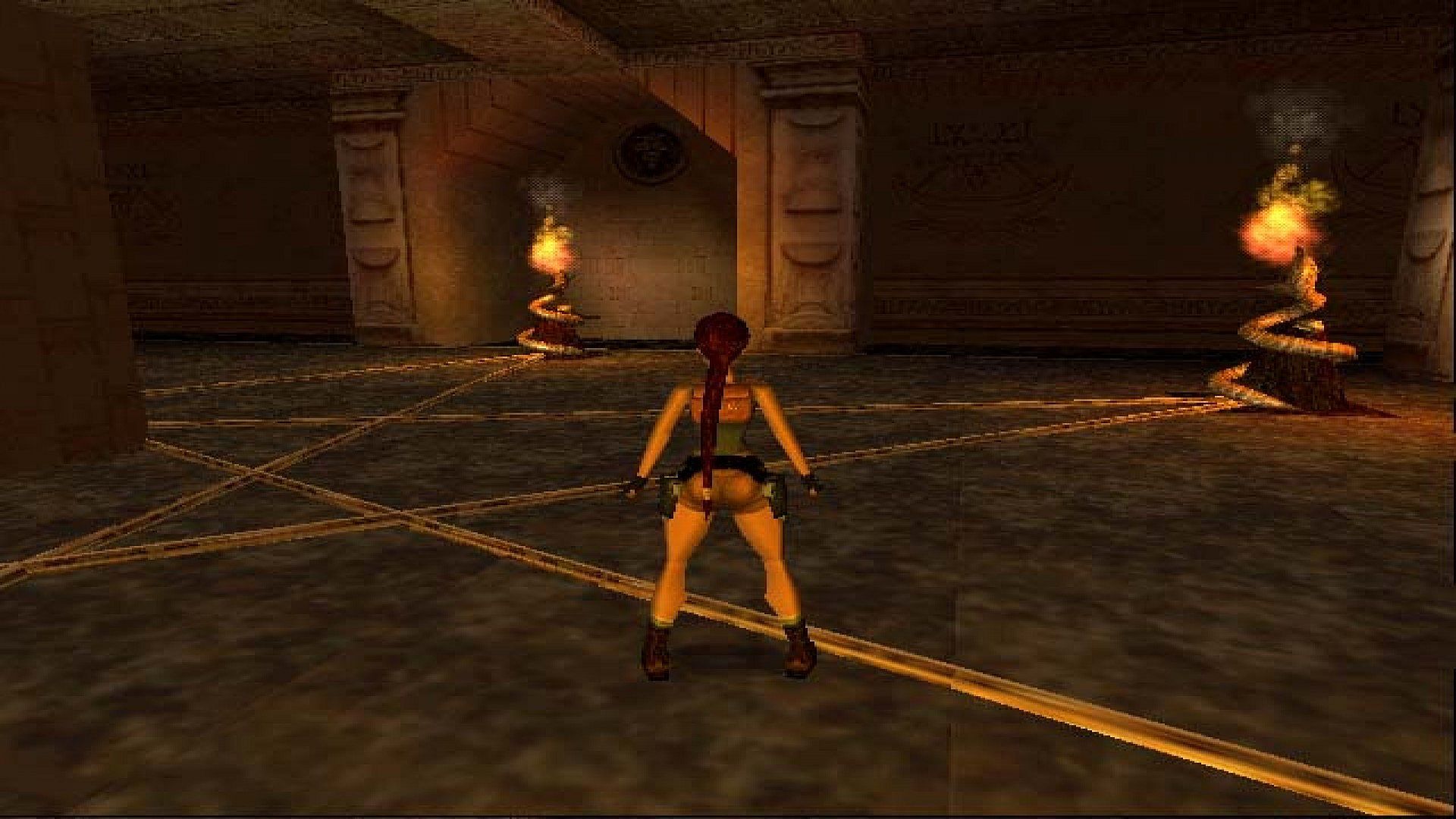
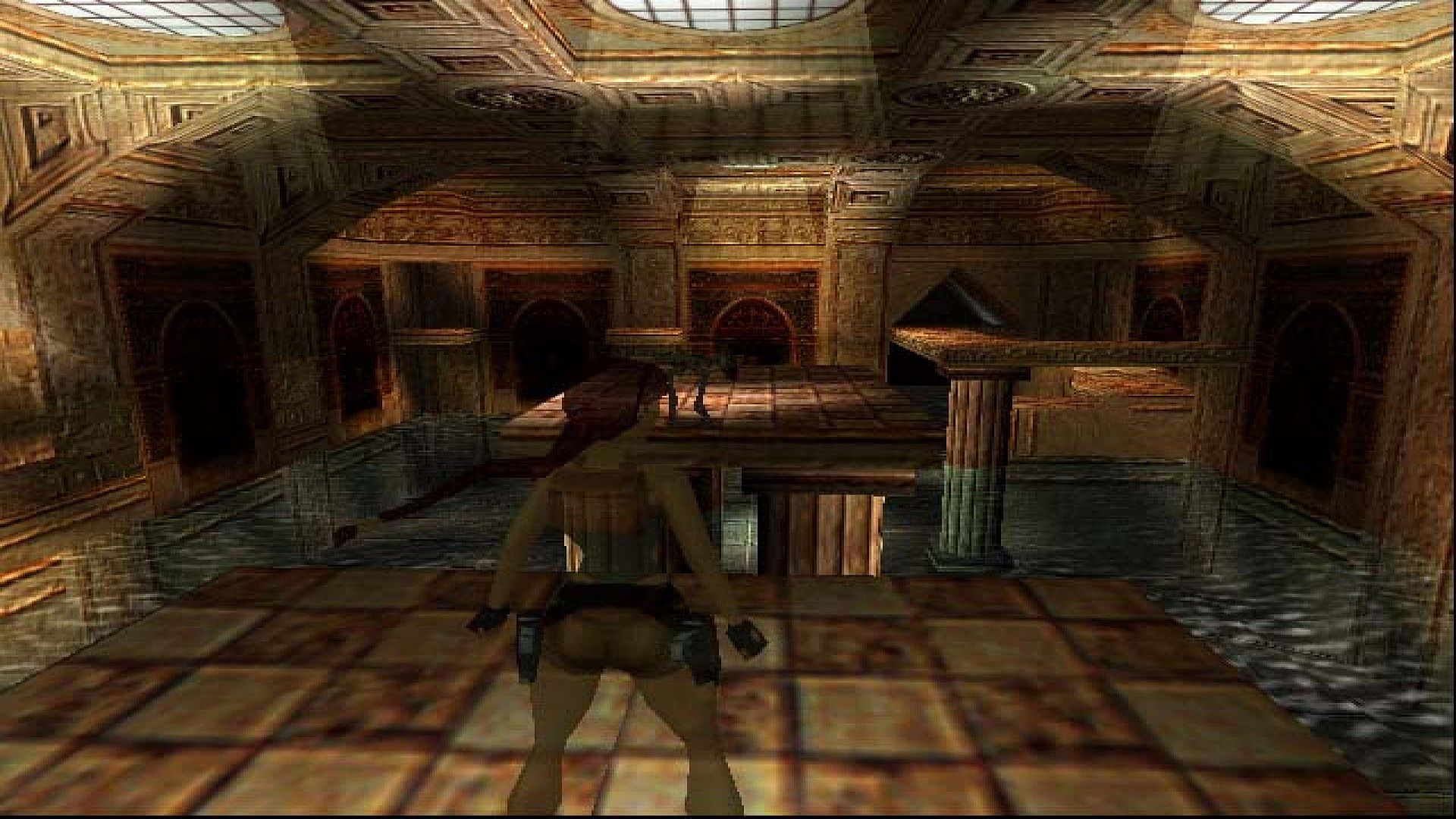
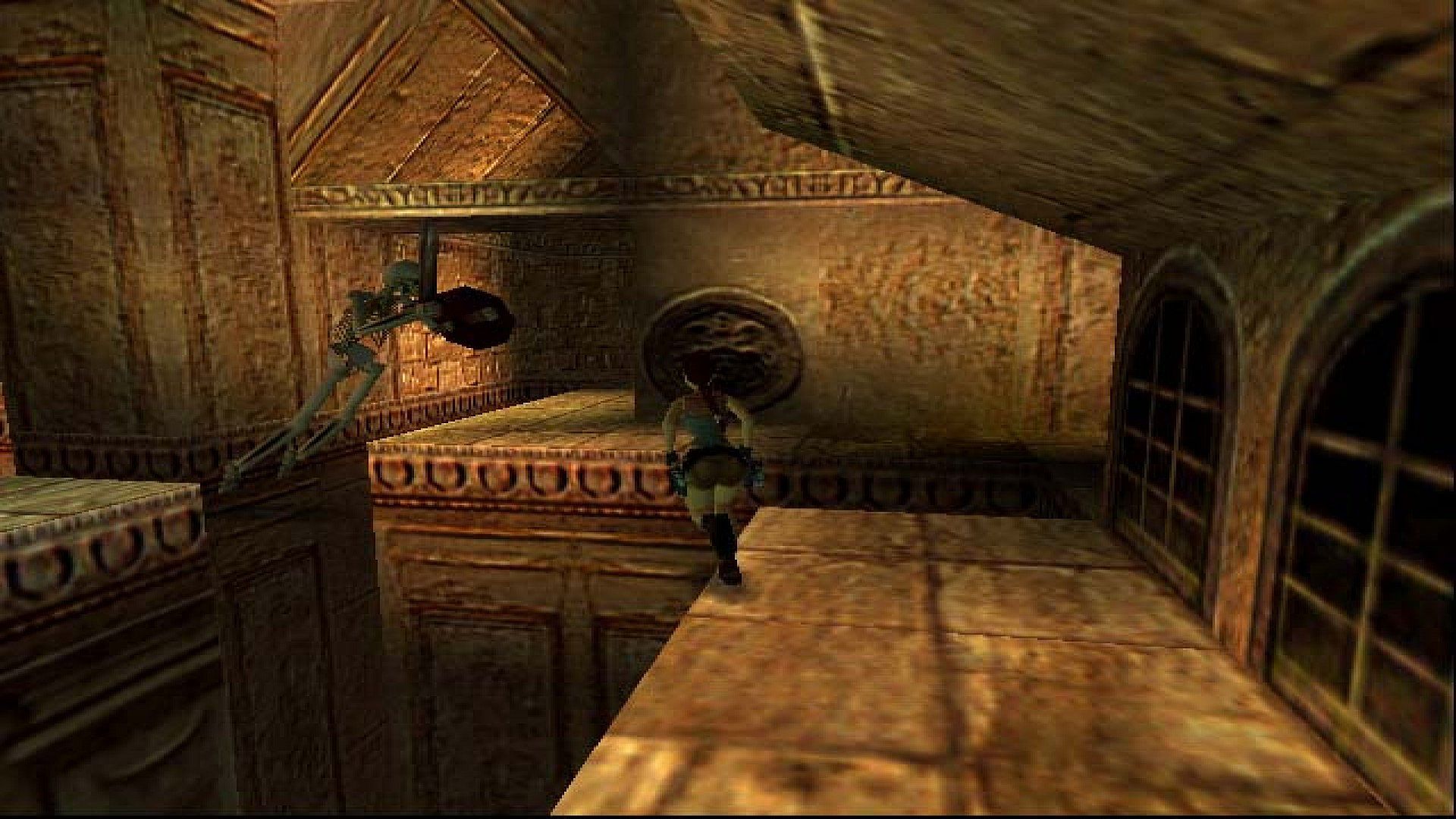
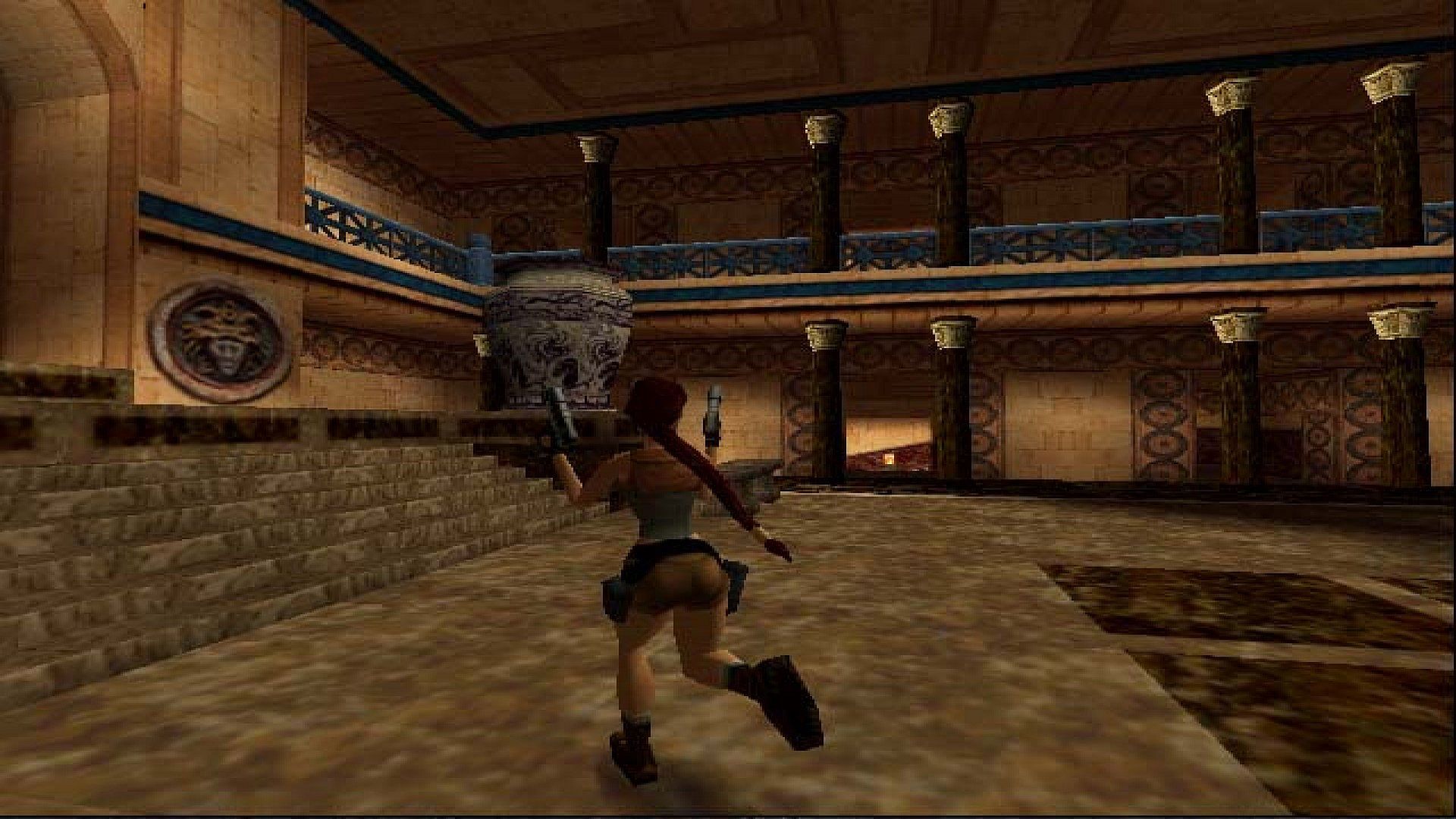
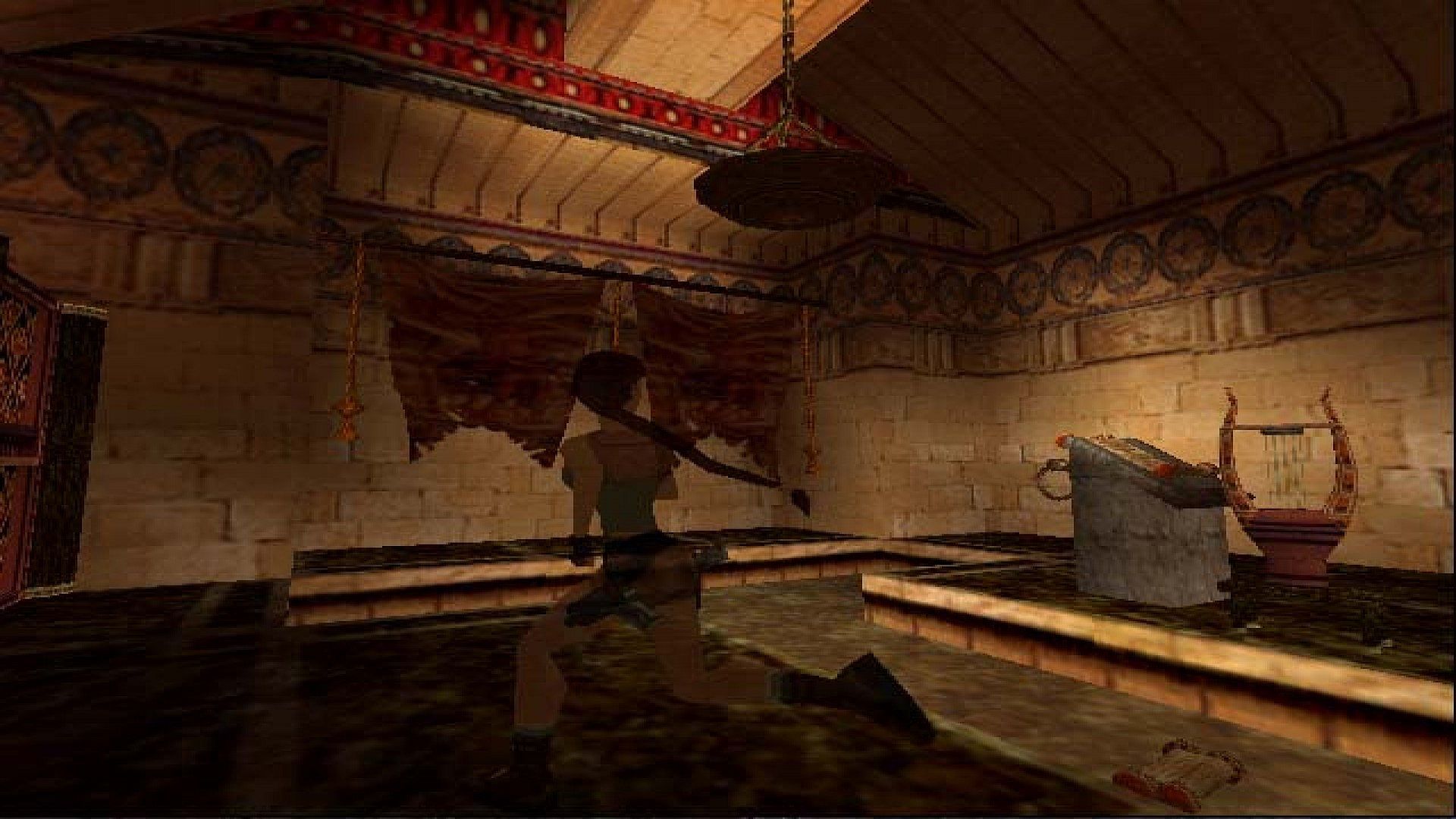
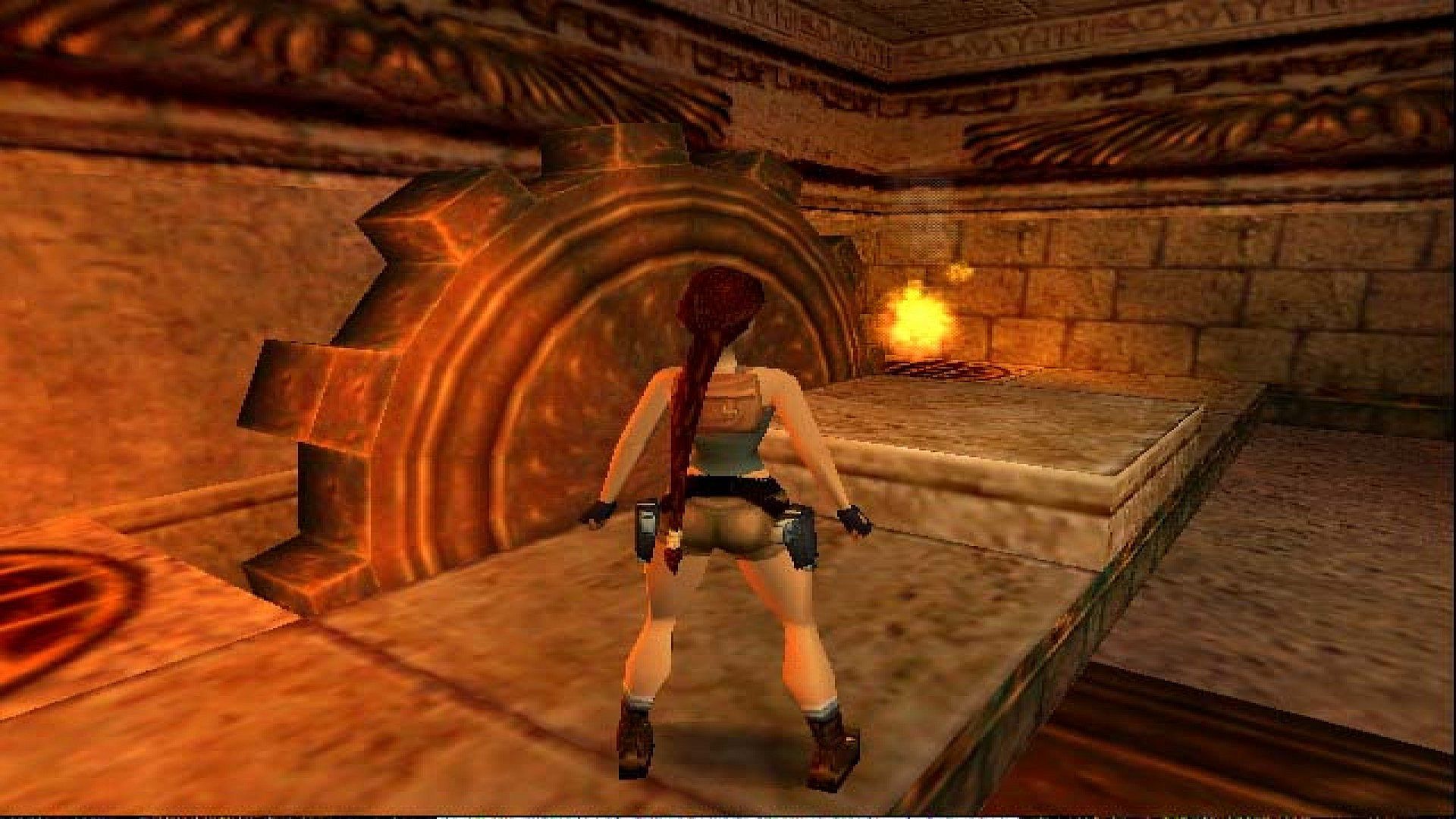
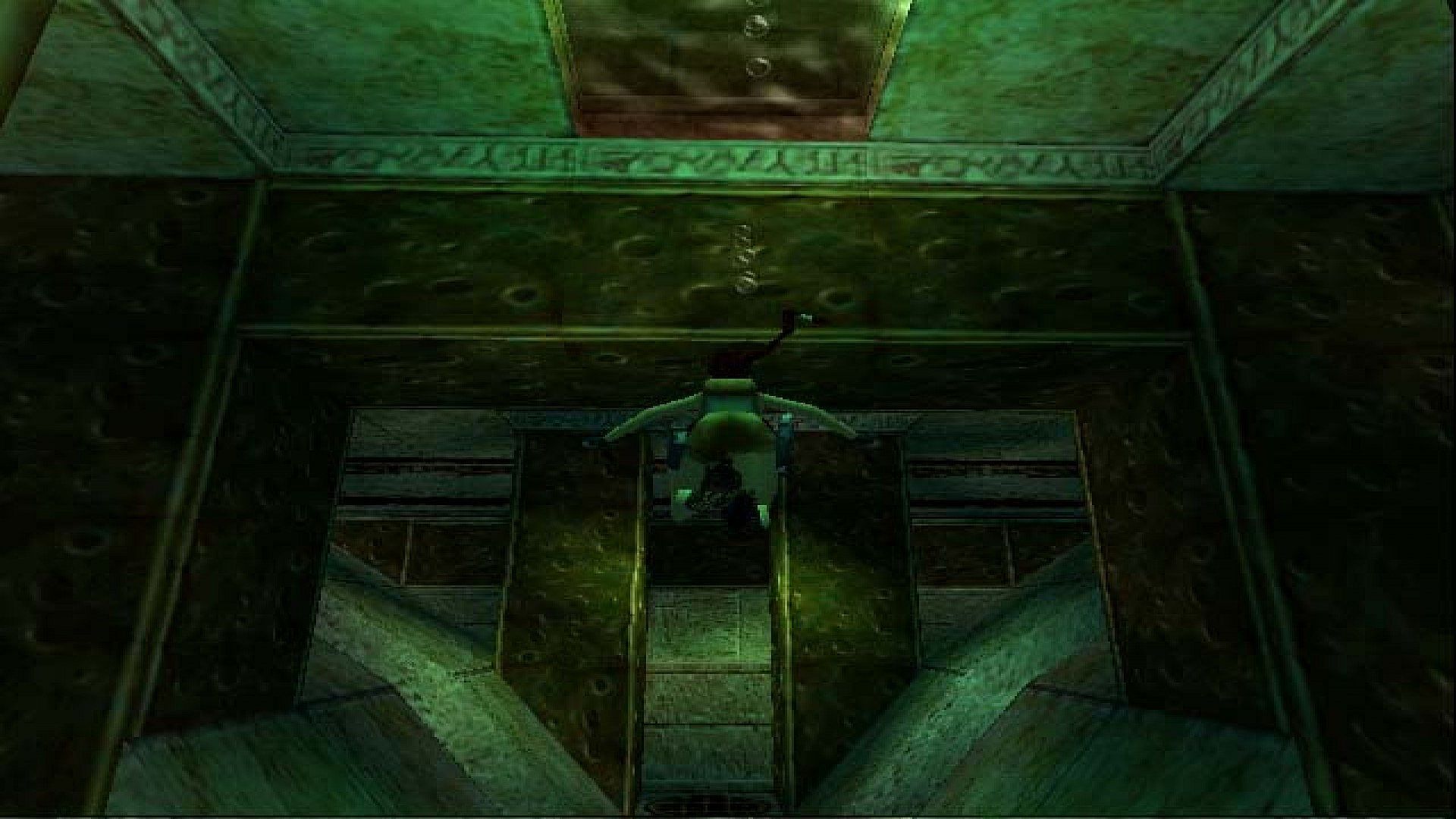
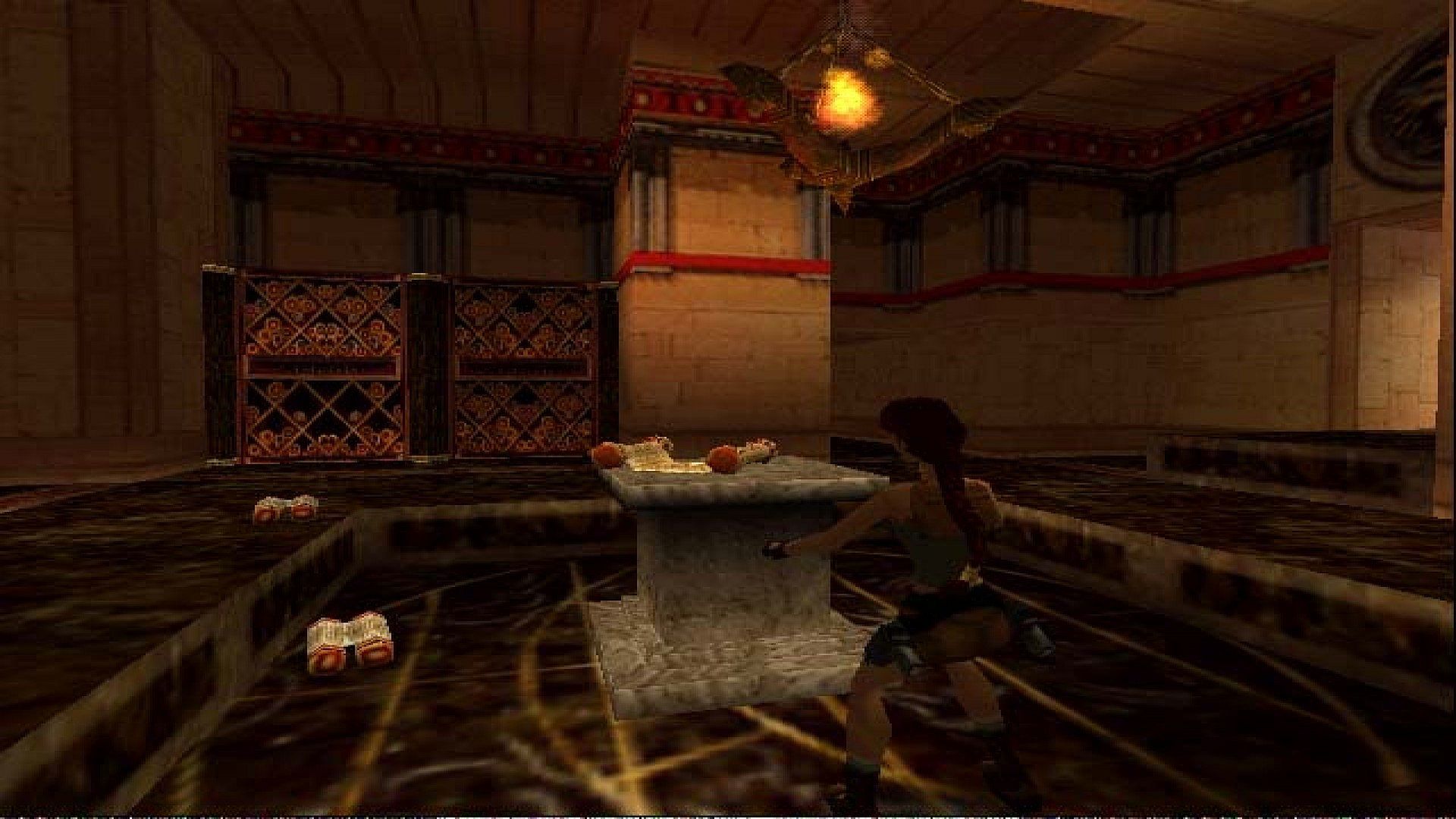
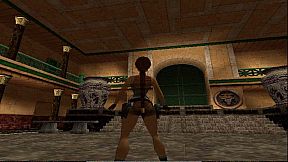
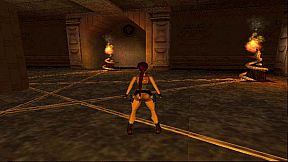
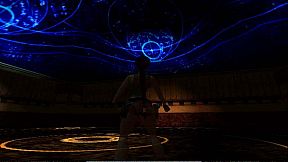
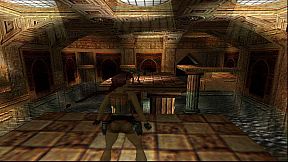
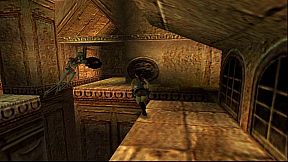
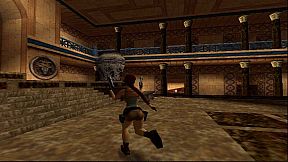
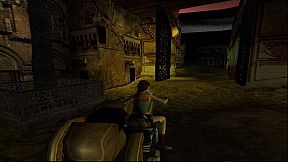
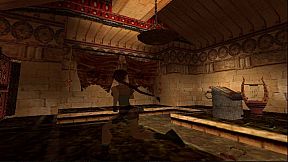
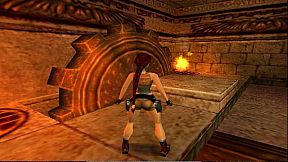
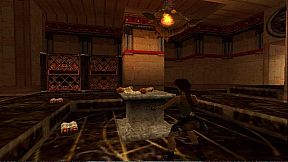
Tomb Raider IV: The Last Revelation is a 1999 action-adventure game that places players in control of Lara Croft as she navigates ancient Egyptian ruins and tombs. The core experience centers on exploration, puzzle-solving, and light combat across a series of interconnected levels set primarily in Egypt, following a brief tutorial segment in Cambodia. Lara accidentally releases the god Set from his prison, triggering a chain of events that requires her to reverse the damage before widespread destruction occurs. Her rival, Werner Von Croy, adds tension through pursuit and interference at key moments.
Gameplay
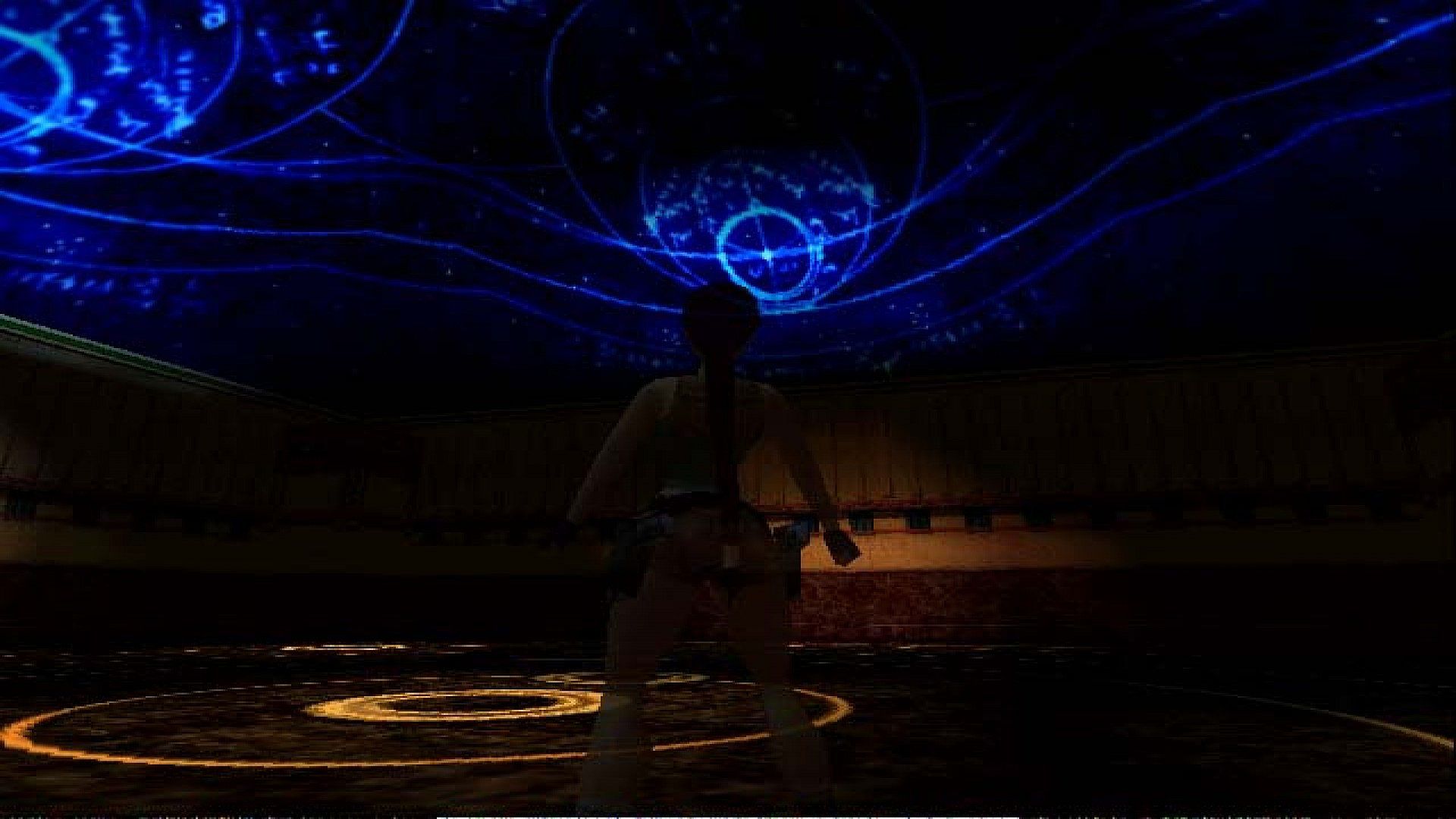
The gameplay loop revolves around third-person navigation of detailed environments using tank-style controls. Lara can walk, run, jump across gaps, climb poles and ropes, swing on ropes, crawl through tight spaces, and traverse around corners. New mechanics include the ability to combine certain inventory items and use binoculars that double as a light source for dark areas. A compass returns as a tool for orienting during puzzles rather than simple navigation.
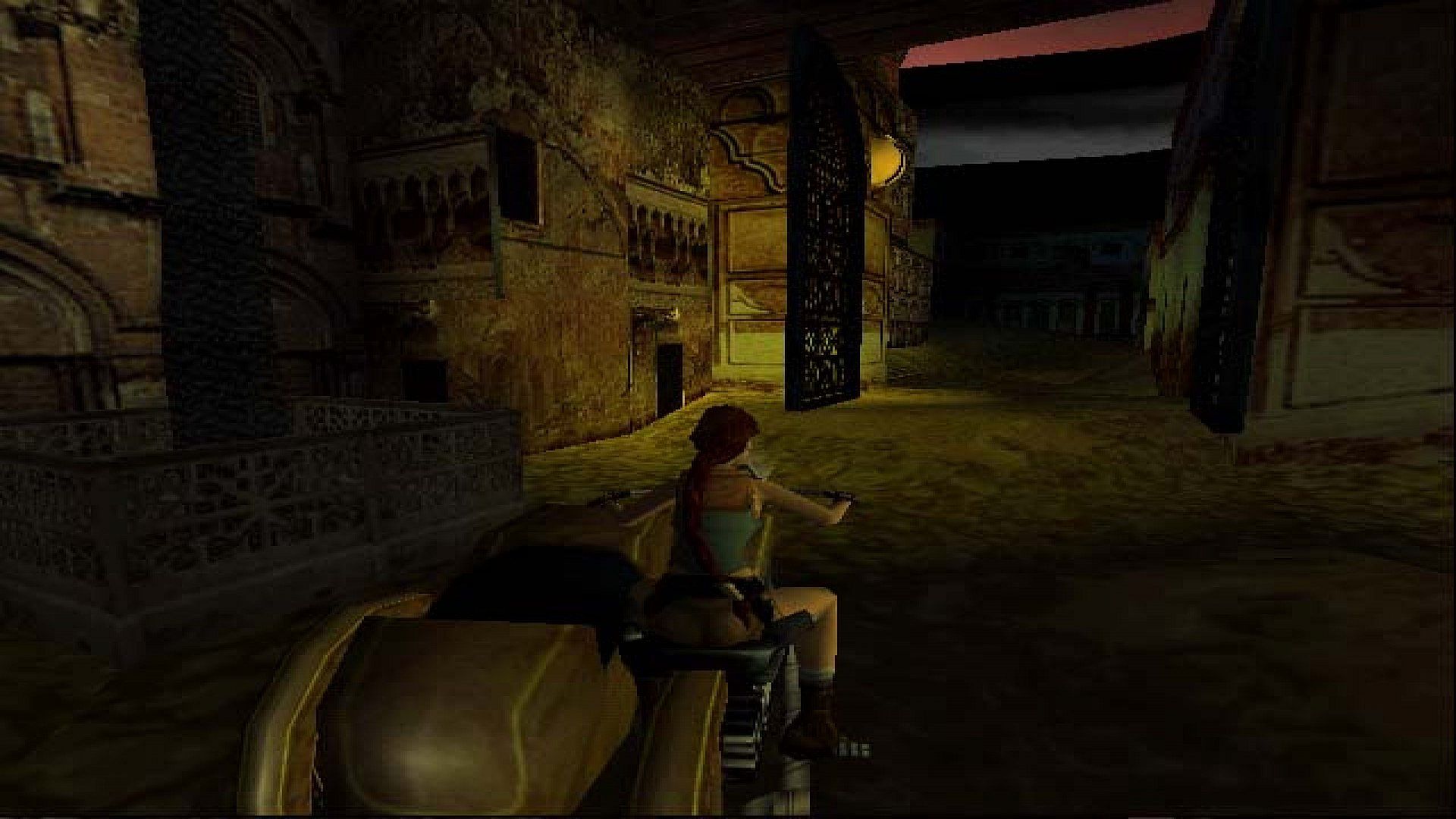
Levels function as interconnected hubs that encourage backtracking. Players revisit areas after acquiring new tools or keys, with shortcuts opening up over time. Puzzles range from switch activations and item placement to more elaborate sequences involving environmental interactions like moving blocks or aligning mechanisms. Some sections feature vehicle segments with a jeep or motorcycle that alter the pace of traversal.
Combat integrates into the adventure flow rather than dominating it. Lara relies on dual pistols with unlimited ammunition for most encounters, while limited-ammo weapons such as shotguns, Uzis, a revolver, grenade launcher, and crossbow provide options for tougher foes. Certain enemies require creative approaches, such as knocking them from ledges or using specific ammunition types. The system emphasizes positioning and resource management over rapid-fire action.
Game Modes
The game operates exclusively in a single-player campaign format. There are no separate multiplayer modes, competitive arenas, or co-operative options. Progress follows a linear story path divided into distinct levels, though the interconnected design allows for some freedom in exploration order within hub sections. Players advance by completing objectives tied to the central narrative, with no branching paths or alternative endings based on choices.
Difficulty remains consistent across the campaign, with challenges arising from precise platforming, puzzle logic, and occasional combat encounters. Save points are available, and the PC version supports quick-save functionality for repeated attempts at tricky sections. No additional modes such as time trials or challenge arenas appear in the original release.
Story and Setting
The narrative unfolds across Egyptian locations that include temples, tombs, and desert outposts. Ancient mechanisms, traps, and mythical elements drive progression as Lara works to contain the released threat. The story incorporates rivalries and prophecies that tie directly into level design, with Von Croy appearing in scripted moments that influence pacing.
Environmental storytelling plays a significant role. Detailed architecture and hidden chambers reveal pieces of the legend surrounding Horus and Set without relying on lengthy cutscenes. The setting stays focused on one primary region after the opening, creating a sense of depth through repeated visits to evolving spaces rather than constant travel between distant locales.
Is It Worth Playing?
This title suits players who enjoy methodical exploration and puzzle-solving in a classic third-person framework. The interconnected level structure rewards careful observation and repeated visits, while the addition of rope mechanics and item combination adds variety to the established Tomb Raider formula. Combat serves as a secondary element that breaks up traversal without overwhelming the adventure focus.
A remastered edition updates the visuals and refines controls for modern hardware, addressing some of the original's dated aspects while preserving the core experience. The campaign length stands out among earlier entries, offering extended playtime through its hub design and puzzle density. Those seeking fast-paced action or online features will find the single-player emphasis limiting, but the game delivers a cohesive adventure for fans of deliberate, environment-driven gameplay.
Reception highlights the improved puzzle complexity and set-piece variety compared to prior games, though some note the controls require adjustment. Availability on PC platforms, including updated versions, makes it accessible for new players interested in the series' foundational style.