













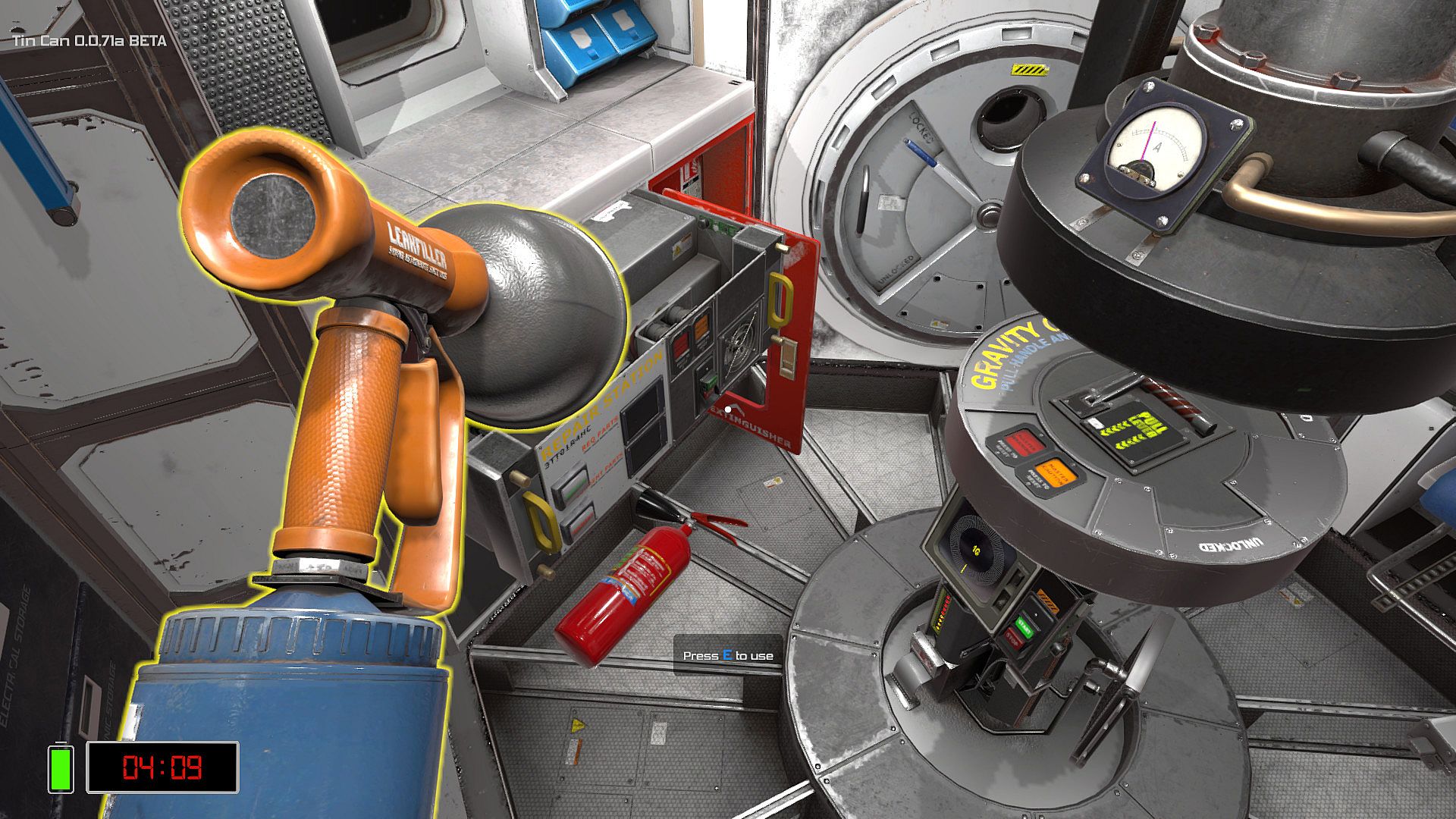
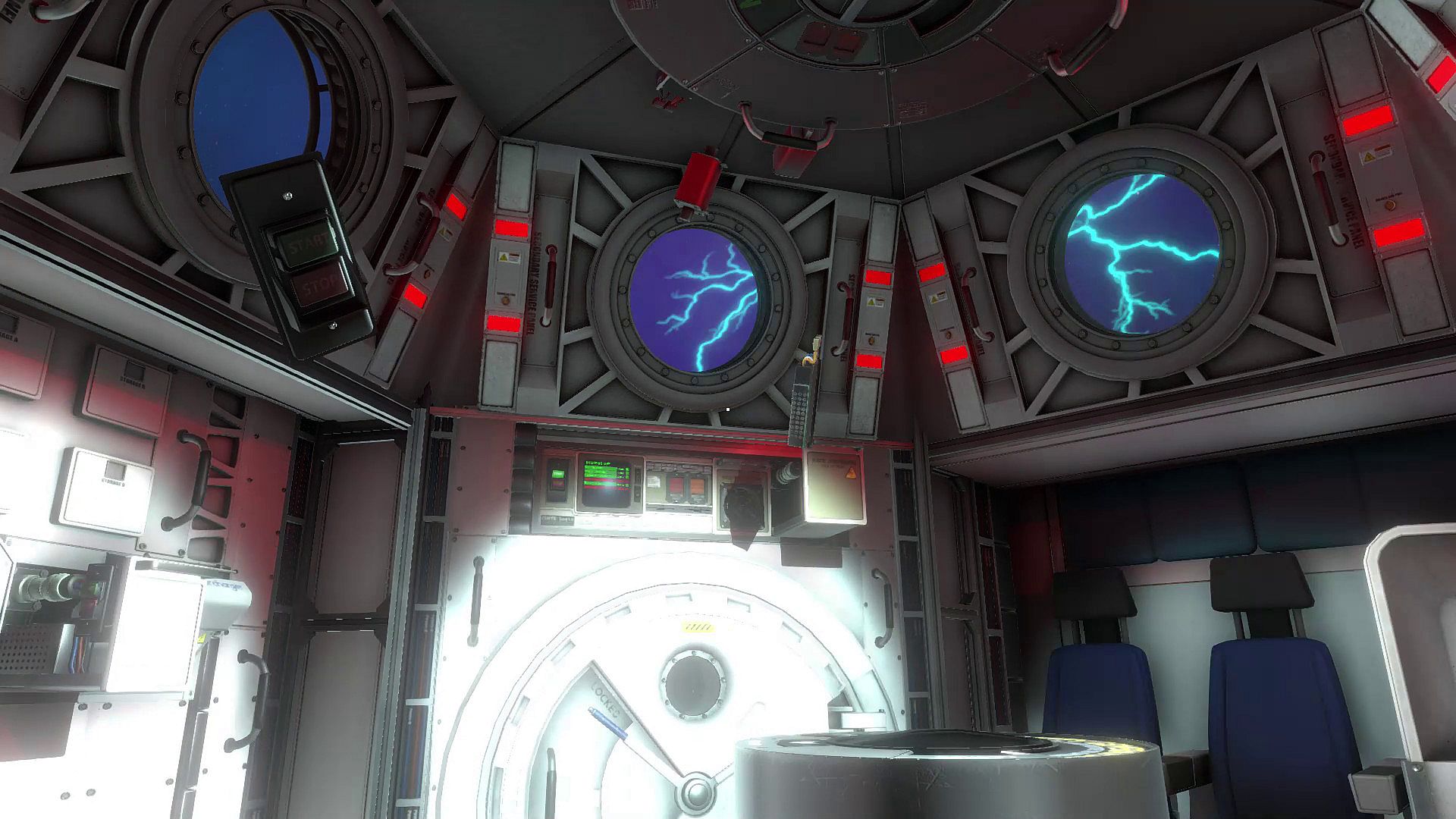
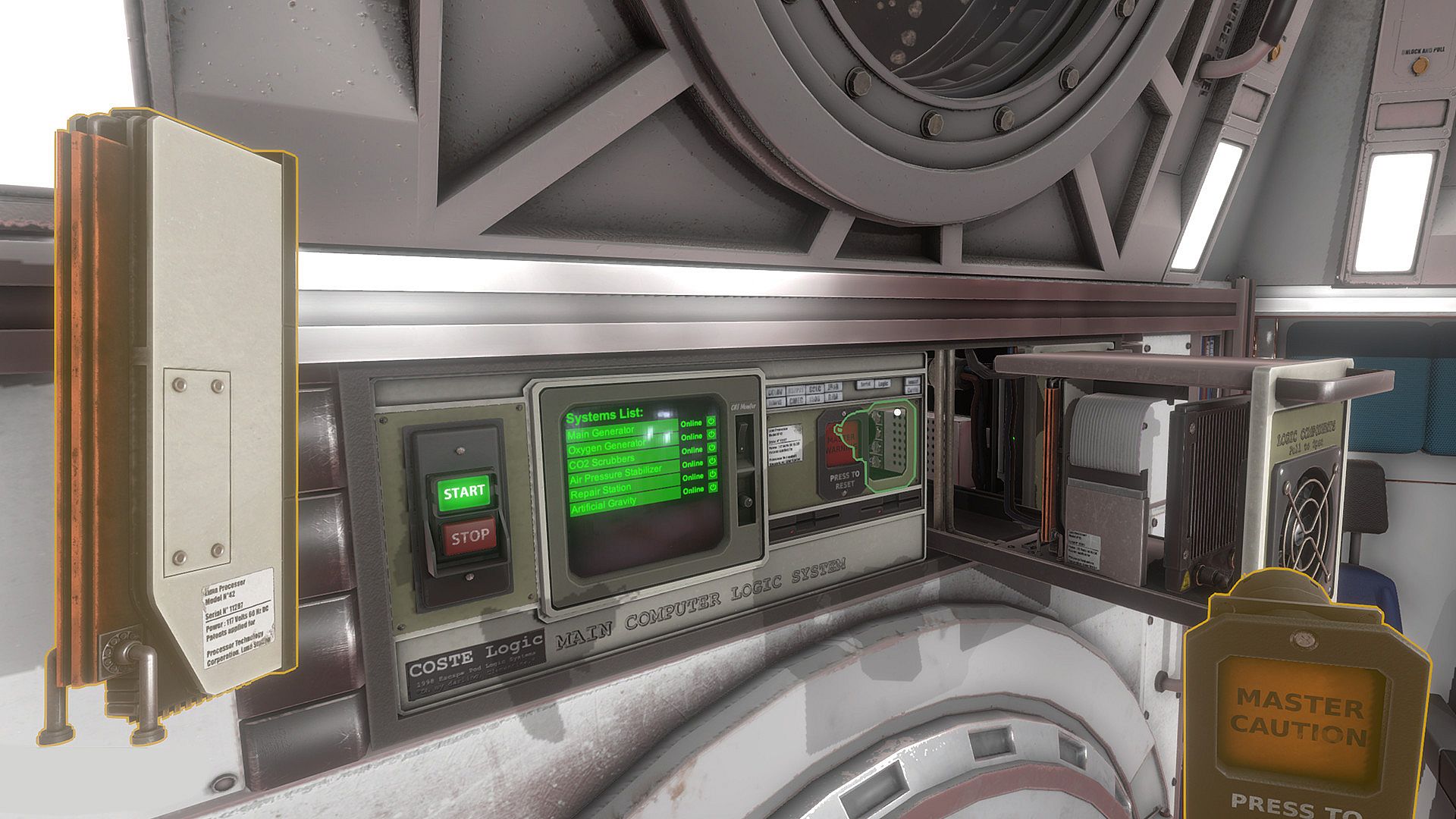
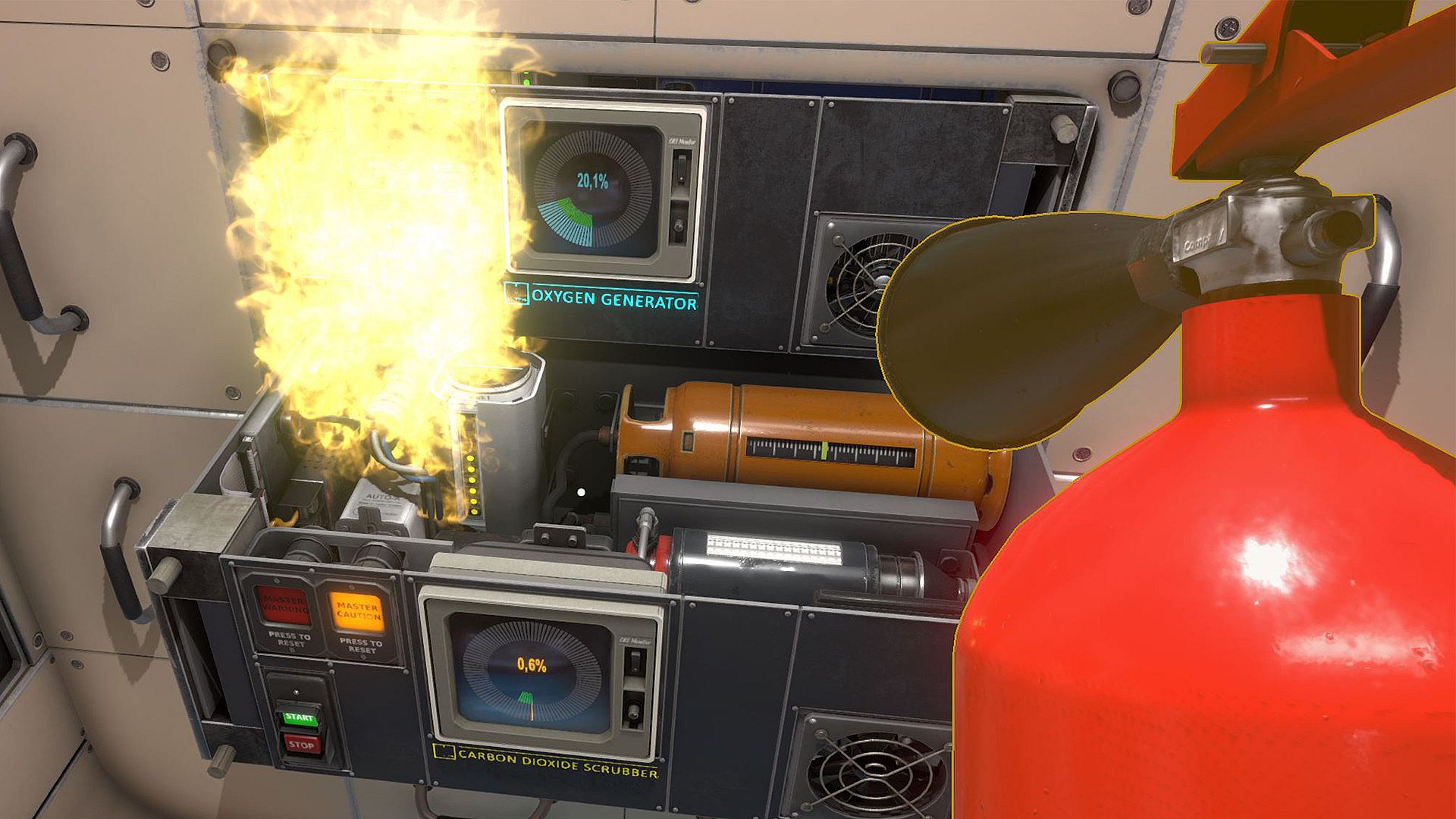
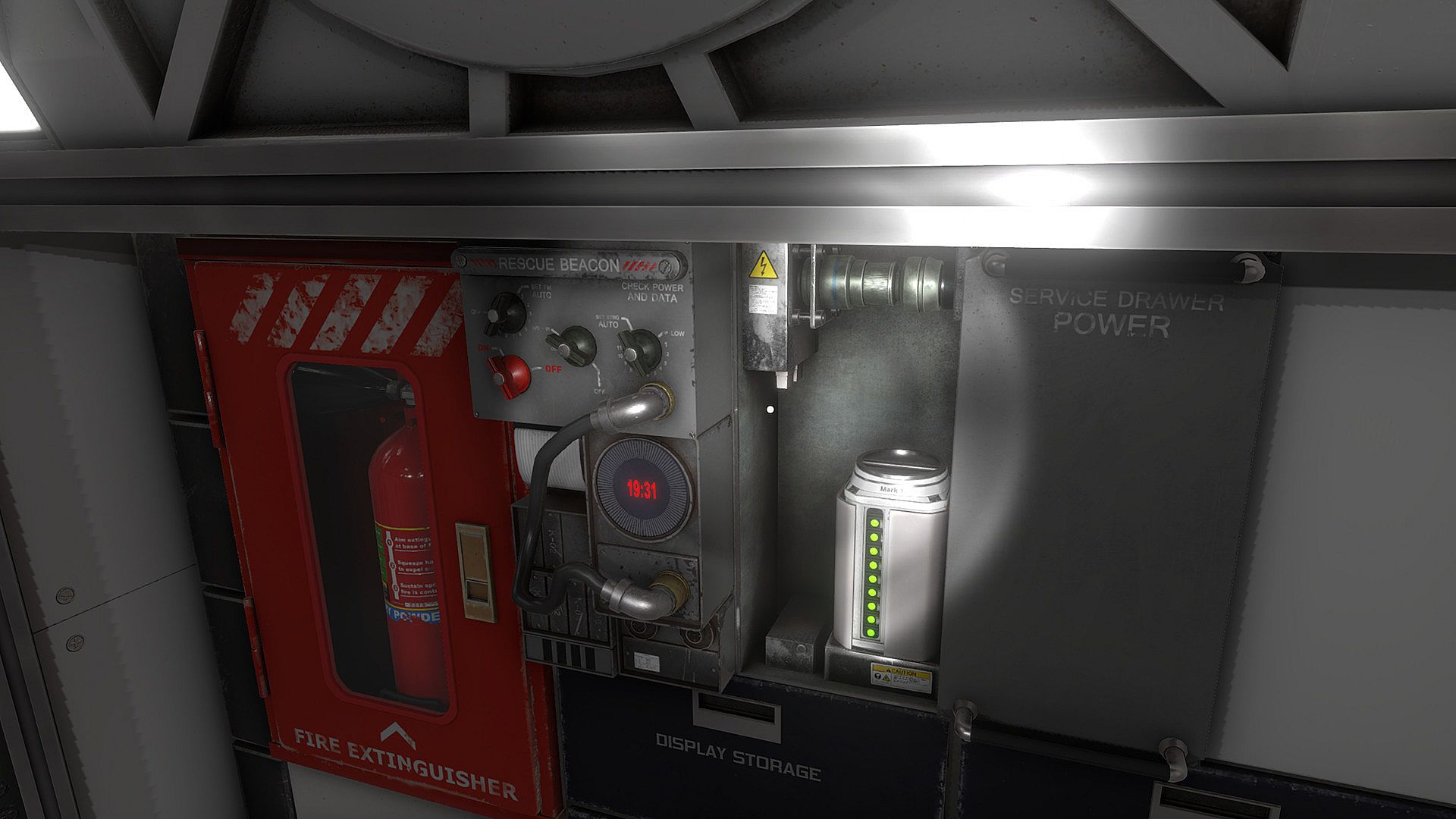
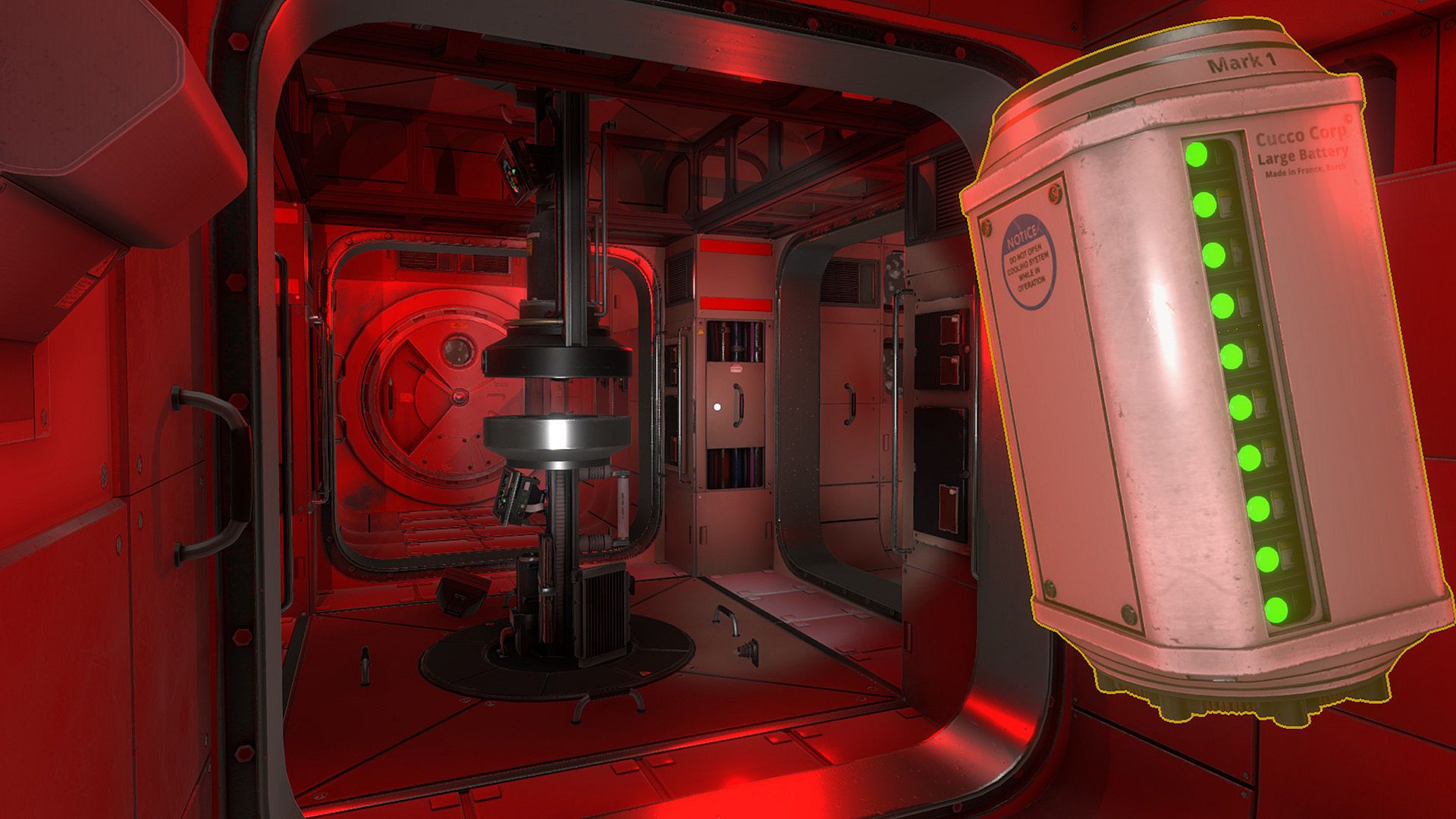
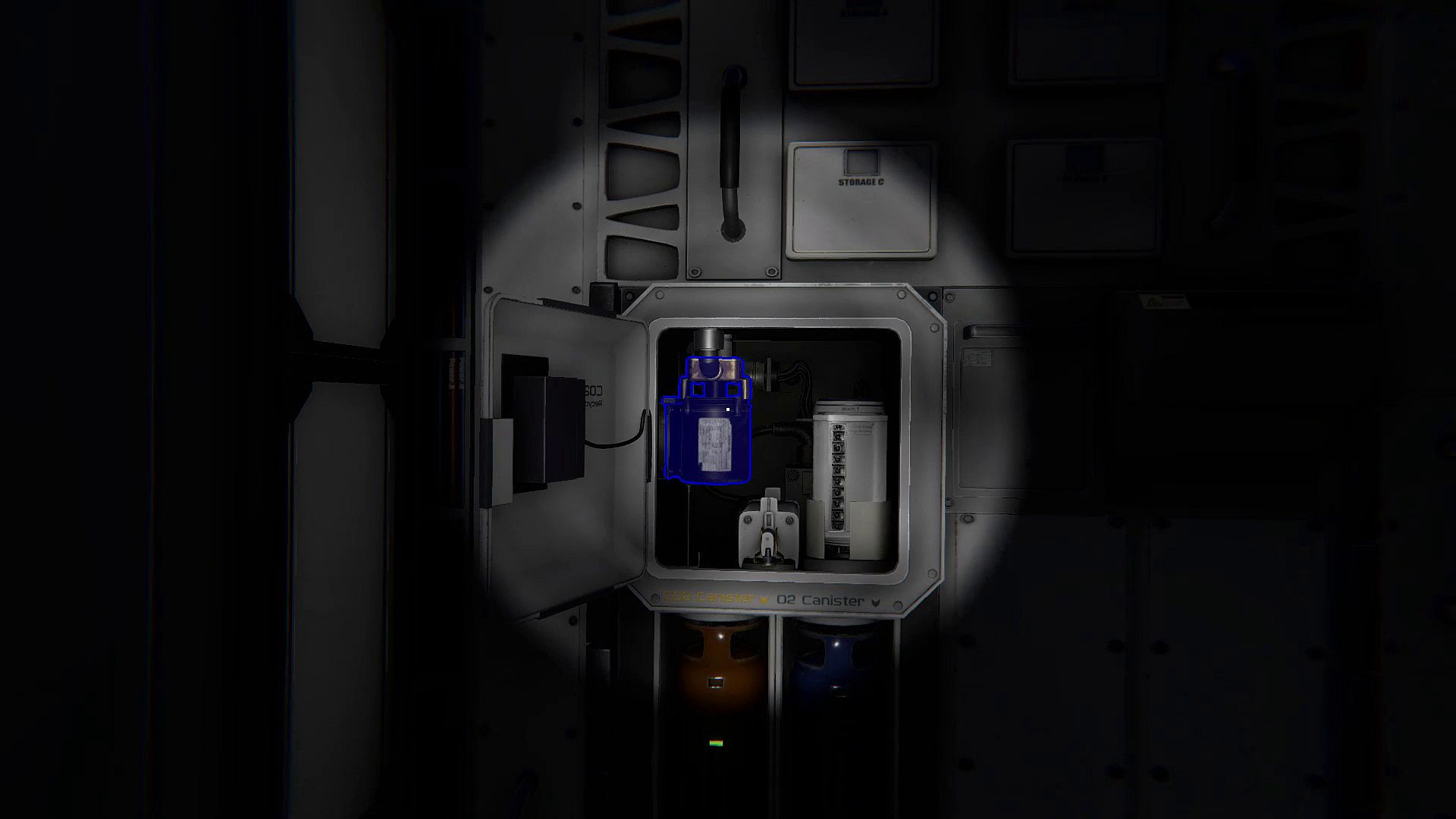
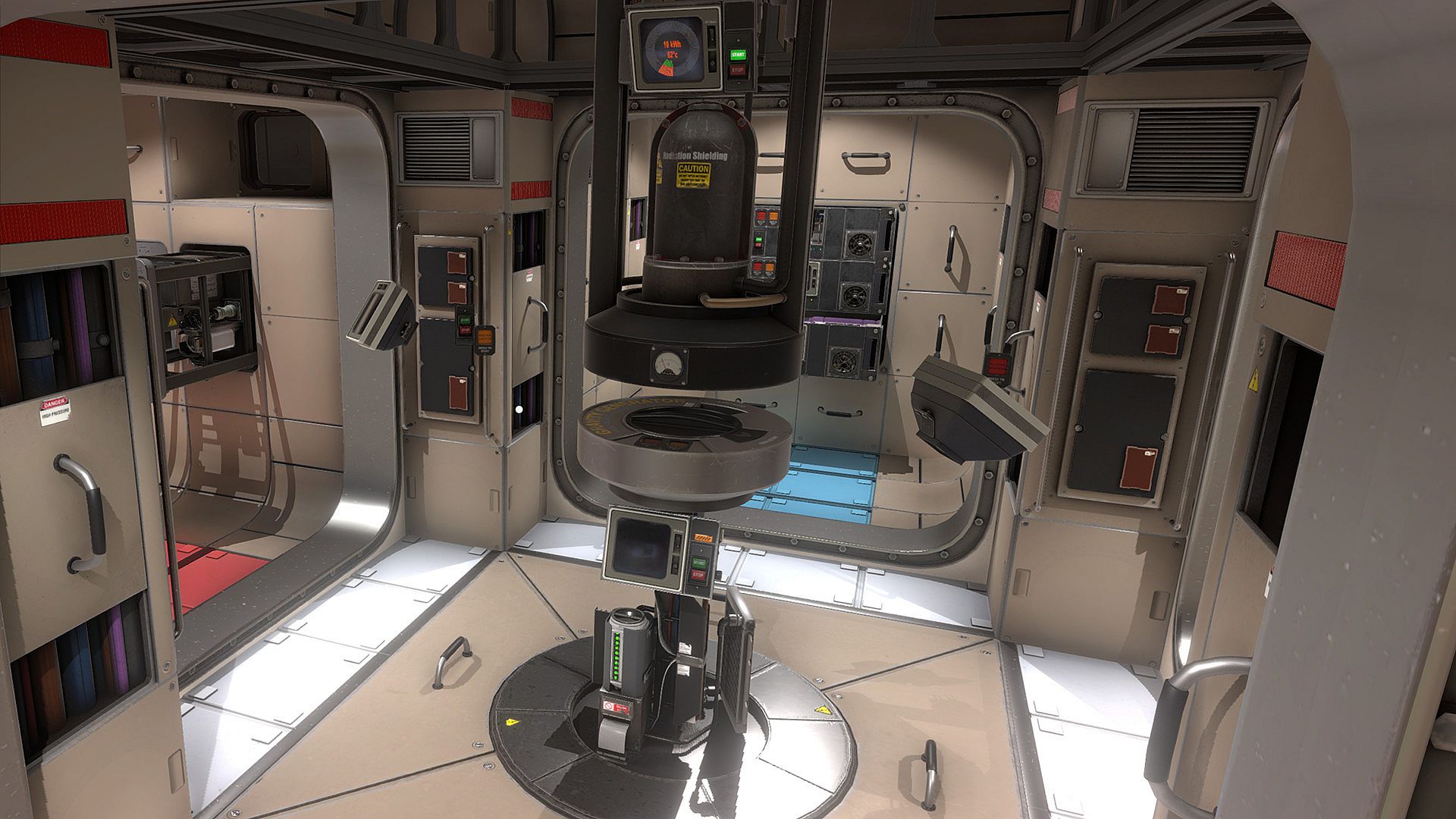
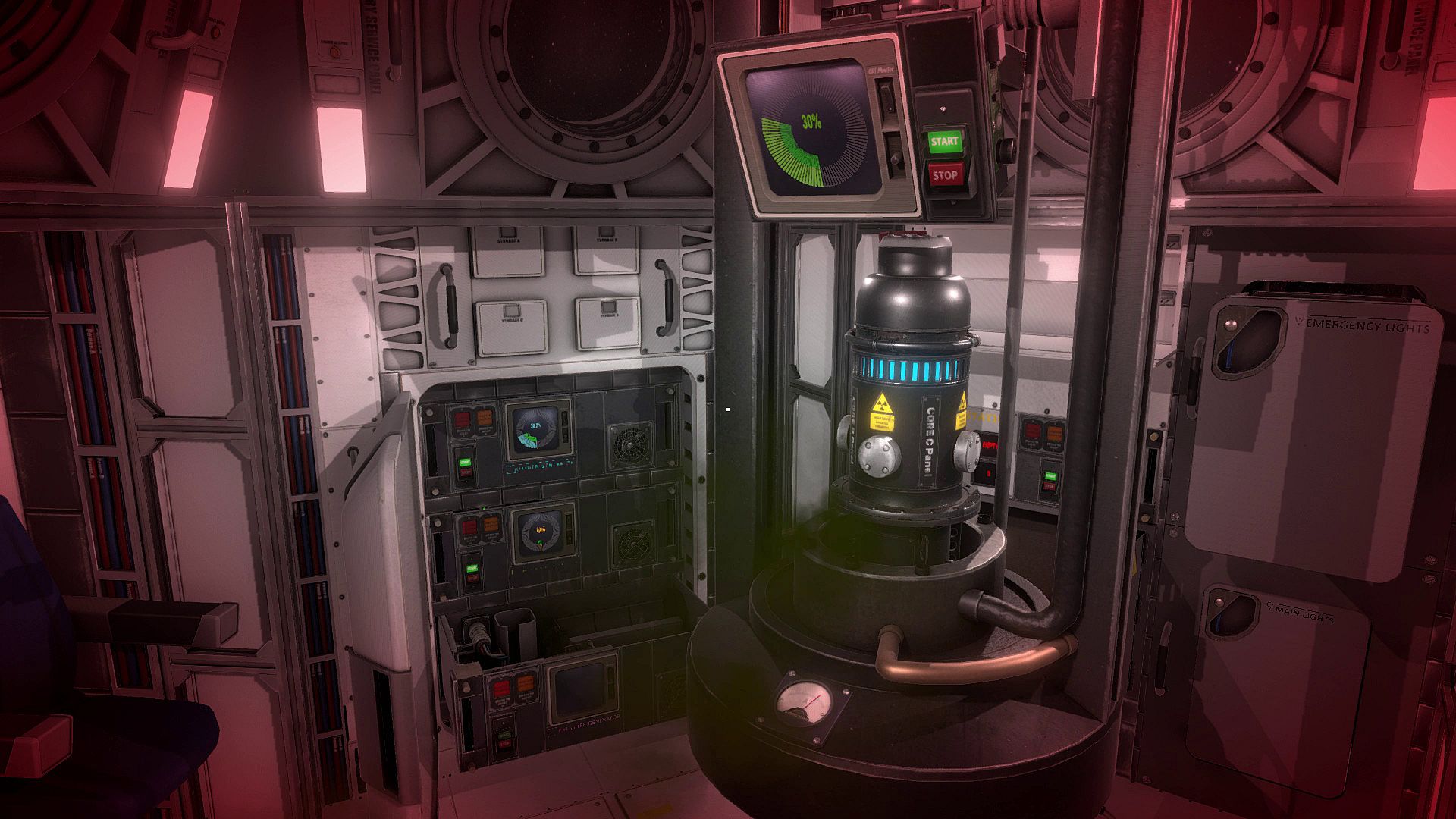
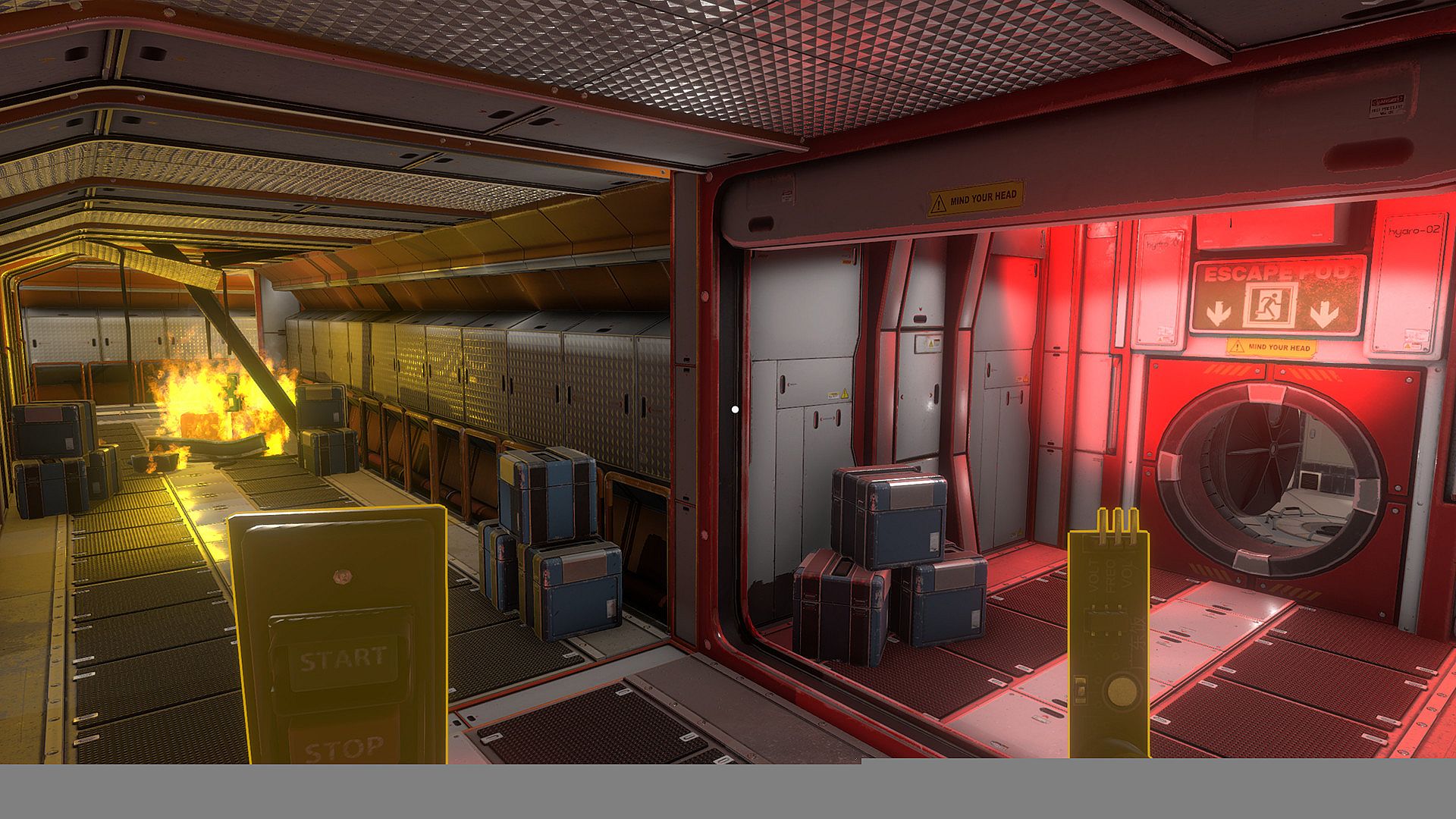
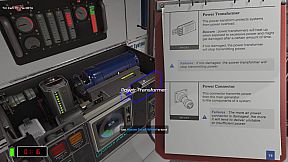
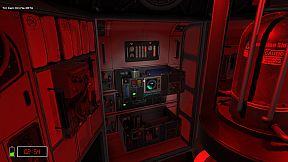
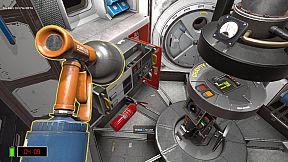
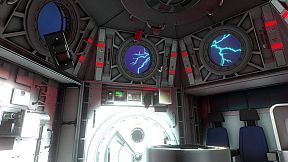
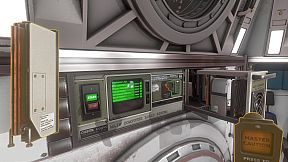
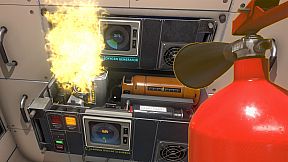
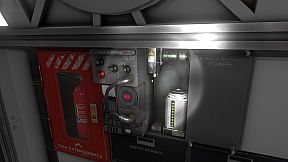

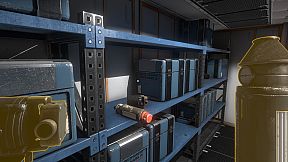
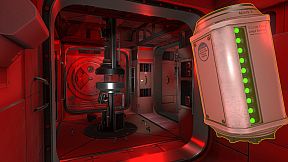
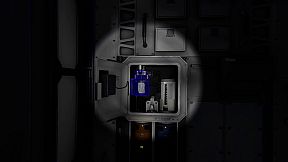
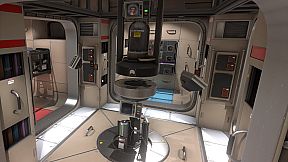
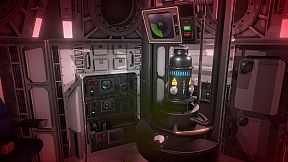
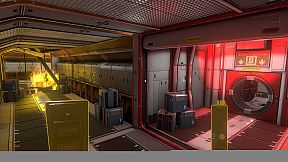
Tin Can is a single player survival simulation and strategy game set inside a cramped escape pod drifting through space. Players take on the role of a stranded colonist who must keep failing systems online using only an onboard manual, physical tools, and careful component swaps. The experience blends realistic resource management with hands on repair work, where every fuse, filter, and connector matters.
Gameplay
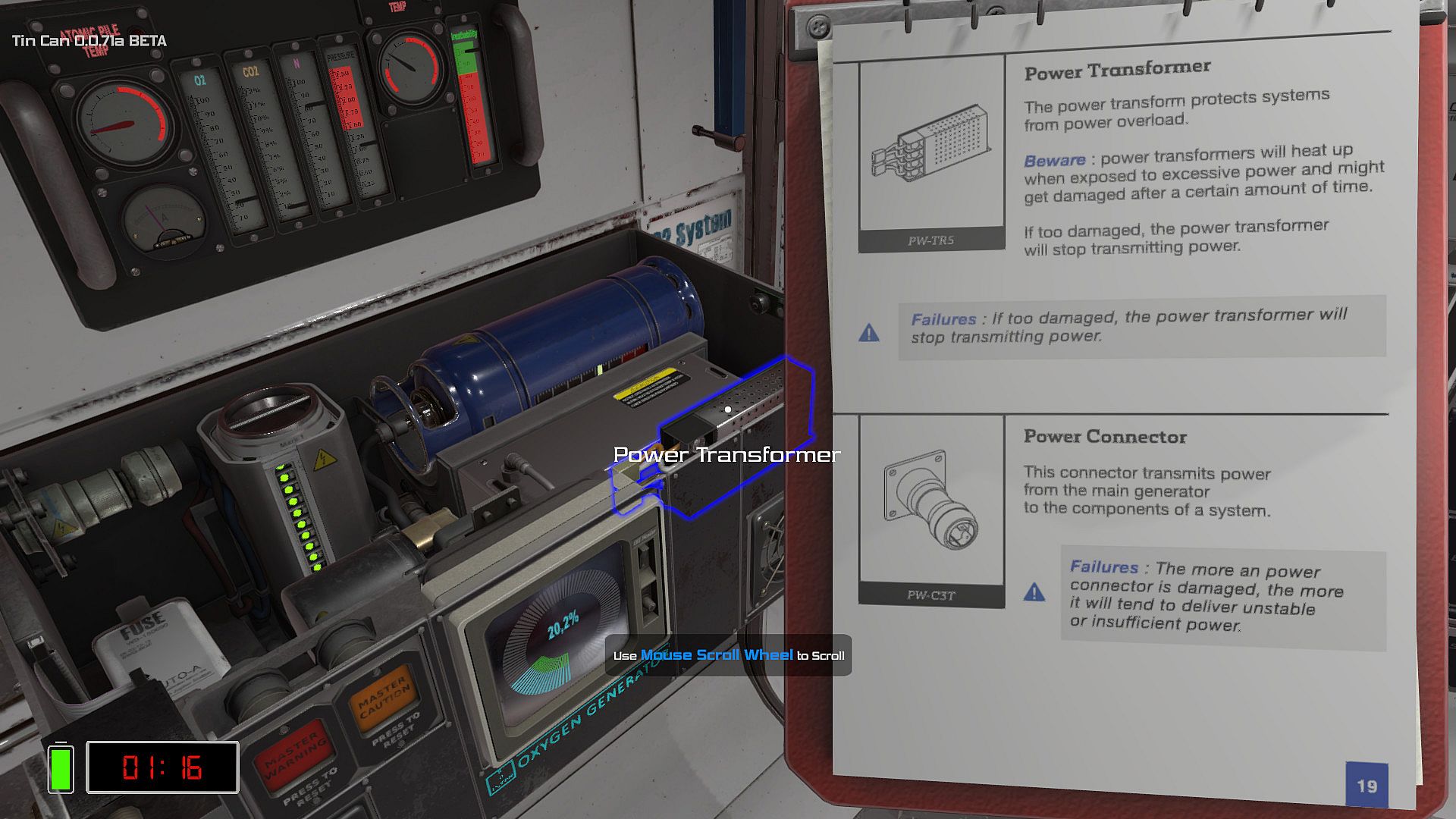
The core loop centers on diagnosing and repairing interconnected pod systems. Oxygen generators, power distribution, life support, and emergency lighting all rely on individual parts that can fail independently. When something breaks, symptoms appear gradually through the player character rather than through abstract bars. Blurred vision, labored breathing, and slowed movement signal hypoxia or overheating before any text warning appears.
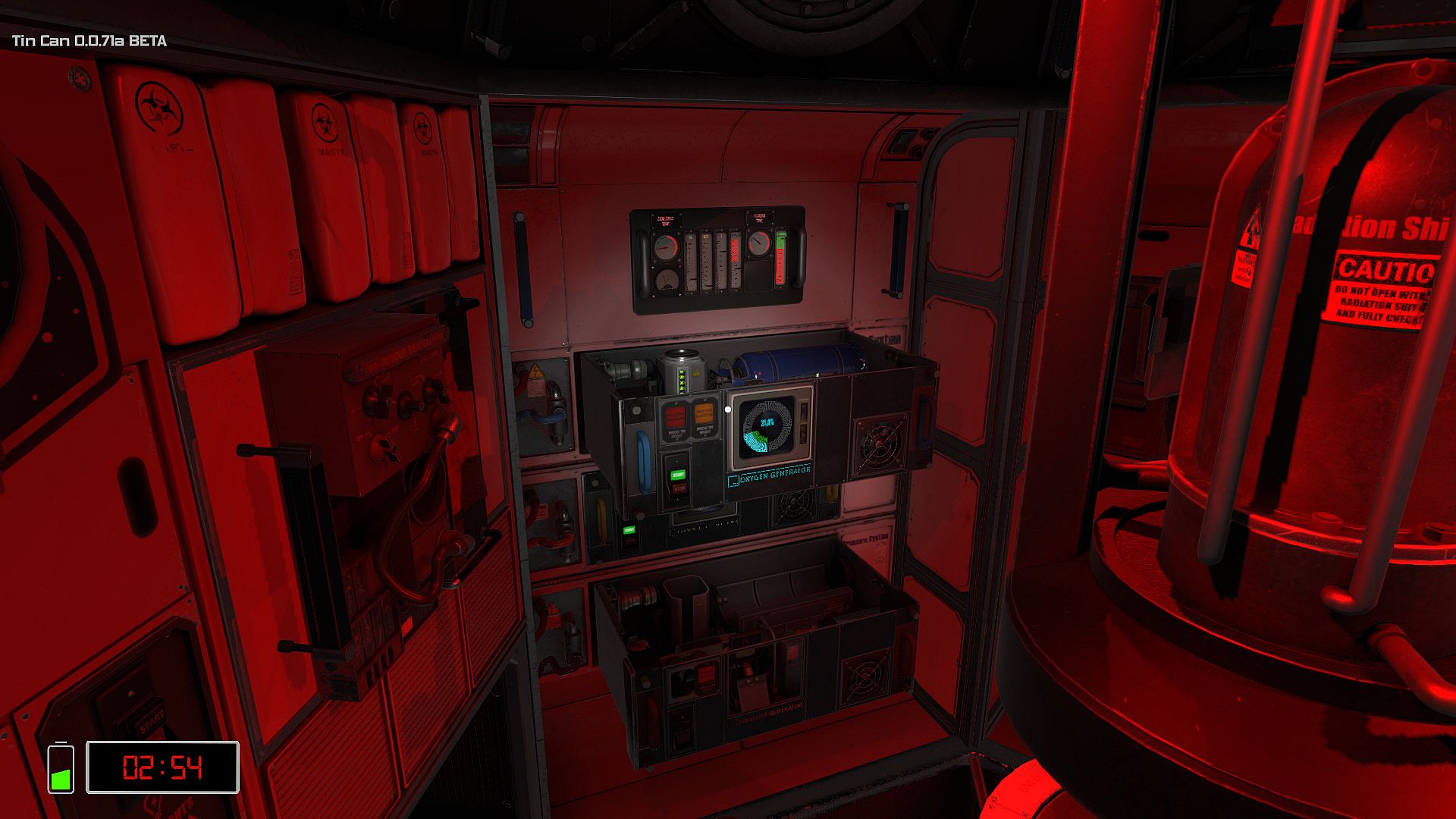
Resources follow real world physics. Oxygen levels, carbon dioxide buildup, temperature, and radiation affect the environment directly. Players must trace failures back to their source by testing components one by one, swapping parts between systems, or dismantling sections entirely. The included manual provides detailed schematics and troubleshooting steps that become essential during complex breakdowns.
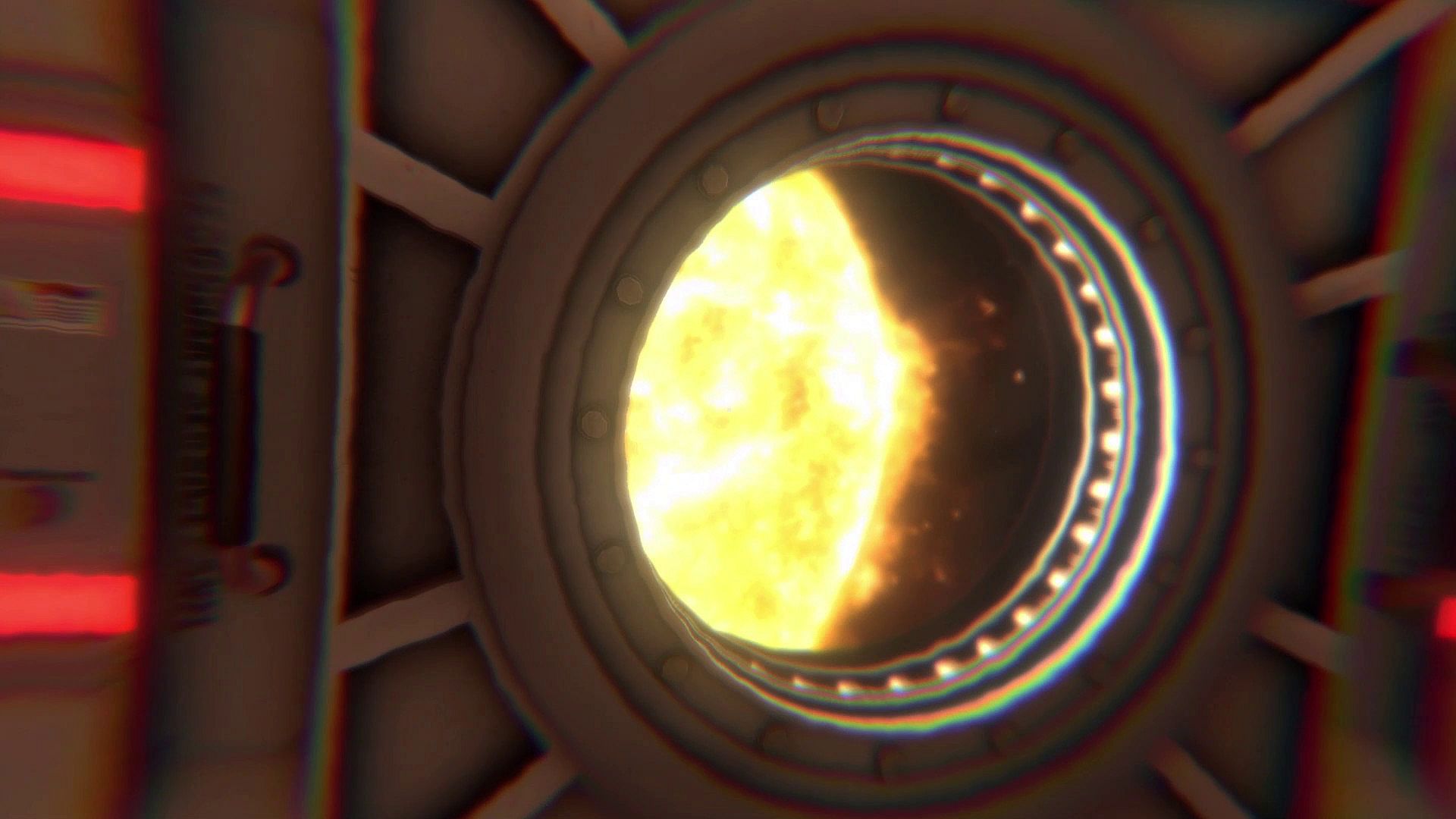
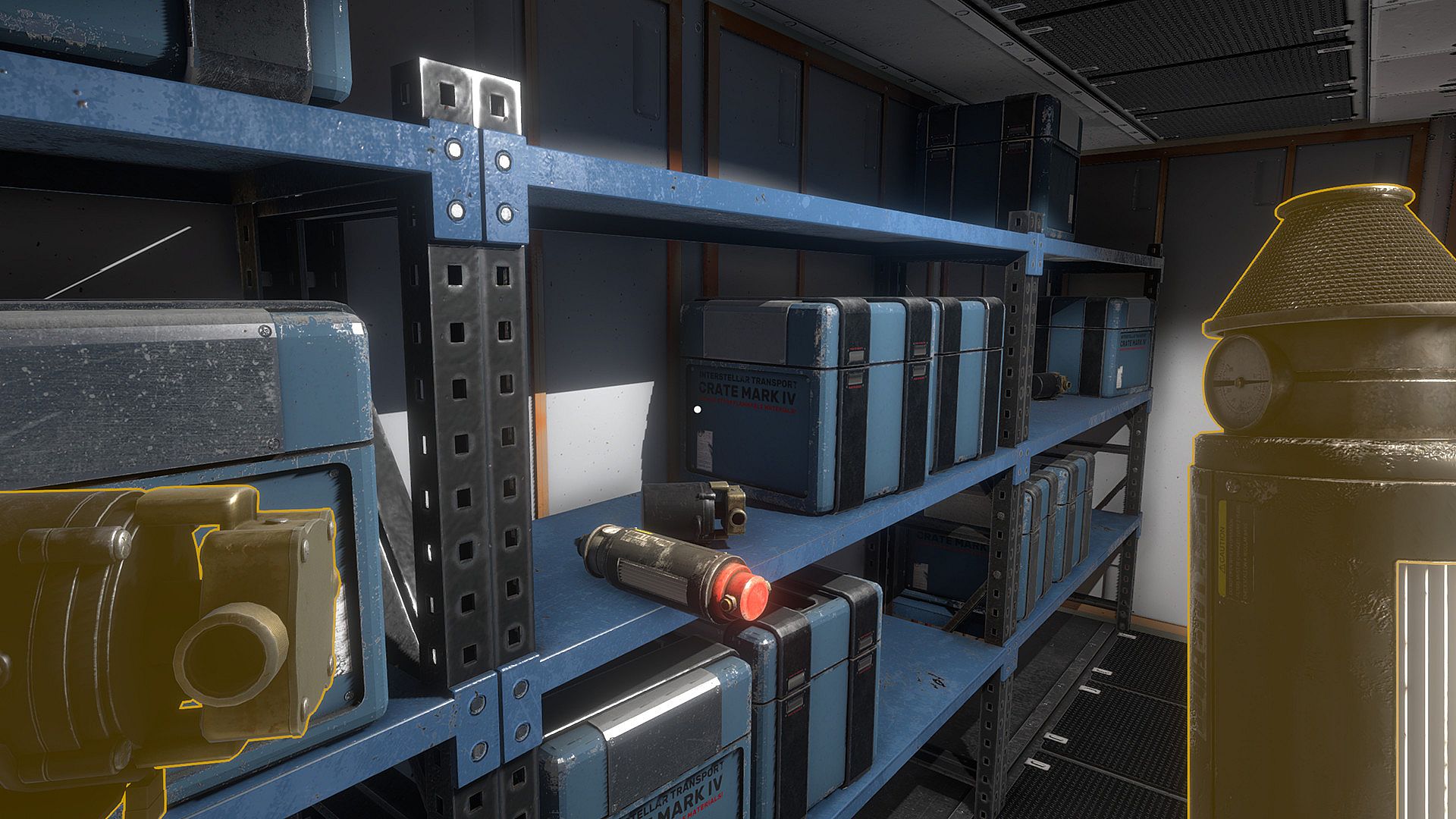
Cosmic hazards add pressure. Asteroid impacts can puncture the hull, while close passes by stars cause rapid overheating. These events damage multiple systems at once and force quick prioritization. The pod feels claustrophobic, with limited space and tools scattered in drawers and panels that require deliberate interaction to access.
Game Modes
Tin Can offers several distinct survival scenarios that vary the starting conditions and hazard frequency. Each run begins with a different set of damaged systems and environmental threats, encouraging repeated attempts to improve survival time. Procedural elements ensure that no two attempts unfold identically, even within the same scenario type.
Players can select shorter challenge runs focused on immediate crises or longer endurance attempts that test sustained resource management across multiple hazards. The absence of a traditional story campaign keeps the focus on mechanical mastery and quick thinking under pressure.
Key Systems and Mechanics
More than a dozen component types exist, each with unique failure modes. A faulty button may fail to register presses, while a damaged connector delivers insufficient power to downstream systems. These organic breakdowns require players to map cause and effect rather than follow fixed repair sequences.
Medical feedback replaces conventional health systems. Progressive symptoms guide the player toward the correct fix without explicit meters. Radiation exposure, pressure changes, and temperature swings all produce distinct physical effects that must be countered through system repairs.
Exploration of the pod itself forms part of the challenge. Tools and spare parts are stored in specific locations, and efficient movement between panels becomes critical when multiple systems degrade simultaneously.
Is It Worth Playing?
Tin Can delivers a focused, high tension survival experience for players who enjoy detailed system management and realistic simulation. The game rewards methodical troubleshooting and calm decision making when multiple failures occur at once.
Reception has remained consistently positive since release, with the majority of players praising the depth of the repair mechanics and the immersive physical feedback. Recent player feedback continues to reflect satisfaction with the core loop, though some note the steep learning curve for those new to component level troubleshooting.
The title suits fans of indie strategy and simulation games who prefer single player challenges over multiplayer or narrative driven titles. Its short session length makes it easy to fit into a schedule while still offering substantial replay value through varied starting conditions and hazard combinations. If precise resource management and hands on repairs appeal, Tin Can provides a distinctive take on the escape pod survival concept.