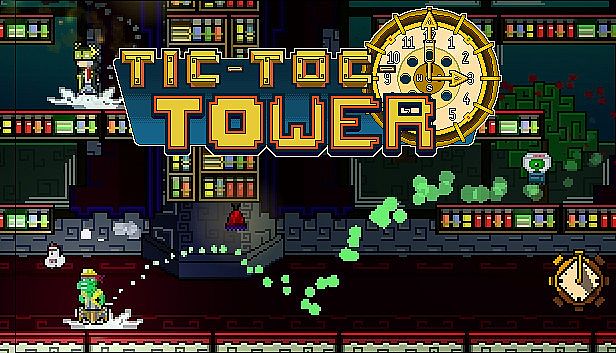












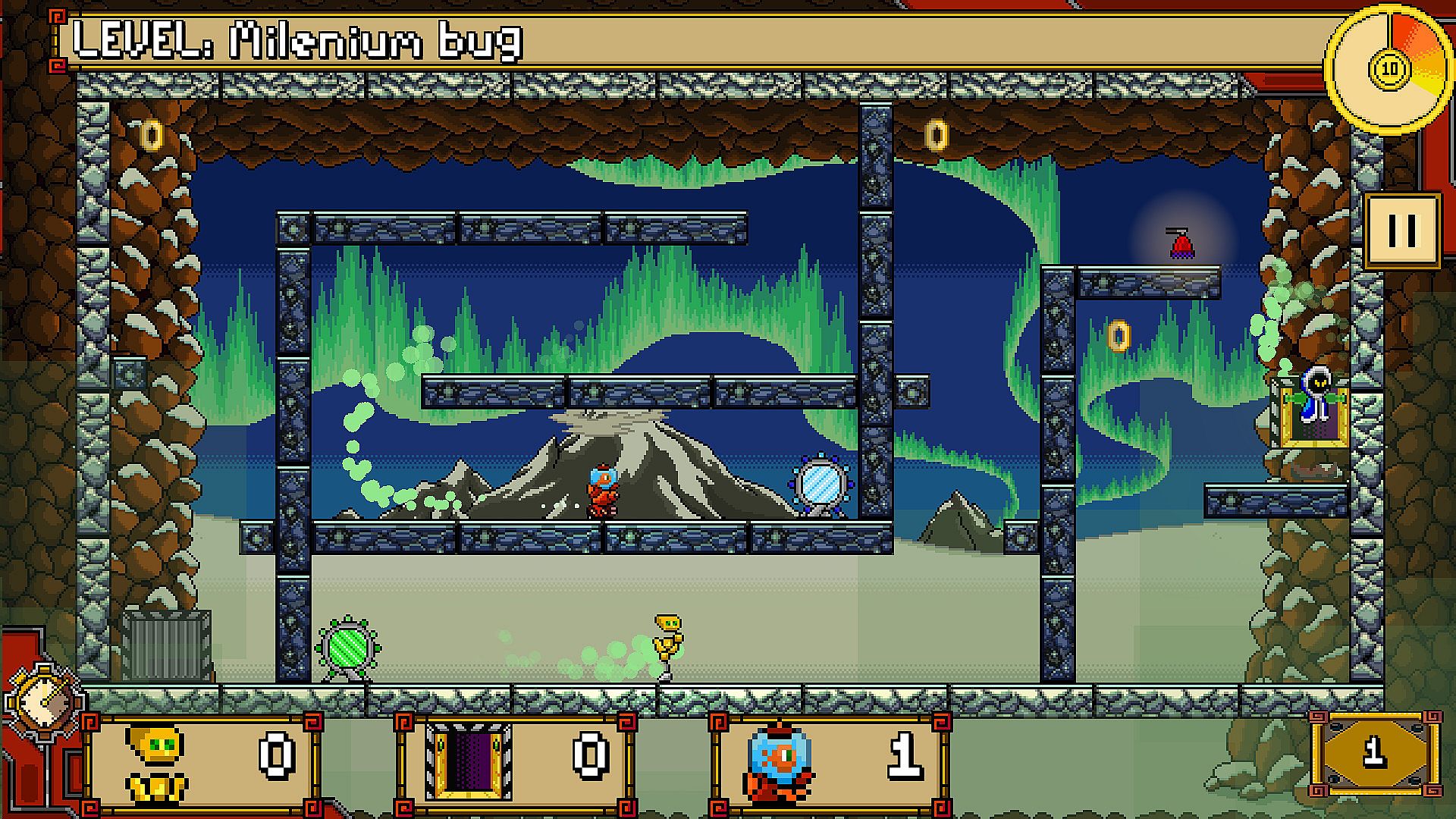
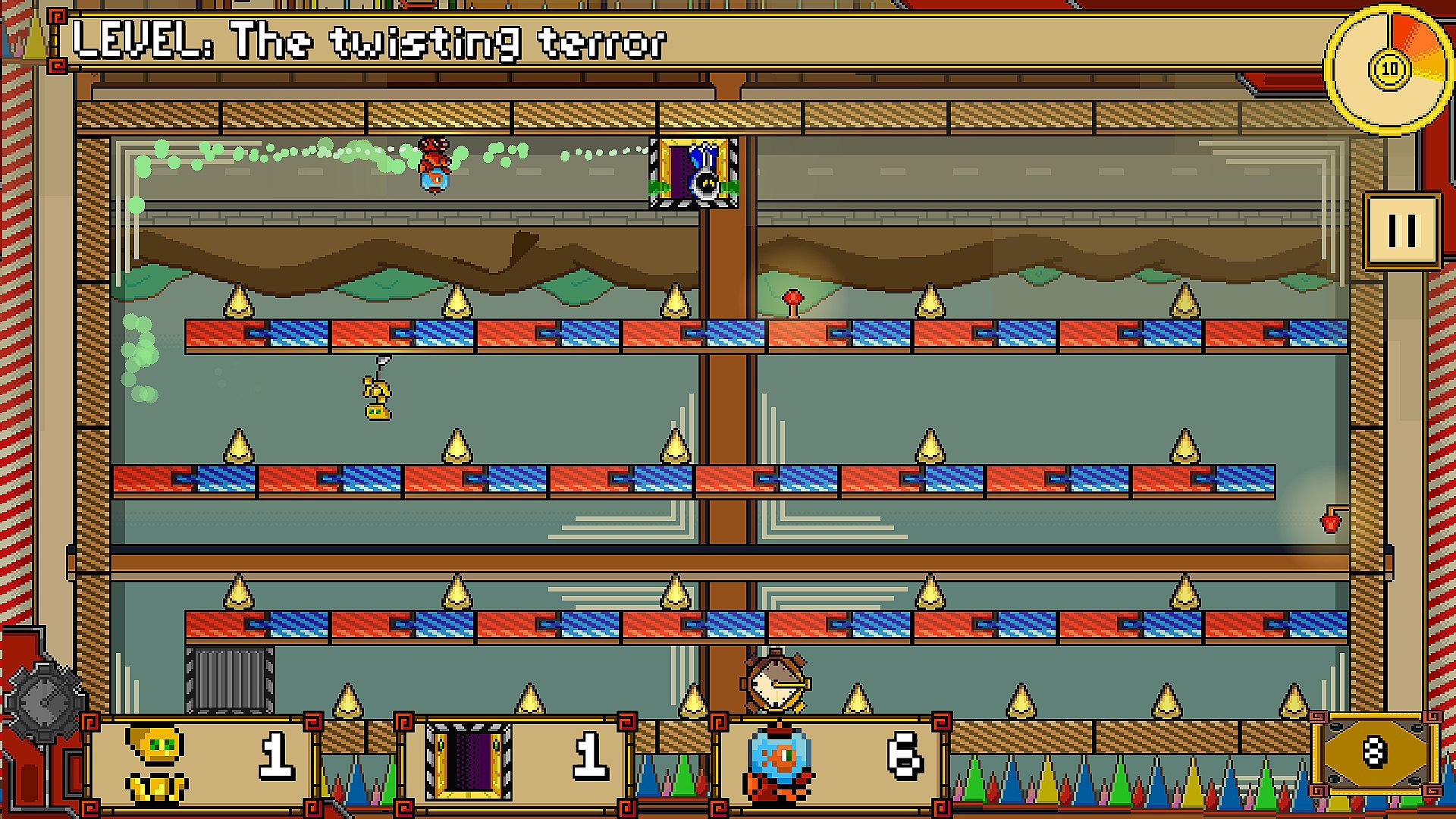
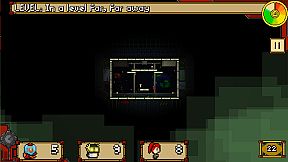
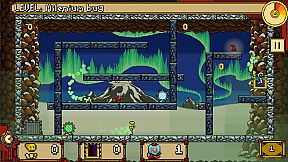
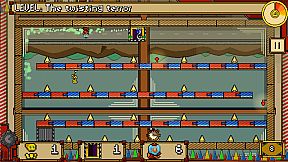
Tic-Toc-Tower is an indie action-adventure platformer built around tight time limits and precise movement. Players navigate pixel-art rooms under a strict ten-second deadline, combining platforming jumps with light puzzle elements to reach the exit before time expires. The game runs on PC and emphasizes repeated short attempts across procedurally varied levels that reset the pressure with every new room.
Gameplay
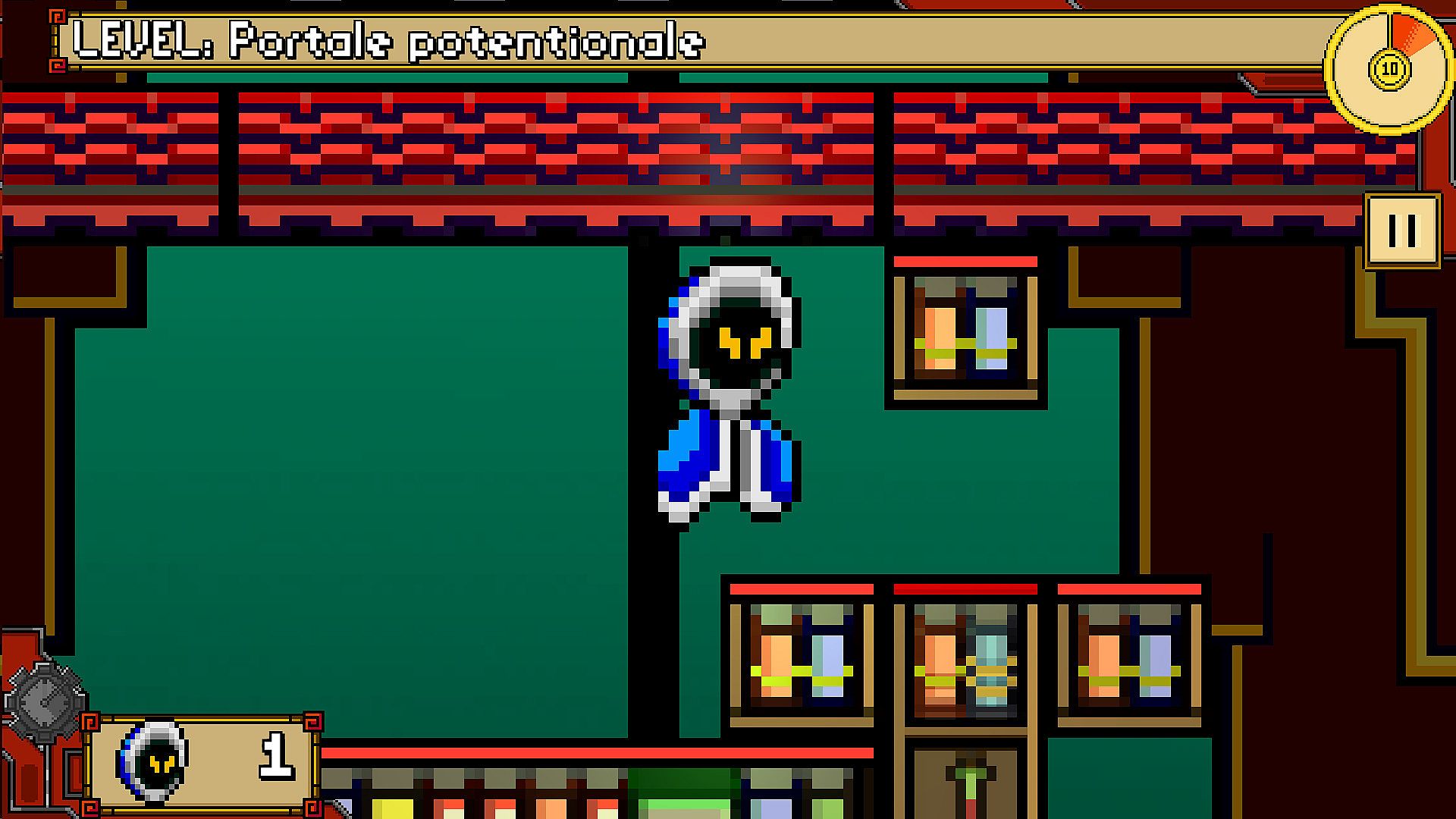
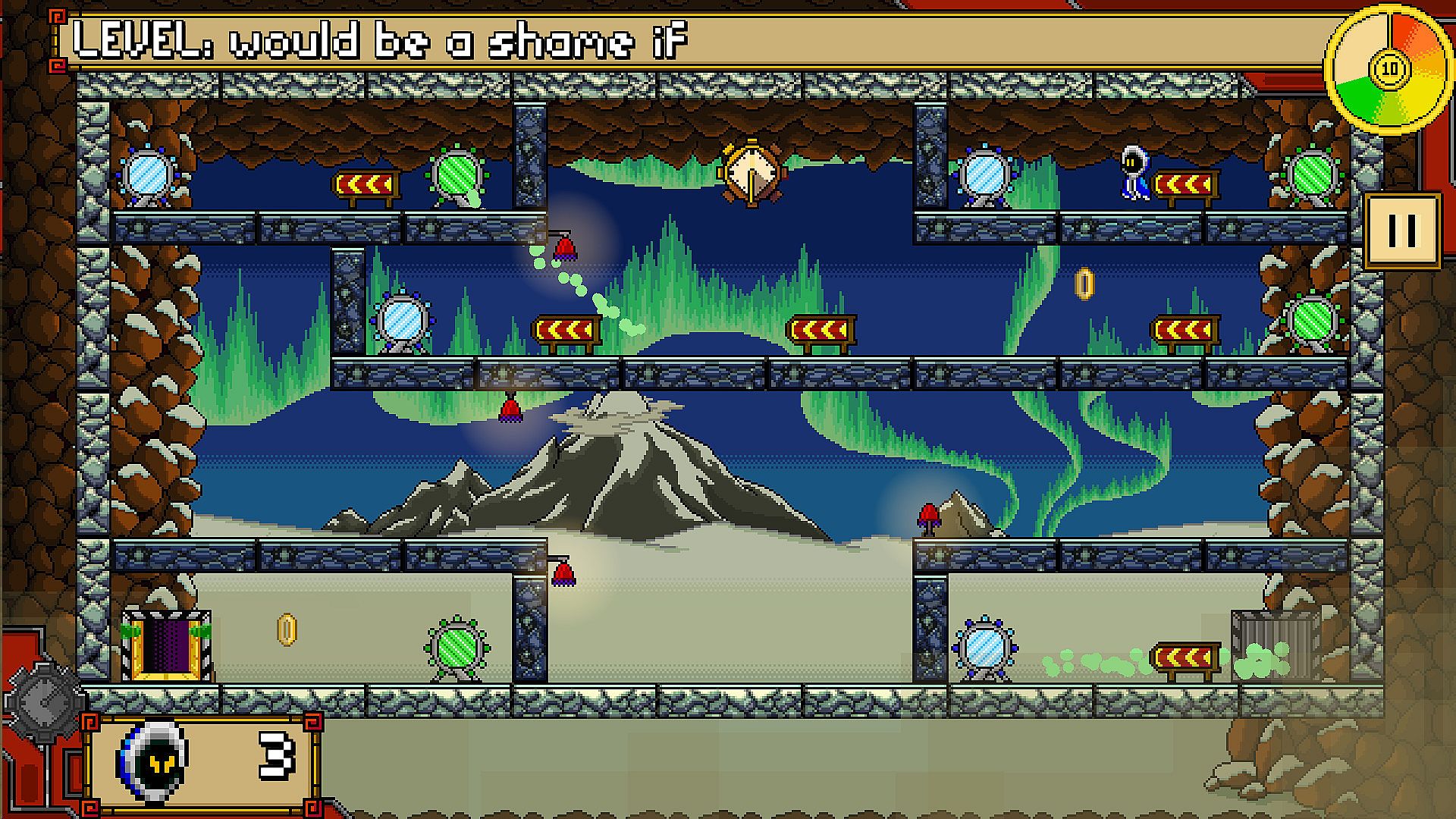
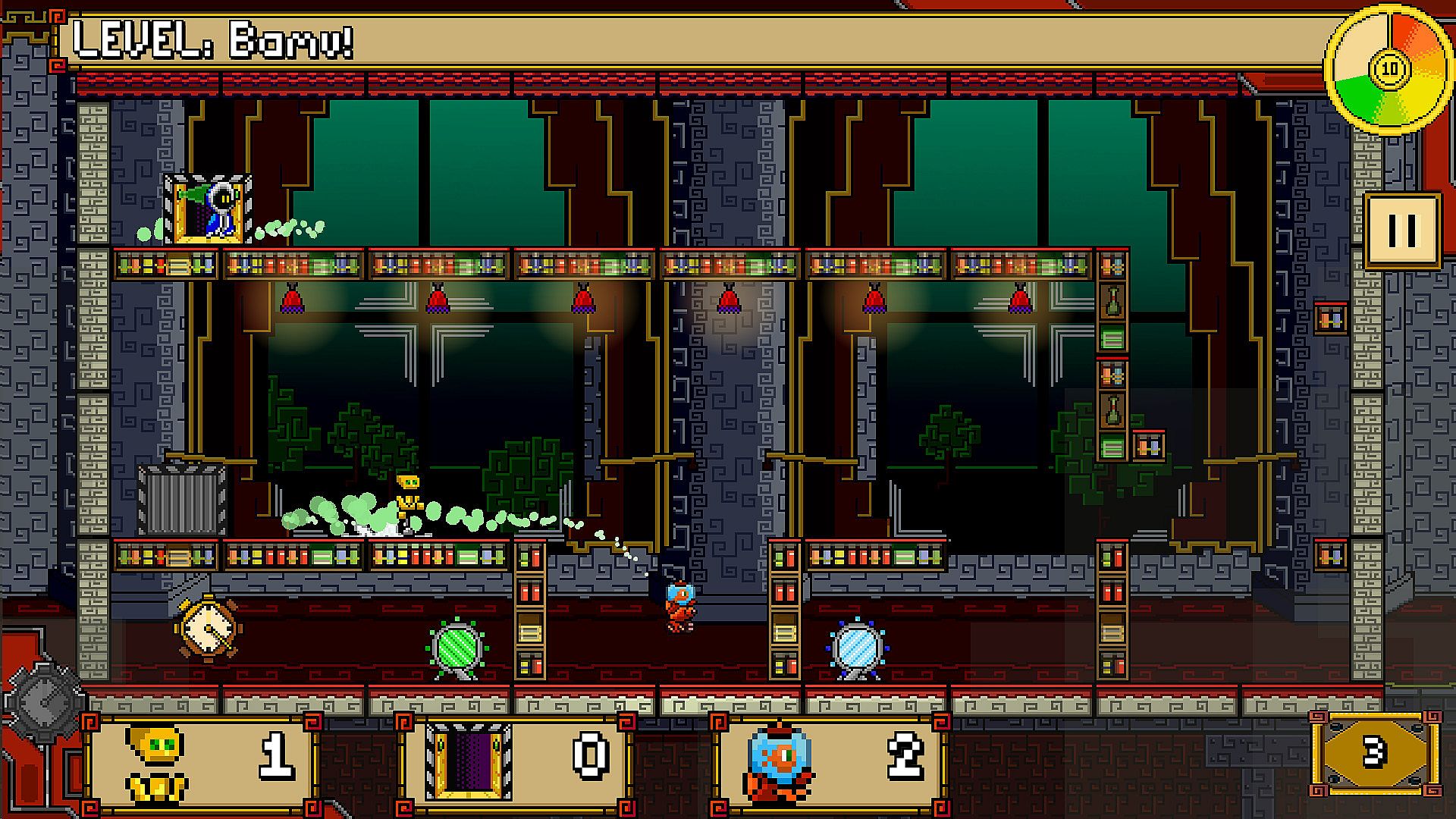
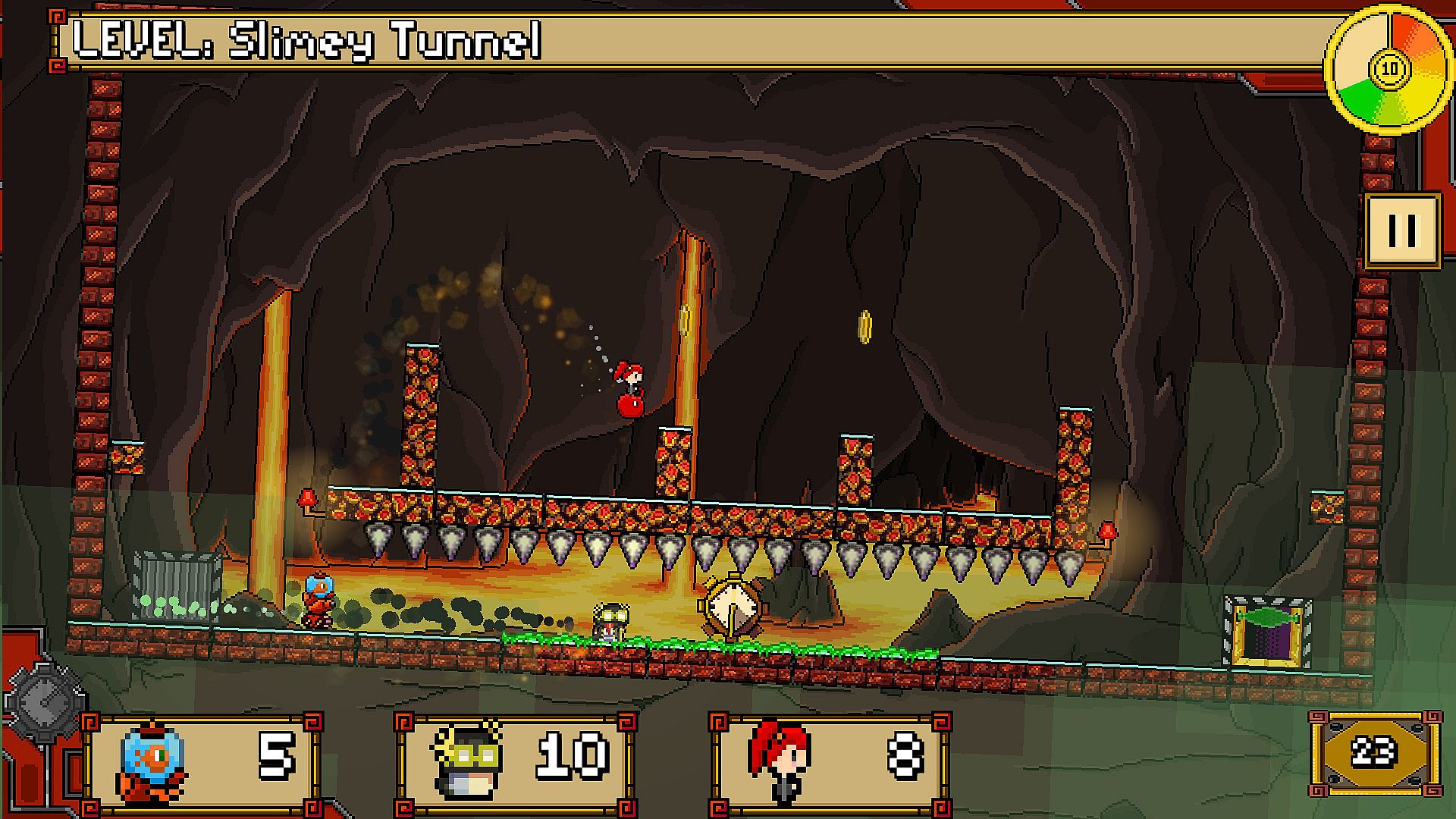
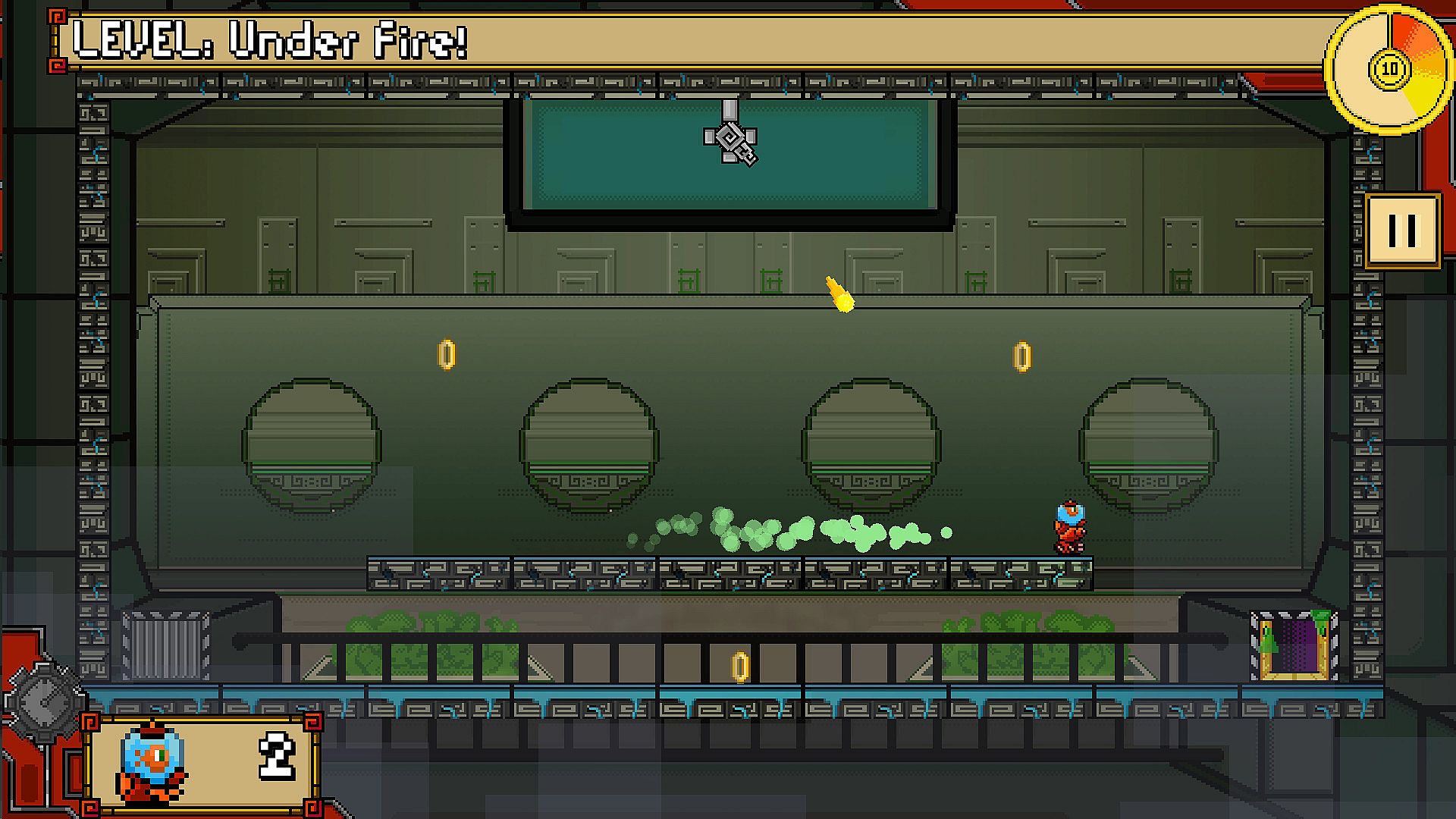
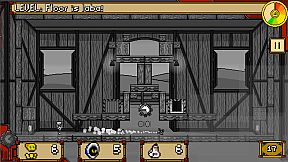
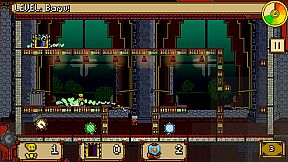
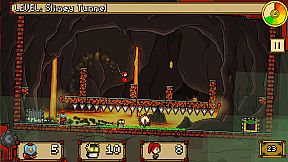
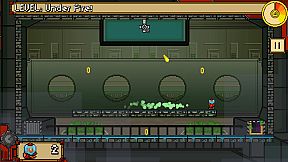
The core loop centers on speed and decision-making. Each room presents a compact layout of platforms, obstacles, and hazards that must be cleared within the countdown. Random generation ensures no two runs feel identical, forcing quick adaptation to new arrangements. A collectible watch appears in many rooms as an optional risk-reward choice. Grabbing it adds two seconds to the timer for the following room but introduces extra danger through altered paths or tighter spacing. Failure to finish on time ends the attempt, sending players back to the start of the current sequence or a checkpoint. Pixel-art visuals keep the focus on readability during frantic movement, while the short duration of each room encourages immediate retries and incremental improvement in route planning.
Game Modes
Multiple single-player variations build on the base timer mechanic, each adjusting difficulty or adding constraints while tracking progress on leaderboards. These modes reward consistent level completion with scores that climb as players chain successes. Multiplayer support allows up to four participants to compete or cooperate in shared-screen sessions. The additional modes shift emphasis toward direct confrontation or team survival under the same time pressure, creating quick sessions where one mistake can shift the outcome for the entire group. Leaderboards across modes provide a clear metric for personal or group performance without requiring long commitments.
Technical Features and Accessibility
The game includes Steam achievements for tracking specific challenges and supports remote play together for online multiplayer sessions. System requirements remain modest, running on older Windows hardware with basic graphics support. Controls rely on standard keyboard or gamepad input, though the precision demanded by the timer leaves little room for input lag or imprecise jumps. No ongoing seasonal content or major patches have altered the original structure since its 2015 release.
Is It Worth Playing?
Reception sits at mixed levels, with 45 percent of 37 user reviews rating the experience positively. Players who enjoy high-stakes platforming and rapid iteration often appreciate the constant tension created by the timer and the optional watch mechanic. Others note repetitive room designs and occasional control frustrations that can interrupt flow during longer sessions. The game suits those seeking bite-sized challenges that fit into short play windows or groups looking for competitive local multiplayer without complex setups. Its current state remains unchanged from launch, with no active development or additional content updates. Those drawn to pixel-art time trials and leaderboard competition may find value in the focused design, while players sensitive to strict timing or seeking deeper progression systems might look elsewhere.