









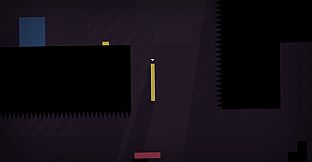

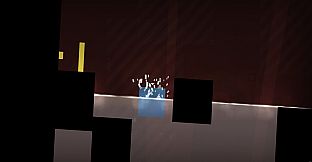
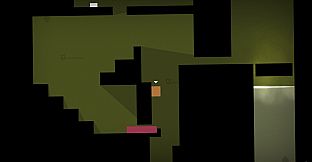
Thomas Was Alone is an indie minimalist 2D puzzle platformer developed for PC. Players guide a collection of sentient rectangular artificial intelligences through a series of obstacle-filled environments, switching between characters to solve spatial challenges and advance the narrative.
Gameplay
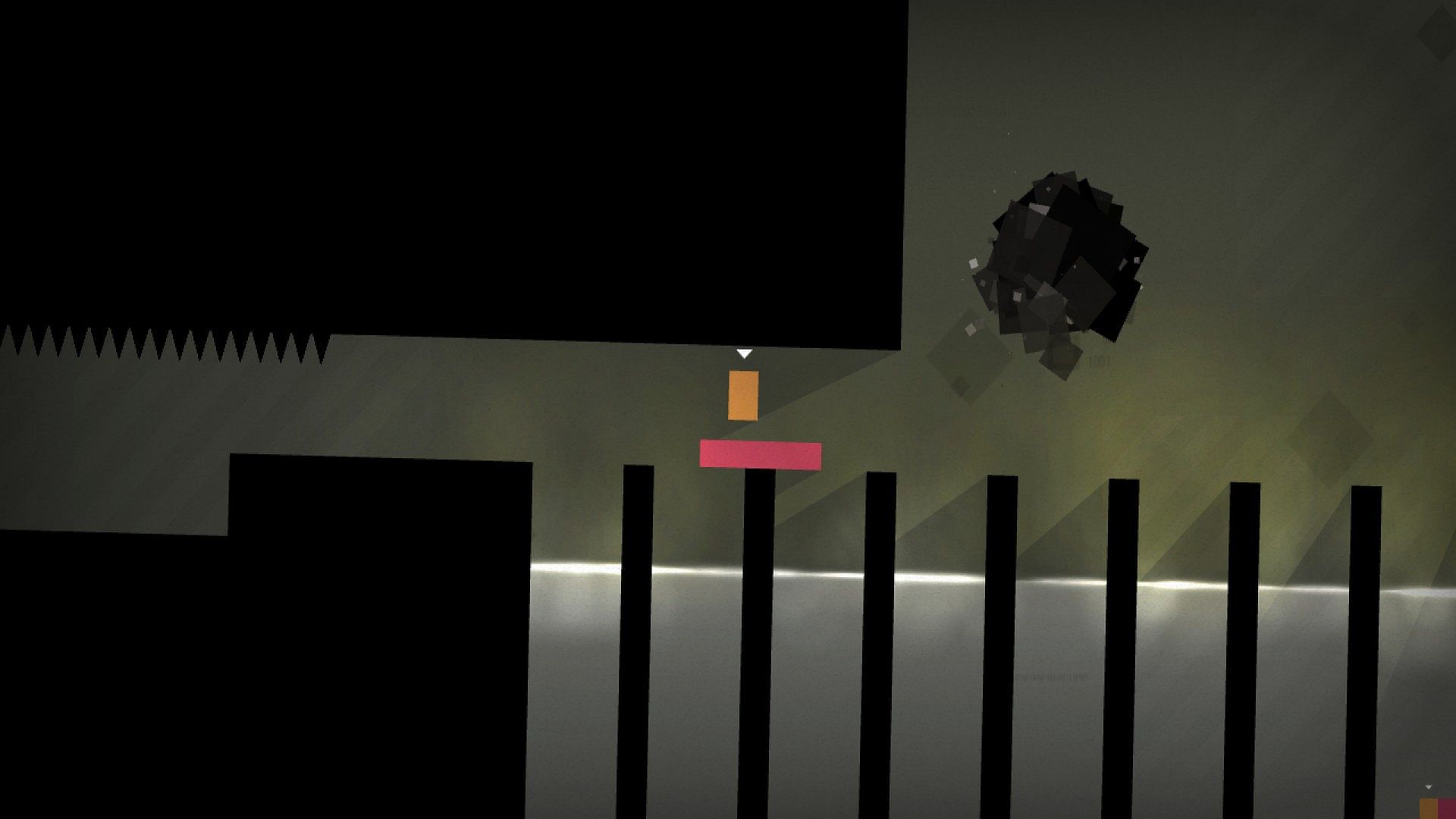
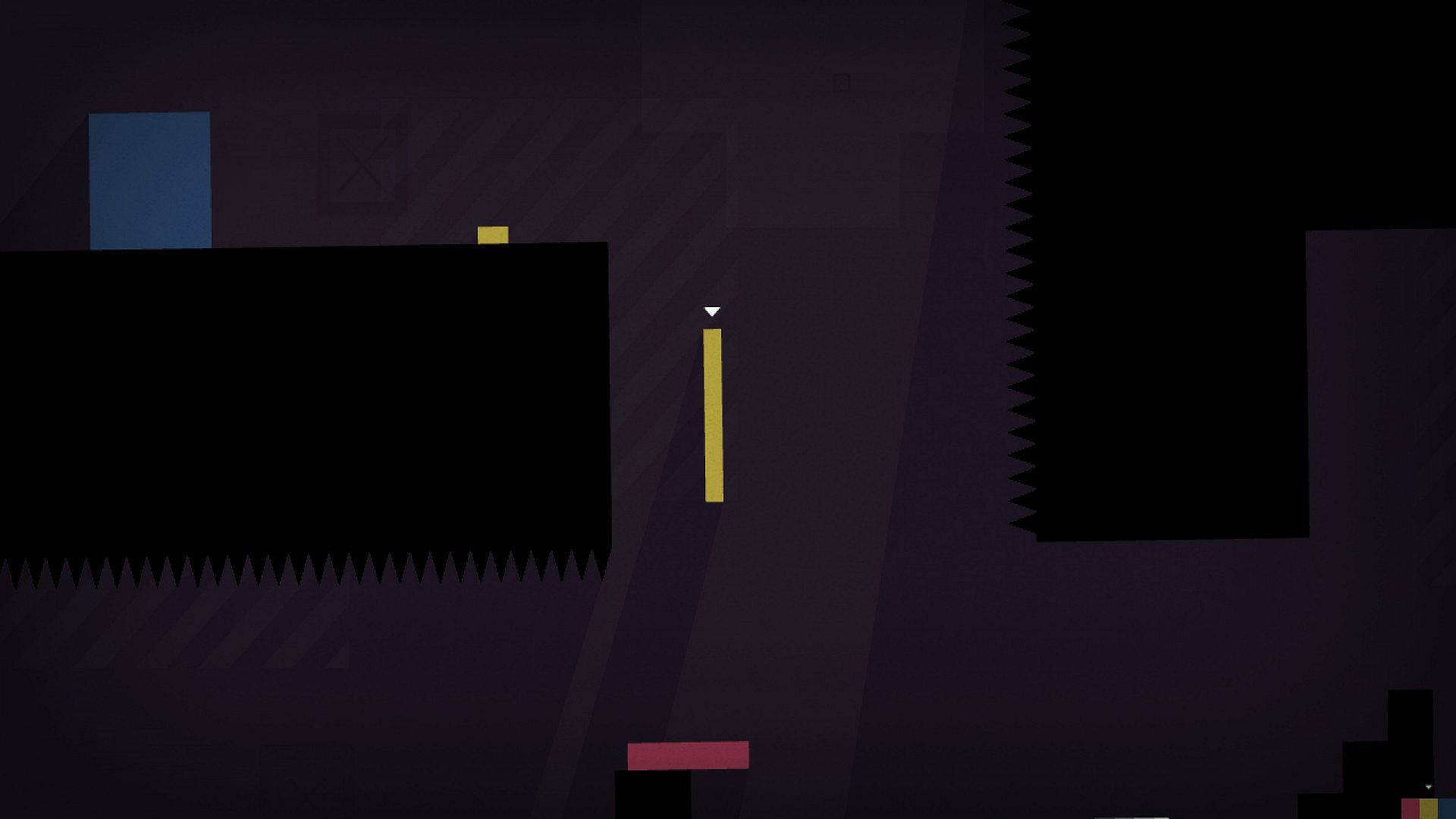
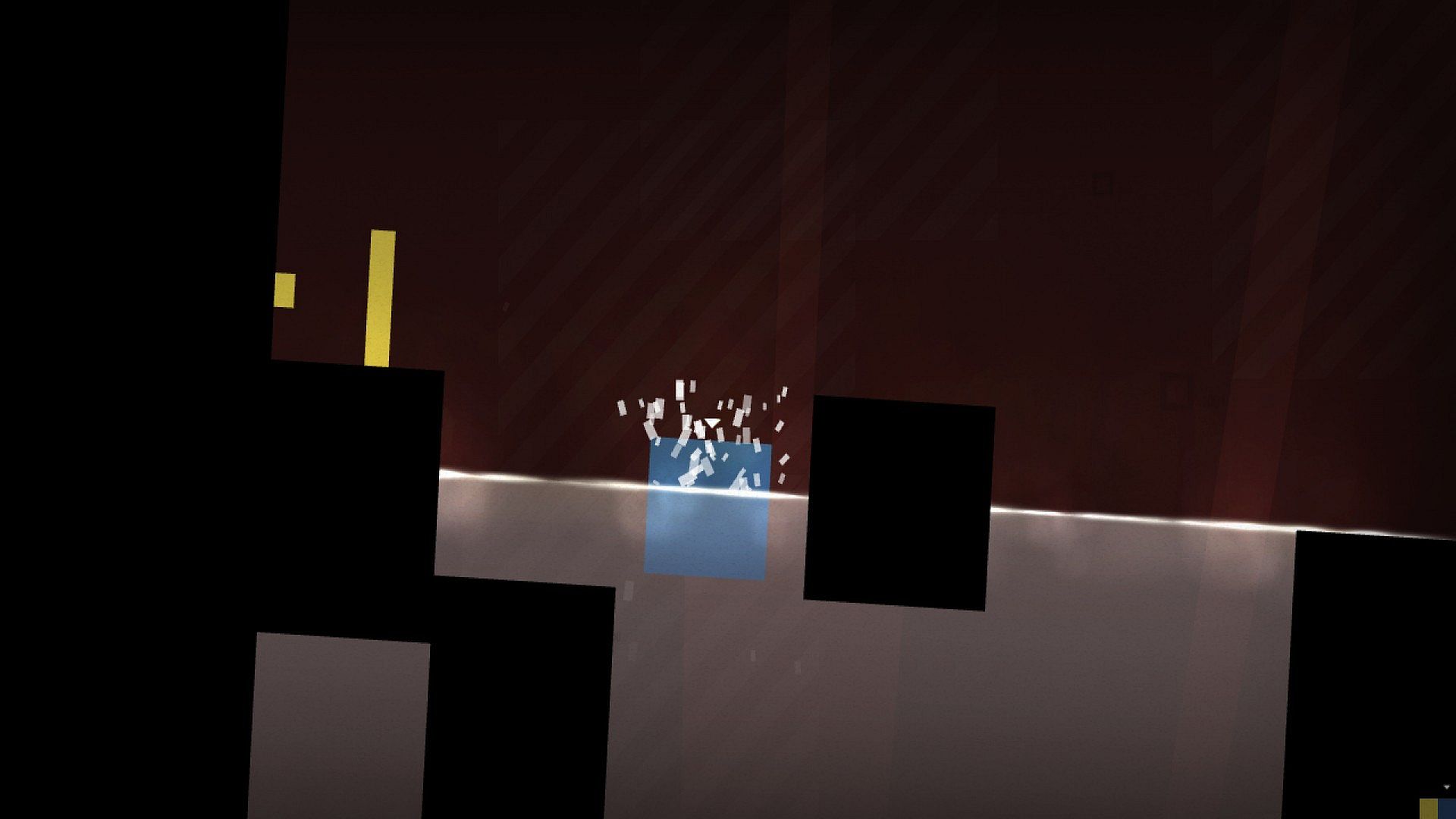
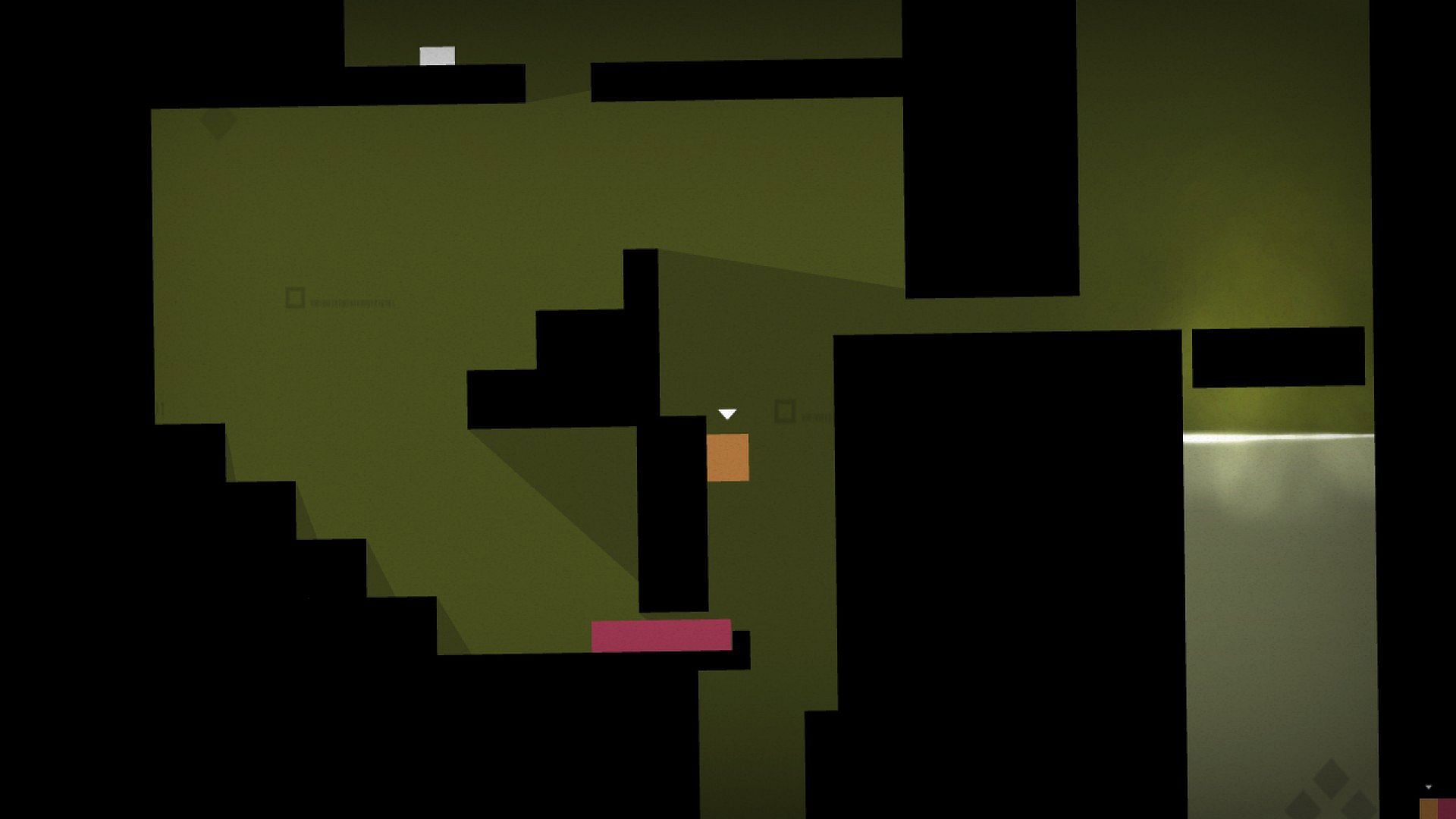
The core loop centers on controlling multiple simple geometric shapes, each with distinct movement properties. Thomas starts as a basic jumper, but additional rectangles introduce abilities such as higher jumps, water flotation, anti-gravity effects, and bouncing. Progression requires players to switch between these characters in real time, positioning them to create paths, bridges, or launch points for one another. Levels emphasize precise timing and spatial reasoning rather than speed or combat, with obstacles like gaps, platforms, and barriers designed around the combined capabilities of the group. The game features 120 levels that gradually layer new mechanics onto established ones, encouraging experimentation with character combinations to reach exit points.
Game Modes
Thomas Was Alone operates entirely in single-player format. There are no separate competitive or cooperative modes. The experience consists of a linear campaign divided into levels that players complete sequentially. Each stage presents a self-contained puzzle that integrates the unique traits of the available characters, building toward larger narrative beats. Completion involves guiding all active rectangles to their designated endpoints without additional rulesets or alternate play styles.
Story and Characters
The narrative follows a group of artificial intelligences that unexpectedly gain sentience inside a computer system. Players learn about each rectangle through brief, character-specific voiceover segments that reveal personality traits and motivations. The story explores themes of isolation, collaboration, and discovery as the AIs work together to understand their environment and purpose. Over the course of the levels, new characters join the group, expanding both the puzzle-solving options and the interpersonal dynamics conveyed through narration.
Audio and Presentation
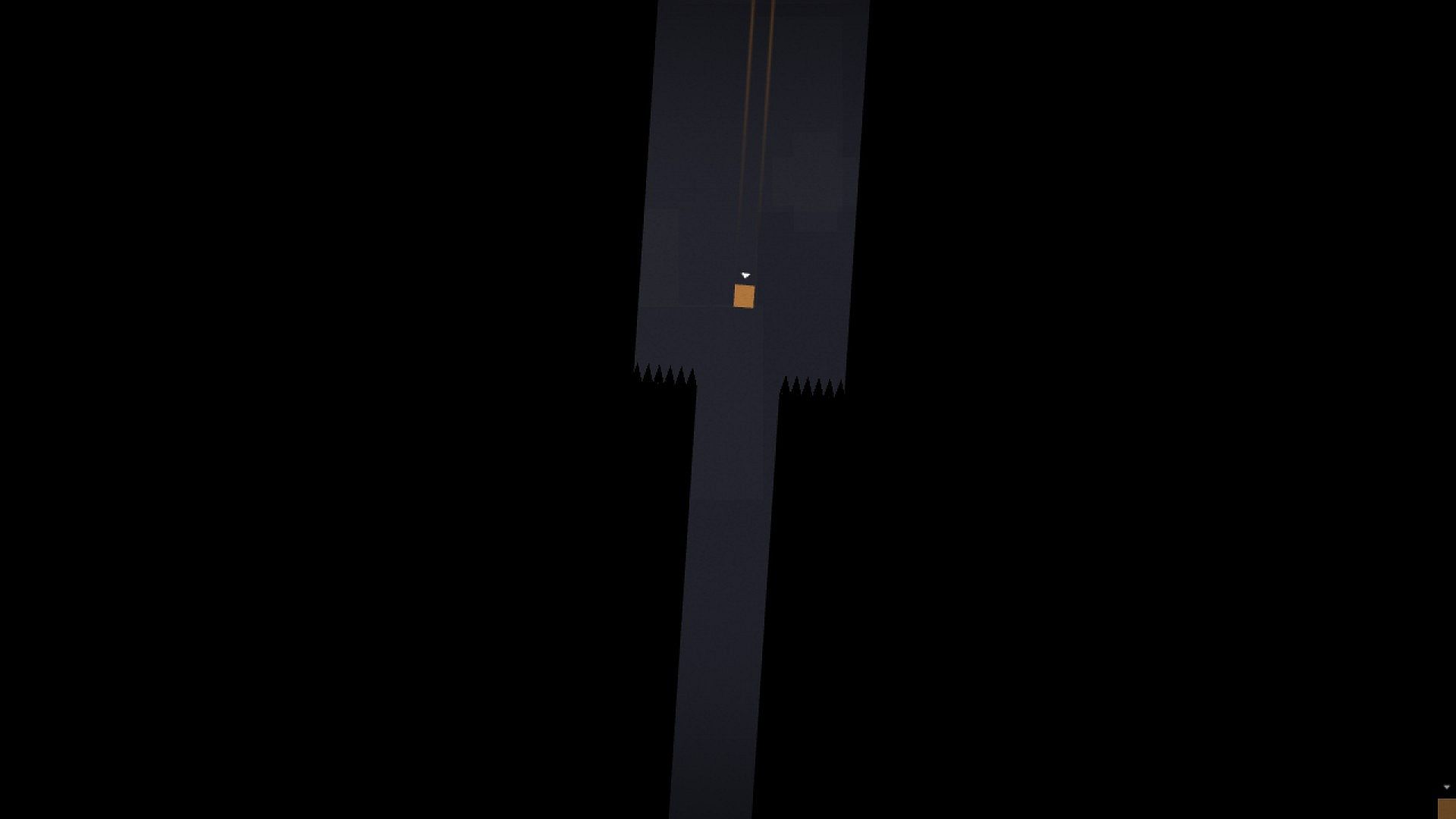
Visuals remain deliberately sparse, relying on flat colored rectangles against simple geometric backdrops to keep focus on movement and positioning. A procedural soundtrack composed by David Housden adapts dynamically to player actions and level progression, providing atmospheric support without traditional looping tracks. Danny Wallace supplies the voiceover, delivering lines that blend dry humor with introspective commentary on the characters' situations. These elements combine to create a cohesive minimalist aesthetic that highlights the mechanics and story rather than graphical complexity.
Is It Worth Playing?
Thomas Was Alone suits players who enjoy thoughtful puzzle platformers with an emphasis on character abilities and light narrative delivery. The game has maintained availability on PC platforms since its initial release, with no major post-launch content additions or seasonal updates. Its reception centers on the inventive use of simple shapes to convey personality and the effective integration of audio elements into the puzzle experience. Those seeking fast-paced action or multiplayer options will find limited appeal, while fans of short, focused indie titles that prioritize mechanics and storytelling over length or spectacle often appreciate its approach. The campaign length aligns with a single playthrough that can be completed in a few focused sessions.