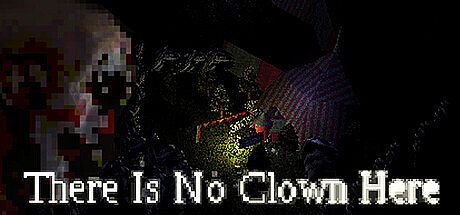


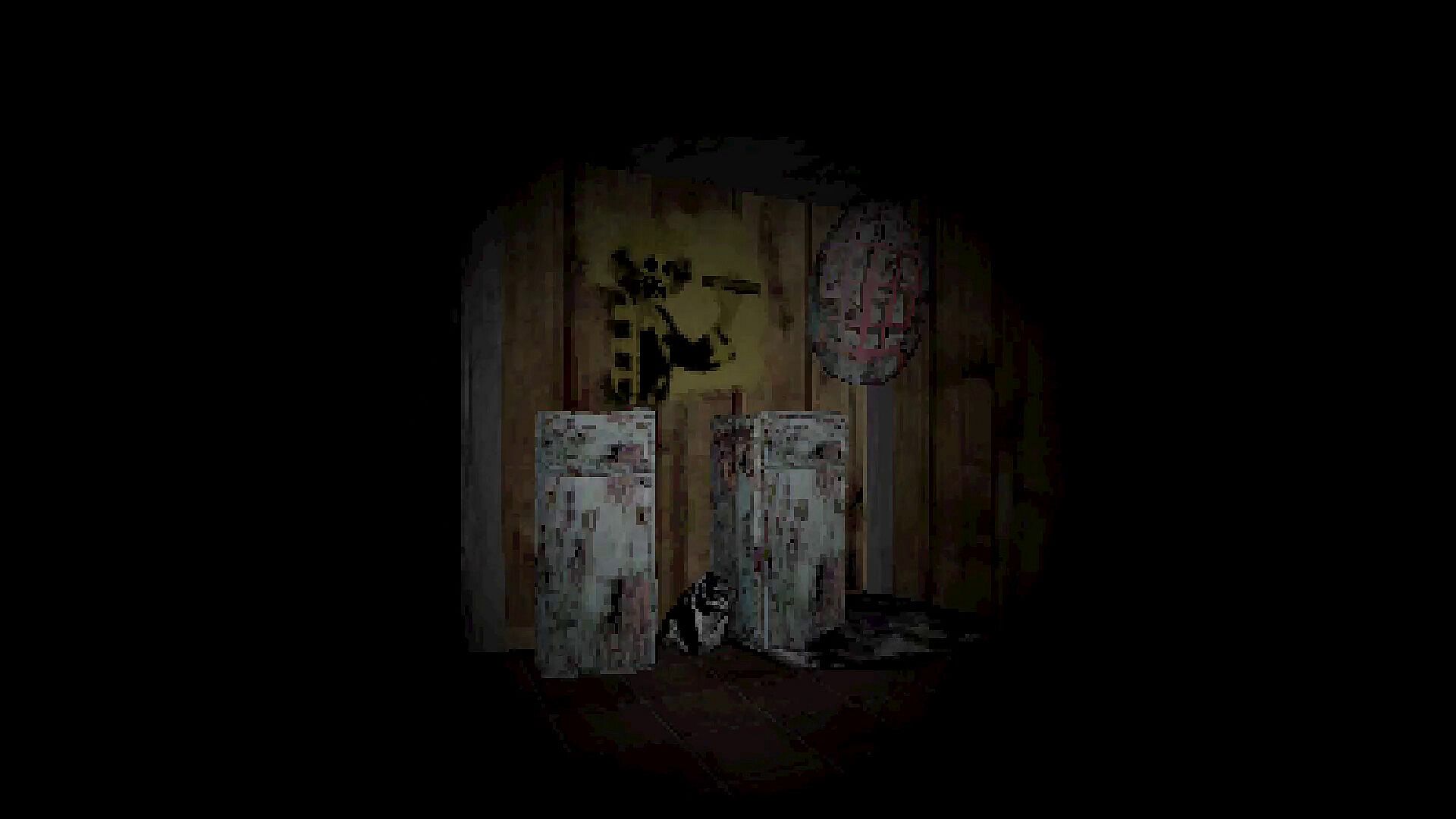
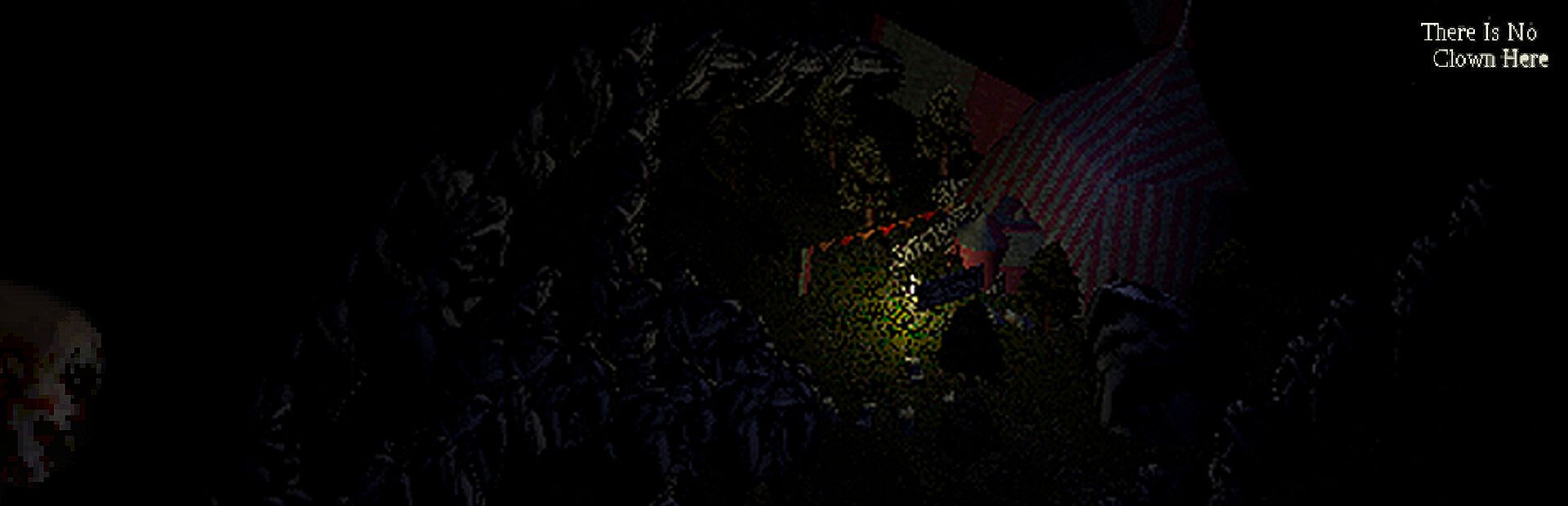
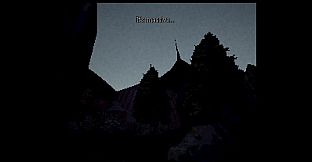
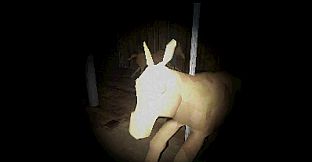

There Is Not A Clown Here is a first-person indie adventure horror game set on PC. Players step into the role of a protagonist unraveling the disappearance of a sister and the whereabouts of a father amid an unsettling environment that rewards careful observation and deduction.
Gameplay
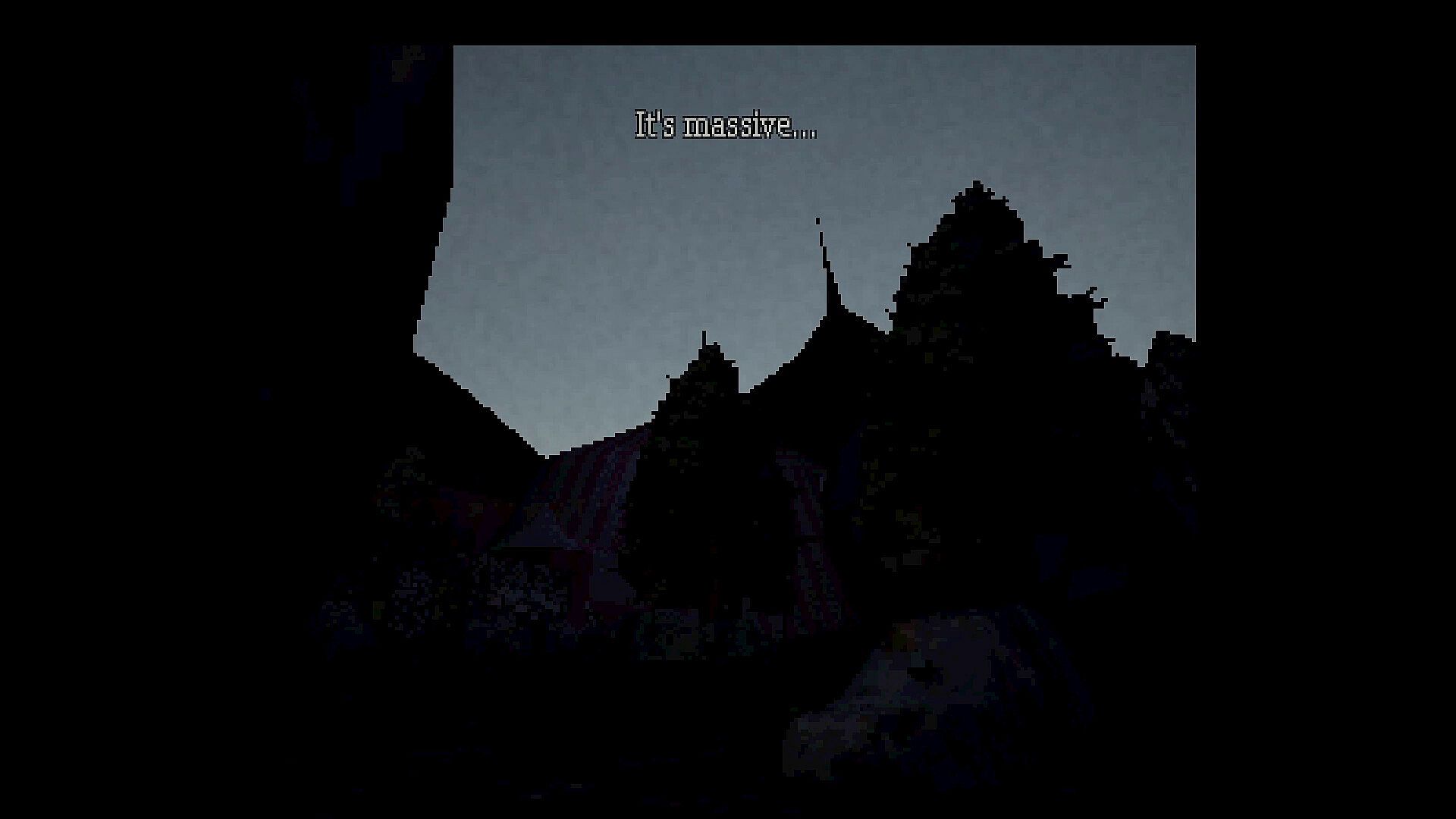
The core loop centers on exploration of a bizarre, interconnected space. Movement feels deliberate as players scan surroundings for clues that link events and locations together. Attention to detail matters because small environmental changes or patterns can reveal paths forward or hidden connections in the story.
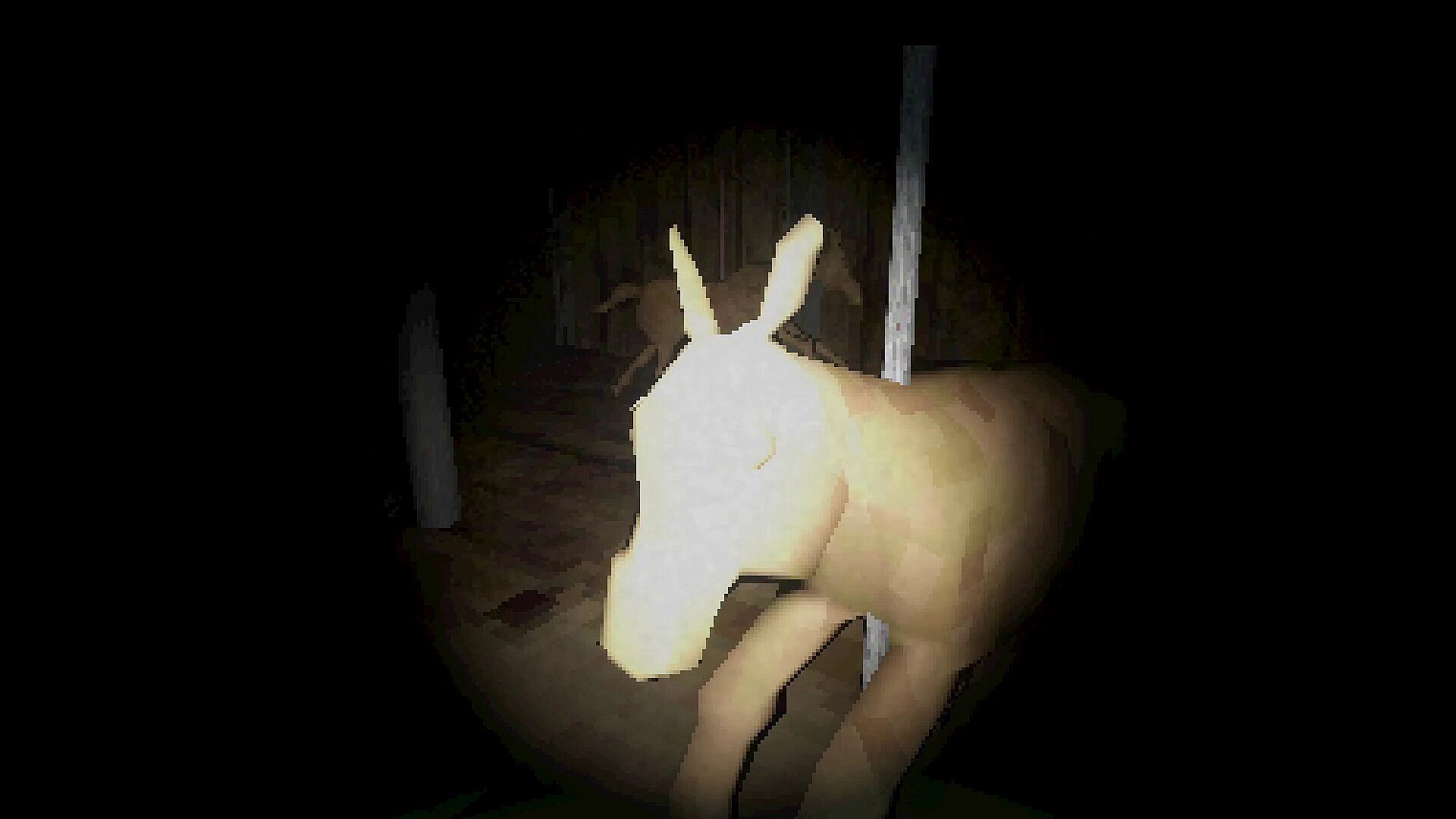
Entities populate the area with distinct behaviors that must be learned through repeated encounters. Some pursue the player directly, forcing quick decisions about when to hide, reroute, or press onward. The design discourages careless progress because being spotted often resets sections, emphasizing patience and spatial awareness over direct confrontation.
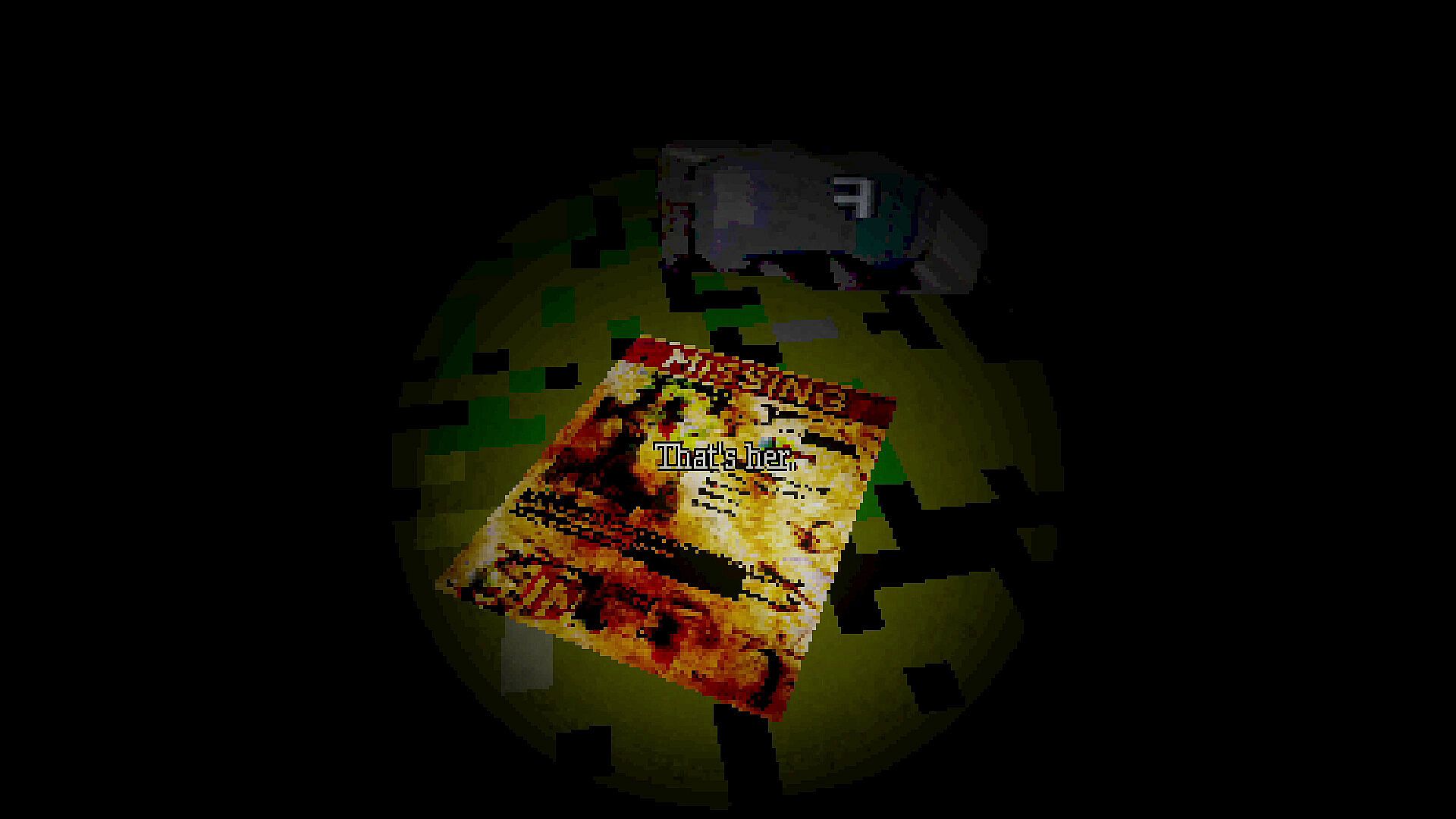
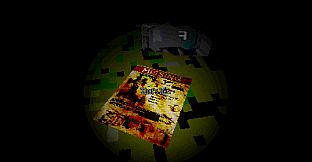
Investigation ties directly into the personal mystery. Notes, objects, and layout shifts provide fragments that players assemble to understand what happened to the family members. The atmosphere builds tension through isolation and the constant threat of pursuit rather than overt action sequences.
Game Modes
The experience runs as a single-player narrative adventure with no separate multiplayer or competitive options confirmed. Progression follows a linear investigative path punctuated by exploration branches that reward thorough searching. Replay value stems from uncovering additional details on subsequent runs after learning entity patterns and optimal routes through the space.
Story and Setting
The narrative unfolds through environmental storytelling and the protagonist's internal reflections. A sense of disorientation defines the world, where familiar elements twist into something unfamiliar and threatening. The title itself hints at a deceptive or layered reality that players must navigate while piecing together the central family mystery.
Monsters and other pursuers serve as obstacles that reinforce the theme of getting lost and finding a way out. Each layer deeper into the environment introduces new mechanics or variations on existing threats, keeping the focus on survival through knowledge rather than combat.
Is It Worth Playing?
The game targets players who enjoy deliberate first-person horror adventures built around observation, deduction, and evasion. Its emphasis on learning entity behaviors and connecting narrative threads suits those who prefer tension from uncertainty over constant action. As an upcoming title with a February 2027 release window, it remains in development, so final polish and full scope will determine its reception once available.
Those drawn to indie titles that blend personal mystery with spatial puzzles and pursuit mechanics will likely find the described systems engaging. The absence of confirmed multiplayer or additional modes keeps the focus squarely on the solitary investigative experience outlined in the premise.