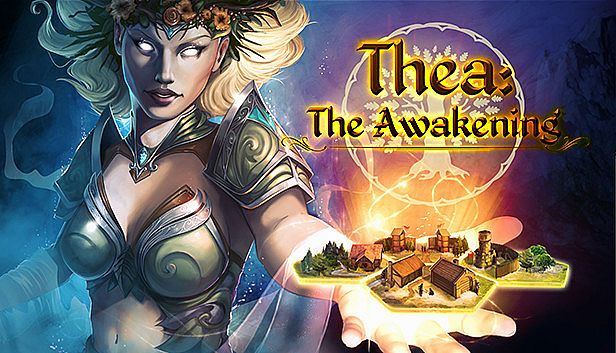
















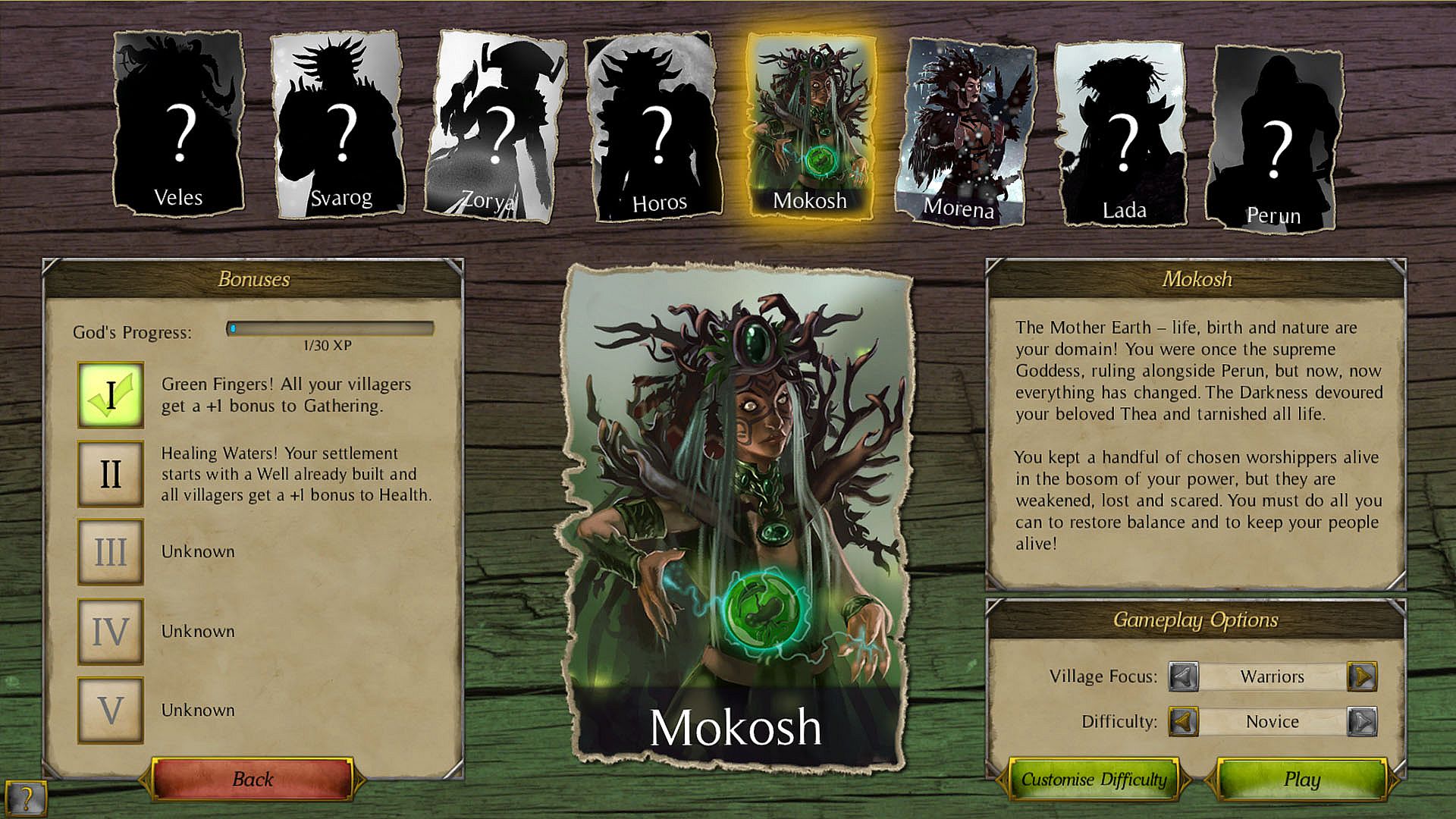
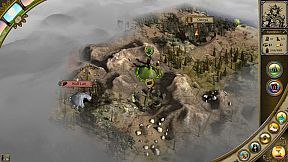
Thea: The Awakening is a turn-based strategy survival game with RPG elements set in a dark fantasy world drawn from Slavic mythology. Players lead a small group of survivors after an apocalyptic event called the Darkness has overtaken the land, managing resources and decisions to endure against monsters and harsh conditions on PC.
Gameplay
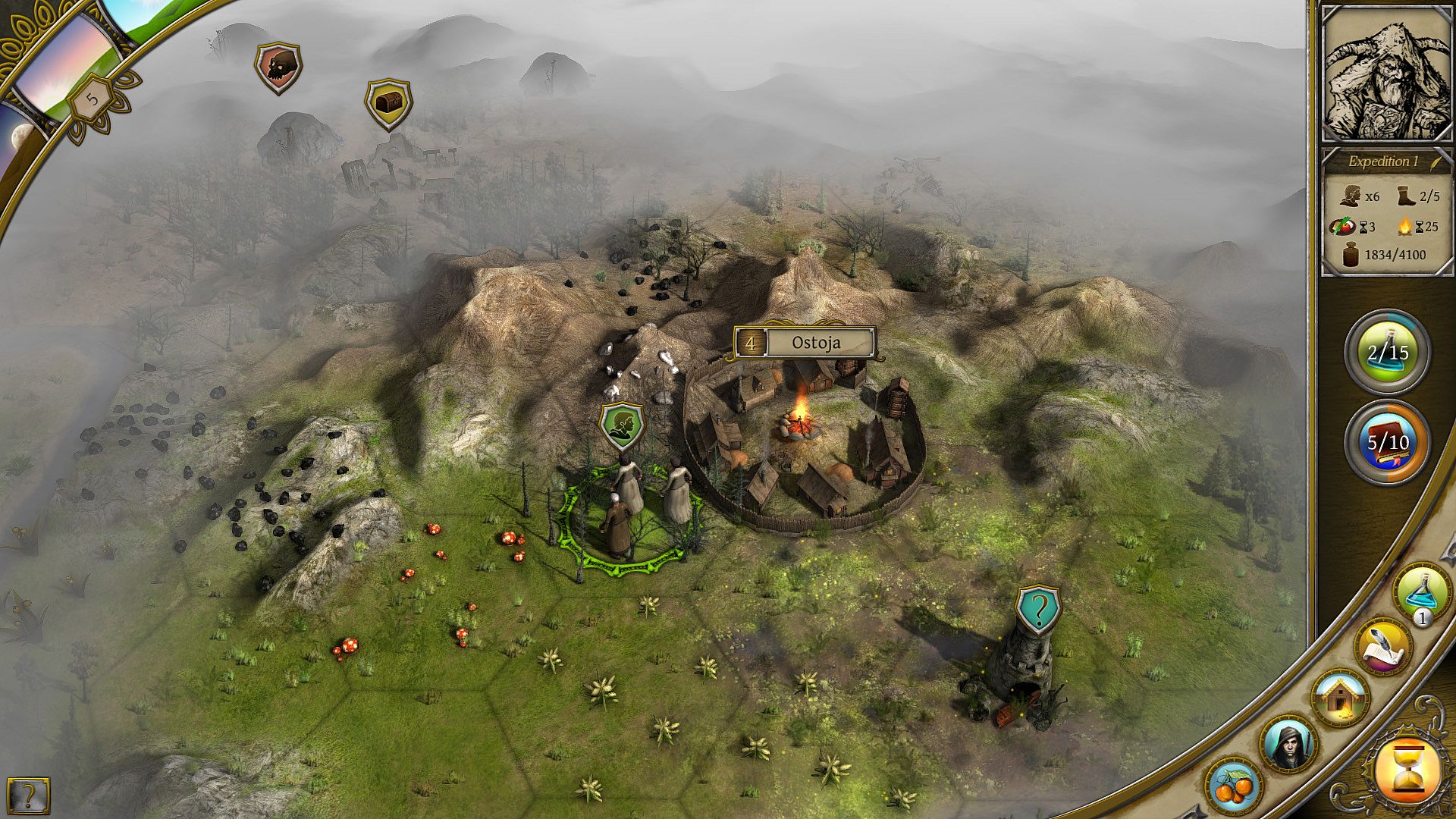
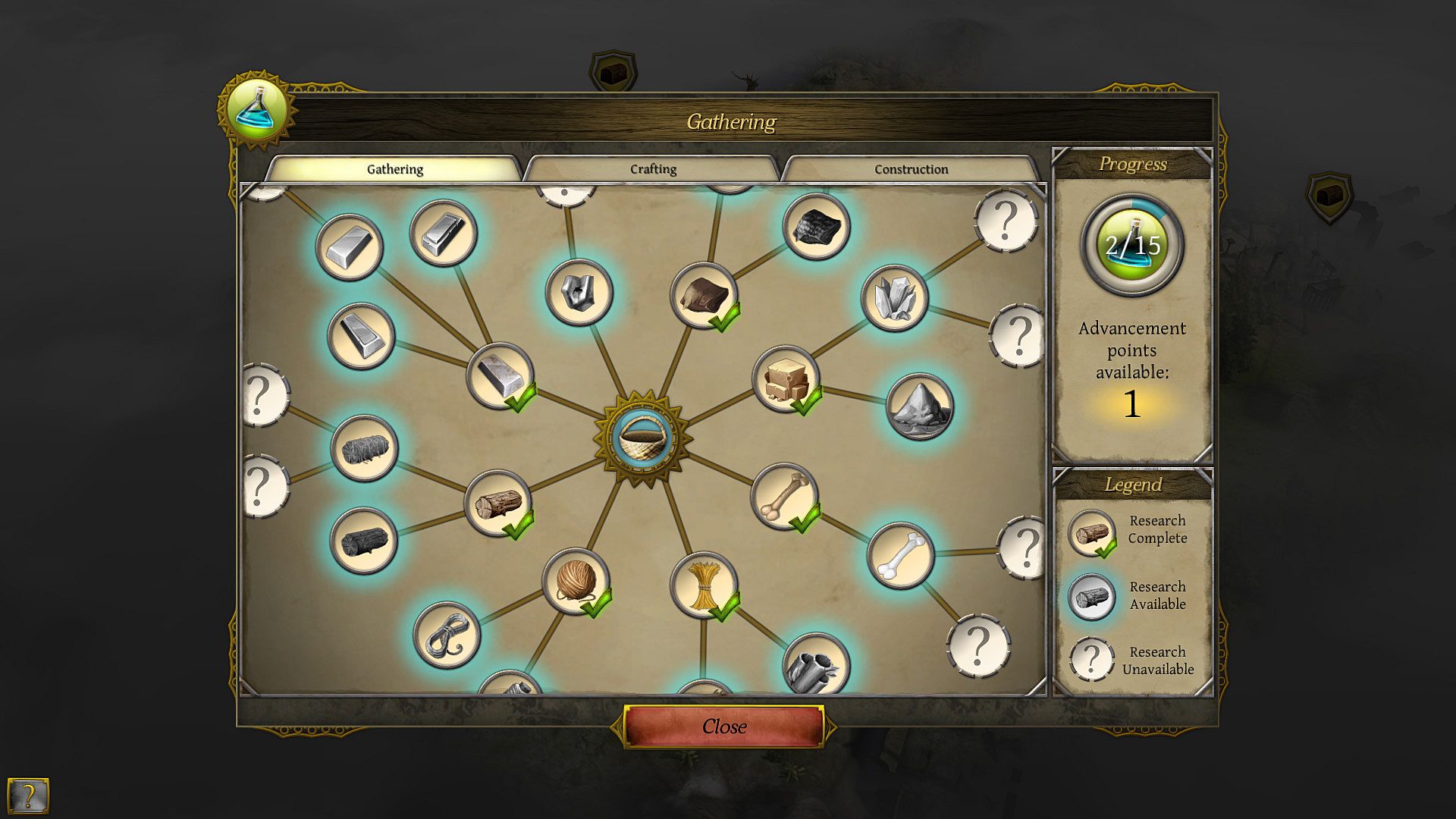
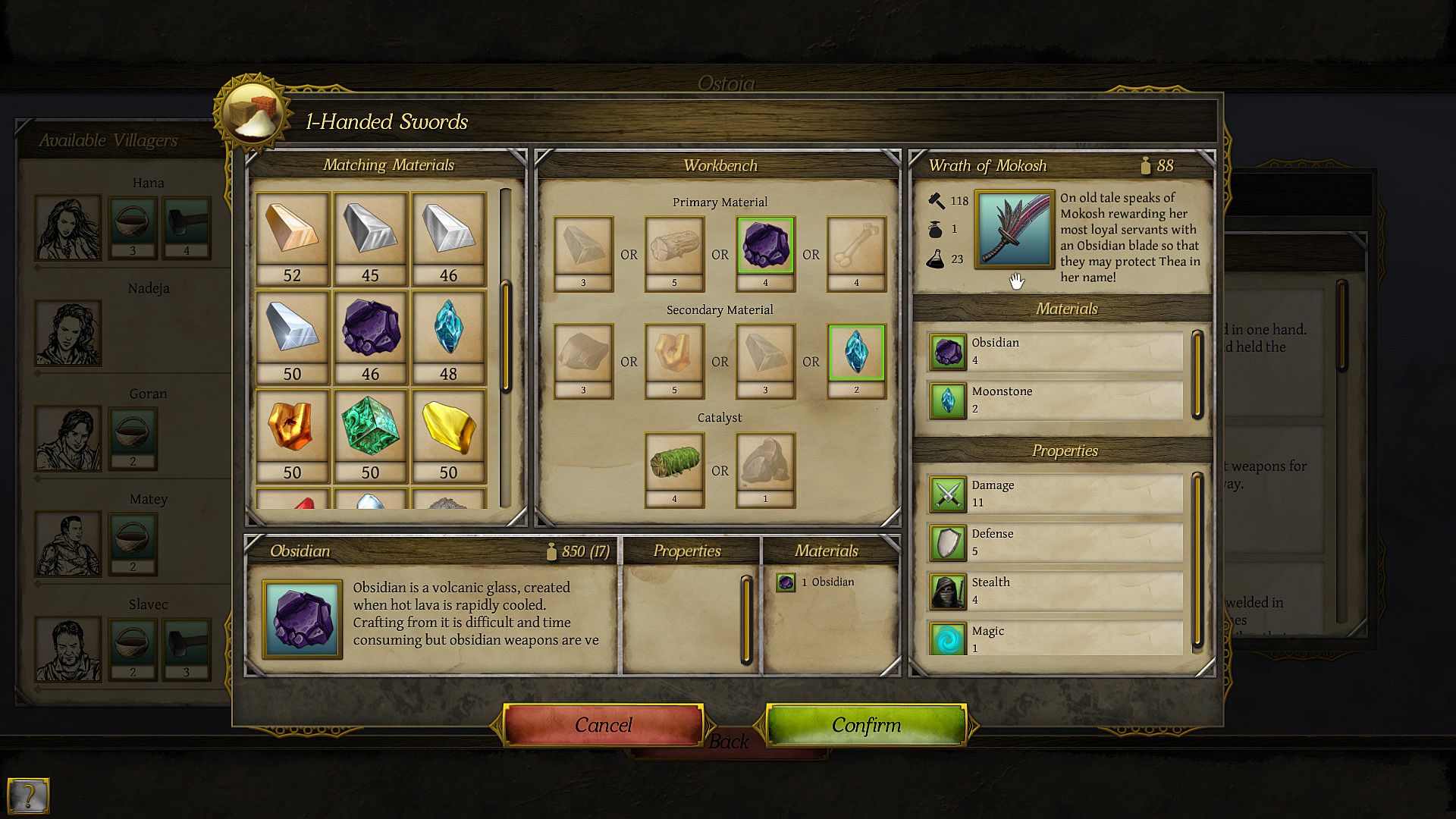
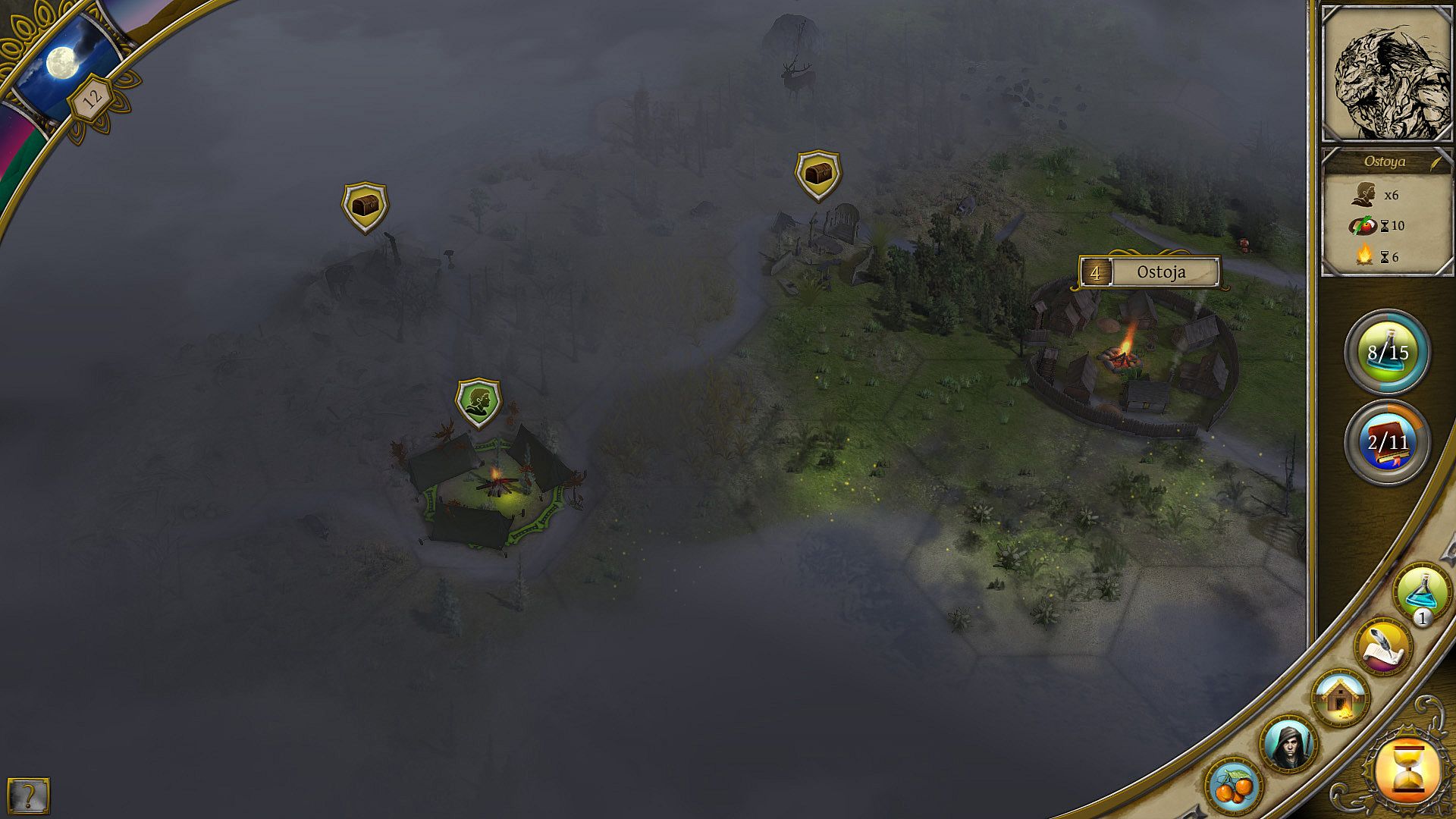
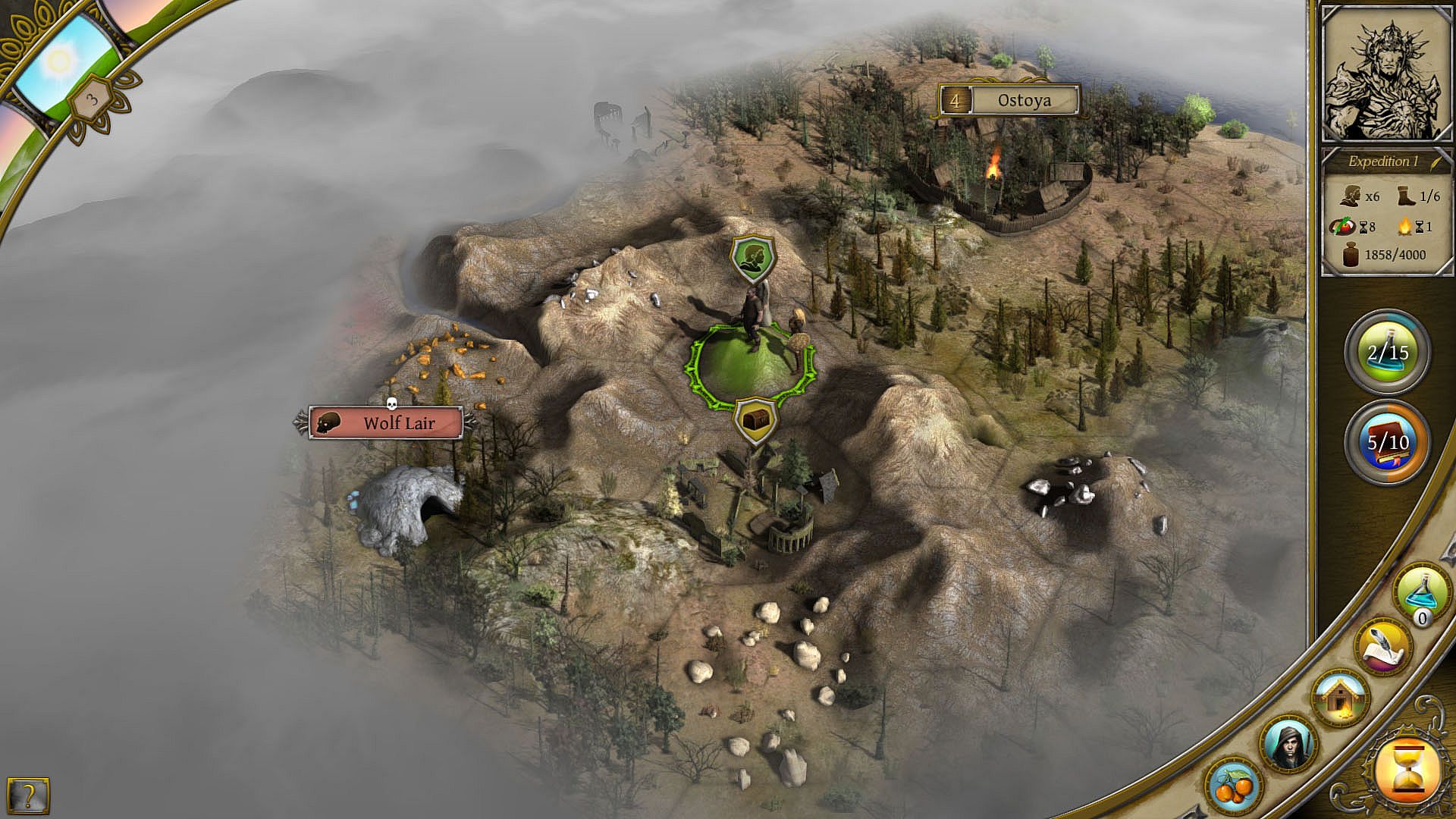
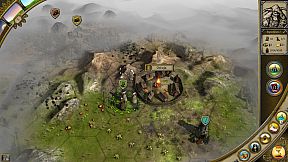
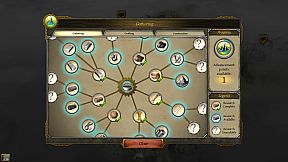
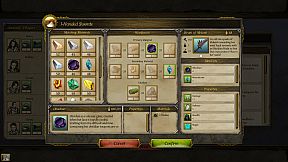
The core loop revolves around village management and expeditions into a large procedural world. Survivors gather resources, craft from thousands of possible items, and construct buildings while researching technologies. Expeditions send characters out to explore, collect materials, and handle encounters, with each participant gaining experience that improves skills in areas such as resource collection, diplomacy, or healing.
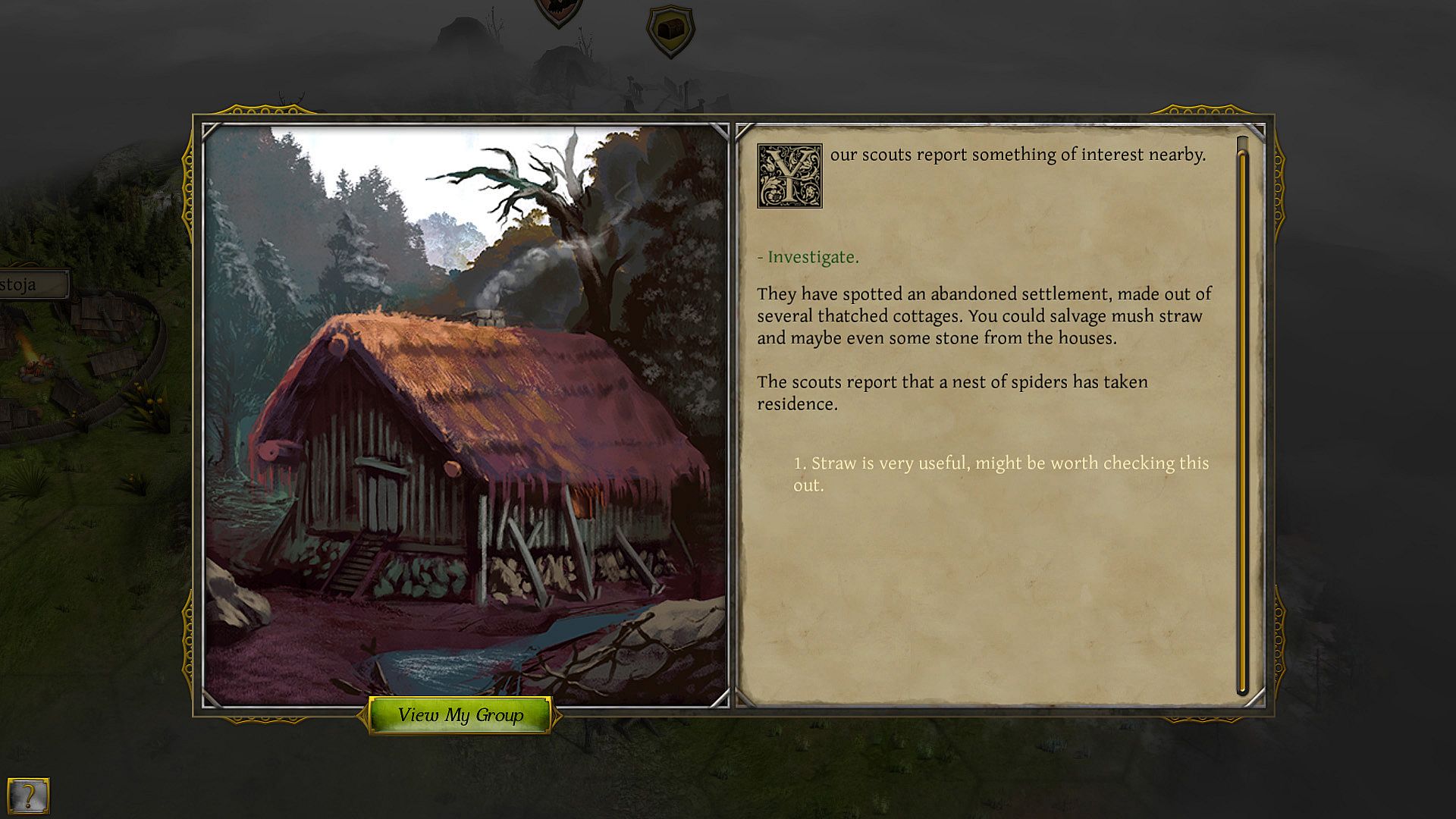
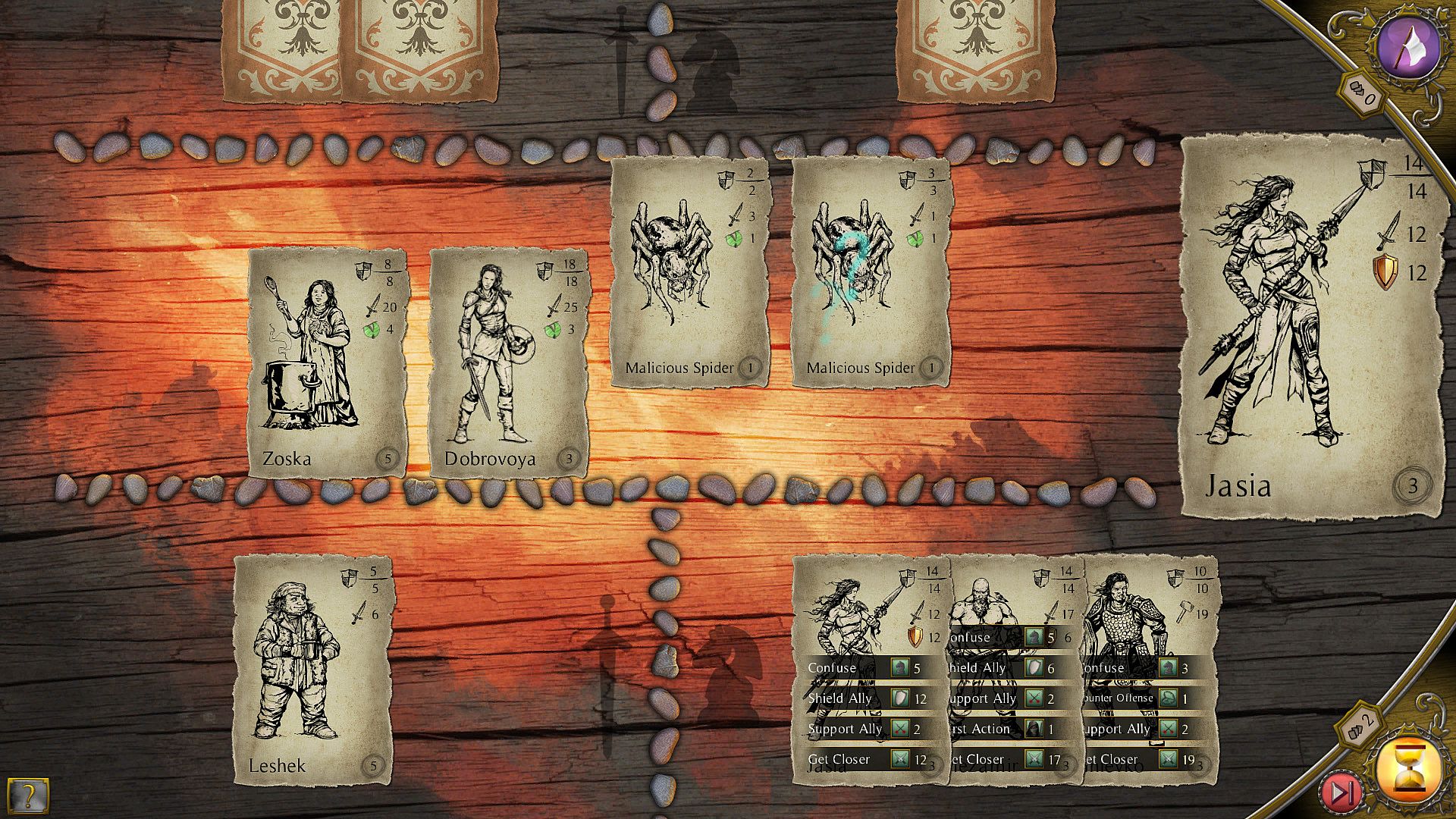
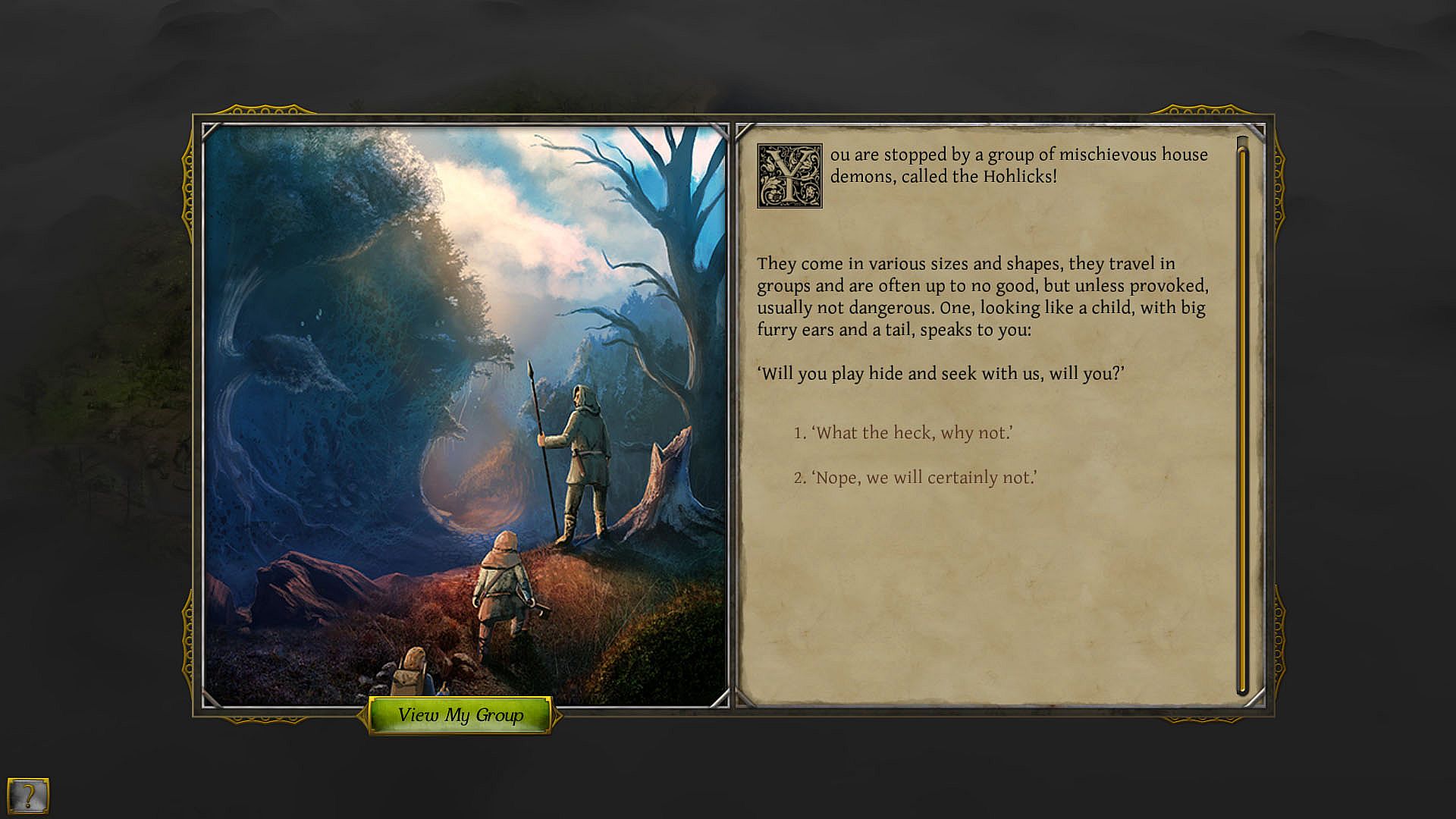
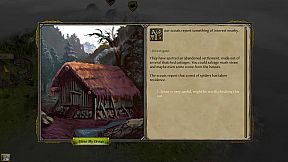
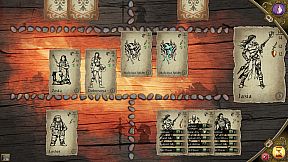
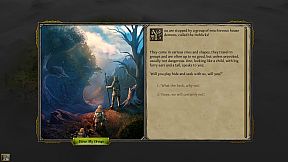
Conflicts and events resolve through a card-based system that supports combat, negotiation, curses, or other approaches based on the abilities of the group. Day and night cycles affect visibility and creature behavior, with threats easier to spot in daylight and more aggressive after dark. Procedural generation ensures each creature has unique traits even within groups, and over two hundred non-linear story events can alter resources or lives depending on choices made.
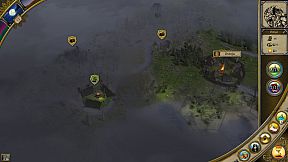
Hexagonal turn-based movement governs exploration and positioning, while village defenses can be strengthened or players can focus outward on scavenging. Multiple endings exist, and certain rewards carry forward to subsequent playthroughs.
Game Modes
The game centers on a single-player experience where procedural elements and event variety create distinct runs. Cooperative multiplayer supports joint play with others managing the shared settlement and expeditions.
No additional competitive or separate campaign modes exist beyond these options. The structure emphasizes one persistent world state per playthrough, with choices shaping survival outcomes rather than branching into distinct formats.
Key Mechanics and Features
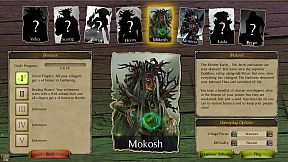
Over one hundred creature types appear, many rooted in Slavic folklore such as strigas and Baba Yagas. Village building includes various structures and upgrades, while expeditions equip members individually for better performance in the field. The card system allows resolution of situations through multiple paths, reducing reliance on direct fighting alone.
Resource management ties directly into crafting and technology progression, with the day-night cycle adding timing considerations to expeditions and defense. Procedural instances mean no two encounters feel identical, supporting repeated play without identical repetition.
Is It Worth Playing?
Players who enjoy intricate turn-based strategy combined with survival elements and card-driven decisions will find substantial depth here. Long play sessions are common among those who appreciate the blend of village building, exploration, and event-driven storytelling in a single-player or cooperative setting.
The game remains available on PC with an active, if niche, player base that values its originality and replay potential through procedural systems. Those seeking straightforward action or simpler interfaces may find the complexity and learning curve less appealing, while dedicated strategy fans often report extended engagement across multiple runs.