








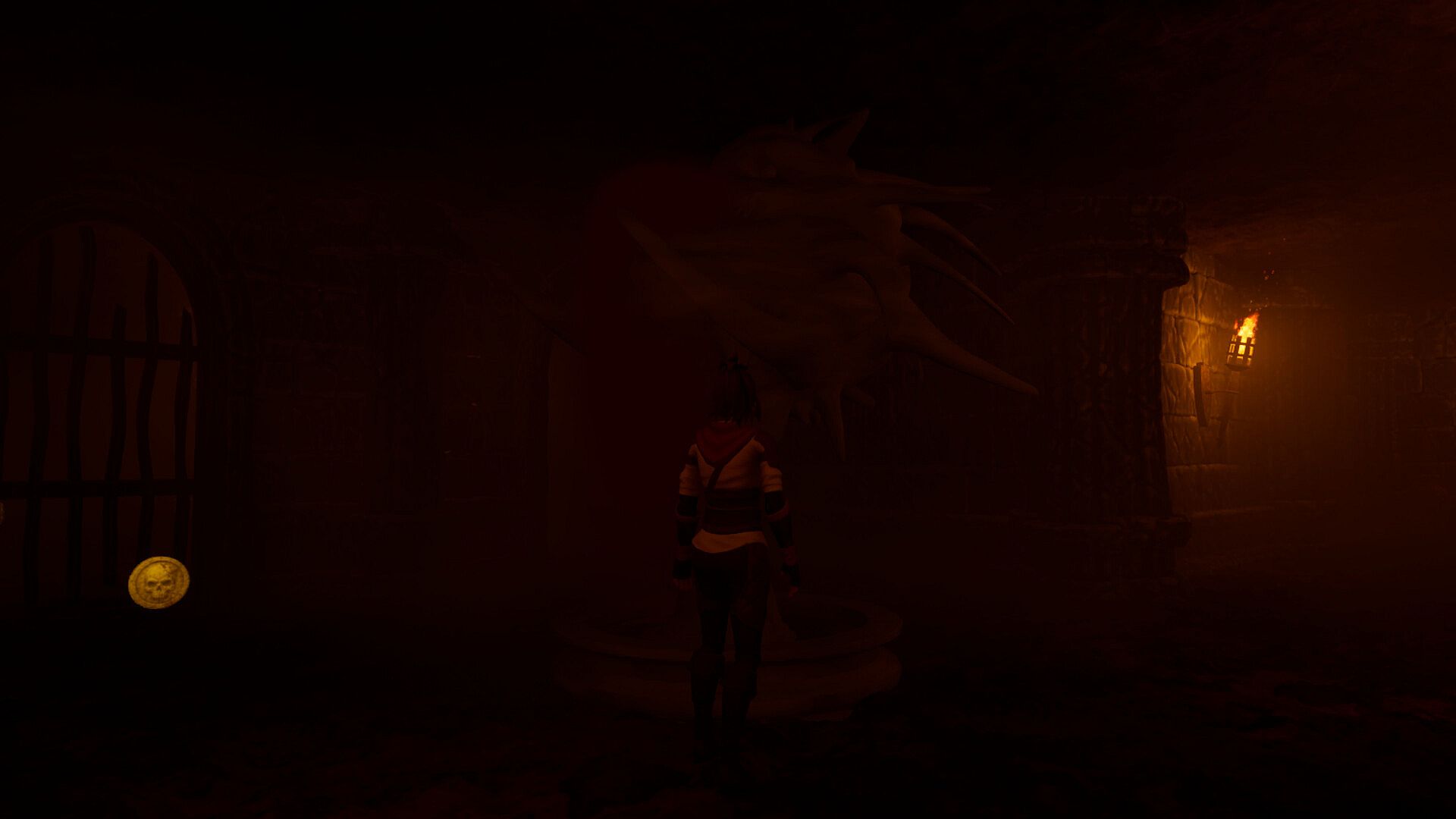
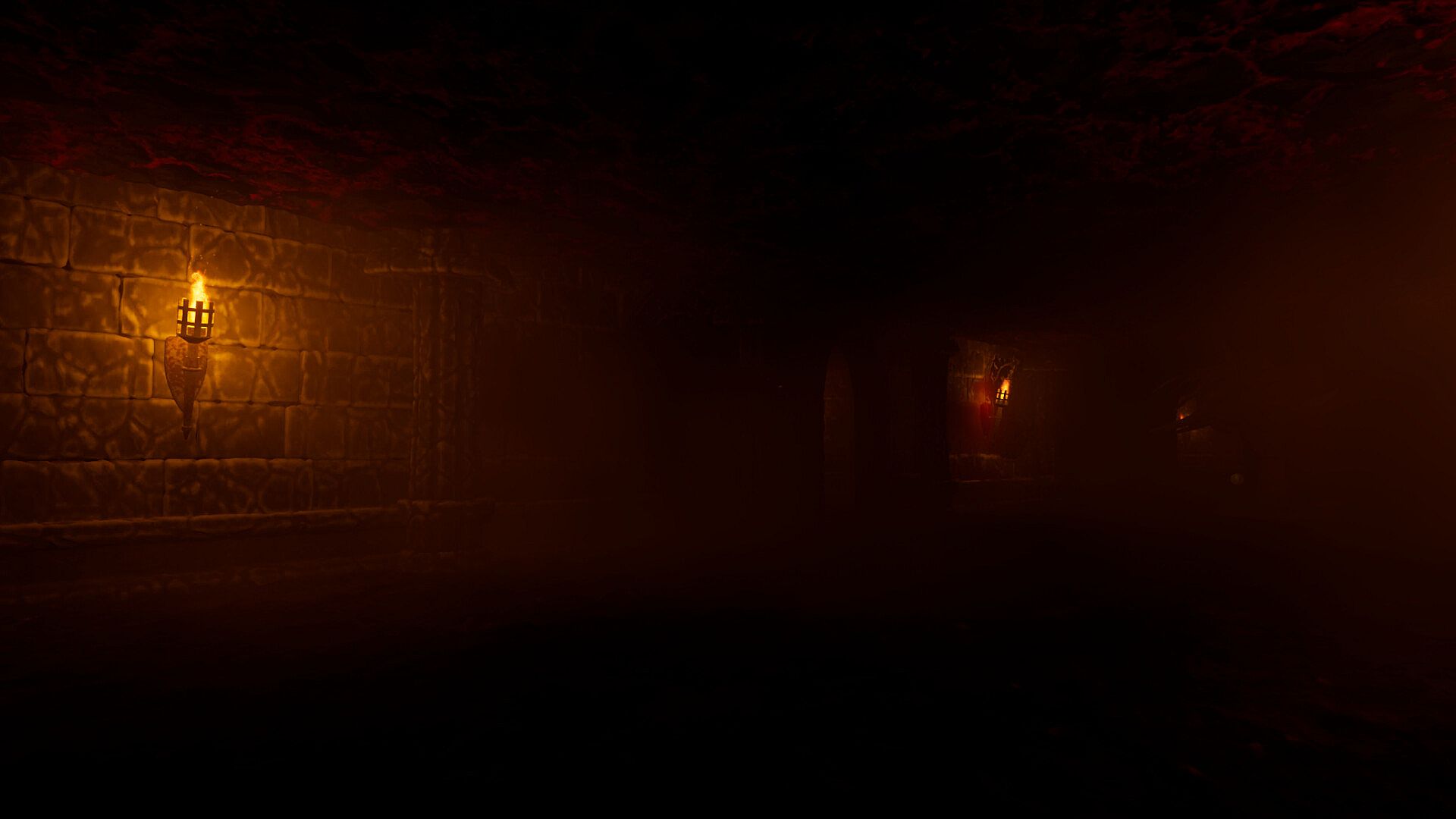

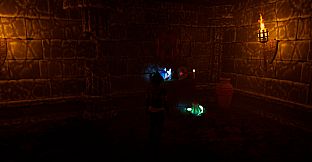
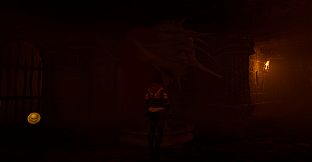
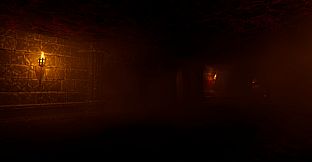
The Whispering Maze is a single-player psychological horror adventure game set on PC. Players take on the role of Alaina Voss, a linguist drawn into a living labyrinth that draws from memories and fear to create its shifting structure. The experience centers on navigating endless corridors where voices offer guidance or misinformation, forcing constant decisions about what to believe while the environment rearranges itself.
Gameplay
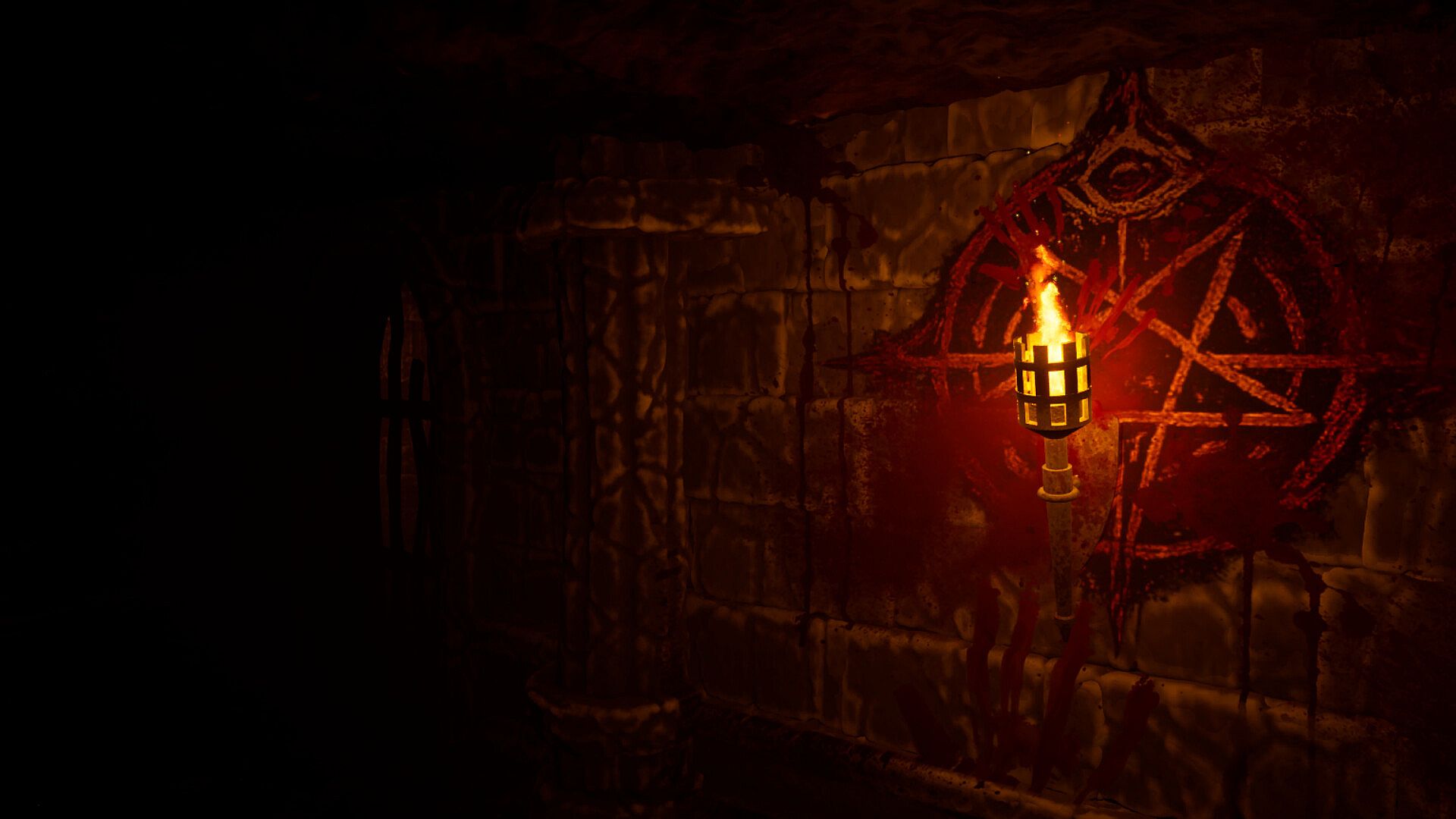
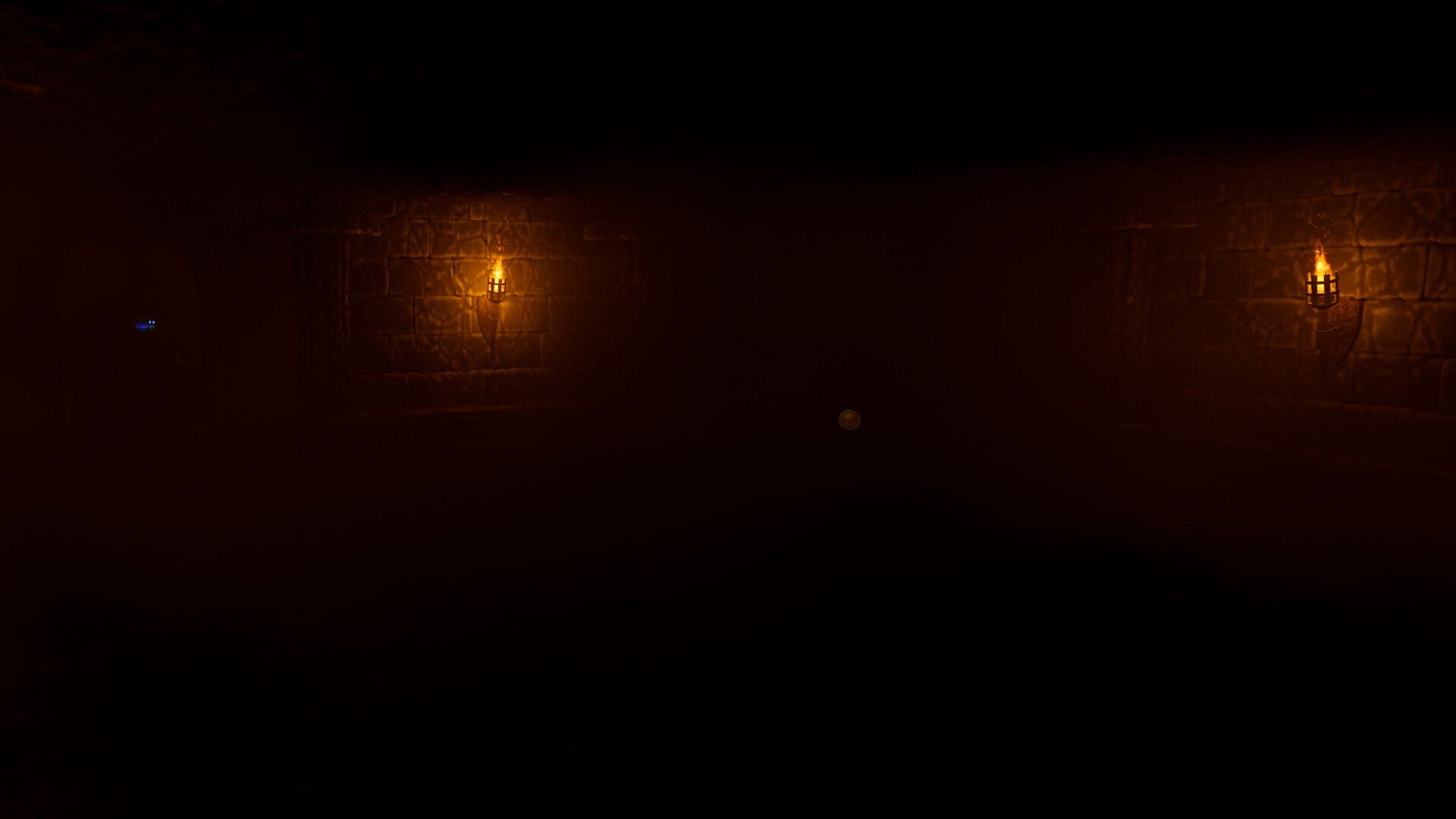
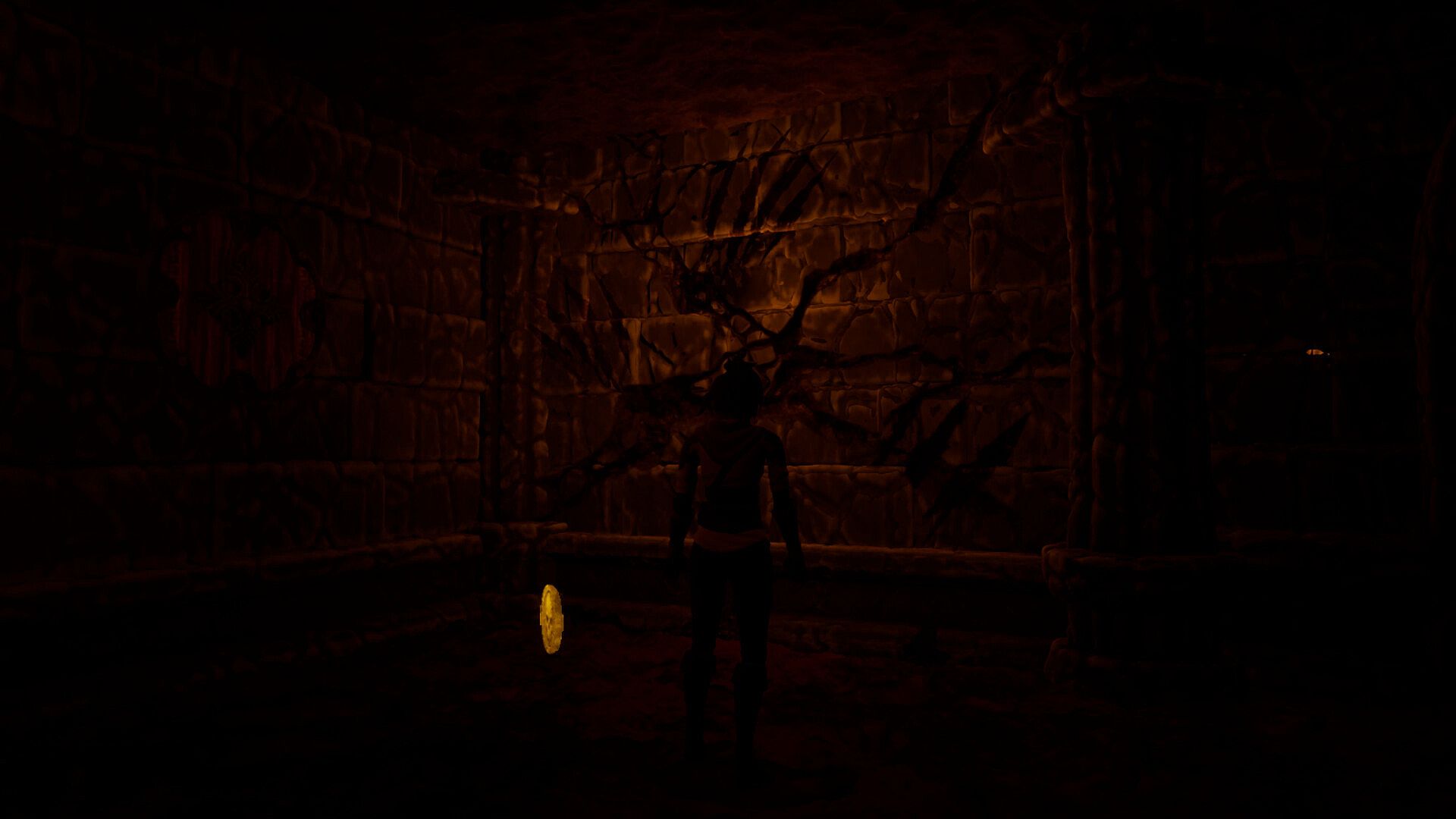
Core play revolves around careful movement through a maze that changes when unobserved. Hallways appear and disappear, requiring players to rely on memory of previous paths and visual cues like hidden symbols etched into the stone. Whispers fill the air, some providing directions that advance progress while others attempt to mislead or reveal personal details about the protagonist that heighten unease.
Survival hinges on observation and selective trust. Players must identify which voices sound human and which do not, using that judgment to choose routes that lead deeper or toward potential exits. The deeper the descent, the more the maze adapts, incorporating fragments of the player's own fears into its layout and audio cues. Tension builds through uncertainty rather than direct confrontation, with the environment itself acting as the primary threat.
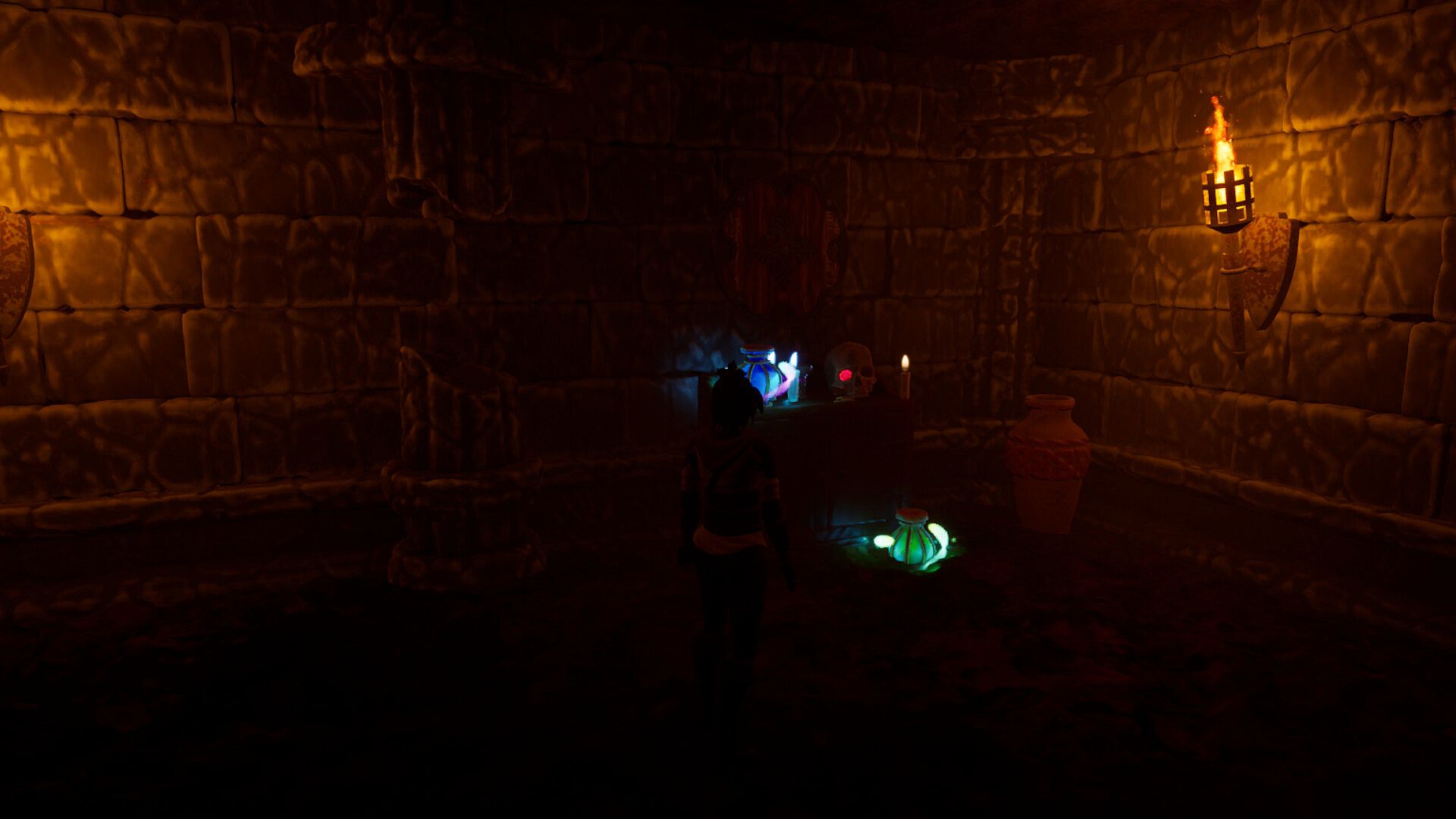
Exploration rewards attention to detail. Fragments of truth scattered throughout the corridors piece together the labyrinth's origins, encouraging repeated examination of the same areas as they transform. The system demands patience and recall, turning each session into a test of perception amid growing disorientation.
Game Modes
The title supports only single-player mode. No cooperative or competitive options exist, keeping the focus entirely on individual navigation and decision-making within the isolated maze environment.
The Setting and Narrative
Alaina Voss enters the maze after pursuing an unexplained voice from abandoned ruins. Once inside, the labyrinth demonstrates awareness of her background, weaving personal elements into its whispers and structure. This creates a narrative layer where the environment studies its occupant, gradually mirroring her speech patterns and thoughts as descent continues.
The story unfolds through environmental storytelling and audio fragments rather than traditional exposition. Players uncover details about the maze's formation from fractured memories and forgotten truths, learning why certain paths close and others open based on observed behavior. The central question of escape remains unresolved in the available description, underscoring the maze's resistance to departure.
Is It Worth Playing?
The game remains in a coming-soon state with no release date confirmed and no user reviews available. Its appeal lies in the described emphasis on psychological tension, shifting environments, and voice-based choices that test trust and memory. Those drawn to single-player adventure experiences built around uncertainty and reality erosion may find the core loop engaging once available.
System requirements indicate modest hardware needs, with minimum specifications covering Windows 10, an Intel i5 or equivalent processor, 4 GB RAM, and a GTX 1060 graphics card. Recommended specs suggest Windows 11, a Ryzen 7 processor, 8 GB RAM, and an RTX 2060 for smoother performance. The single-player structure suits players seeking a focused, introspective session without external competition or team coordination.
Given the absence of released content or community feedback, any assessment rests on the provided premise of an adaptive maze that studies its victims. Prospective players interested in indie horror titles centered on observation and selective trust should monitor for launch to evaluate the execution firsthand.












