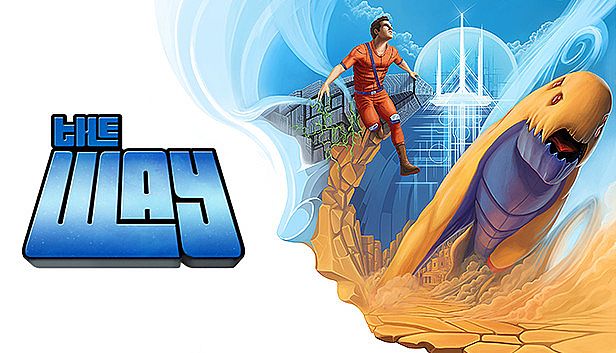















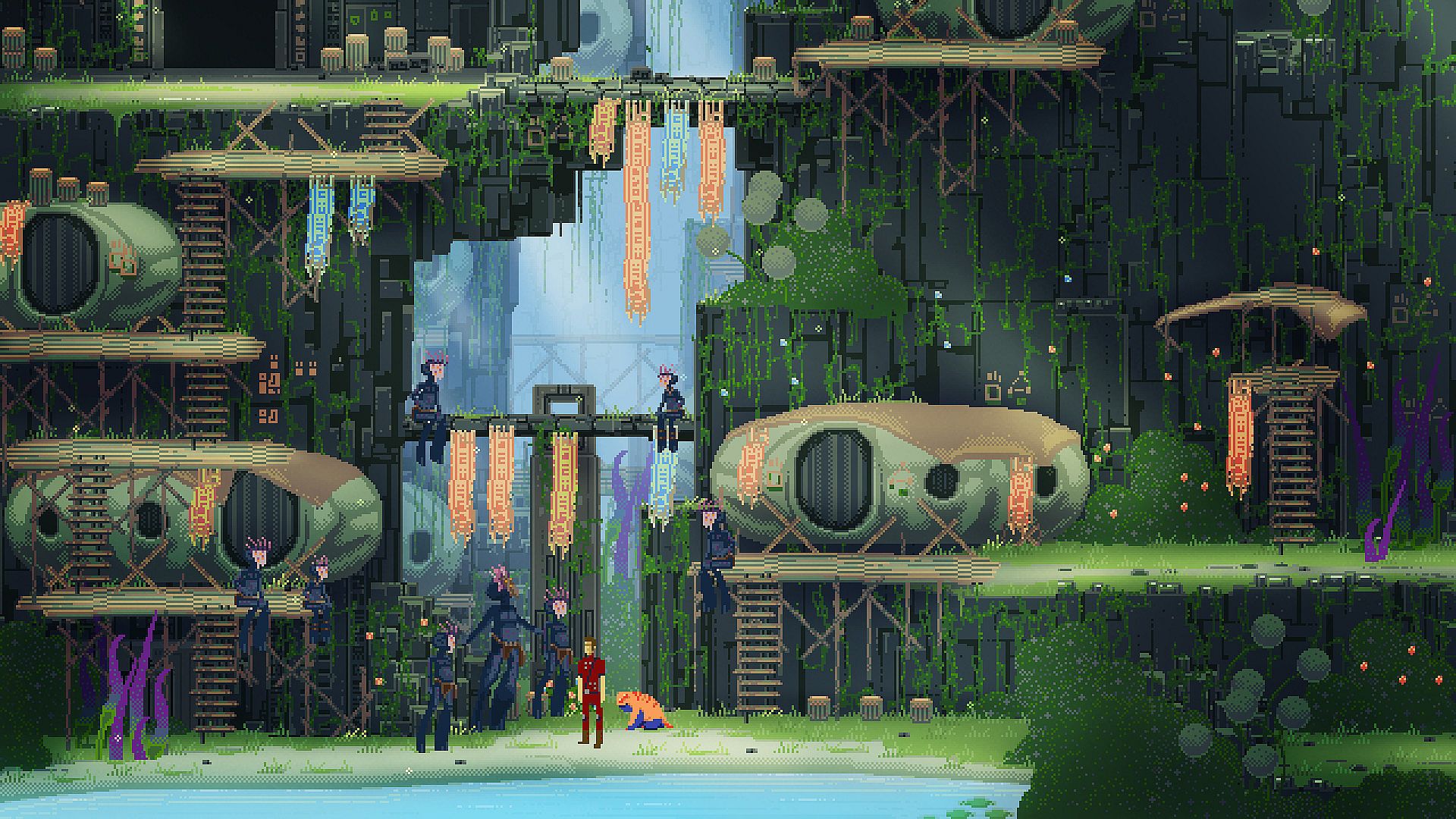
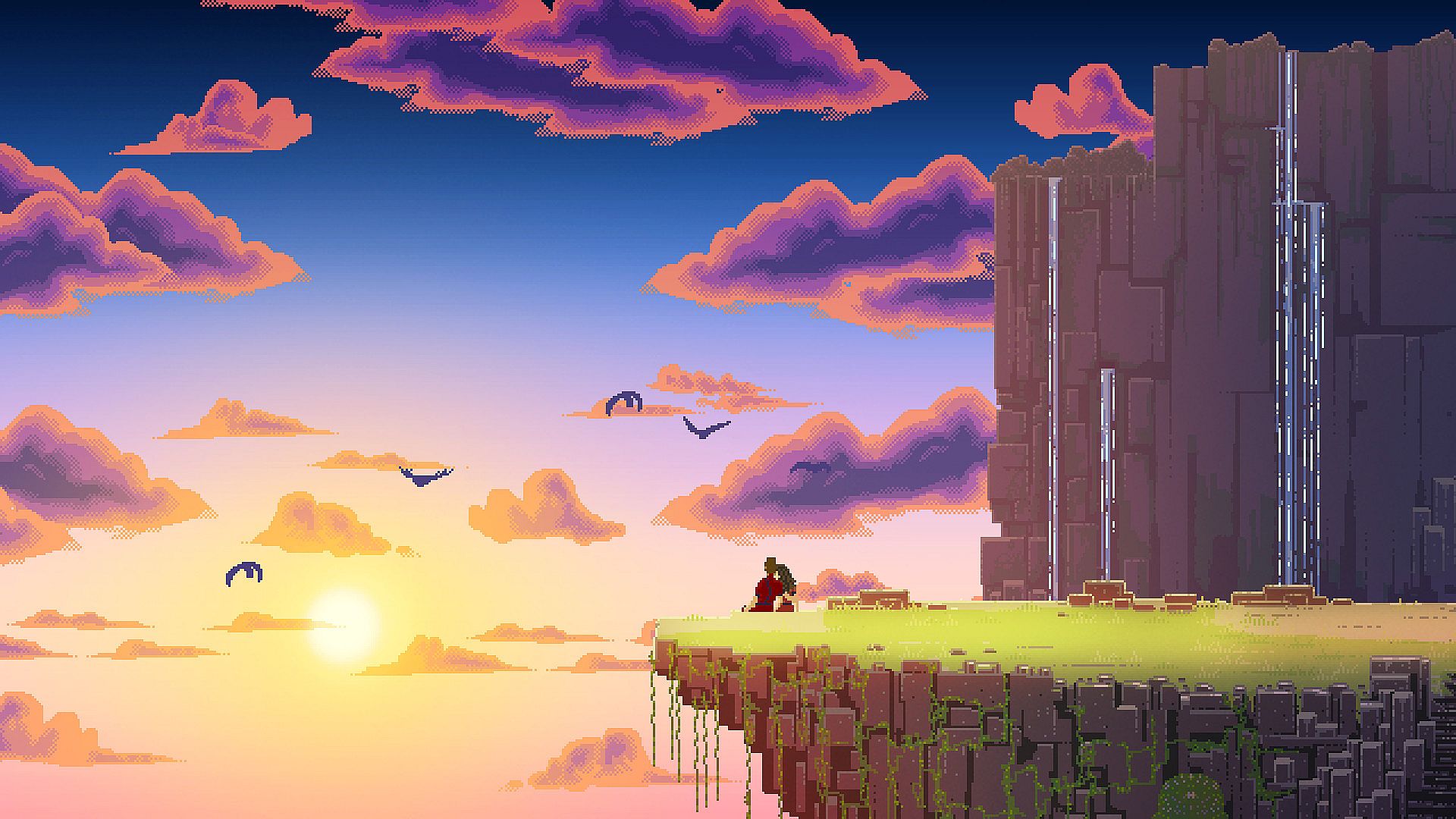
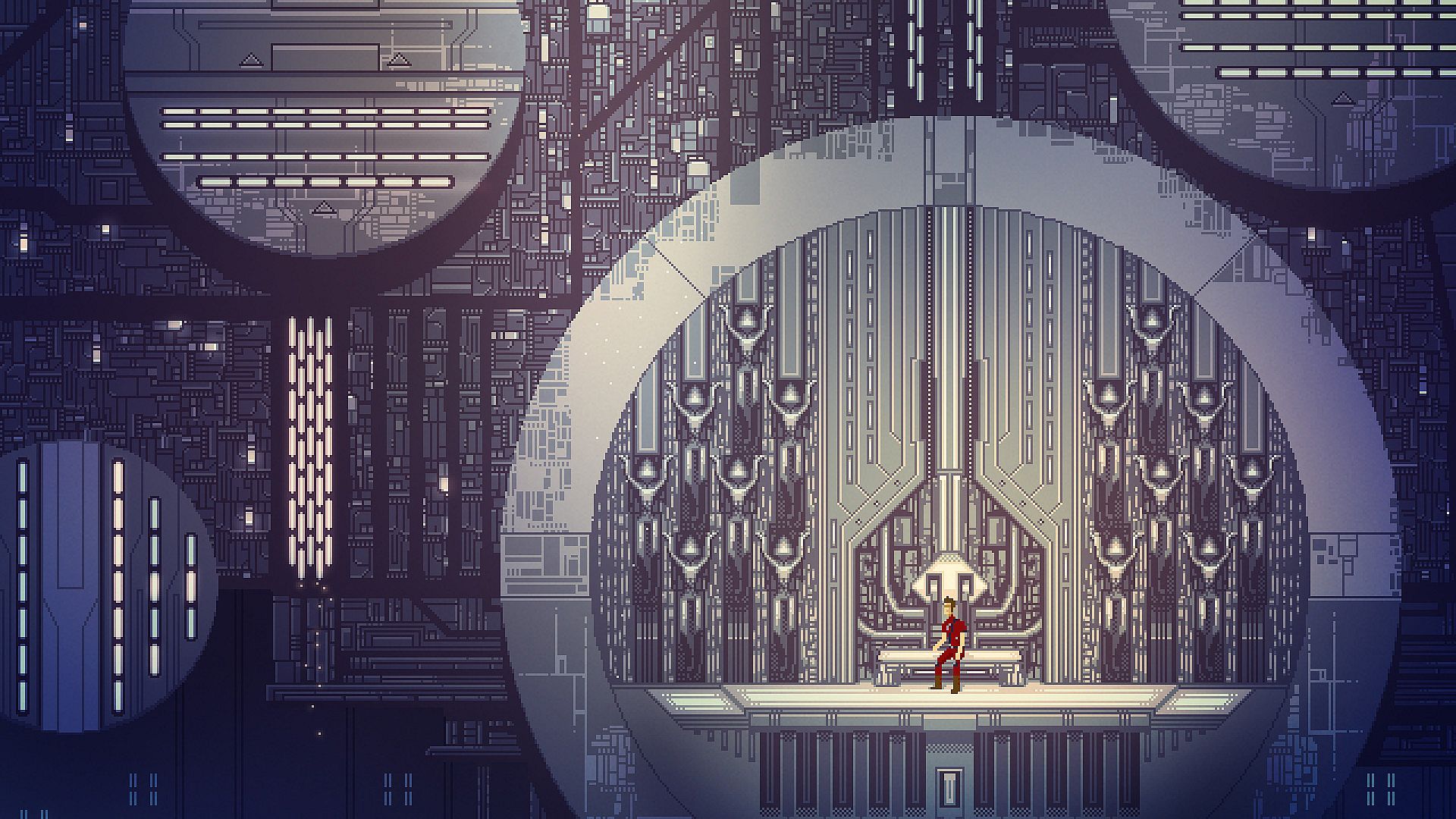
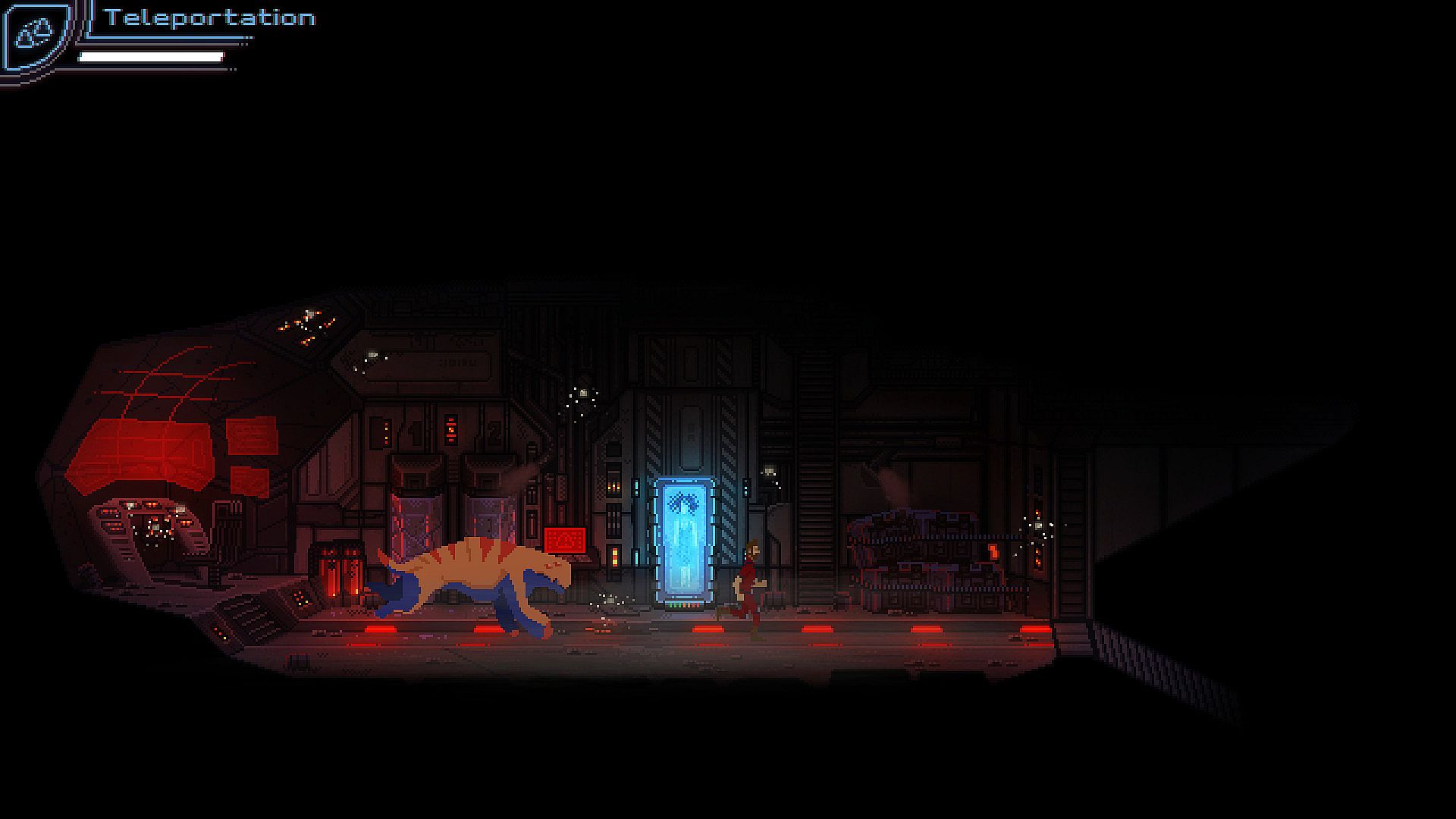
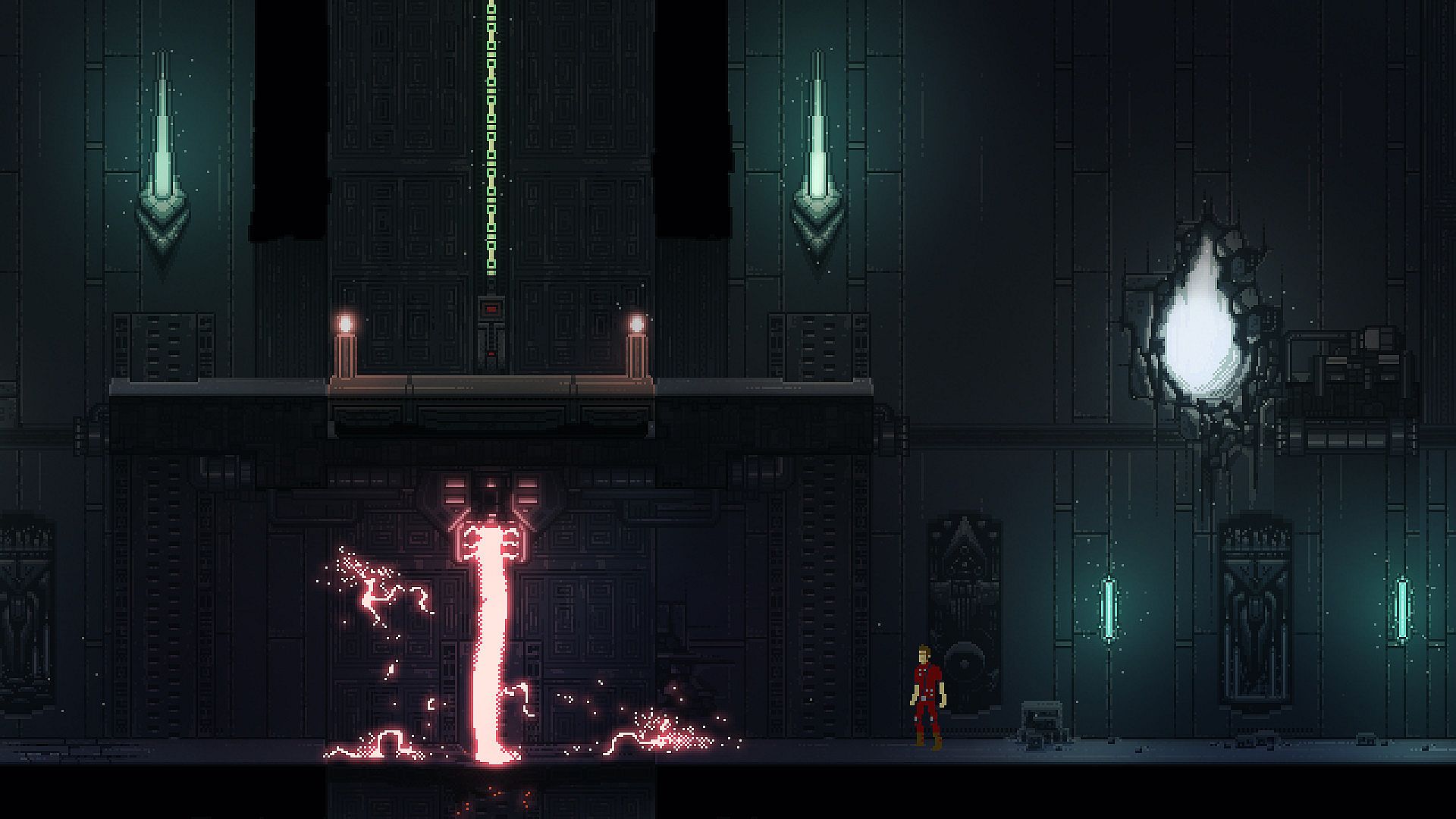
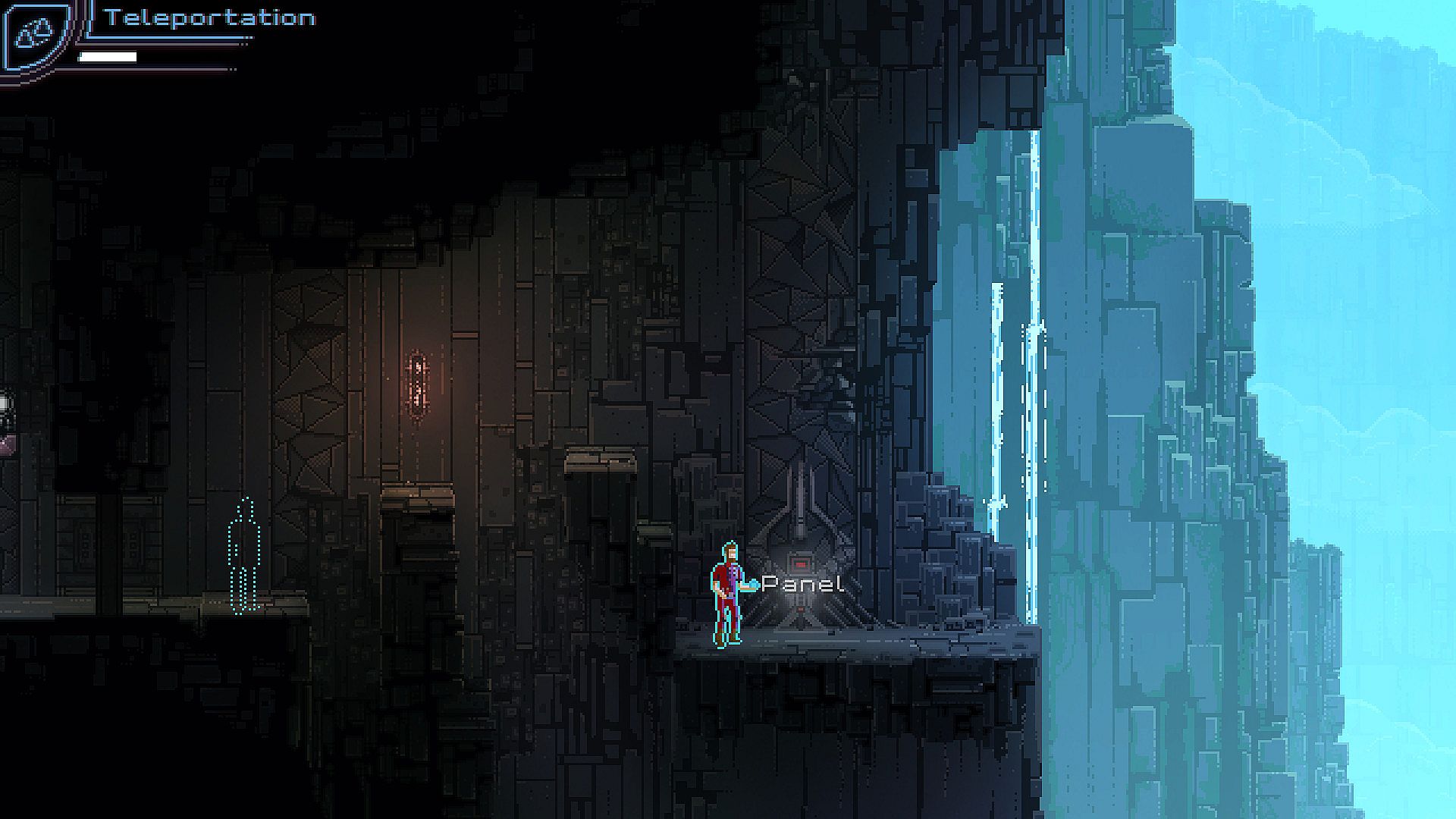
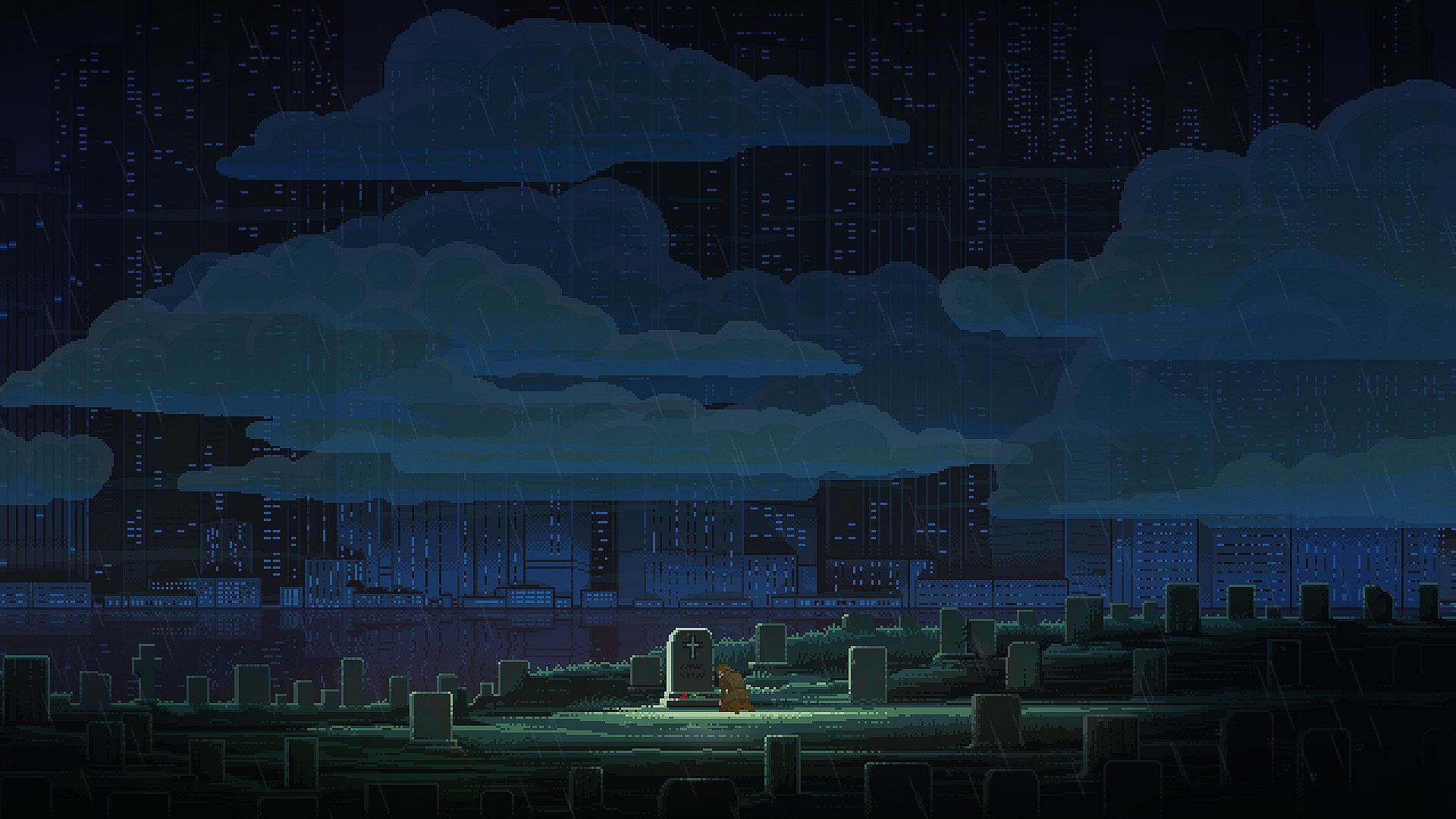
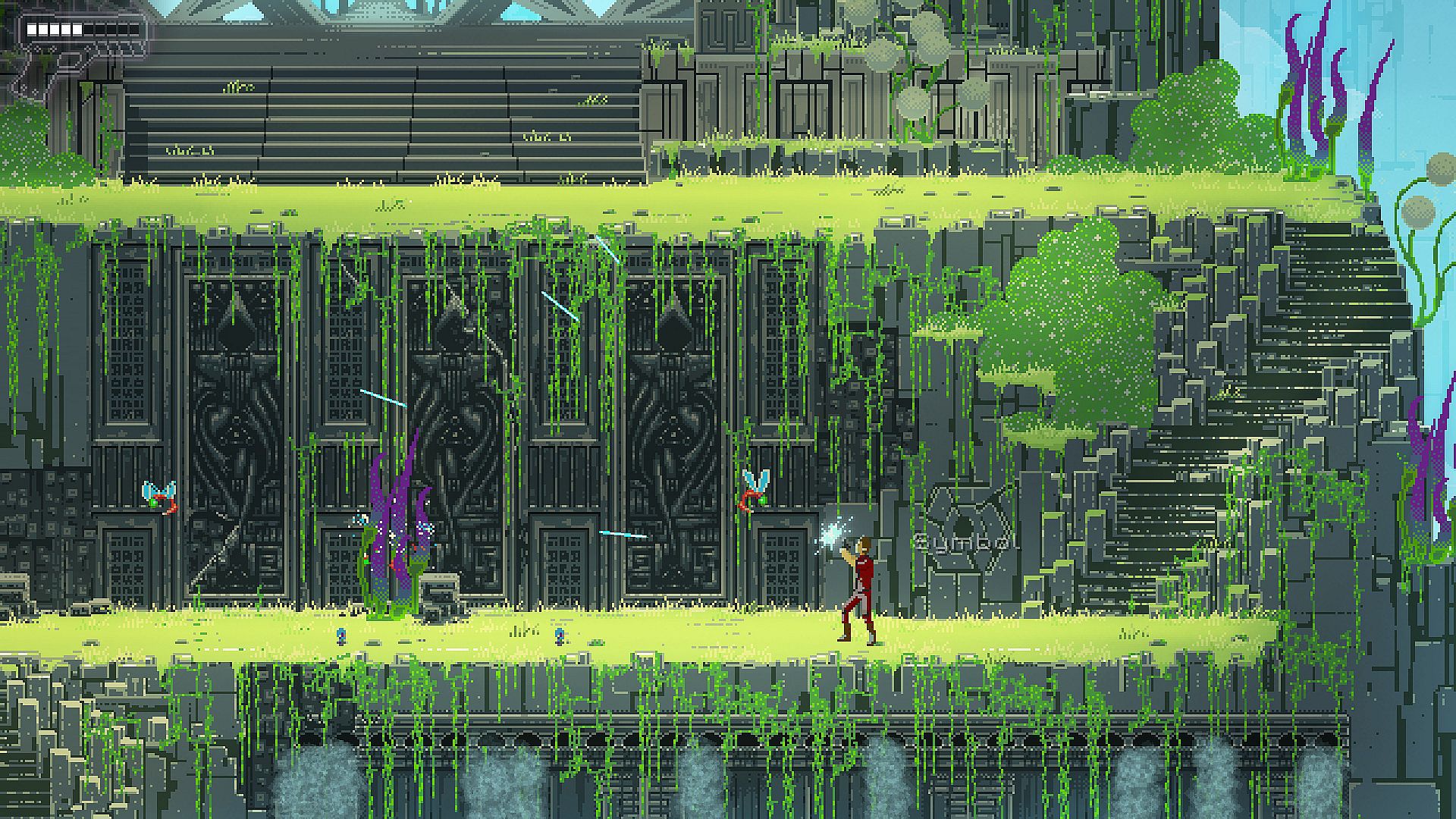
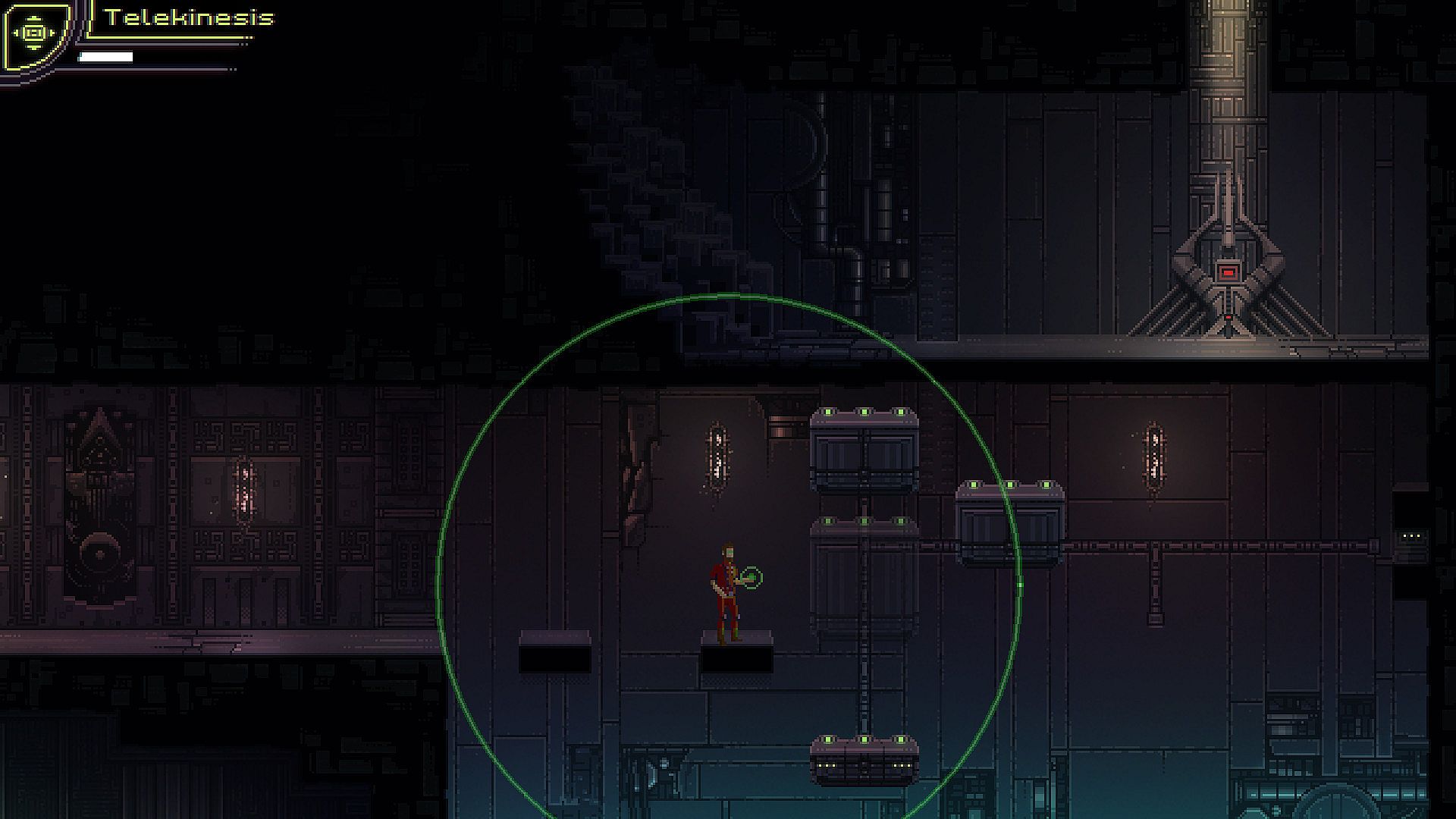
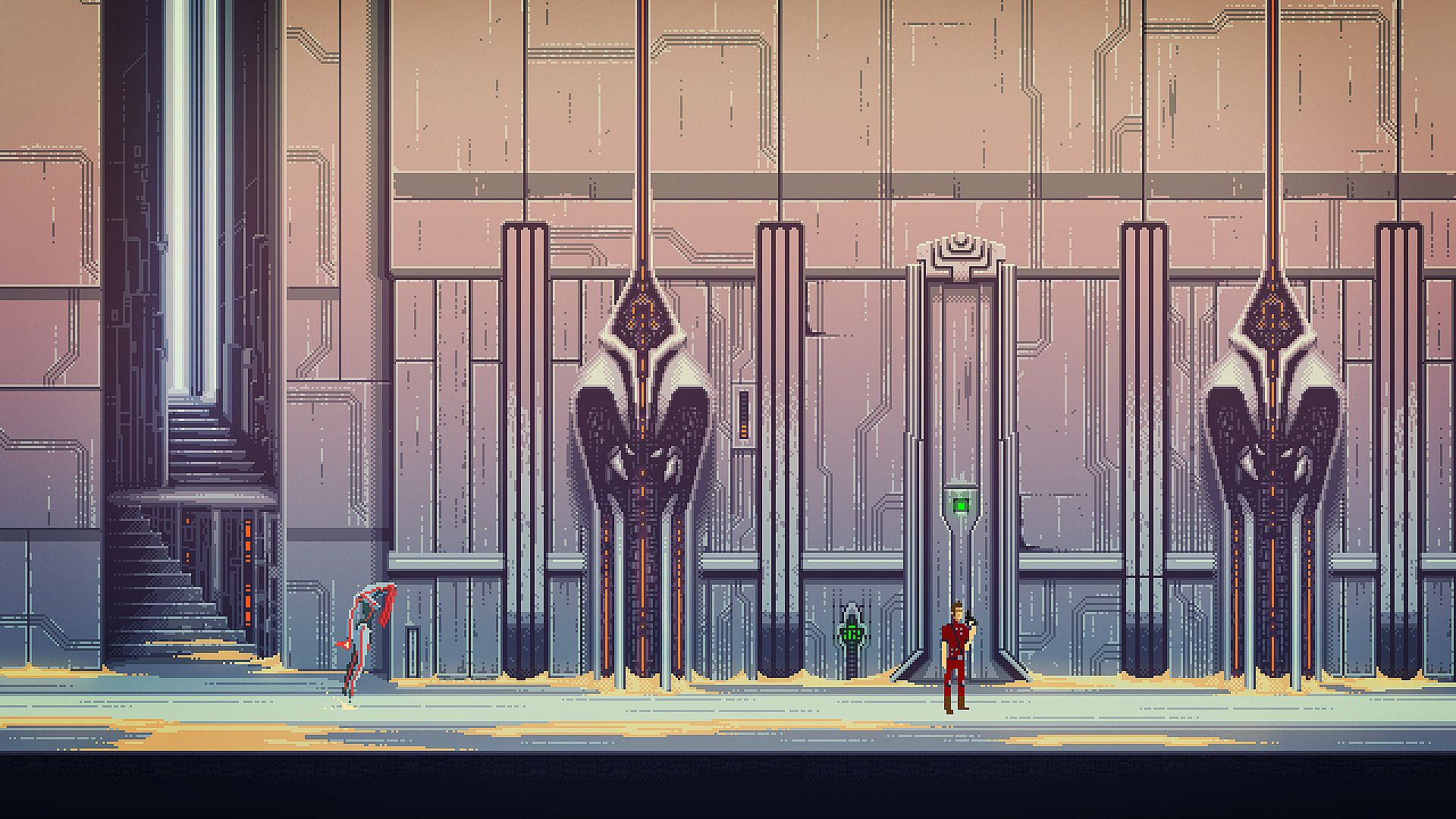
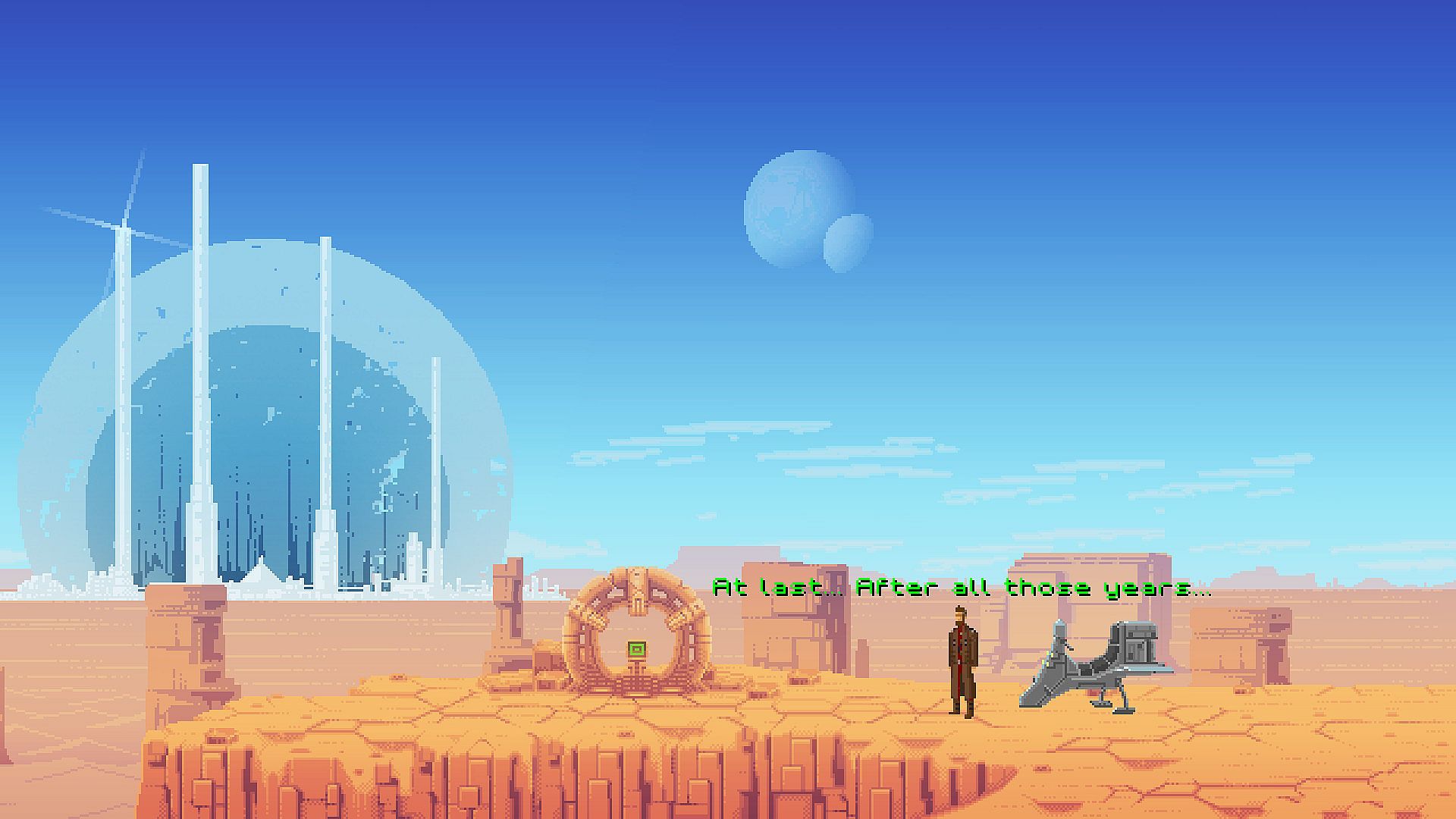
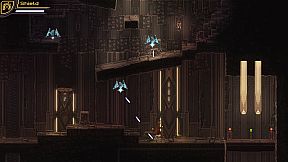
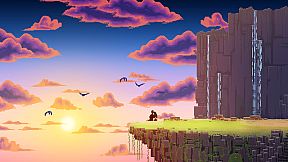
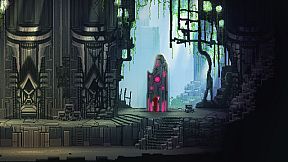

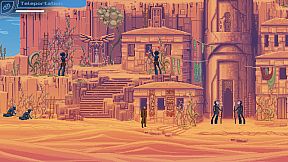
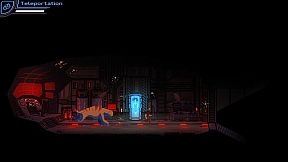
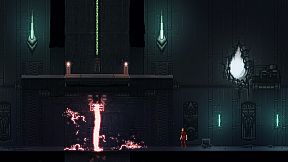
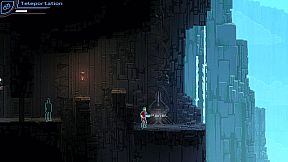
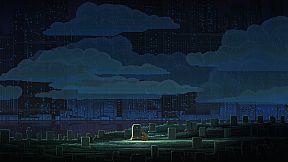
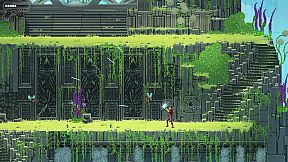
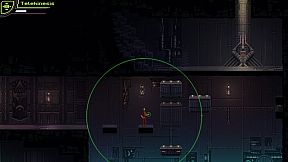
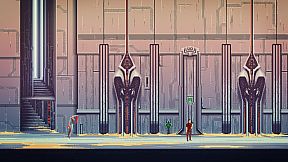
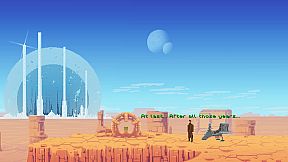
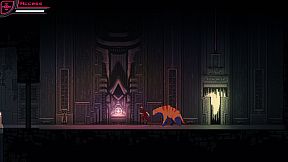
The Way is a retro-styled action adventure game for PC that blends platforming, puzzle solving, and narrative exploration. Players control a grieving space explorer who returns to a mysterious alien world in search of ancient knowledge that might revive his lost companion. The experience draws clear inspiration from classic titles through its cinematic presentation and deliberate pacing.
Gameplay
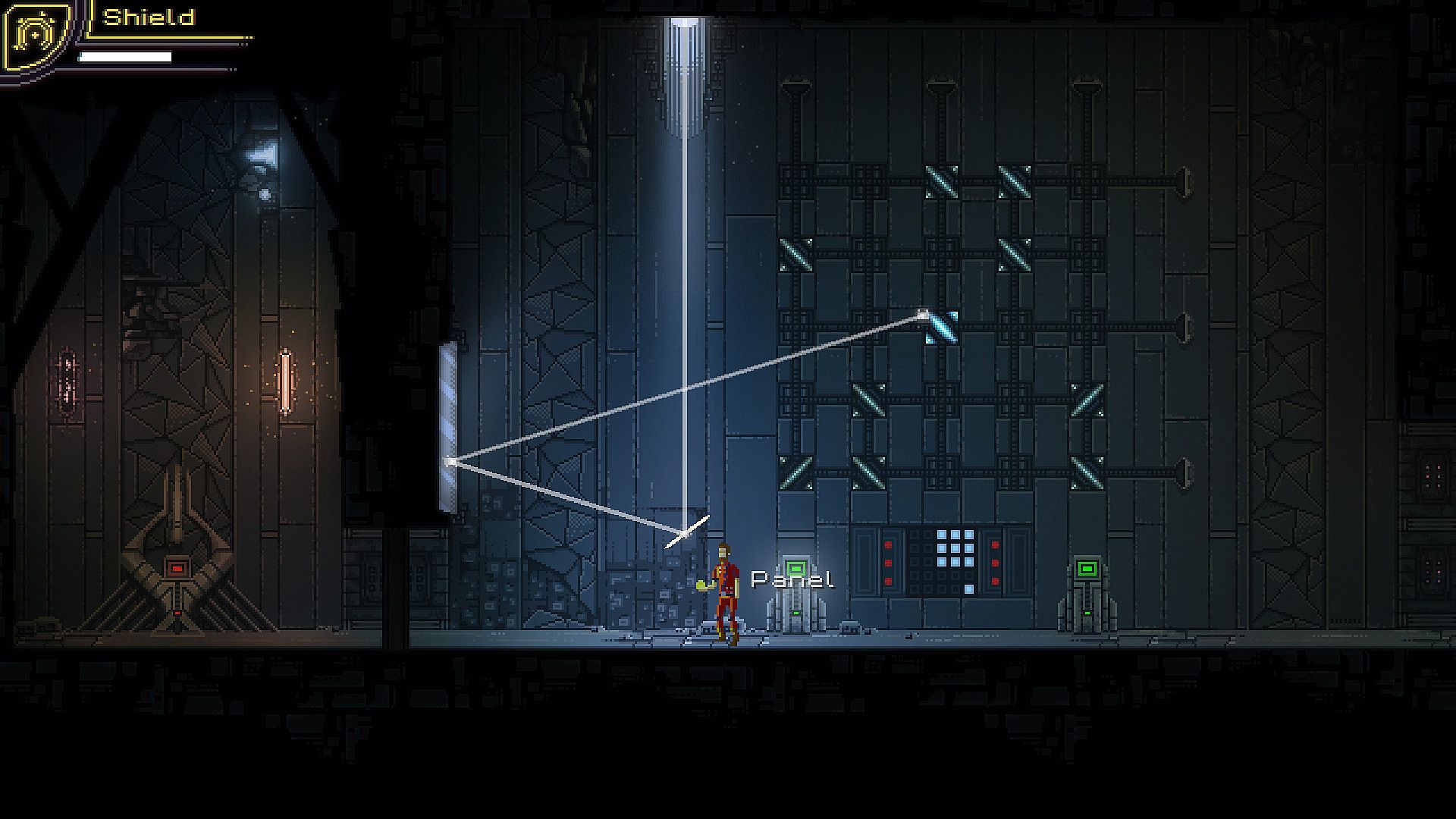
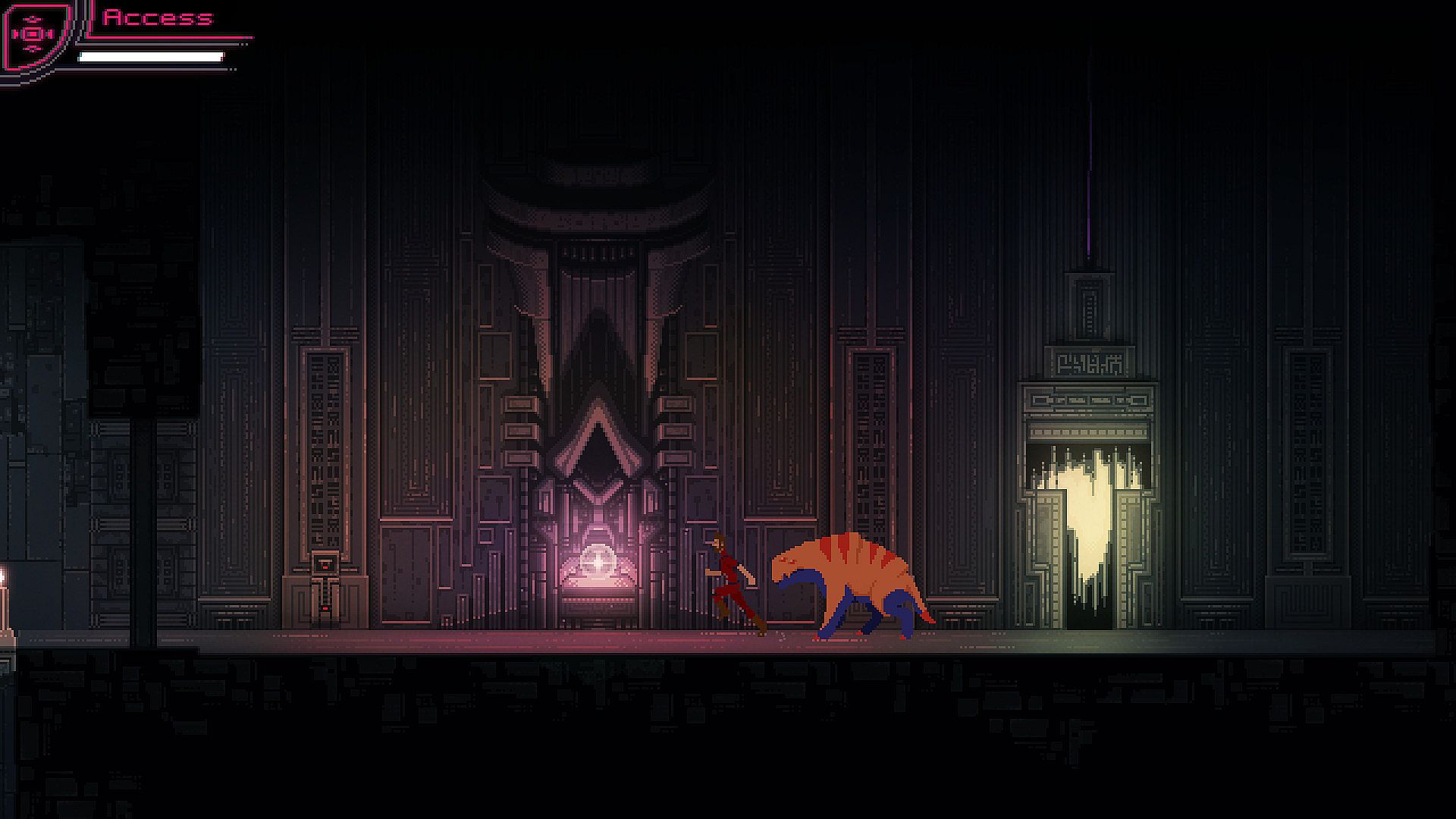
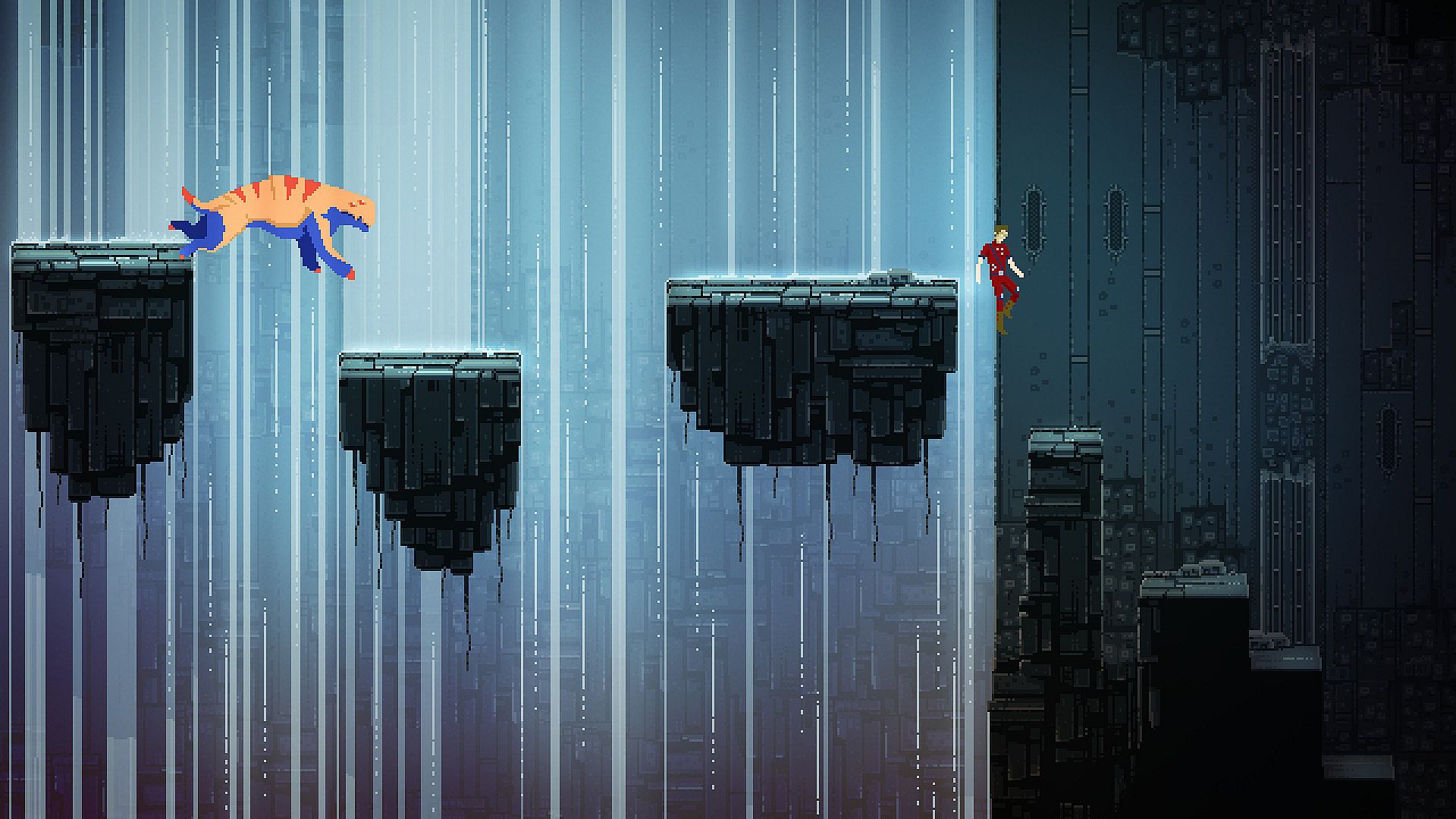
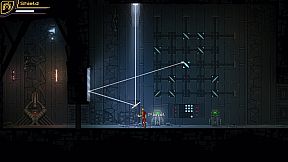
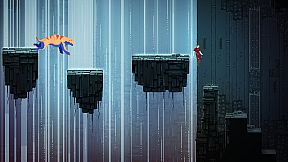
Core gameplay revolves around navigating side-scrolling environments filled with hazards, switches, and environmental challenges. Movement feels precise yet weighty, requiring careful timing for jumps across gaps or onto moving platforms. Puzzle elements demand observation and experimentation, often involving manipulation of alien technology or timing sequences to progress.
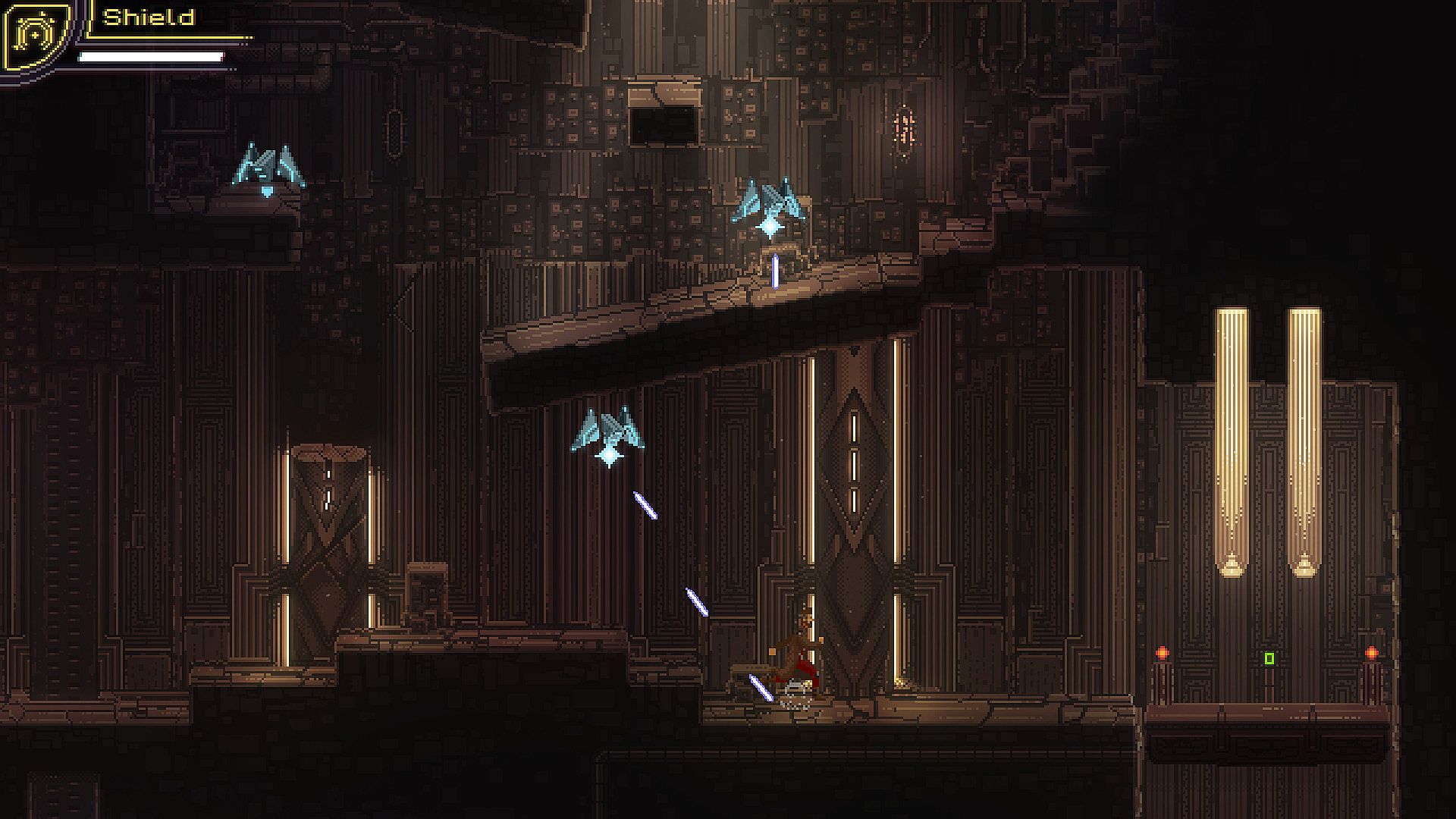
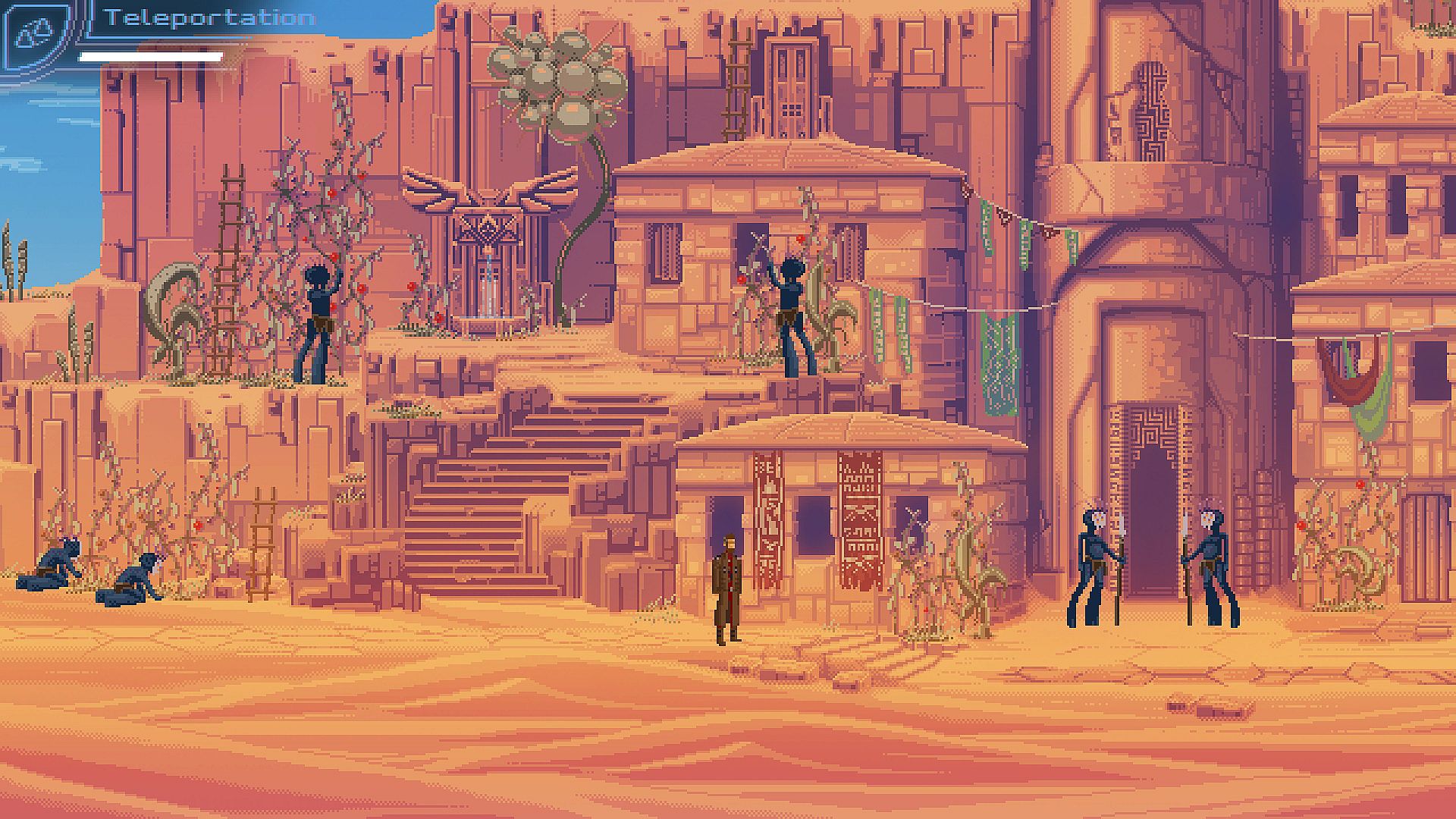
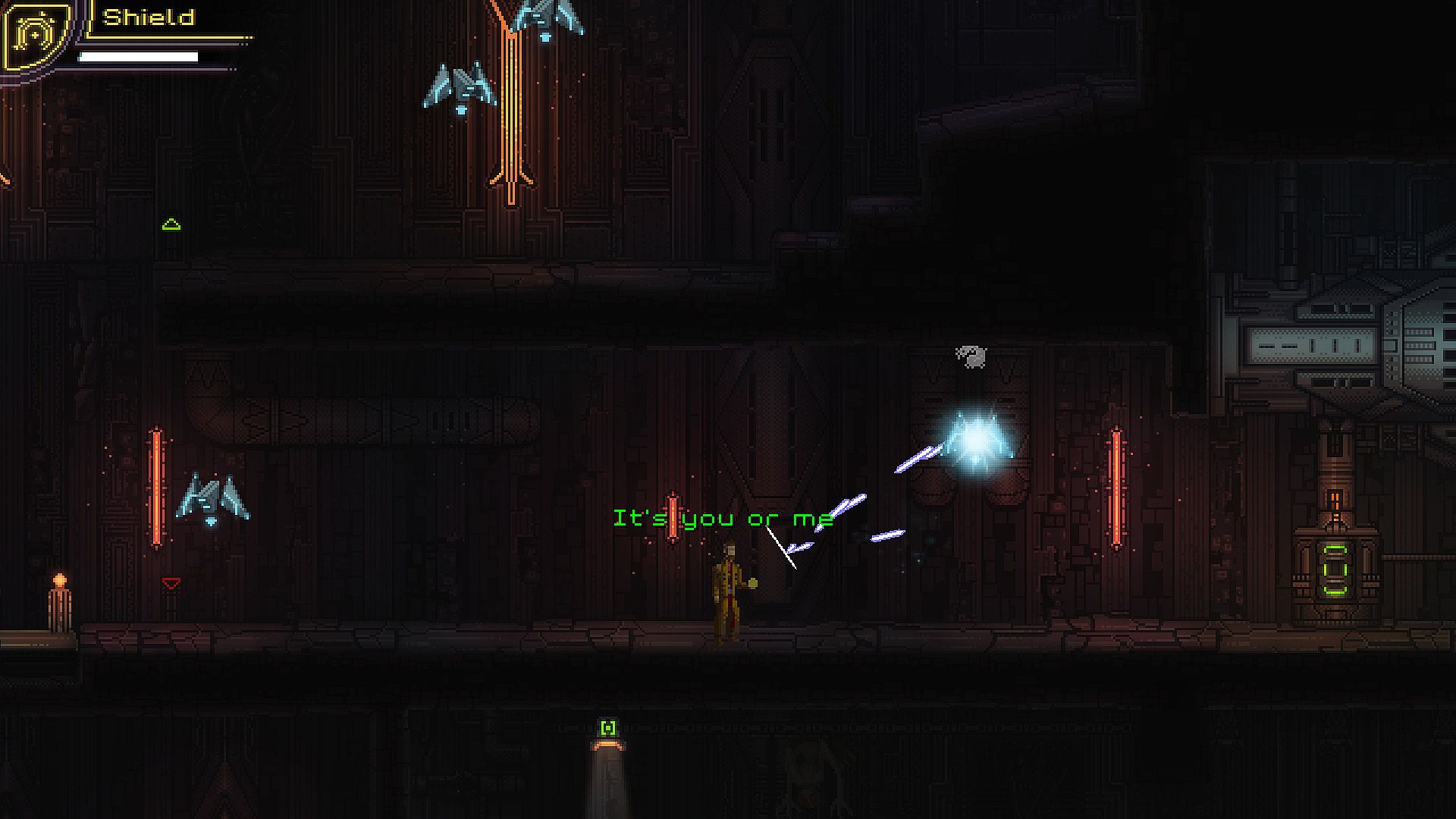
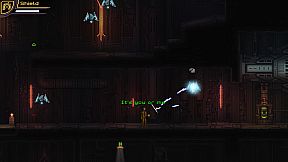
Action sequences introduce shooting mechanics and evasion against hostile creatures or automated defenses. These moments break up the exploration and add tension without overwhelming the focus on discovery. The alien planet unfolds gradually, revealing new areas through key items or story triggers that encourage backtracking in a linear yet layered structure.
Animations stand out with fluid character movements and expressive details that enhance the retro aesthetic. Sound design supports the atmosphere through ambient tones and sparse effects that underscore isolation on the foreign world.
Game Modes
The game centers on a single-player campaign that combines story progression with integrated puzzle and platform challenges. There are no separate multiplayer or competitive options, keeping the focus entirely on the personal journey and sequential level design.
Progression follows a structured path across distinct planetary regions, each introducing new mechanics or environmental twists. Players advance by solving interconnected puzzles and surviving brief combat encounters, with checkpoints that allow repeated attempts on tougher sections.
Story and Setting
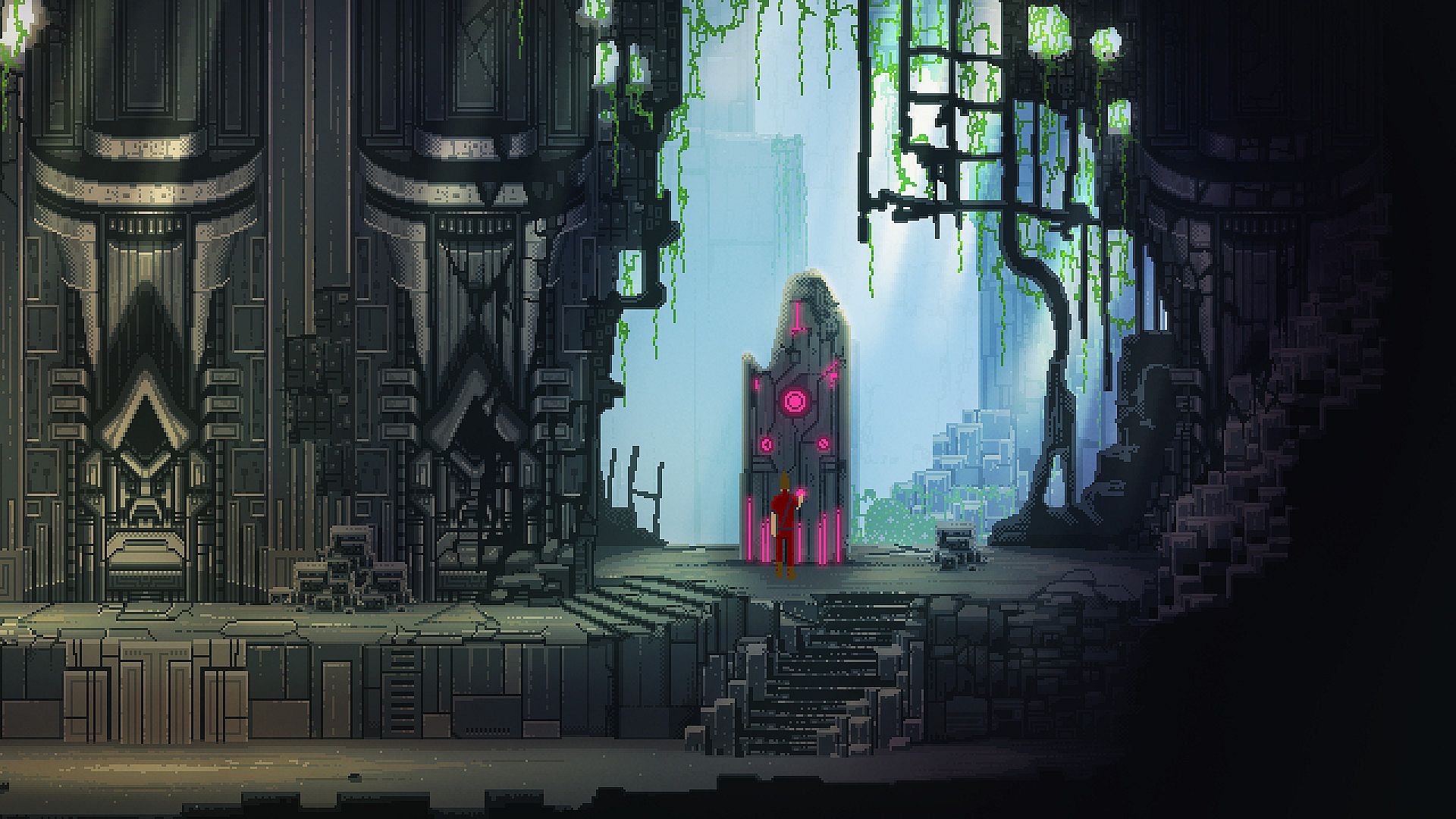
The narrative follows the protagonist's emotional drive to defy loss through forbidden science. Ancient writings and planetary secrets gradually reveal the world's own conflicts and history, tying personal motivation to larger discoveries.
Exploration uncovers lore through environmental storytelling and key encounters rather than lengthy dialogue. The sci-fi premise builds around themes of mortality and obsession, presented in a restrained manner that matches the visual style.
Is It Worth Playing?
Player feedback highlights the game's strengths in puzzle design and atmospheric world-building. Reviews frequently note the satisfying challenge of its mind-bending sequences and the charm of its pixel-art presentation.
With very positive overall reception and an 82 percent approval rating from hundreds of user reviews, it appeals strongly to fans of classic adventure games and deliberate puzzle-platformers. The experience suits those who enjoy methodical exploration and story-focused single-player titles without modern multiplayer elements.
Availability on PC makes it accessible for replay or first-time playthroughs, particularly for players seeking shorter campaigns with high replay value through puzzle mastery. Those drawn to retro mechanics and emotional sci-fi tales will find it a solid match.