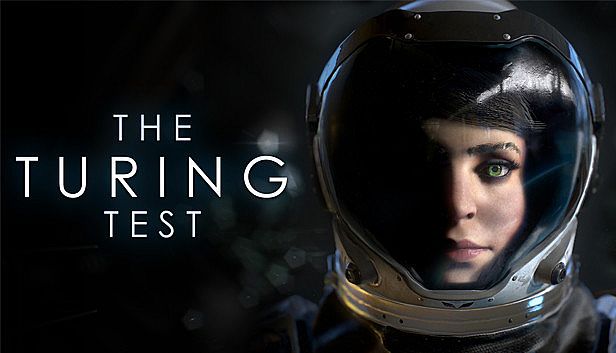










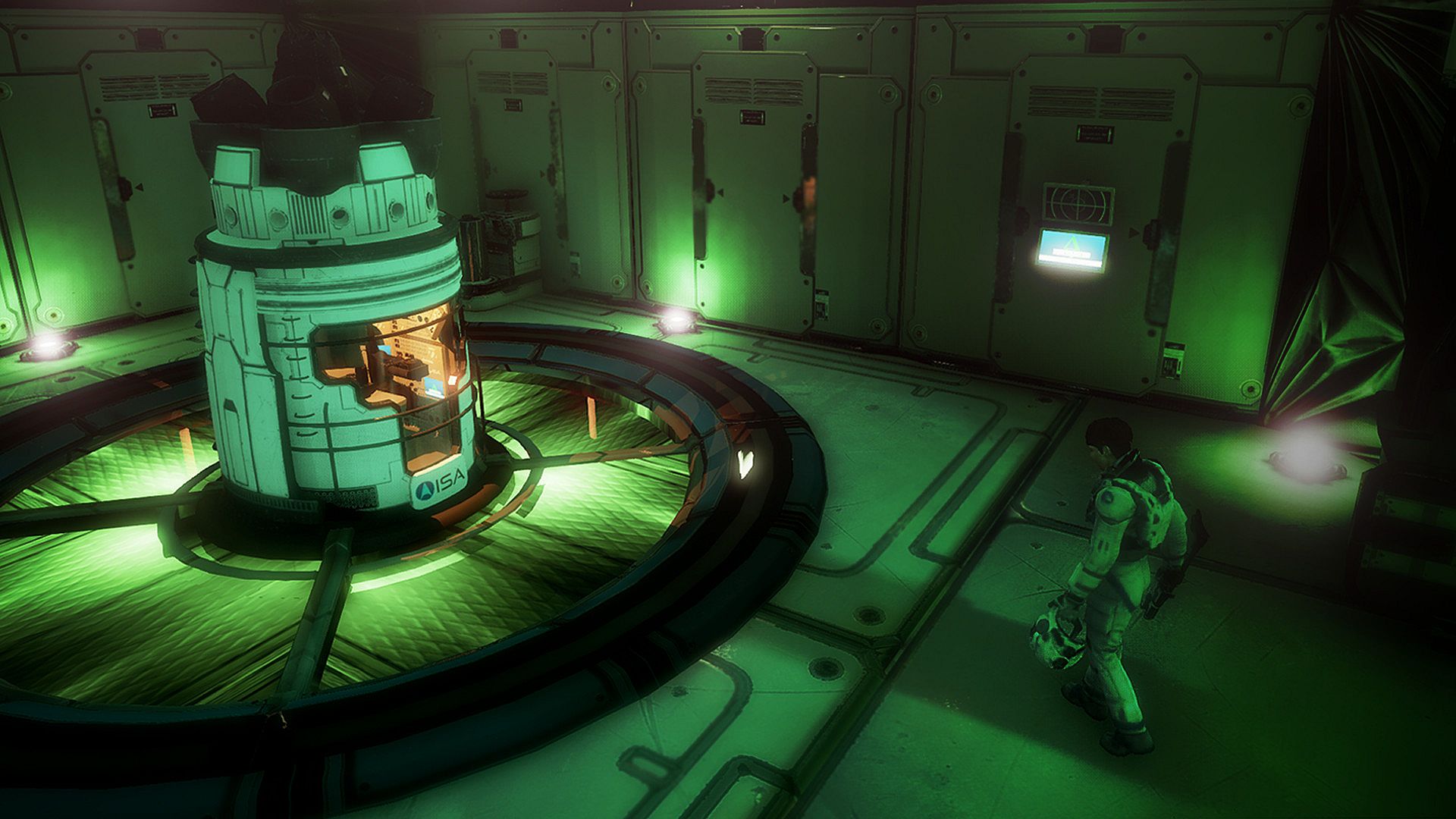
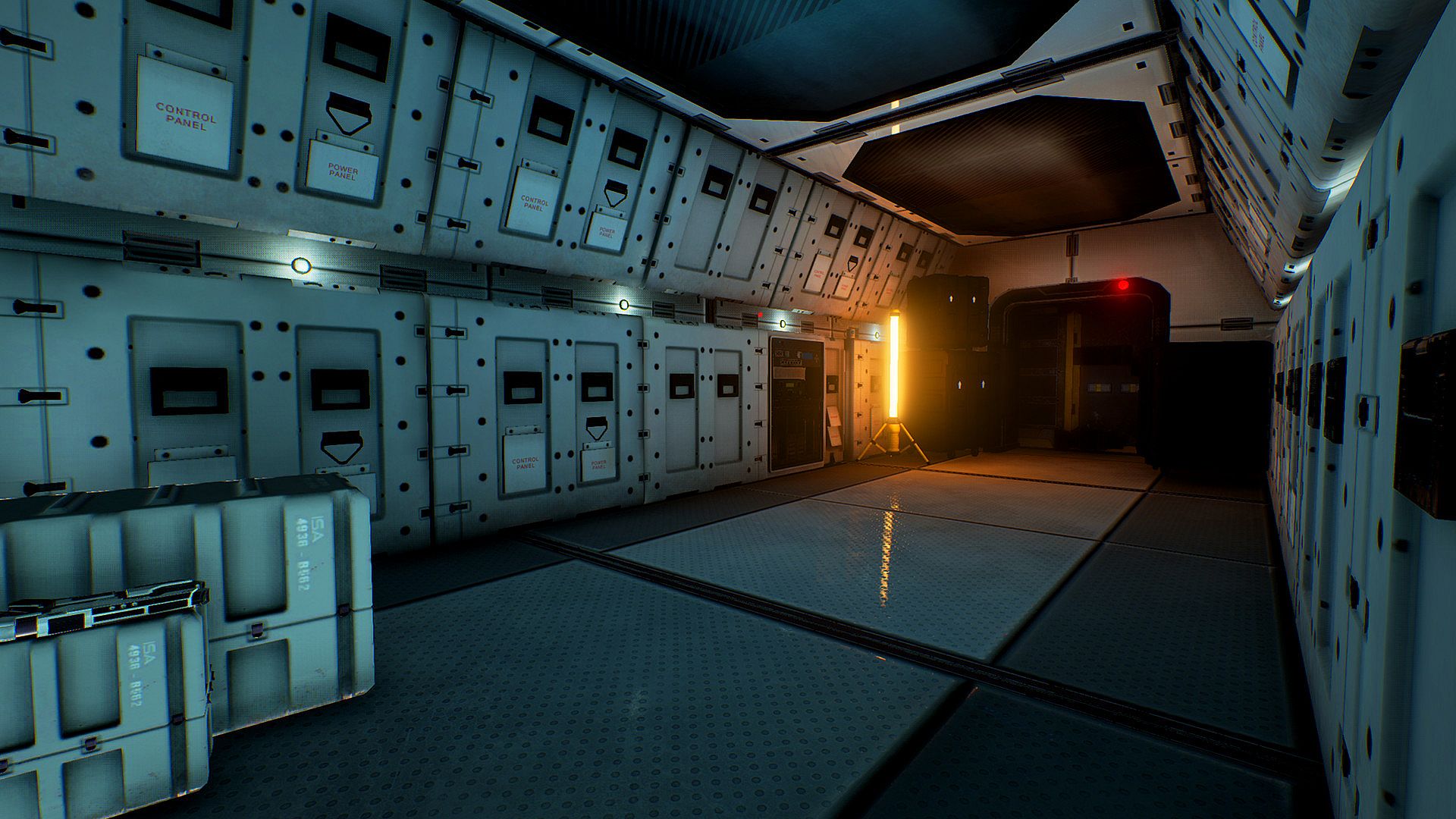
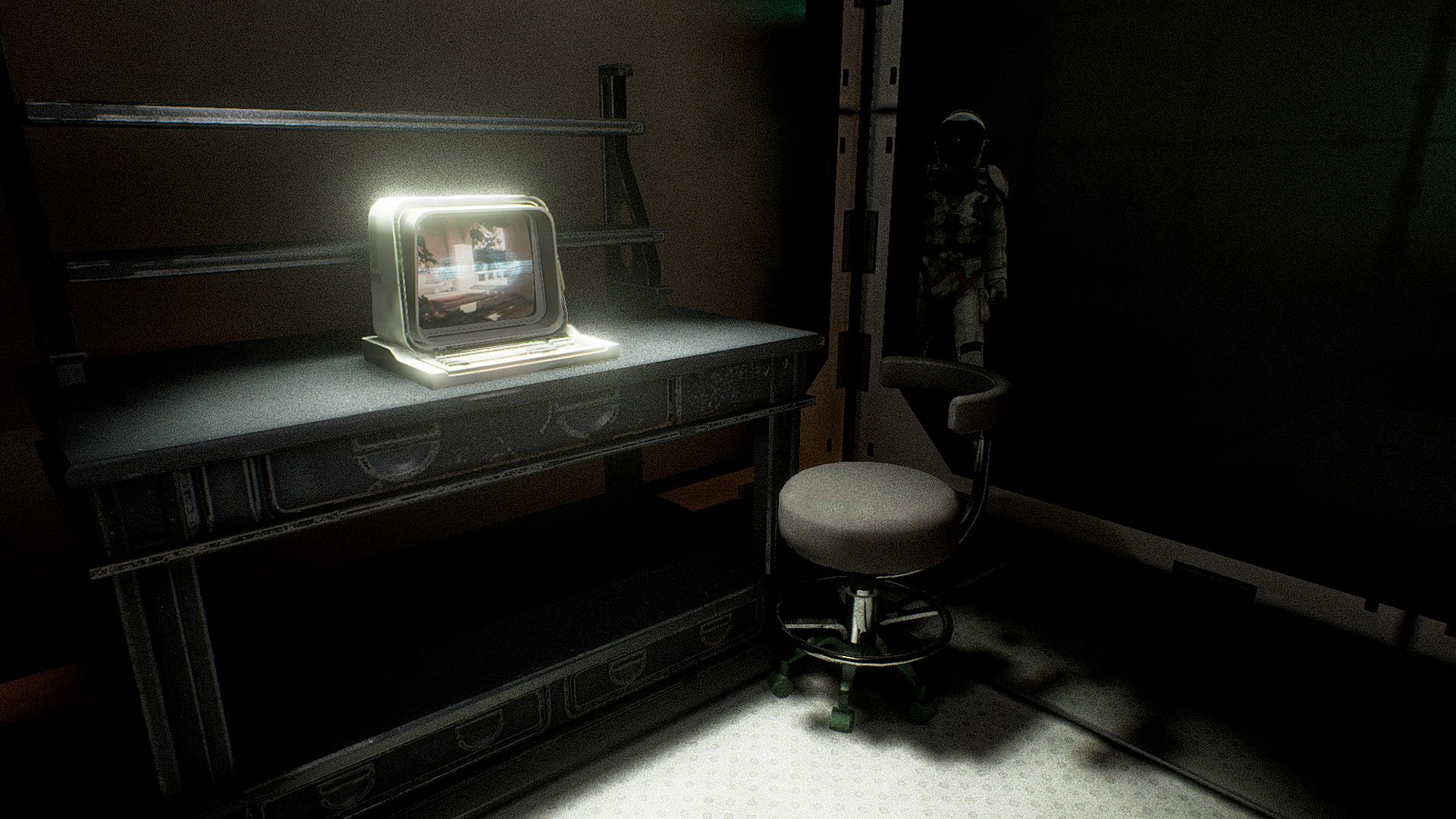
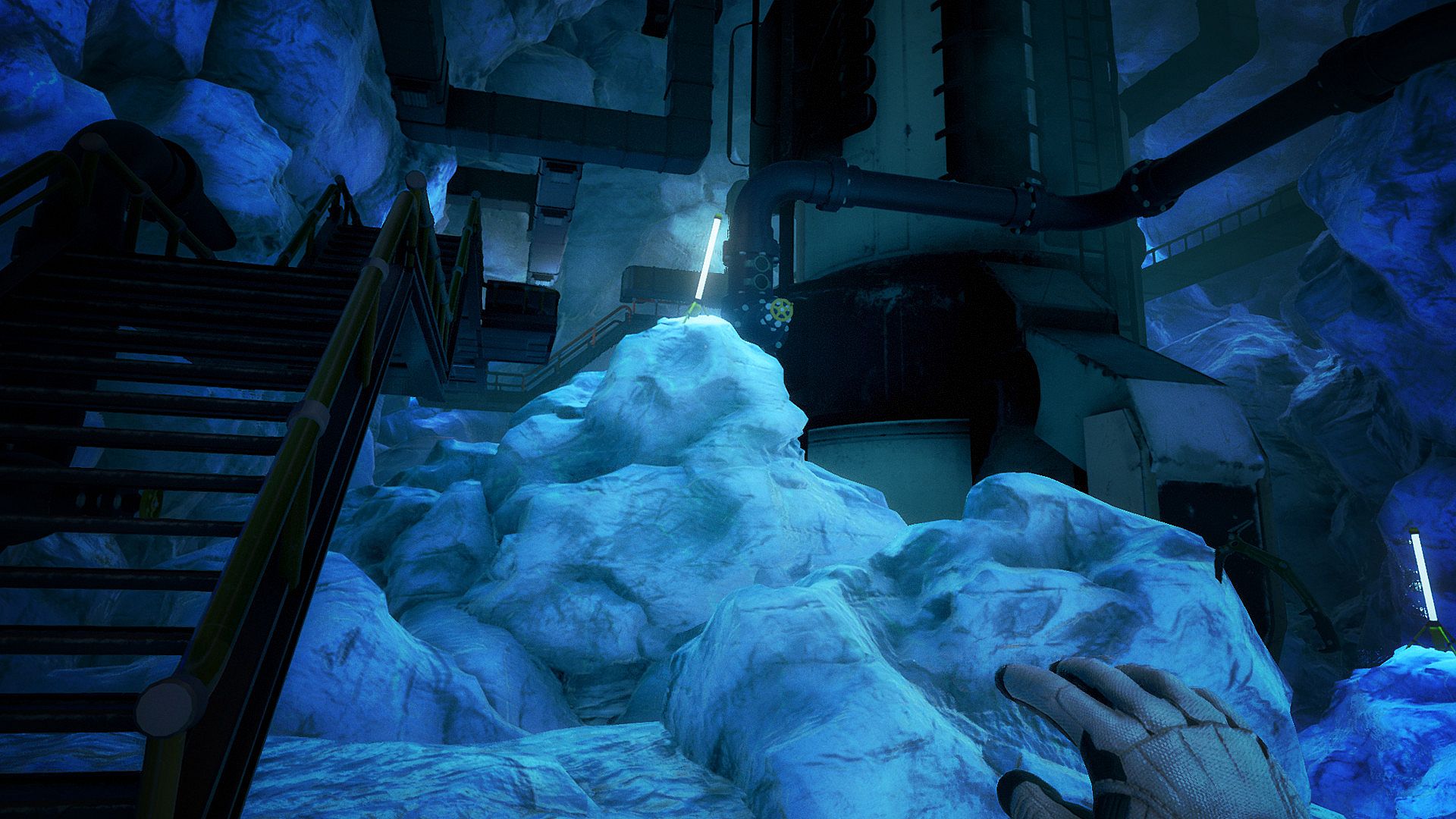
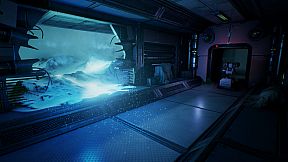
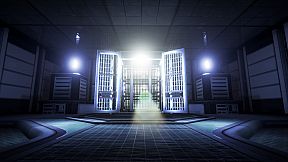

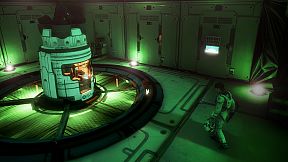
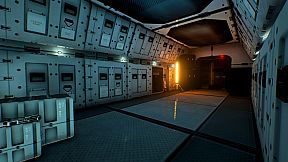
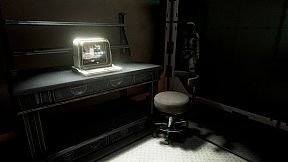
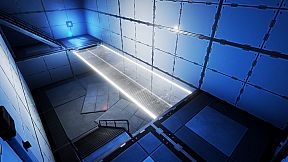
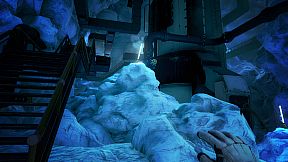
The Turing Test is a first-person puzzle game that places players in control of engineer Ava Turing on Jupiter's moon Europa. Developed as a single-player experience, it combines environmental problem-solving with a narrative focused on exploration and human decisions in an isolated research facility.
Gameplay
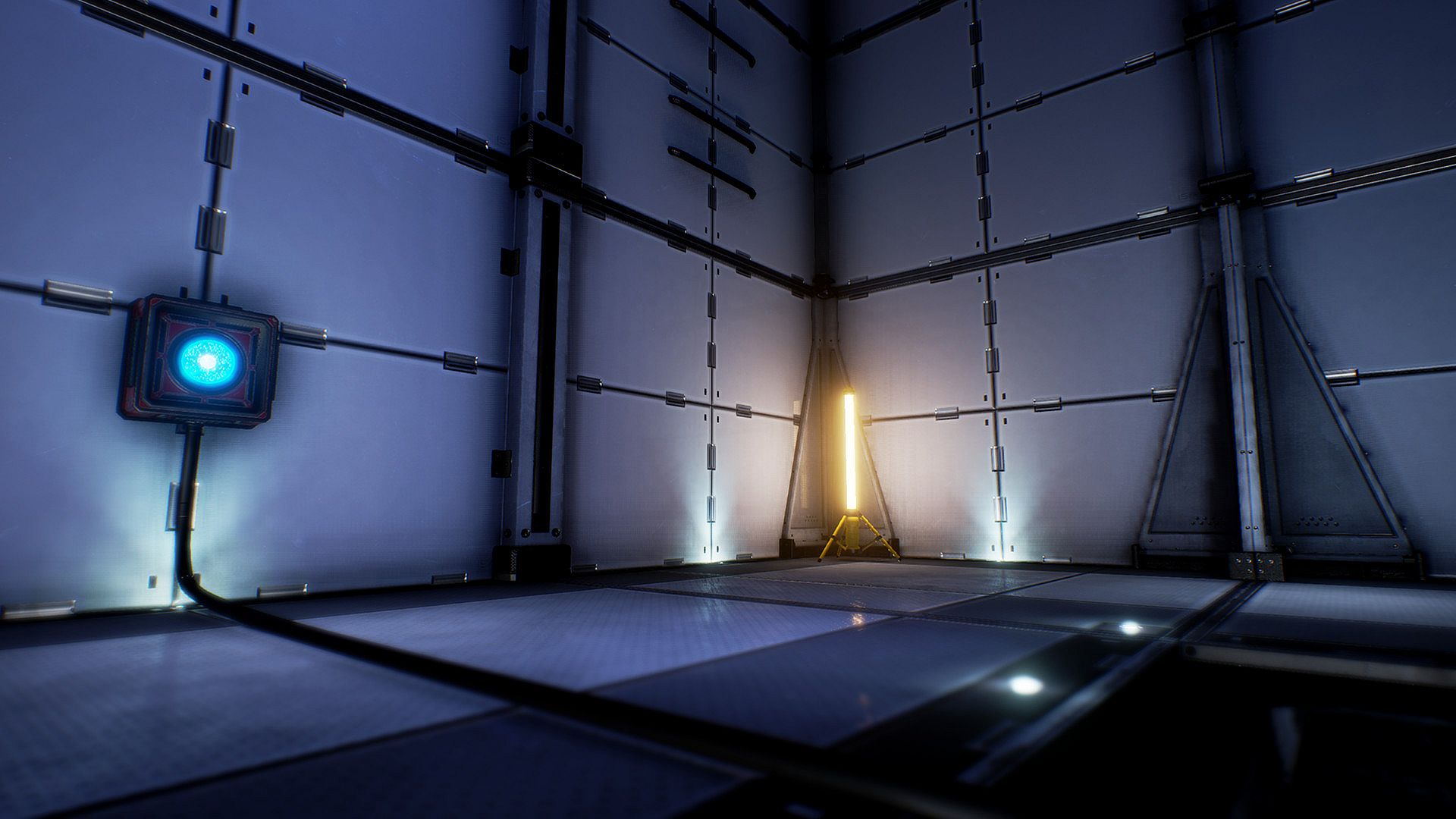
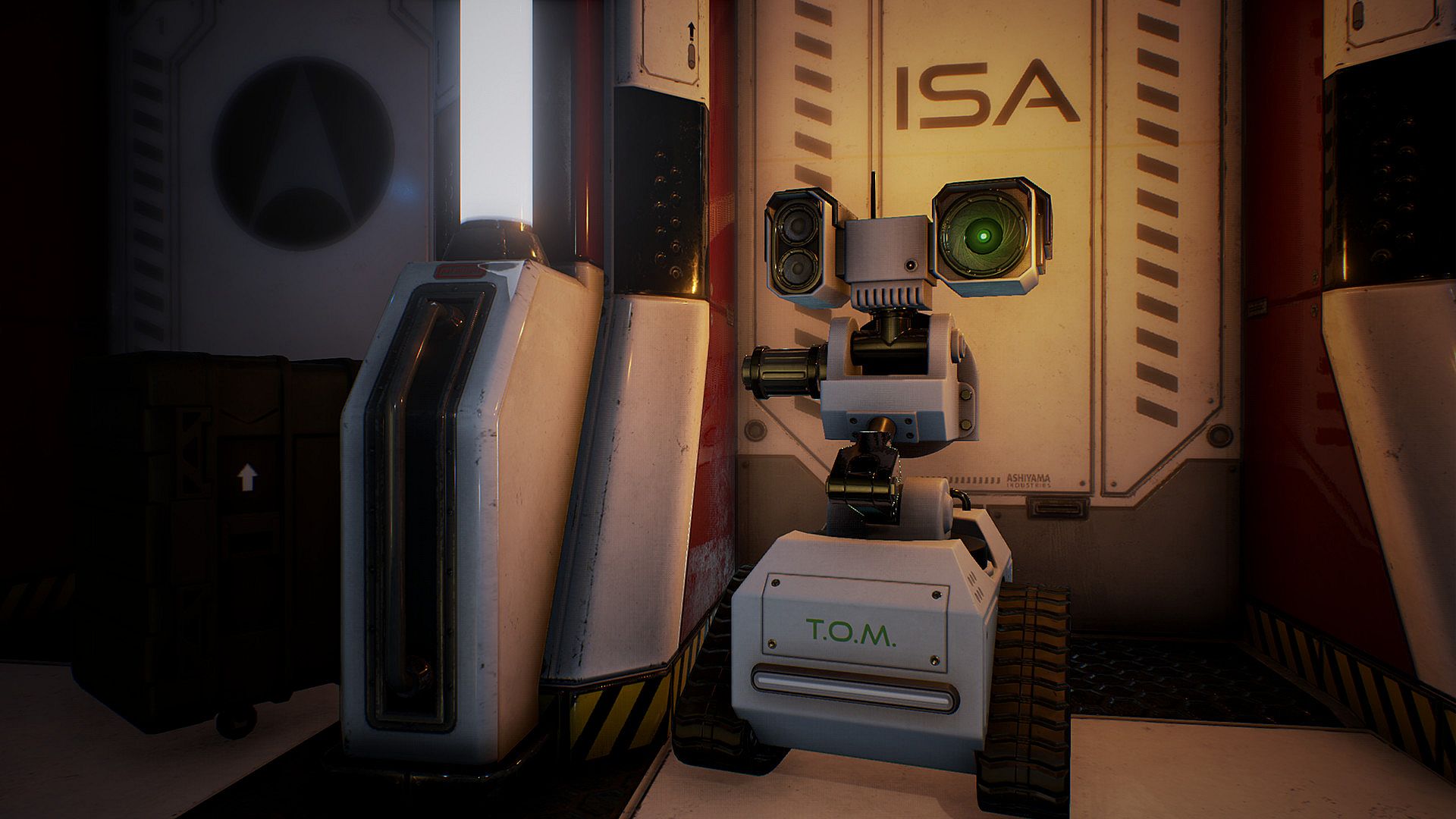
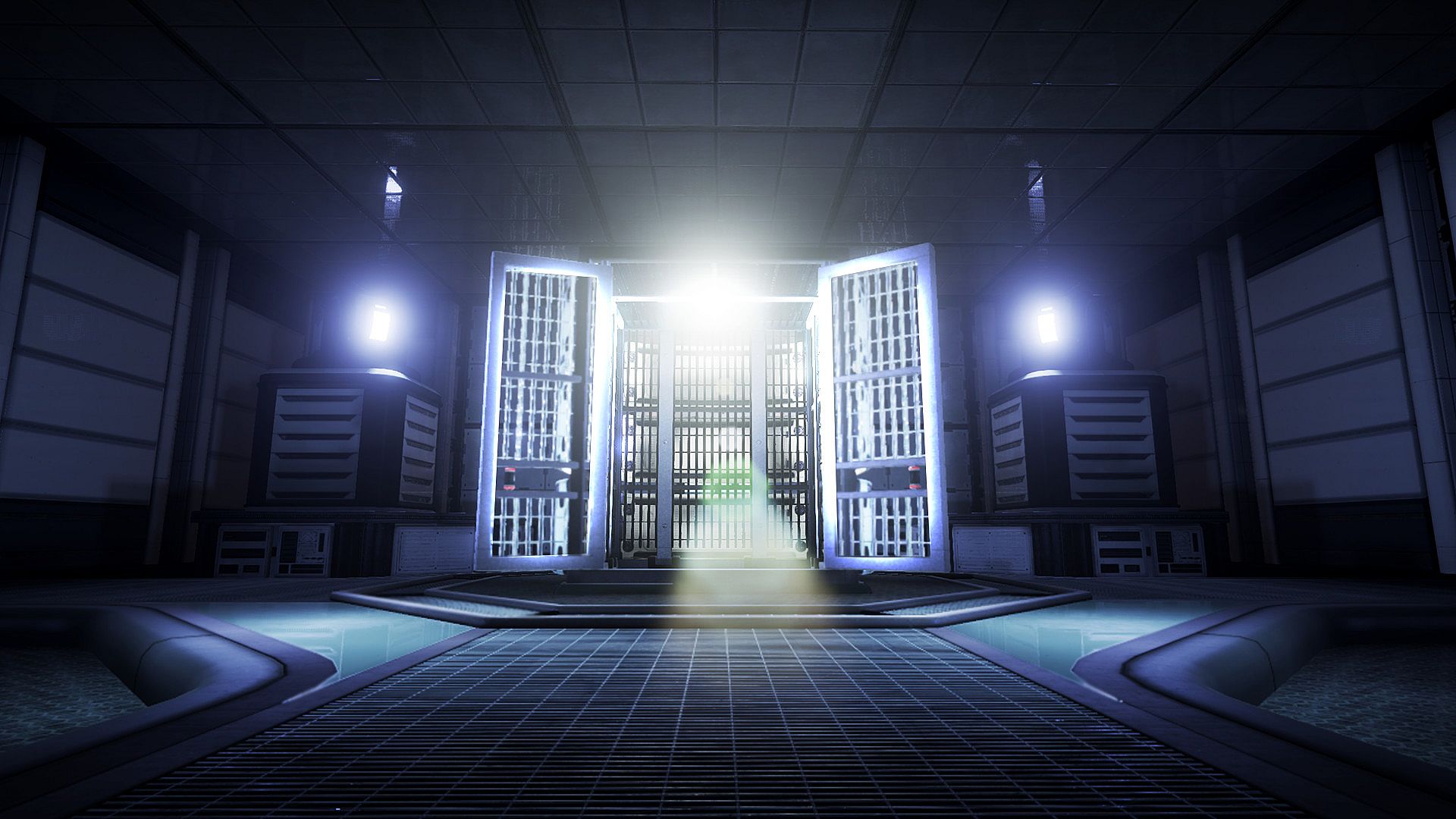
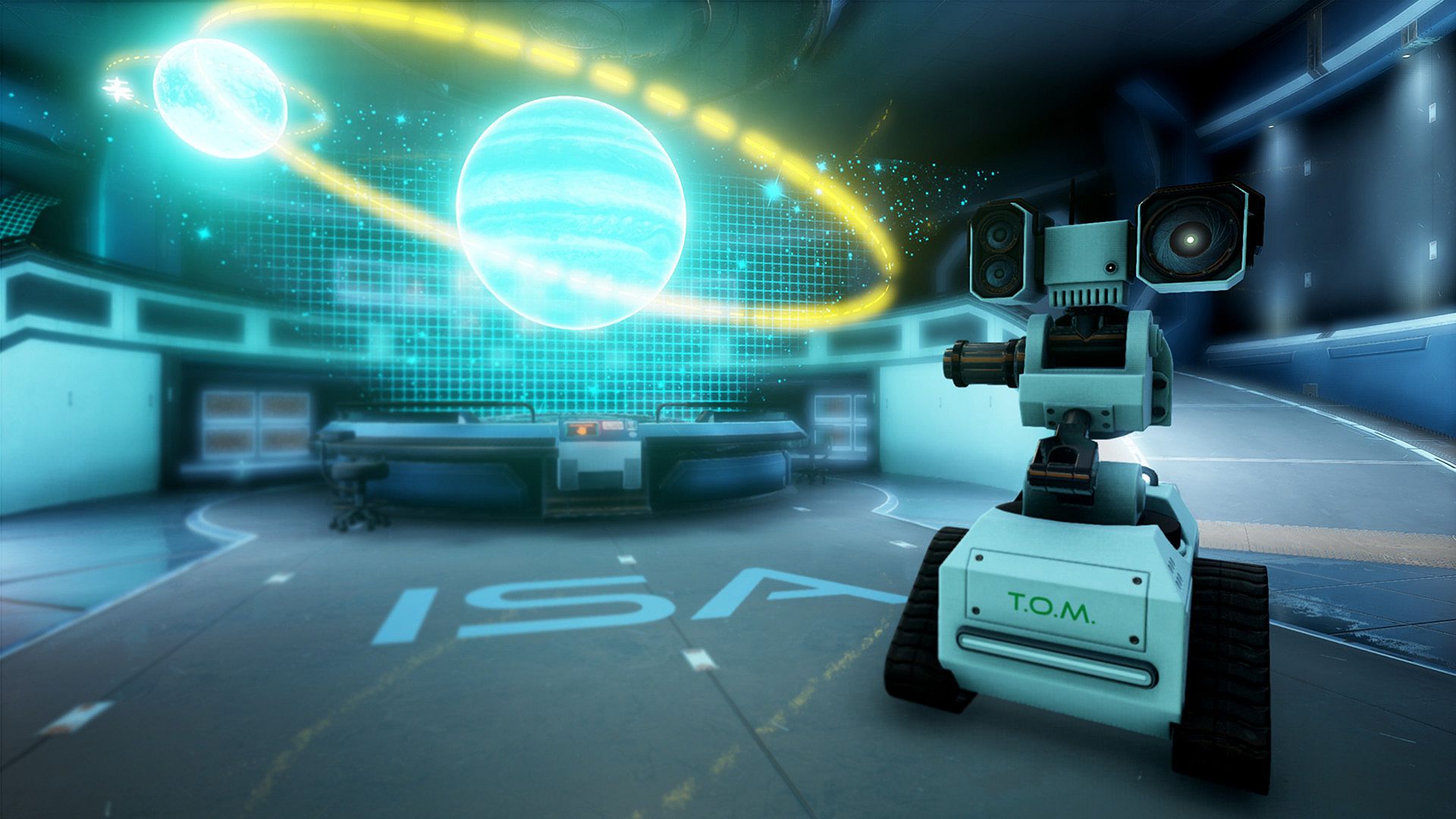
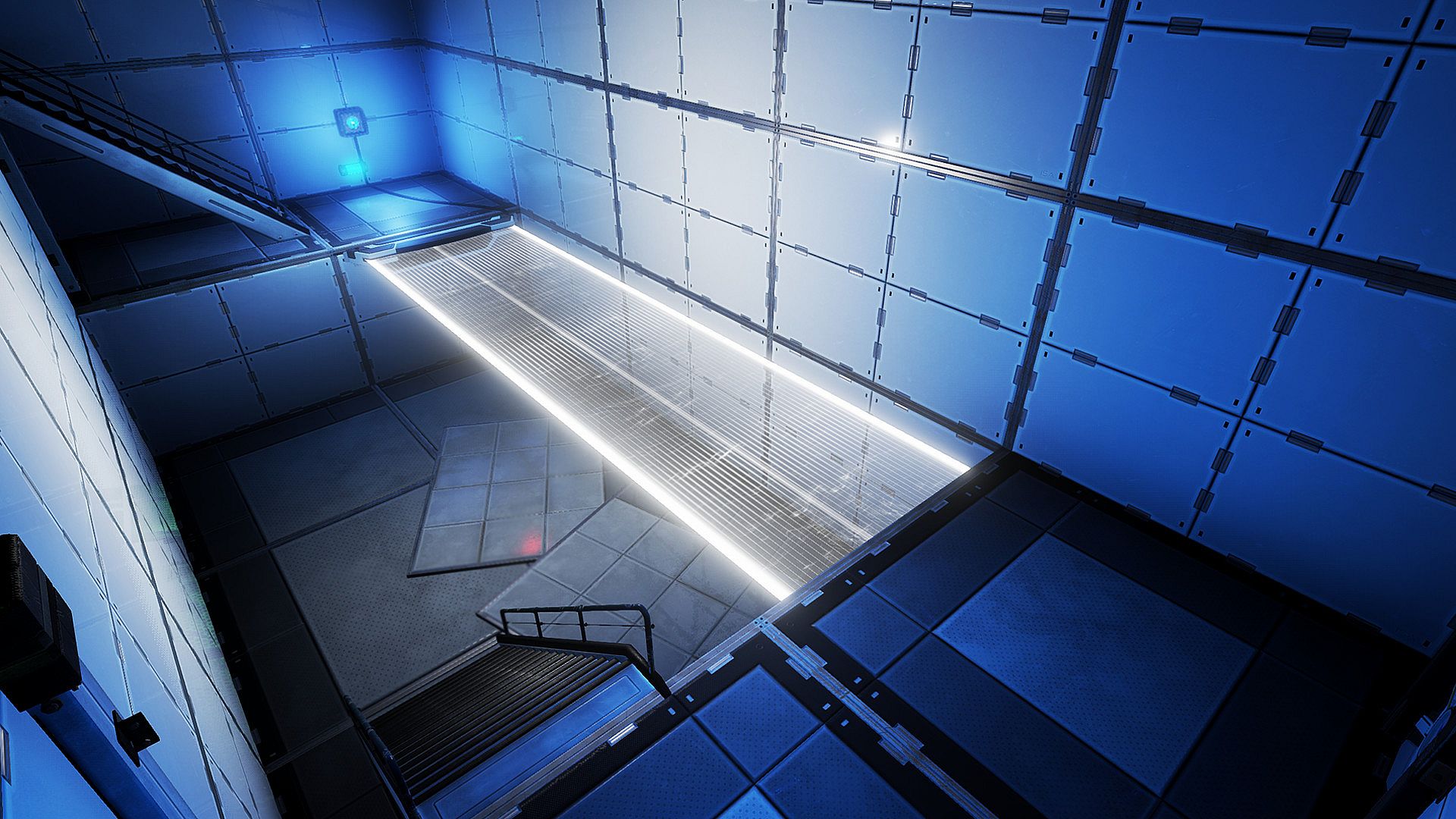
Players navigate a series of interconnected chambers and corridors using the Energy Manipulation Tool to move power between machines and receptacles. This core mechanic requires careful planning to activate doors, platforms, and other devices while progressing through the station. Additional tools become available later, such as remote camera views for observing and interacting with distant areas, along with the ability to direct small robots for tasks that extend reach beyond direct line of sight.
The puzzles build in complexity by layering these systems together. Early challenges focus on basic power routing, while later sections demand simultaneous management of multiple elements and perspective shifts. Movement remains grounded in realistic first-person controls suited to the confined industrial setting, with no combat or action sequences interrupting the puzzle flow.
Game Modes
The game consists entirely of a single-player campaign structured around sequential puzzle rooms and story progression. There are no separate multiplayer options, competitive modes, or alternative play styles such as time trials or free exploration outside the main path. All content unfolds in one continuous experience that integrates puzzles directly with narrative delivery through audio logs and environmental details.
Story and Setting
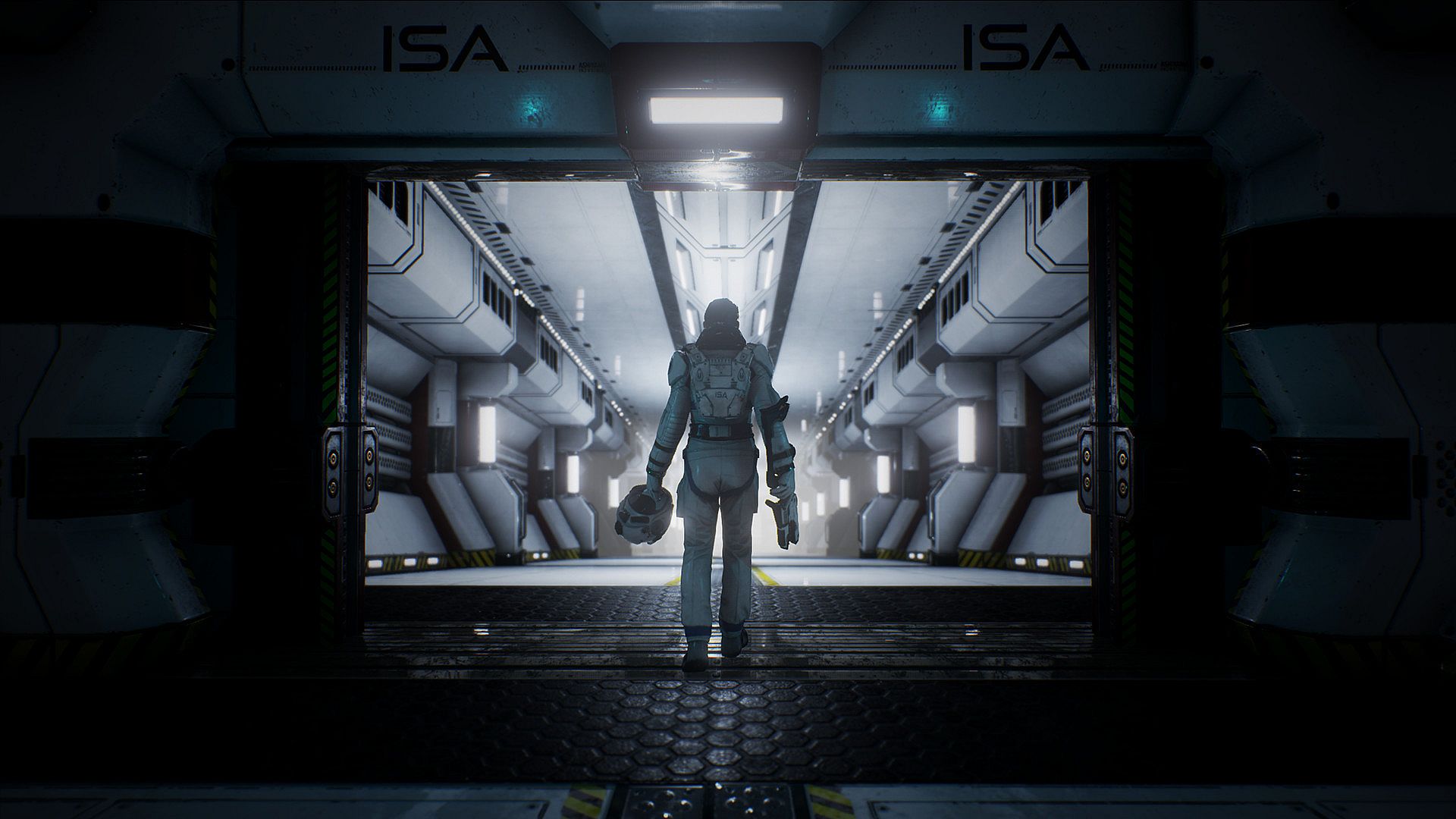
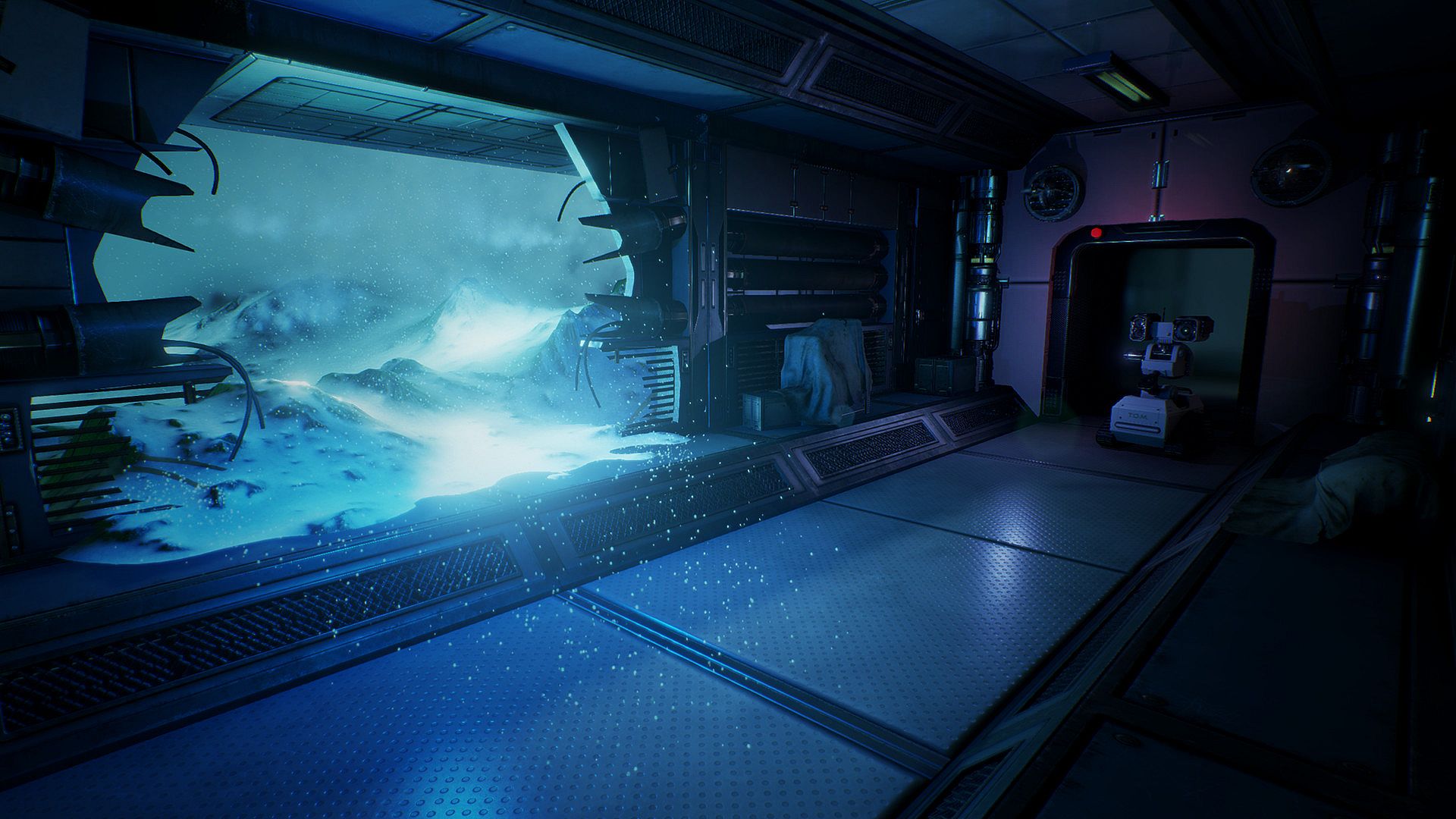
Set against the backdrop of a remote ISA outpost on Europa, the narrative follows Ava as she investigates the vanished ground crew. The station's AI companion provides guidance while raising questions about the crew's intentions and the purpose of the tests left behind. Themes of morality, autonomy, and the boundary between human and artificial intelligence emerge gradually through discoveries in the ice-covered facility.
Progression reveals layered revelations about the events leading to the crew's disappearance. Players form their own interpretations based on collected information rather than explicit exposition, encouraging reflection on the choices made during exploration.
Is It Worth Playing?
The Turing Test appeals to those who enjoy methodical puzzle solving in a contained, atmospheric environment. Its mechanics reward observation and logical sequencing without relying on trial-and-error frustration or external guides. The experience runs to completion in a focused session suitable for players seeking a self-contained adventure rather than ongoing content updates.
Reception has highlighted the satisfying integration of story and puzzles, with many noting the game's ability to prompt discussion about its central questions. It remains available on PC as a complete title with no additional seasons or expansions required for the full narrative. Those drawn to first-person puzzle titles with thoughtful themes will find a consistent and deliberate design that prioritizes clarity in its systems over expansive scope.