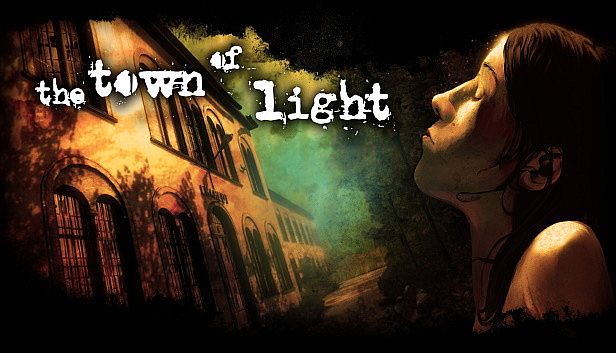















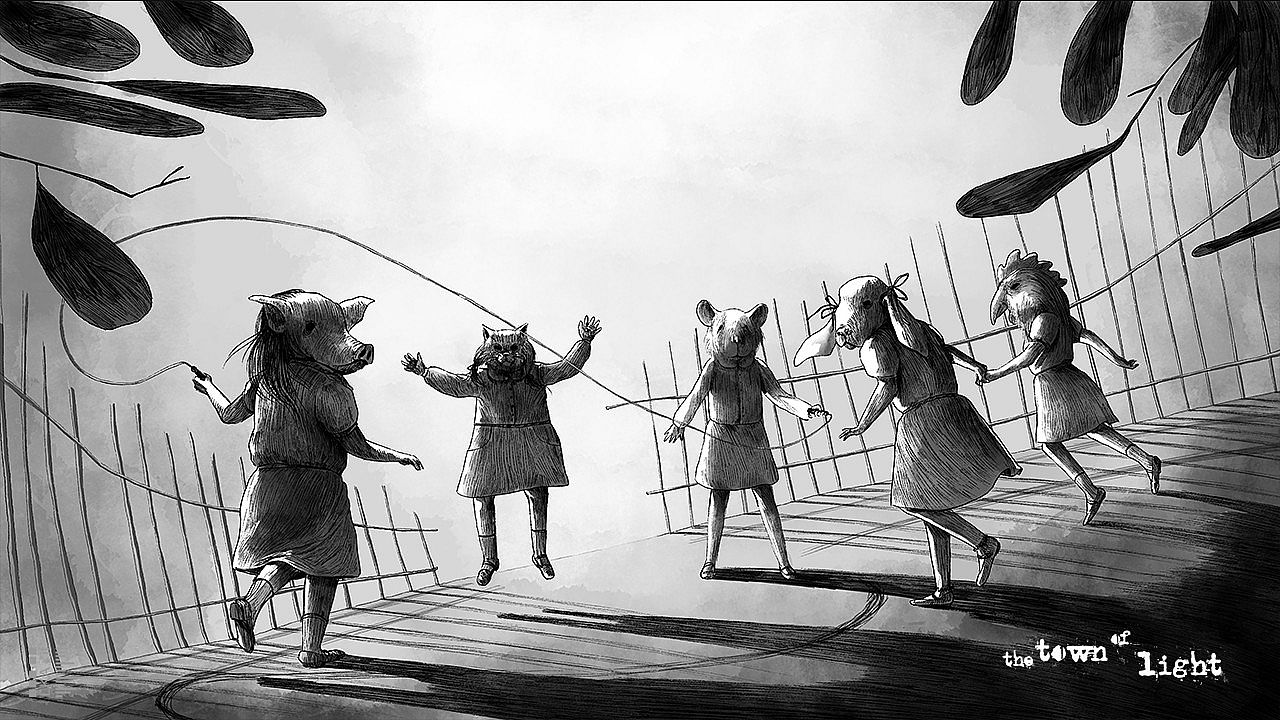
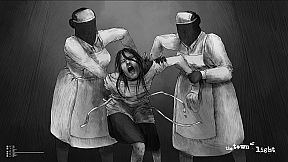
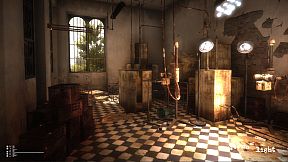
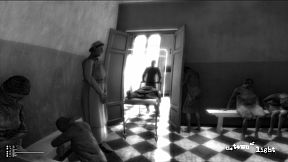
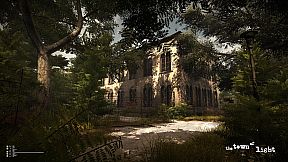
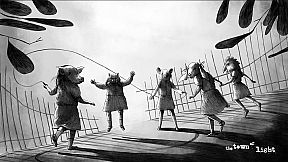
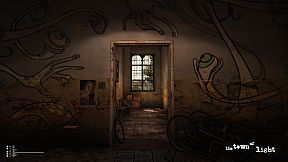
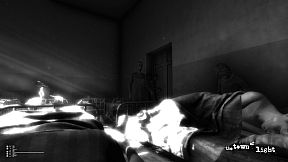
The Town of Light is an indie psychological adventure game set on PC that places players in the first-person perspective of a young woman navigating the harsh realities of institutionalization in 1930s Italy. The experience centers on Renée, a 16-year-old whose story unfolds through exploration of a meticulously recreated real-world location, the Volterra psychiatric hospital. Released in 2016, the title draws directly from documented historical events without any fictional supernatural elements, focusing instead on the emotional and psychological weight of its narrative.
Gameplay
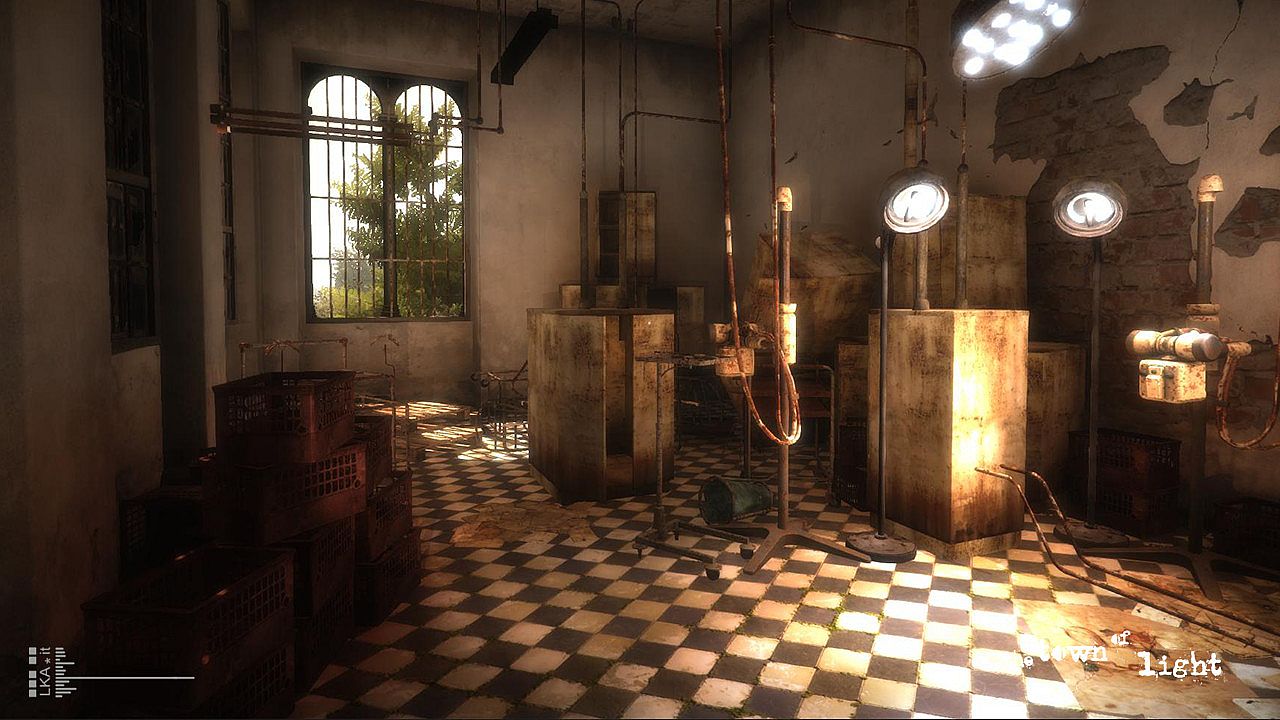
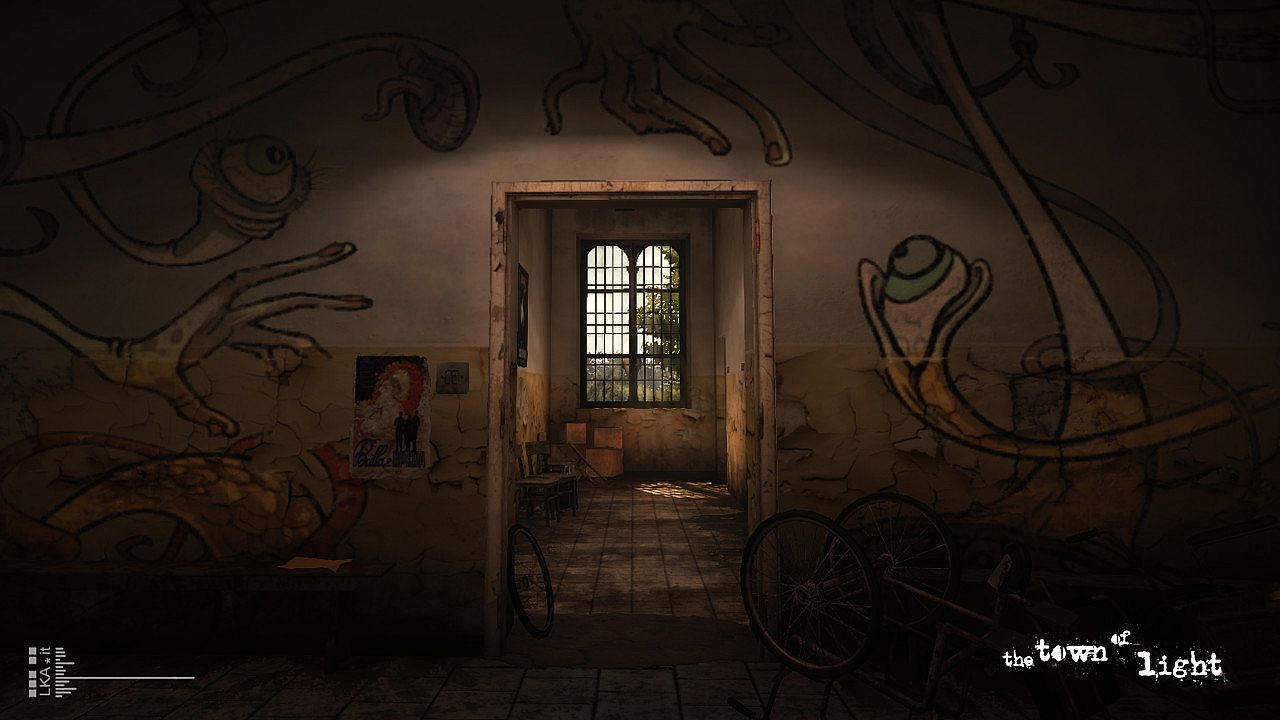
Core gameplay revolves around first-person exploration within the asylum grounds and buildings. Players move through detailed environments, examine objects, and piece together fragments of Renée's memories from her disoriented viewpoint. Interaction remains straightforward, limited to key items and environmental details that trigger recollections or advance understanding of her situation. Simple puzzles appear in the form of locating specific elements or making decisions that influence how events are interpreted.
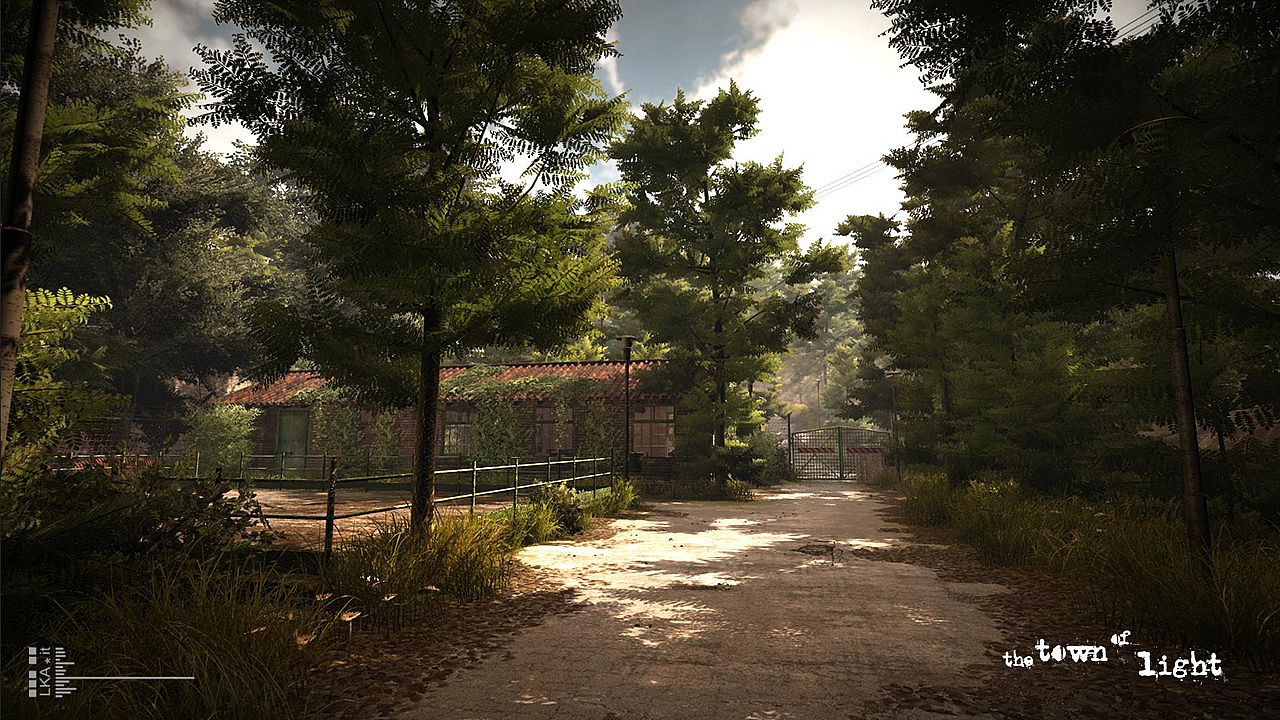
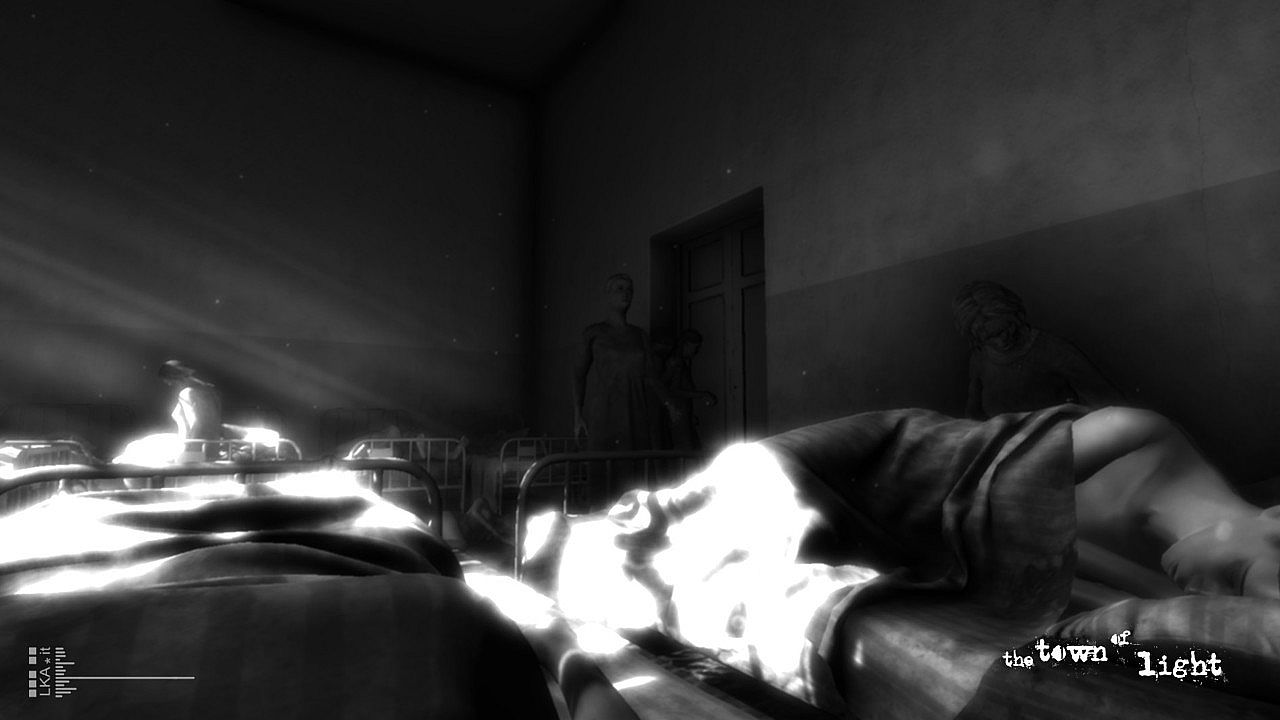
The mechanics emphasize narrative immersion over action or combat. Realistic 3D visuals render the decaying hospital with attention to period accuracy, while an original soundtrack underscores moments of tension and reflection. Choices made during key sequences alter the path of the story, leading to multiple endings that reflect different emotional responses or defensive mechanisms Renée employs. The game avoids traditional progression systems, instead relying on environmental storytelling and player-driven discovery to build its impact.
Game Modes
The Town of Light operates exclusively as a single-player experience. Its structure centers on a branching narrative driven by player choices rather than separate modes or competitive elements. Two primary story paths emerge based on decisions, resulting in four distinct outcomes that explore varying interpretations of Renée's experiences and mental state.
This design keeps the focus on personal engagement with the historical setting and character perspective. No multiplayer components or additional modes exist, aligning with the title's emphasis on solitary reflection within a reconstructed real location from the first half of the 20th century.
Story and Setting
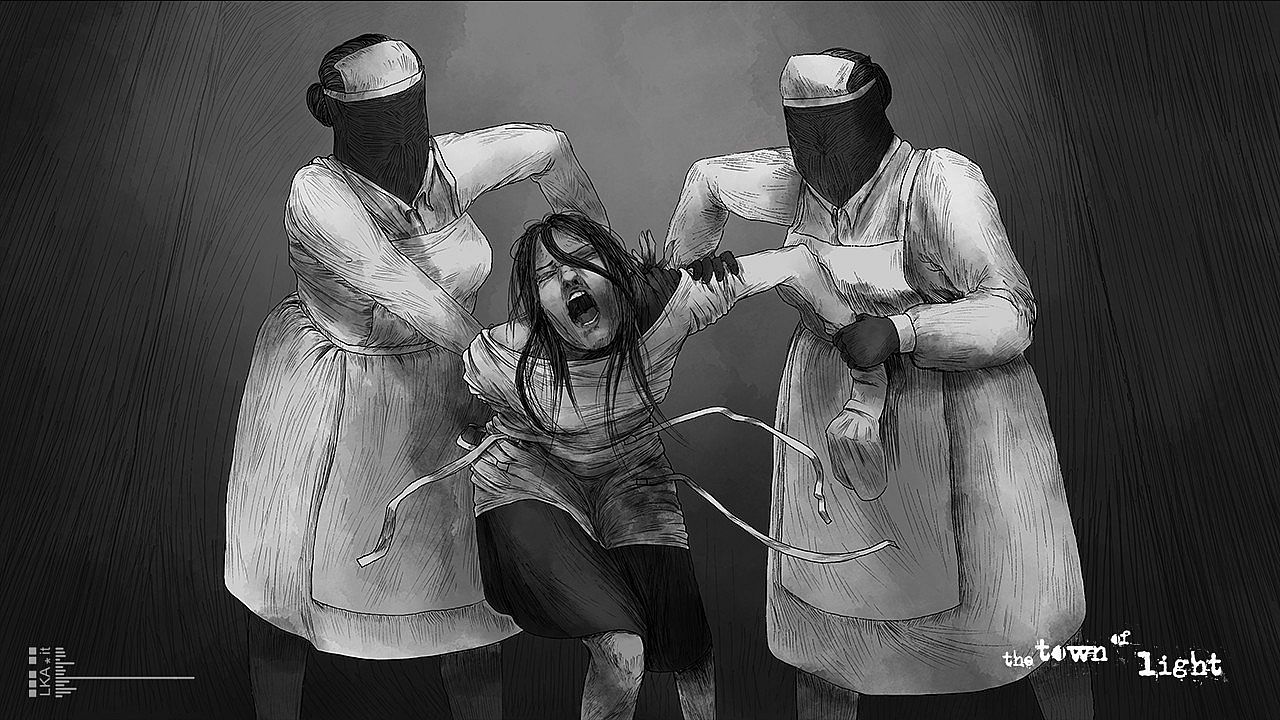
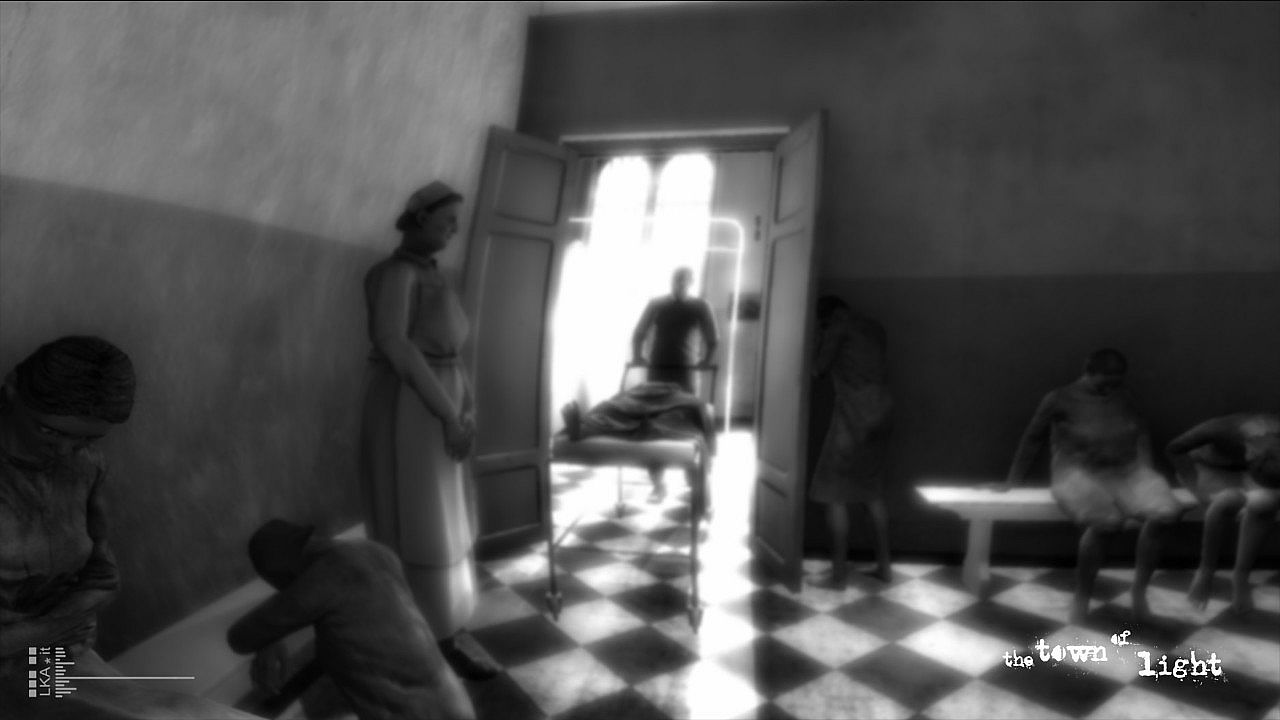
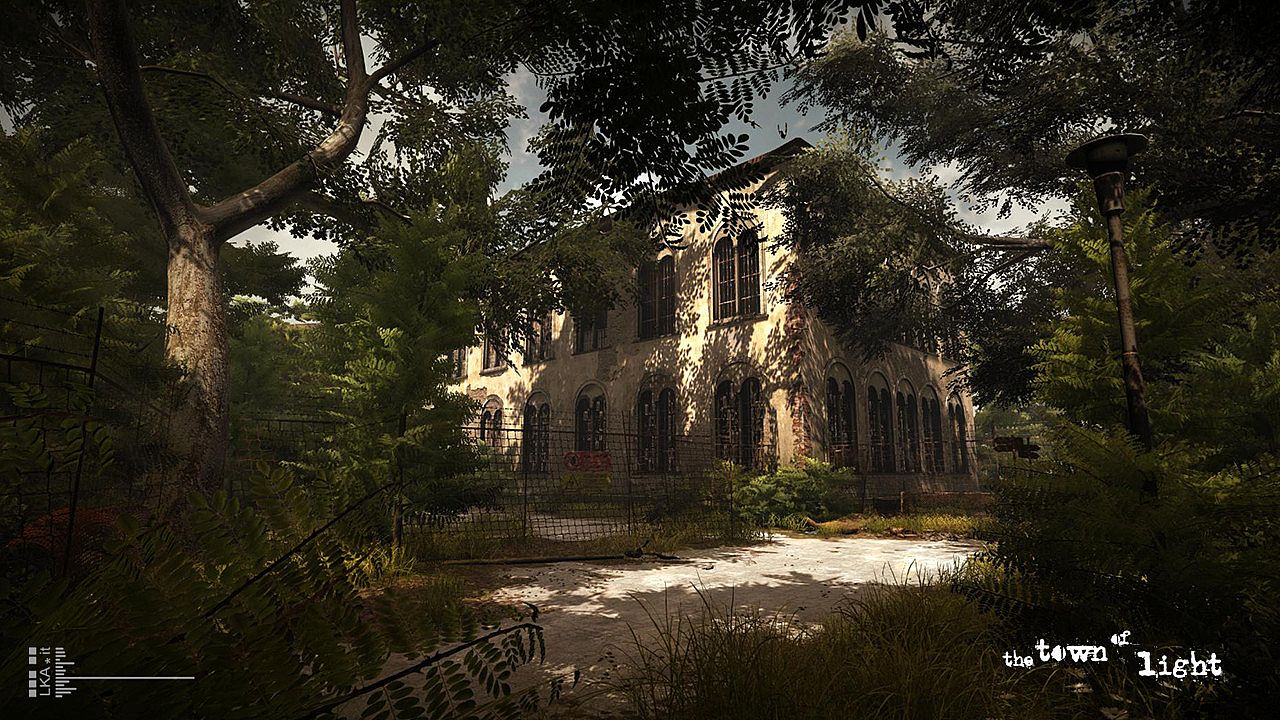
The narrative begins on March 12, 1938, when Renée is removed from her life and confined due to perceived threats to herself and others. The game reconstructs the actual Volterra asylum in Italy, allowing players to traverse its halls and grounds as they exist in the present day while reliving past events through the protagonist's eyes. Content includes mature themes of mental health, institutional practices, and personal trauma, presented without exaggeration or horror tropes.
Strong emphasis falls on the authenticity of the events and location. The story develops organically through environmental clues and dialogue fragments, building a portrait of isolation and confusion. An original soundtrack enhances the atmosphere without relying on jump scares or external threats.
Is It Worth Playing?
Player reception shows Mostly Positive reviews overall, with 72 percent of 836 user reviews rating the game favorably. Recent feedback has been Very Positive, with 86 percent approval from the most recent 15 reviews. The title suits adults interested in narrative-driven adventures that confront difficult historical realities around mental health and institutional care.
Those seeking traditional gameplay loops or fast-paced mechanics may find the limited interactions and short length less engaging. For players drawn to first-person exploration, choice-based storytelling, and grounded psychological themes, the experience delivers a focused, impactful session grounded in real events. The game remains available on PC with support for older VR headsets like the Oculus Dev Kit 2, though its core appeal lies in the desktop version.