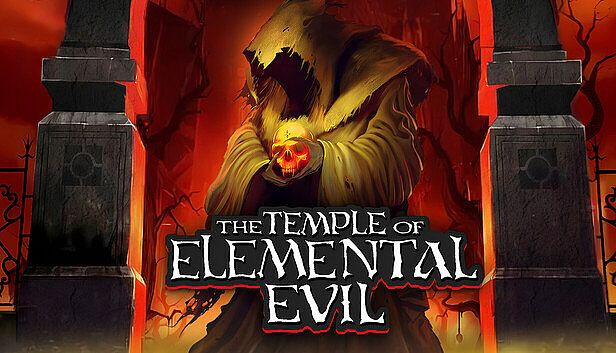





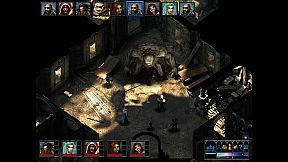
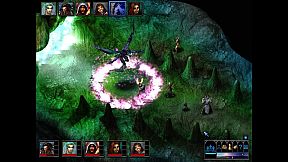
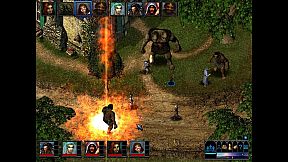
The Temple of Elemental Evil stands as a classic role-playing game that brings the intricate rules of Dungeons & Dragons to the digital realm. Originally launched in 2003, this PC title has seen a fresh update that incorporates community-driven enhancements, making it accessible for today's players. Set in the Greyhawk campaign world, it follows a party of adventurers uncovering a resurgence of dark forces around a ruined temple. With its emphasis on tactical decisions and character development, the game appeals to those who enjoy deep strategy in their RPG experiences.
Gameplay
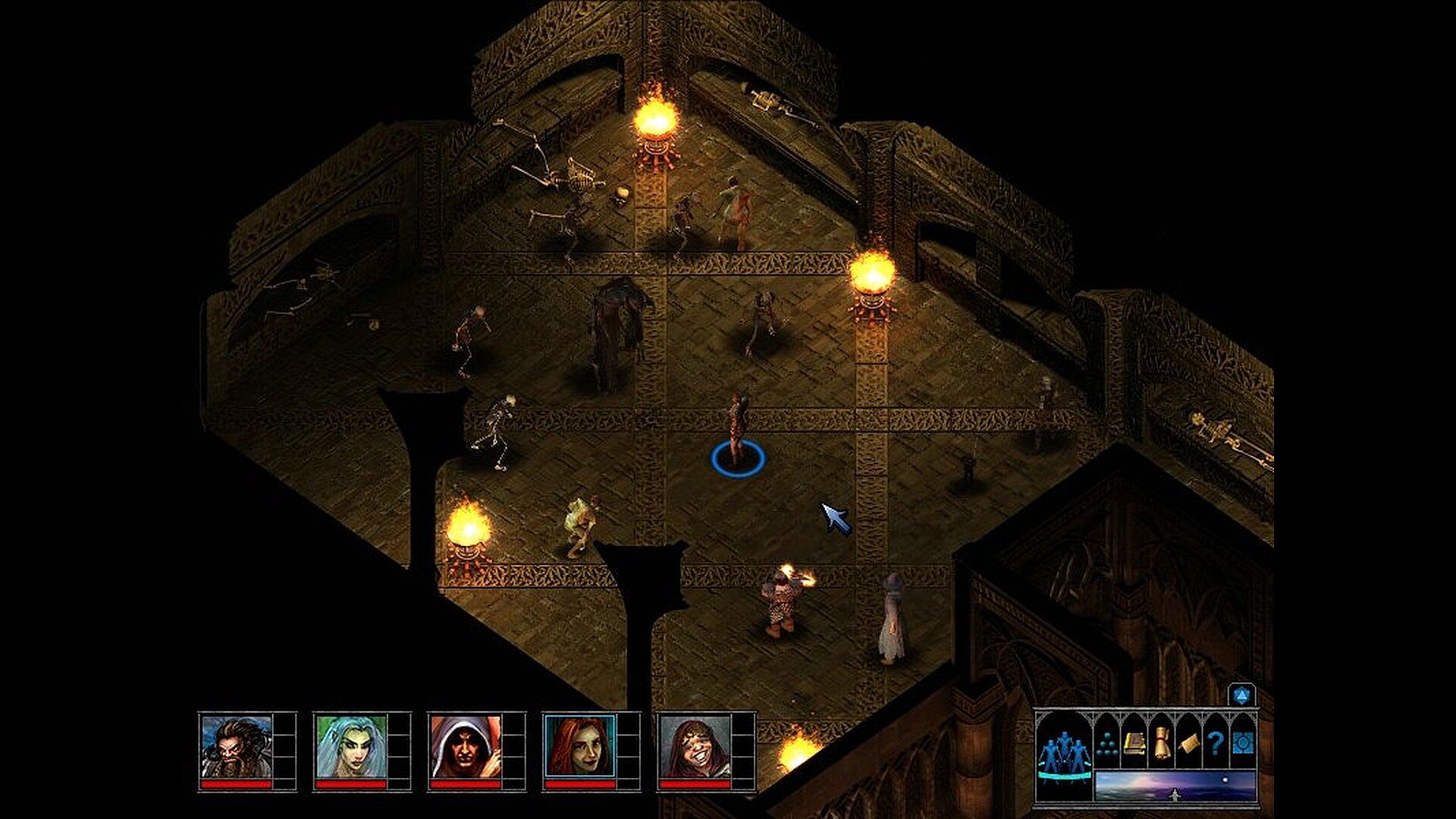
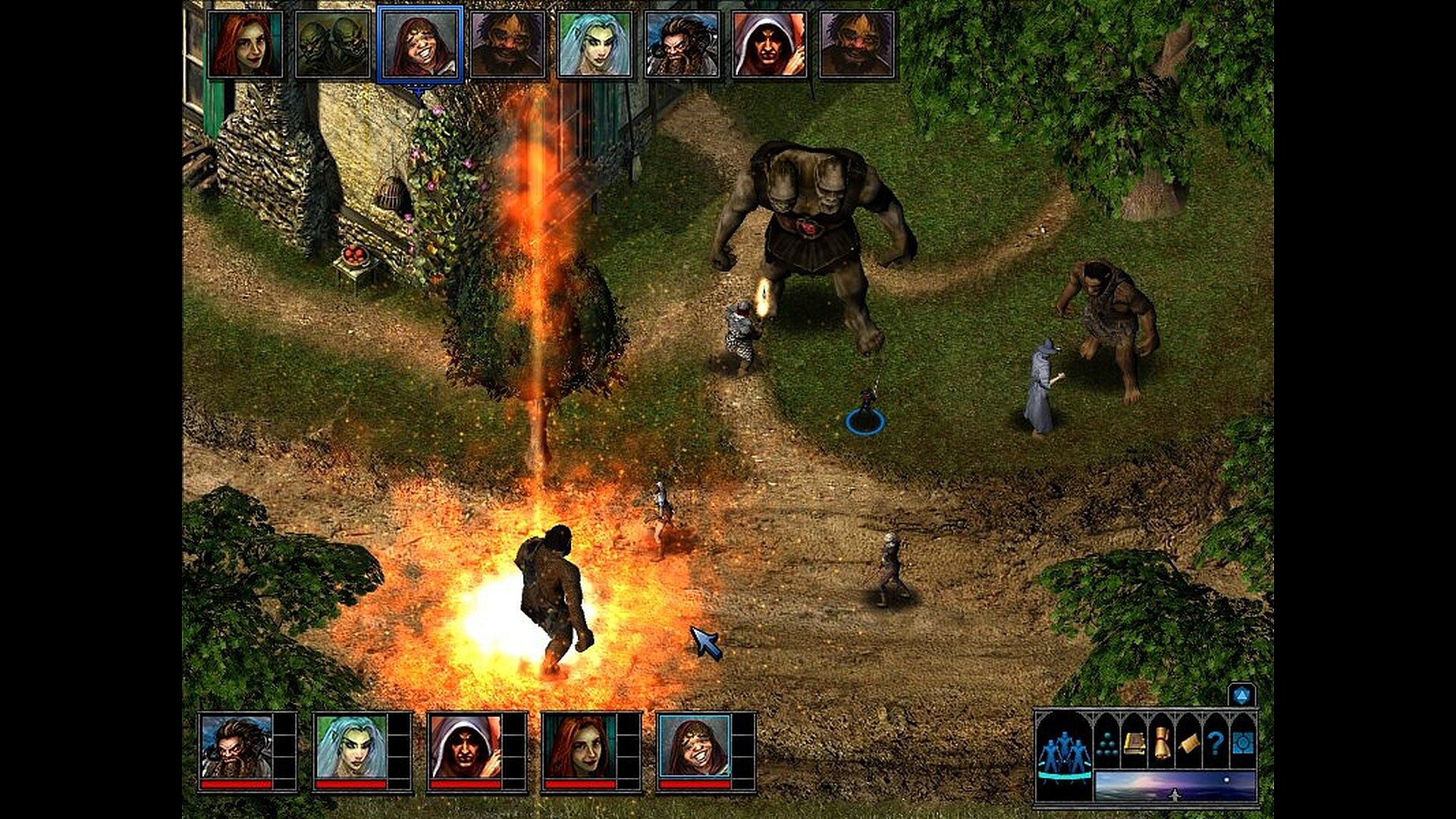
At its core, The Temple of Elemental Evil revolves around building and managing a party of up to five characters, each customizable through a system based on Dungeons & Dragons 3.5 edition rules. Players select classes, races, alignments, skills, feats, and spells to shape their team, allowing for diverse builds that influence interactions and combat outcomes. Exploration takes place in varied environments, from villages like Hommlet to the ominous ruins of Nulb, where reactive non-player characters respond based on party choices and alignments.
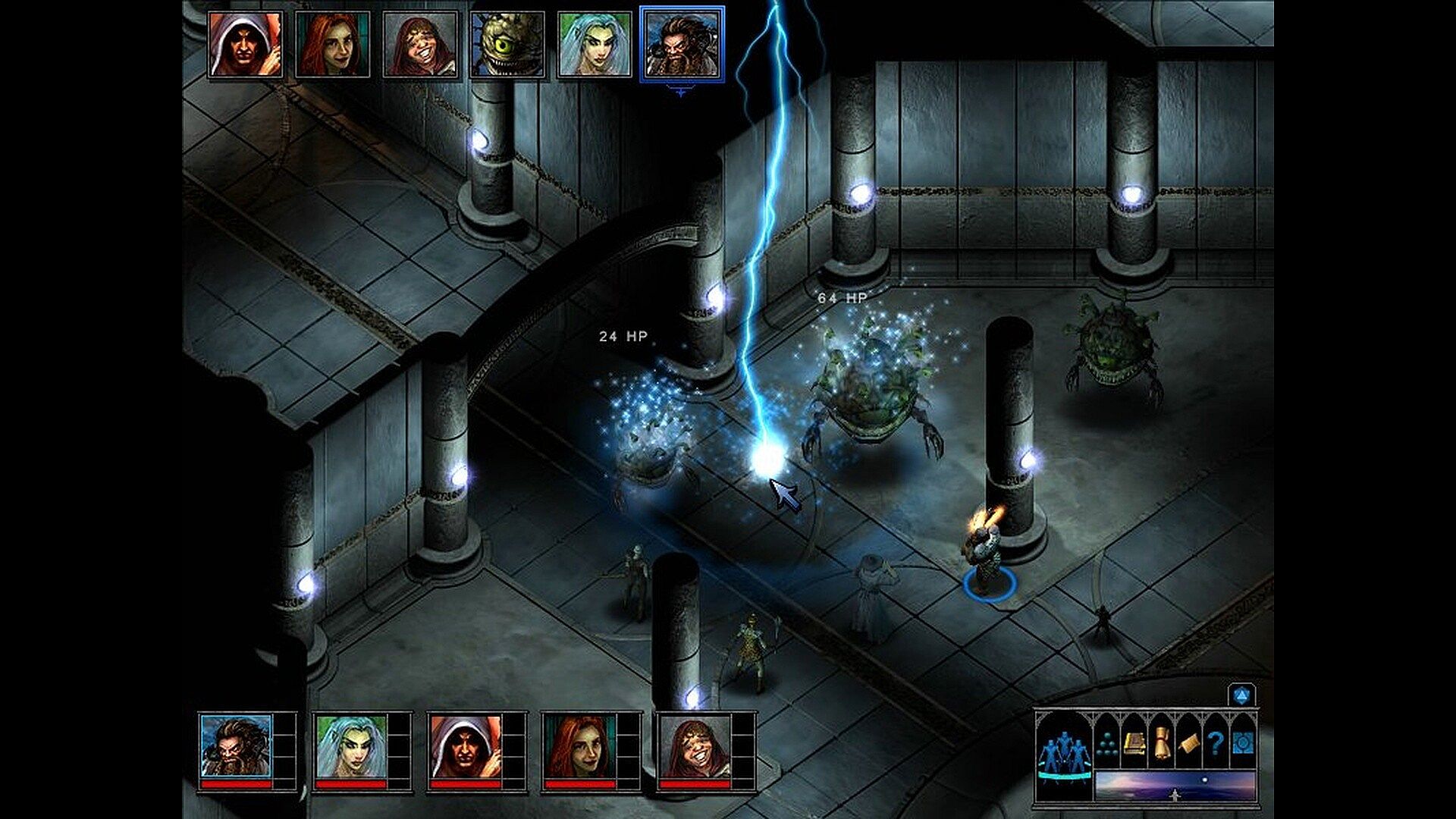
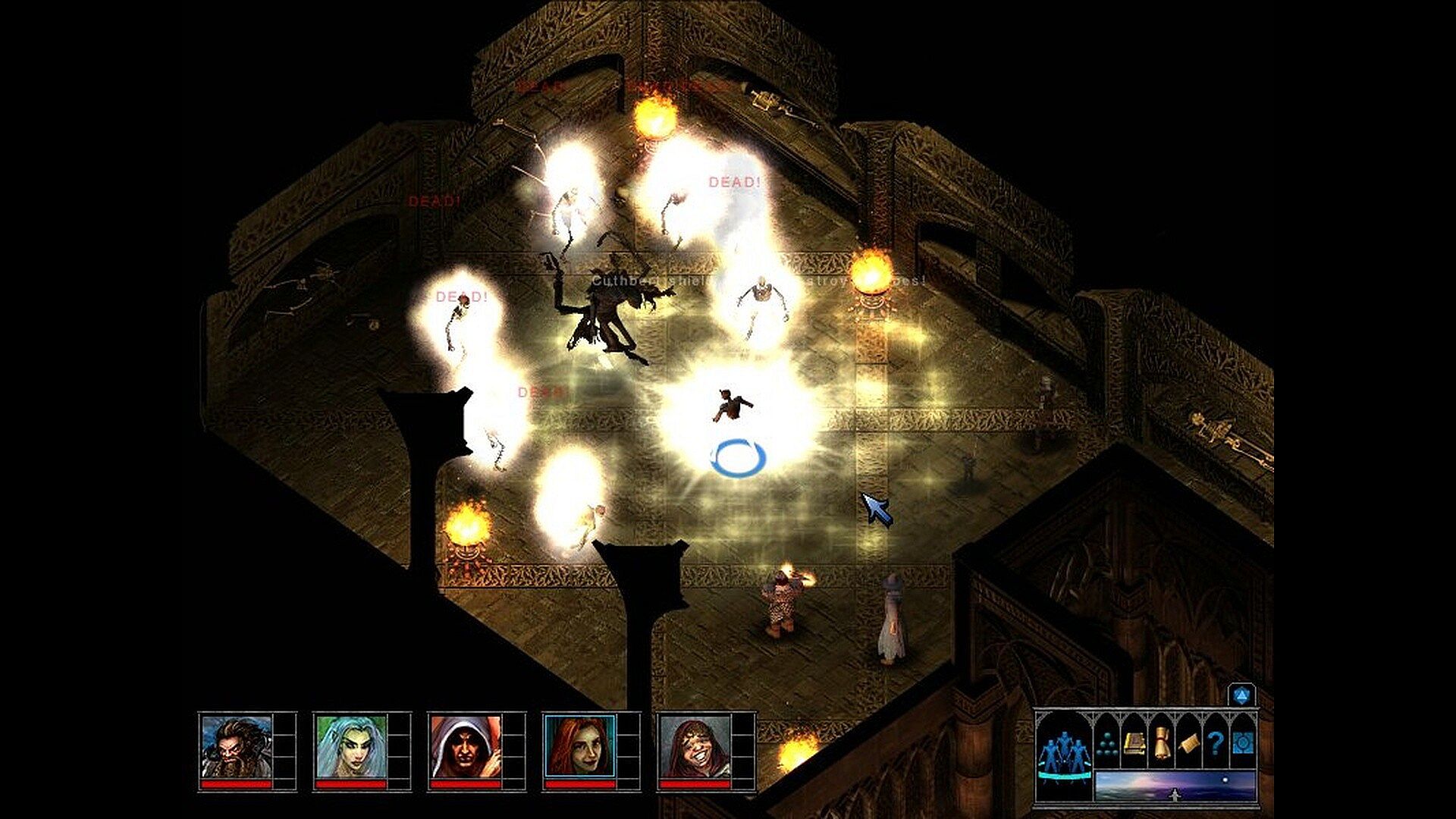
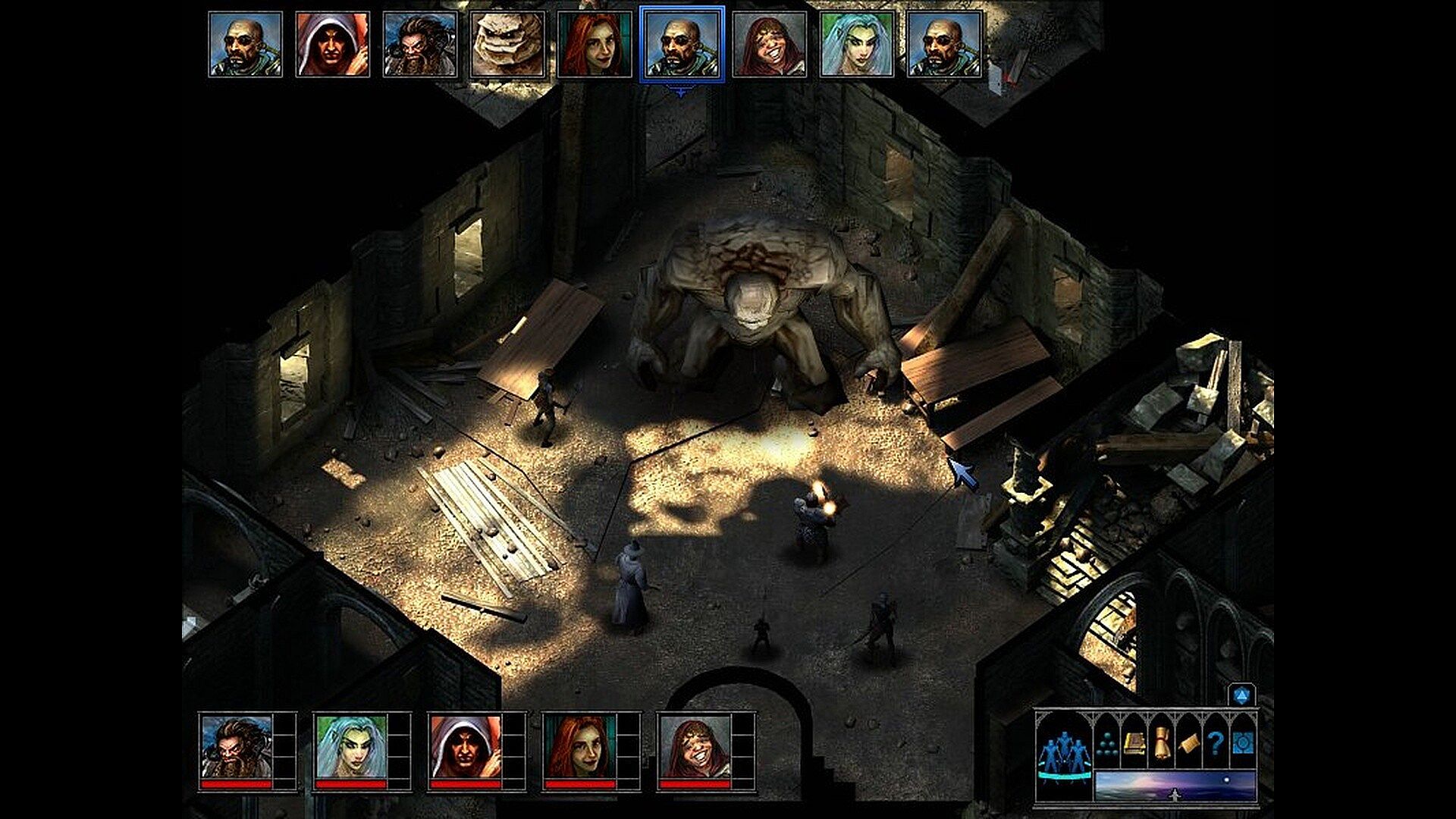
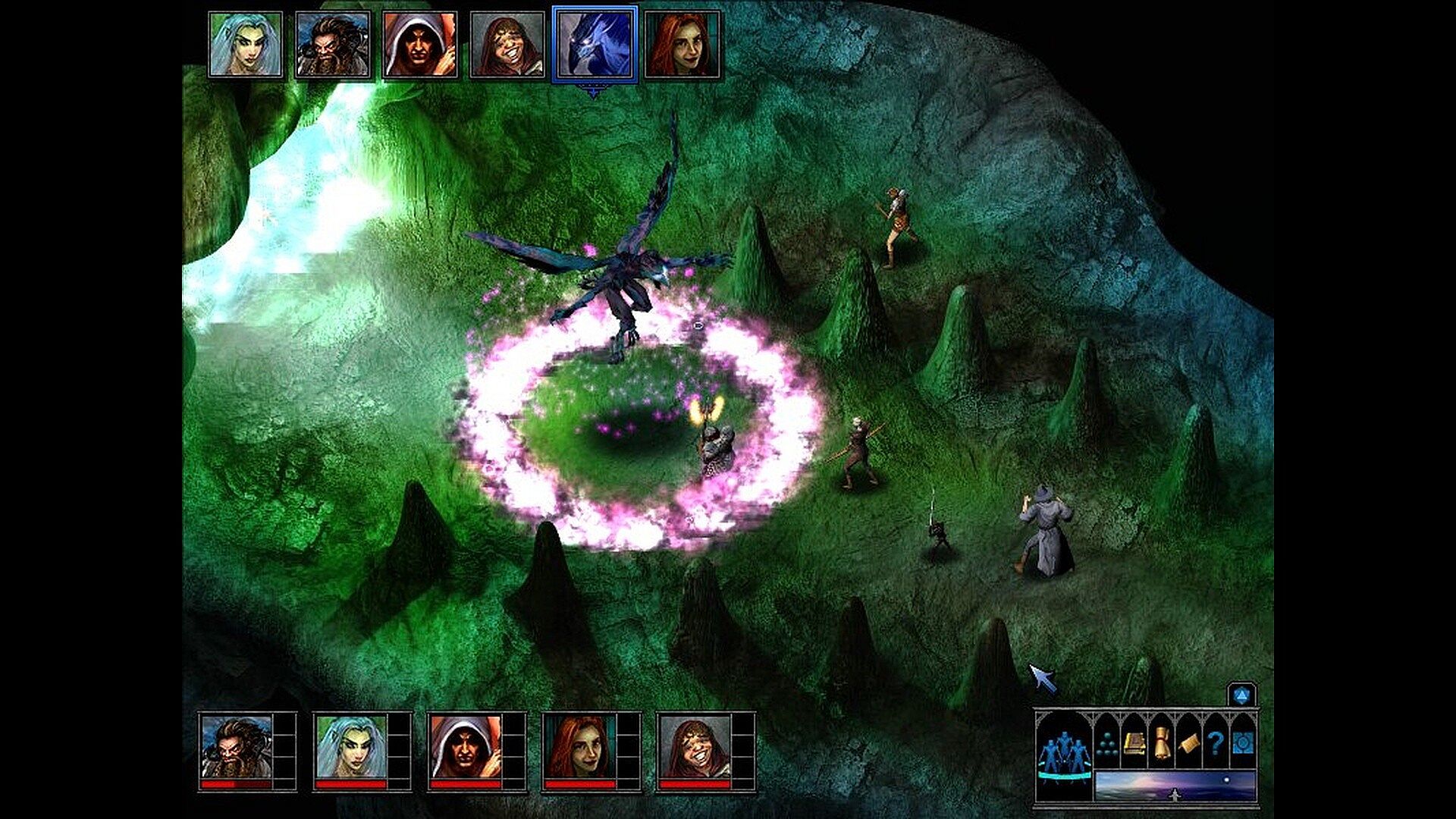
Combat unfolds in a turn-based format, emphasizing positioning, initiative, and tactical use of abilities. Players command their party against a range of monsters, using spells, weapons, and environmental elements to gain advantages. The game supports all nine alignments, from lawful good to chaotic evil, which affect story branches and NPC reactions. Mechanics like opportunity attacks, flanking, and spellcasting add layers of strategy, requiring careful planning to overcome challenges.
Game Modes
This single-player RPG centers on a main campaign that offers multiple story paths leading to different endings, depending on player decisions and party composition. There are no separate multiplayer or competitive modes; instead, the focus remains on the narrative adventure within the Greyhawk setting. Players can align with various factions, such as those tied to elemental cults or local villagers, which open unique quests and alliances.
The adventure begins with bandit encounters near Hommlet and escalates to confrontations at the temple, where choices determine alliances or betrayals. This structure encourages replayability through different party setups and moral alignments, providing varied experiences without distinct named modes.
Story and Setting
The narrative draws from a classic Dungeons & Dragons module, pitting players against a cult dedicated to elemental evil. An ancient demoness established this group in a temple near Hommlet, leading to a period of tyranny until good forces razed it. Now, rumors of renewed activity draw adventurers into a web of mystery, involving bandits and shadowy figures converging on the ruins.
Environments range from peaceful villages to treacherous dungeons, populated with monsters and NPCs that react dynamically. The story explores themes of chaos and order, with player choices shaping the outcome, from defeating the evil at its core to potentially joining darker paths.
Updates and Community Impact
The recent edition includes over a thousand fixes and improvements, thanks to efforts from communities like Circle of Eight and Temple+. These updates enhance stability, AI behavior, user interface, and performance, addressing issues from the original release. Quality-of-life changes make the game smoother for modern hardware, preserving the core experience while reducing frustrations.
Is It Worth Playing?
For fans of traditional RPGs and Dungeons & Dragons enthusiasts, The Temple of Elemental Evil offers a faithful adaptation with deep mechanics and tactical depth. Player reception on platforms shows 71% positive reviews out of 261, highlighting its strengths in character customization and combat, though some note lingering bugs or dated graphics. The updated version provides ongoing value through community-supported fixes, making it a solid choice for those seeking a challenging single-player adventure. If you prefer strategic turn-based gameplay over fast-paced action, this title remains engaging, especially with its multiple paths encouraging replays.