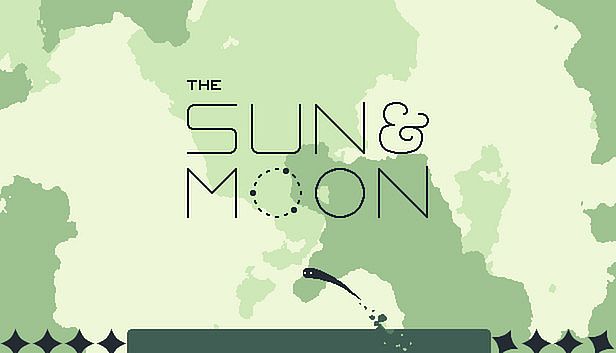













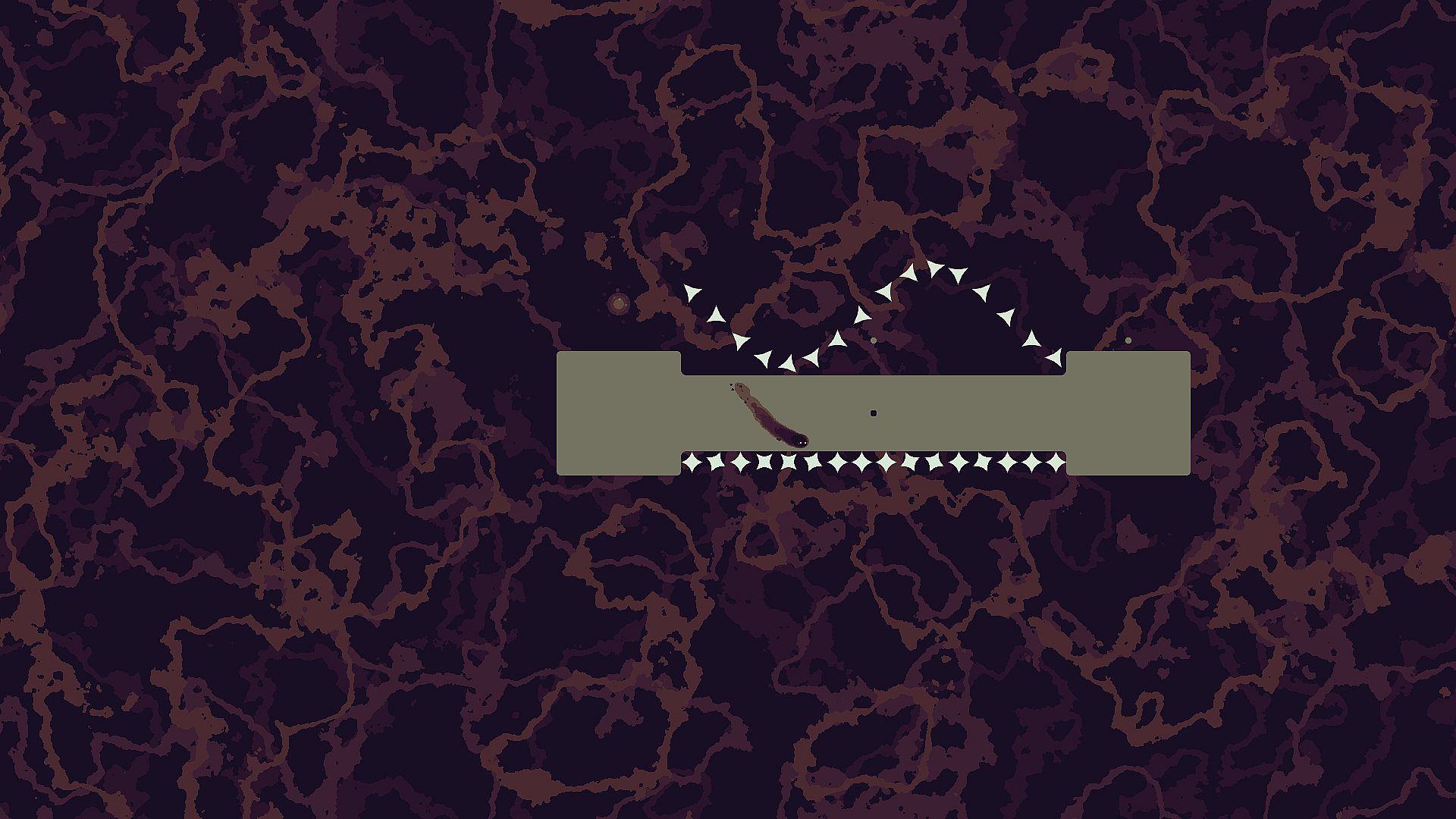
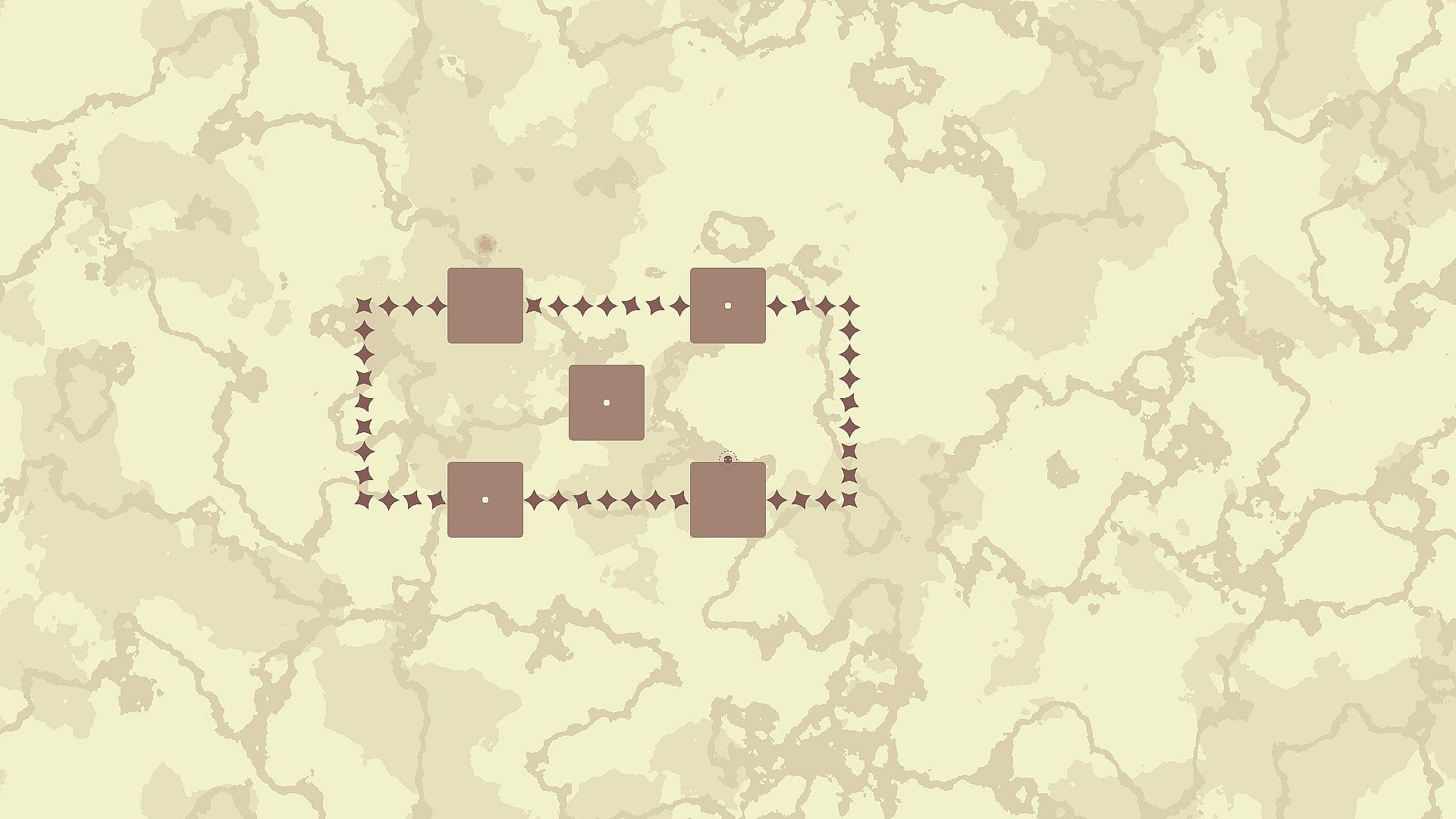
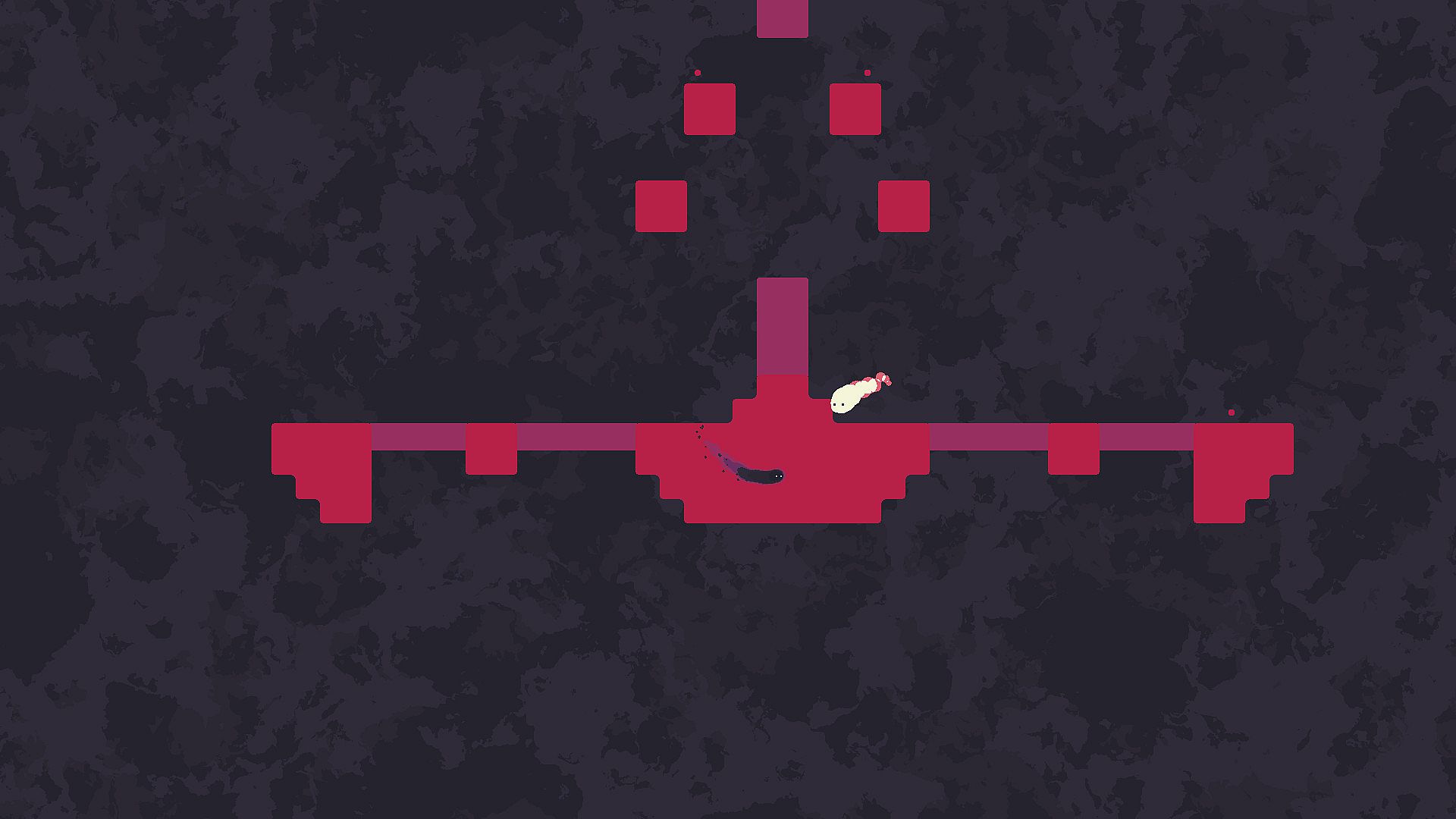
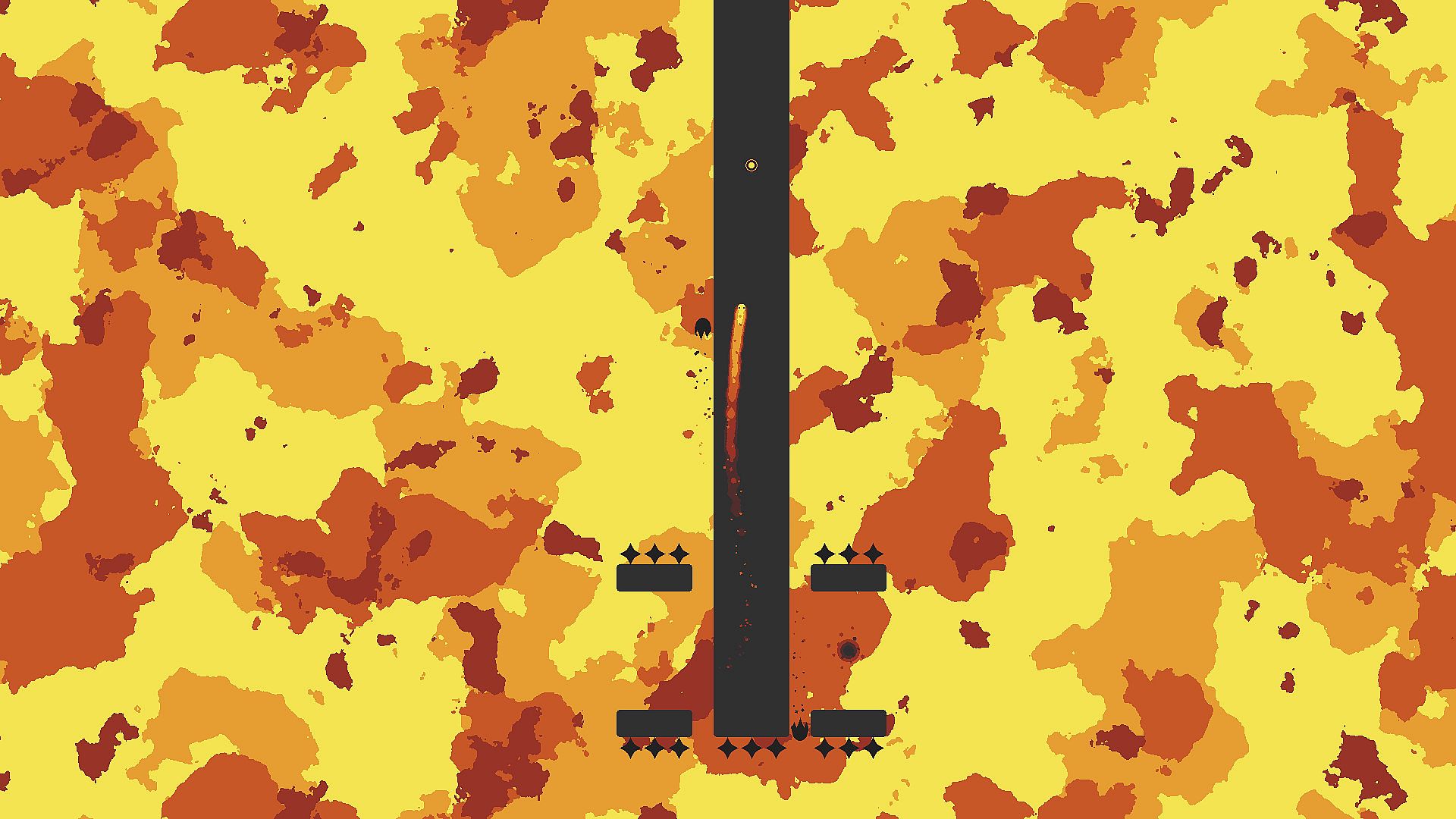
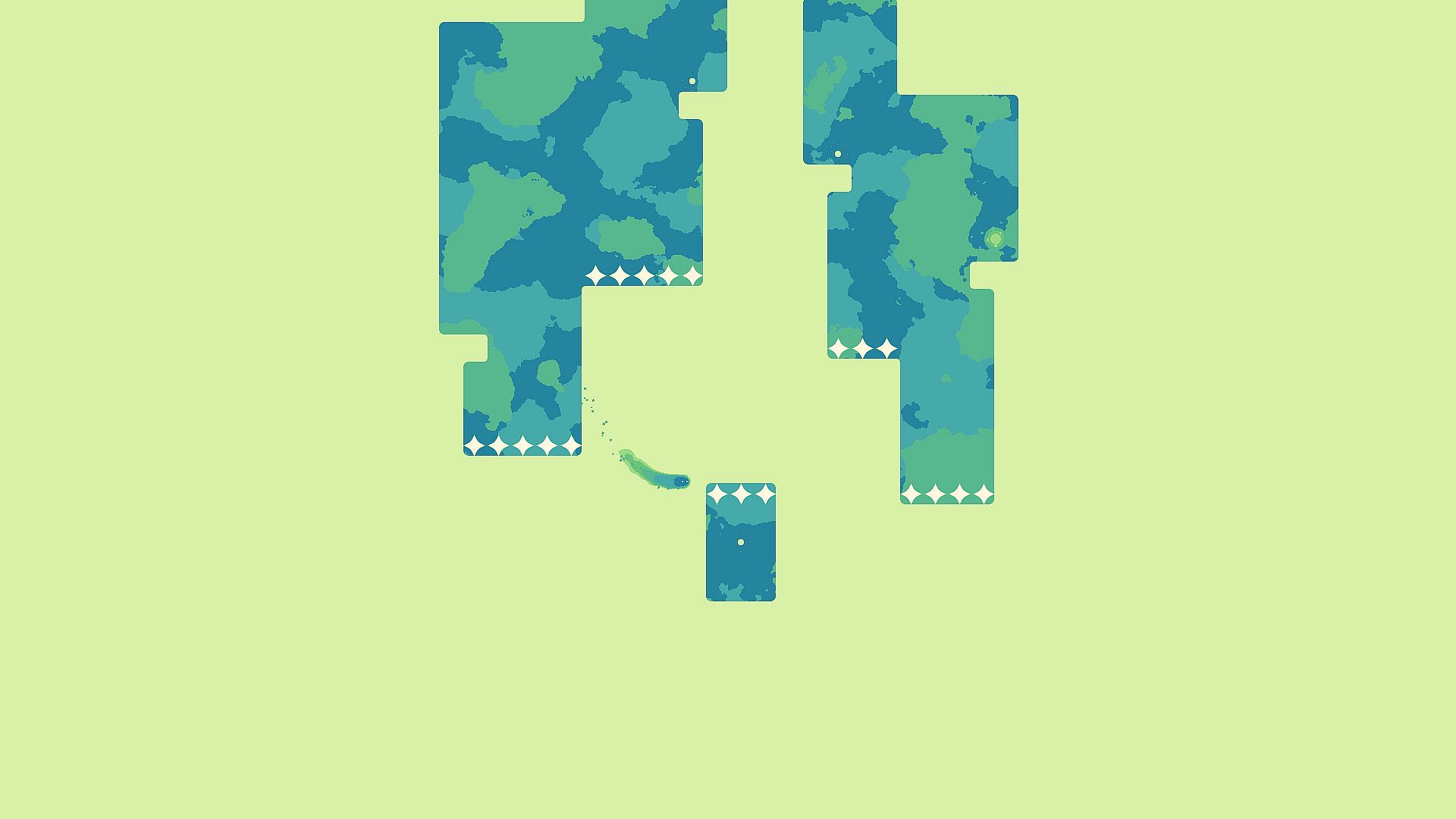
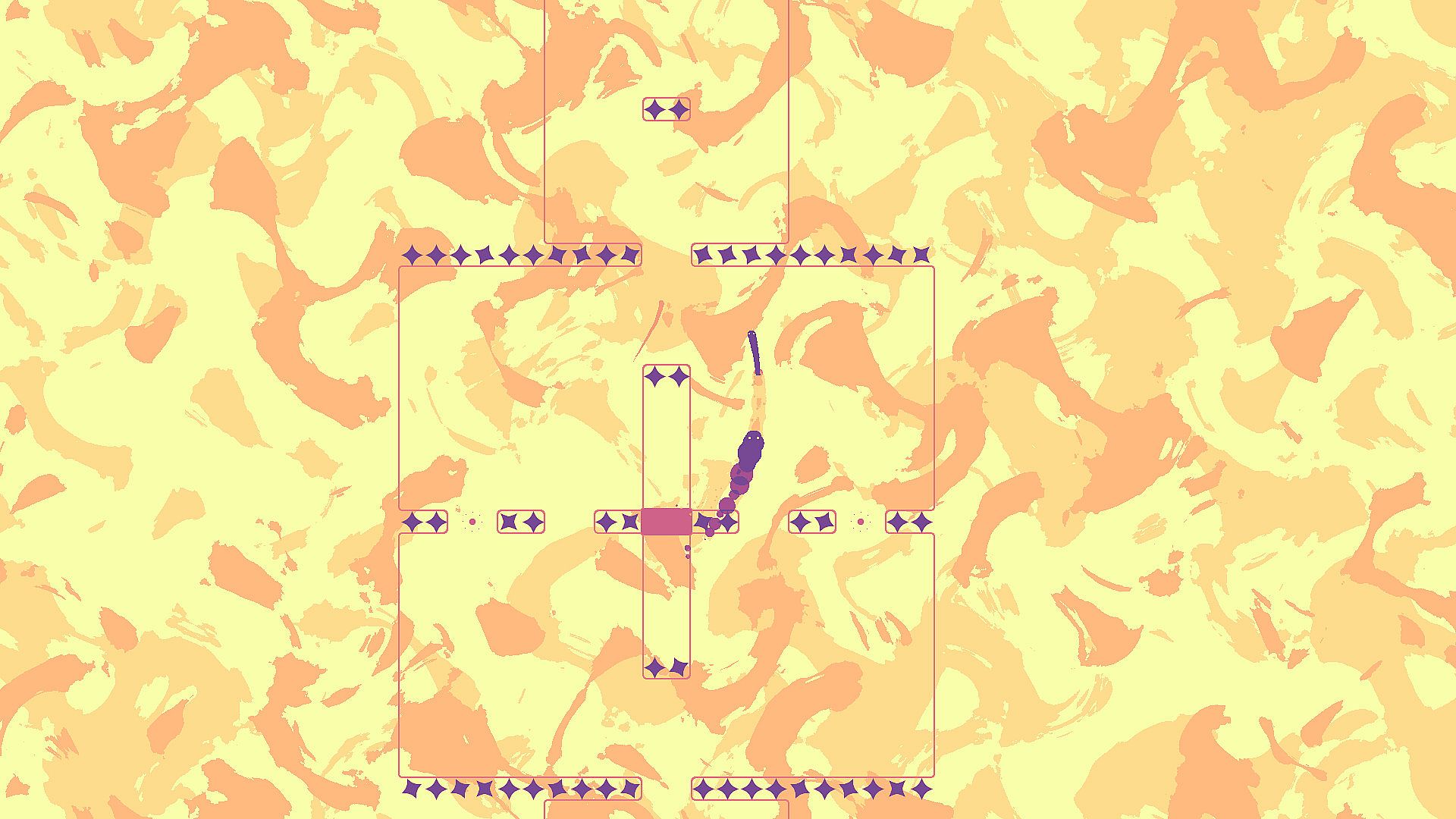

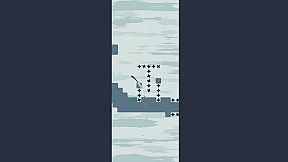
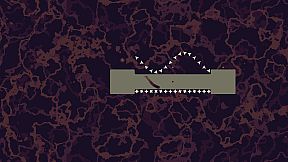
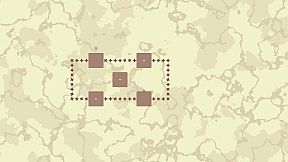

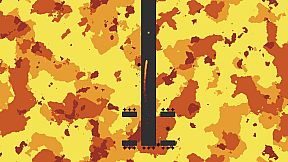
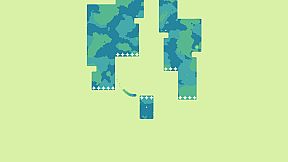
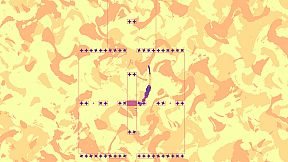

The Sun and Moon stands out as a compact yet inventive 2D action indie platformer built around one core idea that reshapes every jump and run. Players control a small character tasked with gathering three orbs scattered across each stage before entering a wormhole to finish. The twist comes from the ability to dive straight into solid ground, which flips gravity while keeping forward momentum intact. This single change turns walls into launch ramps, floors into ceilings, and simple paths into layered puzzles that reward timing and spatial awareness.
Gameplay
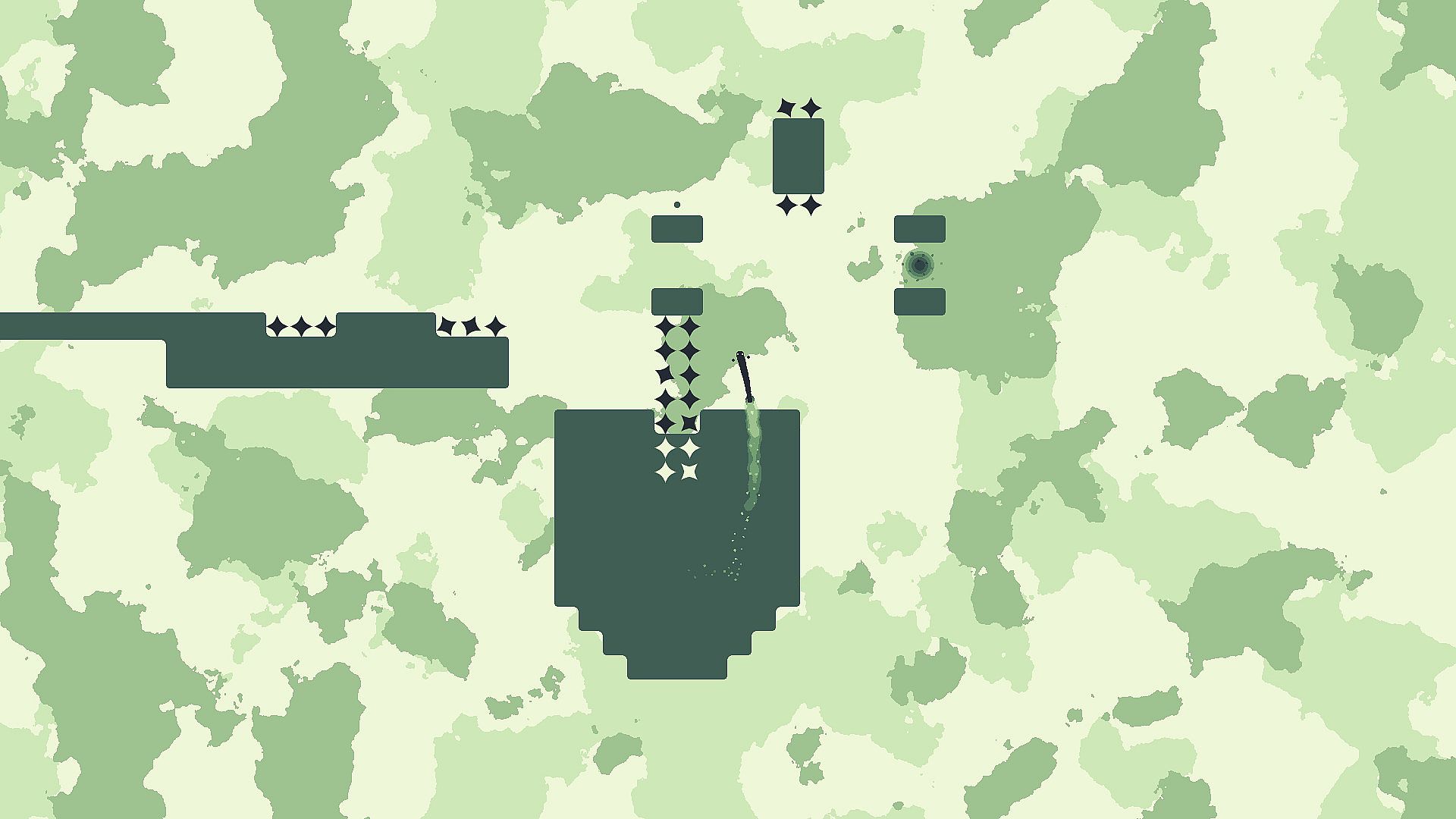
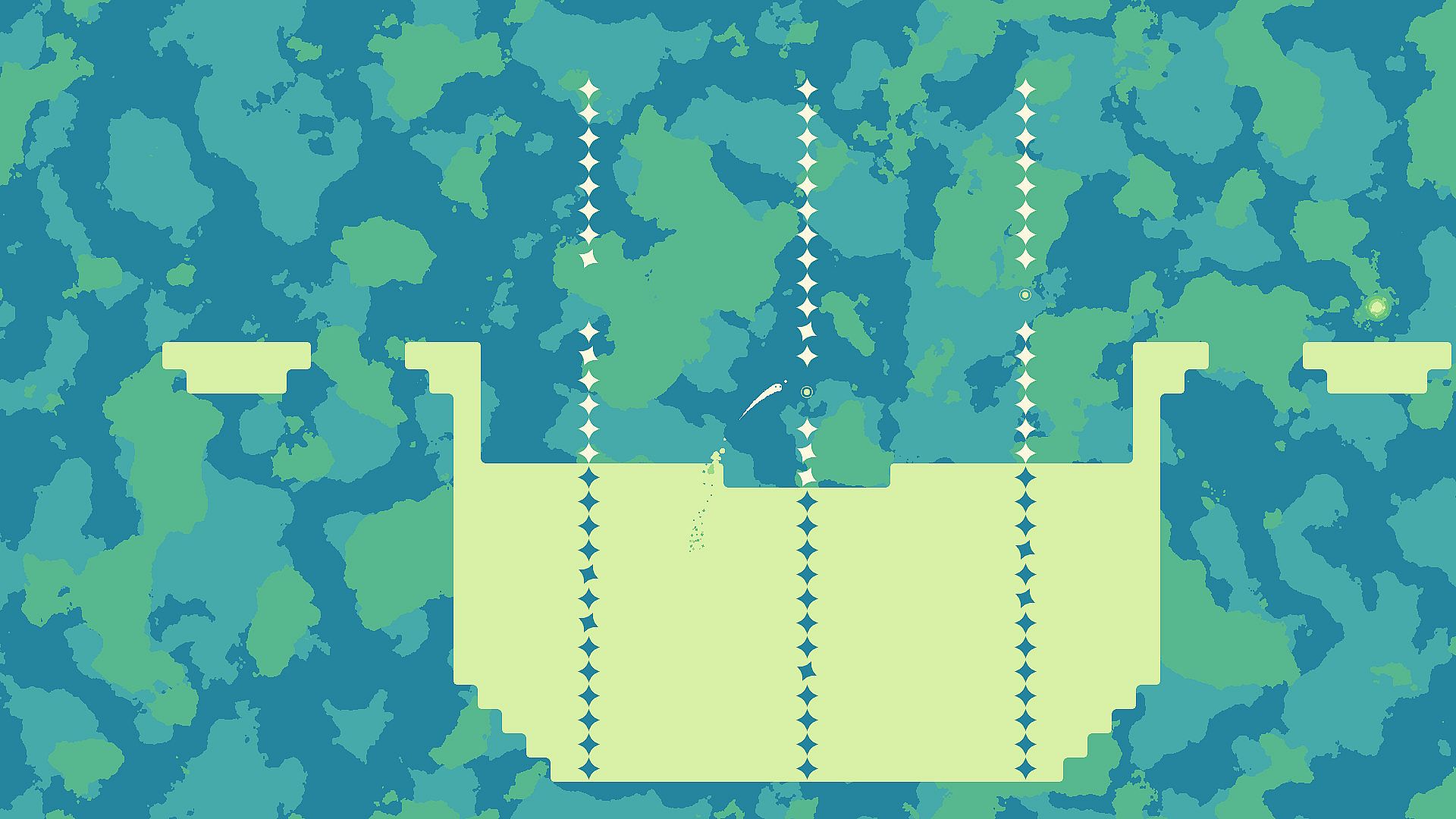
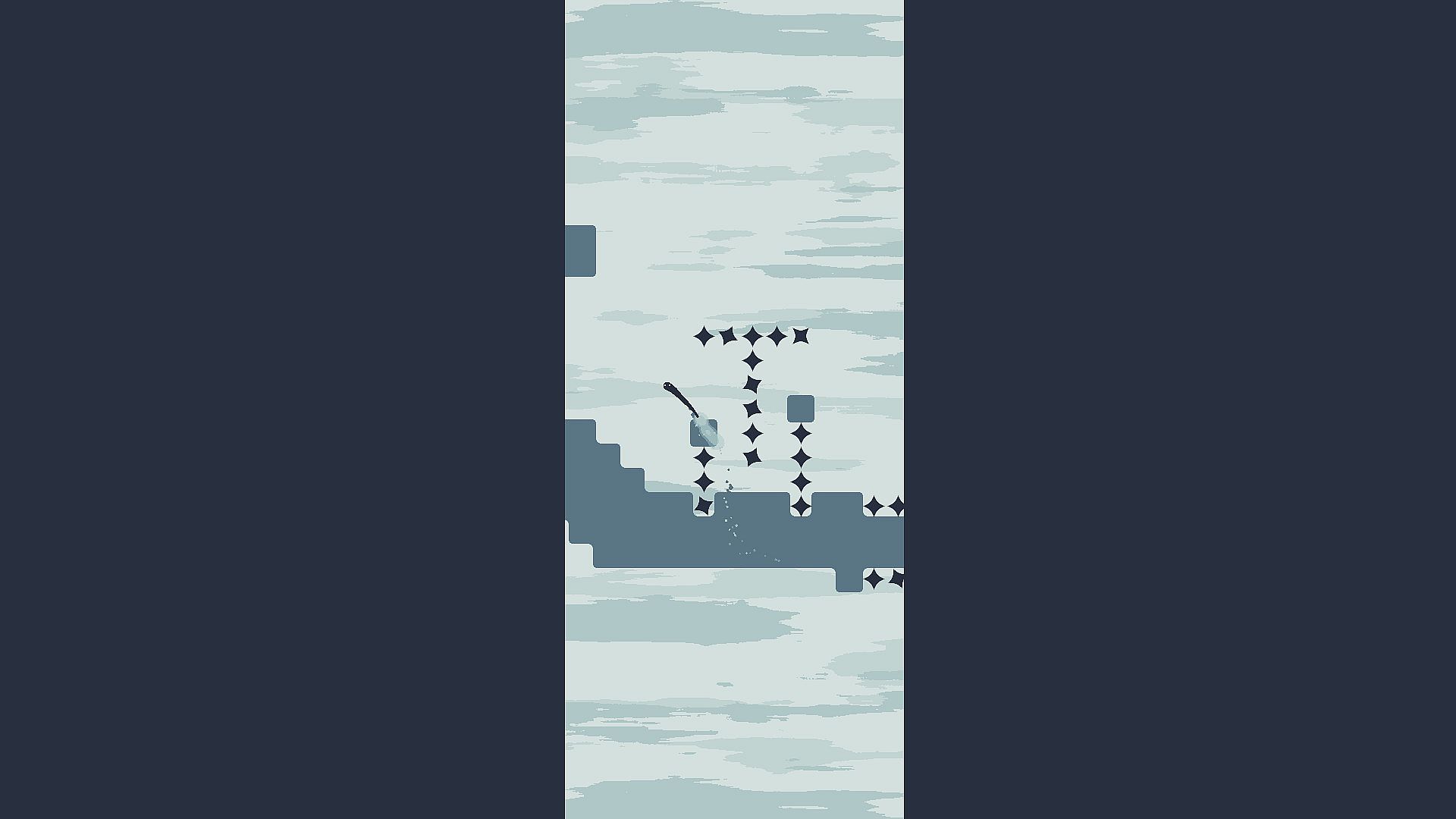
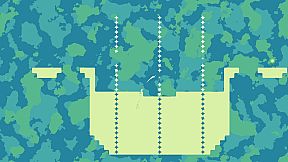
The central mechanic lets the character phase downward through platforms without losing speed. Once underground the world inverts, so continued movement sends the figure soaring upward upon exit or burrowing deeper if the dive continues. Spikes line many surfaces and bottomless pits punish mistimed exits, forcing careful planning of each trajectory. Levels begin with straightforward layouts that introduce the dive and gradually layer in vertical shafts, moving hazards, and tight corridors that demand repeated attempts to solve.
Progression mixes precision platforming with creative problem solving. A player might build speed on a flat surface, dive at the right angle to reverse direction midair, then use the inverted gravity to reach an orb tucked behind a spike wall. Mastery comes from learning how momentum carries through multiple dives and exits rather than from complex button combinations. The controls stay minimal, centering attention on positioning and velocity instead of additional abilities.
Game Modes
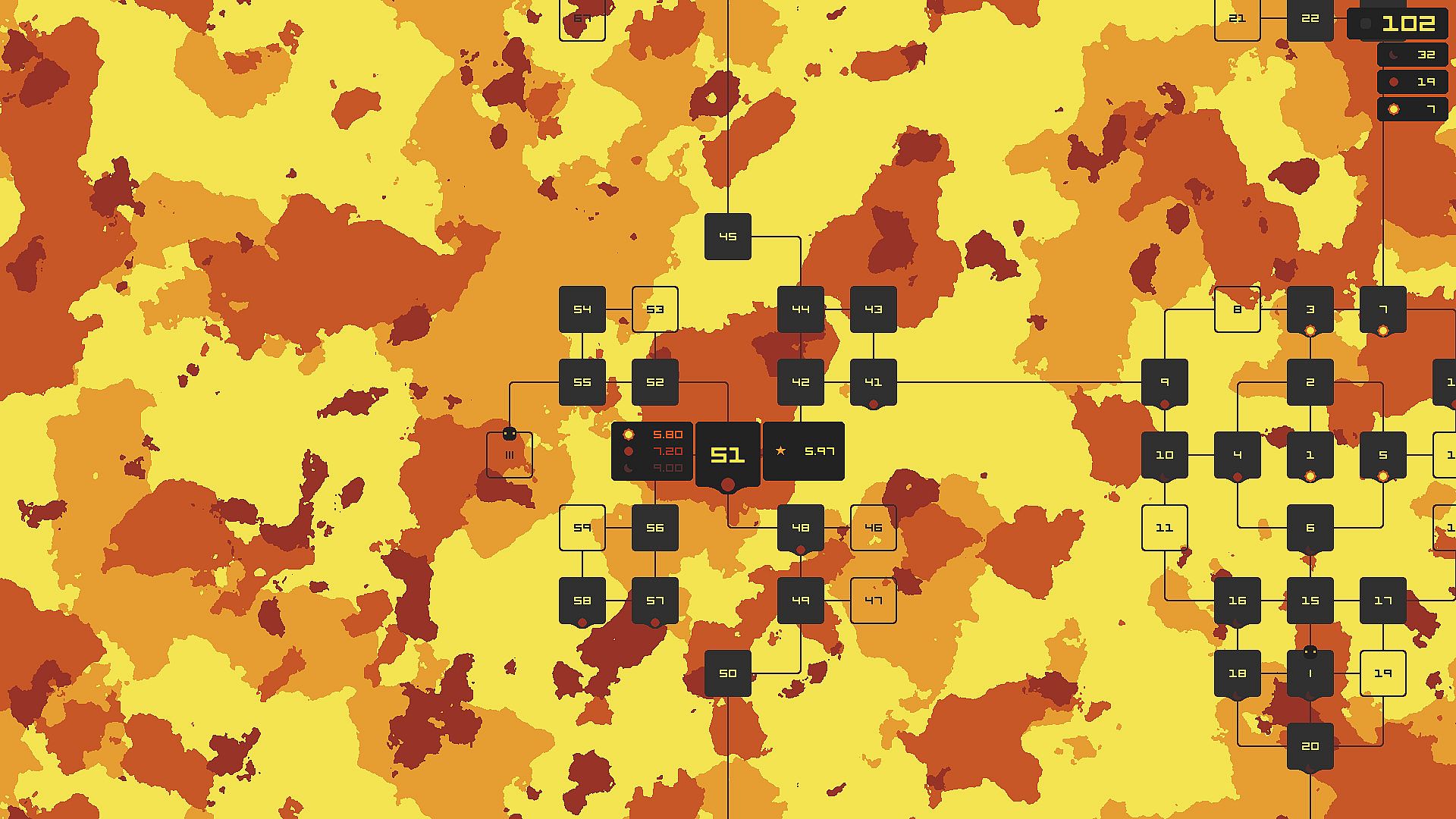
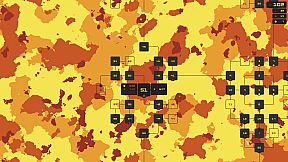
The experience centers on a single-player campaign of more than 150 individual levels. A non-linear unlock system lets players tackle stages in any order once they become available, encouraging exploration of easier or harder content based on personal preference. Each level shares the same objective of collecting the three orbs and reaching the wormhole, yet the arrangement of obstacles changes dramatically from one screen to the next.
Time goals add a secondary layer of challenge without altering the core rules. Three medal tiers reward faster completions on every stage, turning even early levels into repeated tests of efficiency. No separate multiplayer or competitive modes exist; the focus remains on personal improvement through repeated runs and creative route finding.
Level Design and Progression
Stages range from short introductory screens that teach the dive mechanic to sprawling vertical constructions filled with layered platforms and hidden routes. The non-linear structure means a difficult later level might unlock early, giving skilled players the chance to attempt it immediately while others clear easier content first. This freedom keeps the campaign feeling fresh across multiple play sessions.
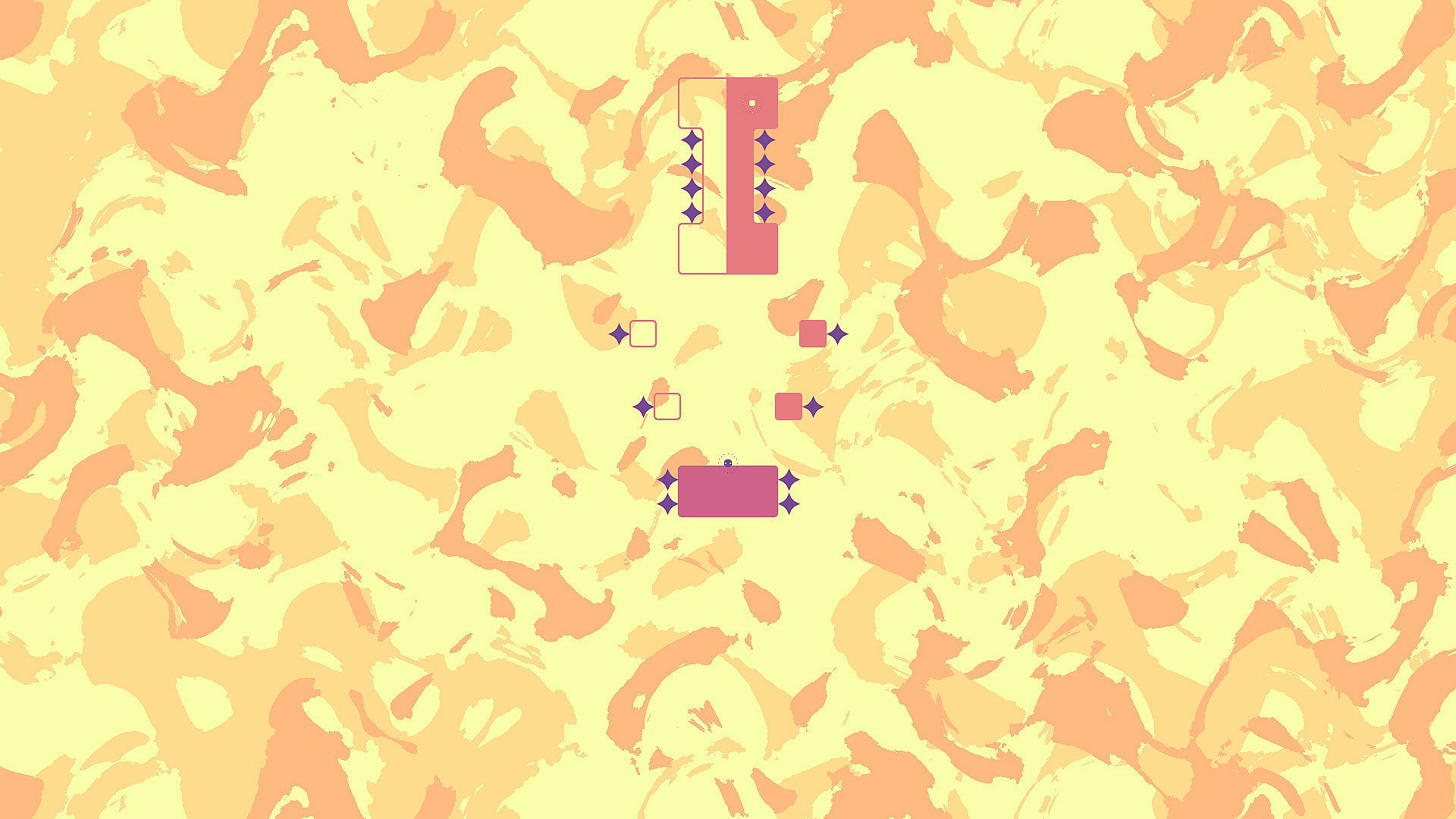
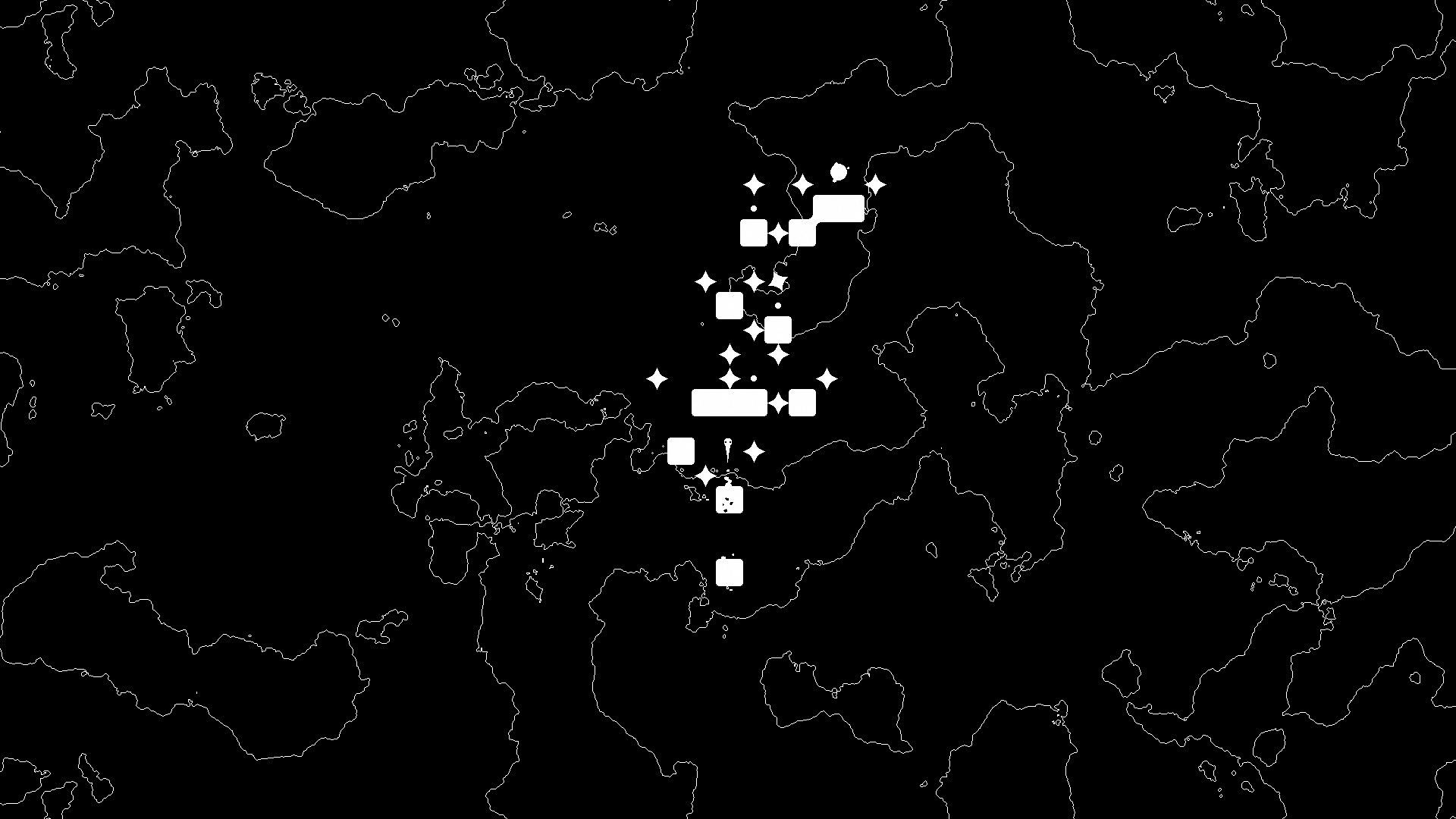
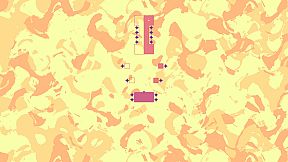
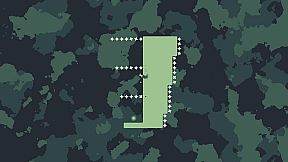
Minimalist visuals strip away distractions so the geometry and hazards remain easy to read at a glance. Clean lines and limited color palettes highlight the paths and dangers without visual clutter. Music composed by Dubmood accompanies the action with a single evolving track that builds intensity as stages grow more demanding.
Is It Worth Playing?
Players who enjoy precise, mechanics-driven platformers will find the game rewarding. The unique dive system creates satisfying moments of discovery when a new route clicks, and the medal system provides ongoing goals after the main objectives are met. Reviews on major platforms describe the title as polished and addictive for those who appreciate short, replayable stages over lengthy narratives or open worlds.
With its modest scope and focused design, the game suits sessions of any length and runs well on modest hardware. The very positive reception from its player base reflects consistent praise for the inventive movement and fair yet demanding difficulty curve. Anyone seeking a thoughtful indie platformer that emphasizes one strong idea over many systems will likely appreciate the experience.