



















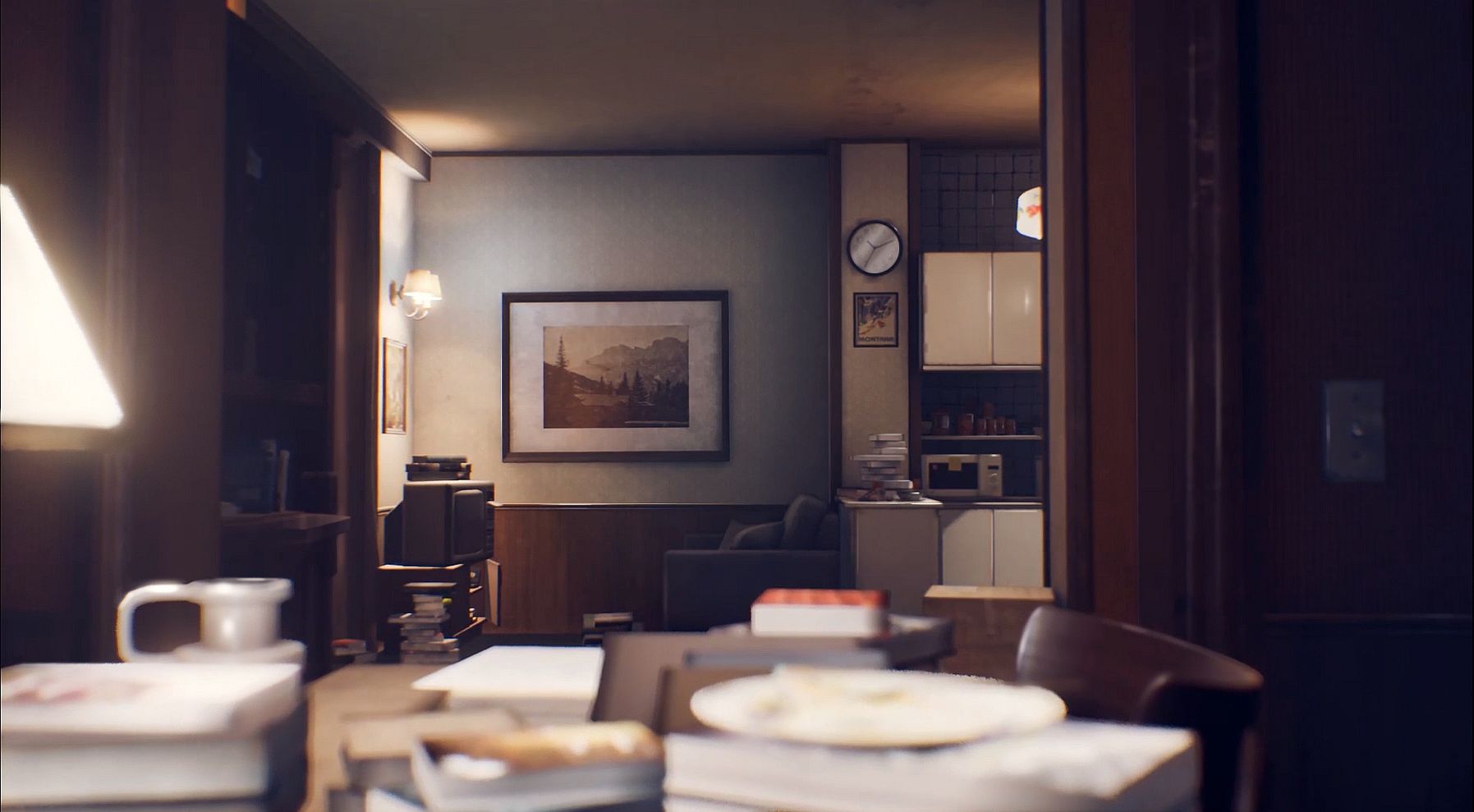

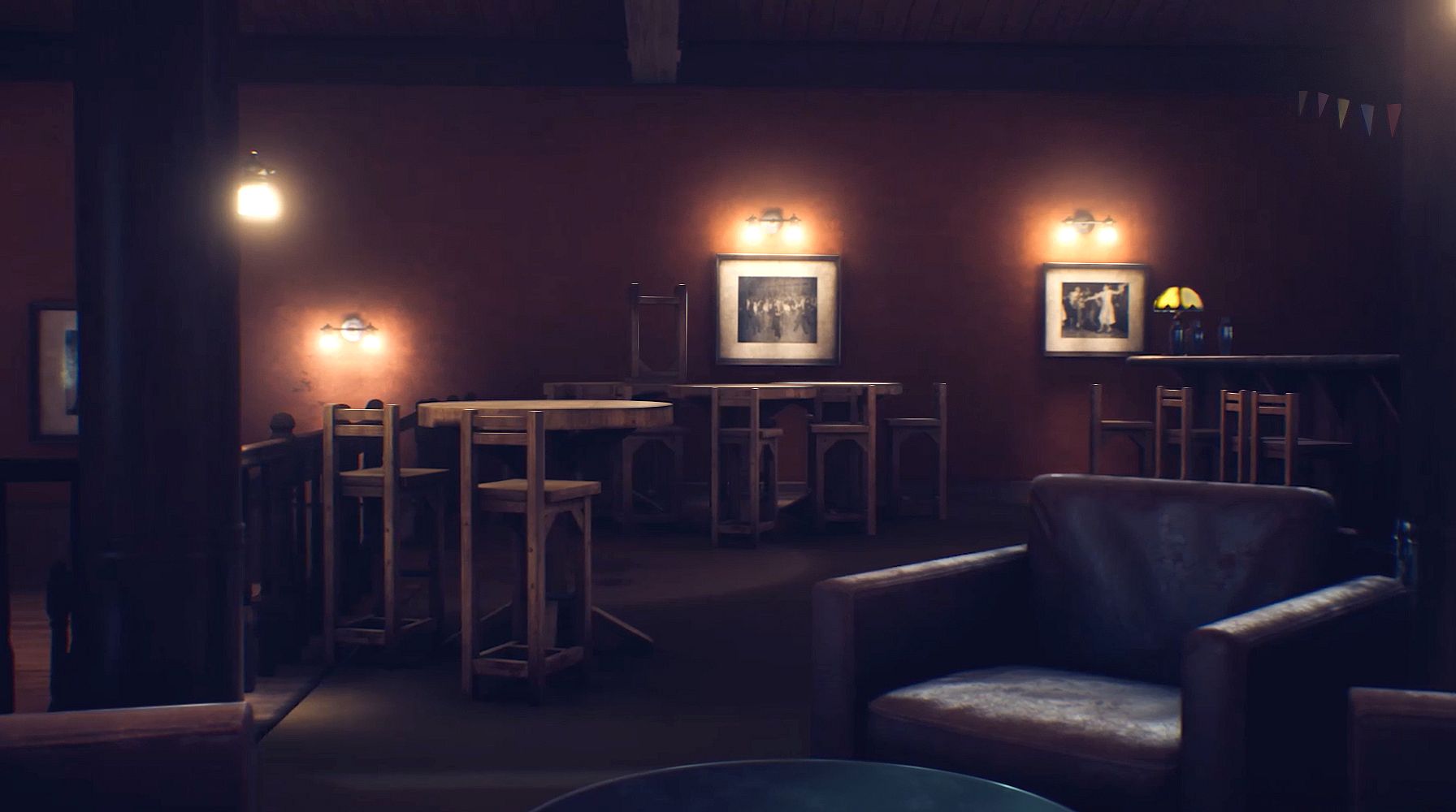
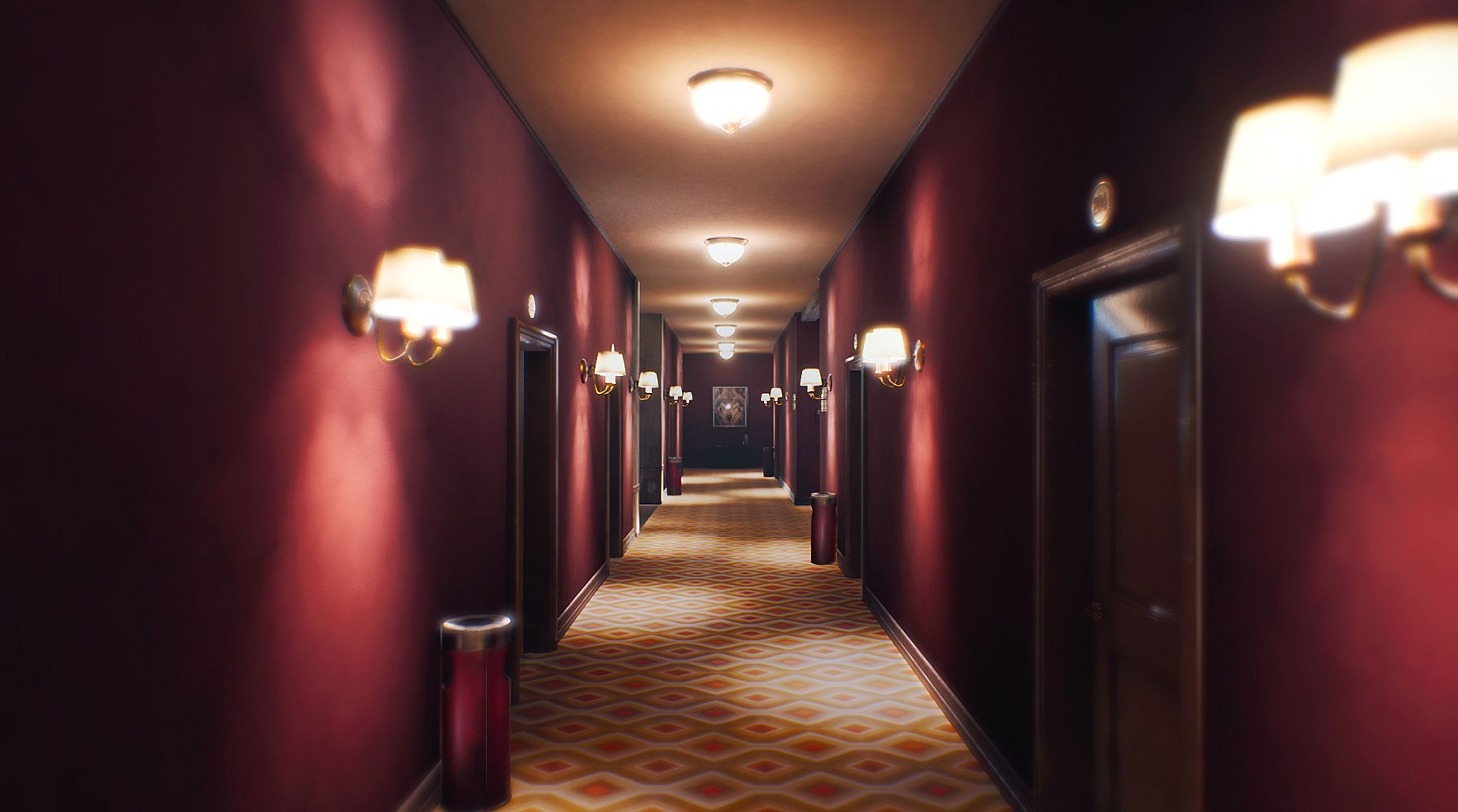
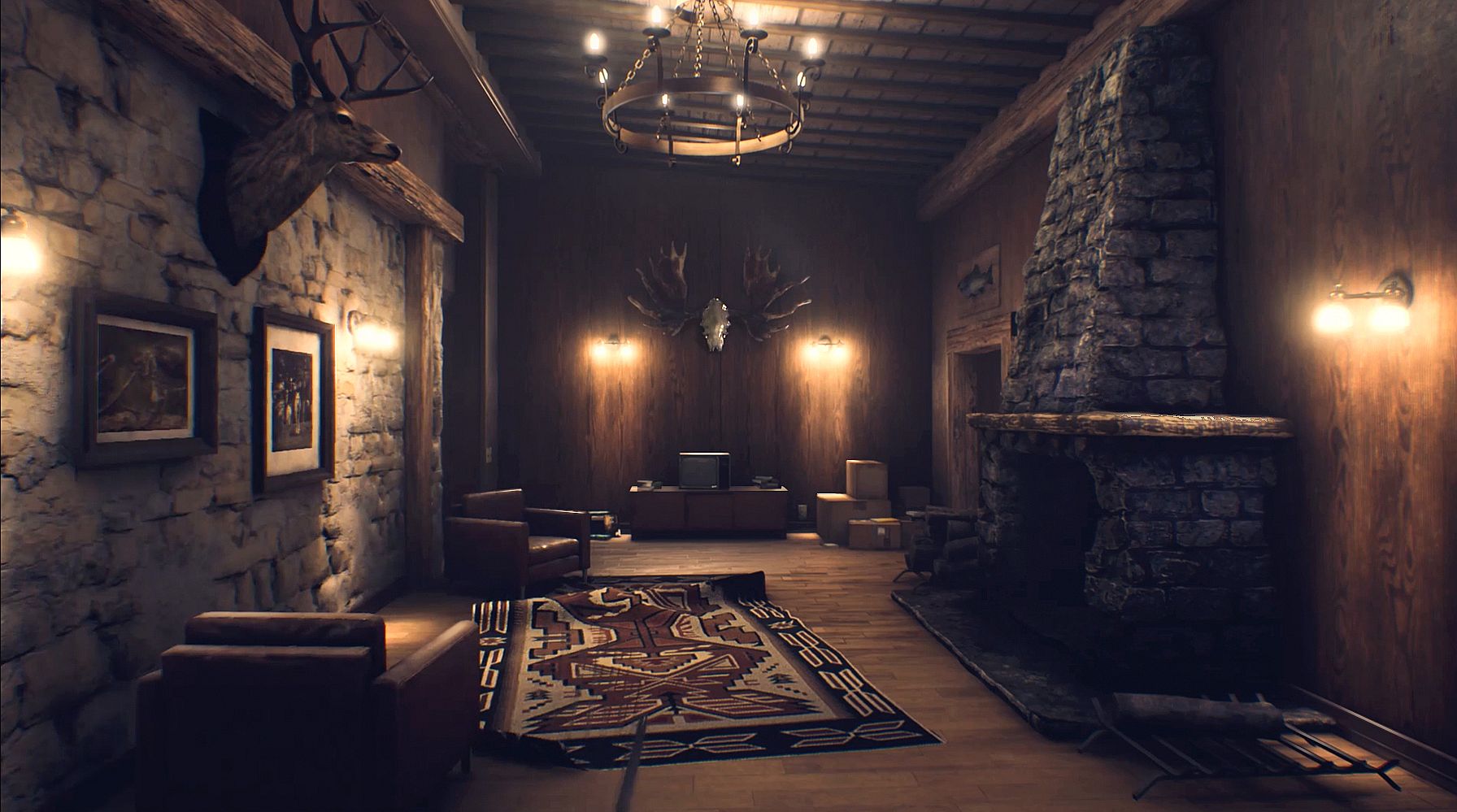





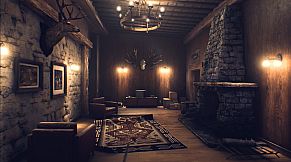
The Suicide of Rachel Foster is an indie adventure game centered on exploration and narrative discovery in a single-player format. Set in 1993 at a remote mountain hotel in Montana, the story follows Nicole as she returns to the family property after her parents' deaths to settle affairs tied to a past tragedy involving a young woman named Rachel. Players navigate the decaying lodge while uncovering layers of family secrets through environmental details and conversations.
Gameplay
Core gameplay revolves around walking through the multi-level hotel and examining objects to advance the plot. Nicole moves at a deliberate pace across rooms, hallways, and exterior areas, with the environment rendered in detail to reflect its abandoned state. Interaction focuses on picking up or inspecting items that reveal notes, photographs, and other clues about the events from a decade earlier. Dialogue occurs exclusively through an old radio telephone with a supporting character named Irving, who provides guidance and context from outside the storm-isolated building. Binaural audio design heightens tension through layered sound effects like creaking floors, wind, and distant echoes, creating an immersive sense of isolation without relying on combat or timed challenges.
The experience emphasizes careful observation rather than complex mechanics. Players scan spaces for interactive elements that trigger story progression, often revisiting areas as new information comes to light. The setting remains consistent throughout, with weather changes limiting movement options and reinforcing the confined atmosphere. No inventory management or skill systems appear; progress depends on following the linear sequence of discoveries within the lodge.
Game Modes
The game offers a single continuous narrative experience with no separate modes or variations. All content unfolds in one campaign that combines mystery investigation and atmospheric exploration. Two different endings exist depending on choices made during key moments, though both tie back to the central family story without branching paths or additional scenarios. There are no multiplayer options, competitive elements, or post-completion activities confirmed in available information.
Story and Atmosphere
The narrative blends personal drama with suspense as Nicole confronts her family's history while trapped by sudden bad weather. Themes of loss, betrayal, and unresolved questions drive the plot forward through environmental storytelling and phone exchanges. The hotel itself serves as the primary character, its rooms holding physical remnants of past events that players piece together gradually. Nostalgic details from the early 1990s, such as period-appropriate technology and decor, add texture to the setting without distracting from the core mystery.
Tone shifts between melancholy reflection and growing unease, supported by minimal music and prominent ambient sounds. The story remains focused on mature subjects involving relationships and consequences, delivered through a compact structure that avoids unnecessary side content.
Is It Worth Playing?
Reception has been mixed, with overall user feedback on major platforms sitting around 61 percent positive and critic aggregates near 68. Many appreciate the strong audio implementation and detailed environment that support the emotional weight of the tale, while others note the straightforward walking mechanics can feel repetitive over the roughly four-to-five-hour length. The game suits players who prefer story-focused adventures with light interaction over action or puzzle complexity. Those drawn to atmospheric single-player experiences may find value in its focused delivery and thematic depth, though individuals seeking varied gameplay or replay incentives might look elsewhere. No ongoing updates or seasonal content have been released since its initial launch, leaving the experience in its original form.