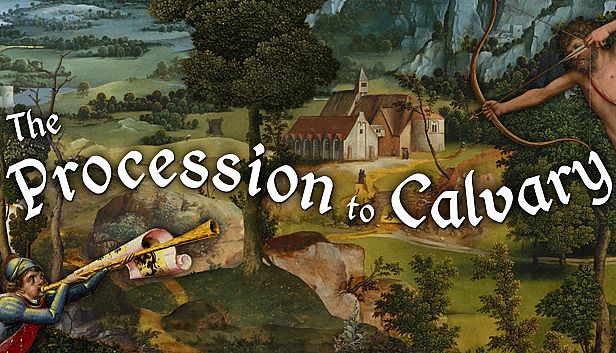


















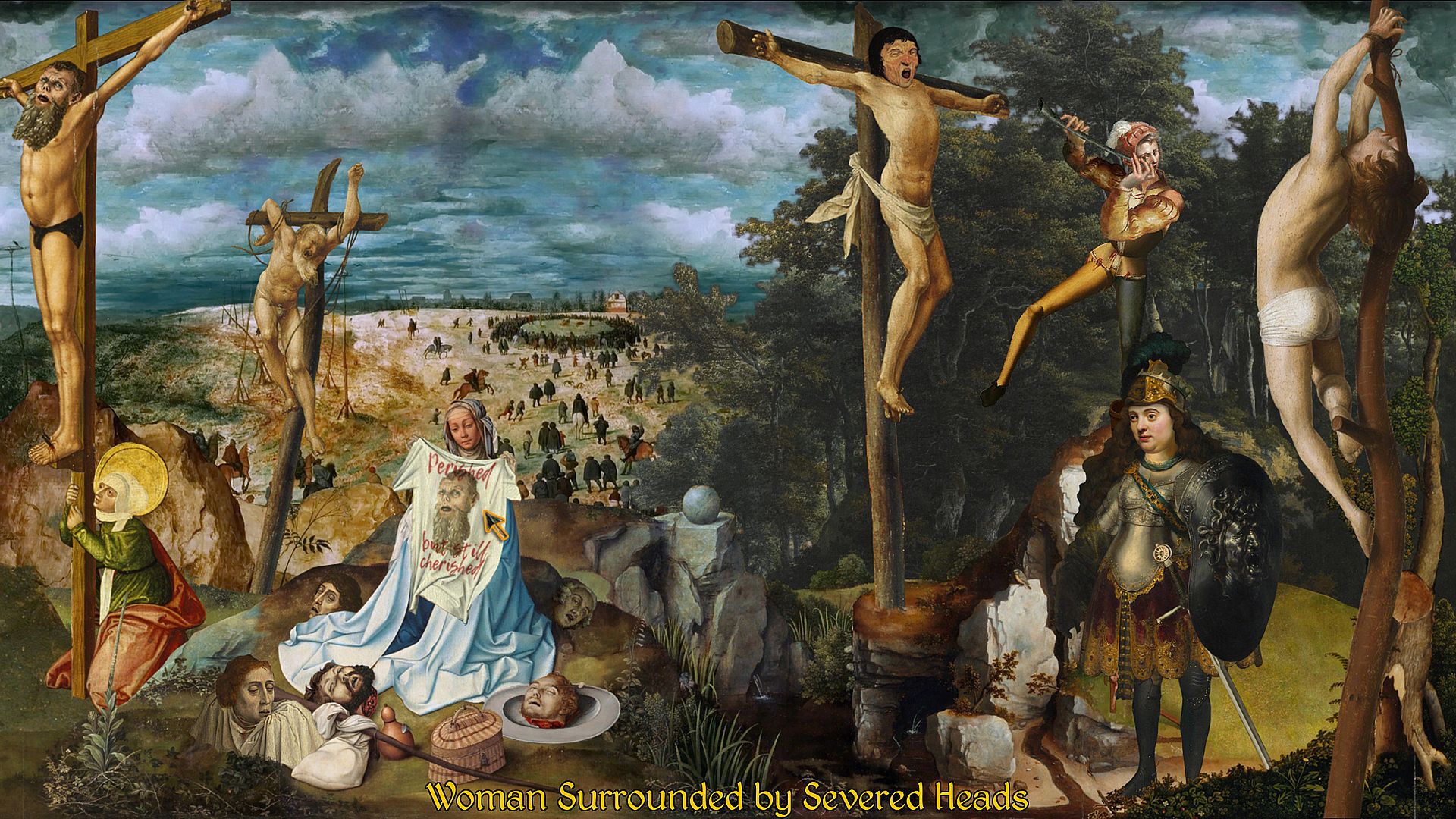
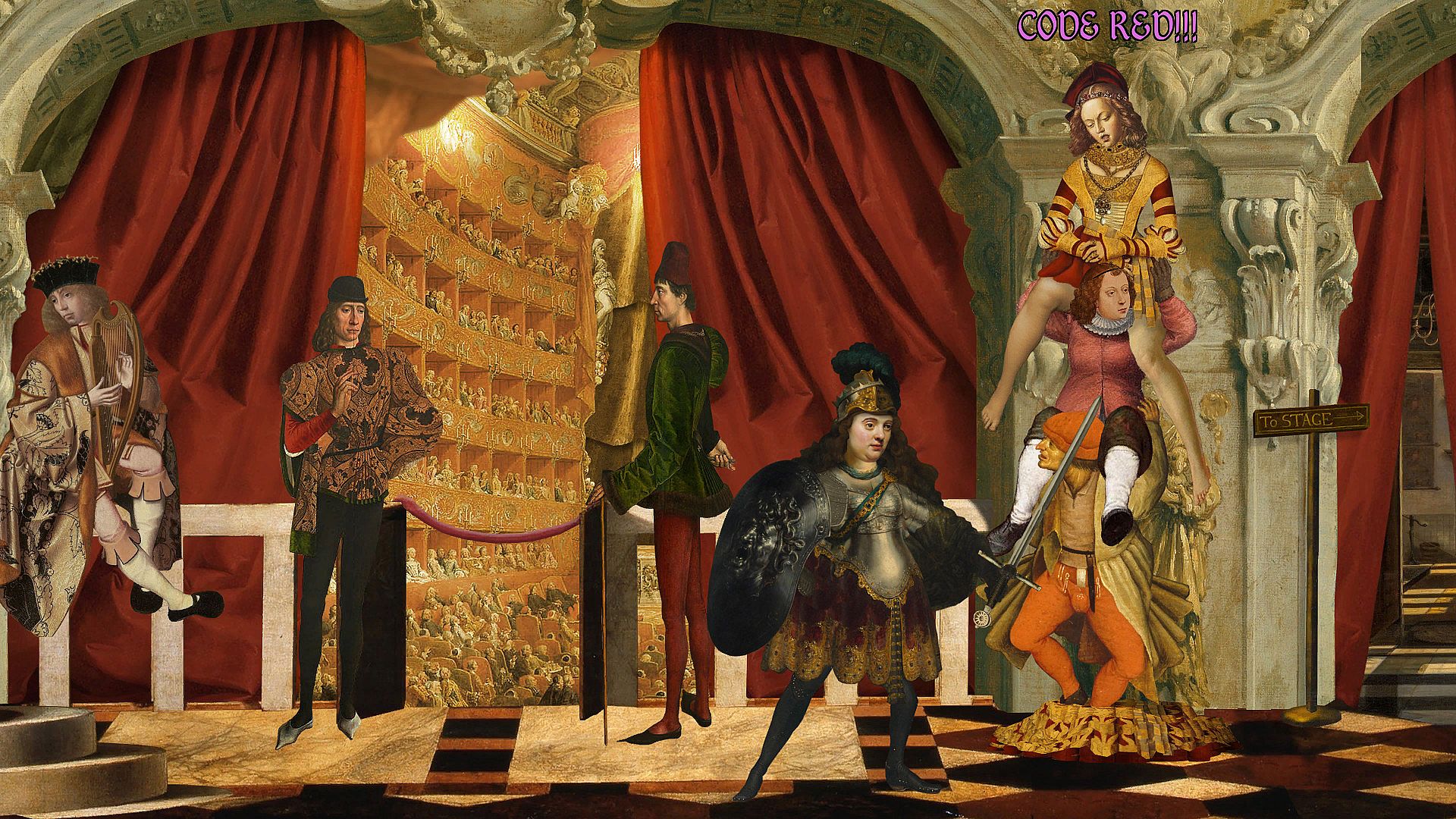
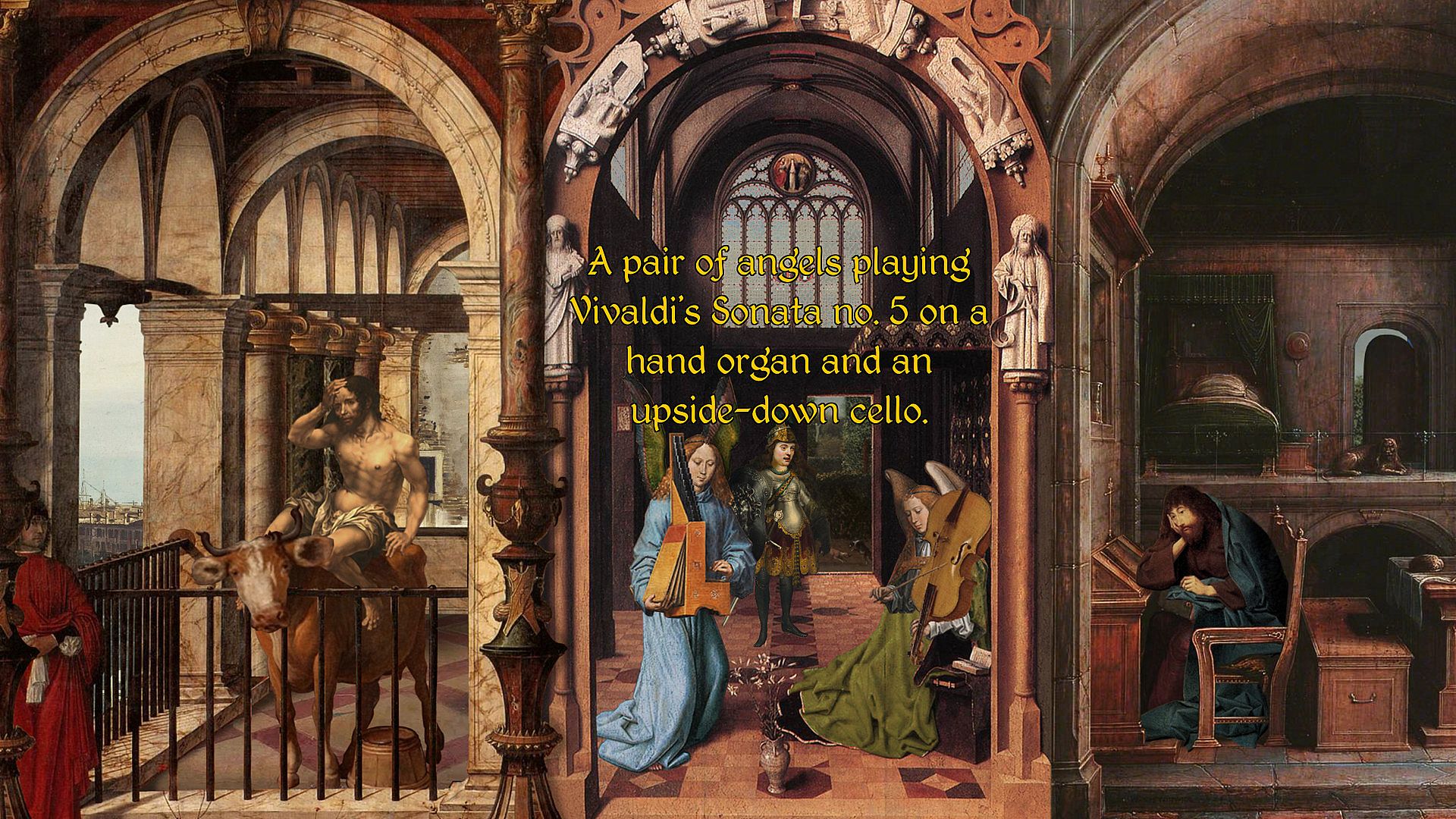
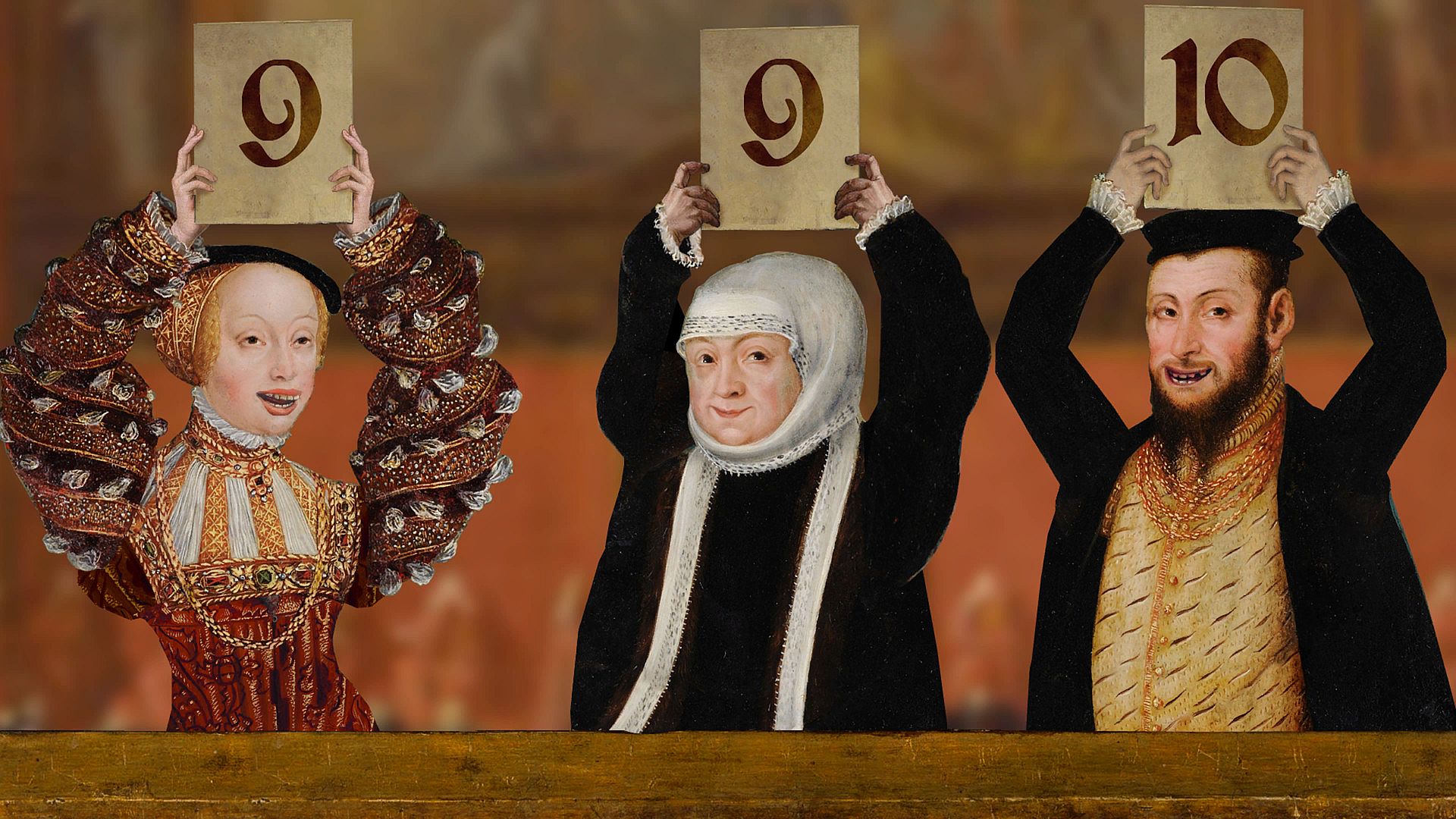
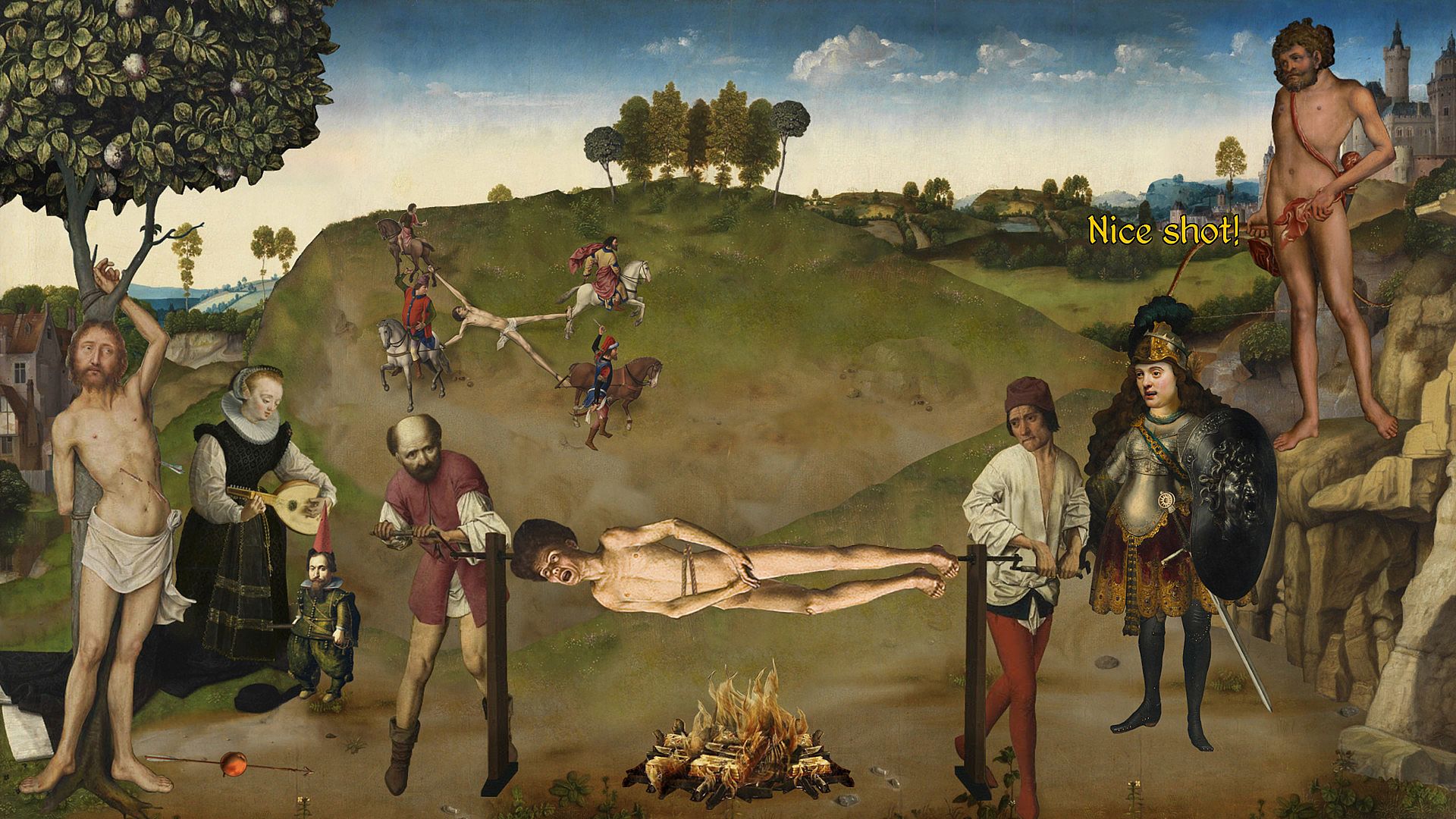
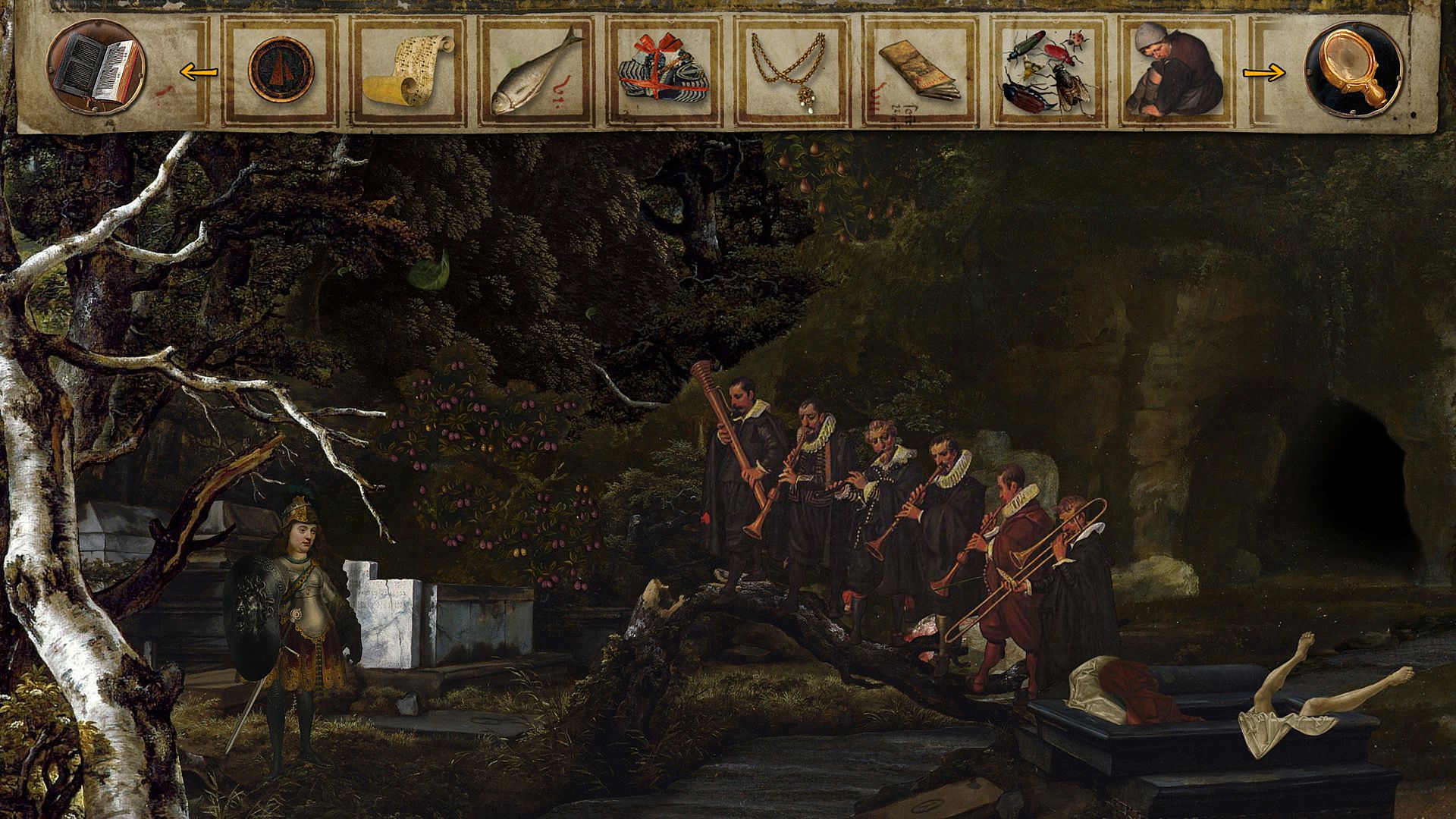
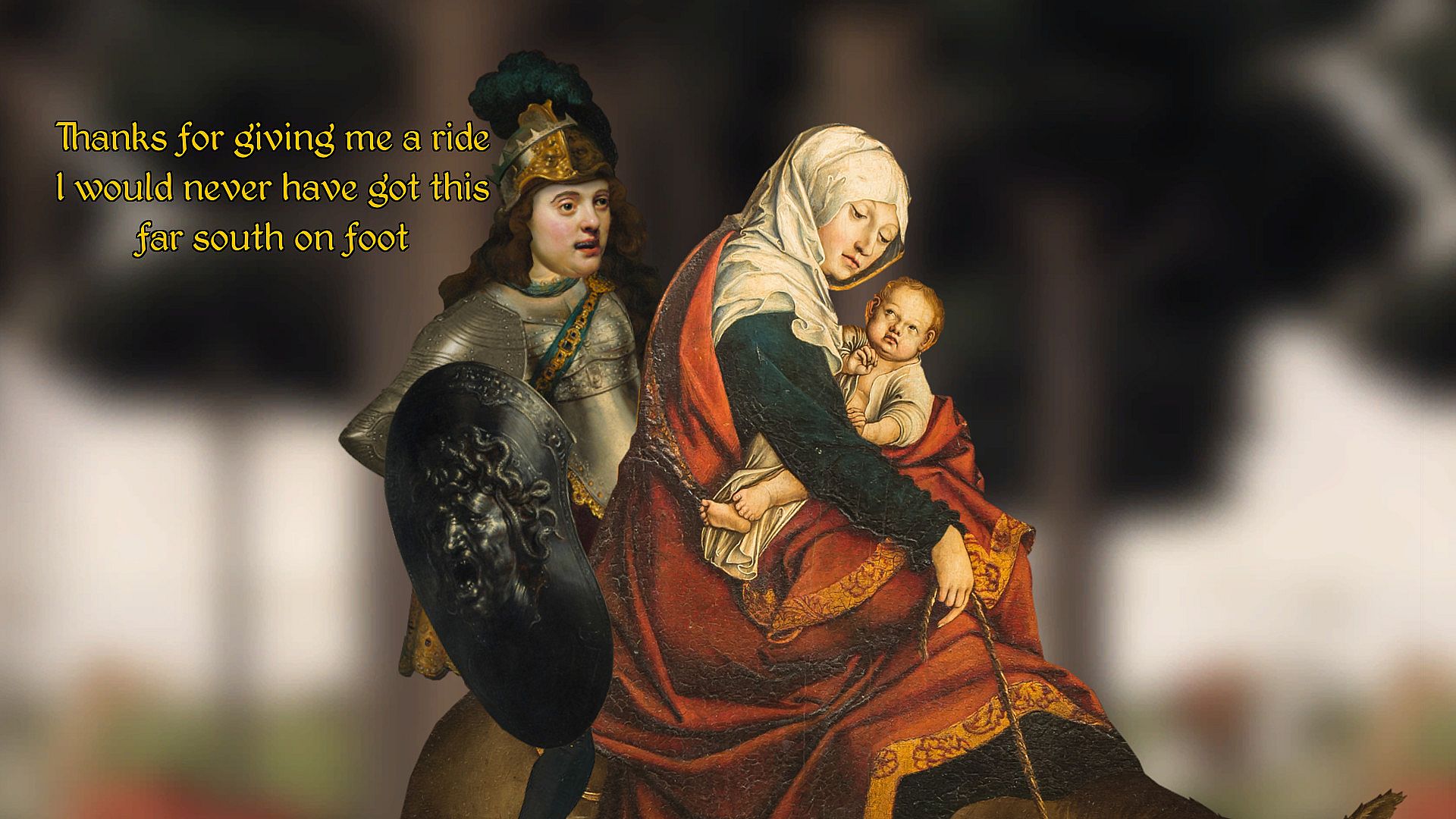
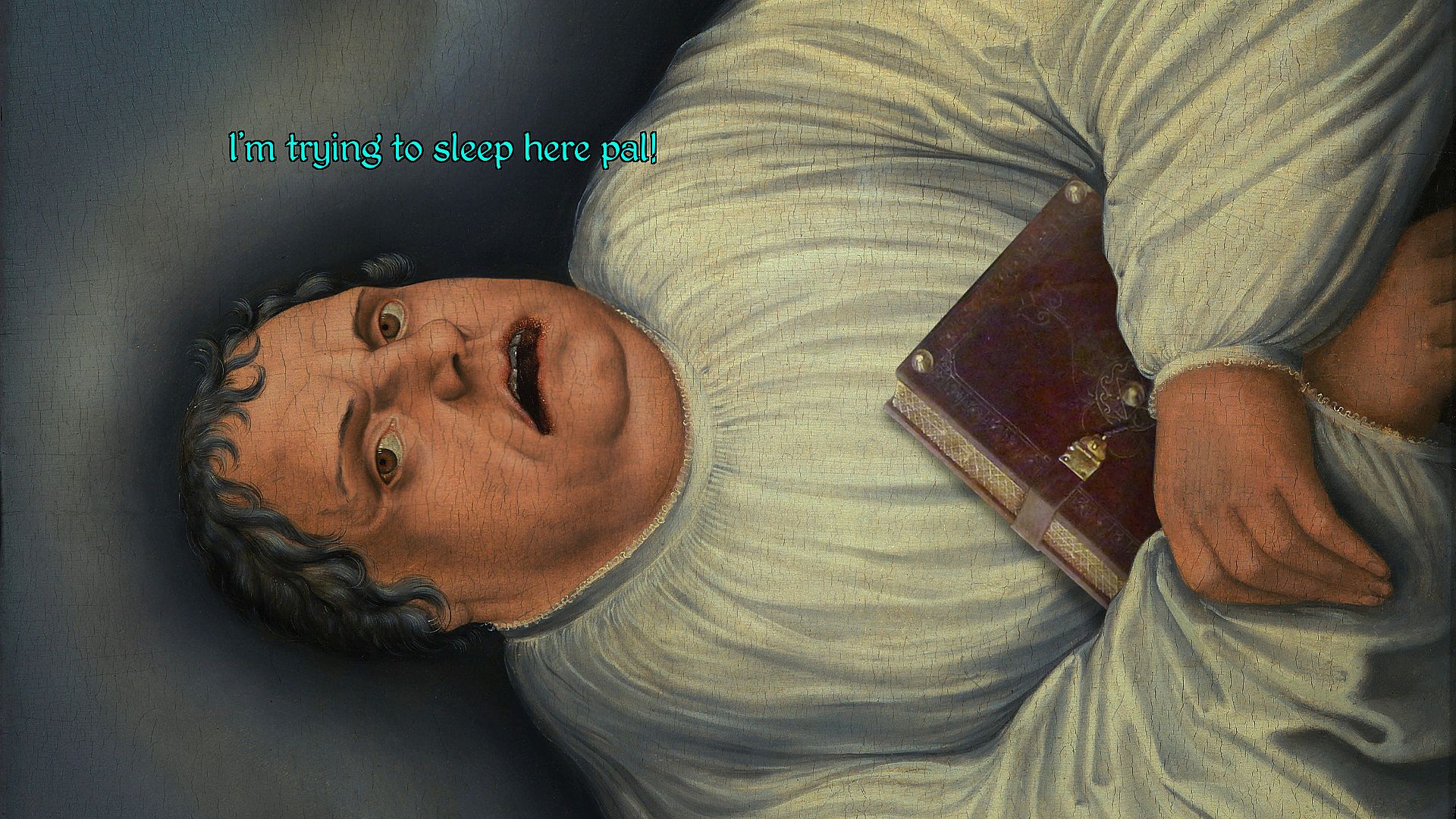
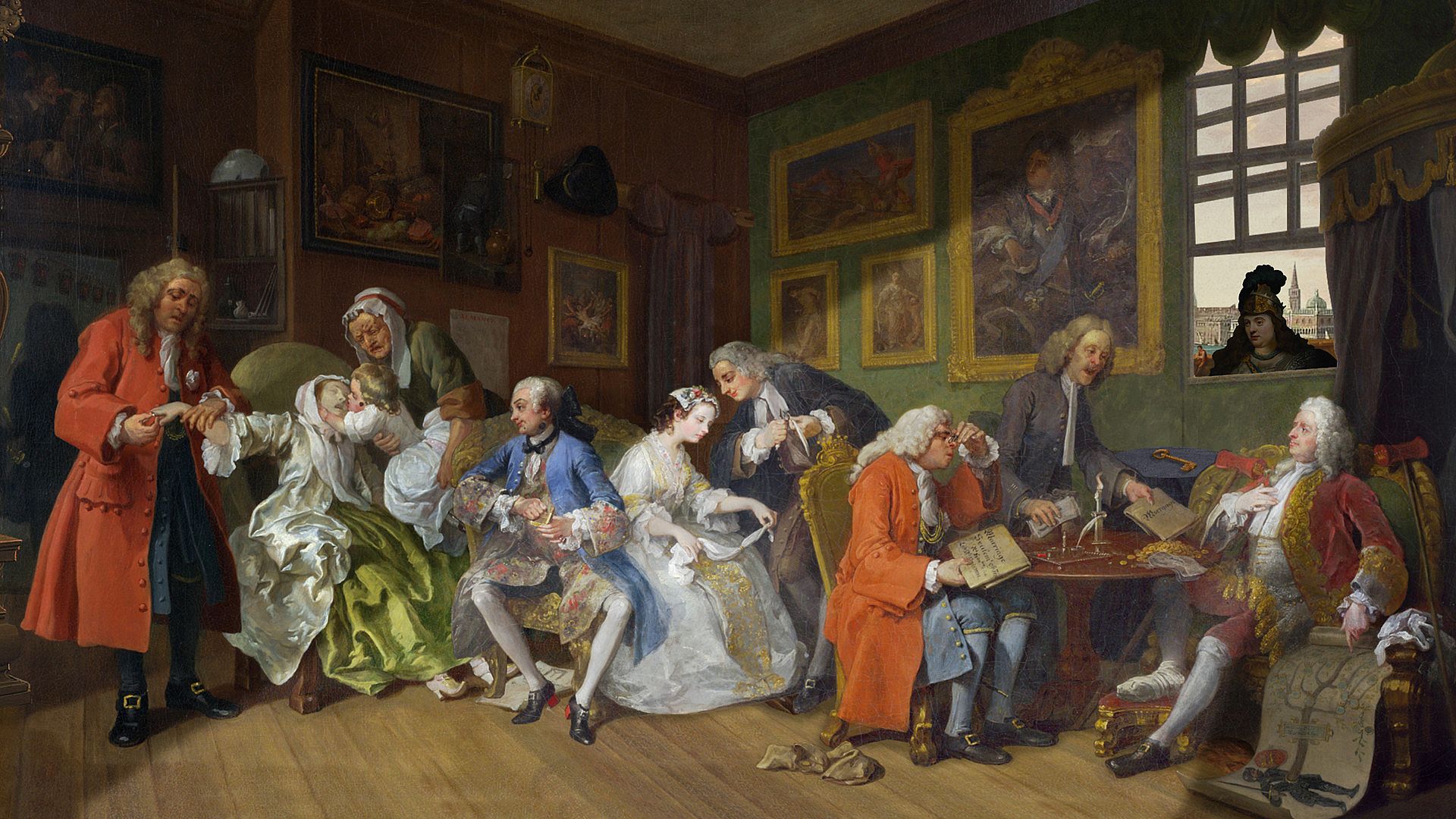
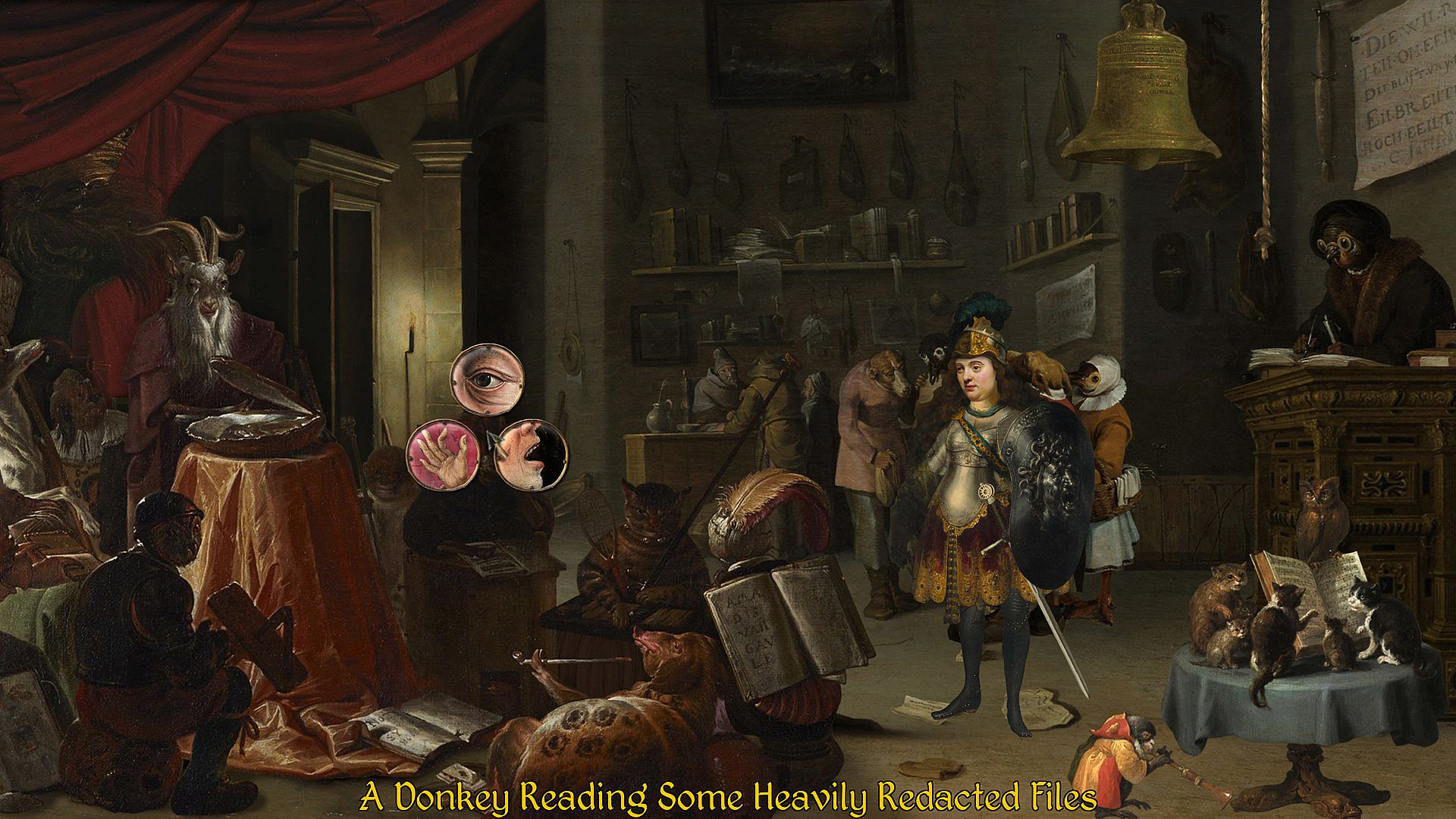
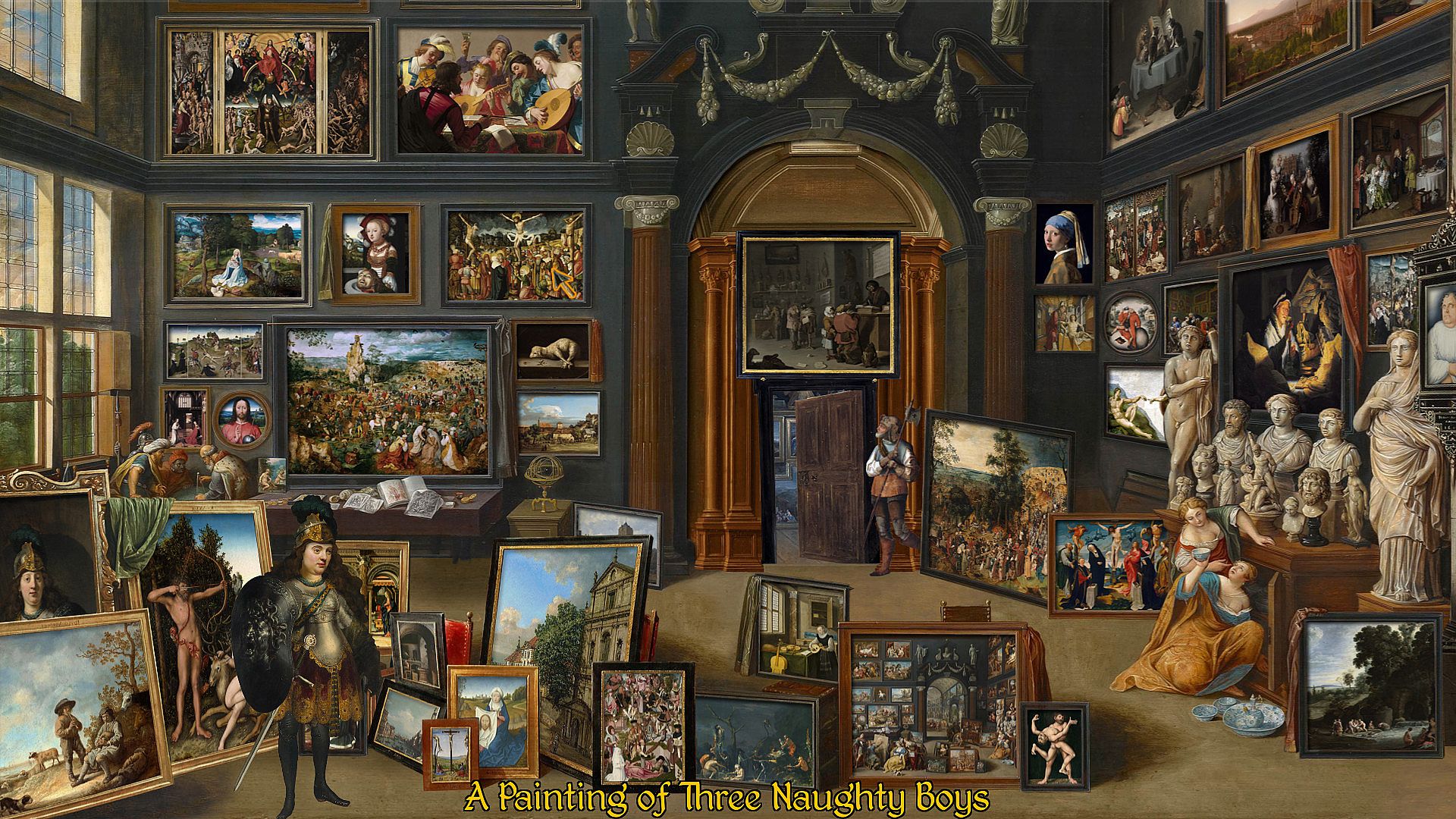
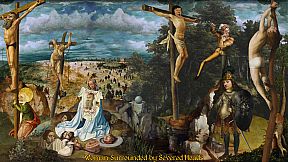
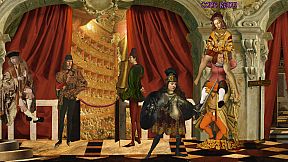
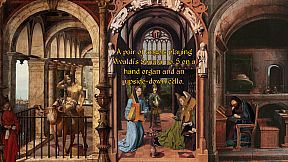
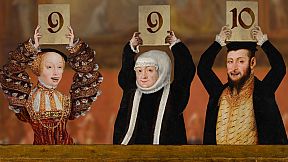
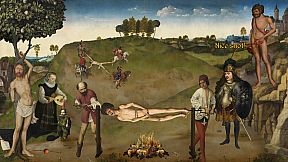
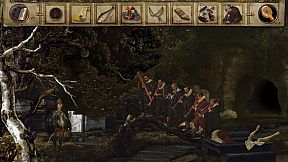
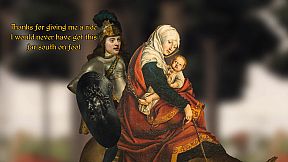
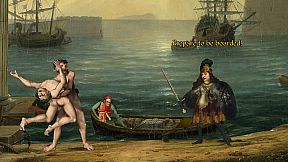
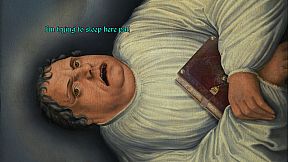
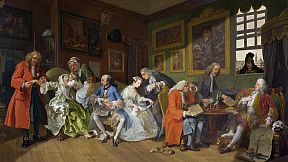
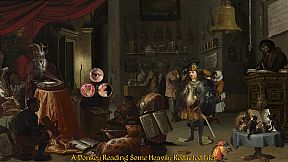
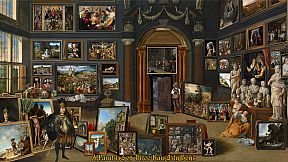
The Procession to Calvary is an indie point-and-click adventure game set in a world assembled from Renaissance paintings. Players take on the role of a soldier returning from a holy war who must track down the escaped tyrant Heavenly Peter. The experience blends traditional puzzle solving with absurd humor drawn from classical art and biblical themes treated in a flippant manner.
Gameplay
Core interaction relies on a classic point-and-click system that uses a verb coin menu for actions such as look, talk, use, and take. An inventory holds collected items that players drag and drop onto scenes or characters to progress. Exploration moves through a landscape stitched together from works by artists including Rembrandt, Botticelli, and Michelangelo, with careful attention to preserving the original painting styles in each composite scene.
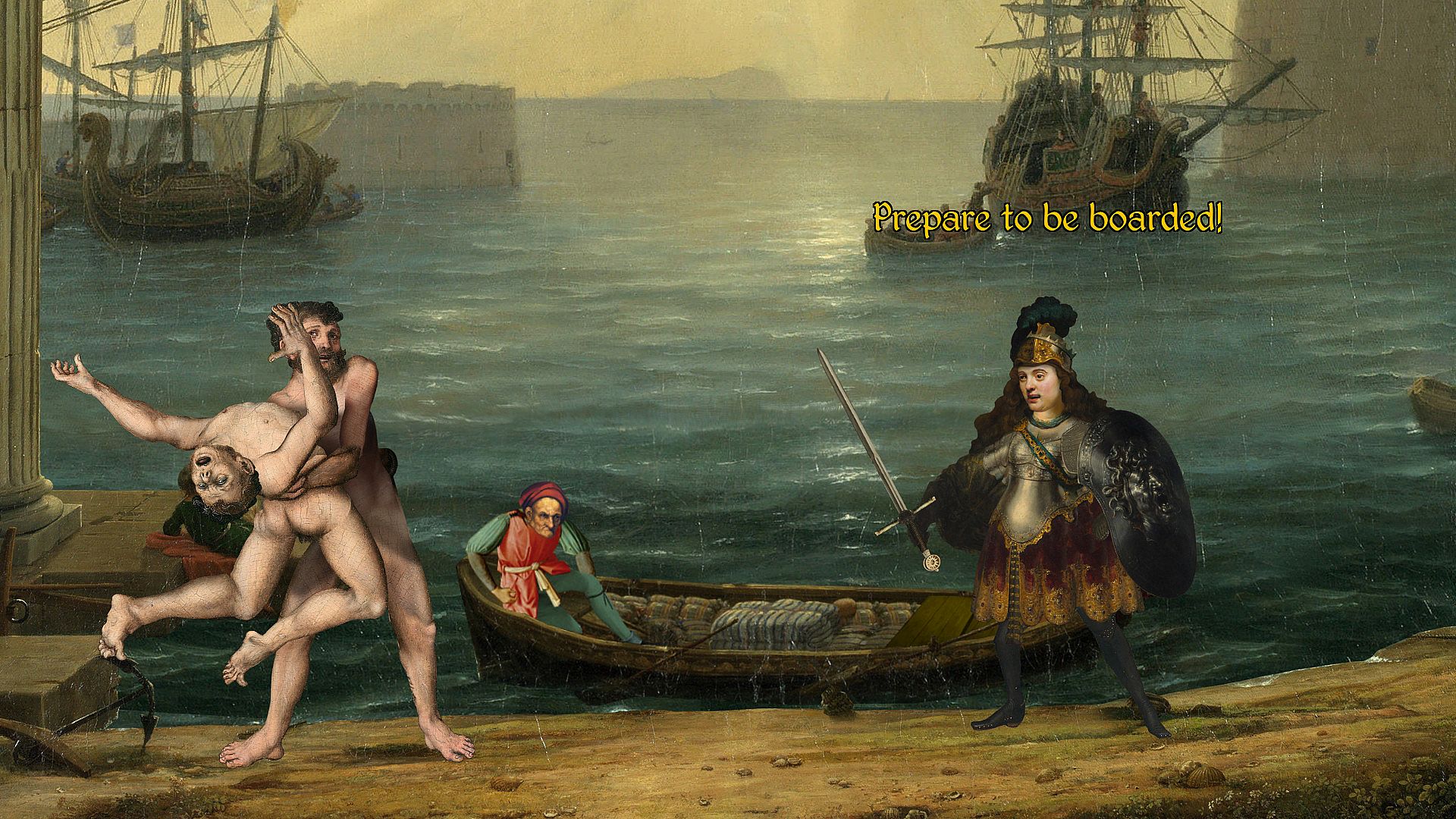
Puzzles follow internal logic that rewards observation and experimentation. Common tasks include trading objects, assisting eccentric characters, and navigating social situations through dialogue choices. A sword provides an alternative route through obstacles by allowing players to eliminate characters who block progress, though the game signals that this shortcut carries narrative consequences. Classical music selections from composers such as Vivaldi, Bach, and Handel play throughout to match the visual tone.
Game Modes
The game offers a single continuous narrative experience without separate modes or multiplayer components. The story functions independently even though it shares a setting with an earlier title. Players advance through a linear sequence of locations and encounters, with the optional murder mechanic creating minor branches that affect later scenes and endings. No additional game types such as challenges or alternate scenarios exist beyond this core single-player structure.
Story and Presentation
The plot follows the protagonist's search across a post-war landscape filled with ruined churches and displaced figures. Encounters range from practical tasks like stealing a ship or feeding a donkey to more theatrical moments such as entering a talent contest or conversing with divine figures. Humor arises from surreal juxtapositions of lofty religious imagery with mundane or crude gags, maintaining a consistent internal logic for its puzzles despite the anarchic tone.
Visual design emphasizes fidelity to source paintings while allowing seamless movement between them. The soundtrack supports the atmosphere without overpowering the focus on visual discovery and dialogue. Length remains modest, with a full playthrough typically requiring a few hours when pursuing all optional interactions.
Is It Worth Playing?
This title suits players who enjoy traditional point-and-click adventures and appreciate dry, irreverent comedy. The combination of detailed Renaissance collage art and flexible puzzle solutions through either careful item use or direct confrontation gives it a distinct identity. Those sensitive to irreverent treatment of religious subjects may prefer to skip it, while fans of short, self-contained stories with replay value from different endings will find the experience rewarding. The game remains available on PC with no further updates required for its complete single-player content.