



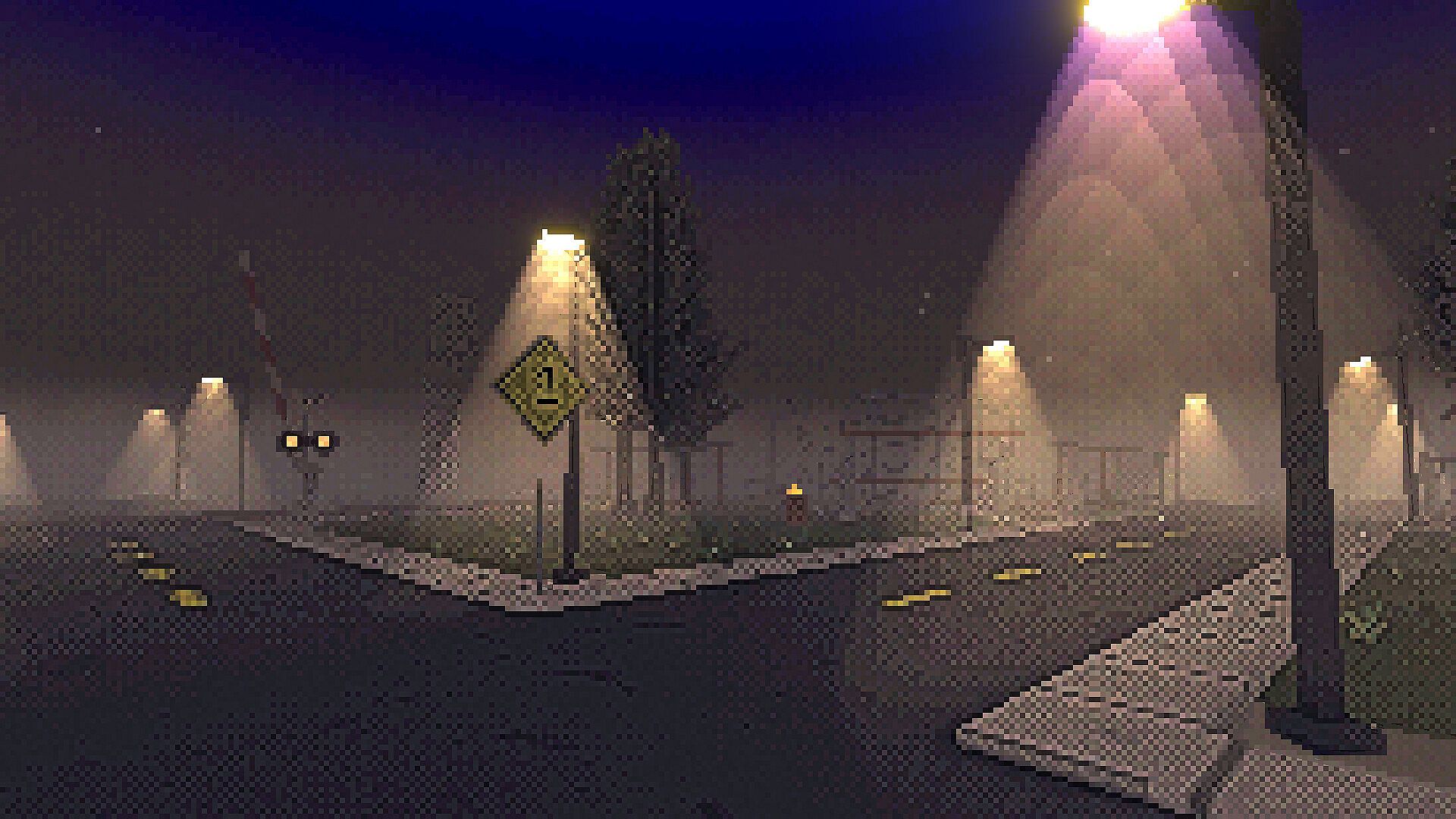
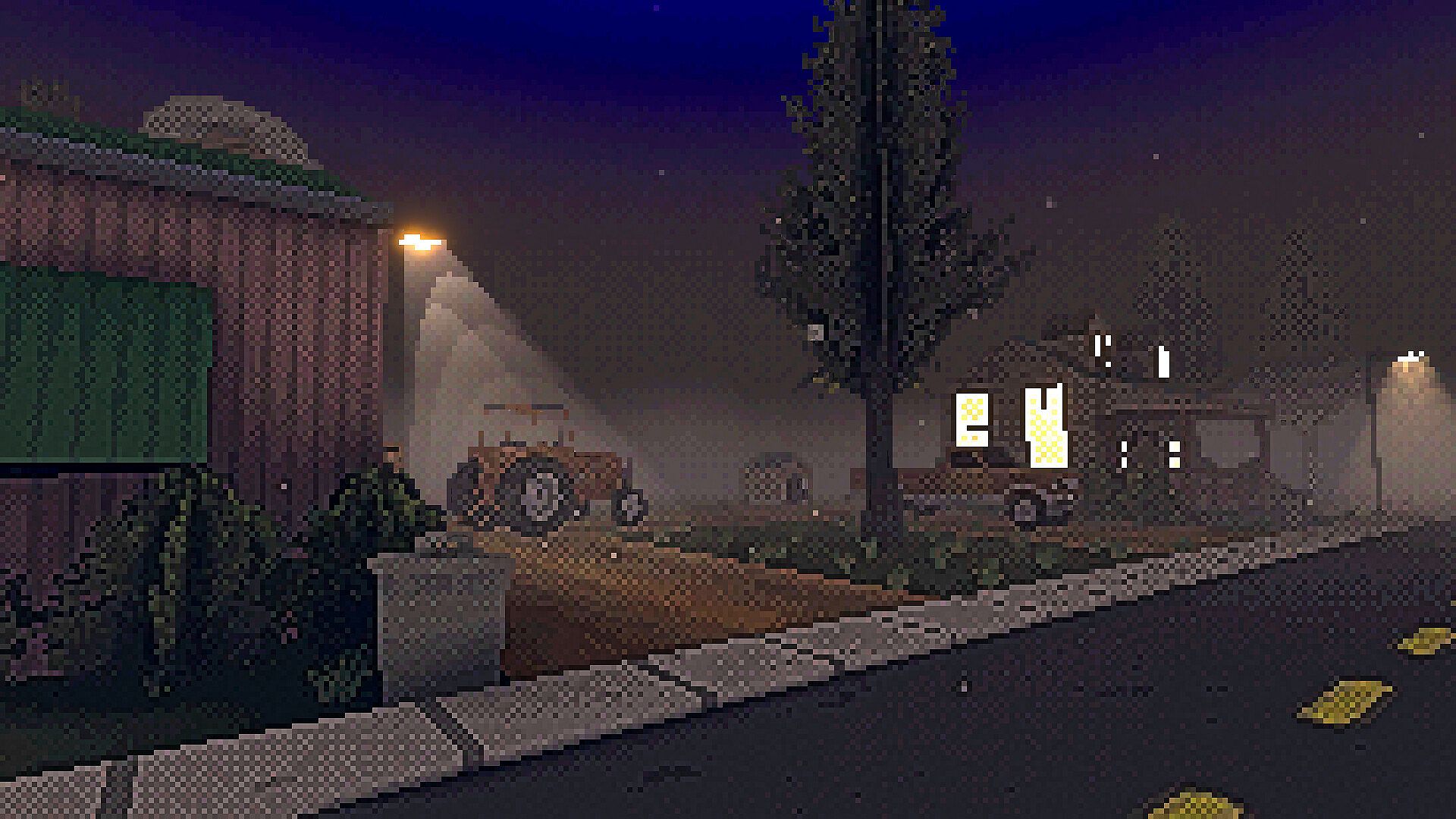
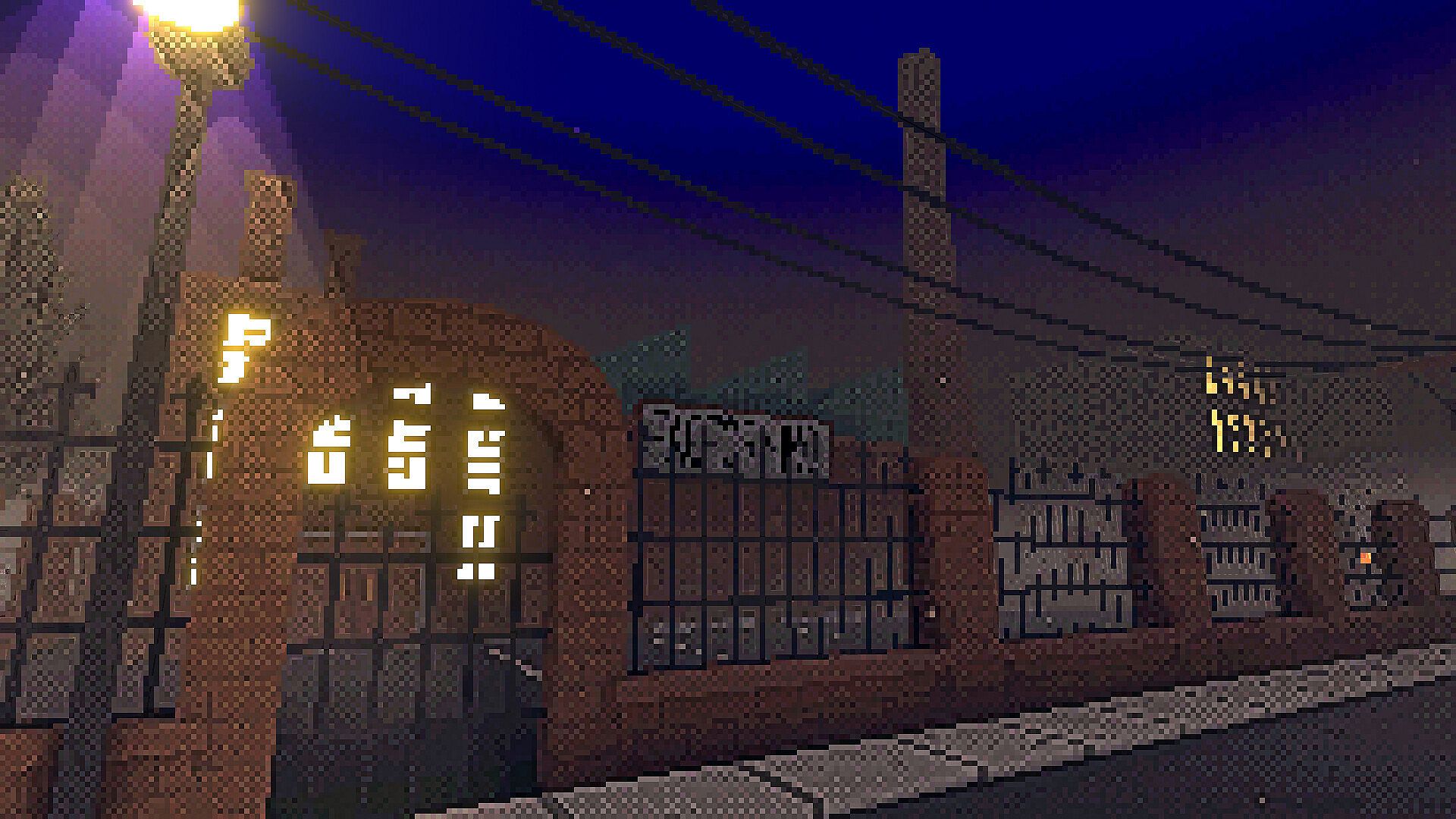
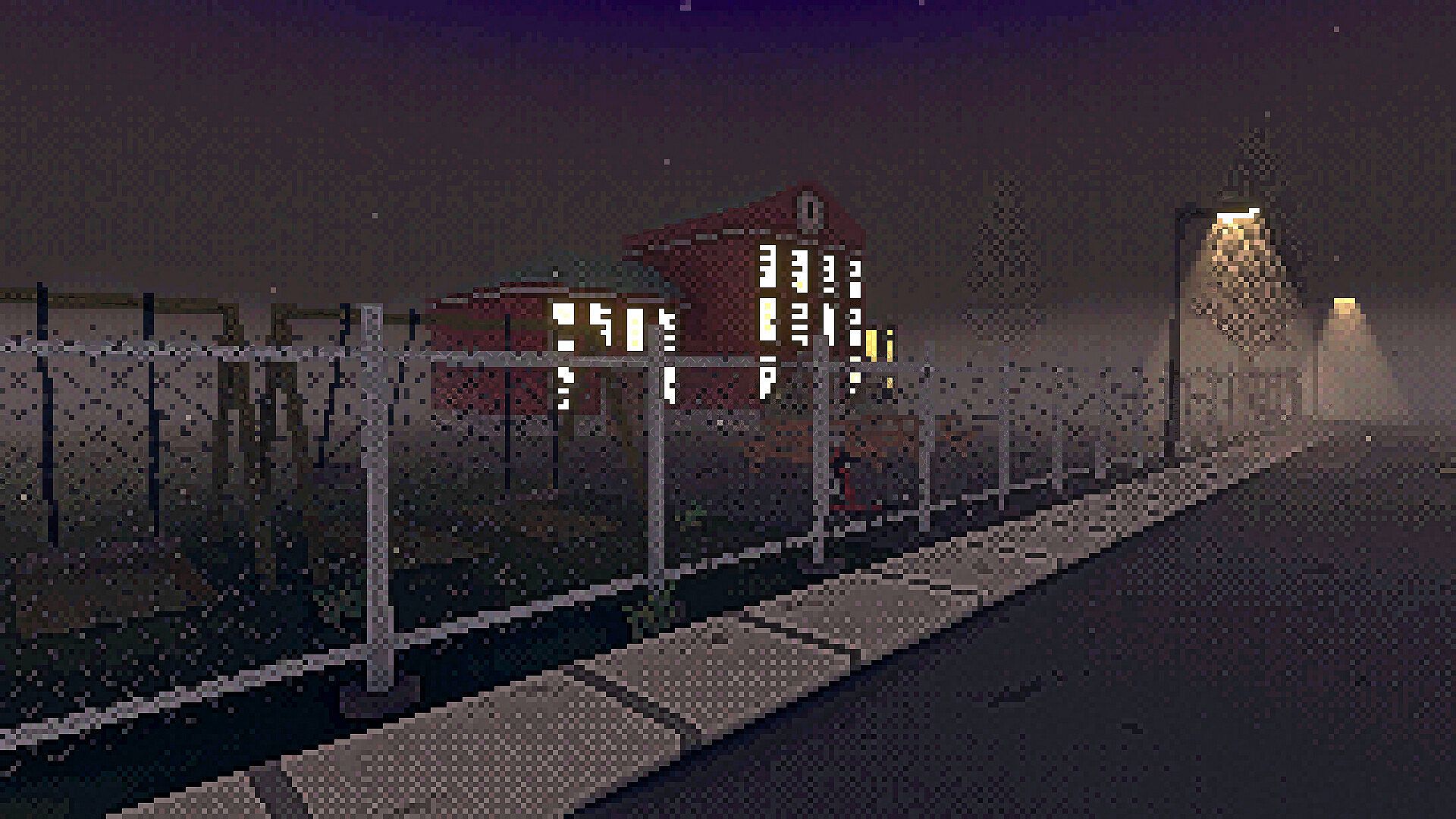
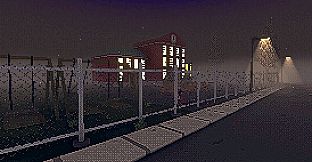
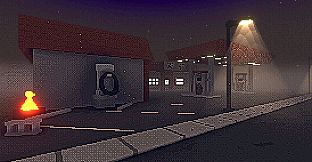
The Outskirts is a singleplayer simulation game for PC that places players in a looping residential neighborhood shrouded in dense fog. The experience centers on careful observation at a four-way intersection where streets repeat endlessly until the correct path is identified through attention to detail and avoidance of anomalies.
Gameplay
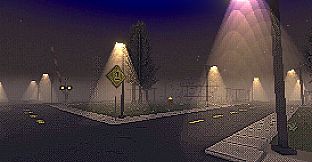
Players begin at midnight in the middle of the intersection. Each attempt requires inspecting the surrounding area for changes or inconsistencies before selecting one of the four roads. A correct choice advances time, while an incorrect one resets the loop back to the starting point. The process repeats until ten successful navigations bring the night to an end and break the cycle.
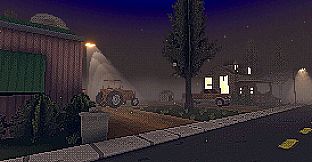
Progress depends on spotting over forty anomalies scattered throughout the environment. These range from misplaced objects to shifts in building structures that appear natural at first glance. The design encourages repeated runs to build familiarity with what belongs and what signals danger. Memory plays a central role, as patterns from prior attempts help distinguish safe routes from deceptive ones.
The core loop rewards patience and repeated observation rather than speed or reflexes. Each reset offers a fresh chance to notice new details, turning failure into an opportunity for better awareness on the next try.
Game Modes
The Outskirts offers a single focused experience built around the intersection navigation loop. There are no separate modes or variations listed in the available information. All play revolves around the same core challenge of identifying safe paths through the repeating neighborhood while tracking anomalies.
This unified structure keeps attention on the observational and memory elements without additional layers or alternate rulesets. Players engage with the same intersection and progression system from start to finish, advancing only through consistent correct choices across multiple resets.
Visual Style and Atmosphere
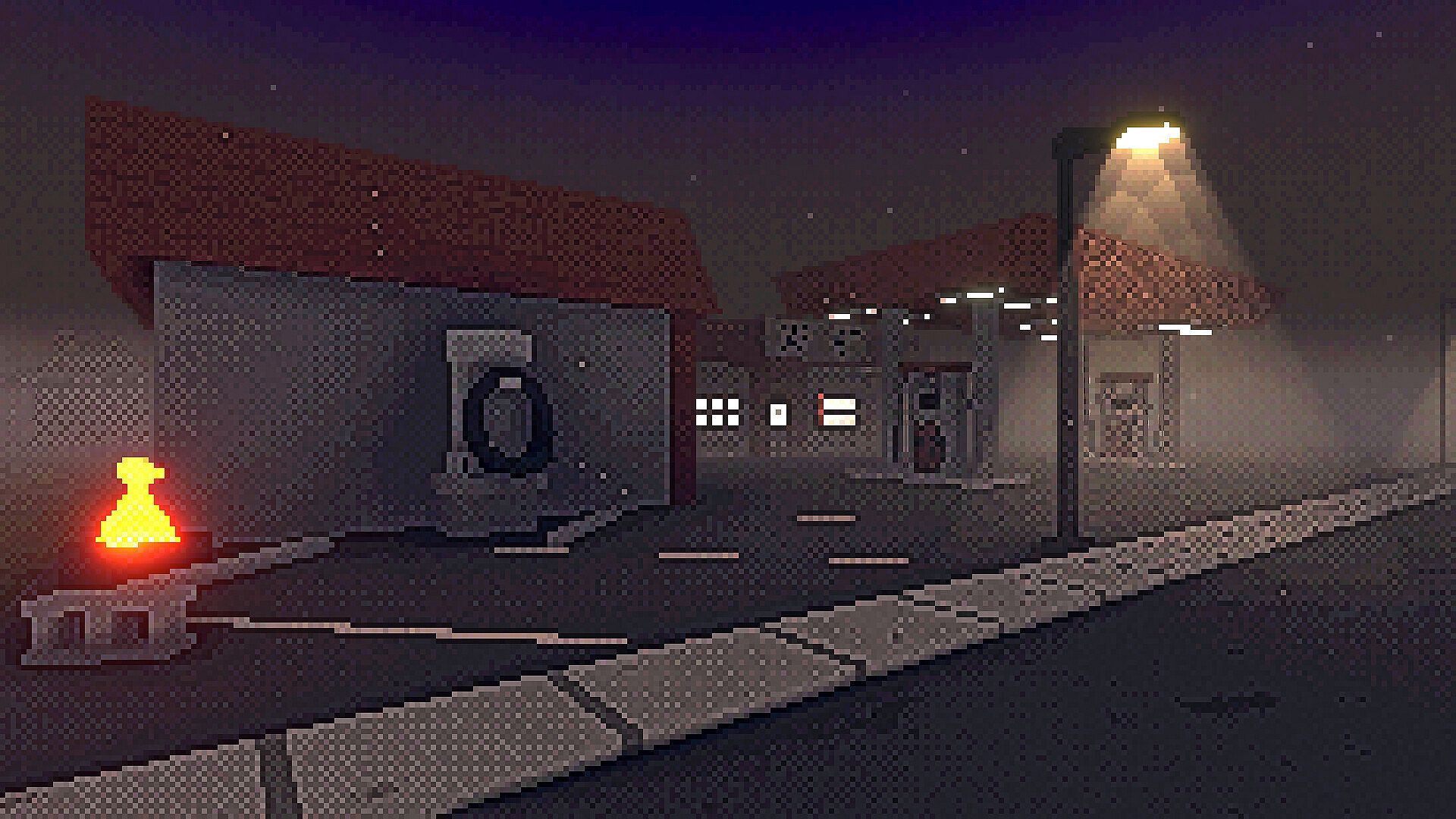
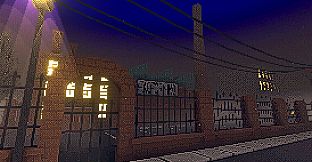
The game uses a liminal retro aesthetic inspired by older console graphics. Low-poly models, dithered lighting, and thick atmospheric fog create a quiet, unsettling neighborhood that feels both familiar and off. The visual approach supports the gameplay by making subtle anomalies harder to detect at a glance, encouraging closer inspection of every corner and object.
Fog limits visibility and adds to the sense of disorientation as streets loop back on themselves. The style stays consistent throughout, reinforcing the feeling of being trapped in an endlessly repeating space without relying on flashy effects or changing environments beyond the anomalies themselves.
Is It Worth Playing?
The Outskirts suits players who enjoy deliberate, observation-based challenges and short sessions built around memory and attention to detail. Its focused design makes it accessible for casual play while still testing patience through repeated resets and anomaly hunting.
Those drawn to liminal spaces, retro-inspired visuals, and puzzle-like exploration without combat or complex systems will find the core loop engaging. The experience stays narrow by design, delivering a complete session once the loop is broken rather than ongoing content or multiple endings.
Because no player reviews or update history appear in available sources, the recommendation rests on whether the described mechanics match personal preferences for quiet, methodical simulation gameplay. The game remains available on PC for those interested in trying the intersection navigation firsthand.