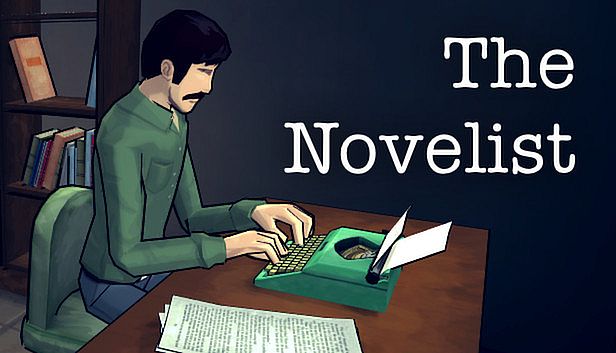











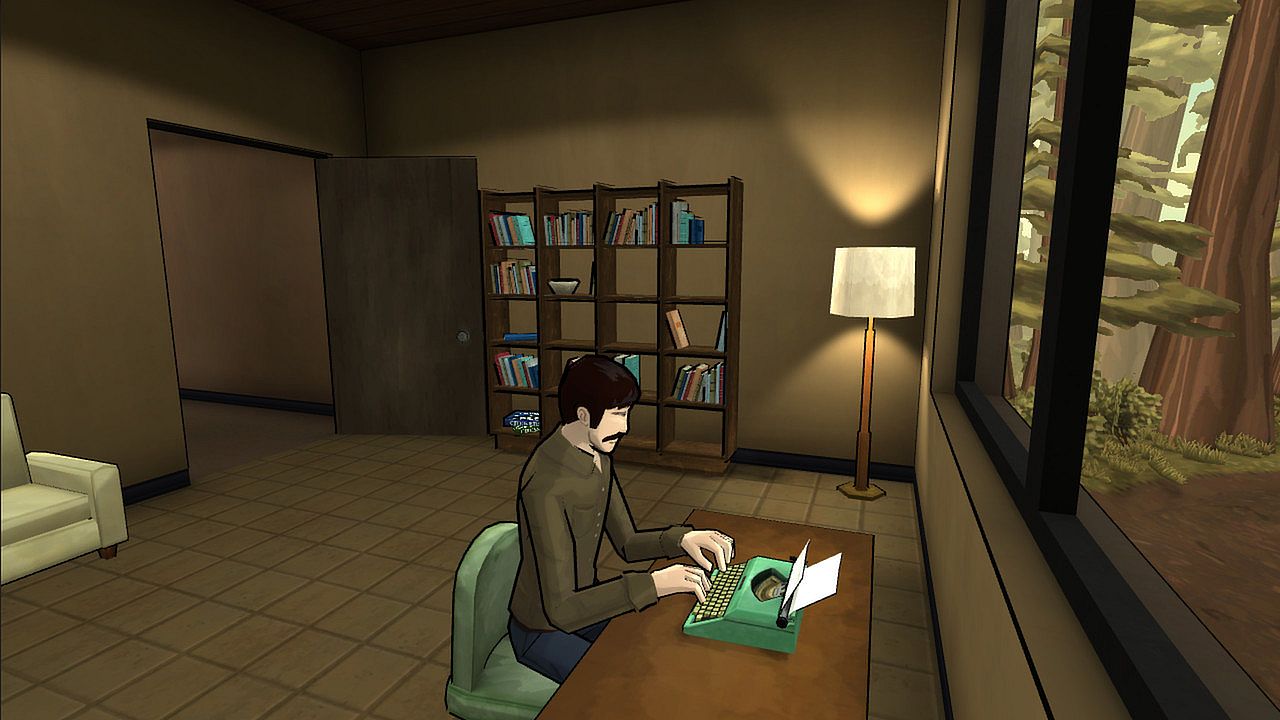
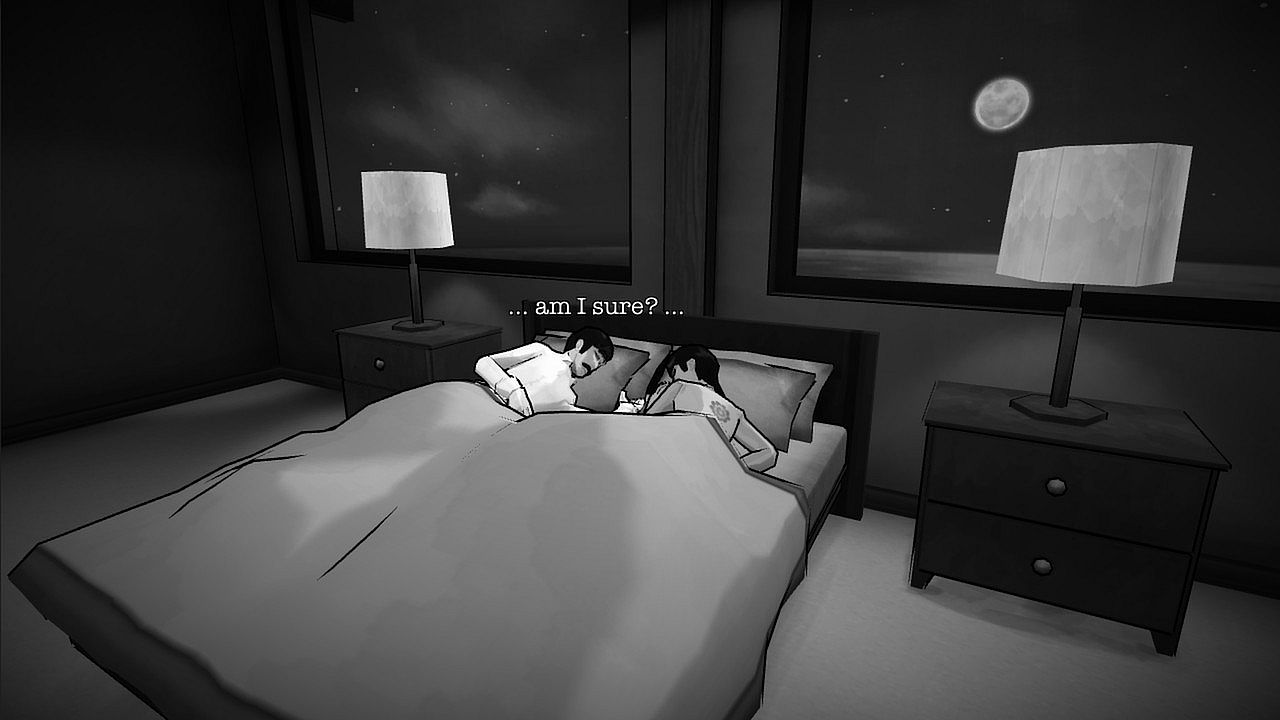
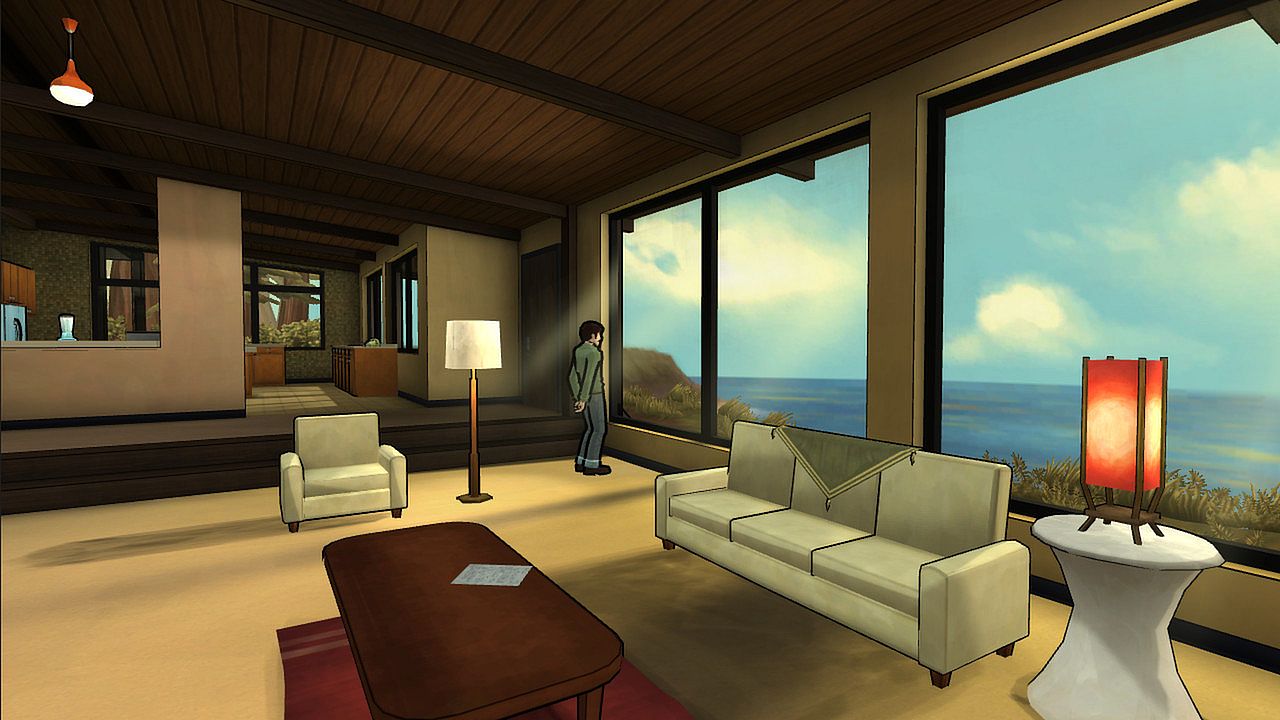
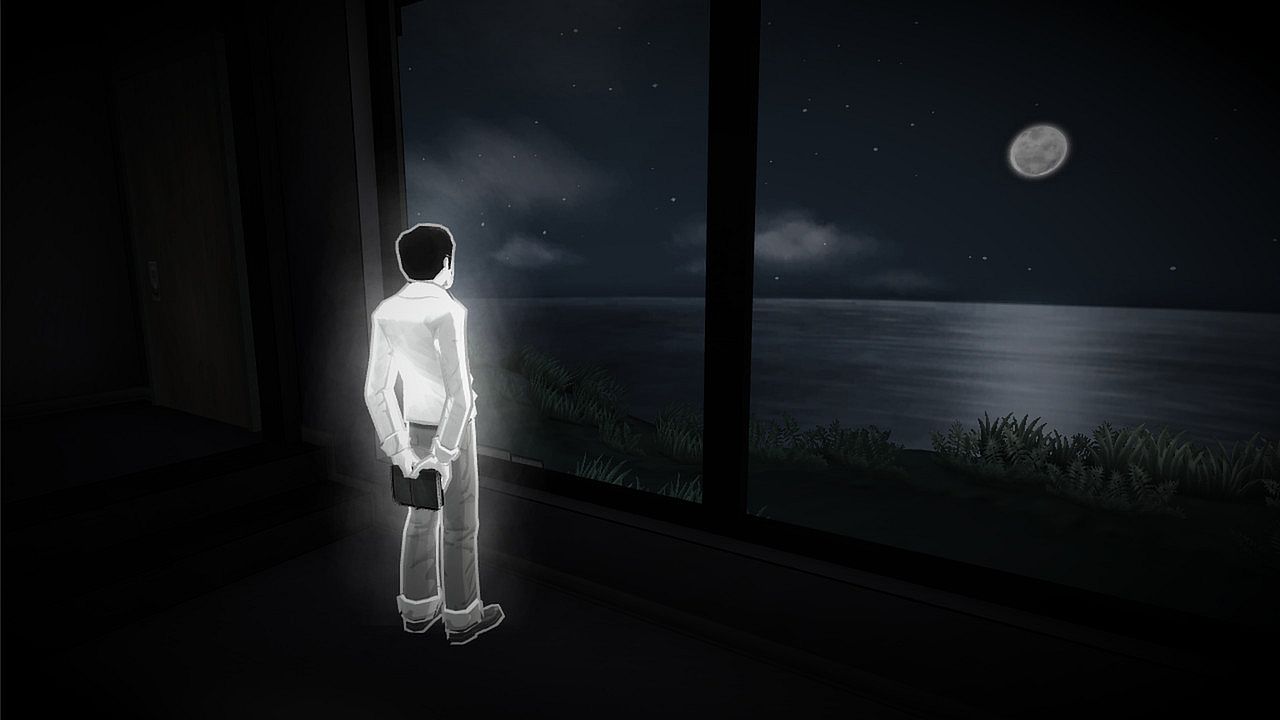
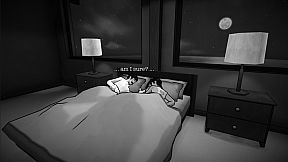
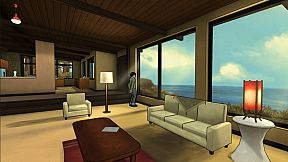

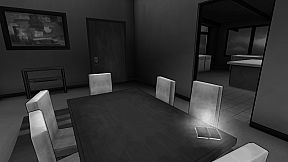
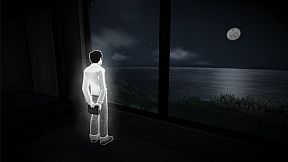
The Novelist is a singleplayer narrative adventure game developed by Orthogonal Games. Players take on the role of an unseen presence in a remote coastal house occupied by the Kaplan family during one summer. The central focus rests on novelist Dan Kaplan as he balances his writing ambitions with responsibilities to his wife and son. Every decision shapes the family's relationships and outcomes without any combat or action elements typical of other genres.
Gameplay
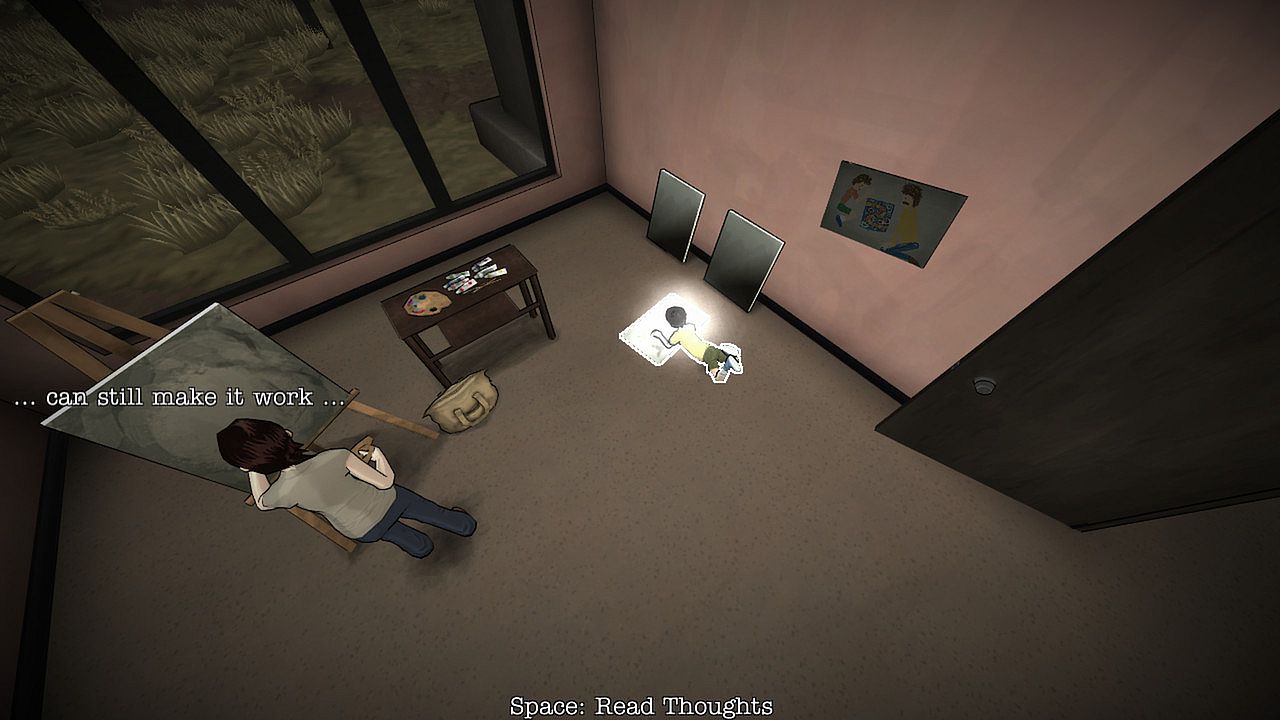
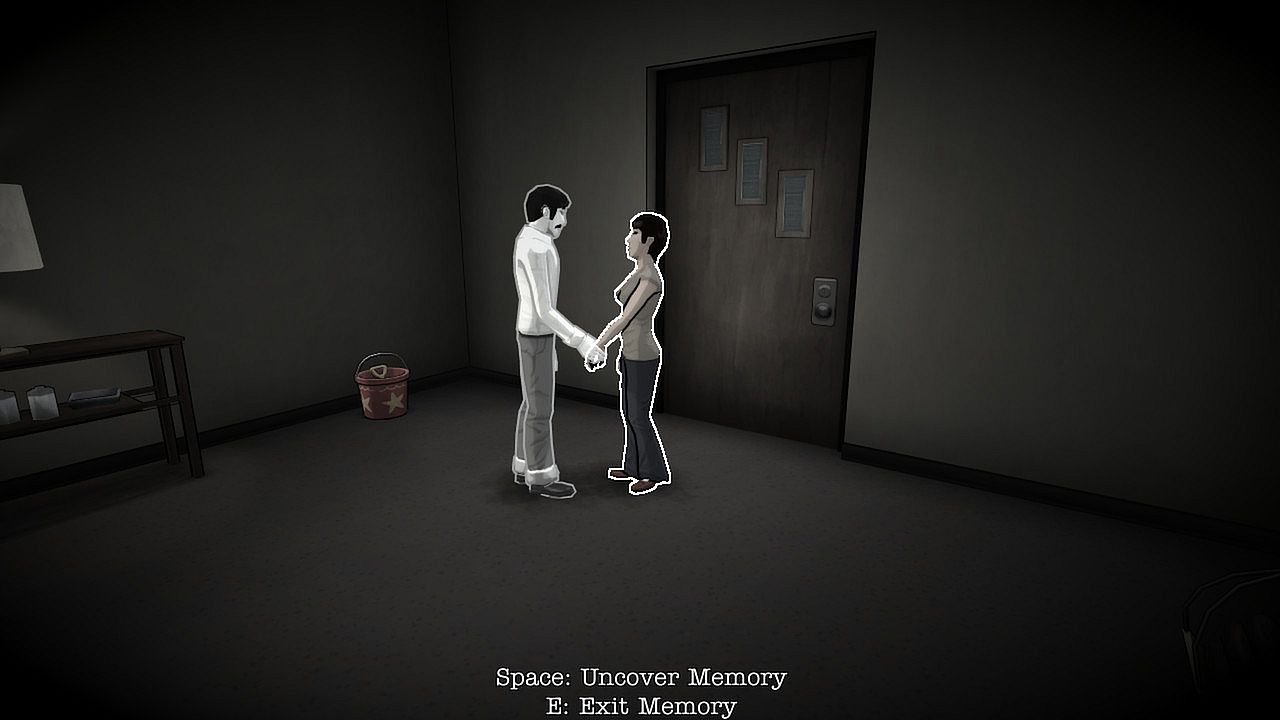
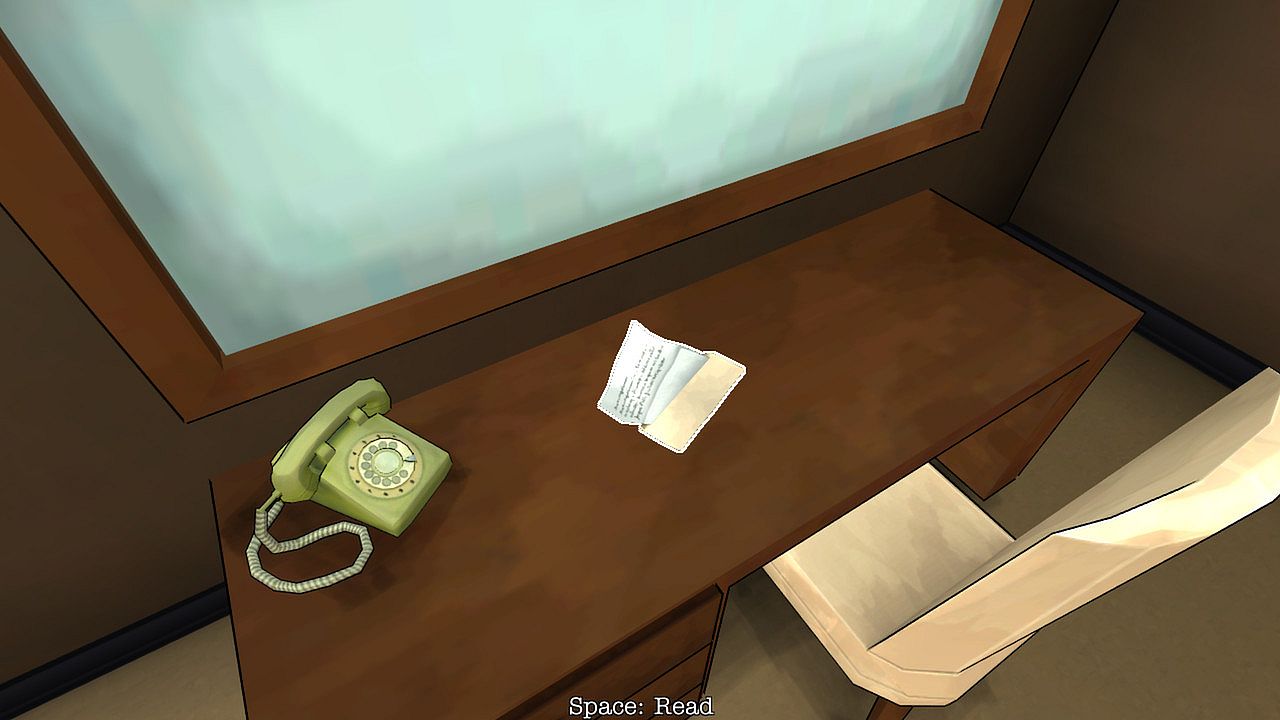
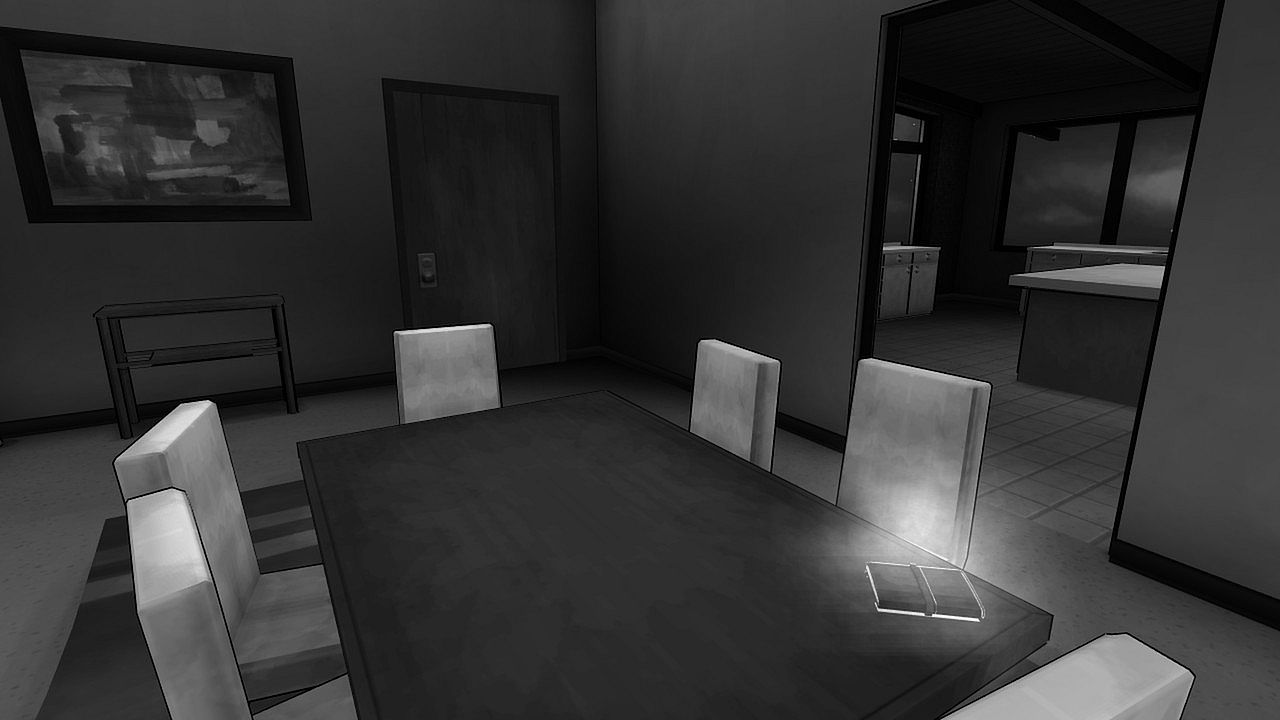
Core mechanics revolve around observation and subtle influence within the house. The player reads the thoughts of family members, examines personal memories through objects and notes, and identifies individual desires. Interventions occur through targeted actions that steer events toward different priorities, such as advancing Dan's book or strengthening family bonds. The environment consists of interconnected rooms where exploration reveals new details each time. Relationships evolve based on accumulated choices, creating shifts in dialogue and behavior that reflect compromises between career goals and personal connections. Replay value stems from the branching sequences that emerge from varied decision paths, ensuring no two playthroughs follow identical event orders.
Game Modes
Two primary modes alter the visibility and challenge level. Story mode renders the player invisible at all times, allowing unrestricted movement and focus on narrative exploration without risk of detection. Stealth mode introduces visibility rules where family members can spot the presence, requiring careful positioning and timing to avoid notice while still gathering information and making interventions. These modes provide options for different player preferences regarding tension and accessibility during a single play session.
Story and Choices
The narrative centers on realistic family tensions without supernatural threats beyond the player's ghostly role. Dan's manuscript progress, his wife's emotional needs, and his son's development all compete for attention through daily routines and key moments. Choices carry direct costs, often forcing trade-offs that leave some aspects of life improved while others suffer. The system tracks three main relationship threads that respond dynamically, leading to multiple possible endings determined by the balance struck across the summer. This structure emphasizes personal reflection on priorities rather than puzzle-solving or resource management.
Is It Worth Playing?
The game suits players interested in choice-driven stories and emotional decision-making in a compact singleplayer format. Steam user reviews stand at mostly positive with 78 percent approval from over 550 ratings, highlighting the impact of its family-focused narrative. Metacritic aggregates critic scores around 66, noting strengths in writing alongside simpler presentation. Released in 2013 with no further updates or seasonal content, it remains available as a complete experience on PC. Those seeking short sessions with meaningful consequences and replayability through different choice sequences will find it aligns well with indie adventure preferences, while those preferring action or ongoing multiplayer elements may look elsewhere.