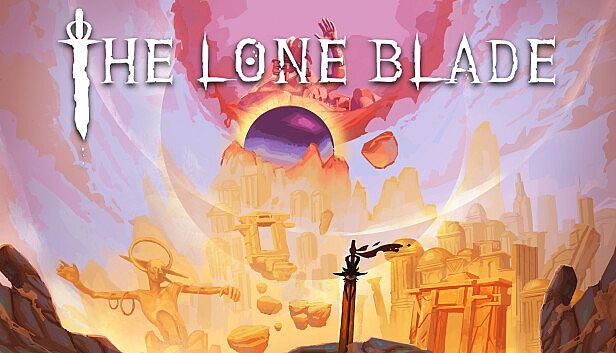












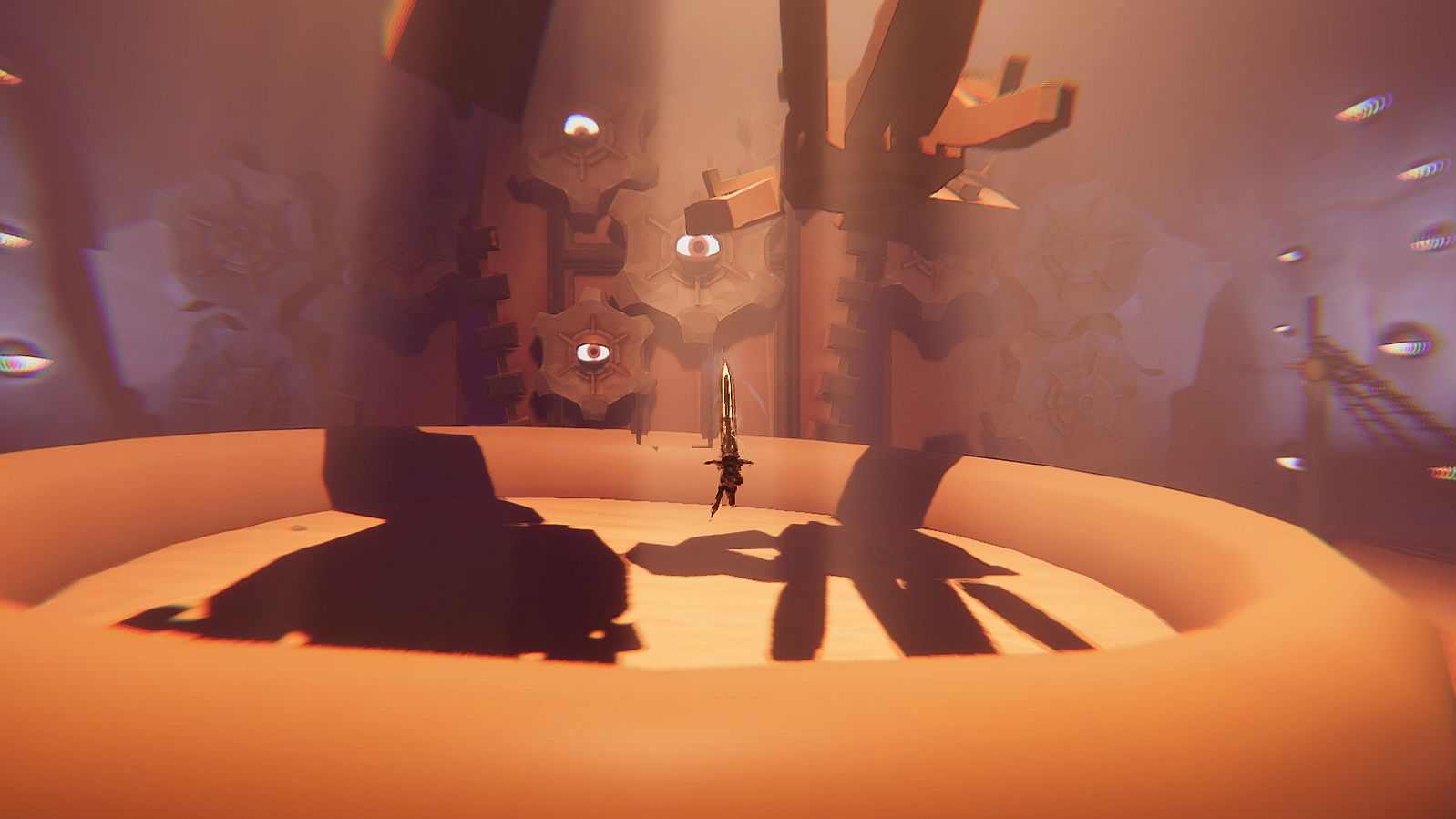
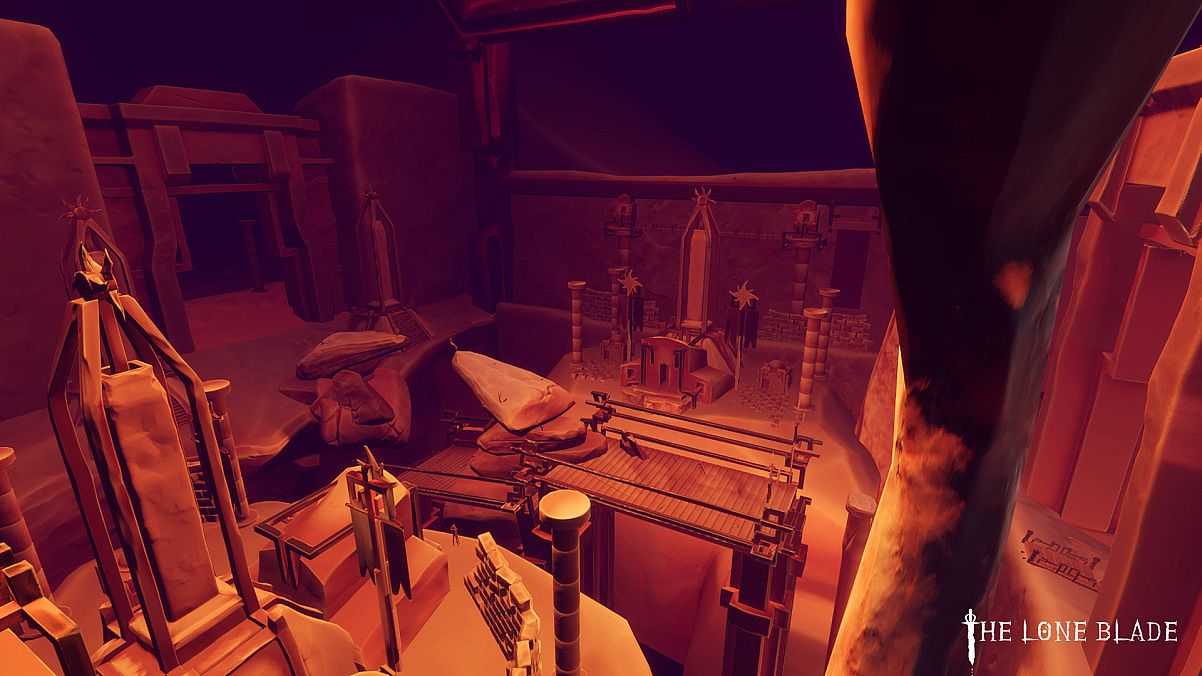
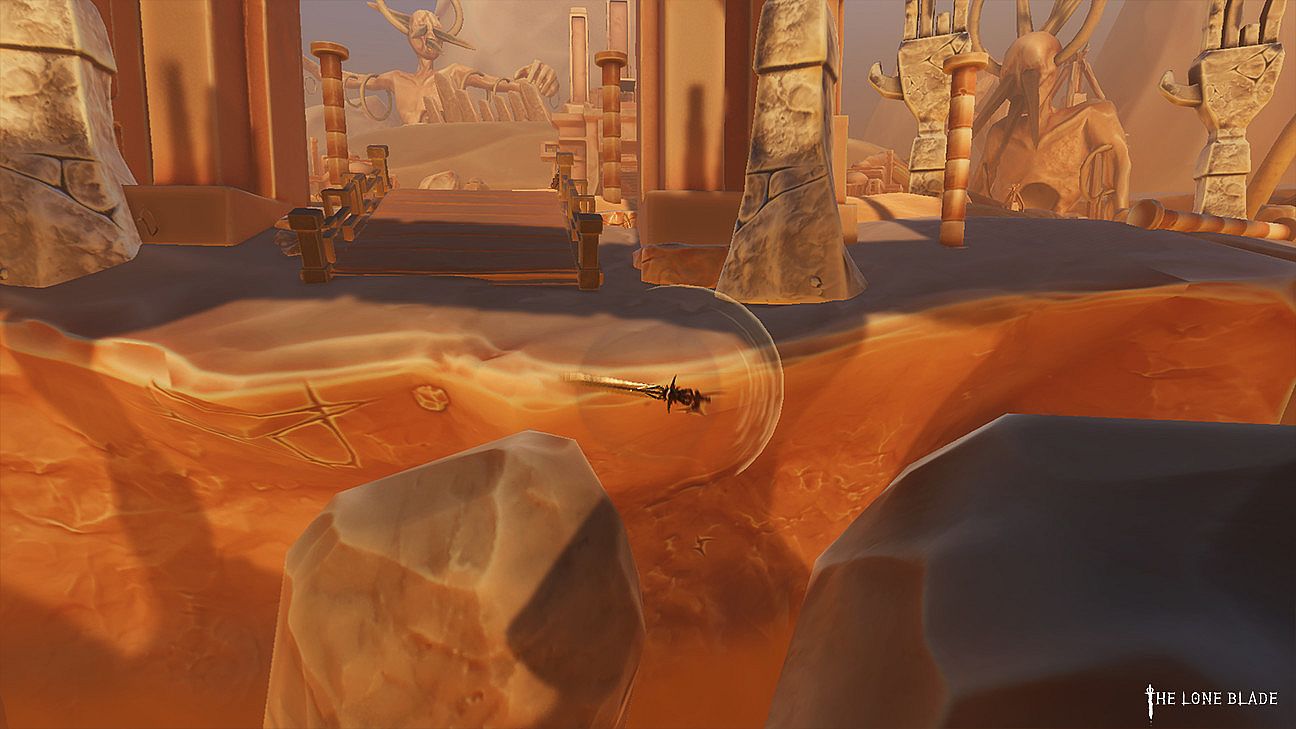
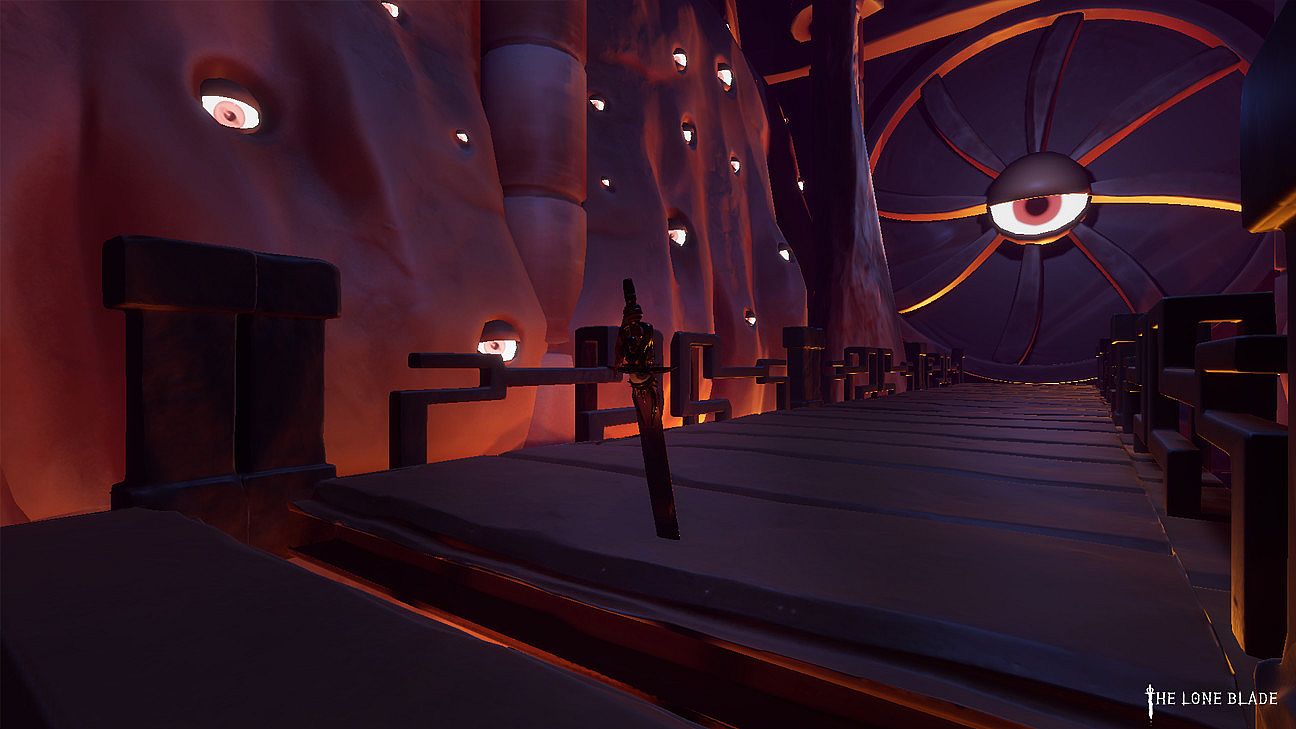
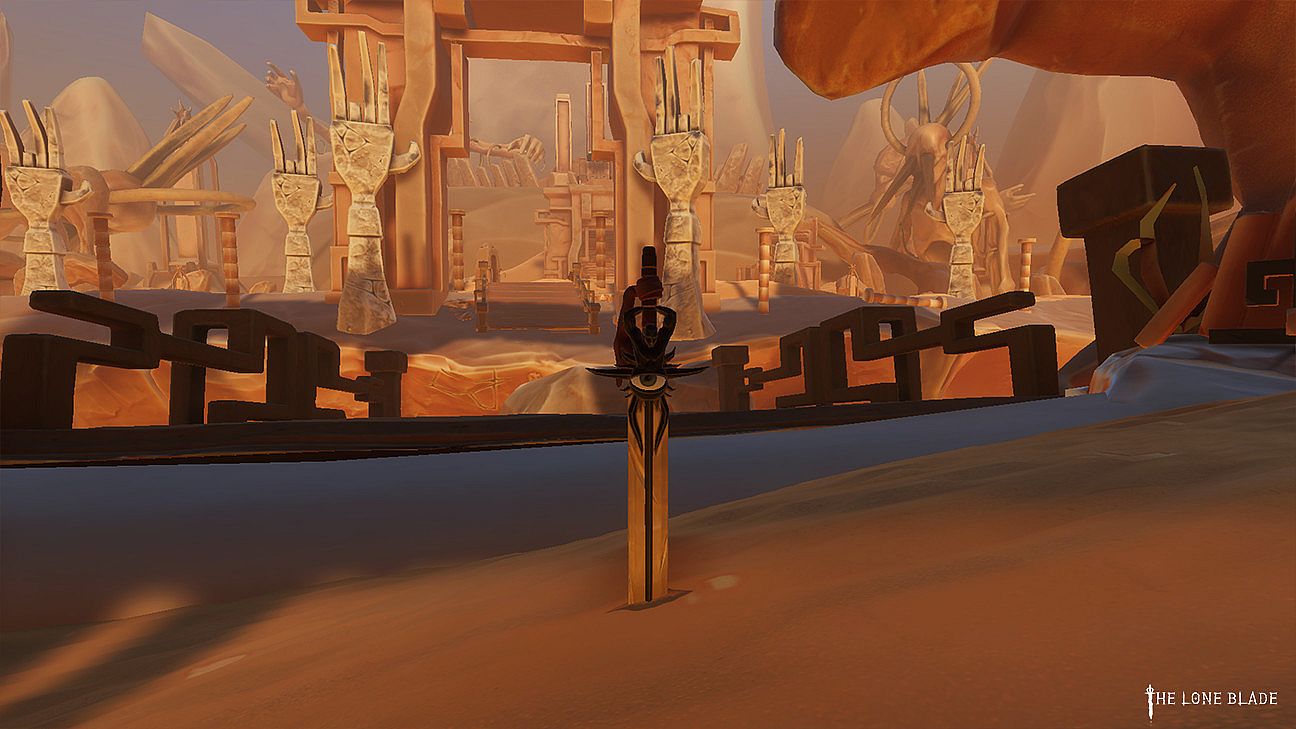
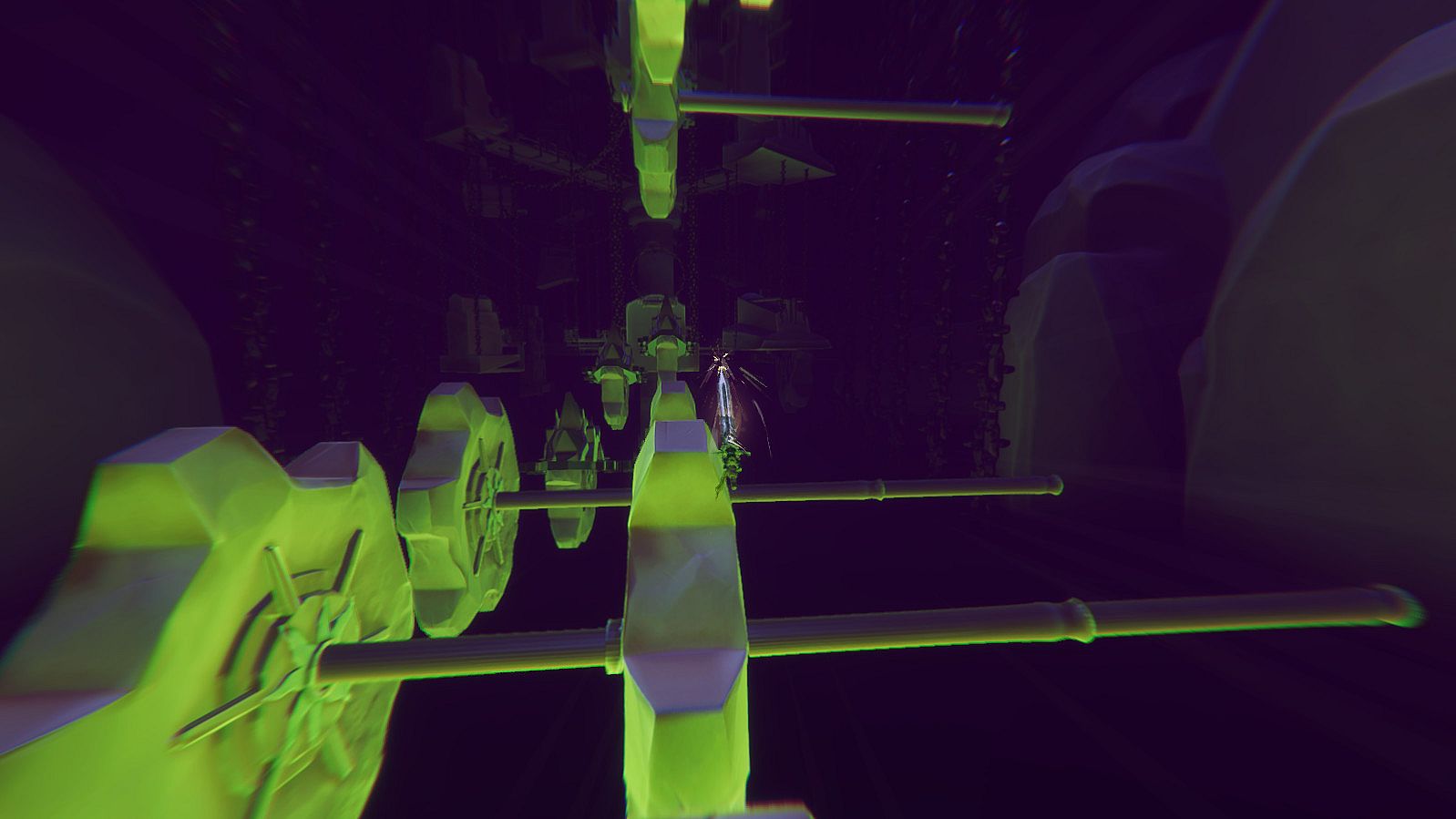
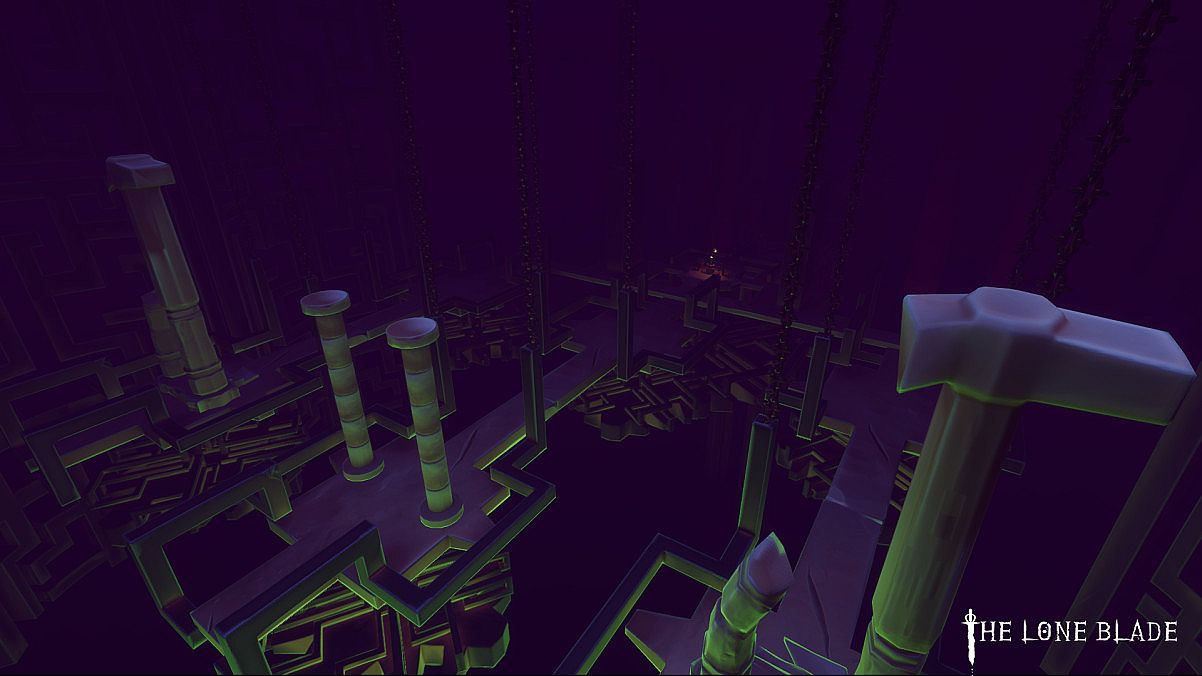
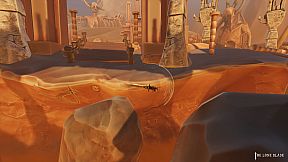
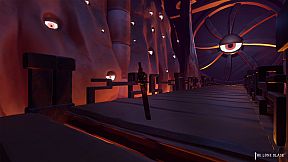
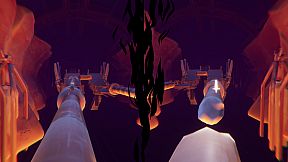
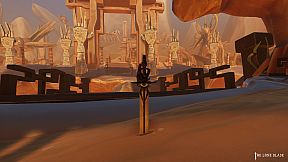
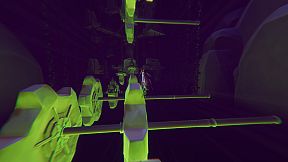
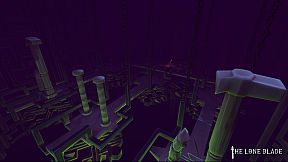
The Lone Blade is a 3D action-adventure platformer developed for PC that places players in control of a soul bound inside a sword. The core premise follows a figure punished by the gods and sealed within the blade, with progress measured by an ascent through the remnants of a lost world. Environments shift from open deserts and sheer canyons to ancient temples and finally a towering mountain peak, each area filled with remnants of former inhabitants such as giants and figures trapped in sand, along with massive gates and walls marked by staring eyes.
Gameplay
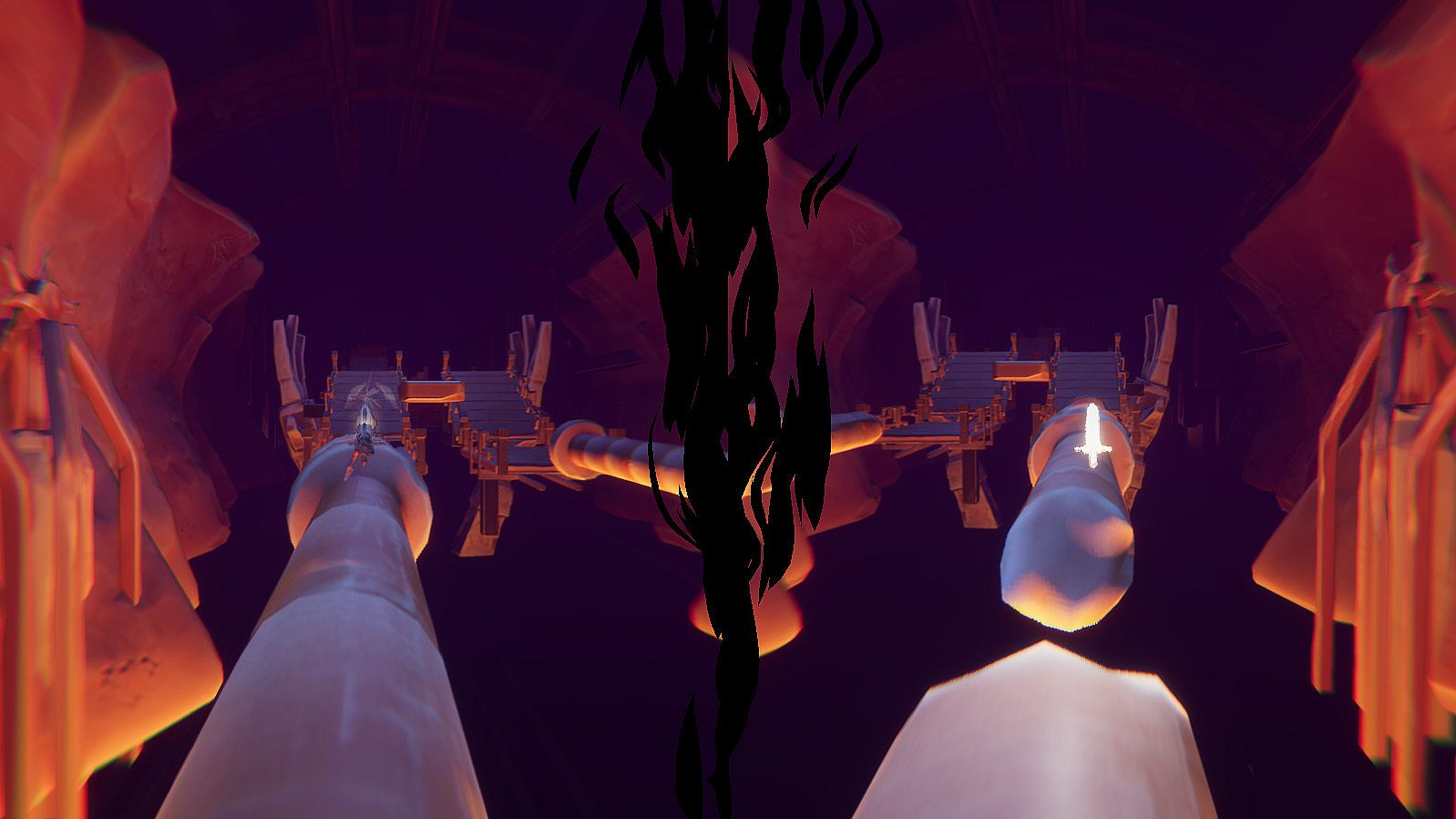
Movement centers on the unique properties of the sword form. Players combine jumps with dashes, spins, and ground or wall spikes to build momentum and reach new ledges or bypass barriers. These actions allow the creation of personal routes rather than following fixed paths, turning every surface into a potential tool for traversal. The design emphasizes precision timing and spatial awareness, with each ability feeding into the next to maintain flow across vertical and horizontal challenges.
Obstacles draw directly from the ruined setting. Sand traps, crumbling structures, and environmental hazards require repeated attempts to master the sword's momentum-based toolkit. Difficulty scales with the narrative of redemption, presenting demanding sequences that reward observation and experimentation without artificial spikes or hidden mechanics. Visual cues in the uncanny architecture guide progress while maintaining a consistent sense of isolation and scale.
Game Modes
The experience unfolds as a single-player campaign structured around sequential regions. Players advance through deserts into canyons, then temples, culminating at the mountain summit. Each region builds on prior movement skills, introducing new combinations of spikes, spins, and dashes tailored to the terrain. There are no separate multiplayer options or competitive variants, keeping the focus on personal mastery of the sword's physics-driven locomotion.
Progression follows a linear path with optional exploration within each area. Secrets and alternate routes reward thorough use of the movement set, but the main objective remains reaching the next elevation milestone. The structure mirrors the lore of struggle and ascent, with no branching story paths or additional modes beyond the core platforming loop.
World and Atmosphere
The setting blends familiar platformer tropes with surreal elements. Giants and villagers embedded in sand create a haunting backdrop, while oversized gates and eyewalls reinforce the theme of divine punishment. Sound design and lighting shift across regions to match the changing scale, from wind-swept dunes to shadowed temple interiors. These details support the narrative without requiring external explanation, letting the environment communicate the sword's isolation.
Is It Worth Playing?
Players who enjoy precision 3D platformers with momentum mechanics will find a focused challenge here. The game launched in May 2023 and maintains a small but positive reception, with 93 percent of its user reviews rated positively. Its short, deliberate structure suits those seeking a compact experience centered on skill progression rather than lengthy campaigns or online features. Those frustrated by occasional visual glitches or who prefer more forgiving controls may want to try a demo first if available. Overall, the title delivers on its promise of redemption through movement mastery for the right audience.