




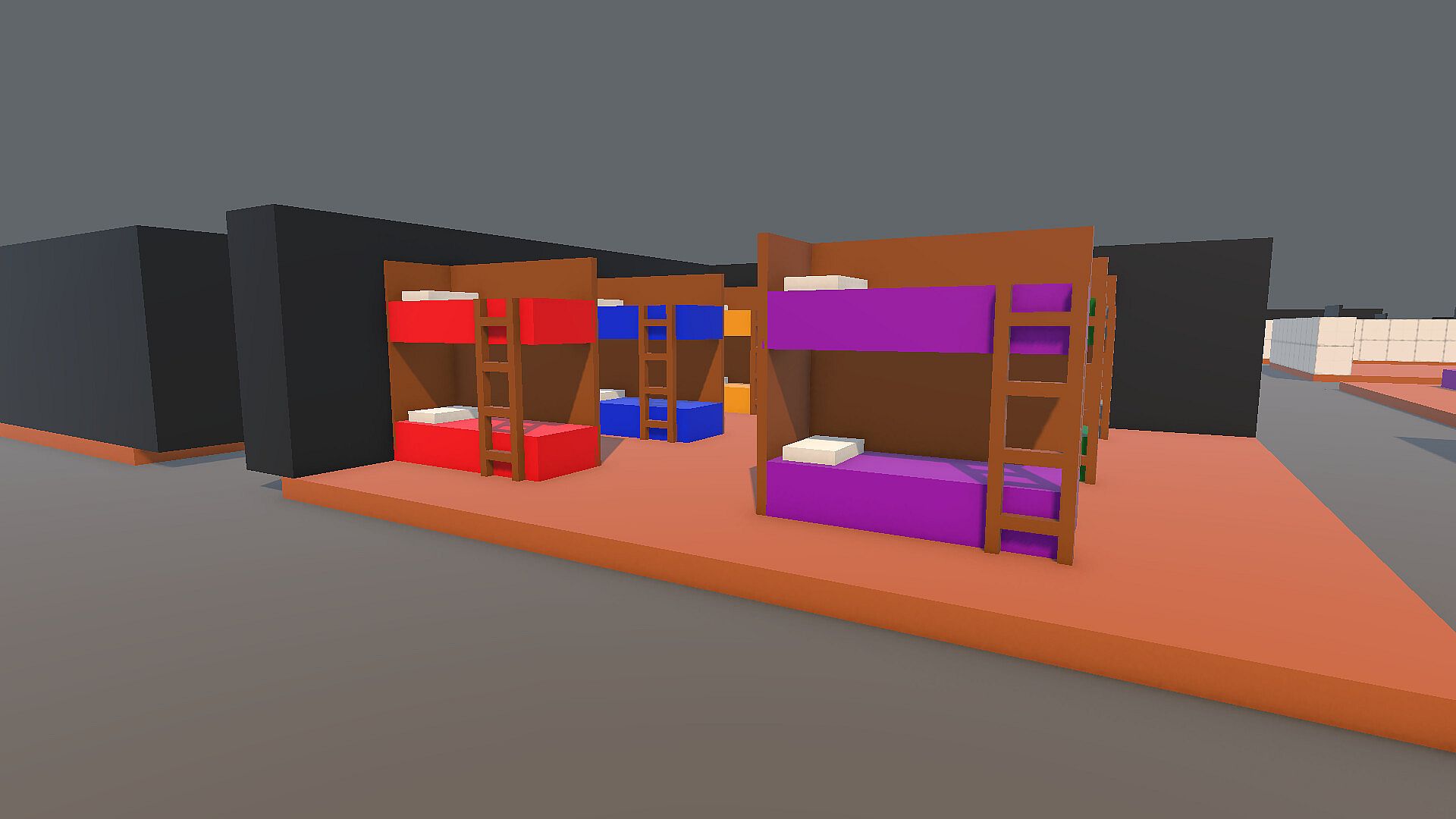
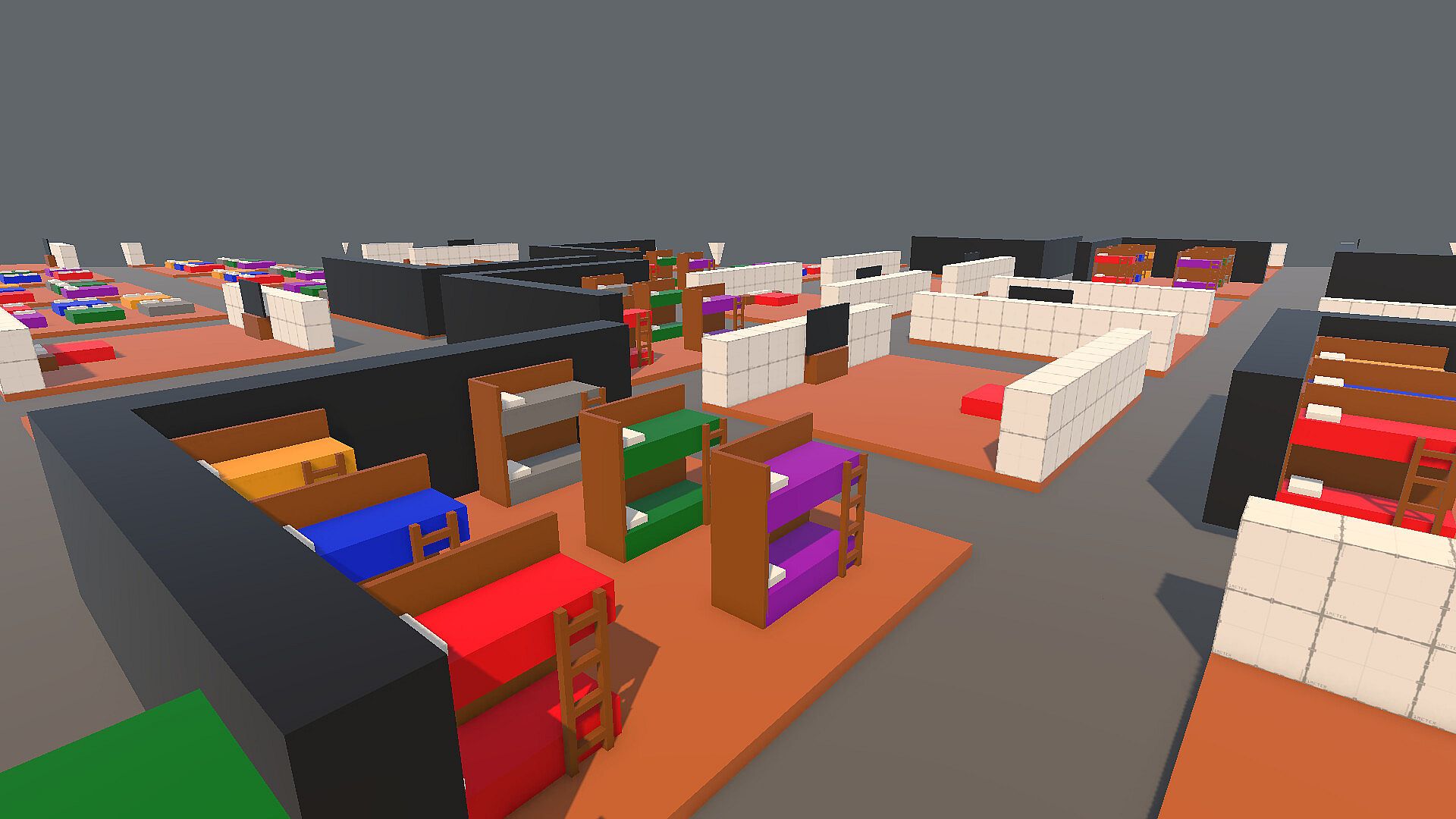
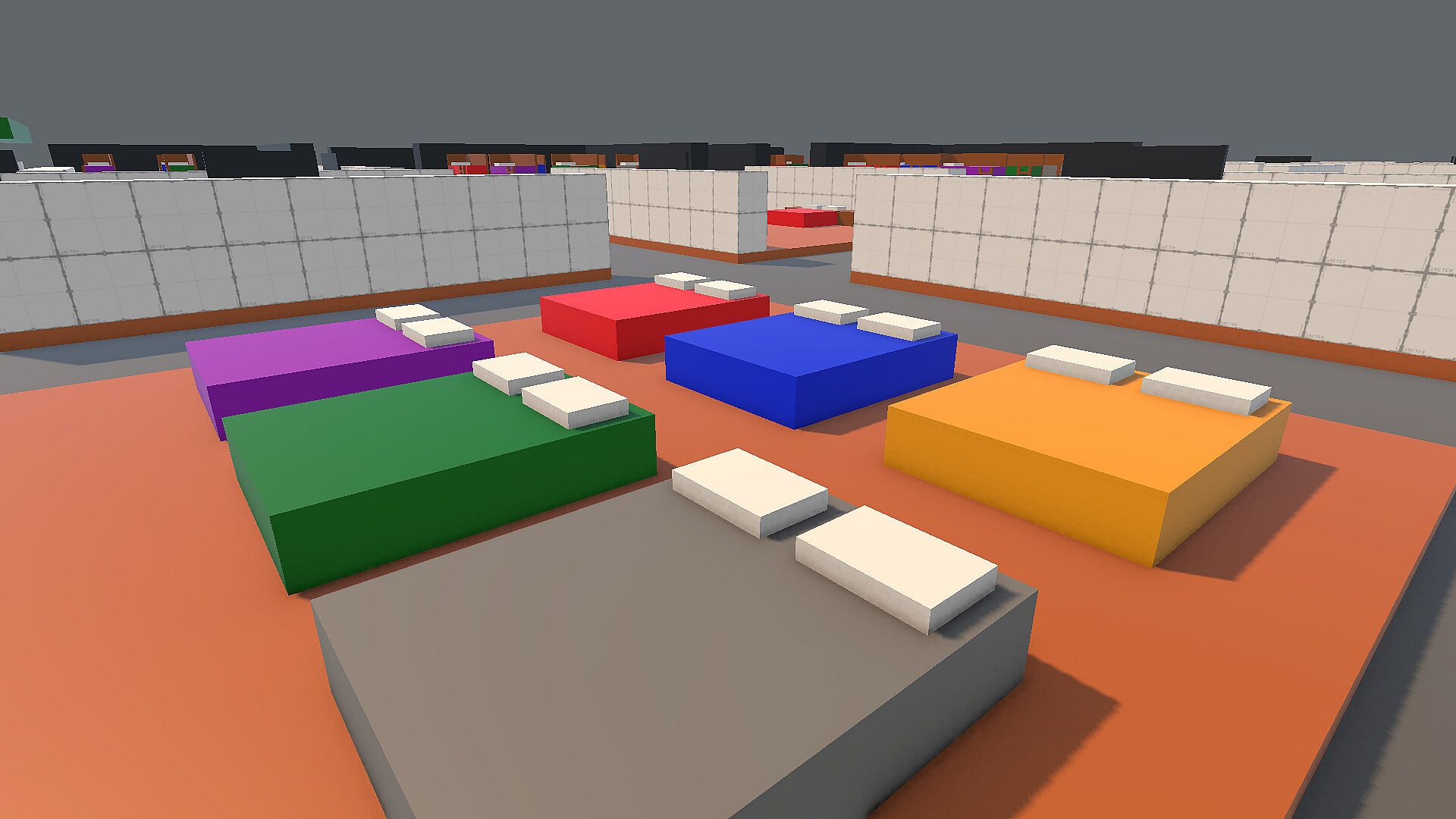
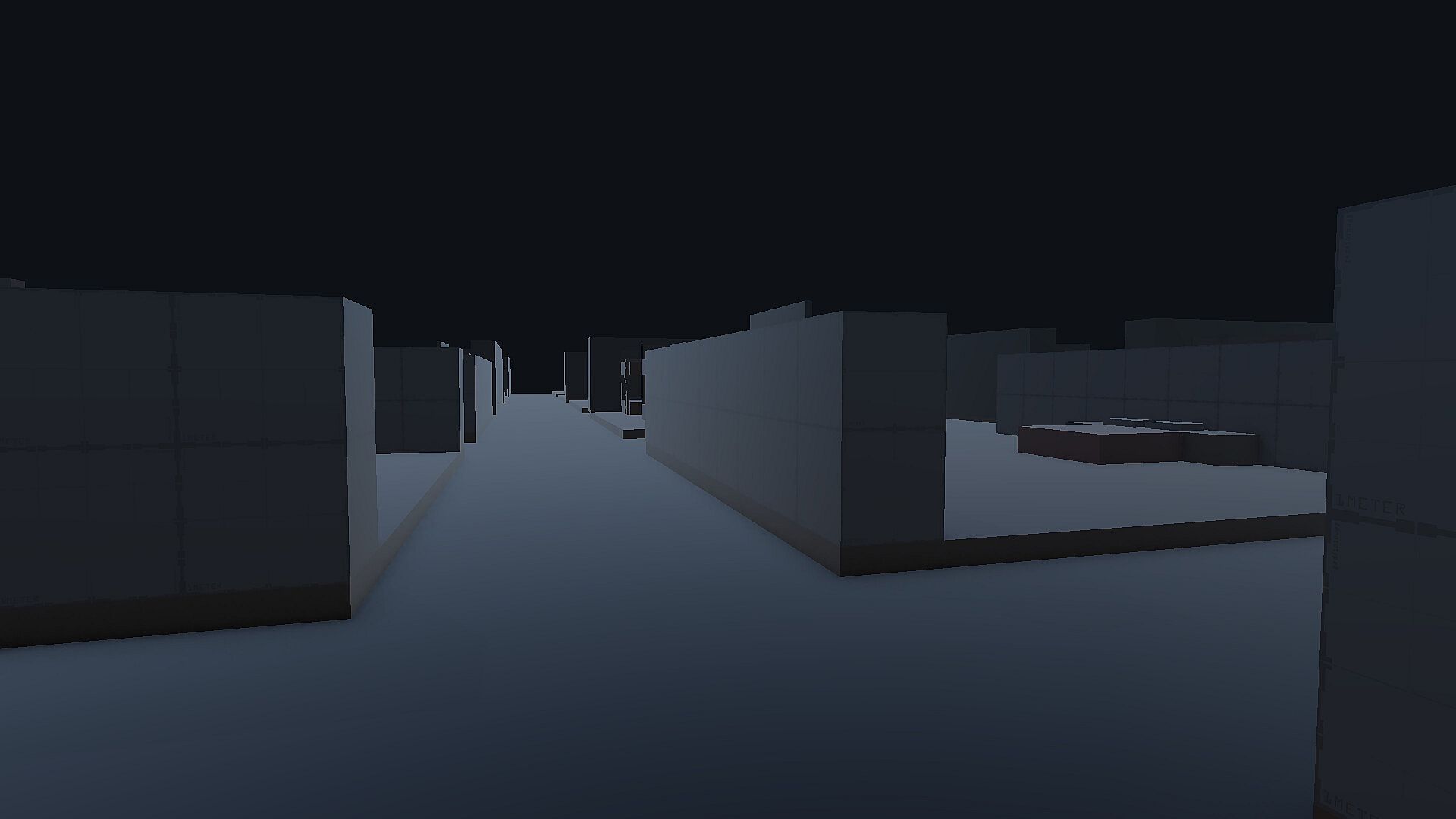
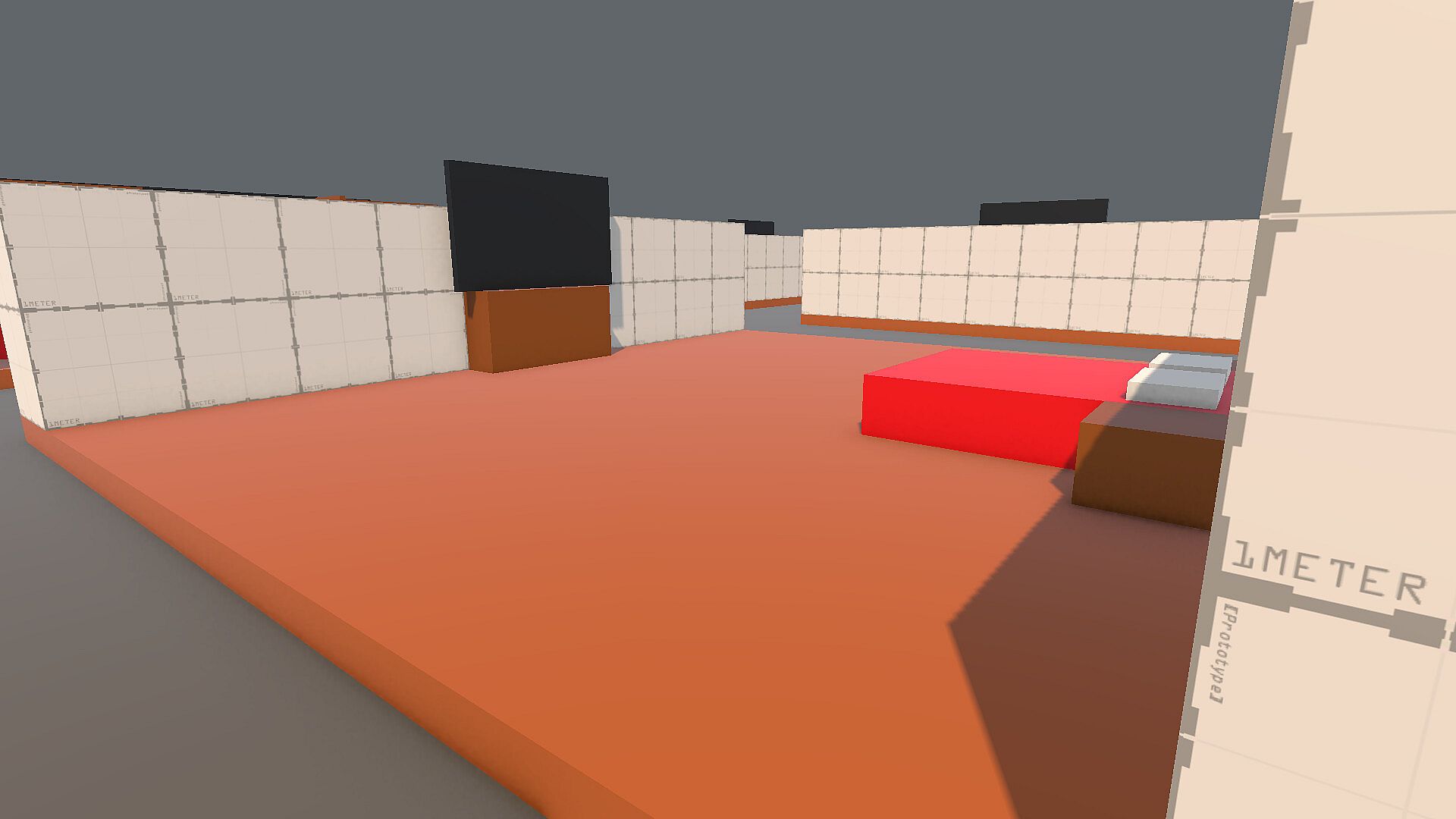
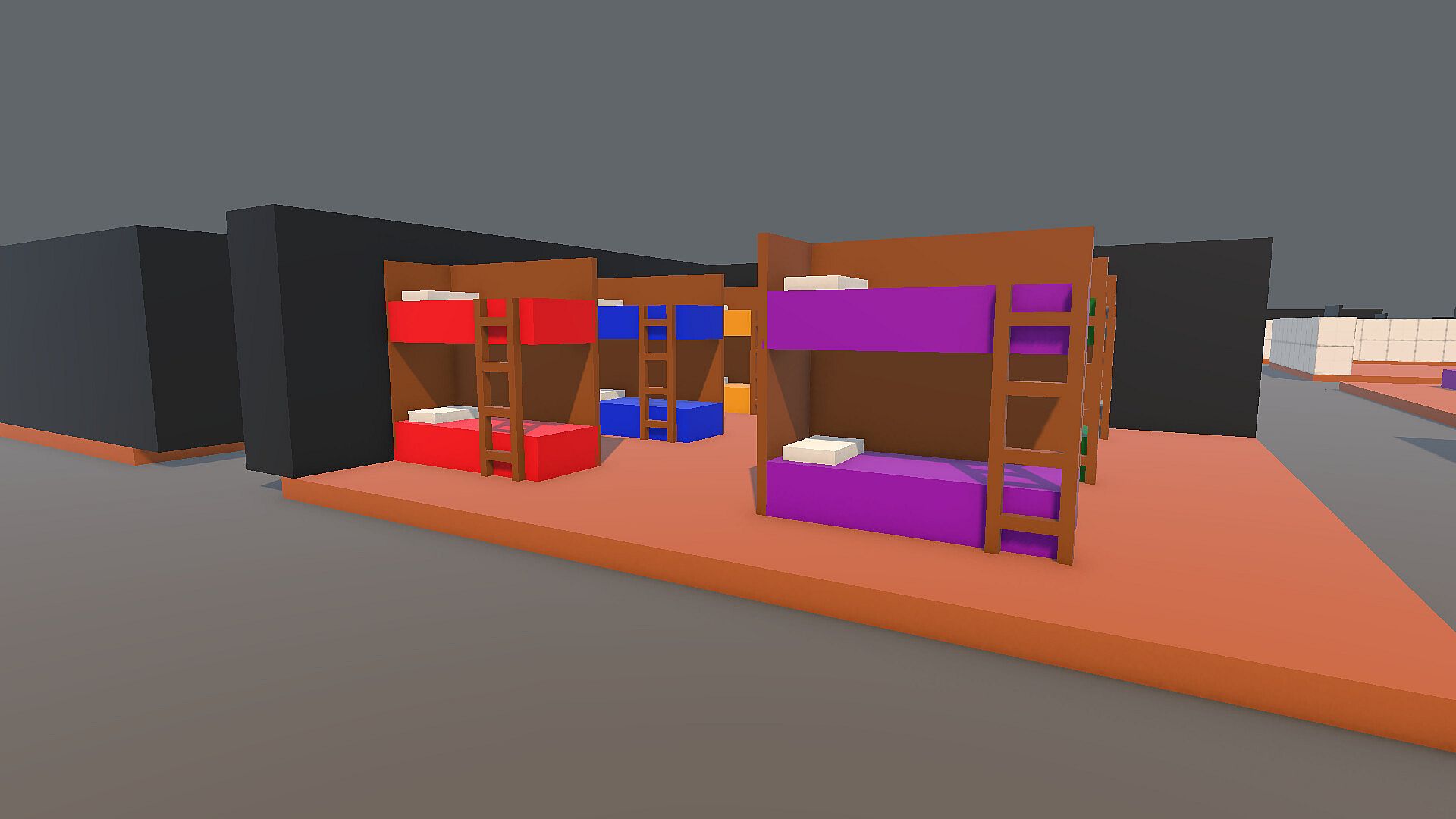
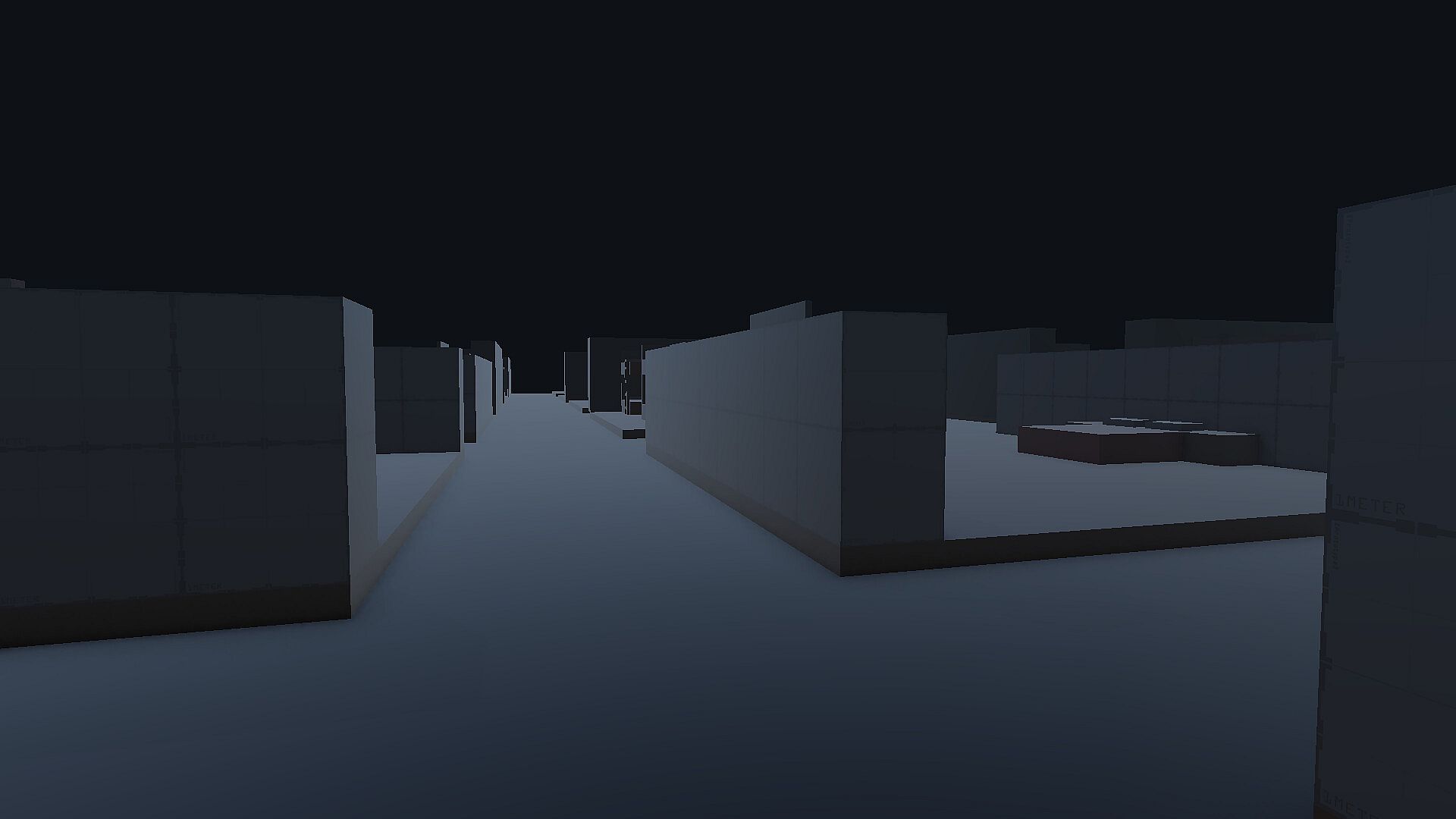
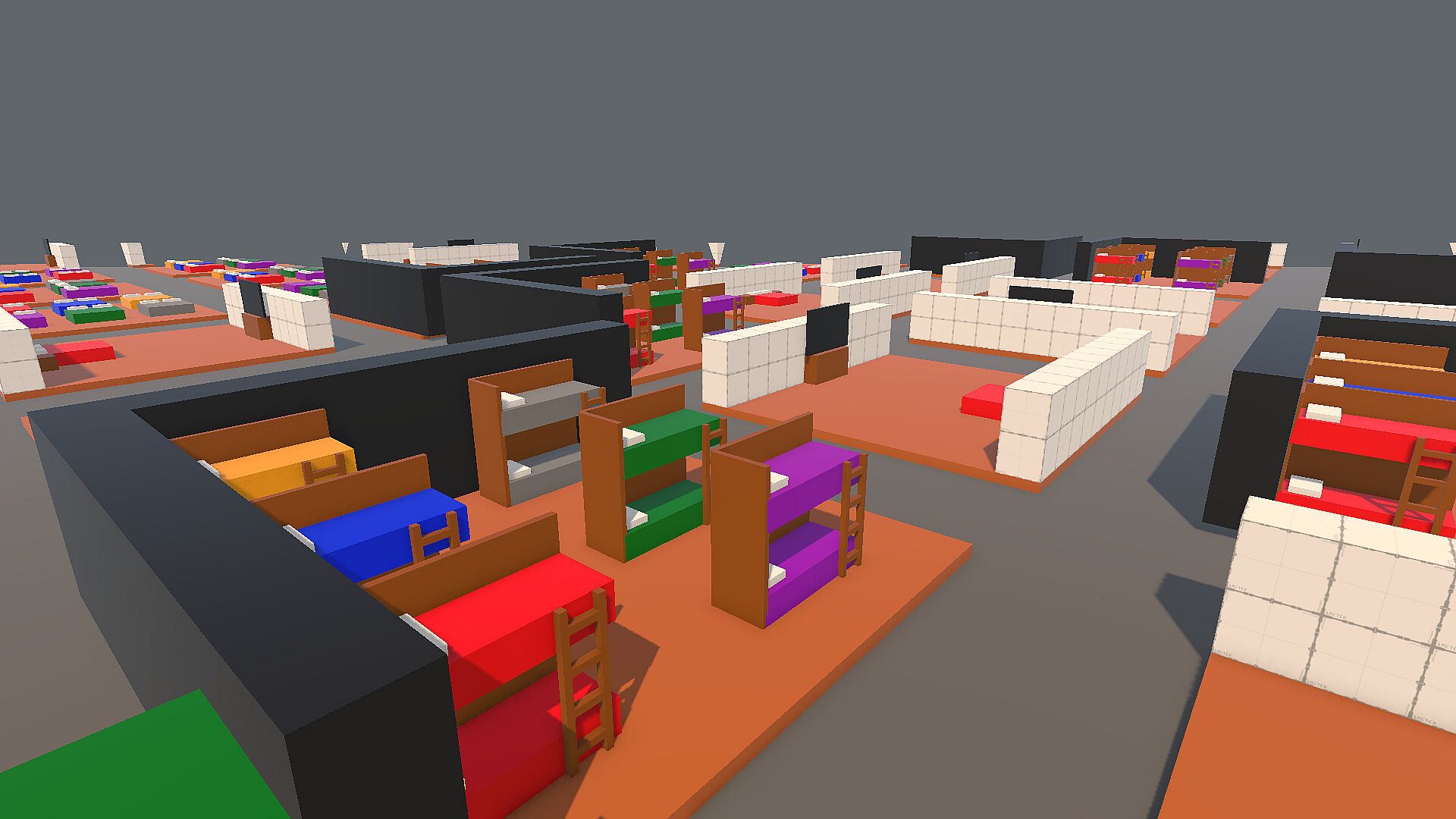
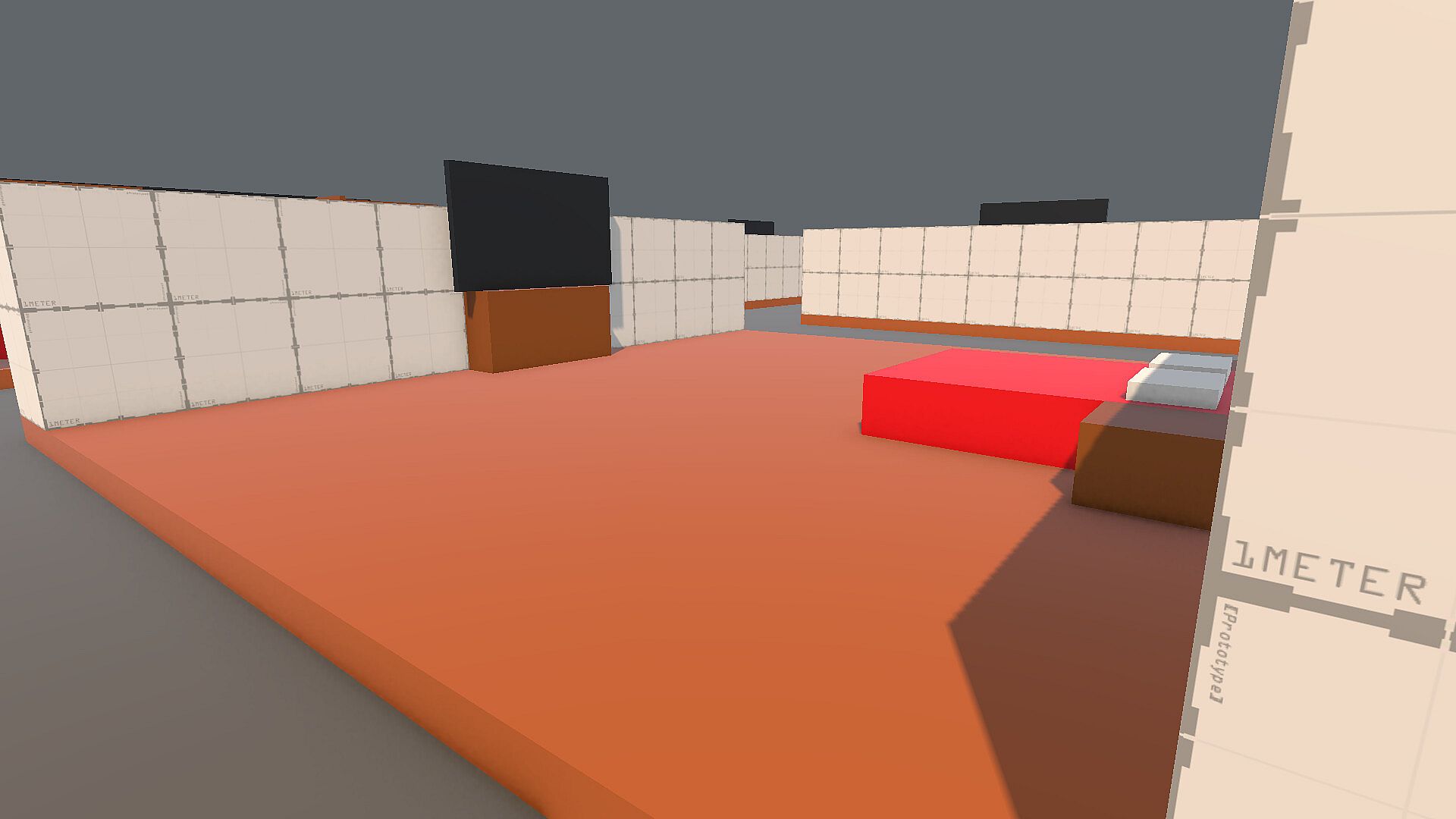
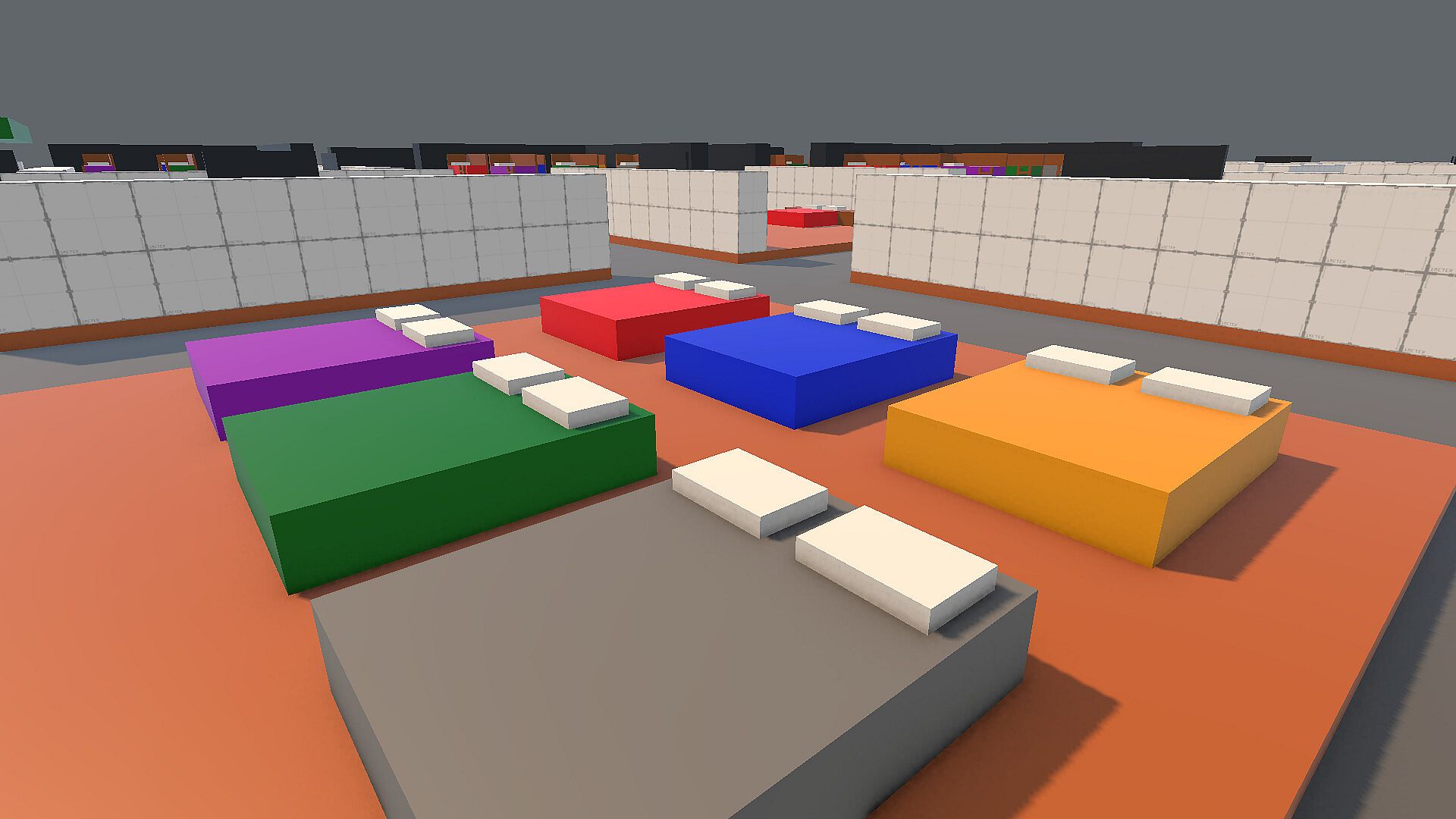
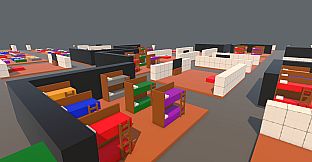
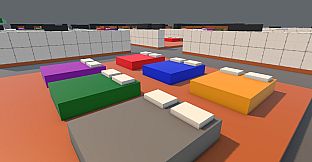
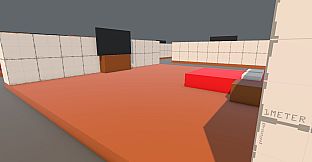
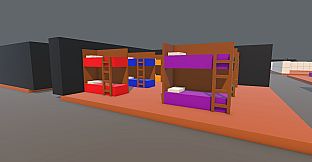
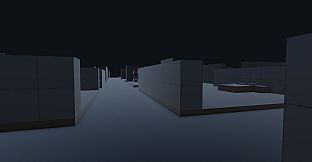
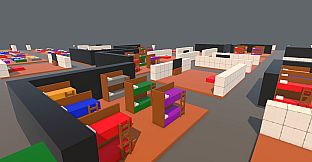
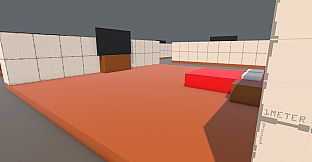
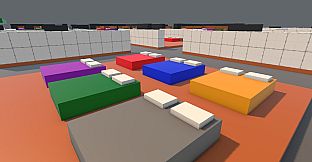
The Inconvenience Store is a single-player survival horror game that blends action, indie, simulation, and adventure elements on PC. Players find themselves trapped in a vast, procedurally generated furniture store where daylight hours allow for exploration and preparation while nightfall brings hostile employees who actively hunt survivors.
Gameplay
The core loop revolves around a day-and-night cycle. During daylight, the store remains relatively safe, giving time to search display rooms, departments, and storage areas for food, water, and materials. Players must gather these resources efficiently to sustain hunger and thirst while scouting for tools and furniture that can be repurposed later. As darkness falls, the environment shifts dramatically, forcing a change in approach to survival.
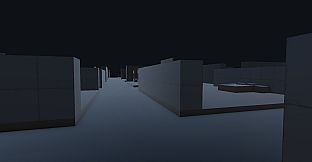
Exploration takes place across an endless, procedurally generated layout filled with interconnected departments, unusual rooms, and occasional rare landmarks. Fog limits visibility in distant aisles, creating uncertainty about what lies ahead. Scavenging yields furniture, tools, and raw materials that support crafting and building. Different materials carry distinct properties that influence the durability and effectiveness of crafted items, such as shelters or defensive structures. Stealth plays a key role when avoiding detection, though first-person combat options exist for direct confrontations when resources allow.
Resource management remains constant, requiring careful allocation of limited supplies across multiple needs. Base building turns scavenged items into protective setups that can help endure the night phase. The combination of simulation elements in crafting and building with adventure-style exploration keeps the focus on preparation and adaptation within the store's confines.
Game Modes
The experience centers on a single-player survival-horror mode that integrates the full day-and-night cycle. No separate multiplayer or alternative modes appear in the available details, keeping the emphasis on individual progression through procedural environments and escalating nighttime threats from employees.
Exploration and Survival Systems
Procedural generation ensures each run presents new arrangements of aisles and departments, encouraging repeated exploration for fresh supplies and hidden areas. Landmarks provide points of interest that break up the repetitive layout while still fitting the furniture store theme. Players balance time spent searching against the approaching night, when employee behavior turns aggressive and requires hiding, evasion, or defense.
Crafting choices directly affect long-term viability. Selecting materials with higher durability can create more reliable barriers or equipment, but players must weigh these against immediate needs like food and water. The system rewards thoughtful scavenging routes that cover multiple departments before night arrives.
Is It Worth Playing?
This title suits players who enjoy single-player survival horror with strong simulation and crafting components. The day-and-night structure creates a clear rhythm of preparation and tension that rewards careful planning over rushed decisions. Those drawn to procedural worlds and resource-driven gameplay will find the endless store setting provides consistent variety through new layouts and discovery opportunities.
The hostile employee encounters add a layer of stealth and combat tension that differentiates it from pure exploration titles. Availability on PC makes it accessible for those with compatible hardware, and the indie focus keeps the mechanics streamlined around core survival loops. If the combination of scavenging, building, and nighttime threats aligns with preferred playstyles, the game delivers a focused experience without unnecessary distractions.












