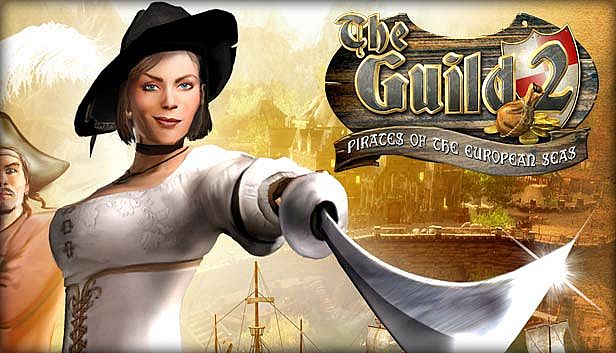
















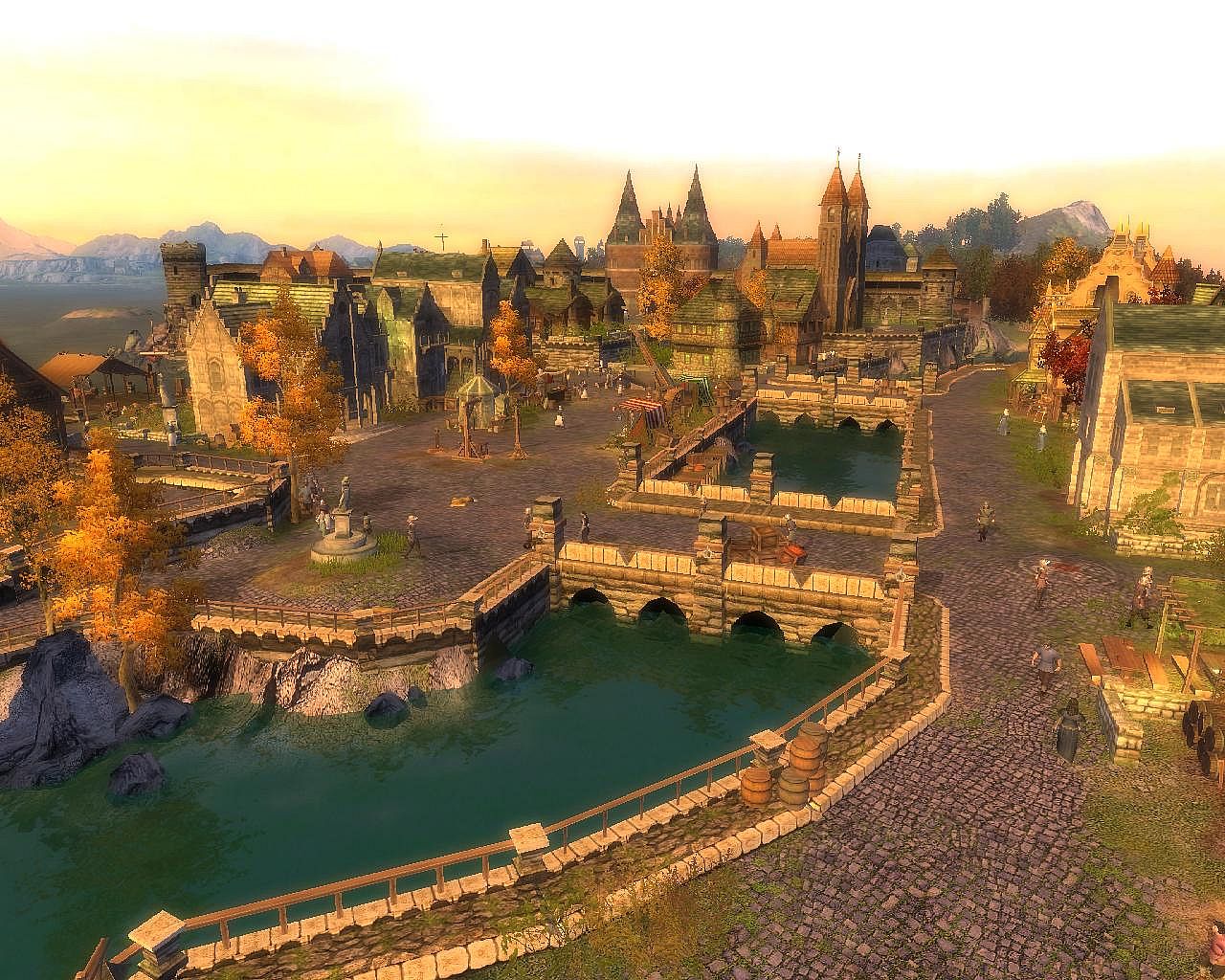
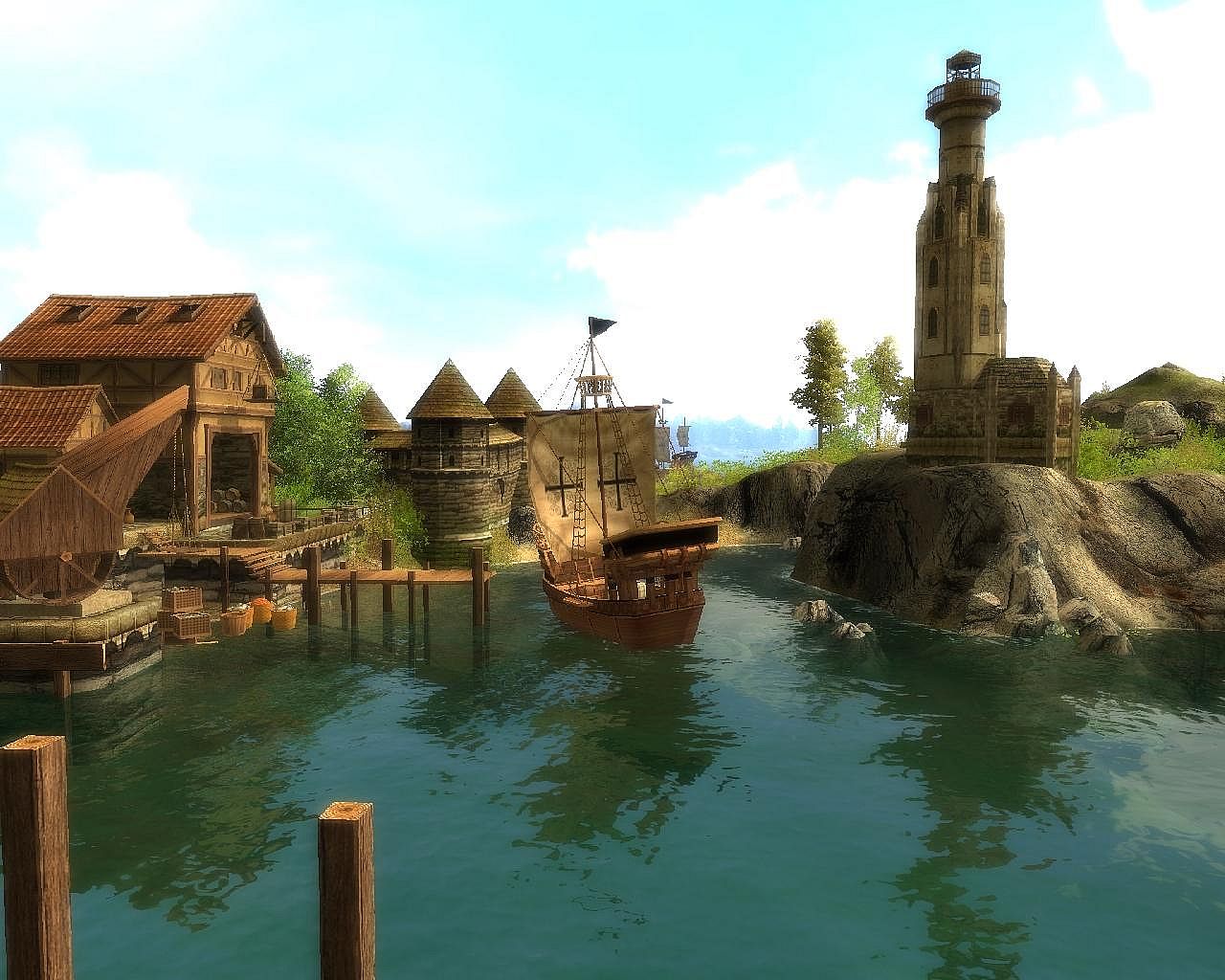
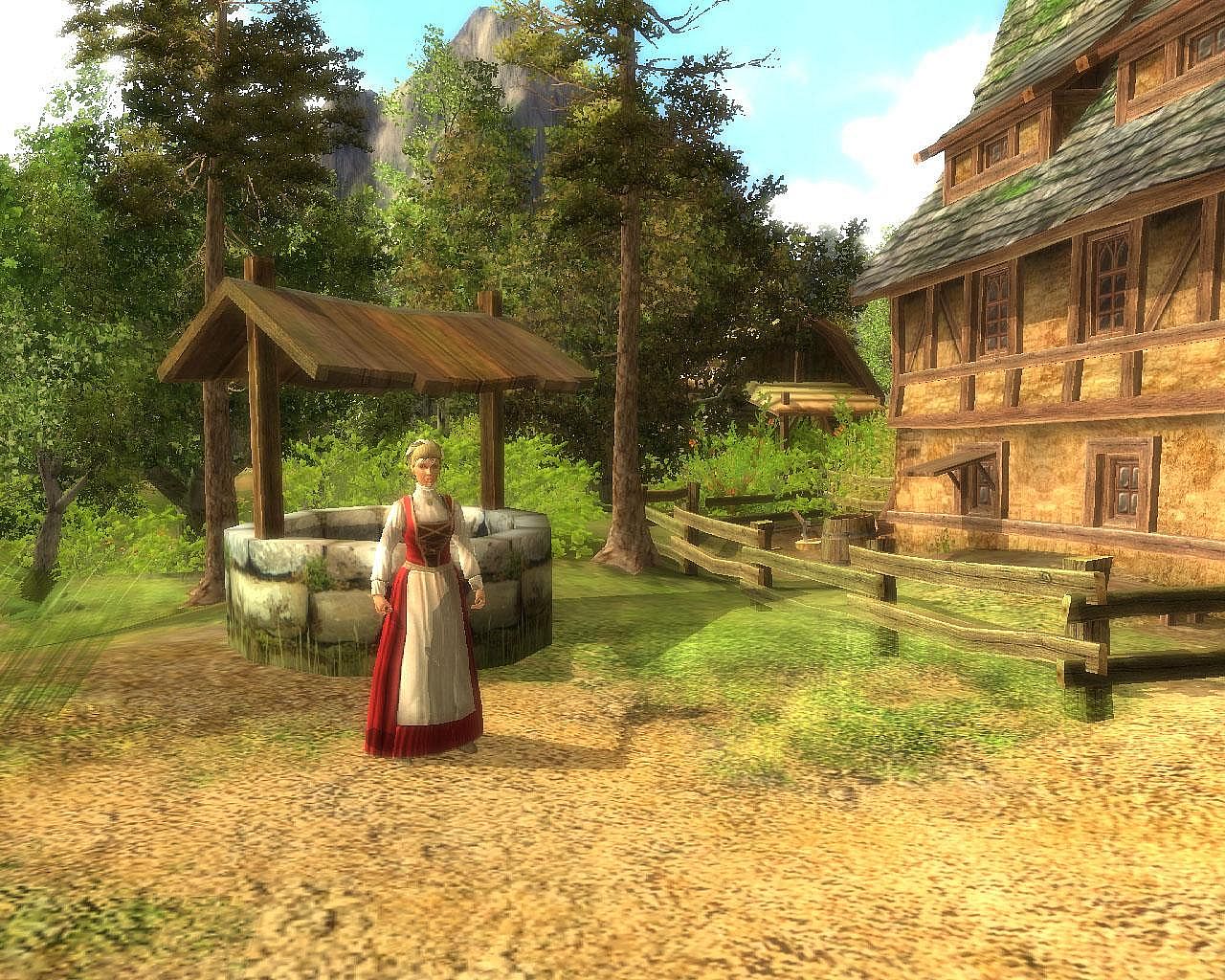
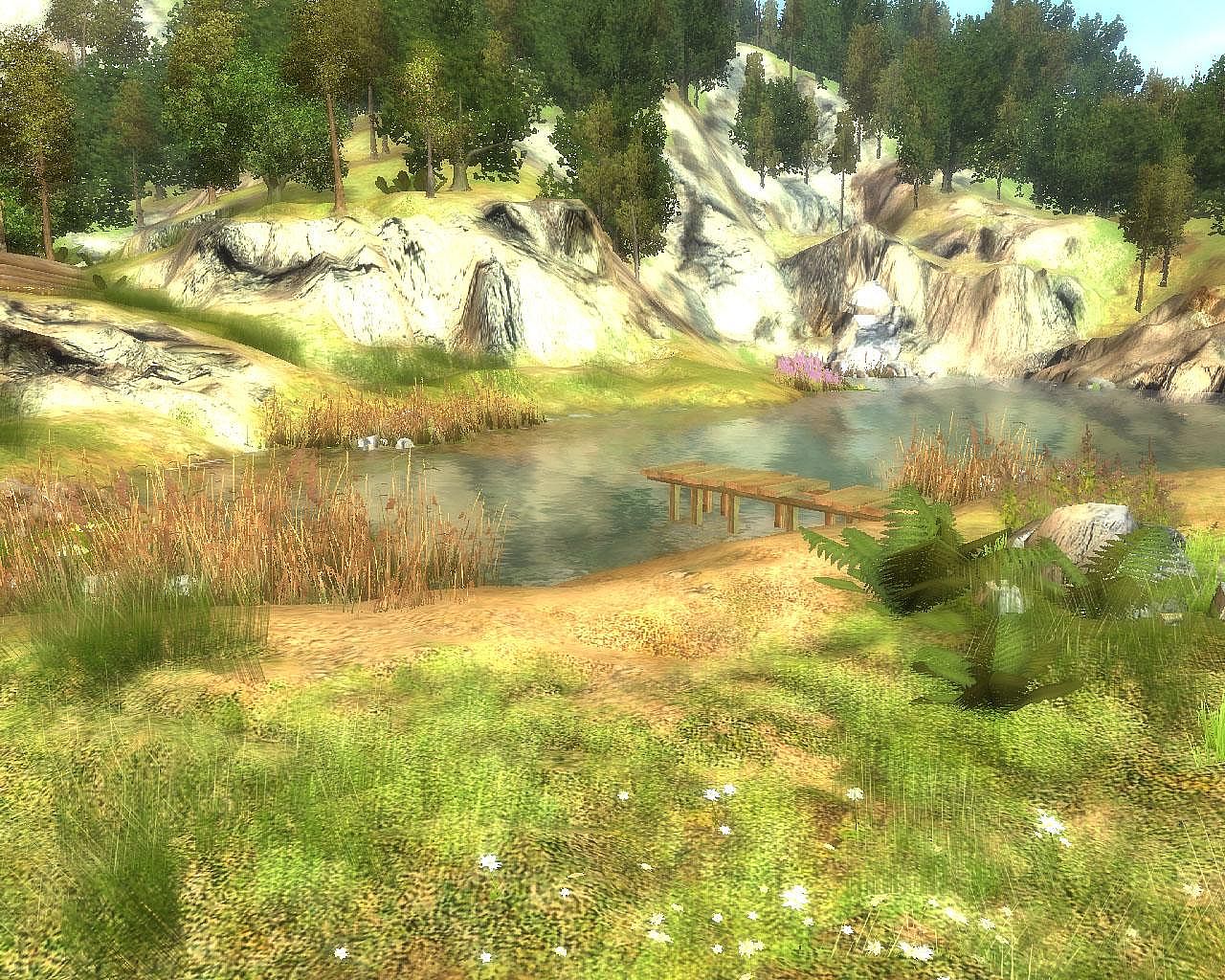
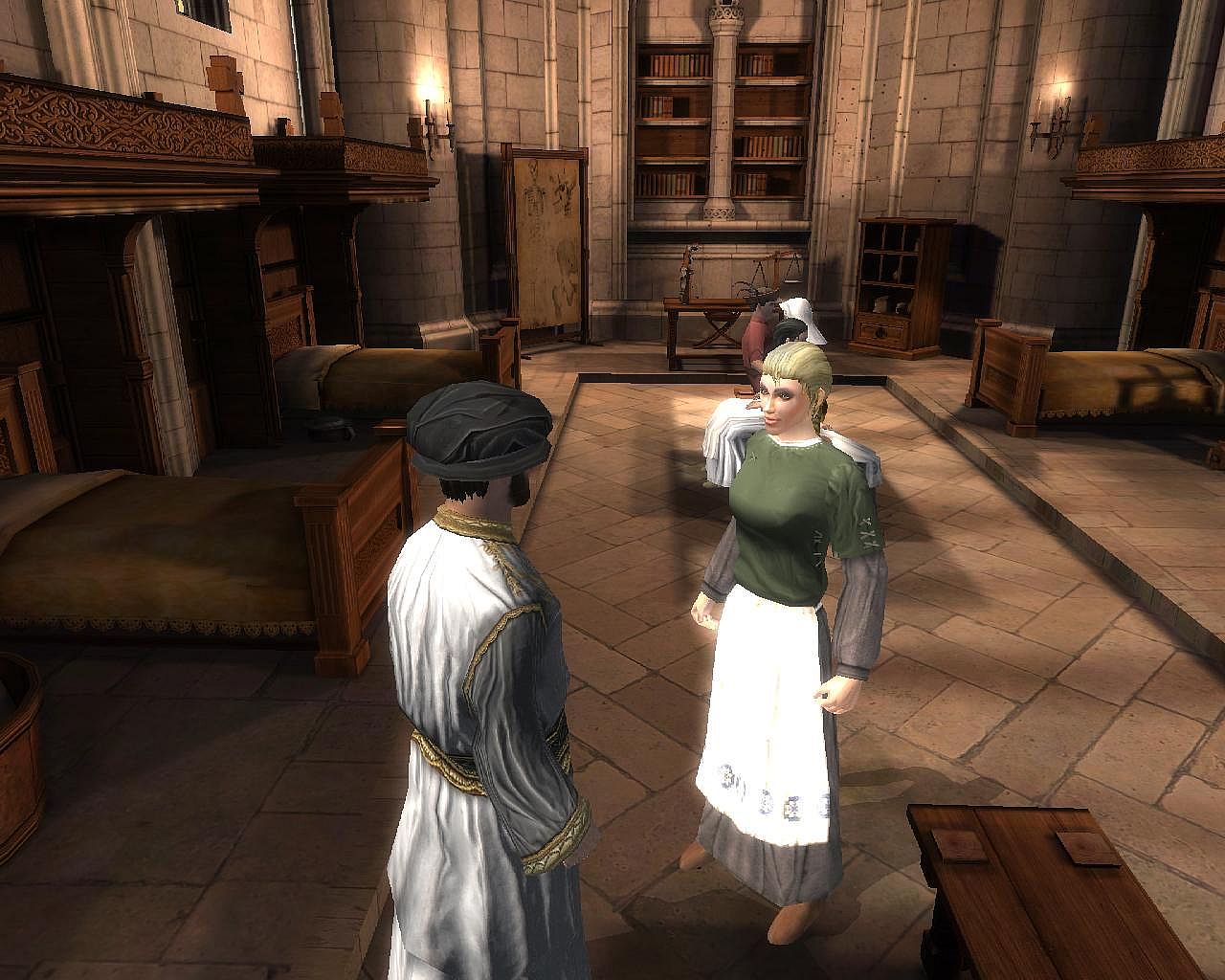
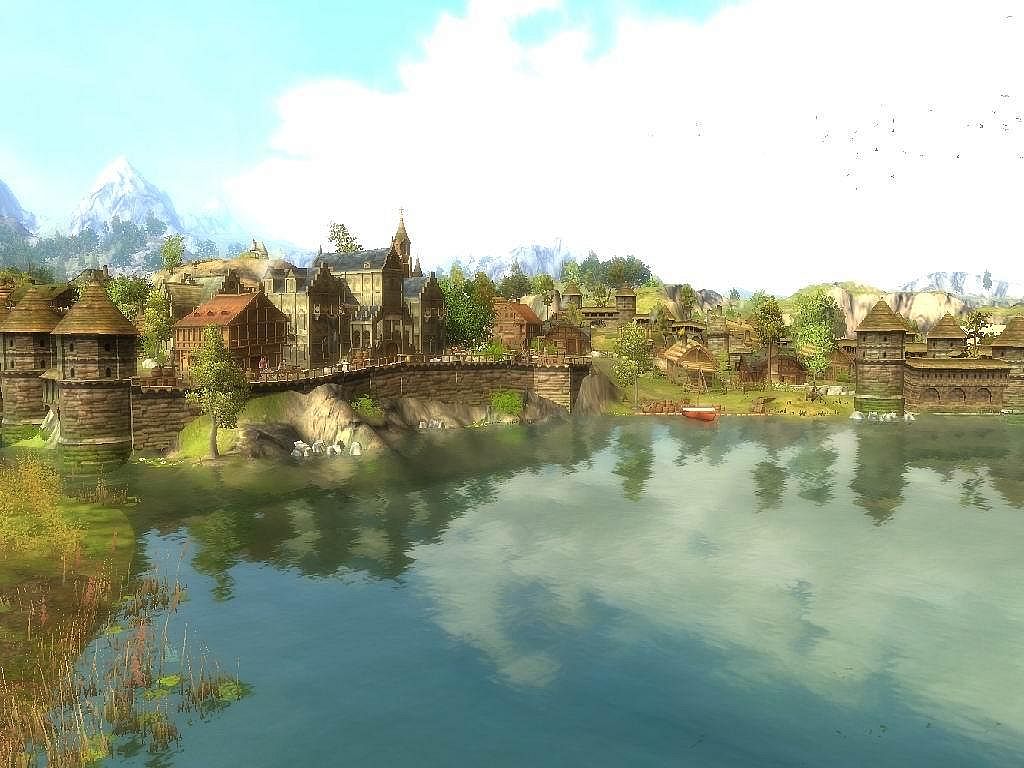
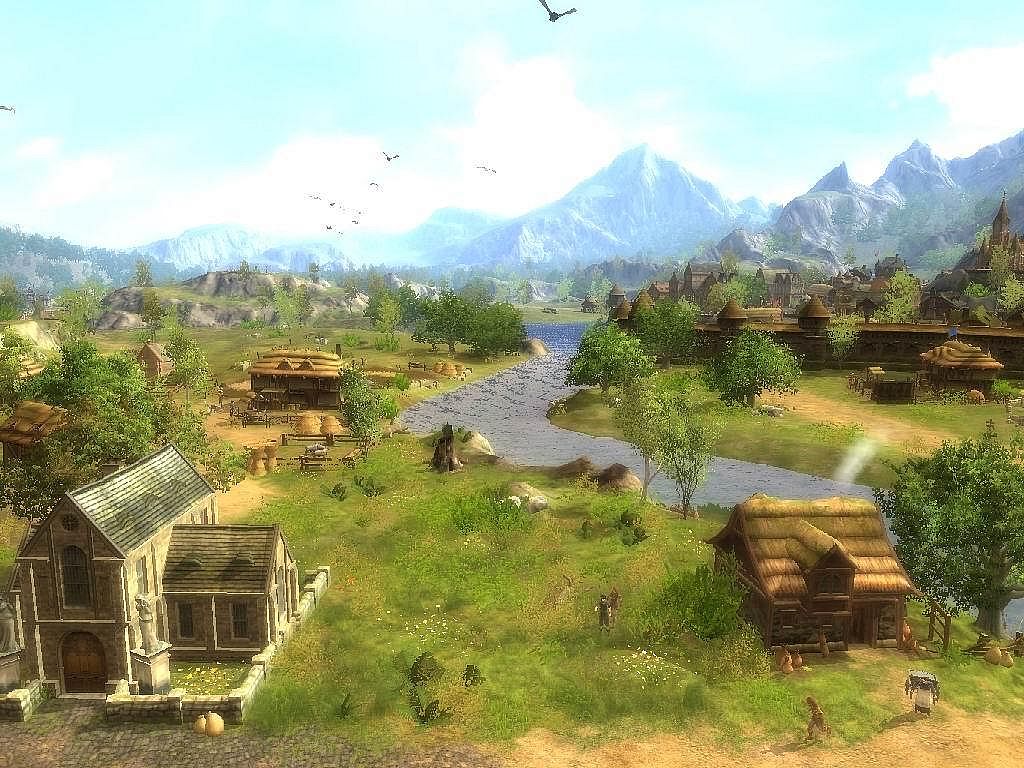
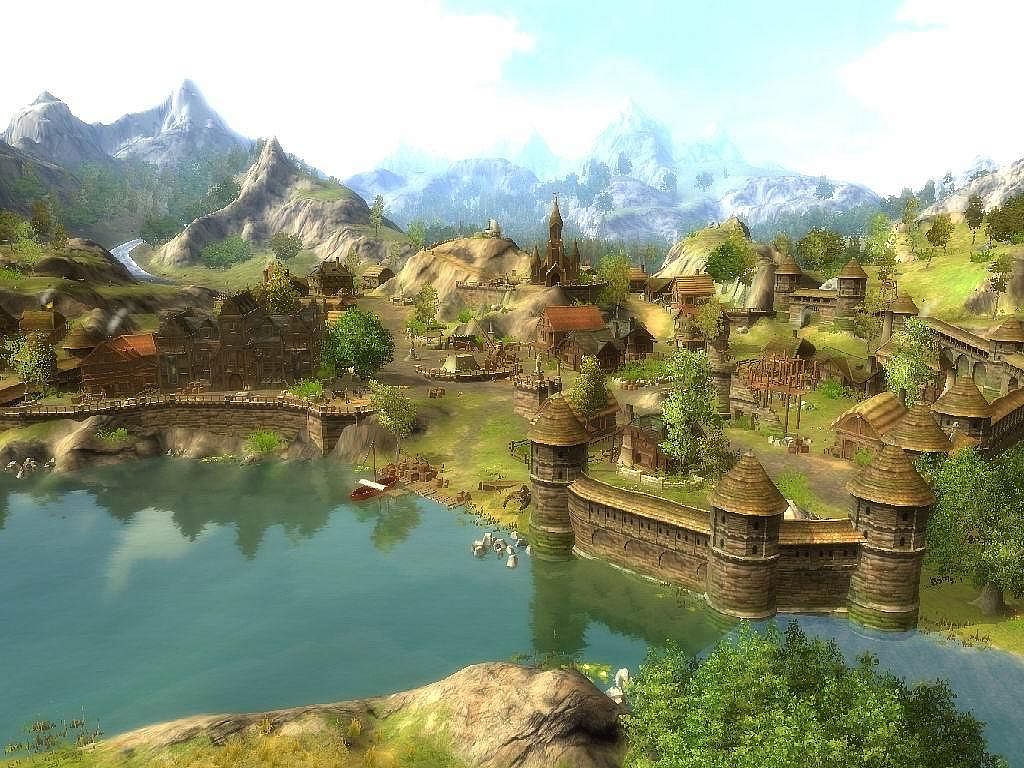
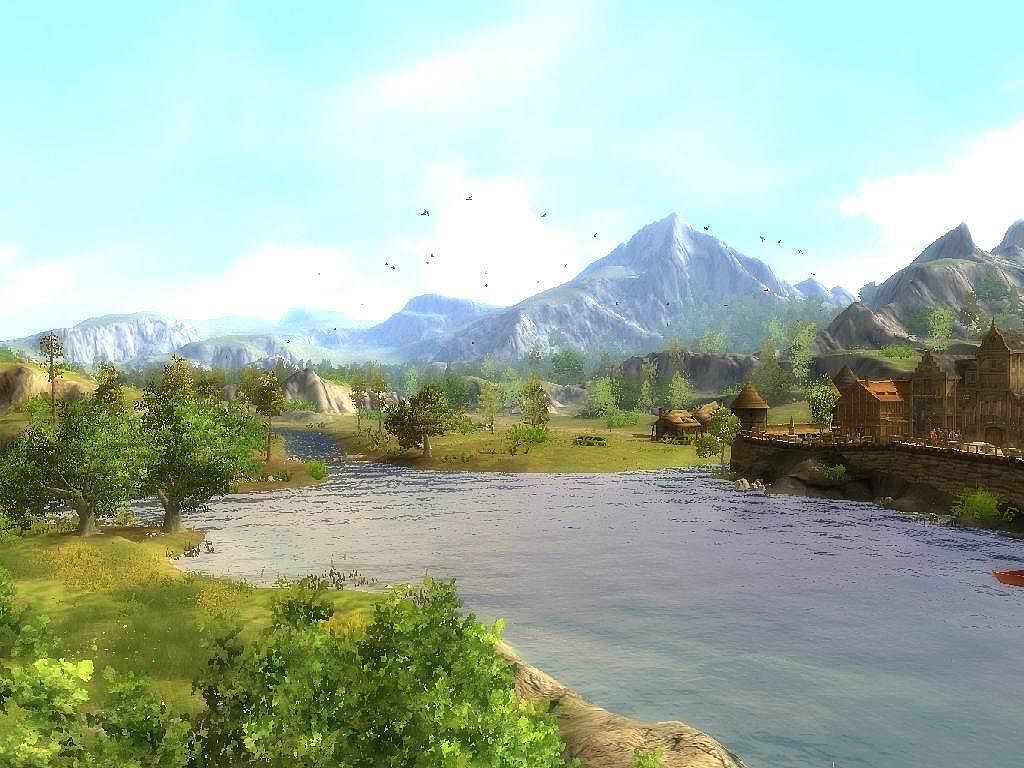
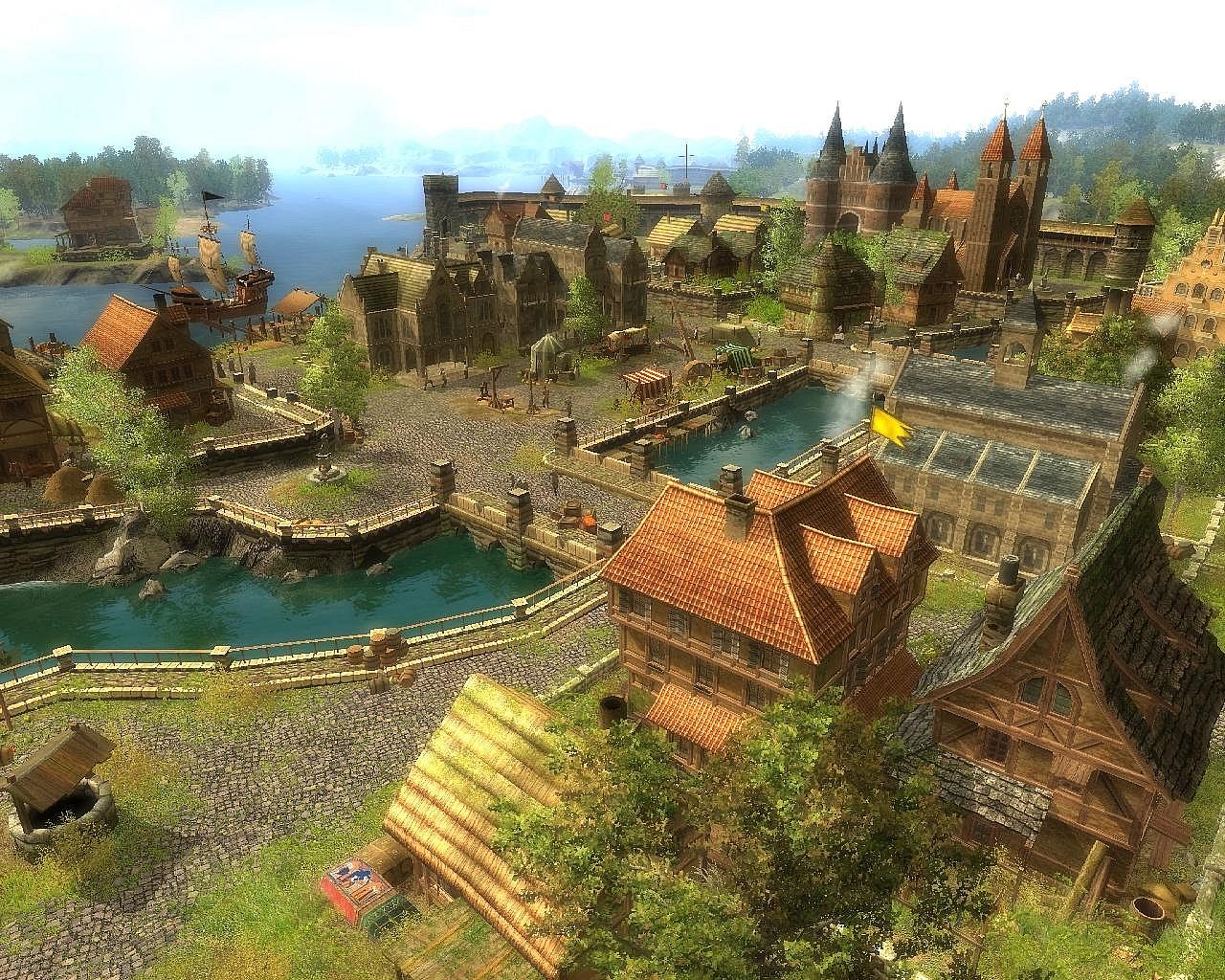
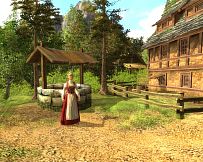
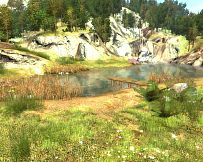
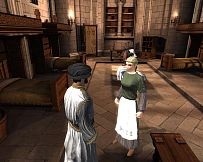
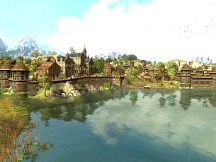
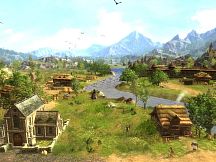
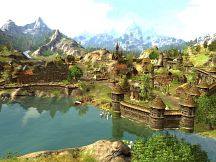
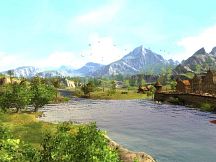
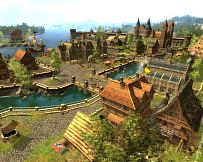
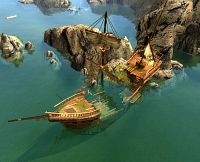
The Guild II - Pirates of the European Seas is a strategy simulation game set in medieval Europe. It builds on dynasty management and economic systems by introducing naval trading routes and sea battles across coastal cities of the Hanseatic League. Players develop family lines through professions, property ownership, and political influence while navigating both land-based commerce and maritime operations.
Gameplay
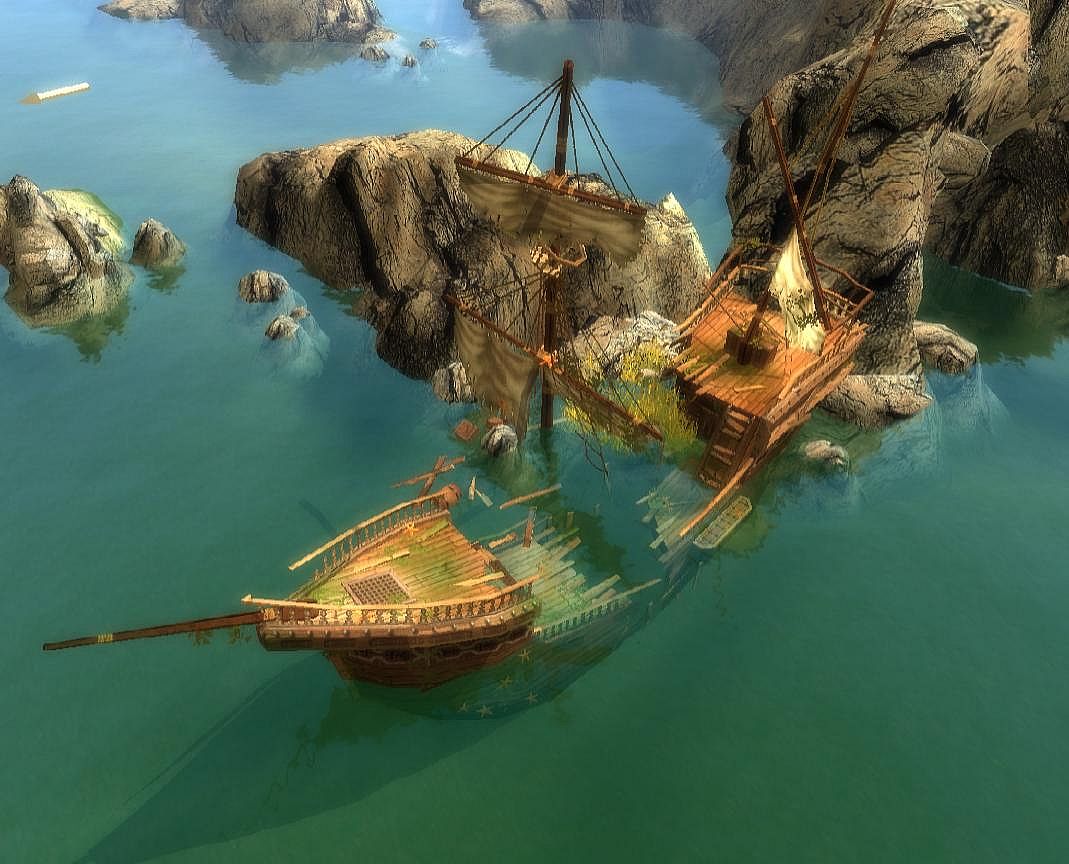
Core systems revolve around controlling multiple family members who pursue careers such as merchant, craftsman, or the newly added pirate and medicus roles. Daily routines include gathering resources, constructing and upgrading structures, and advancing social standing through offices and noble titles. Naval elements integrate directly into these loops, allowing players to equip one of five ship types for trade voyages or combat encounters on four dedicated maps. New constructions like harbors, fishermen's huts, pirate outposts, and trading stations support expanded economic strategies that blend sea and land activities. Political progression unlocks privileges that affect both traditional guild operations and maritime ventures.
Game Modes
Dynasty mode provides an open-ended sandbox where players build generational wealth without fixed victory conditions. Extinction mode tasks participants with eliminating rival dynasties through economic or direct means. Time limit sessions compare profit totals after a set duration, while mission-based options assign specific objectives to teams or individuals. The expansion adds a dedicated campaign that delivers more than ten hours of structured scenarios focused on the new coastal regions and naval mechanics.
Additional Mechanics and Features
Three new offices and associated noble titles grant unique benefits that influence both inland guilds and sea operations. Ship customization allows tailoring vessels for speed, cargo capacity, or combat strength depending on current goals. Multiplayer support enables shared dynasty play or competitive matches across the expanded maps. These additions layer onto the base simulation without altering its fundamental focus on long-term family progression and resource management.
Is It Worth Playing?
Steam user reviews rate the title Mostly Positive, with 72 percent approval from 220 submissions. The experience suits players who enjoy detailed life simulation combined with strategic depth in medieval settings. Those interested in dynasty building will find value in the open-ended modes, while the campaign offers a more guided introduction to naval trading and battles. Availability remains straightforward through digital platforms, with no ongoing seasonal content or major updates since its 2007 release. The game appeals most to fans of slow-paced economic and political strategy rather than fast action or modern graphics.