




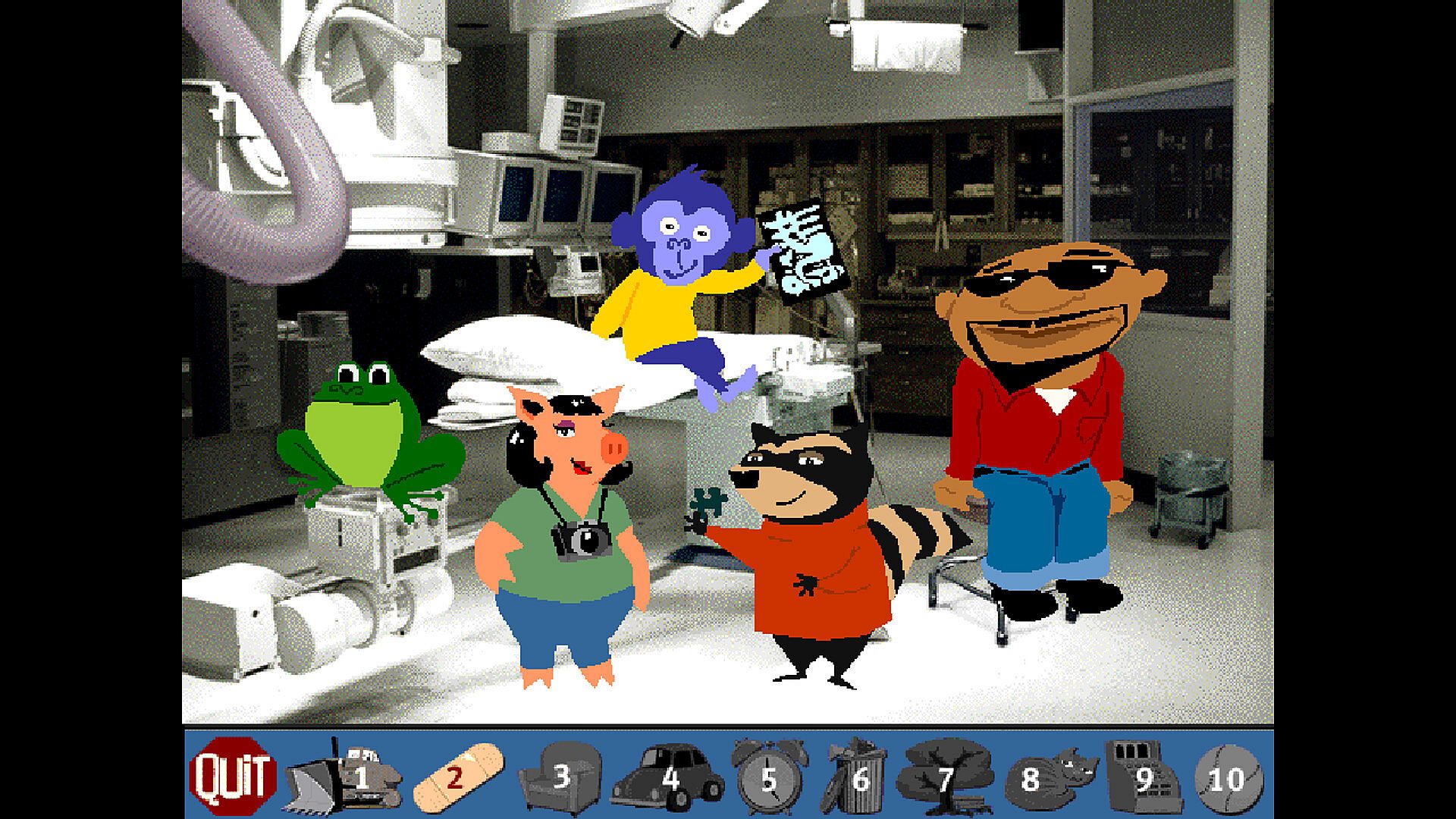

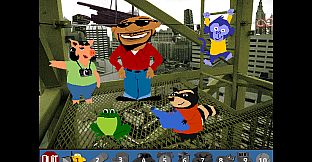


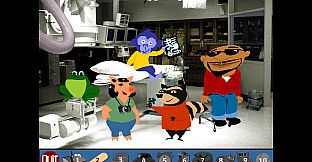
The Gigglebone Gang: Infinity City is a casual adventure game built around early math education. Players join the Gigglebone Gang for a tour of Infinity City, exploring neighborhoods designed around specific math concepts through interactive activities, puzzles, songs, and open-ended play. The experience targets children ages 4 to 8 and emphasizes discovery over drills, with mechanics that encourage experimentation, repetition, and creative choices on PC.
Gameplay
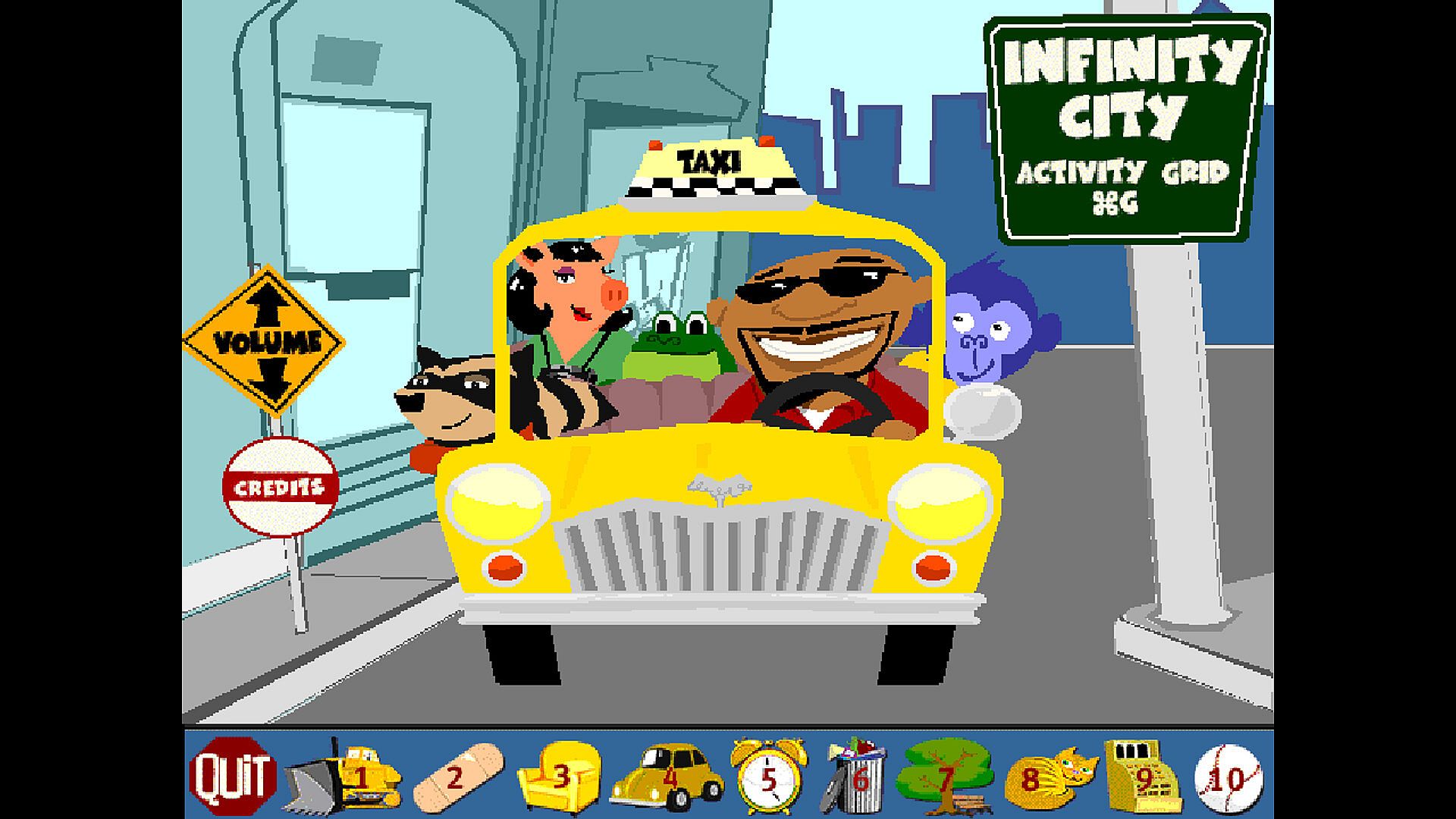
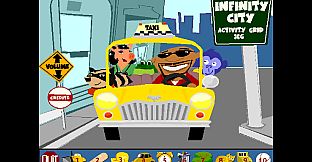
Core gameplay revolves around point-and-select interactions in a series of themed neighborhoods. Each area focuses on one math idea and offers multiple activities that blend puzzles, matching tasks, creative building, and musical elements. Children ride in Zack's taxicab to move between locations, where they match sizes to assemble vehicles, solve story-based puzzles with Monkie-Sue, or arrange objects to explore patterns and sequences. Songs integrated into the activities reinforce concepts like shapes, numbers, and time while keeping the pace relaxed and engaging.
Mechanics support different skill levels through adjustable difficulty and optional timed challenges. Creative sections allow free-form construction with basic shapes, while puzzle areas require selecting correct items or completing sequences. The design avoids timed pressure in most cases, letting players experiment, retry, and observe cause-and-effect outcomes directly through their actions.
Game Modes
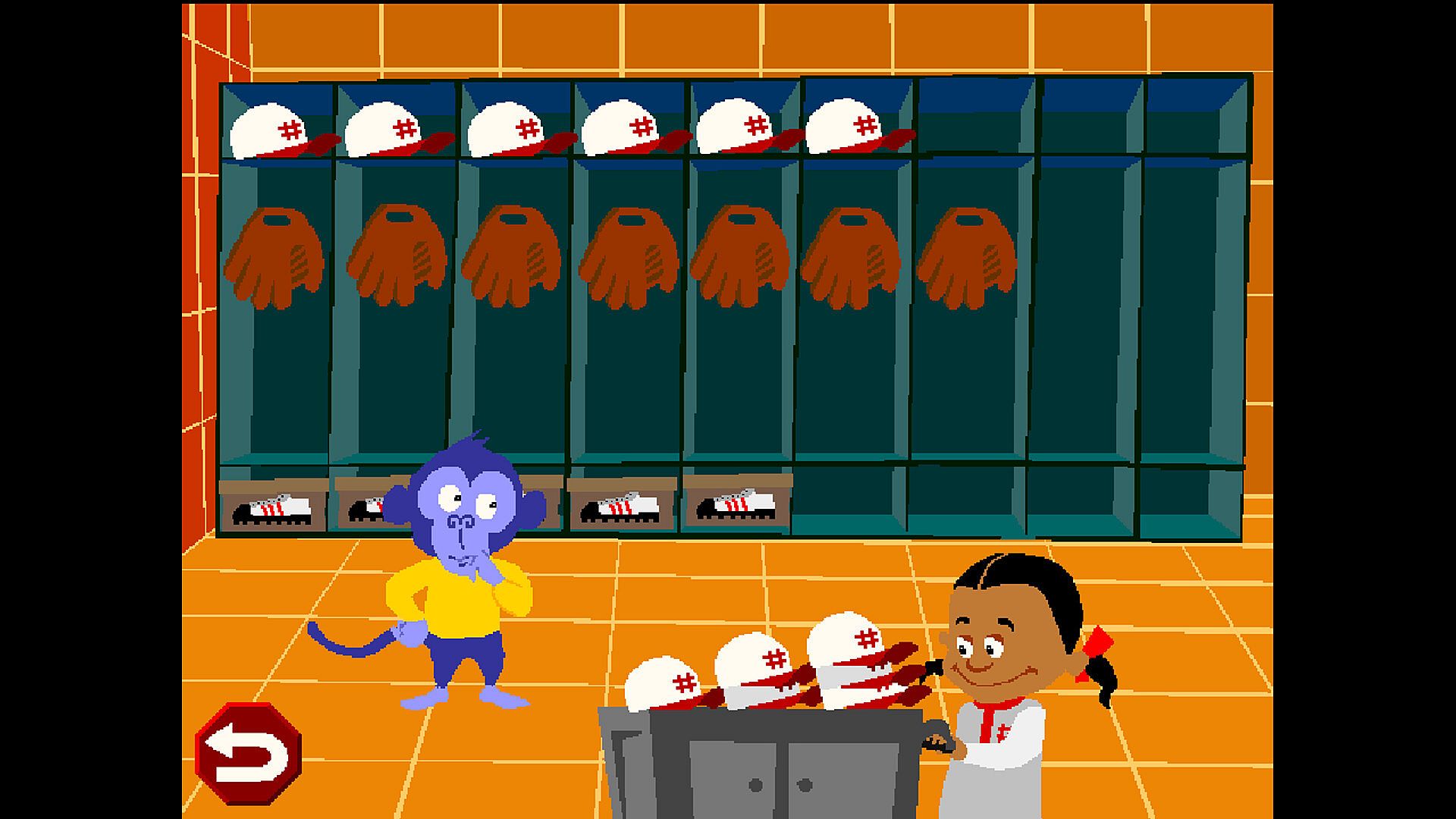
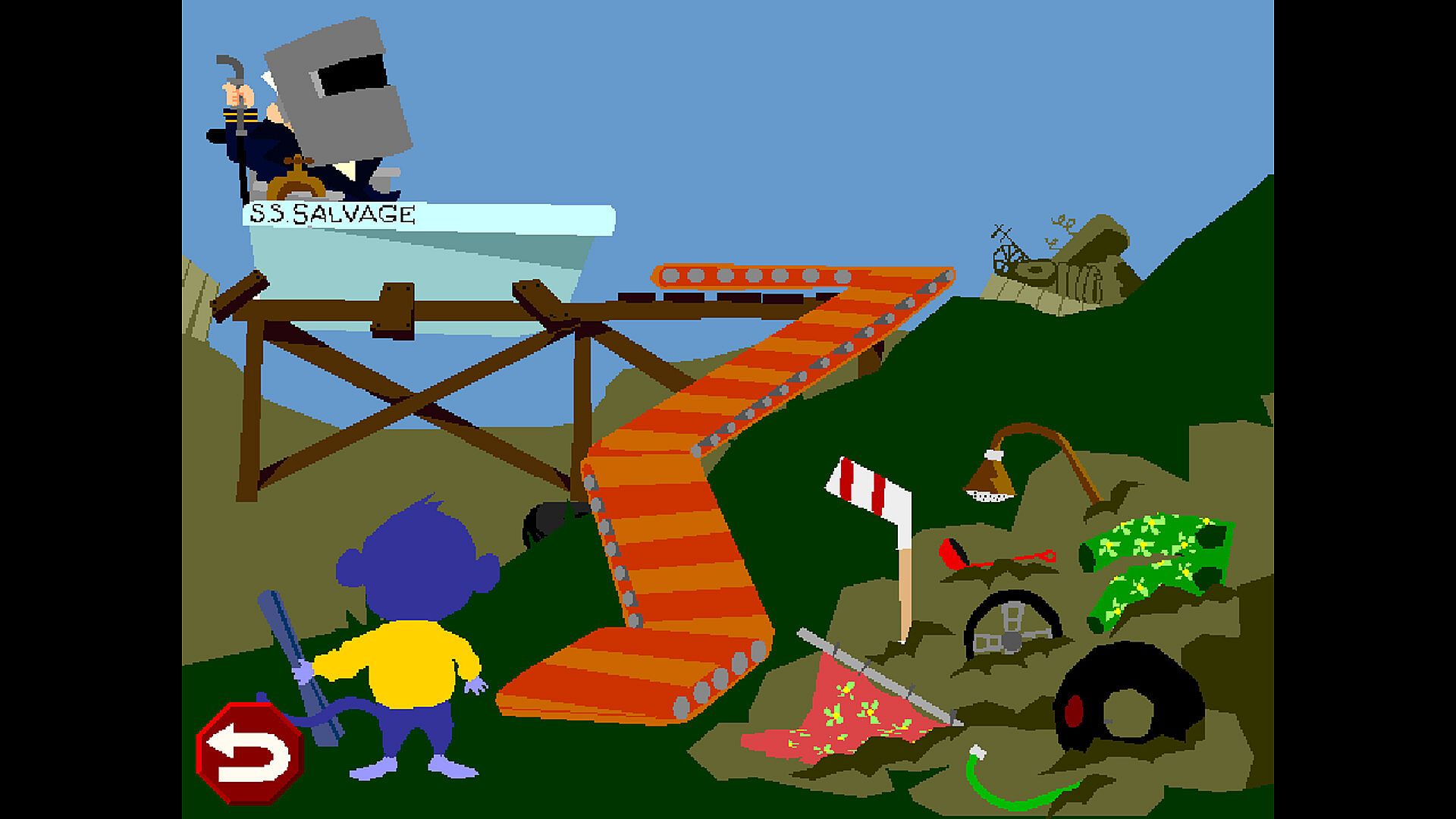
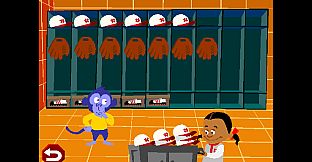
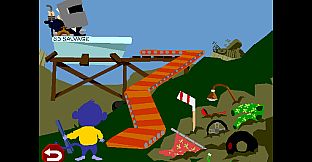
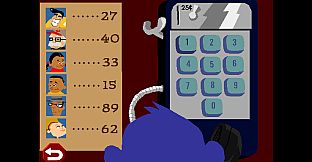
The primary structure is a guided tour across ten neighborhoods, each centered on a distinct math concept with five varied learning approaches. Counter Stadium emphasizes counting and scorekeeping through games and songs. Jumble Jungle focuses on shapes and open construction where elements combine freely. Sizemobile Shop teaches size comparisons, measurement, and dimensions via a vehicle customization workshop. Junk Junction covers sequencing, ordering, and patterns with incremental assembly tasks. 123 Fourth Street introduces spatial directions and ordinal numbers through navigation across building floors.
Additional play options include singing along with Zack on topics such as shapes and time, building custom creations from geometric forms, and completing targeted puzzles like assembling parts for Monkie-Sue's boat. These elements function as flexible extensions rather than separate competitive modes, allowing sessions to mix structured puzzles with freer creative exploration.
Learning Focus and Activities
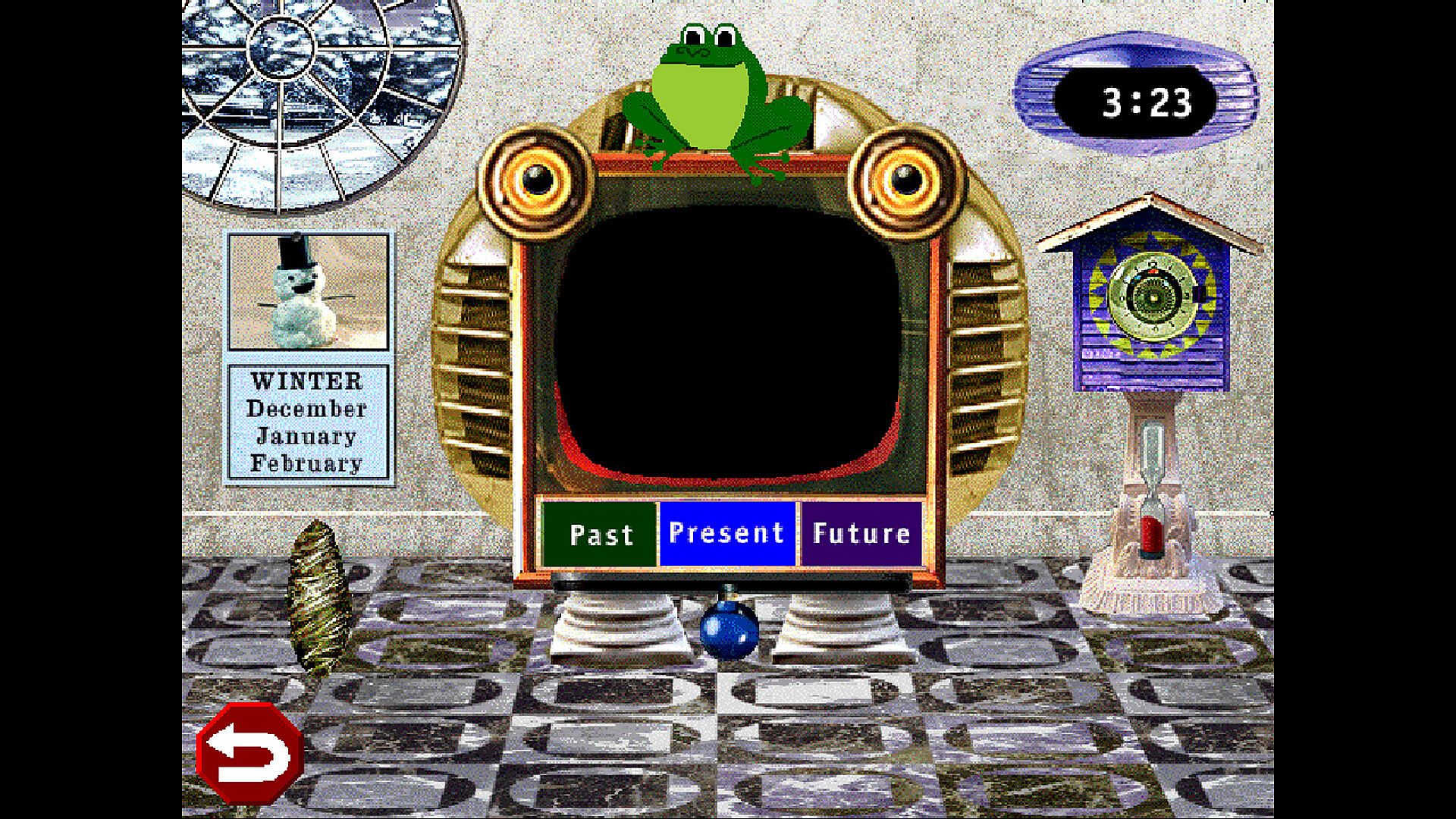
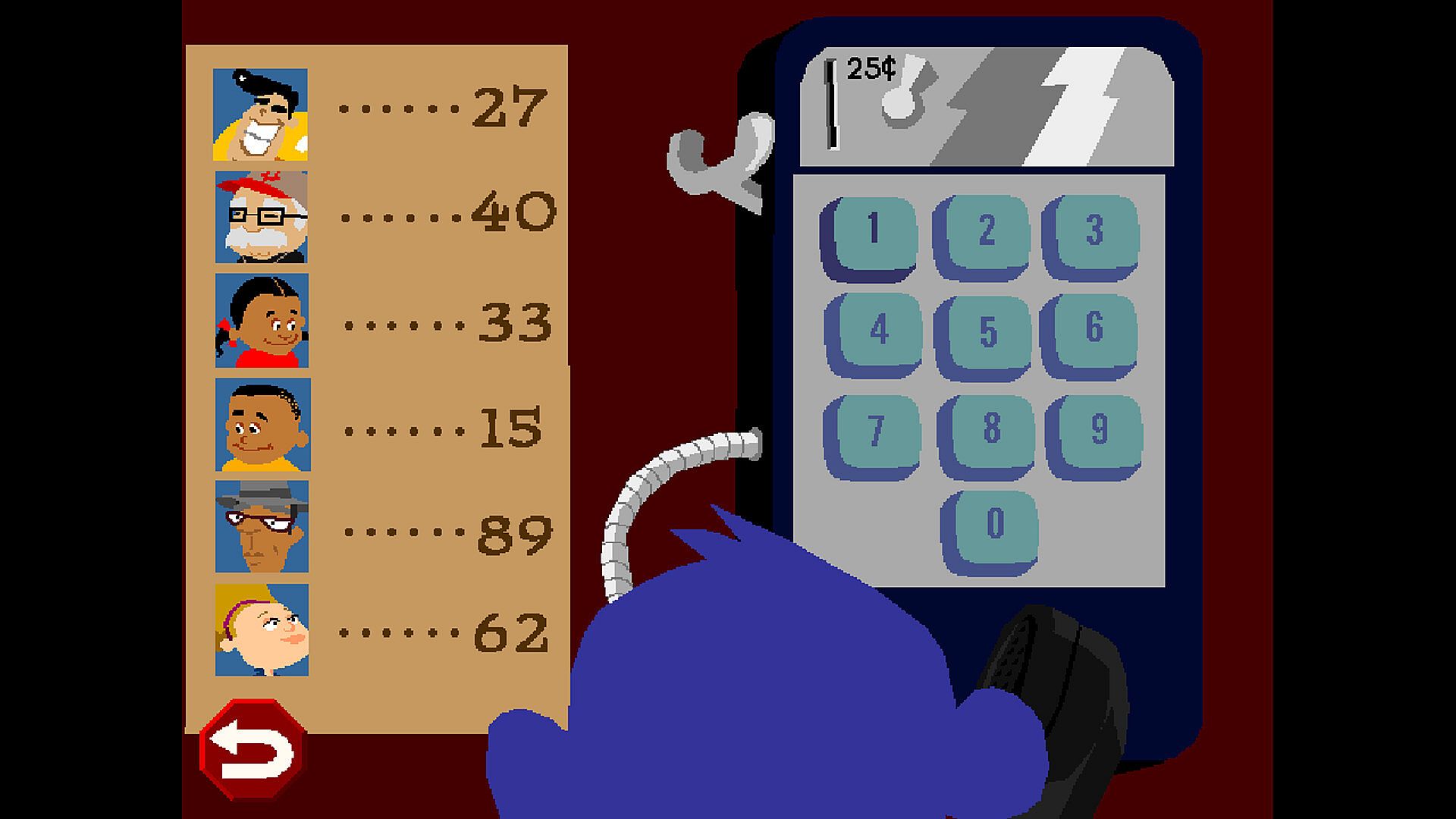
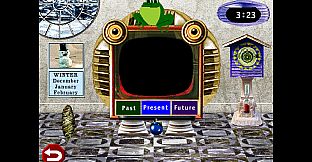
Activities target foundational skills including counting and numbers, shapes with matching, sequencing and patterns, left-right and up-down orientation, ordinal numbers, time concepts, and basic money handling. Problem-solving emerges through decision-making in puzzles and observing results in creative sections. The approach relies on active participation, song repetition, and choice-based exploration so children encounter concepts repeatedly in different contexts without formal instruction.
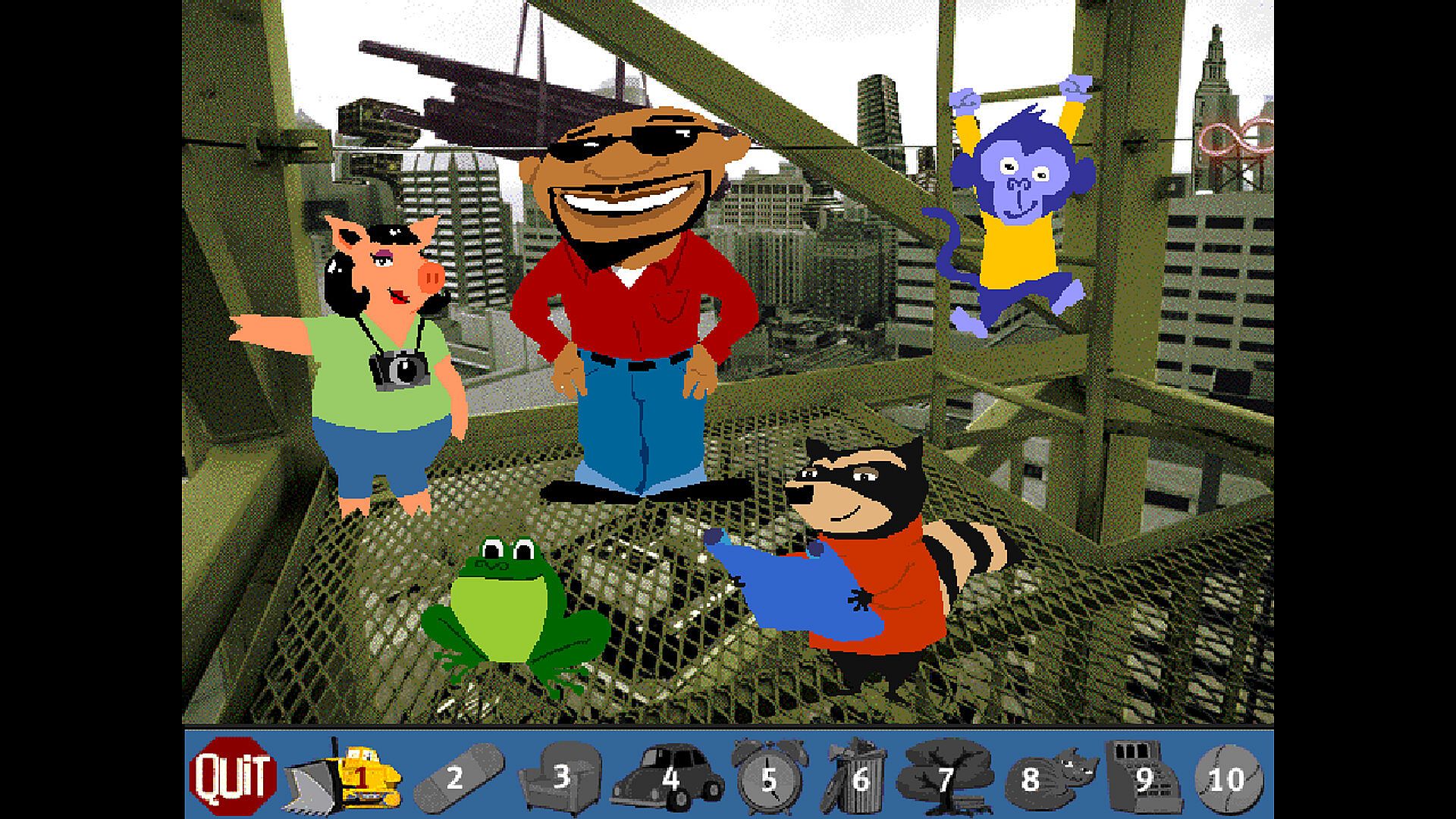
Five gang members each anchor a distinct activity type across neighborhoods: story puzzles, creative free play, matching exercises with difficulty options, number picture shows, and animated songs. This variety keeps sessions dynamic while reinforcing the same core ideas through repetition in fresh formats.
Current State and Availability
The title originated as a 1996 release and returns on modern PC platforms with updated compatibility for current operating systems. It remains a single-player experience with no multiplayer components or ongoing seasonal content. System requirements stay modest, supporting a broad range of hardware for family use.
Is It Worth Playing?
This game suits parents and educators seeking a low-pressure introduction to early math for young children. Its activity-driven structure and musical elements make learning feel like unstructured play, which aligns well with short attention spans. The re-release preserves the original's focus on experimentation and discovery, making it suitable for repeated sessions at home or in early learning settings. Families who value educational software that prioritizes engagement over testing will find the neighborhood tours and varied activities a solid match, especially when combined with adult participation for discussion and extension.