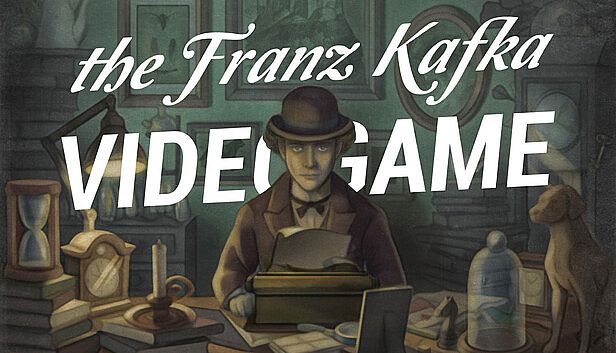























The Franz Kafka Videogame is an indie point-and-click adventure title centered on puzzle solving and atmospheric exploration. Players follow the journey of protagonist K. after he accepts an unexpected job offer that leads him far from home into a world marked by illogical events and shifting realities. The experience draws directly from the themes of Franz Kafka, emphasizing confusion, bureaucracy, and the absurd without relying on combat, progression systems, or item collection.
Gameplay
Core gameplay revolves around interacting with the environment through simple clicks to examine objects, trigger events, and solve logic-based puzzles. Each screen or area functions independently, so solutions remain local rather than carrying over across the entire adventure. This structure removes the need for an inventory and keeps focus on immediate observation and trial. Puzzles often require noticing unusual connections between elements in the scene, such as rearranging items in unexpected ways or interpreting surreal visual cues. Hints appear gradually if progress stalls, though they do not solve challenges outright. The absence of boss encounters or role-playing elements means every moment stays dedicated to navigation and deduction within the strange settings K. encounters during his travels.
Progression follows a linear path through a series of distinct locations that reflect the protagonist's growing disorientation. Players must experiment with different actions on the same objects because the game rewards unconventional thinking over standard adventure conventions. Controls stay minimal, relying on mouse input for selection and interaction, which suits the deliberate pace of uncovering each puzzle's internal logic. The design encourages repeated attempts on individual screens until the correct sequence emerges, mirroring the uncertainty central to the source material.
Game Modes
The title presents a single continuous single-player campaign without separate modes, difficulty settings, or multiplayer options. All content unfolds in one uninterrupted sequence that players complete at their own pace. There are no branching paths, challenge variants, or additional scenarios beyond the main journey of K. This focused structure keeps the emphasis on the core puzzle loop and the unfolding atmosphere rather than offering replay incentives through alternate rulesets or competitive elements.
Visual Style and Presentation
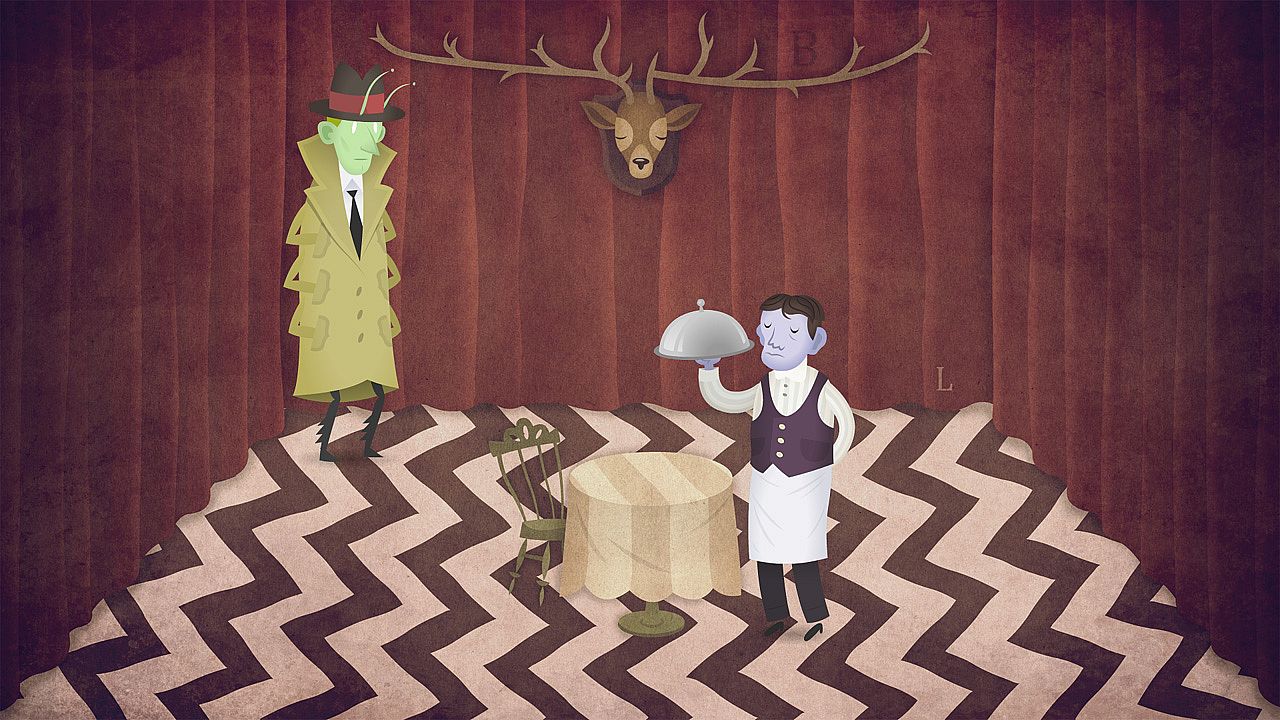
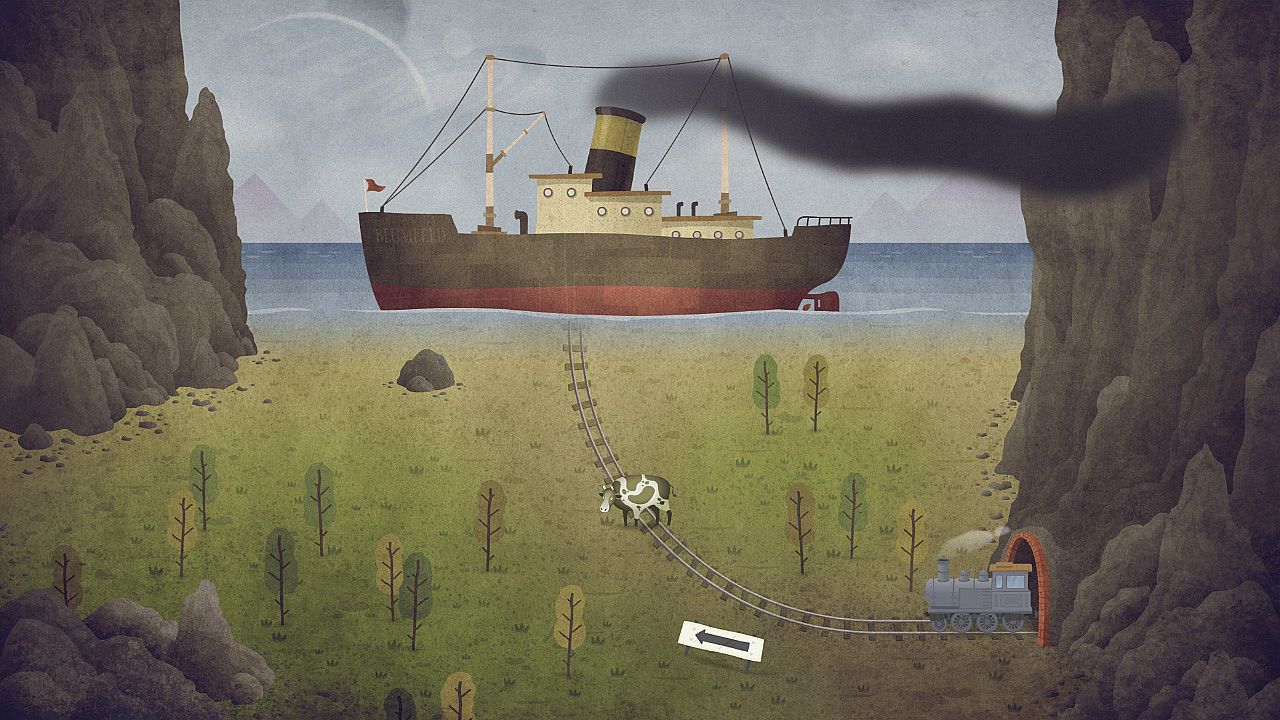
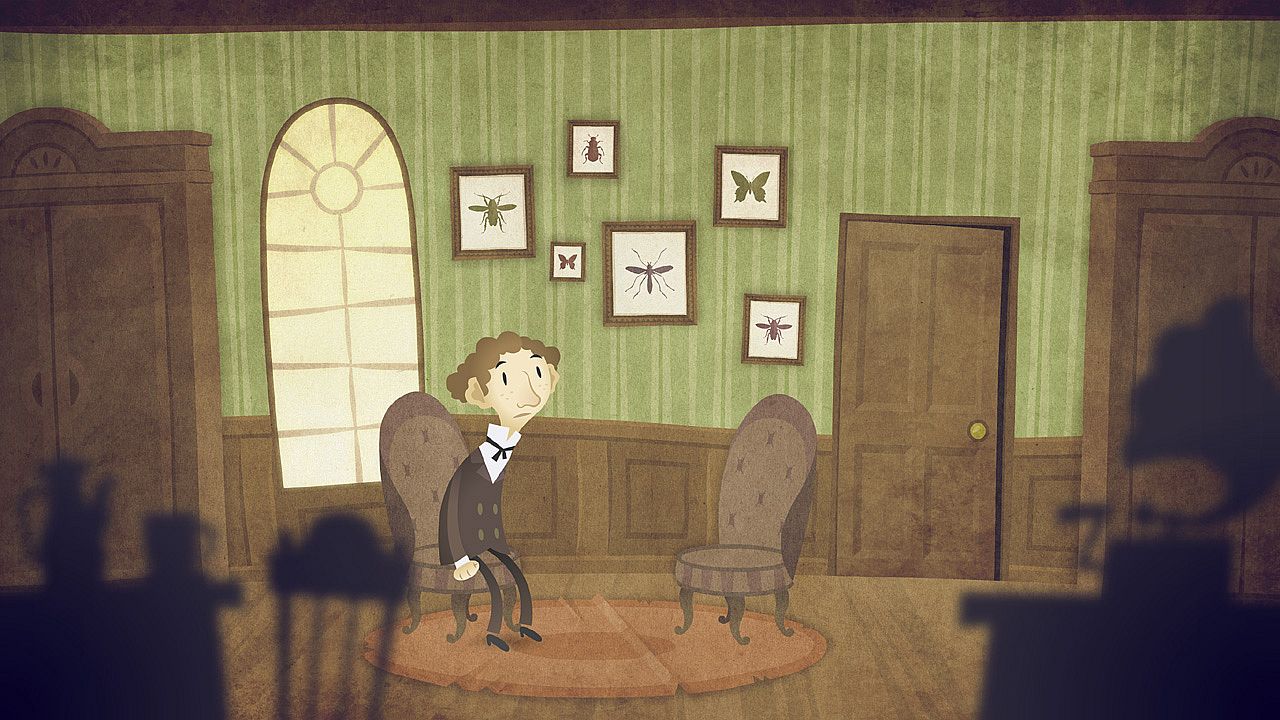
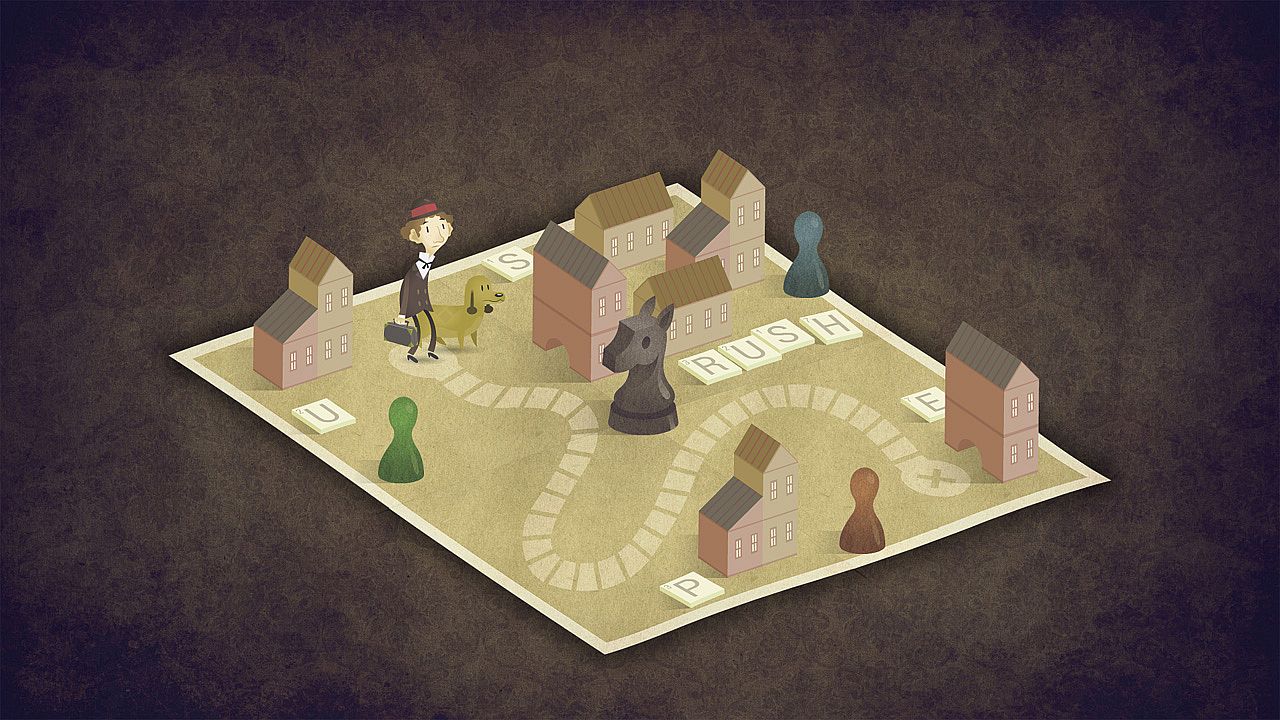
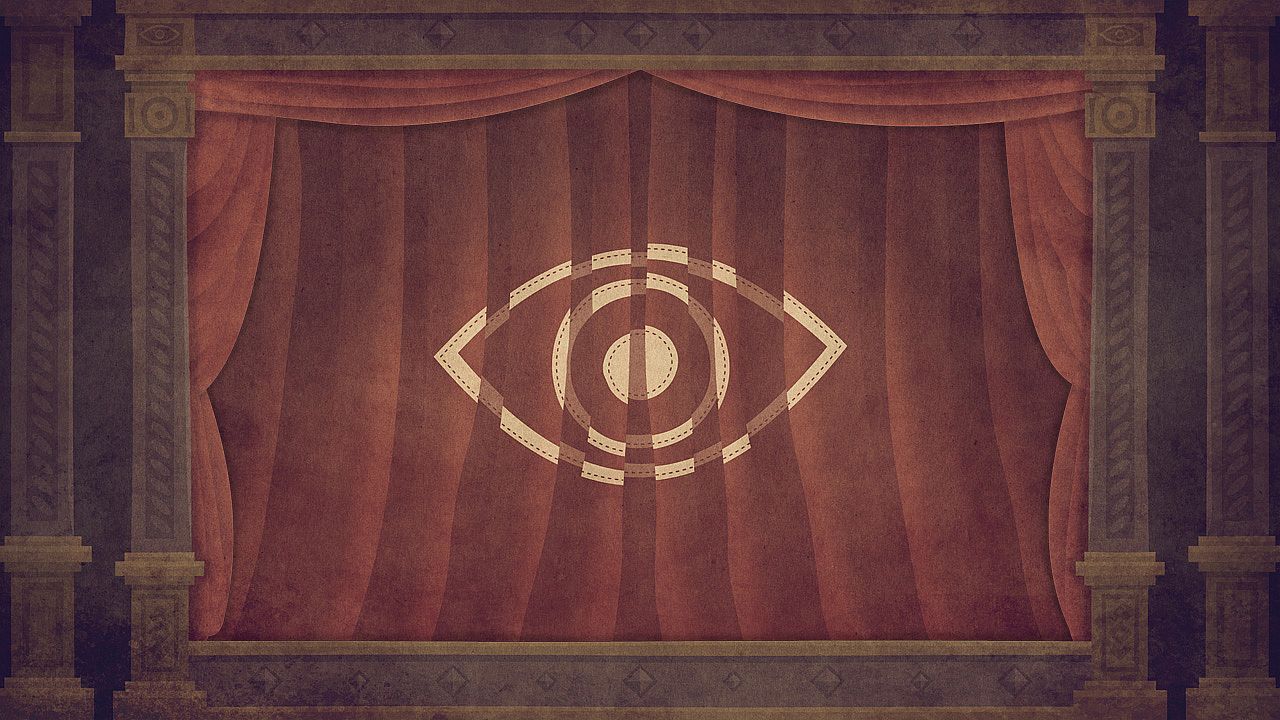
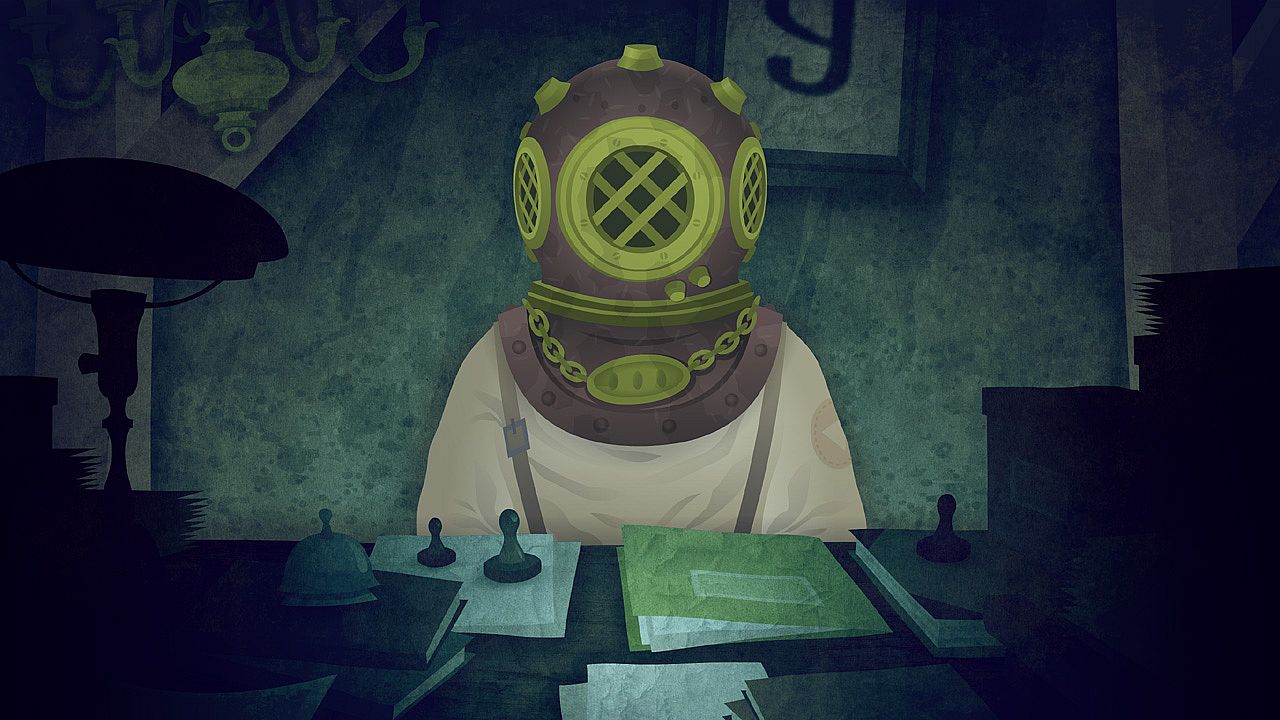
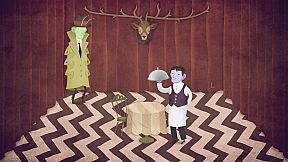
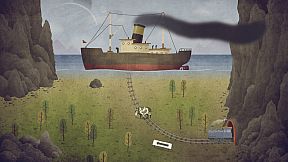
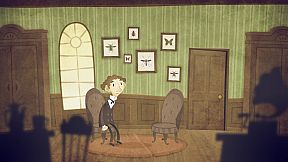
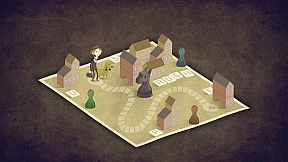
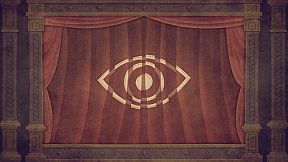
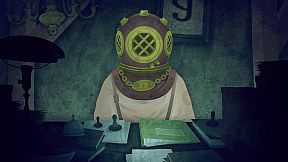
High-definition artwork renders the environments in a distinctive hand-drawn style that blends everyday settings with dreamlike distortions. Colors and compositions shift to reinforce the sense of unreality as K. moves through unfamiliar places. Sound design supports the mood with understated effects and minimal music that avoids overpowering the visual oddities. The overall presentation maintains a consistent aesthetic across all areas, highlighting the surreal without introducing unnecessary complexity or layered mechanics.
Is It Worth Playing?
This game suits players who enjoy short, self-contained puzzle adventures that prioritize atmosphere and unconventional logic over length or variety. Its straightforward interaction model and lack of traditional adventure friction make it accessible for those new to the genre, while the thematic focus on absurdity appeals to fans of literary-inspired experiences. Reviews describe the visuals as a highlight and note the puzzles as occasionally inventive yet sometimes opaque. The complete playthrough typically lasts only a few hours, which some appreciate for its concise delivery and others find limits deeper engagement. Those seeking extended campaigns, combat, or character development will likely find the narrow scope restrictive, whereas individuals drawn to surreal narratives and direct environmental problem-solving may value the focused execution. The game remains available as a complete standalone release with no ongoing seasonal content or expansions required for the core experience.