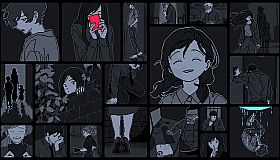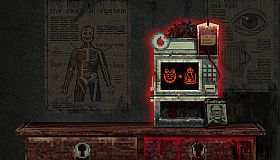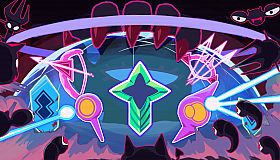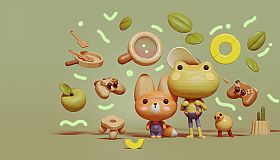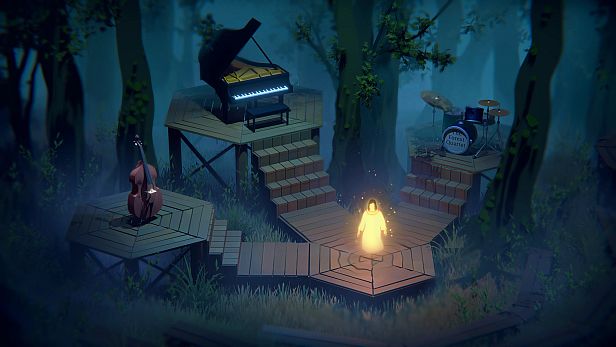



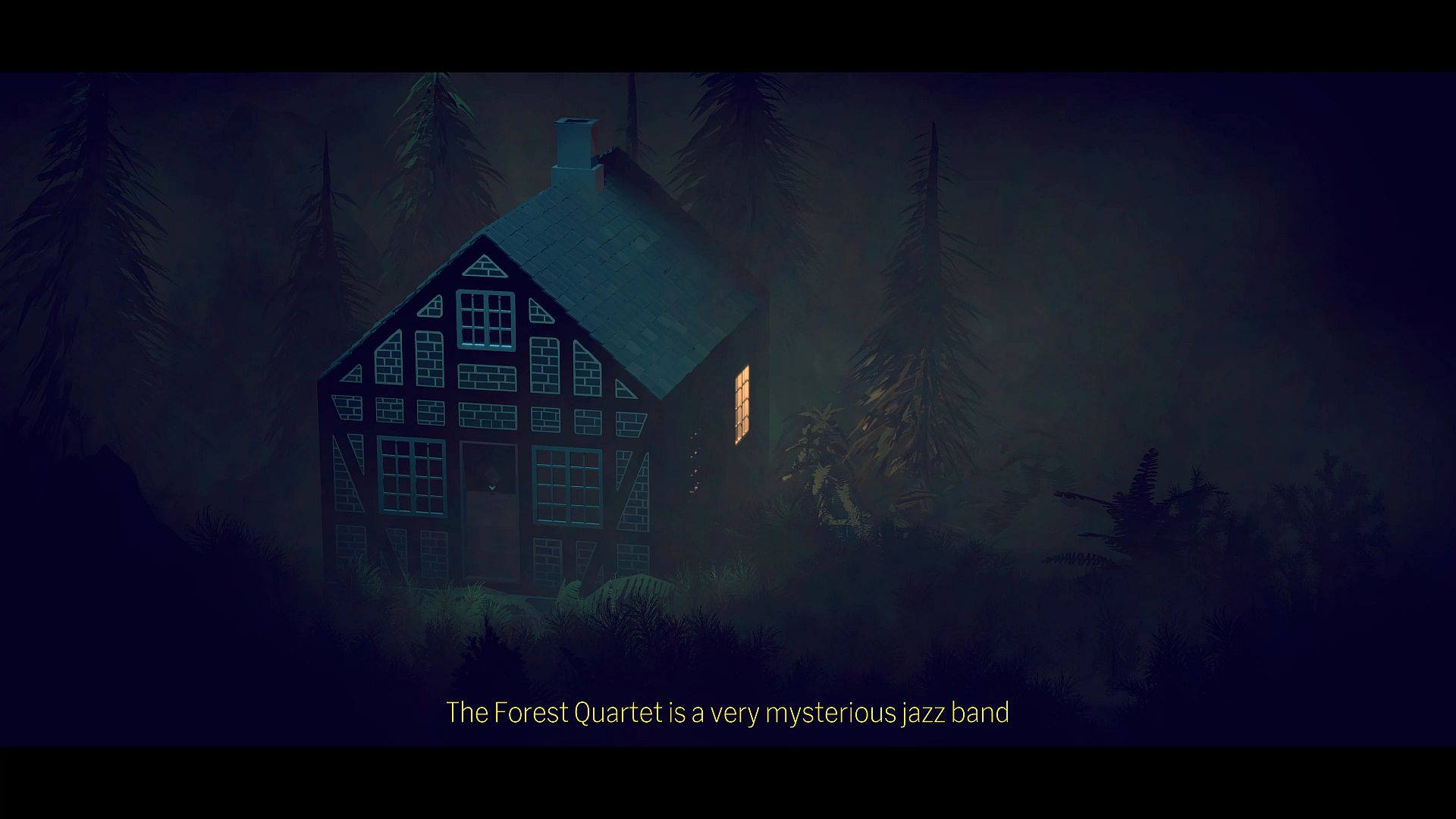
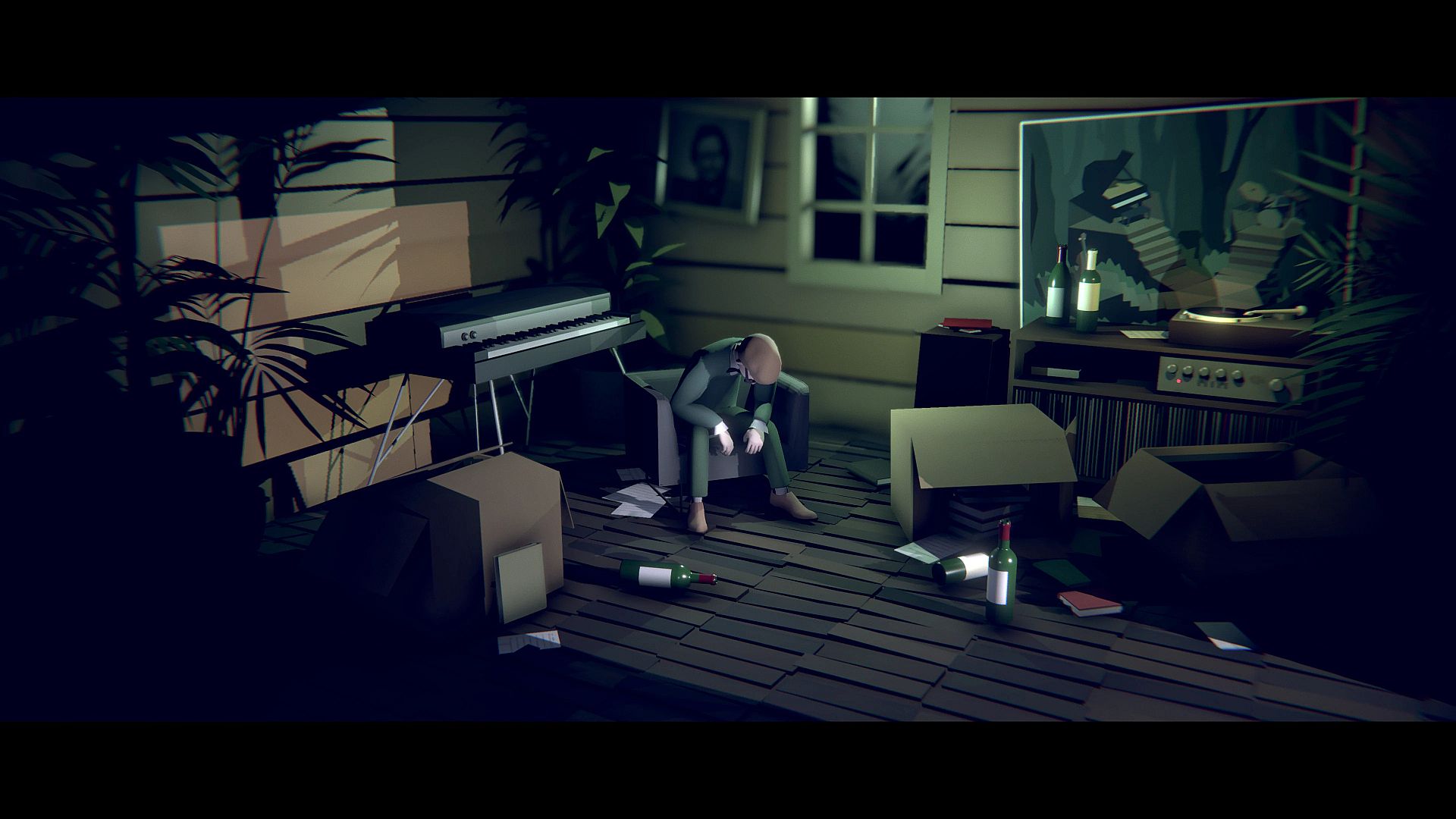


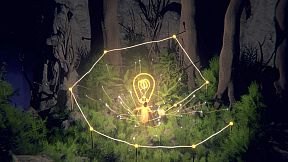

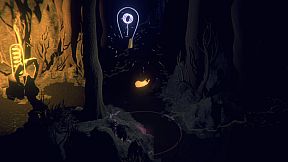

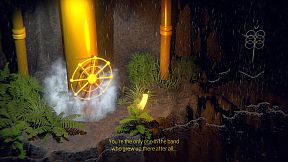
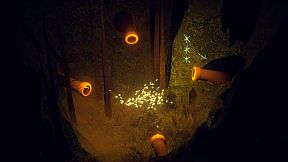

The Forest Quartet is a single-player puzzle adventure game centered on themes of grief, loss, and emotional recovery. Players control the spirit of Nina, the deceased lead singer of a jazz quartet, as she navigates the inner worlds of her surviving bandmates to help them prepare for a final concert. The experience unfolds across three distinct acts, each tied to one band member and reflecting their personal struggles with the loss.
Gameplay
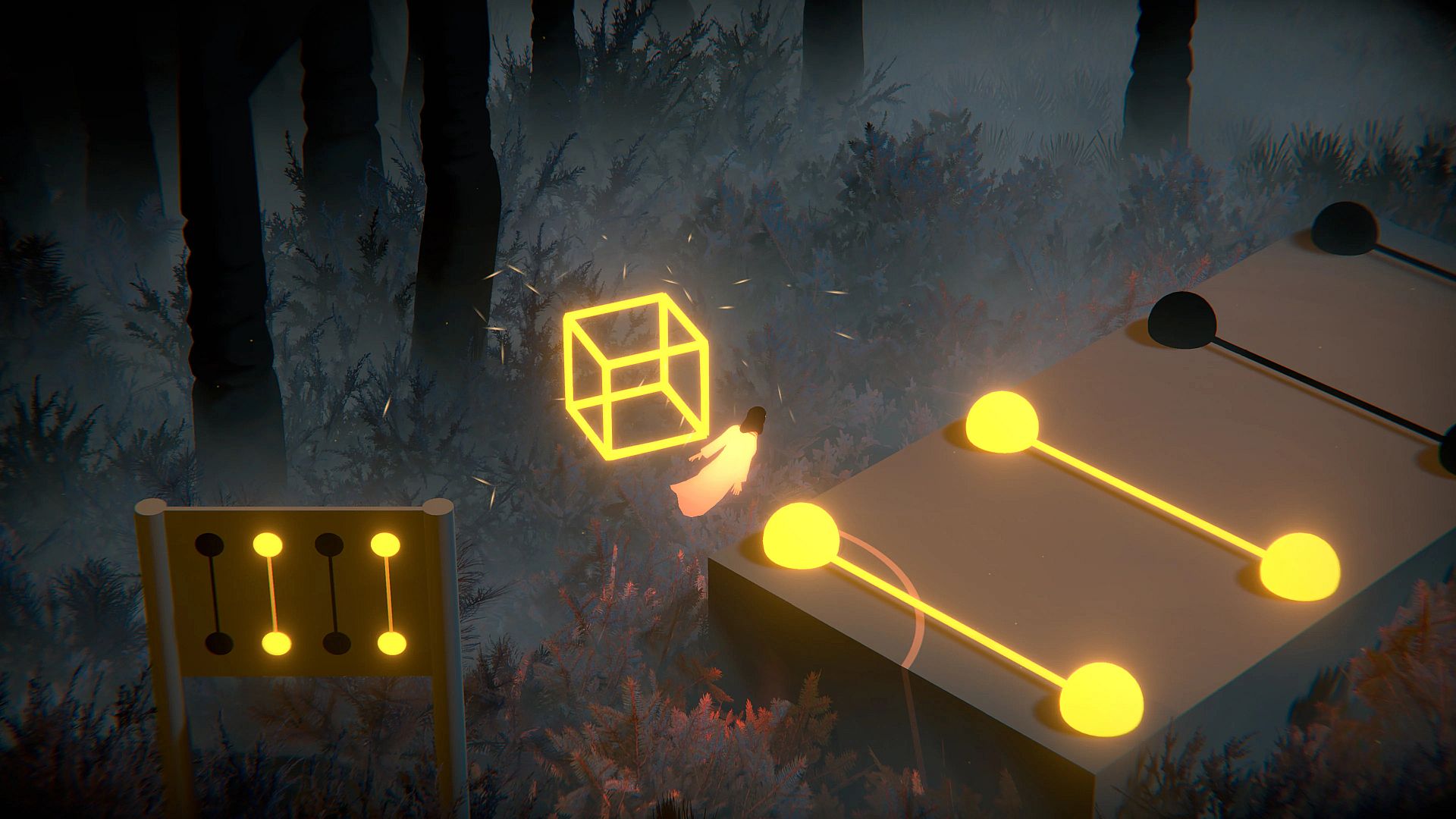
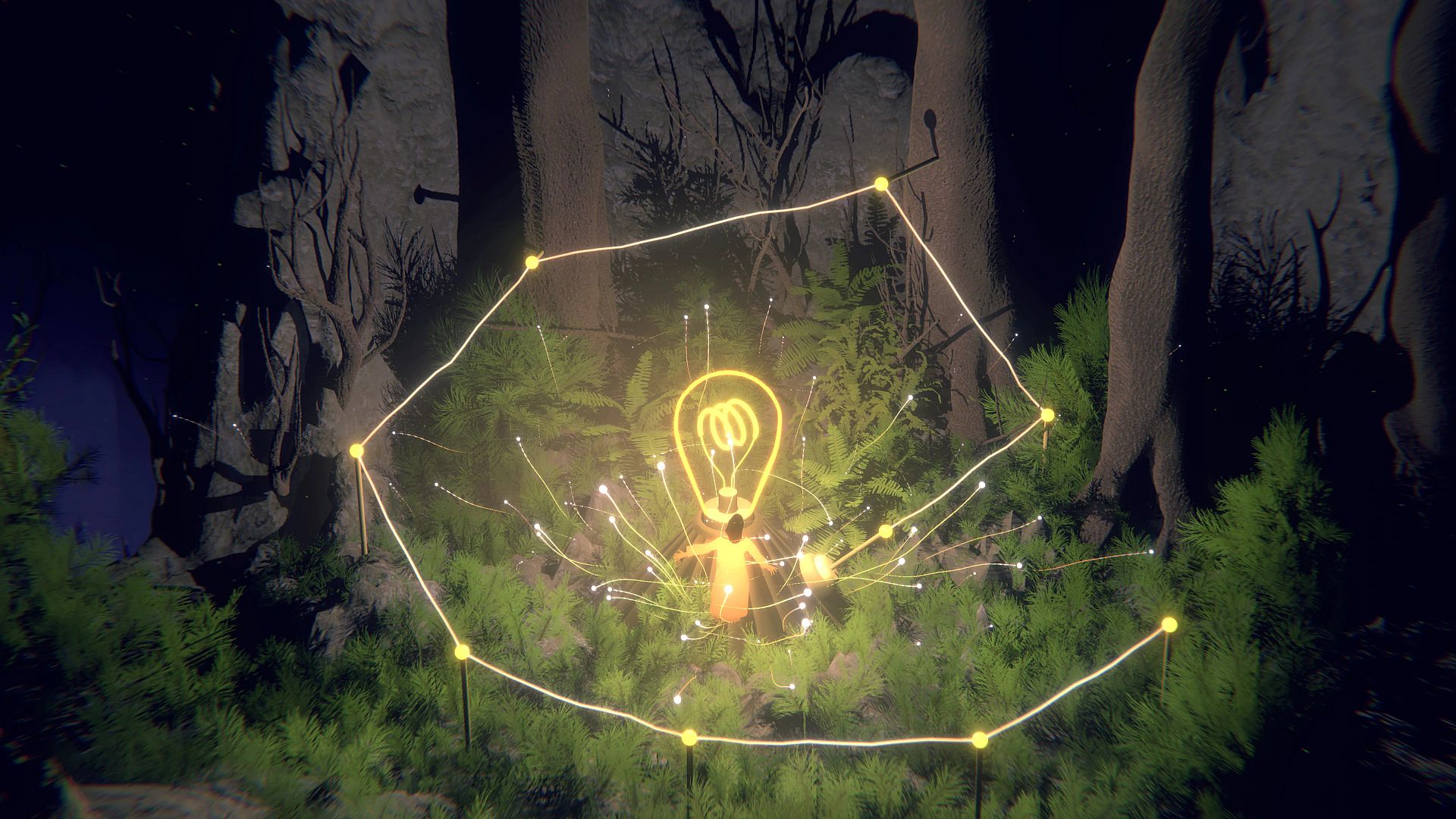
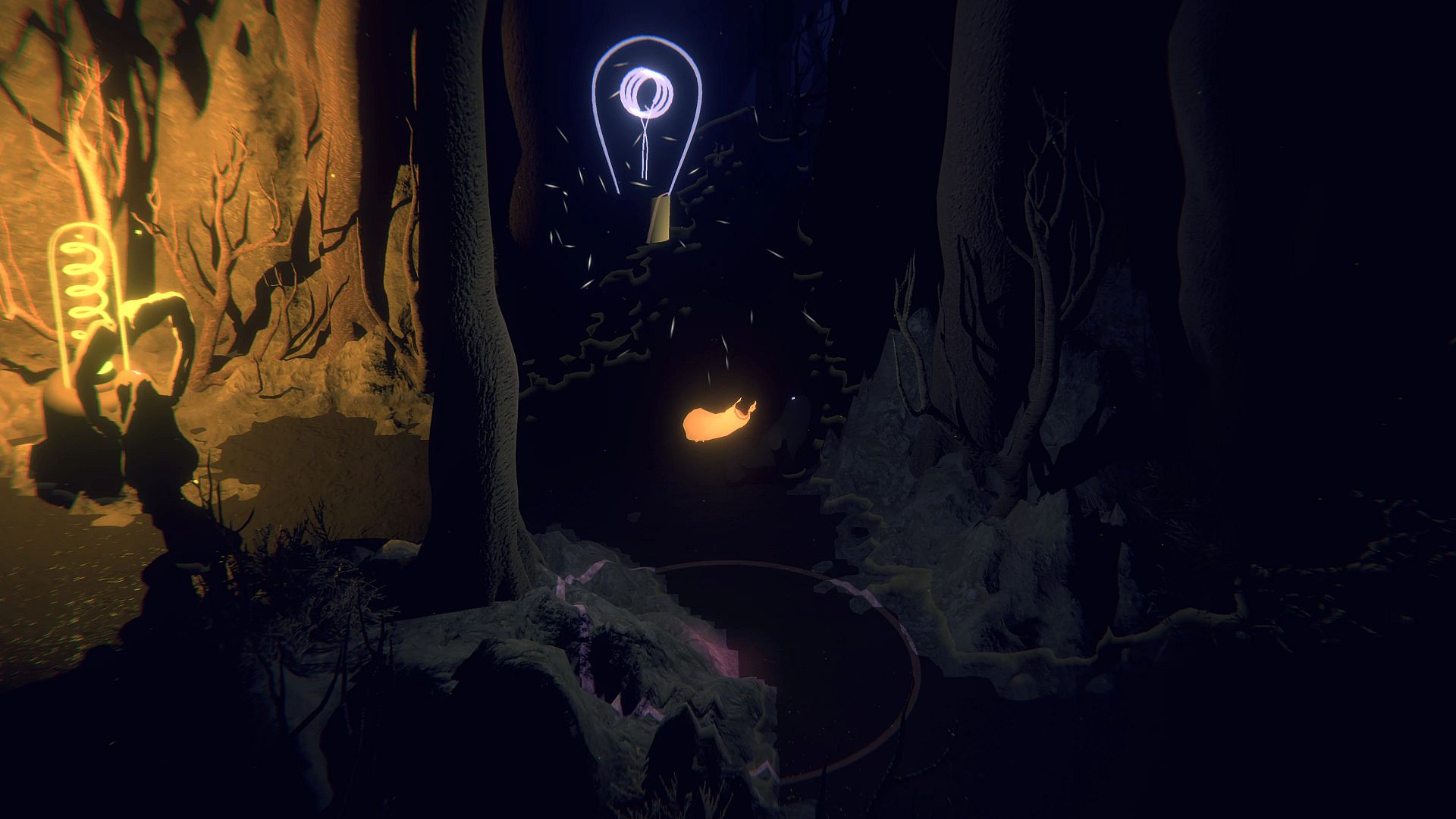
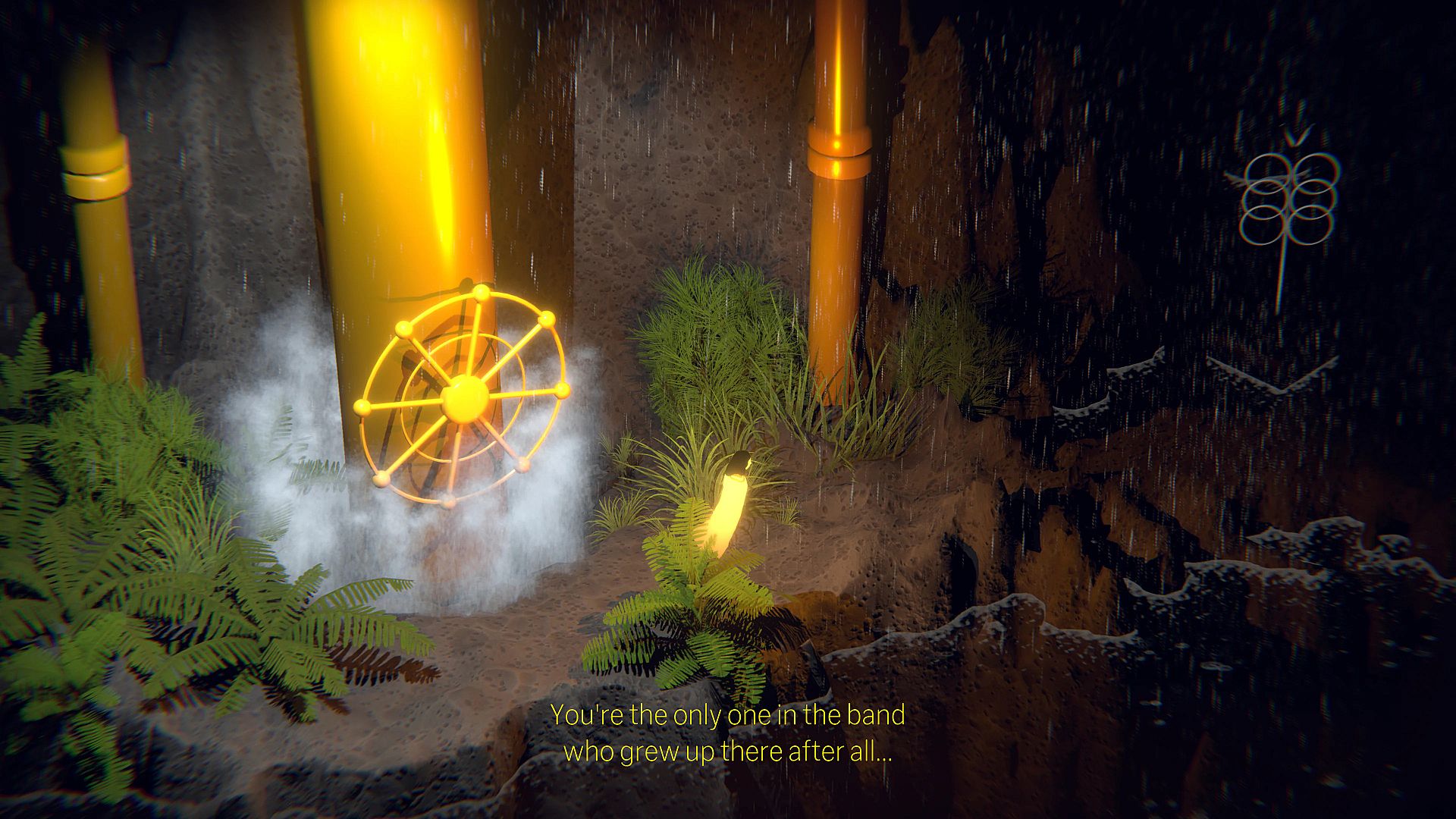
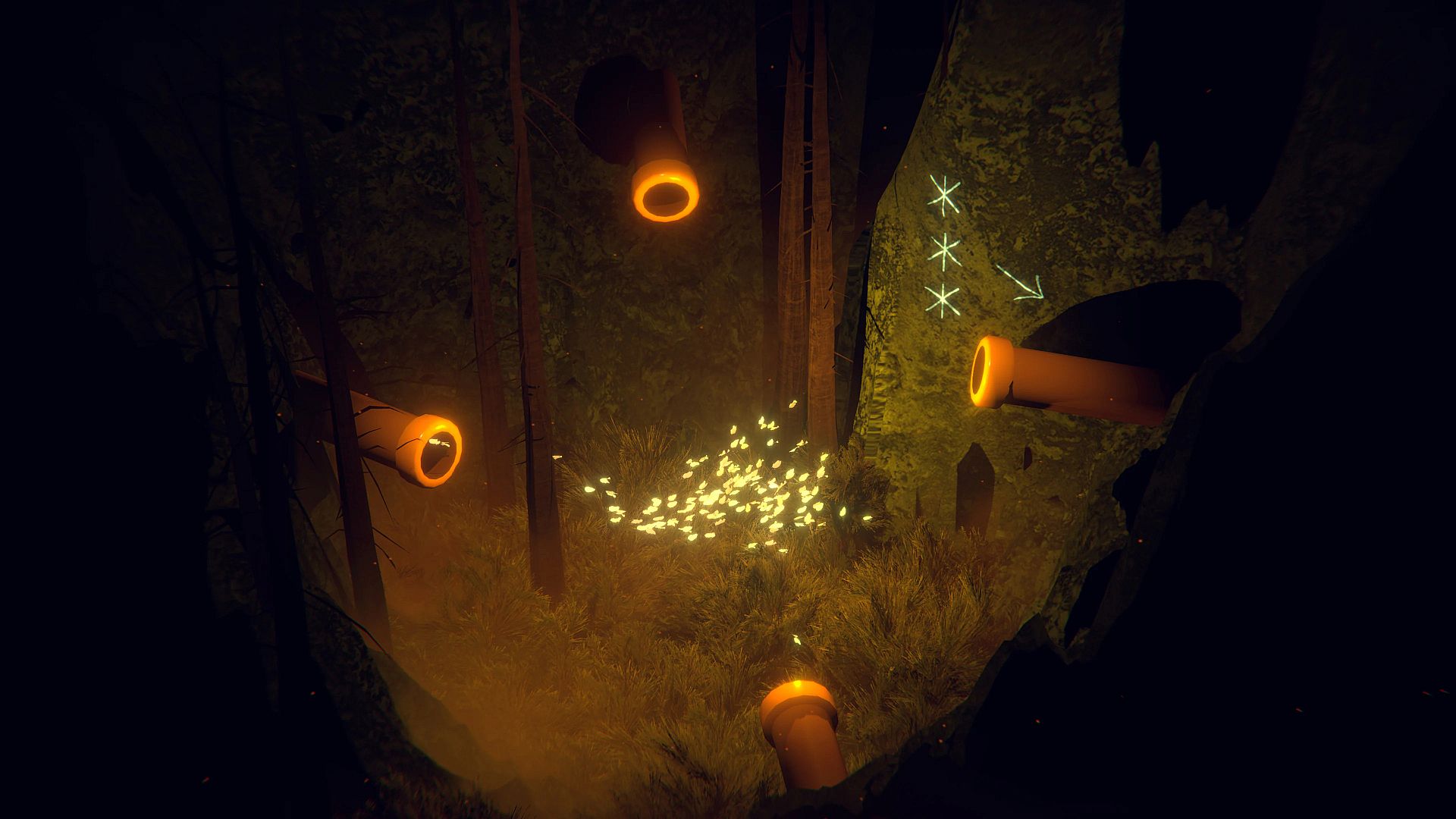
Core gameplay revolves around exploration and light puzzle-solving in stylized, atmospheric environments. Nina moves through corrupted natural settings that mirror the band members' emotional states, using her voice to interact with objects and clear obstacles. Singing clears tangled branches or influences the surroundings, while creating light from her fingertips illuminates dark areas and reveals paths. Players progressively unlock abilities such as gliding, floating, and transforming into a swarm of butterflies to traverse vertical spaces or navigate tight mazes like underground pipe systems.
Environments actively contribute to the audio experience. Crackling fires, wind through caverns, and other ambient sounds layer into the original jazz soundtrack composed specifically for the game. Puzzles emphasize observation and experimentation rather than complex mechanics, with no on-screen text or tutorials guiding progress. The focus remains on restoring balance to decaying forests, flooded homes, and volcanic landscapes by addressing the corruption tied to each band member's psyche.
Controls emphasize fluid movement and interaction, allowing players to float between platforms or swarm through confined areas. The short overall length encourages focused sessions without overwhelming commitment.
Game Modes
The Forest Quartet offers a single-player narrative experience structured around three unique acts. Each act represents one band member's emotional journey and features tailored environments, puzzles, and musical elements that advance the story toward the final concert. There are no separate multiplayer options, competitive modes, or additional variants. Progression follows a linear path through the acts, with abilities gained over time unlocking new ways to explore and solve challenges within those sections.
Players move through the acts in sequence, facing themes of heartbreak and recovery in each. The structure supports both continuous play in one sitting and shorter, repeated visits across multiple evenings.
Story and Themes
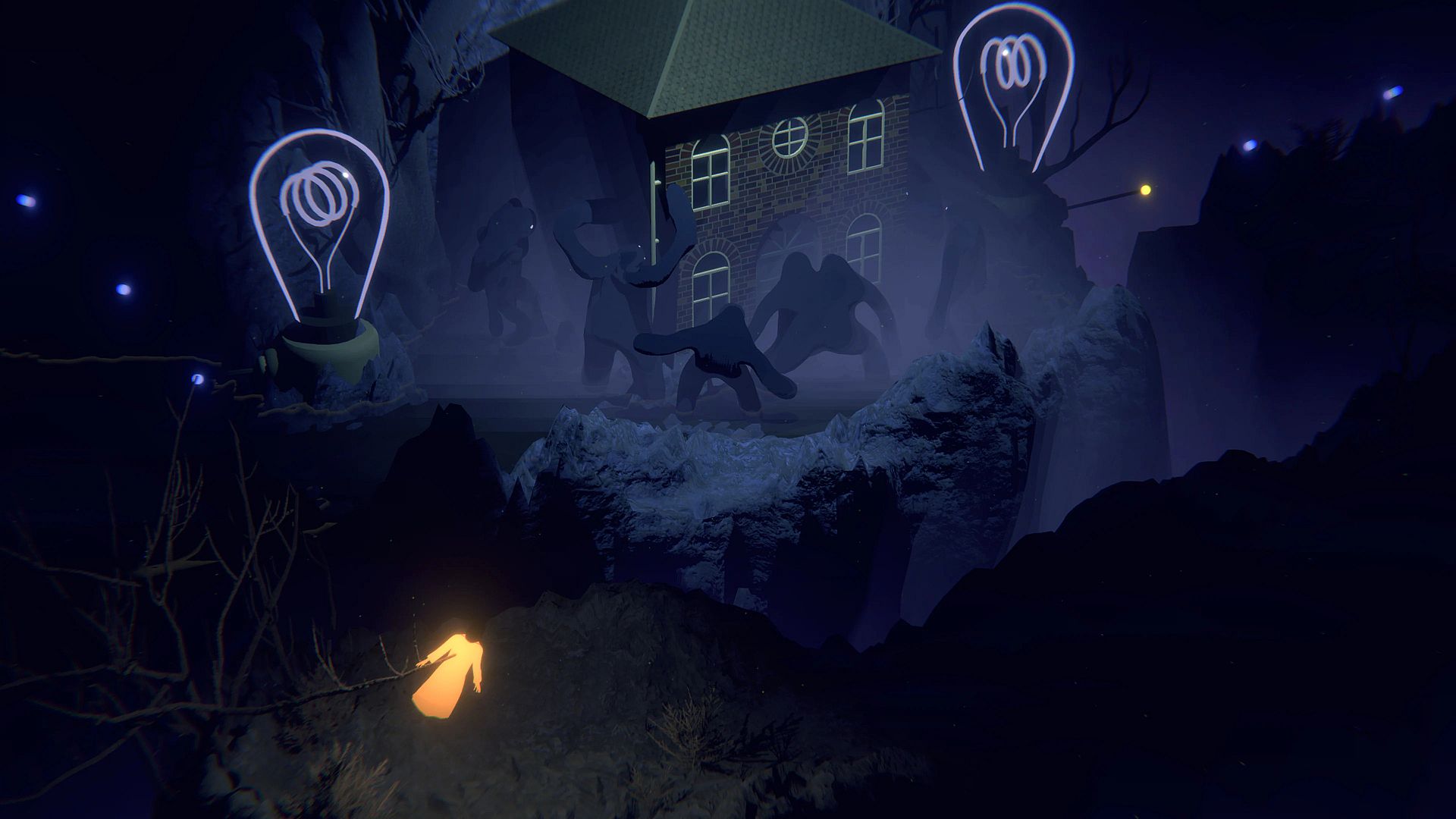
The narrative explores the aftermath of losing the band's lead singer through symbolic representations of grief. Kirk's act involves a spreading fungus that turns lush inspiration into decay, addressed by restoring the forest with vocal power. JB's section deals with darkness and awakened creatures in his home, requiring players to reignite light and musical inspiration. The third act features volcanic destruction and fires, solved by guiding butterflies through pipe mazes to restore underground water systems. These elements tie directly into the band's shared history and the push toward closure.
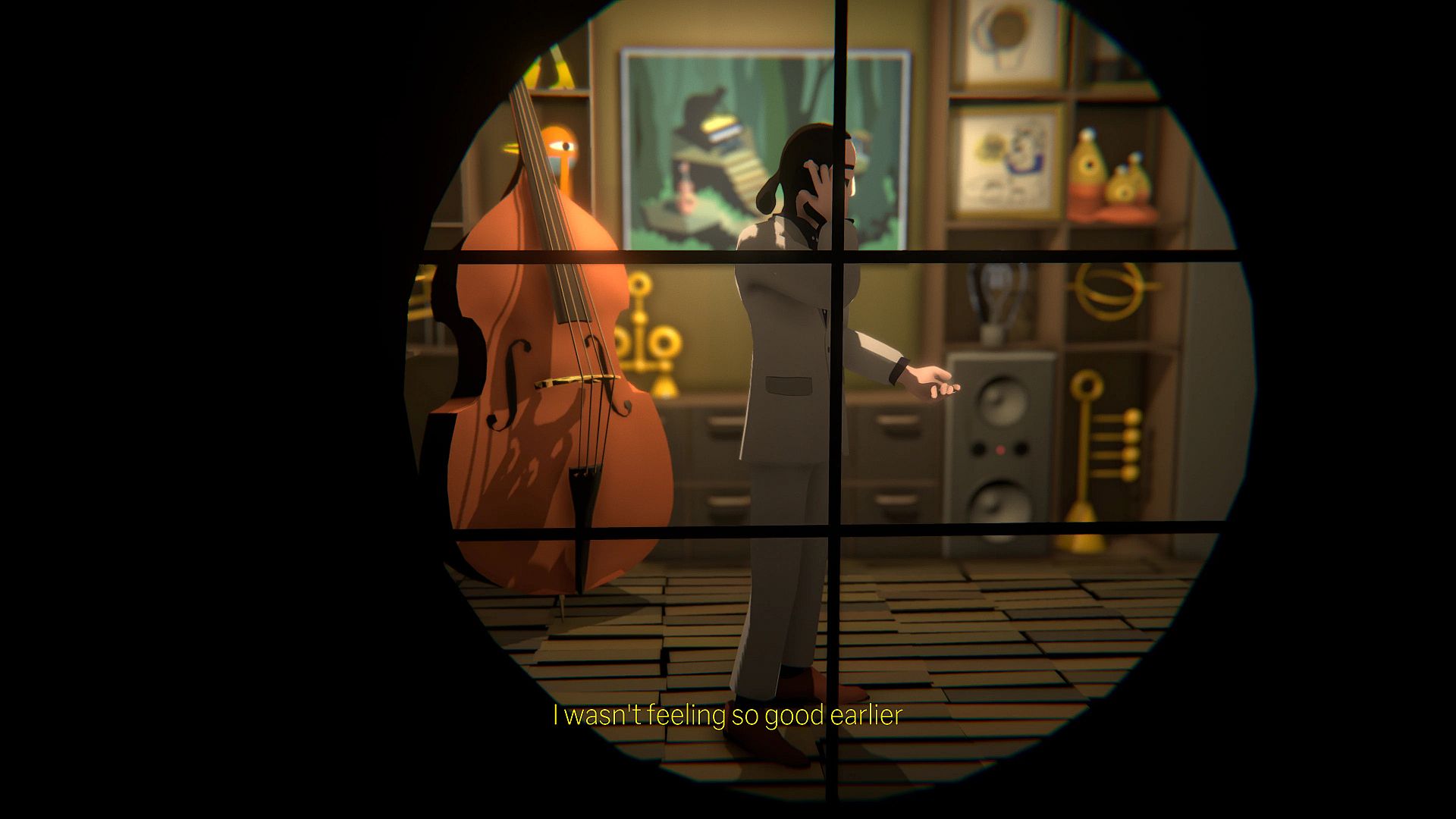
Music plays a central role, with the jazz score performed by members of the Danish Radio Big Band and featuring vocals from the developer's sister. Objects and settings enhance the soundtrack dynamically, creating an integrated audio-visual presentation.
Is It Worth Playing?
Player reception has been very positive, with 93 percent approval from hundreds of reviews highlighting the emotional depth, artistic presentation, and accessible puzzle design. The game suits those interested in narrative-driven adventures that prioritize atmosphere and personal reflection over action or complex systems. Its brevity makes it approachable for anyone seeking a complete, self-contained story that can be finished in a few hours.
Those who enjoy puzzle games with strong thematic focus and original soundtracks will find the experience rewarding. The absence of written instructions encourages direct engagement with the mechanics and environments. Availability on PC supports easy access for solo play, and the personal development background adds authenticity to the jazz-infused presentation. If emotional storytelling and gentle exploration appeal, the title delivers a focused and memorable session without unnecessary length or repetition.