











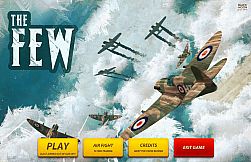
The Few is a strategy game set during the Battle of Britain in World War II. Players take command of the Royal Air Force to defend Great Britain from German bombing raids, balancing resource management with direct control of air units in a campaign that follows the historical timeline closely.
Gameplay
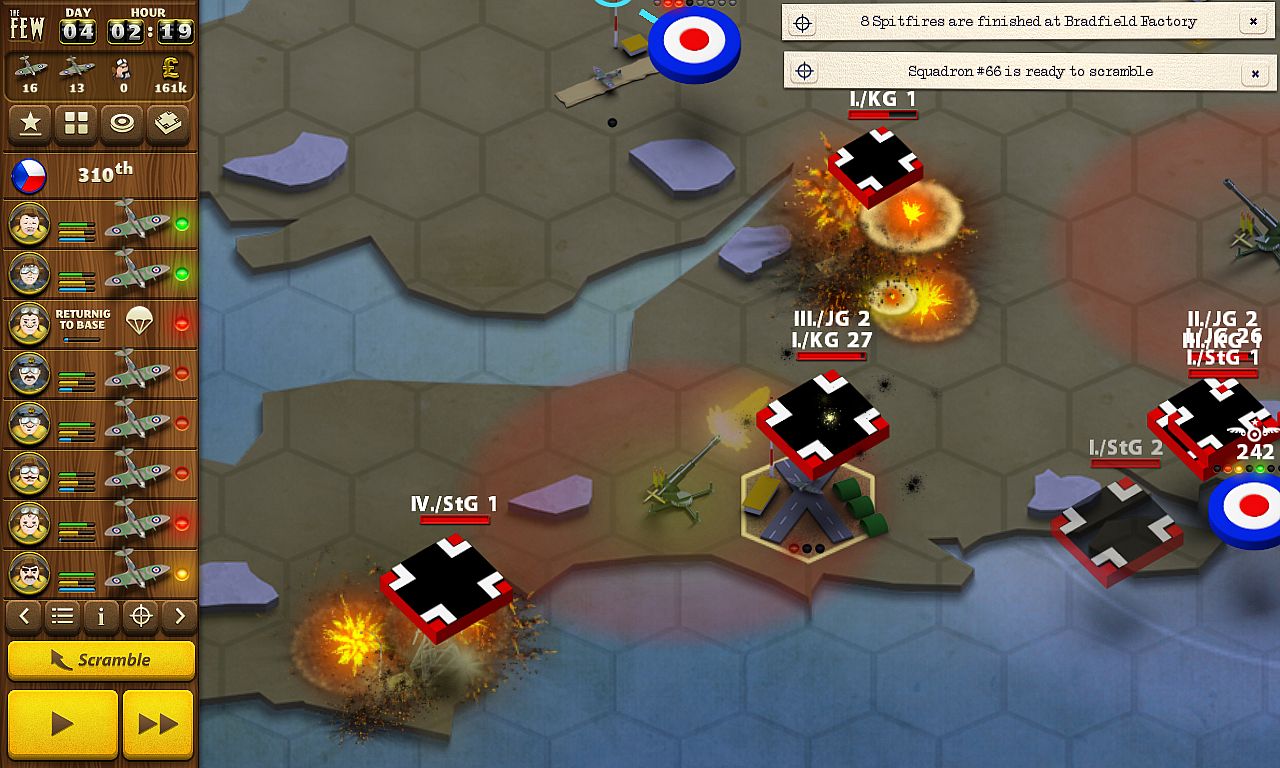
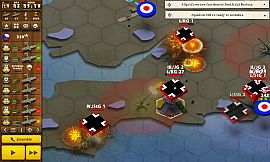
The core loop combines strategic oversight with tactical execution. Players allocate resources to war production, deciding which facilities and equipment to construct and where to position them across the map. Squadron placement forms another key layer, as available units must be positioned to respond to incoming threats. Once raids begin, attention shifts to organizing patrol routes and selecting tactics that position fighters for interception.
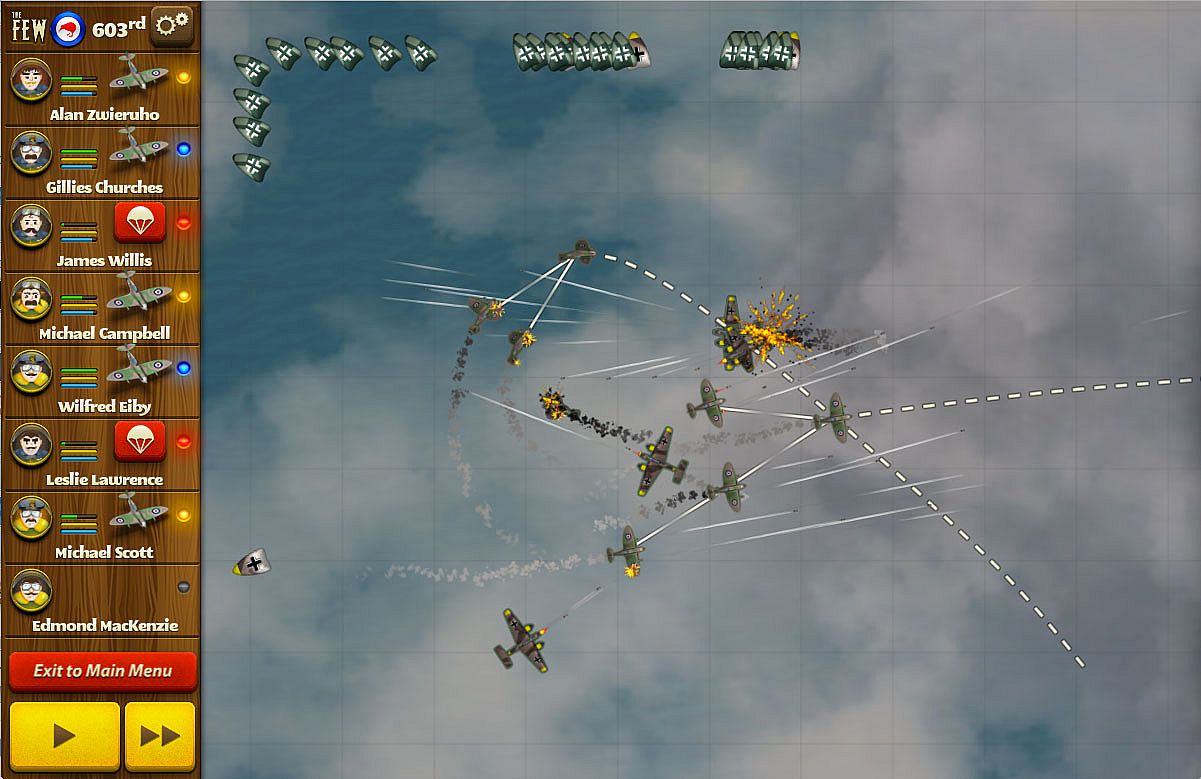
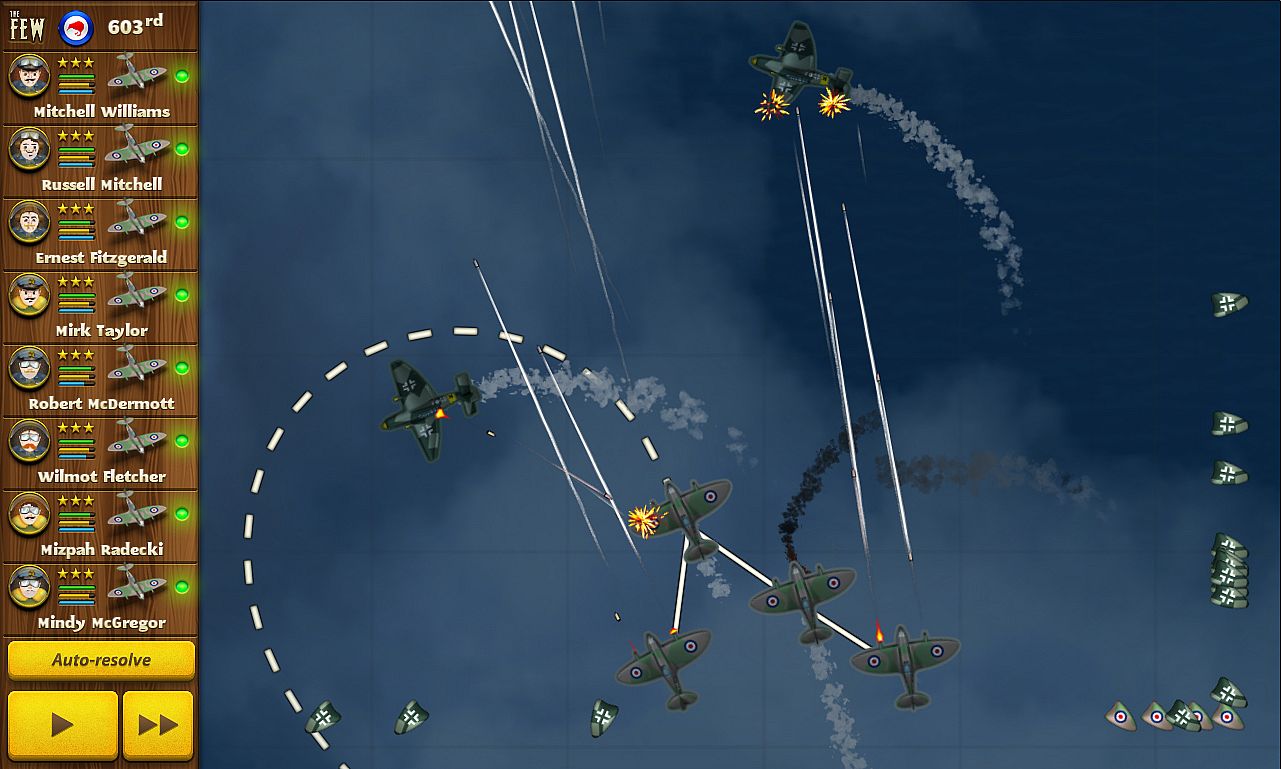
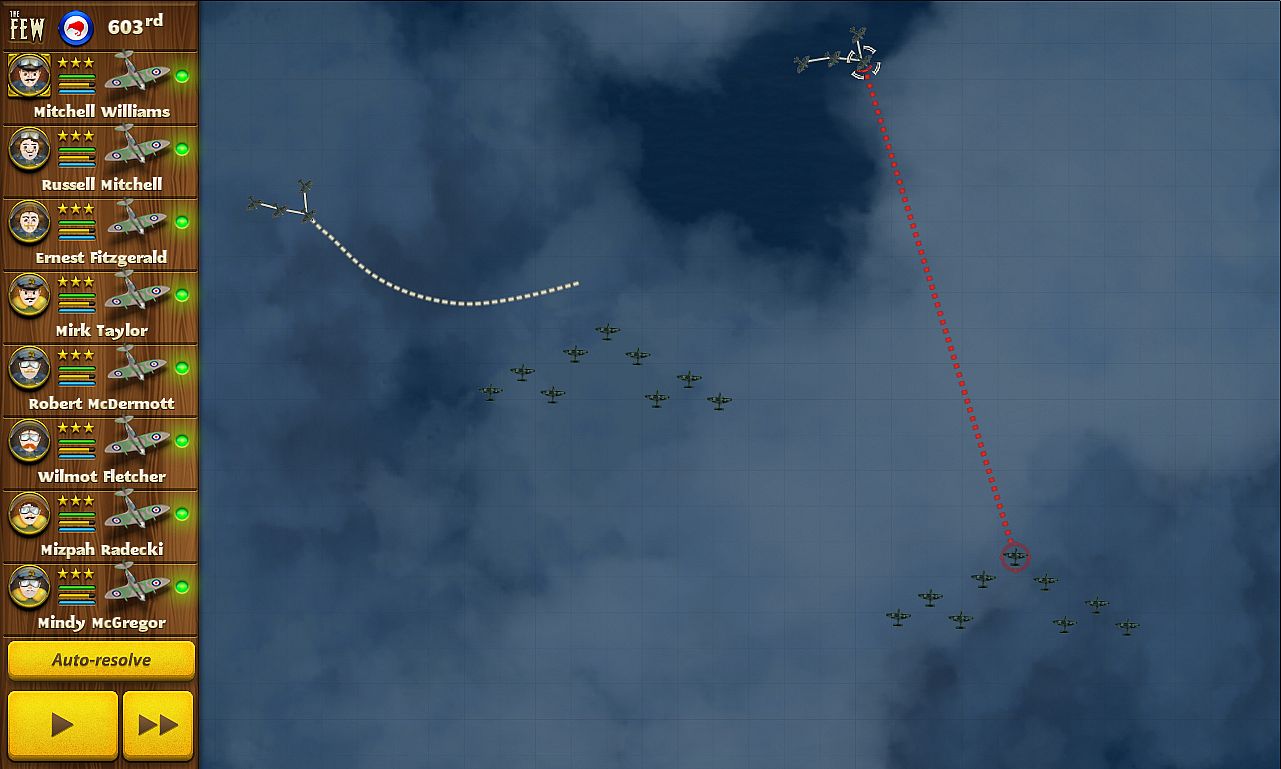
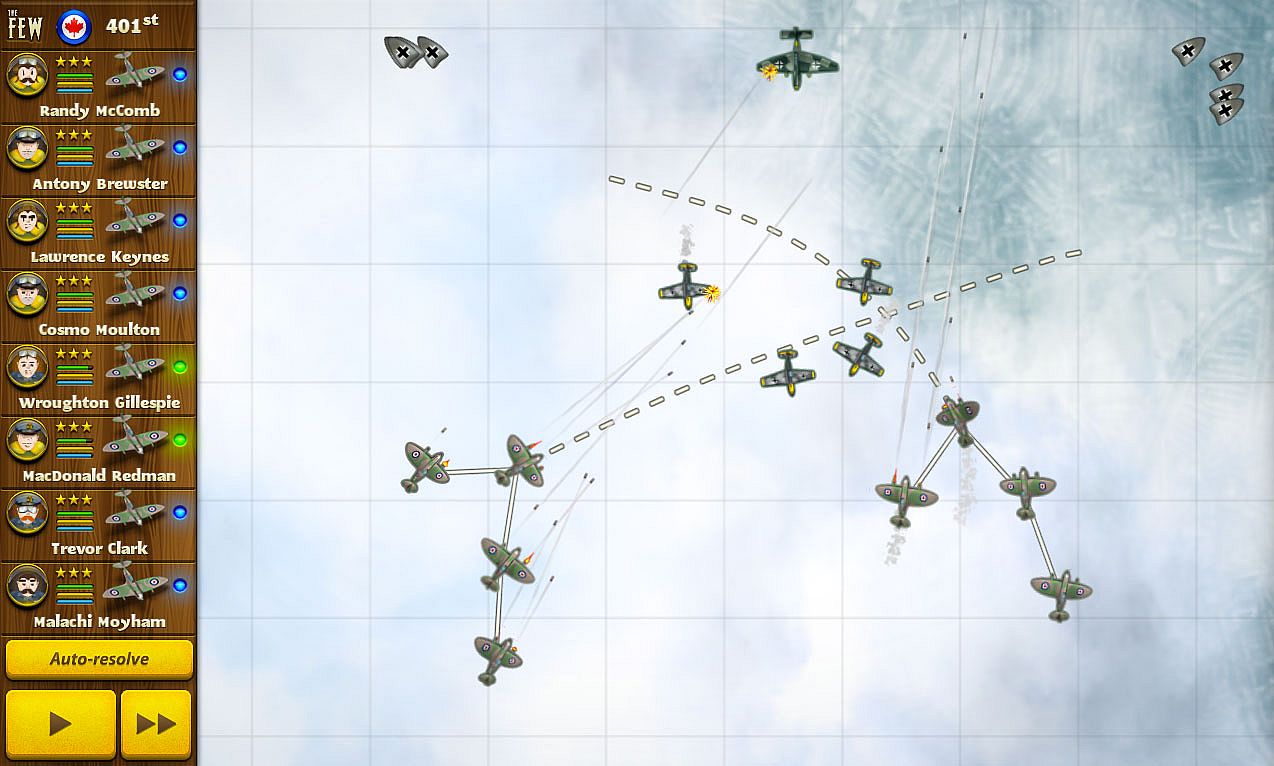
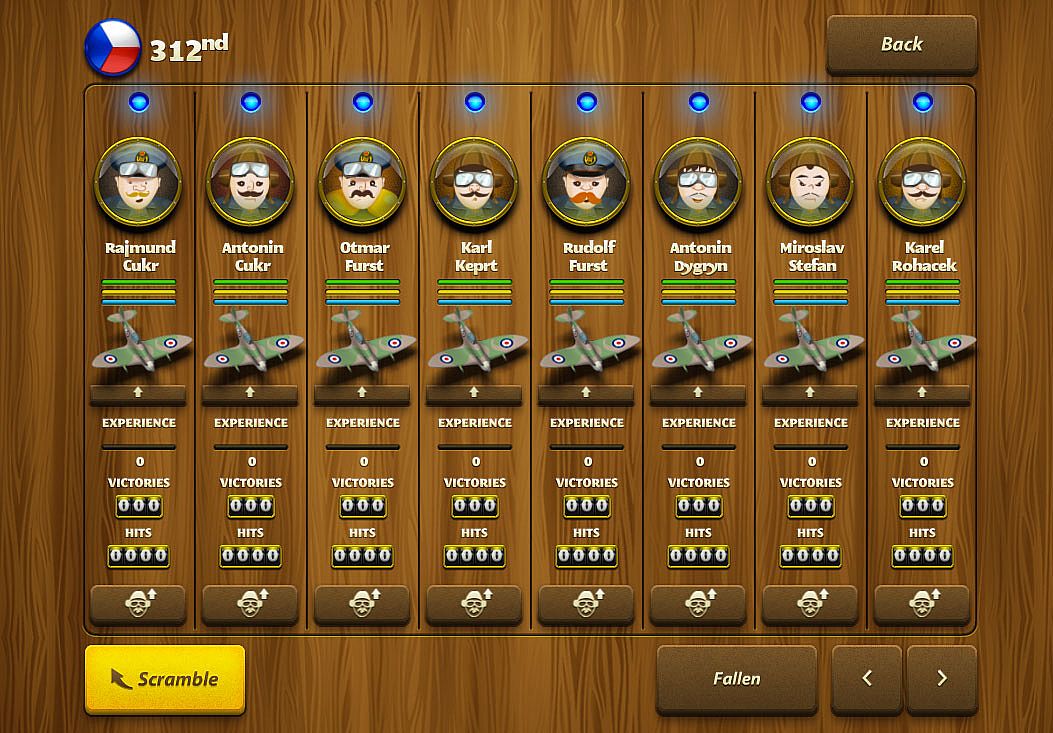
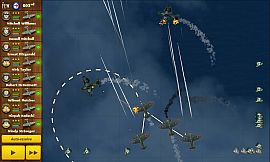
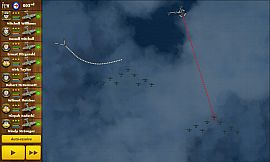
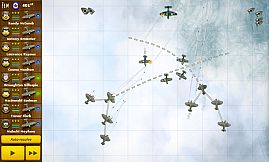
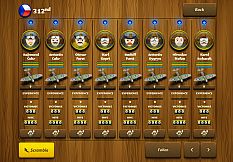
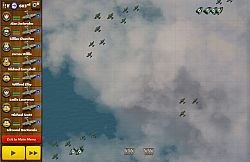
Combat unfolds in real time with straightforward mouse or touch controls that allow players to direct squadrons against waves of bombers. The system emphasizes positioning and timing over complex micromanagement, making the transition from planning to action feel direct. Pilots accumulate experience across missions, turning initial rookies into more capable aces through repeated engagements. This progression adds a layer of long-term investment, as surviving units carry forward improved performance into later stages of the campaign.
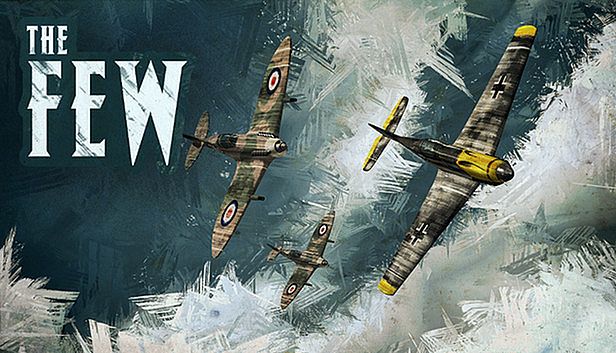
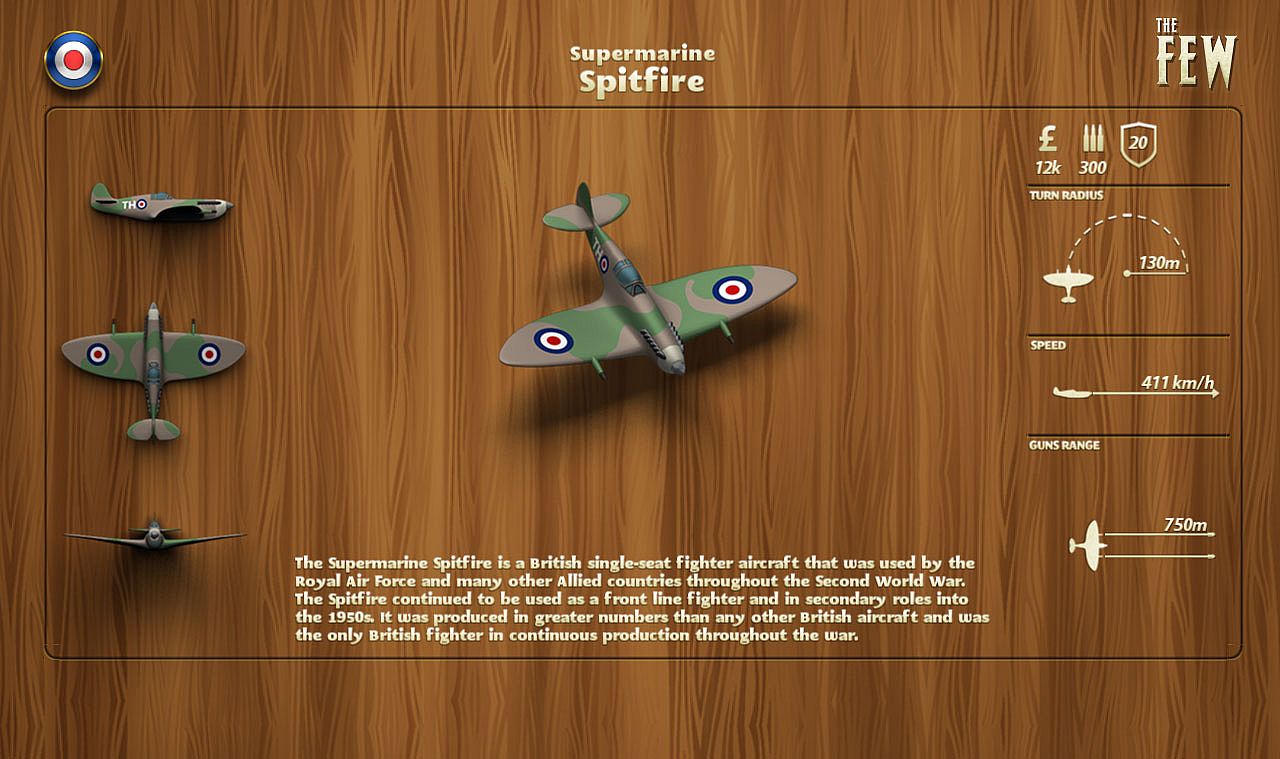
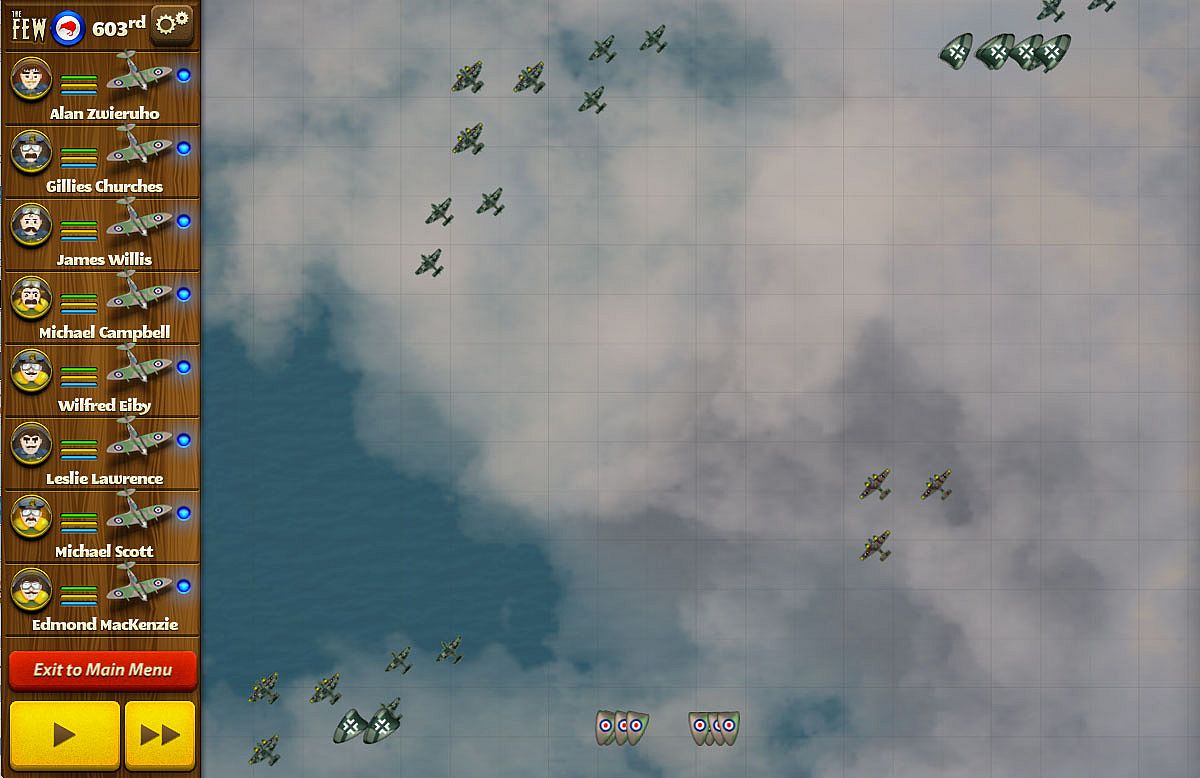
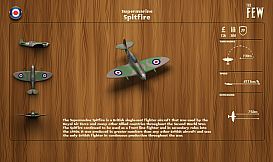
Eight distinct aircraft types appear in the game, with the Supermarine Spitfire serving as a centerpiece among them. Each type brings its own performance characteristics that influence how squadrons are deployed and matched against German formations. The British side draws on squadrons from multiple nations, including English, Polish, Czech, Canadian, and New Zealand units, reflecting the historical composition of Fighter Command.
Game Modes
The game structures its experience around two primary phases that alternate throughout a campaign. The first phase centers on high-level management, where players oversee production queues, airfield development, radar placement, and the assignment of squadrons to sectors. Decisions here determine the overall strength and readiness of the defense network before any raids arrive.
The second phase activates once enemy aircraft approach. Here the focus narrows to real-time command, with players plotting patrol paths, committing squadrons to intercepts, and adjusting tactics mid-battle using simple directional inputs. These phases flow into one another without separate menu selections, creating a continuous campaign rhythm rather than discrete standalone modes.
Campaigns proceed along a historical timeline, yet the German Command AI introduces variability in raid composition, timing, and targets. As a result, each playthrough presents different challenges even when following the same overall sequence of events.
Historical Context and Mechanics
The simulation stays grounded in the events of 1940, reproducing the pressure of defending against sustained bombing campaigns aimed at airfields, infrastructure, and eventually cities. Resource decisions mirror the real constraints of the period, forcing choices between expanding production capacity, strengthening defenses, or maintaining active patrols. The AI opponent adapts its approach across different runs, preventing any single optimal strategy from dominating repeated attempts.
Mechanics remain accessible for newcomers while offering depth for experienced strategy players. Production and placement systems use clear interfaces that highlight trade-offs in real time, and combat controls stay minimal so attention stays on positioning rather than button combinations. Pilot experience tracks individual performance, rewarding careful management of units across multiple engagements instead of treating every pilot as interchangeable.
Is It Worth Playing?
The game suits players who enjoy strategy titles that blend planning with occasional direct control. Its straightforward systems allow quick entry while the variable AI and pilot progression encourage multiple campaigns. Those interested in the Battle of Britain setting will find a focused representation that emphasizes the defensive role of Fighter Command without unnecessary complexity.
Reception highlights its relaxing pace during management segments and the satisfaction of successful interceptions. The title remains available on PC for those seeking a compact strategy experience centered on one of the pivotal air campaigns of the war. Players who prefer games that reward thoughtful preparation and adapt to different opponent behaviors will find consistent value in its structure.