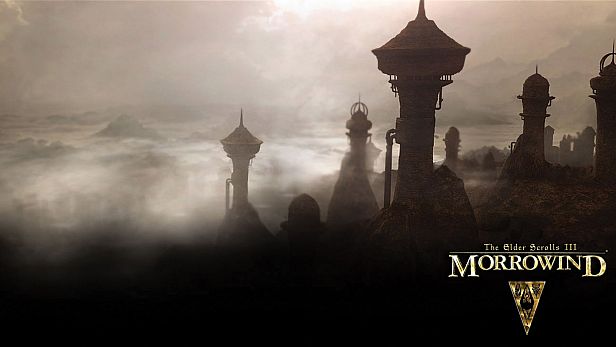





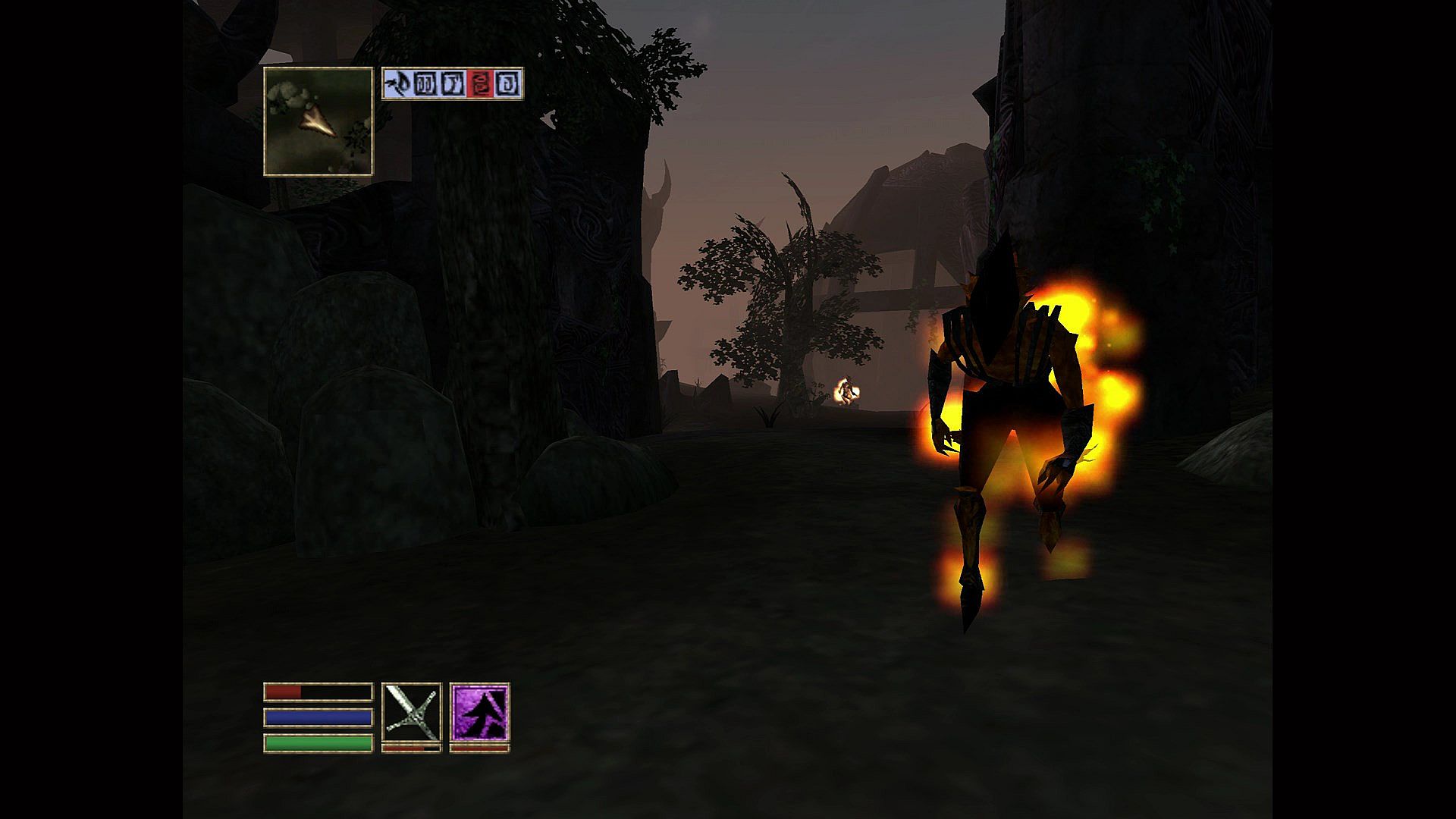
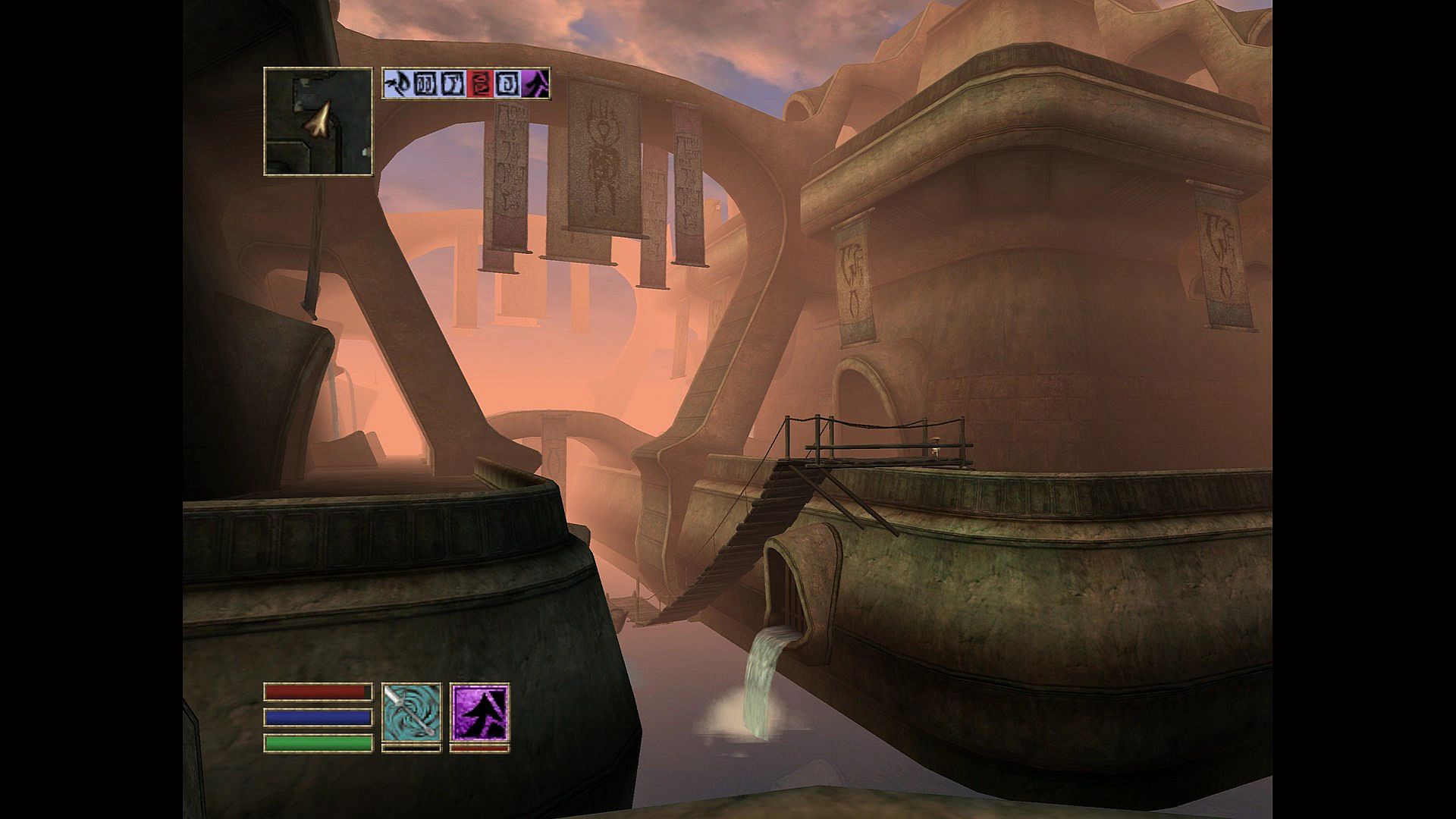
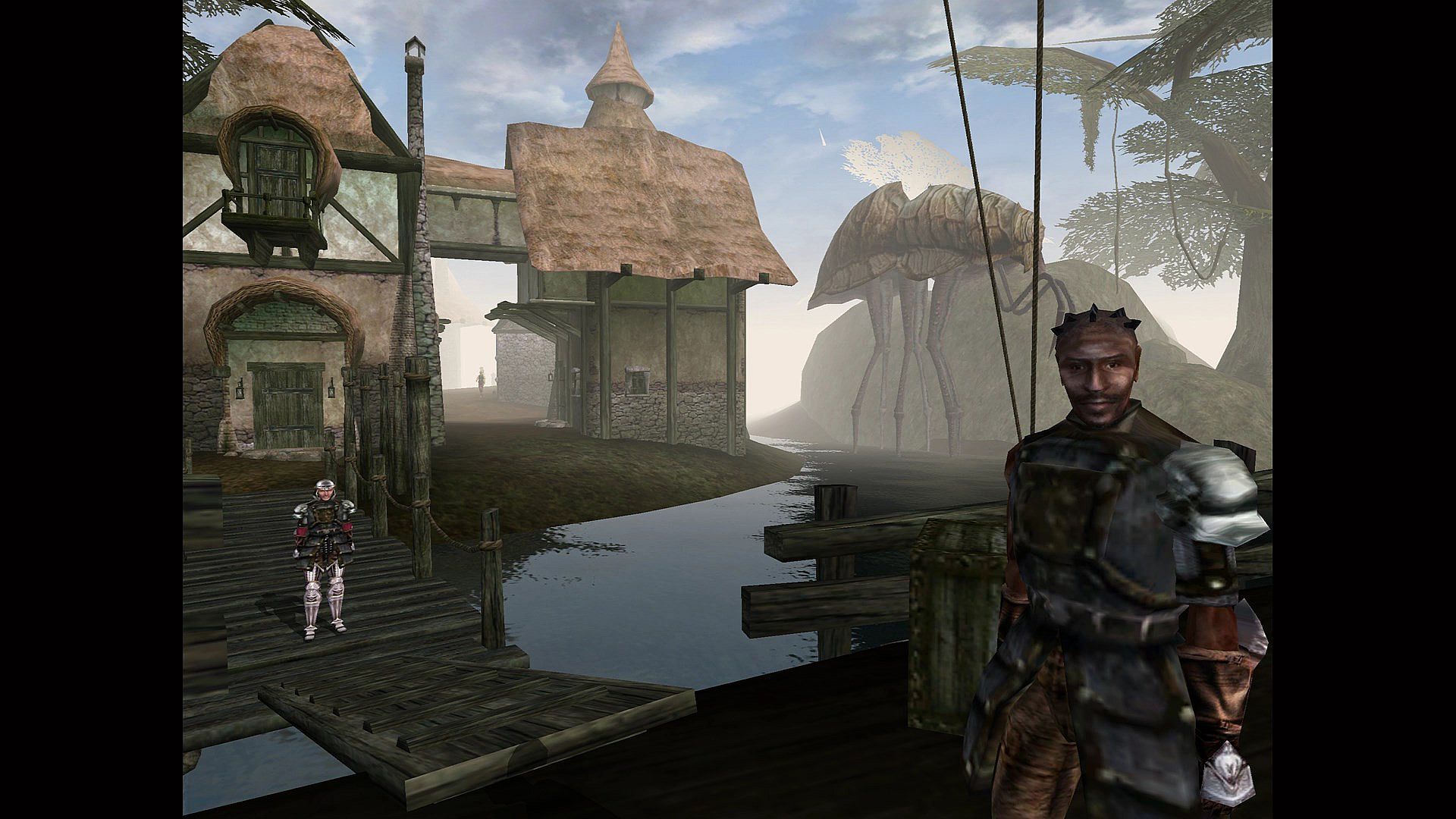
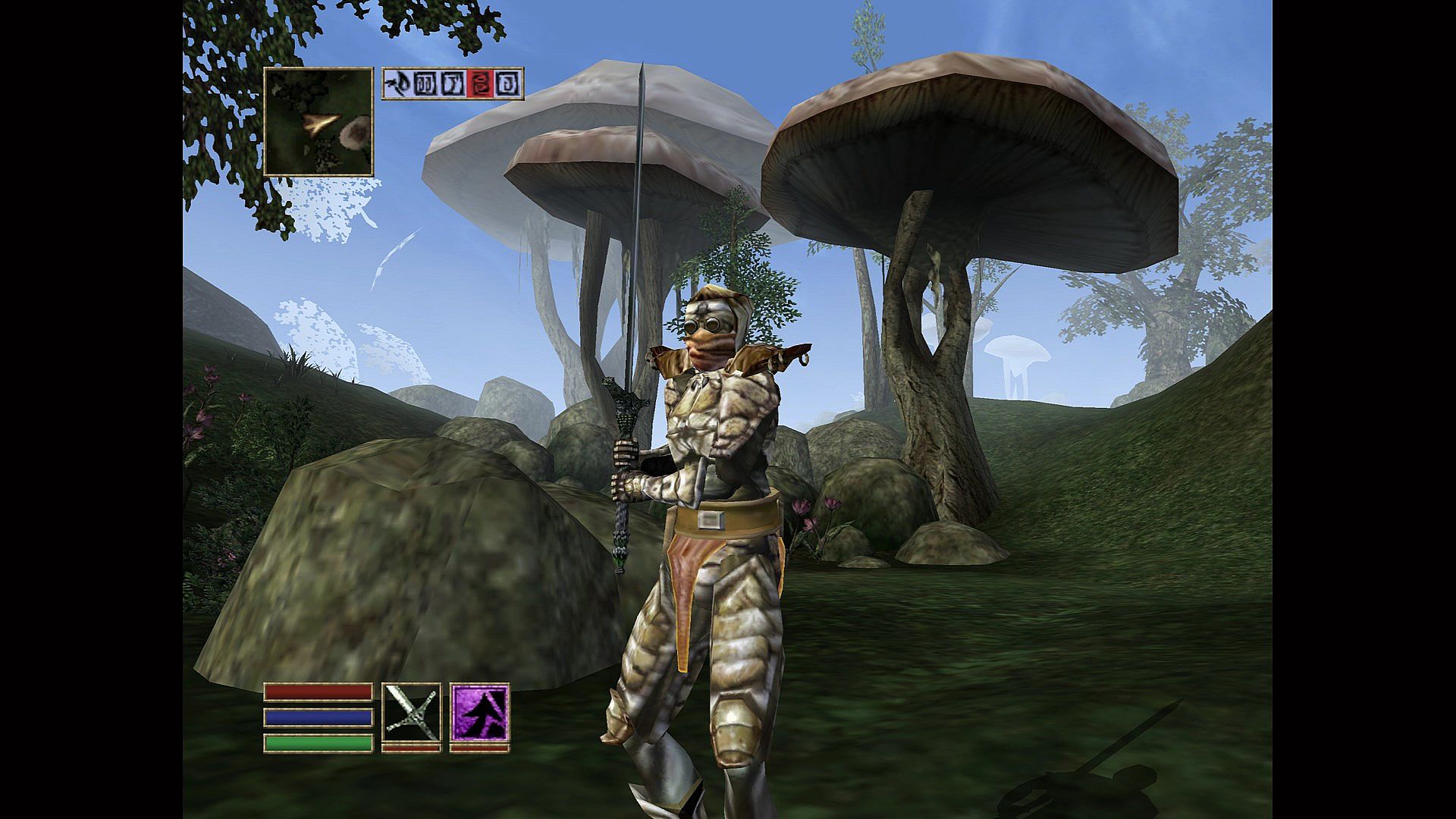
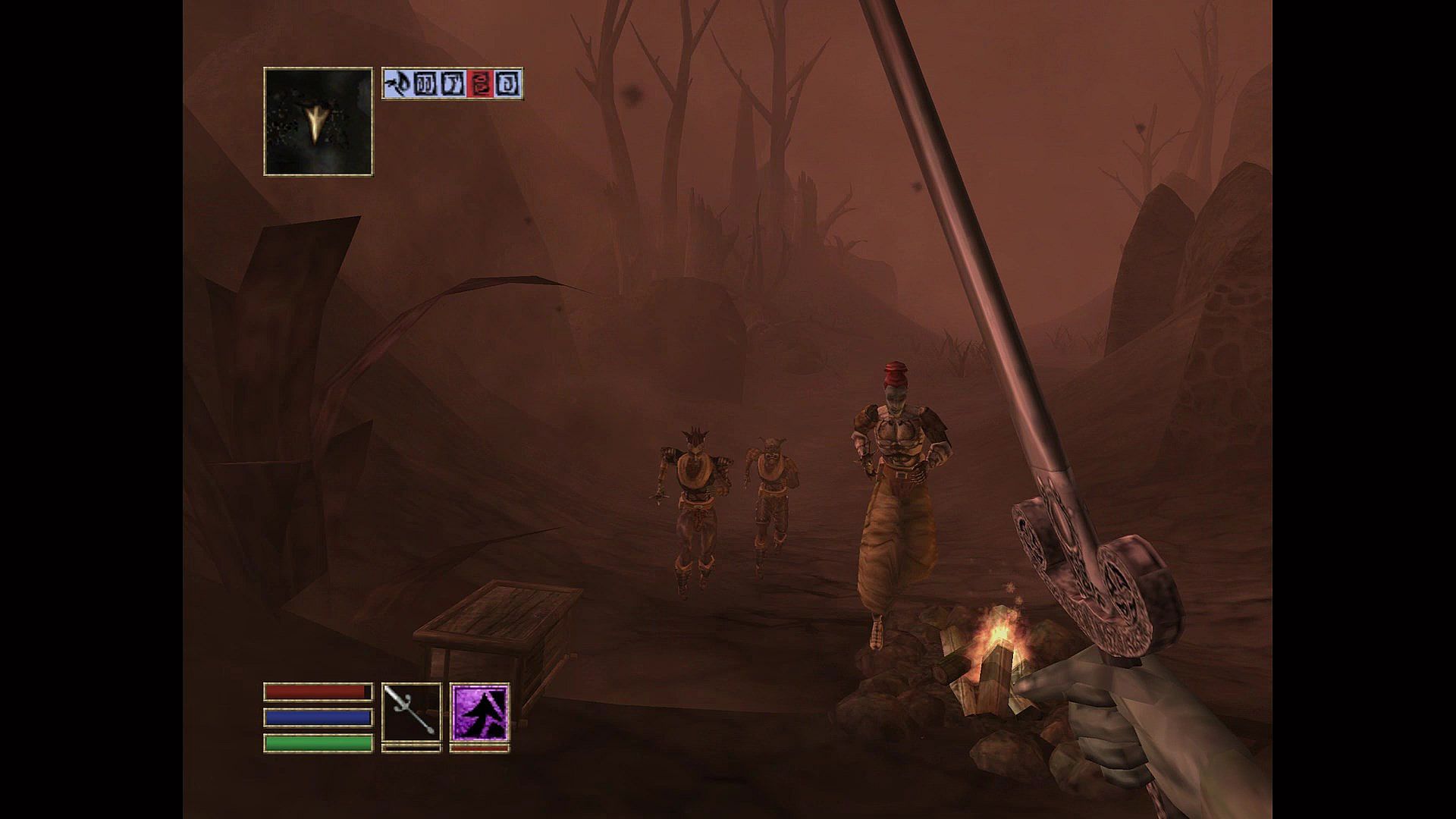
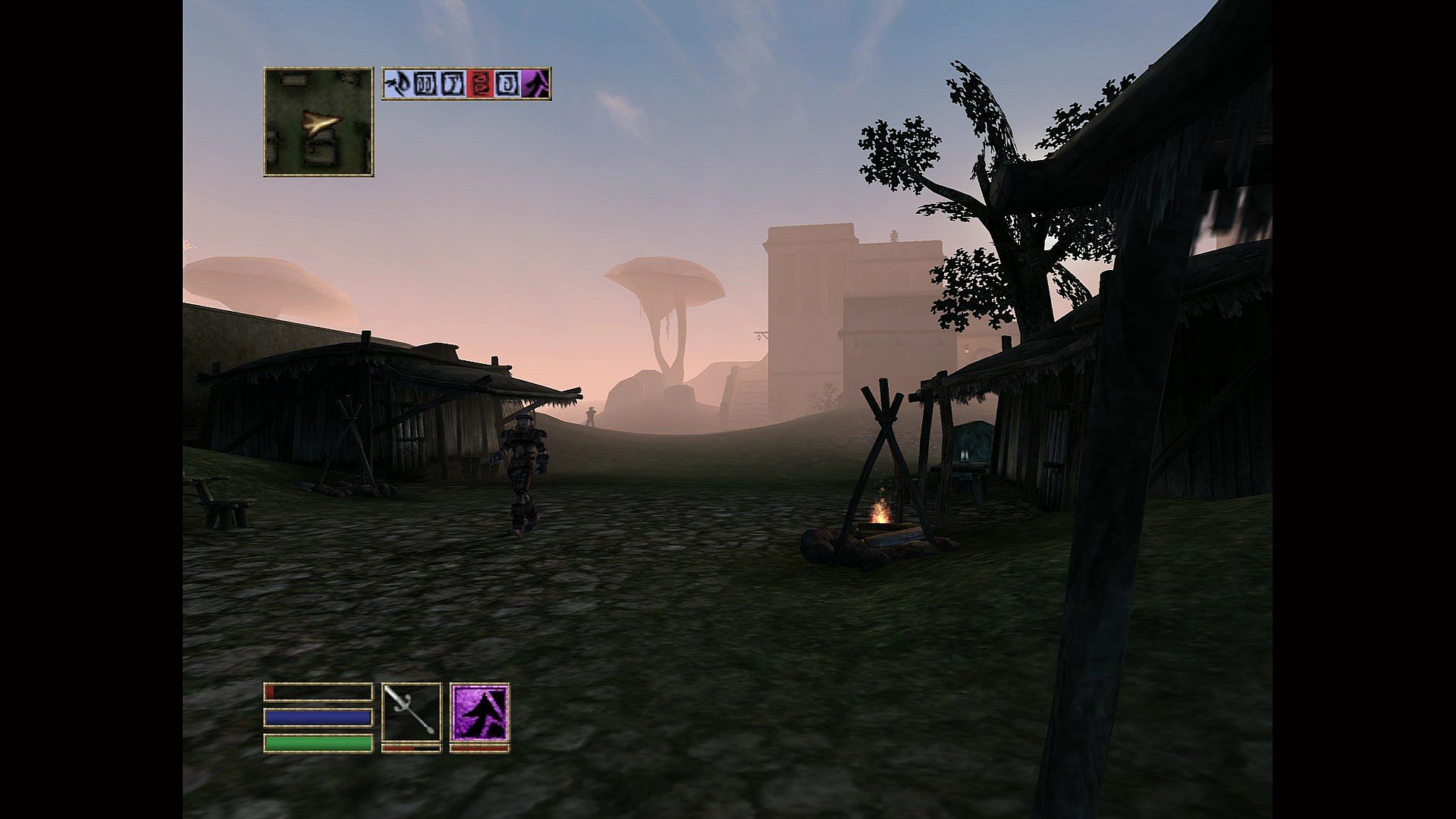
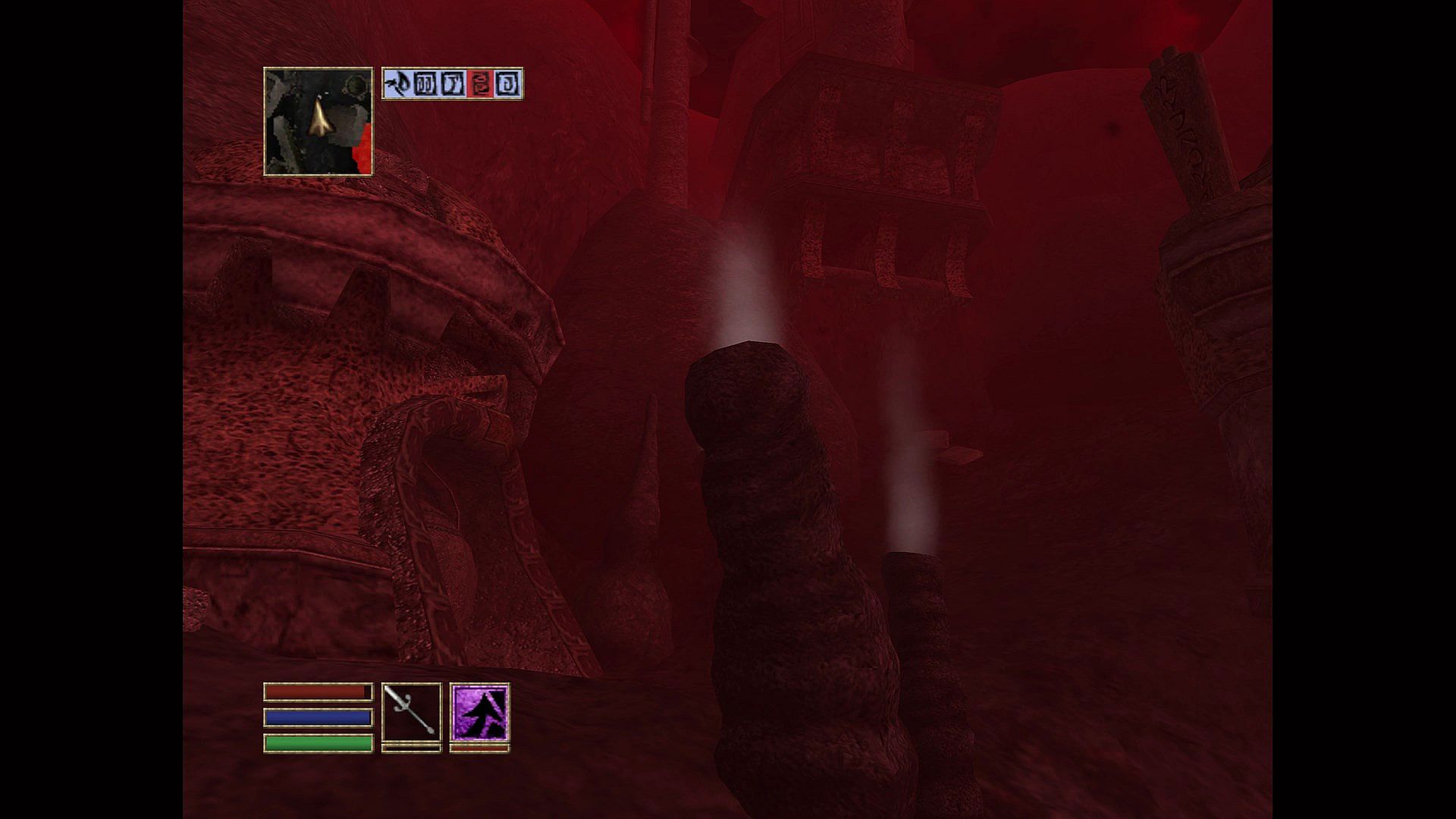
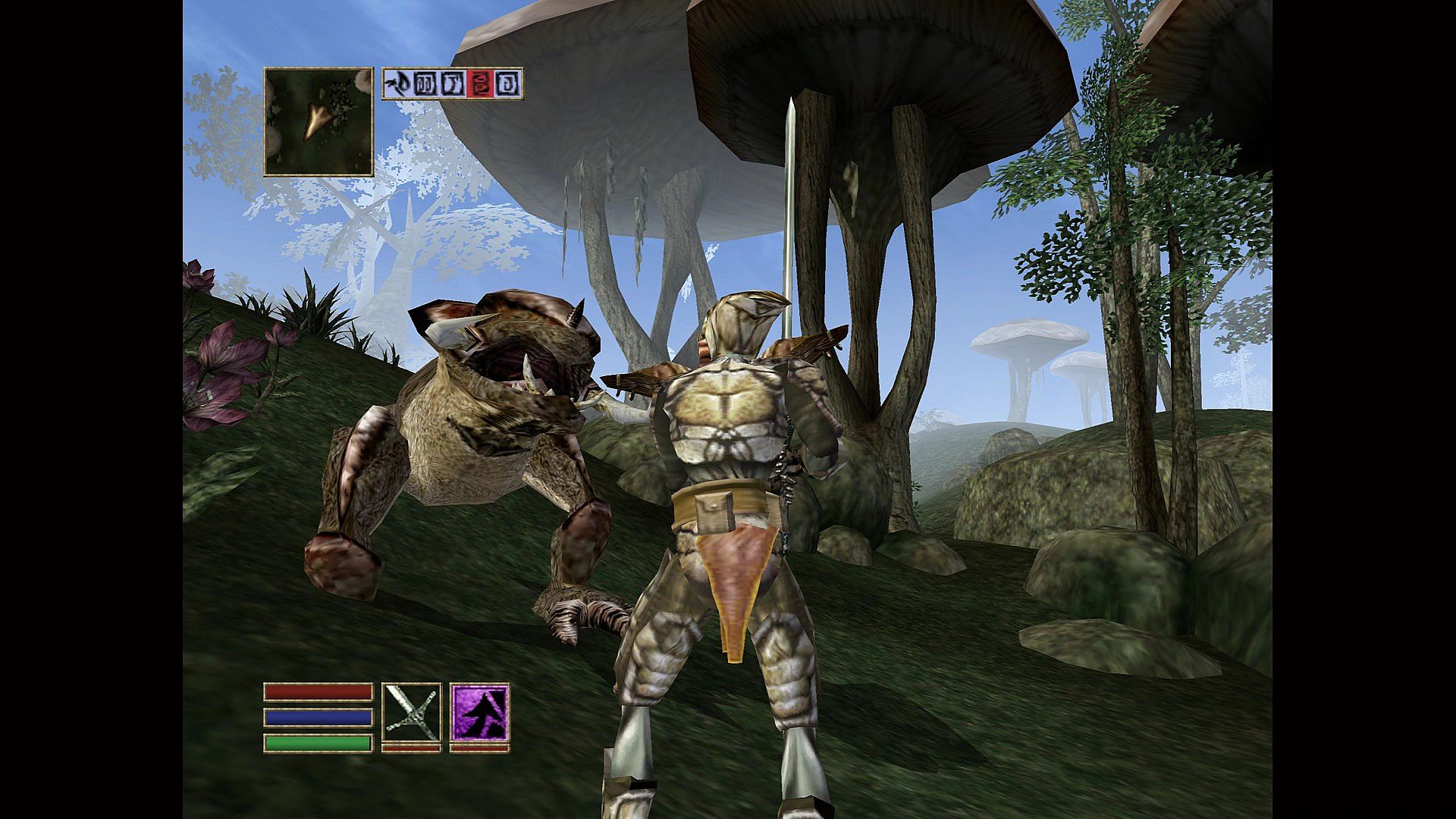
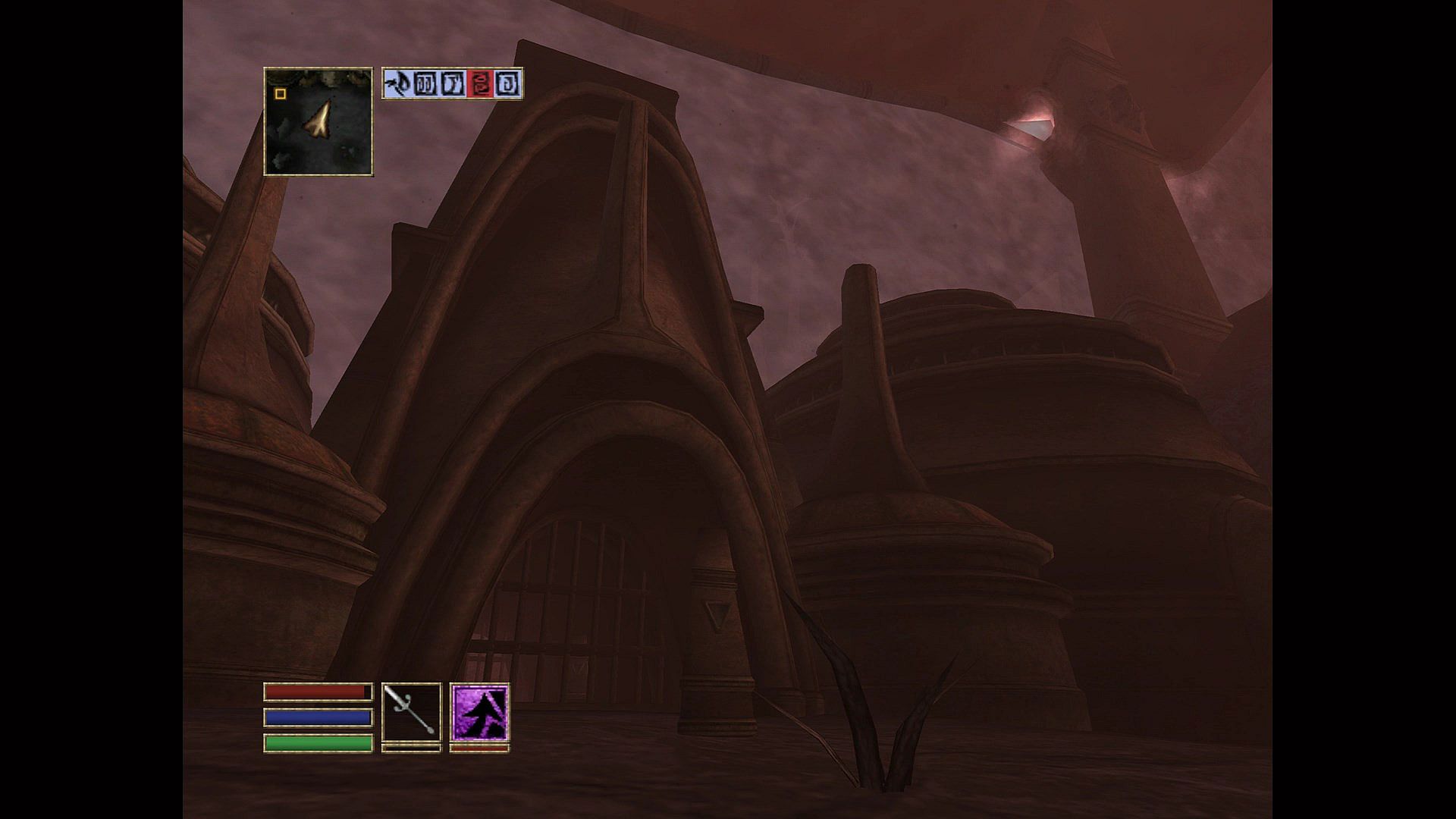
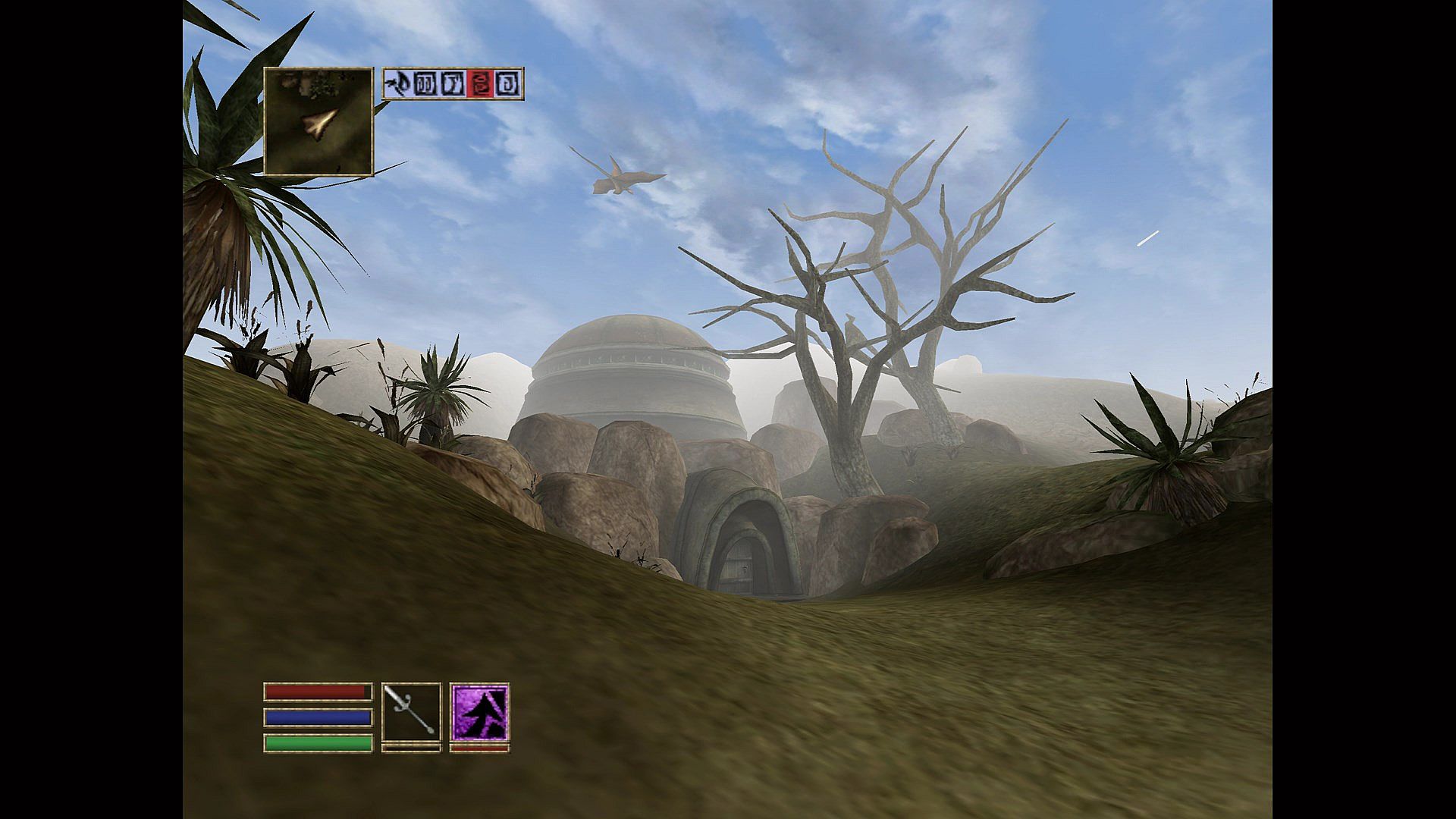
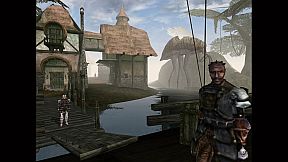
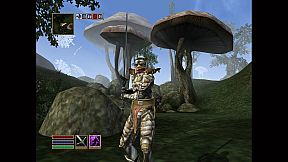
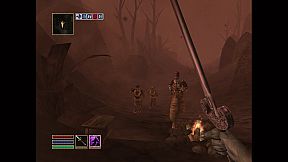
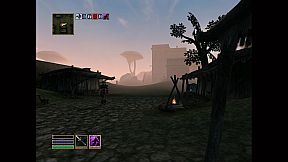
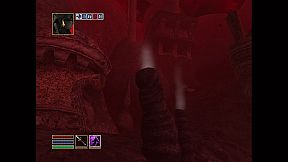
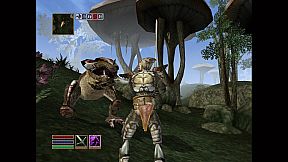
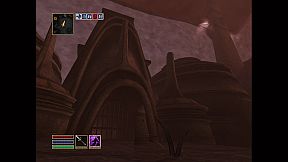
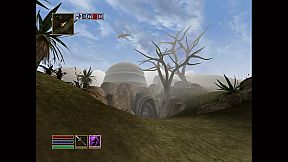
The Elder Scrolls III: Morrowind is a single-player role-playing game set in the vast province of Vvardenfell. Players create a custom character from the start, selecting from multiple races and classes that influence starting skills and attributes. The experience centers on an open world where personal choices shape progression, reputation, and available opportunities across the island.
Gameplay
Character development relies on a skill-based system rather than traditional leveling. Skills improve through repeated use in combat, magic, or other activities, and many faction ranks require minimum skill thresholds alongside quest completion. Combat resolves through dice-roll mechanics tied to weapon proficiency, where higher skill levels increase hit chance and damage output. Magic follows a similar pattern, with spells drawn from a mana pool and the option to craft custom spells once certain thresholds are met.
Exploration drives much of the activity. The world features distinct regions with unique architecture, creatures, and hazards. Travel options include silt striders between settlements, boat routes along the coast, and limited magical transport once unlocked. Faction interactions add layers, as joining one group can close doors with rivals. Verified organizations include the three Great Houses of Hlaalu, Telvanni, and Redoran, the Mages Guild, Fighters Guild, Thieves Guild, Morag Tong assassins, Tribunal Temple, and Ashlander tribes. The main storyline requires rallying support from these groups to fulfill the Nerevarine prophecy.
Two expansions integrate directly into the base experience. Tribunal introduces the city of Mournhold along with new quests involving the living gods Almalexia and Sotha Sil, plus access to the Clockwork City. Bloodmoon adds the island of Solstheim, a new faction called the East Empire Company, the ability to become a werewolf, and a storyline centered on the Bloodmoon Prophecy and the daedric prince Hircine.
Game Modes
The game operates entirely in single-player format. There is one core campaign that blends the main quest with dozens of faction storylines and side activities. No separate multiplayer or competitive modes exist. Players advance through a combination of the central narrative, guild quests, and free-form exploration, with the ability to ignore the main thread entirely in favor of independent goals.
Factions and Character Progression
Progression within organizations demands both quest completion and skill investment. Some groups conflict directly, preventing simultaneous high ranks in opposing factions. Vampire status and lycanthropy from the Bloodmoon expansion introduce additional mechanics that alter NPC reactions and grant unique abilities. Character attributes such as strength, intelligence, and speed affect movement, carrying capacity, and spell effectiveness, while racial bonuses provide starting advantages in specific areas like magic resistance or combat prowess.
Is It Worth Playing?
The Game of the Year Edition, which bundles the base game with both expansions, remains available on Xbox One and Xbox Series consoles through backward compatibility. On Series hardware the title runs at improved resolution and frame rates compared with the original Xbox release. Reception has stayed positive over time, with emphasis on the depth of faction systems, freedom of choice, and detailed world design. The experience suits players who value complex RPG mechanics, skill-driven advancement, and multiple overlapping story paths. Those seeking modern controls or streamlined interfaces may find the older systems require adjustment, yet the core structure of player-driven progression holds up for dedicated fans of the genre.