









The Crunch Point is a single-player action, indie, casual, and adventure game for PC that centers on a deceptive narrator known as the Creator. Players navigate a series of challenges where guidance comes with built-in risks, and the experience emphasizes observation and decision-making over raw speed or precision.
Gameplay
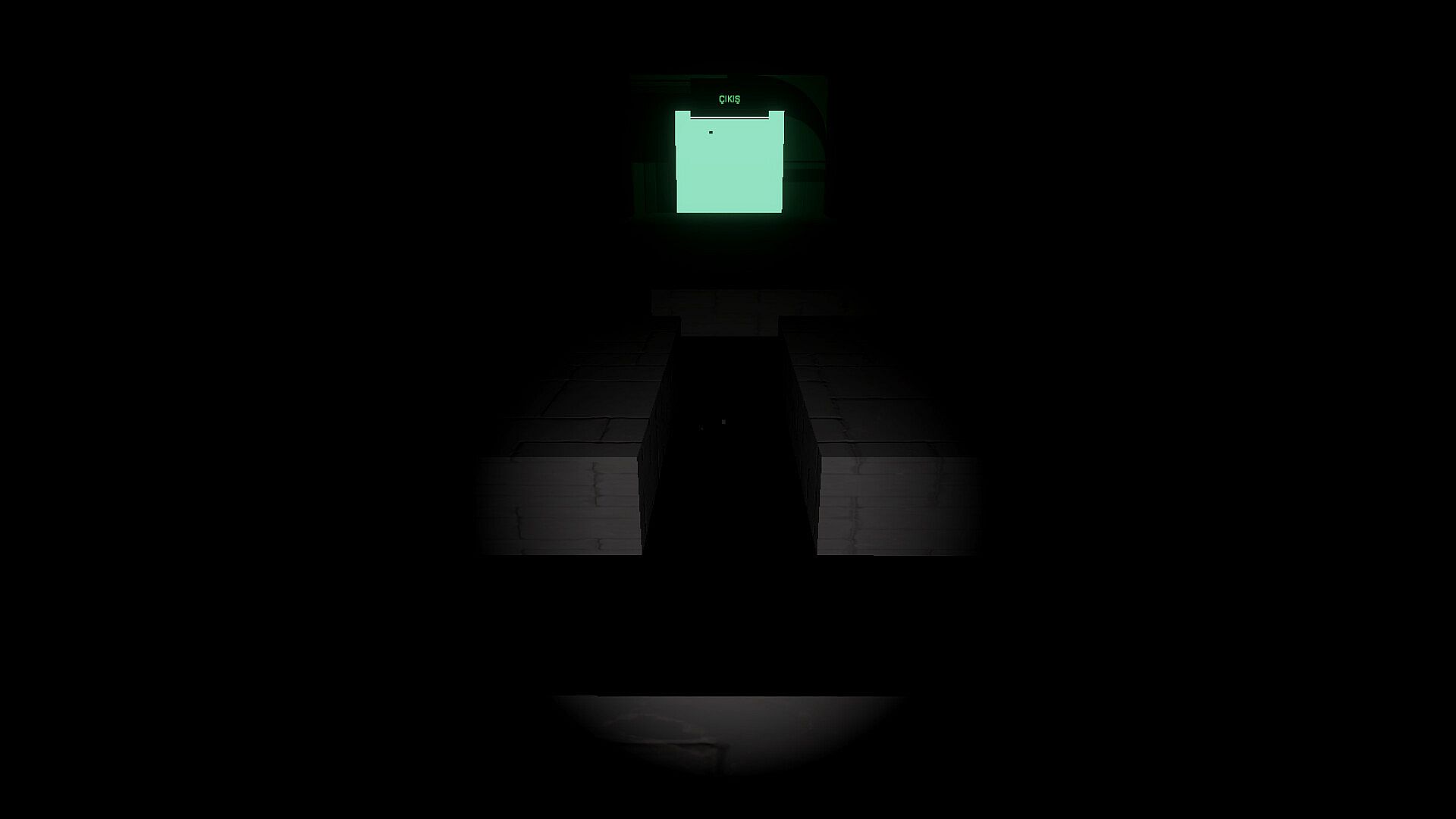
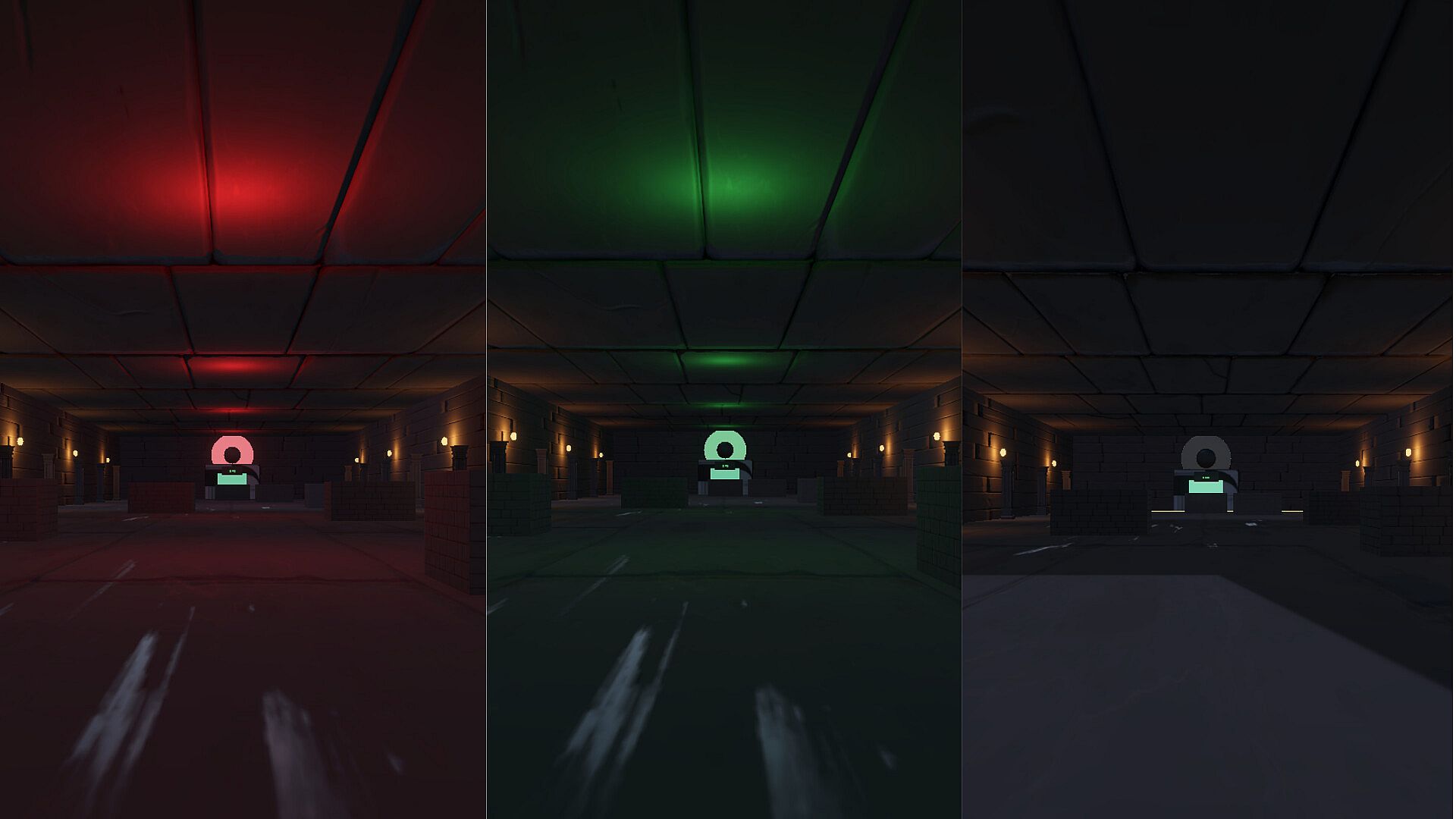
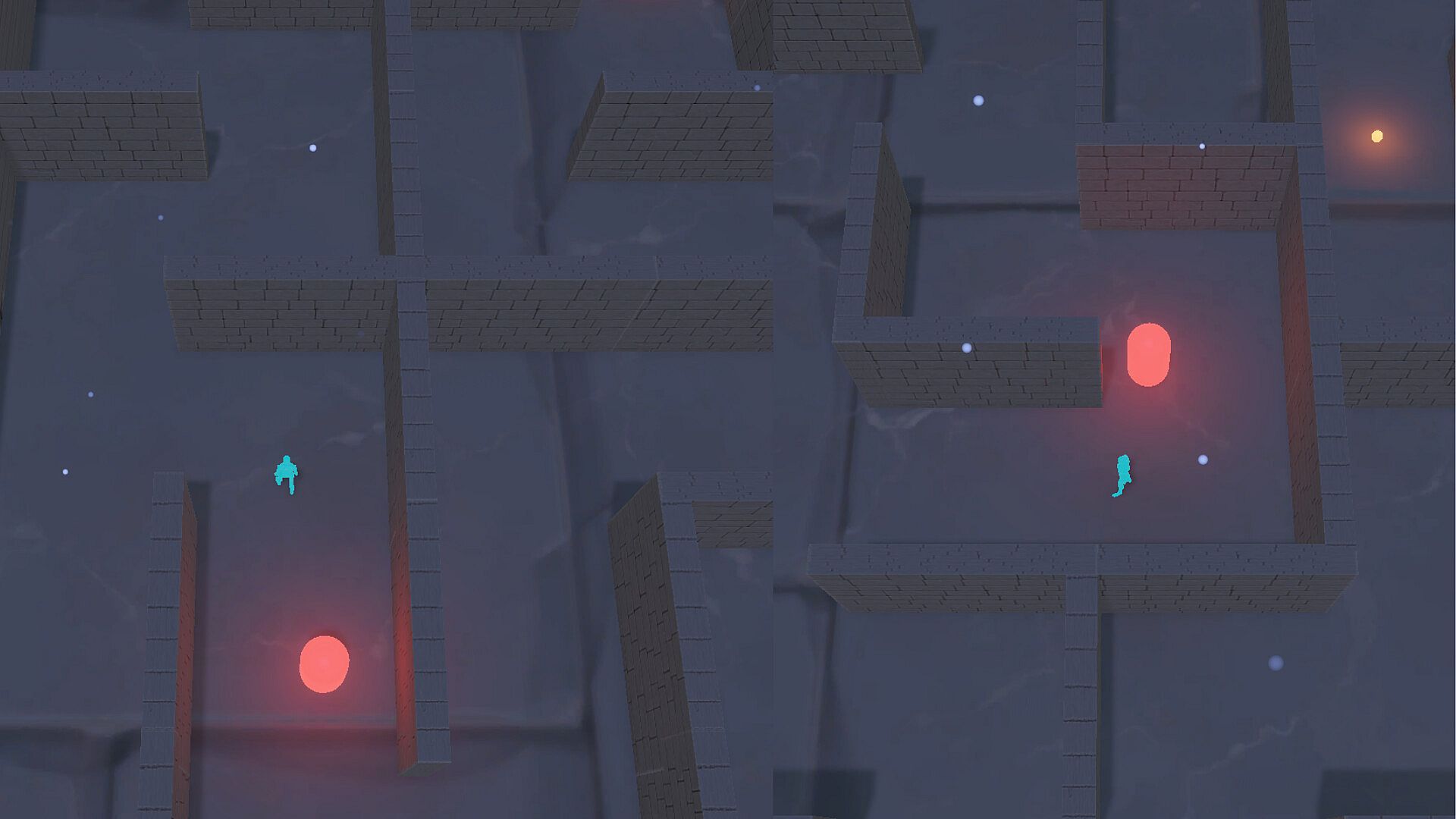
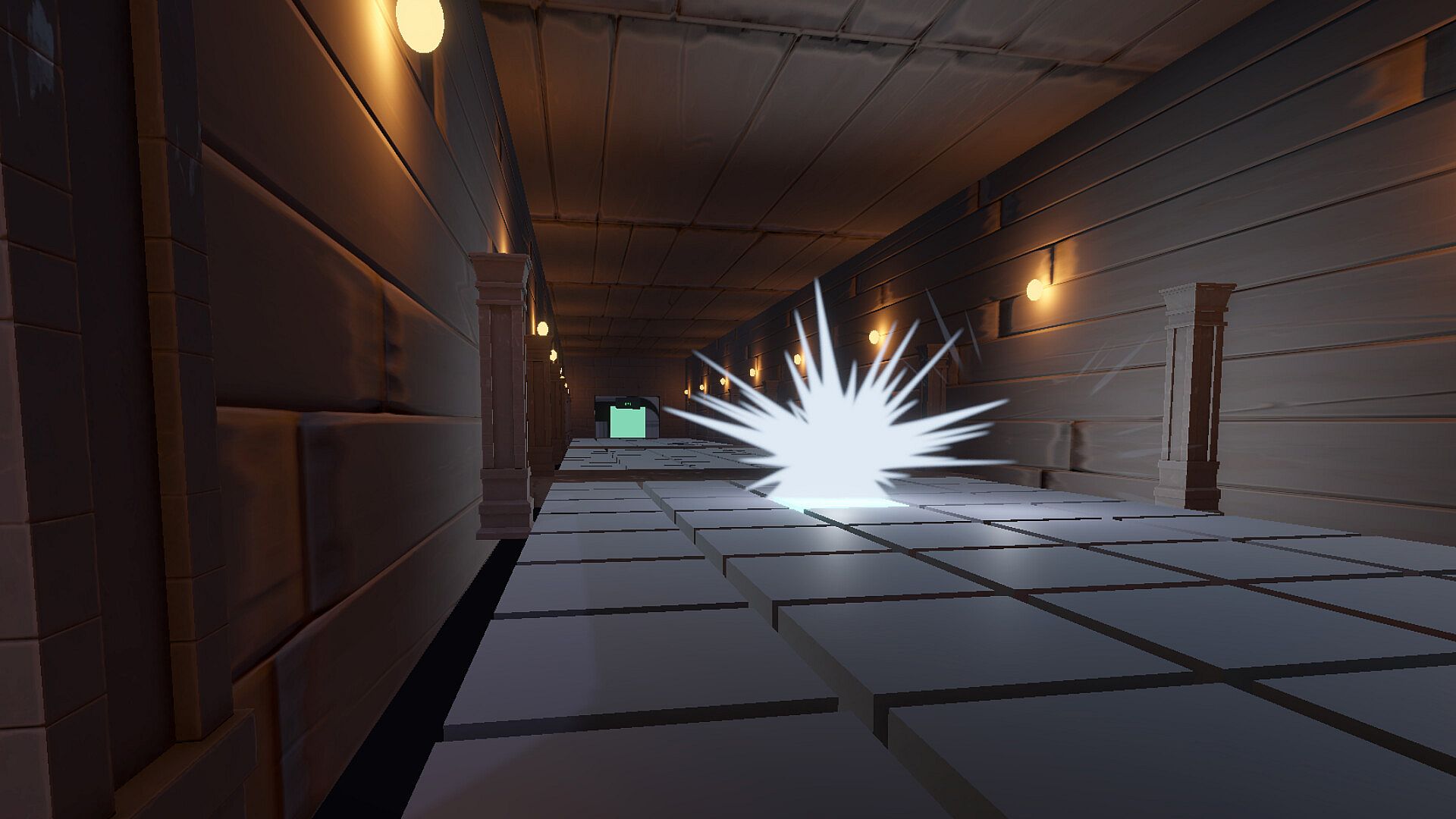
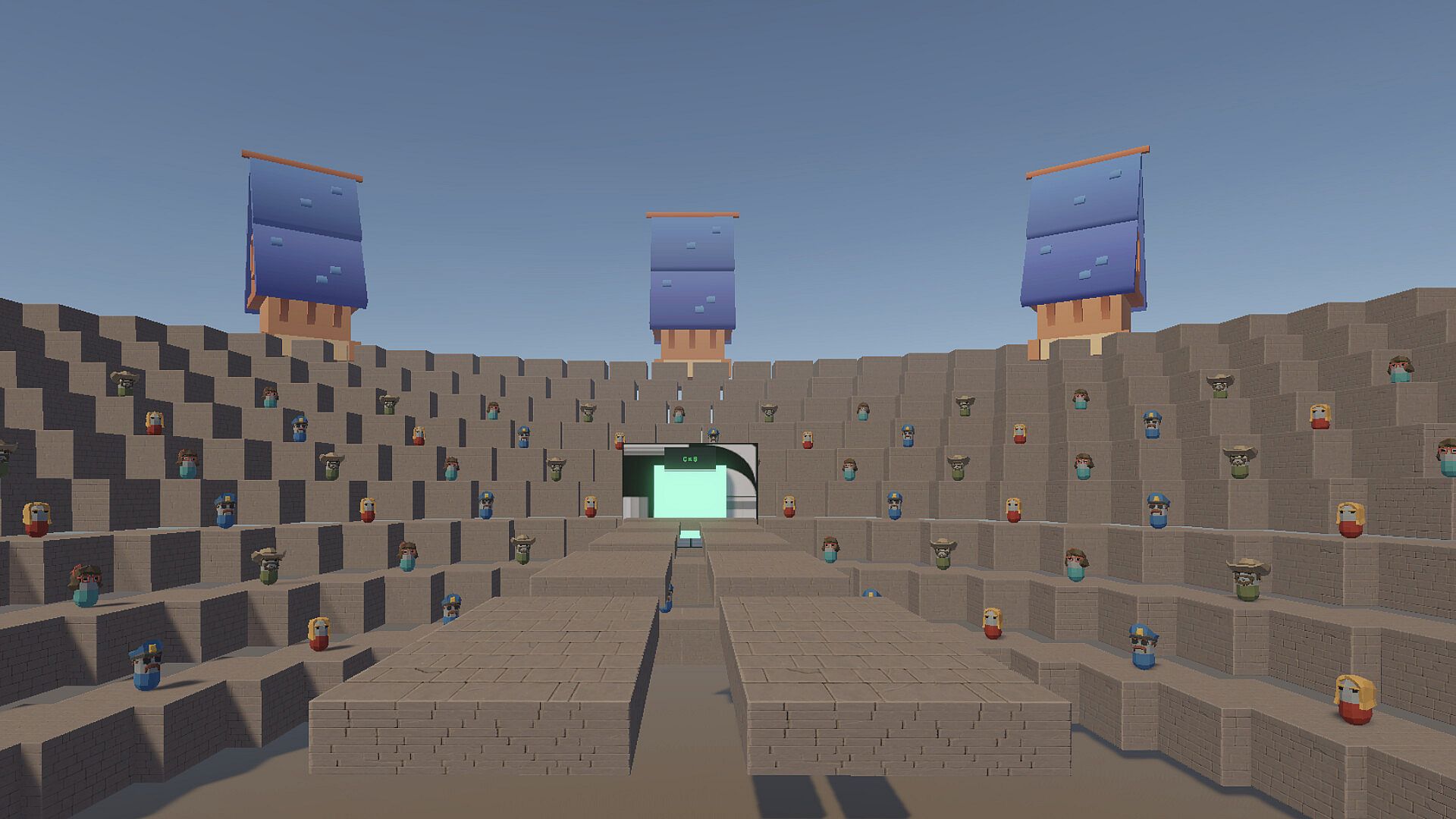
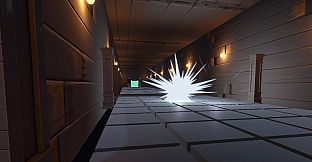
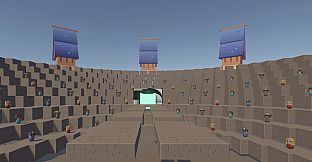
The core loop involves progressing through levels that change their fundamental approach without warning. A player might start with precise platforming across narrow gaps and elevated surfaces, then shift into answering questions where the obvious choice leads to failure. Other segments require timing movements to audio cues or recalling patterns on hazardous surfaces. Mechanics such as switching between two overlapping realities allow objects to become passable or solid depending on the active state. Additional elements include rooms that gradually constrict, shadows that pursue from a top-down perspective, and occasional control inversions or visual duplicates that force reevaluation of the environment.
Death serves as a teaching tool rather than a setback. The Creator tracks the exact number of failures across multiple play sessions and references them directly, creating a persistent record that does not reset. This system reinforces the central theme of evaluating whether each piece of advice helps or hinders progress. The tone mixes sharp commentary with moments of vulnerability, as the narrator's persistence stems from a desire to maintain engagement rather than outright malice.
Game Modes
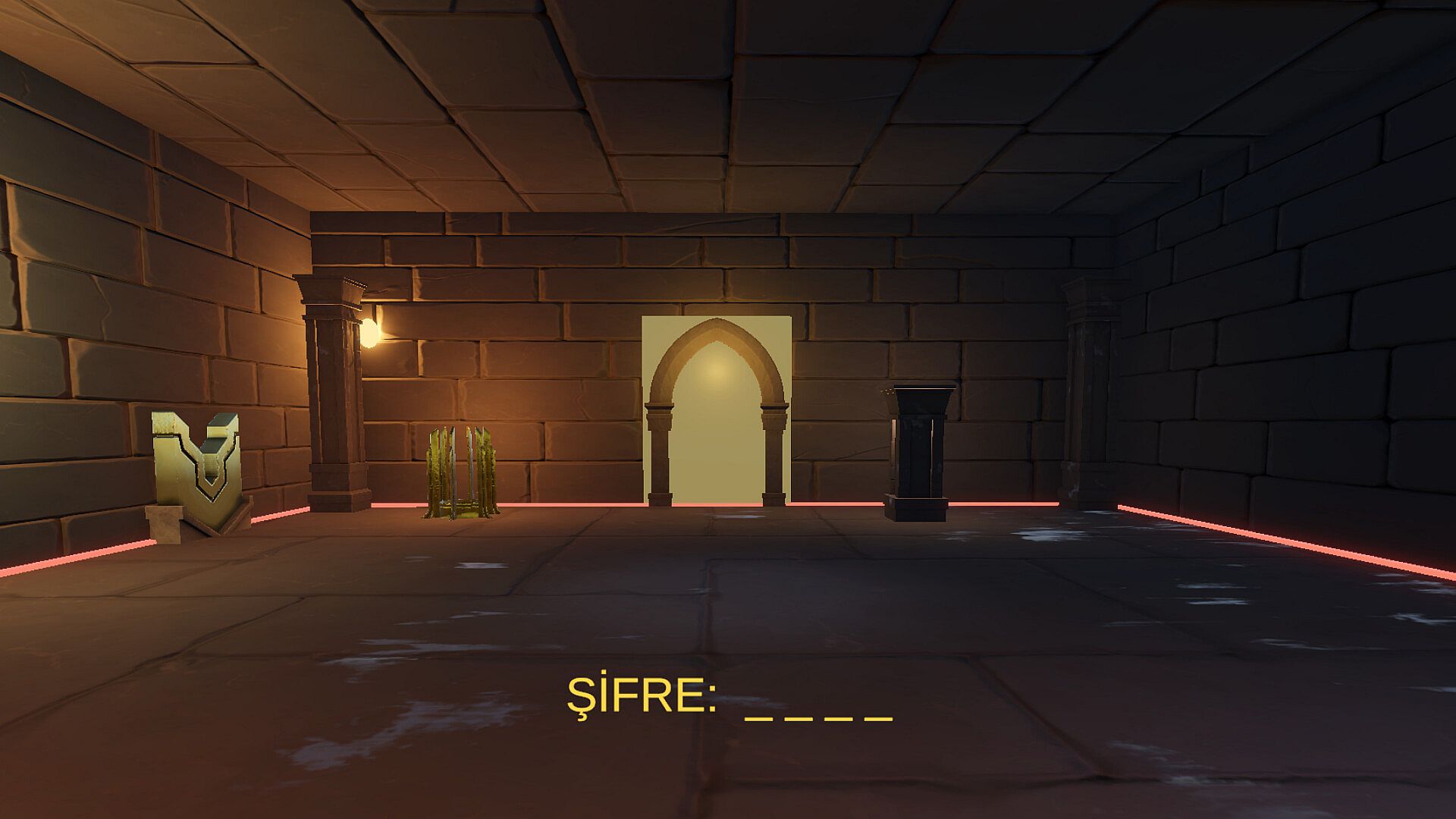
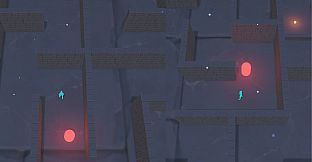
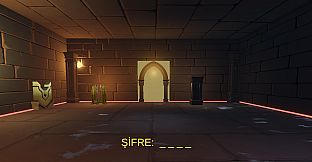
The game does not feature traditional separate modes but instead presents a continuous sequence of over forty levels that rotate through distinct styles. These include parkour sequences focused on ledge navigation and wall jumps, quiz formats where correct responses require skepticism, rhythm and memory tasks involving timed steps or echoed patterns, escape-room puzzles with misleading instructions, and labyrinth sections with procedural layouts and pursuing entities. Surprise segments introduce inverted inputs, mirrored copies of the player character, or simulated loading interruptions that disrupt expectations.
Each transition occurs at the point where familiarity begins to set in, ensuring the player must adapt to new rules on the fly. The single-player structure keeps the focus on individual interaction with the narrator and the evolving challenges.
Story and Narrative
A persistent voice accompanies every action, offering hints that range from helpful to deliberately misleading. This narrator remembers prior sessions and builds a relationship through repeated encounters, revealing more about his own motivations as levels advance. The story builds toward a final confrontation where player decisions determine the outcome, including options to end the interaction, depart, or continue in some form. The narrative explores themes of dependency and abandonment through the Creator's behavior, delivered in a style that blends sarcasm with underlying fragility.
Technical Details and Accessibility
The game supports a wide range of interface languages, with full menu and setting translations across twenty-eight options. Narration begins in Turkish, with subtitles available in additional languages as development progresses. System requirements remain modest, allowing play on standard Windows hardware with integrated or entry-level graphics. Achievements track progress through the shifting challenges, and the experience is designed for solo sessions that reward careful listening and pattern recognition.
Is It Worth Playing?
The Crunch Point targets players who enjoy meta-narrative elements, trust-based mechanics, and frequent genre shifts within a single-player package. Its fair yet demanding structure rewards persistence and critical thinking, with deaths providing direct feedback rather than frustration. Since the title remains in a coming-soon state with no released reviews or post-launch updates available, suitability depends on interest in the described narrator-driven format and willingness to engage with its evolving level designs. Those drawn to similar experiences involving unreliable guidance or rapid style changes will find the core concept aligned with their preferences.











