











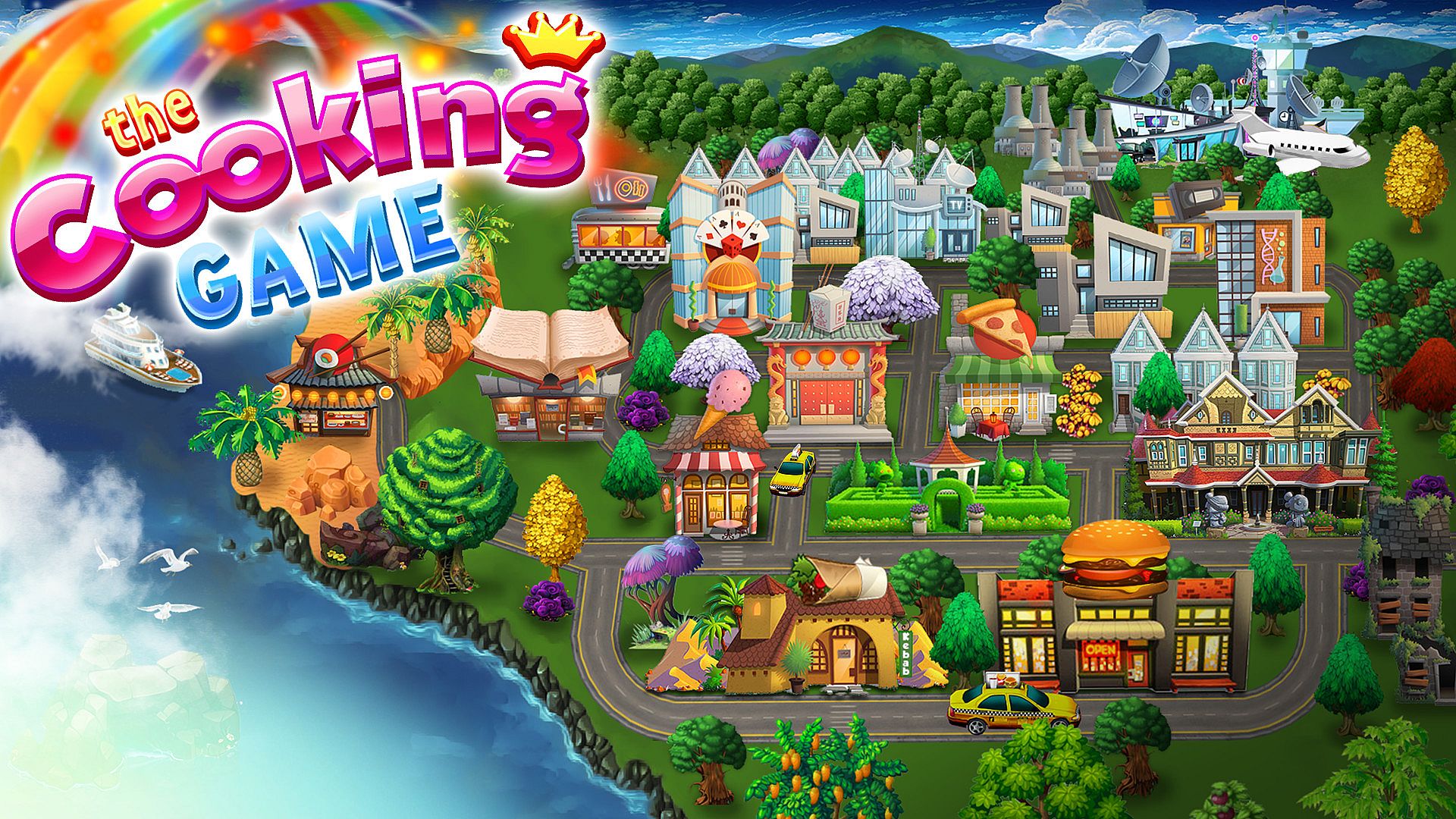
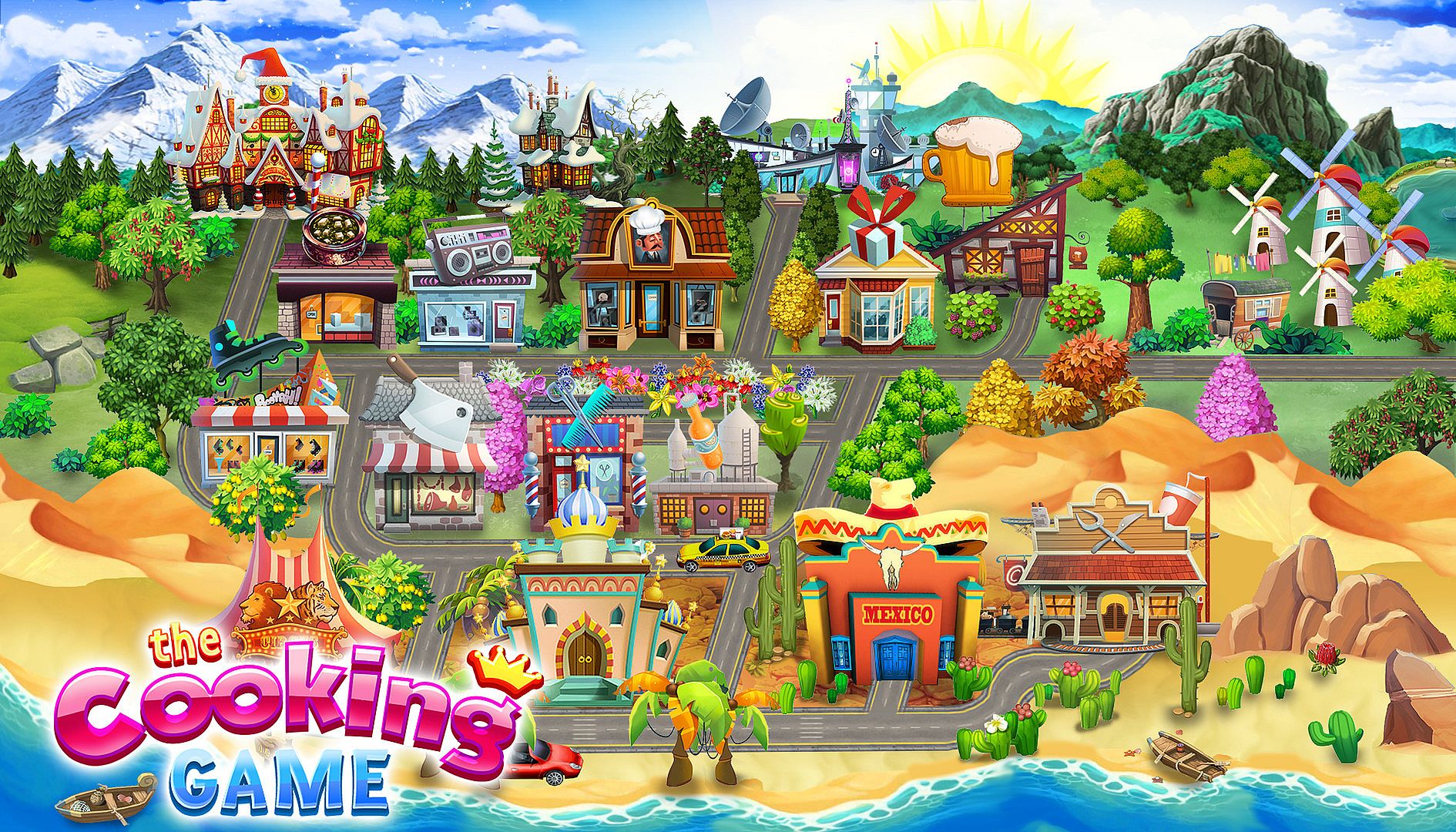





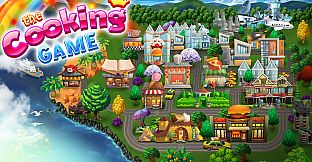
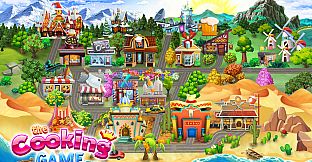
The Cooking Game is a casual simulation title that puts players in charge of building and operating a series of restaurants. Developed as an indie project and released on PC in 2016, it focuses on the day-to-day tasks of preparing food, serving guests, and expanding a business across multiple cuisines and restaurant styles.
Gameplay
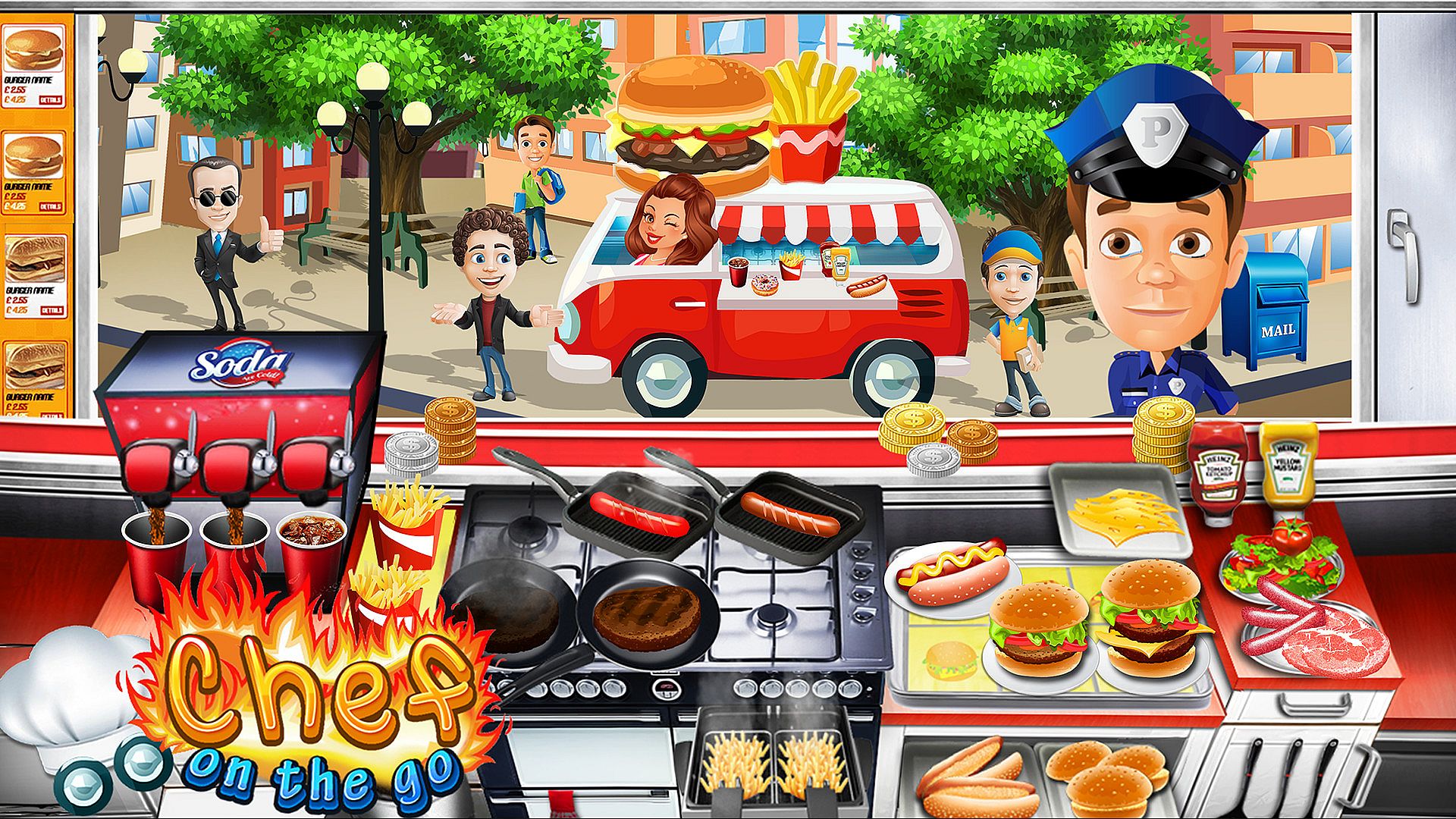
Core play revolves around a straightforward loop of cooking orders, plating dishes, and delivering them to customers before they lose patience. Each shift begins with a set of recipes that must be assembled from available ingredients using the kitchen stations. Players select tools, combine components in the correct sequence, and manage timing to keep service flowing smoothly. As levels advance, the number of simultaneous orders increases, requiring quicker decisions about which stations to prioritize and when to upgrade equipment for faster preparation.
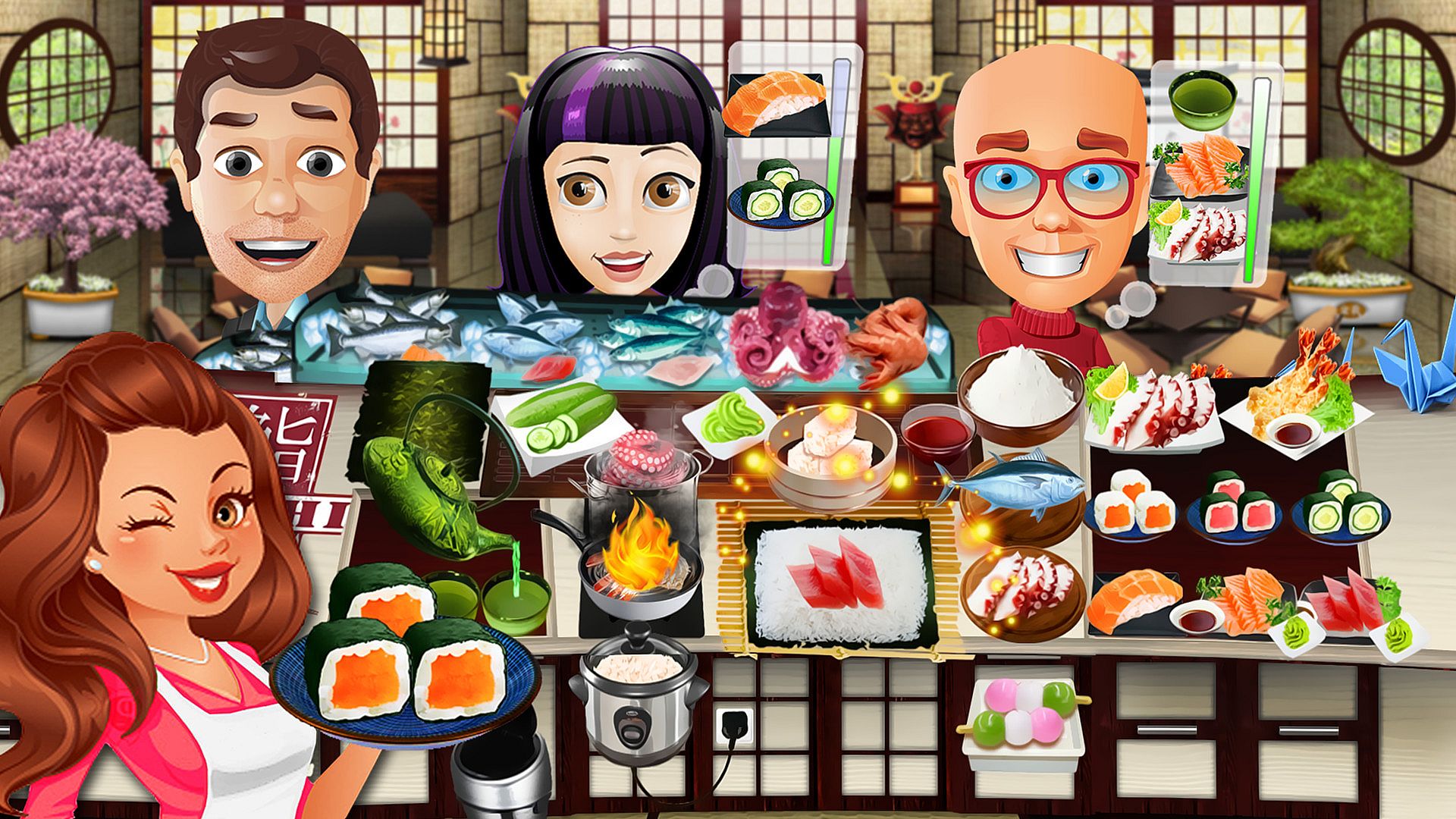
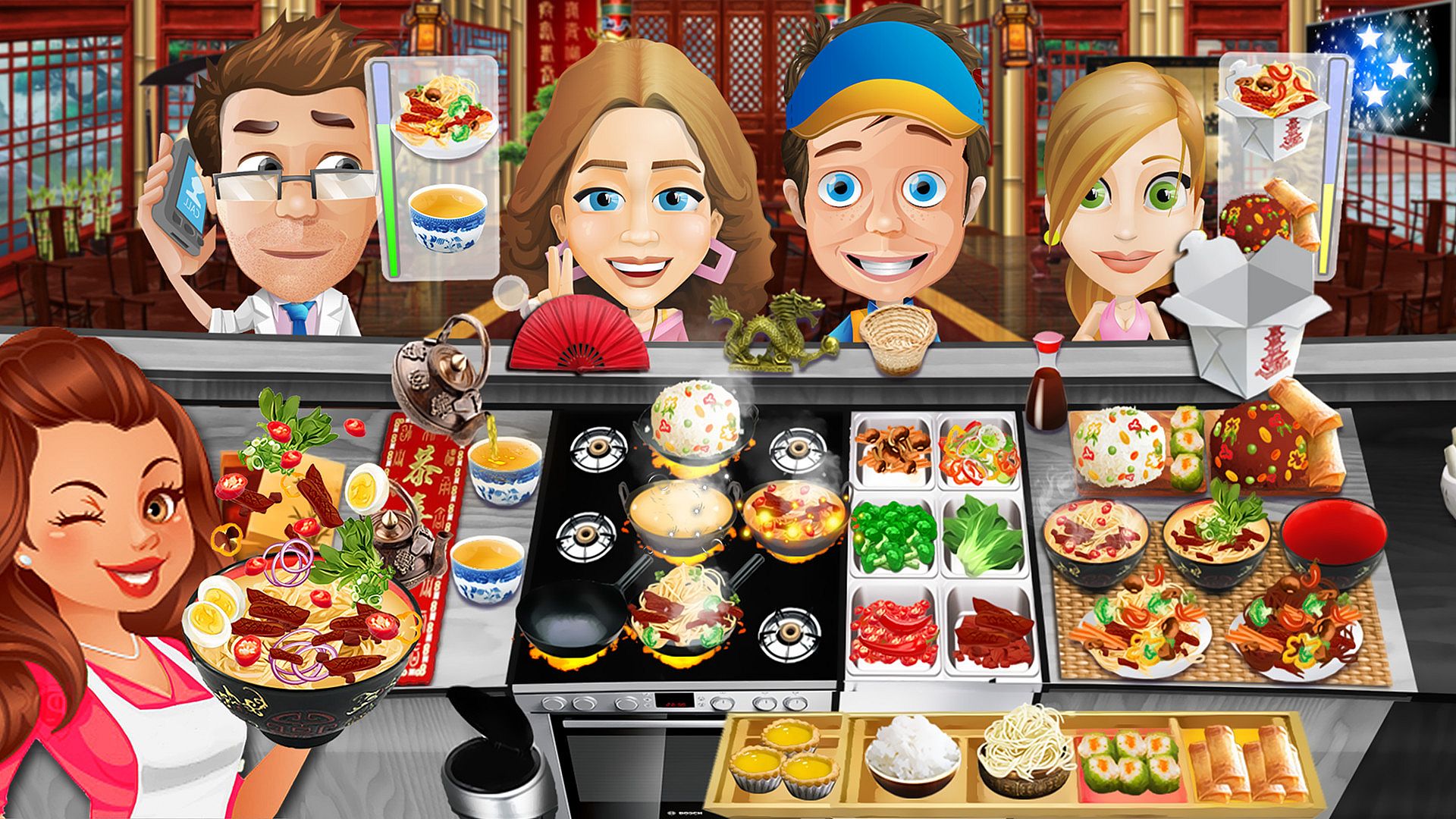
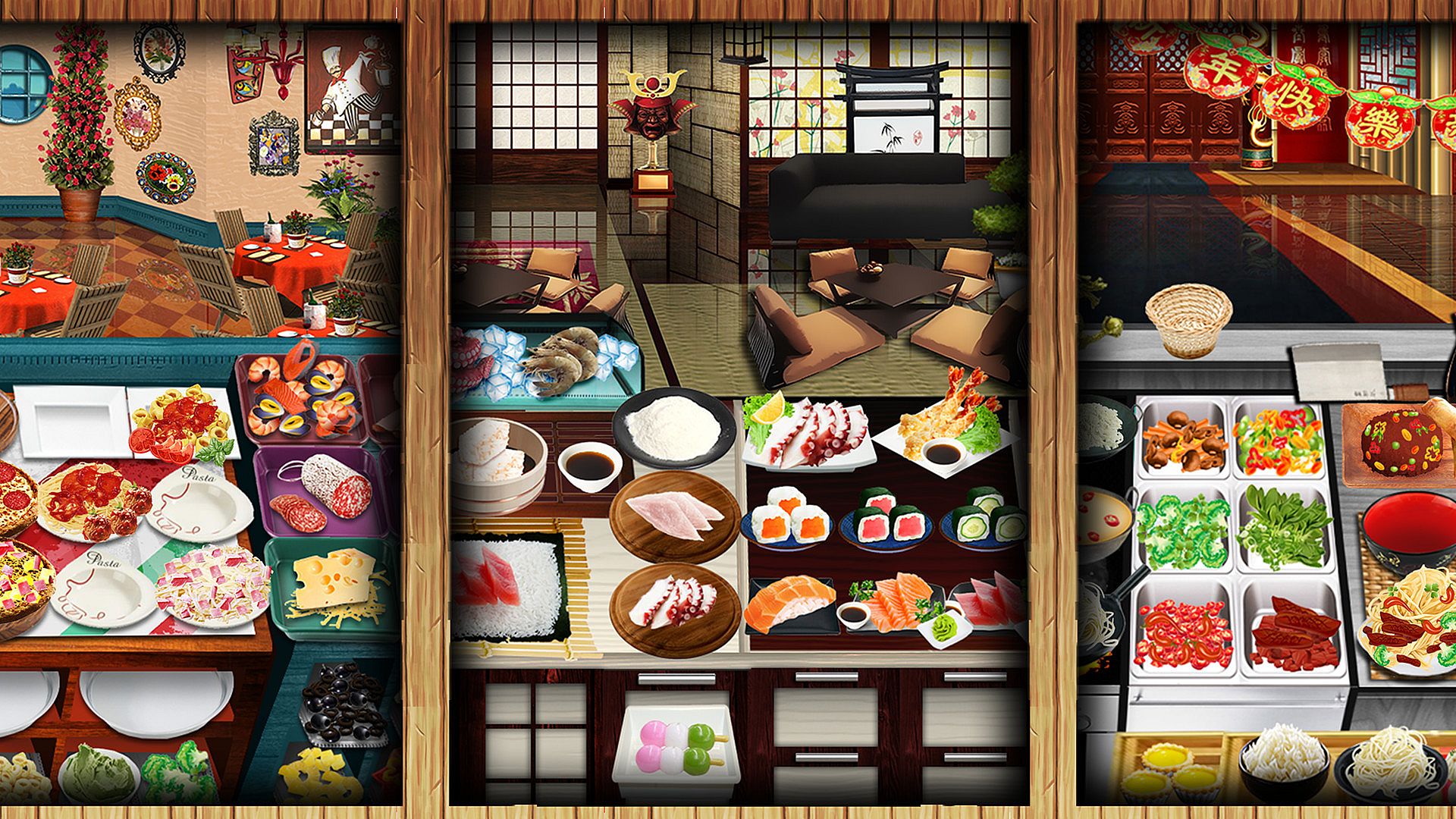
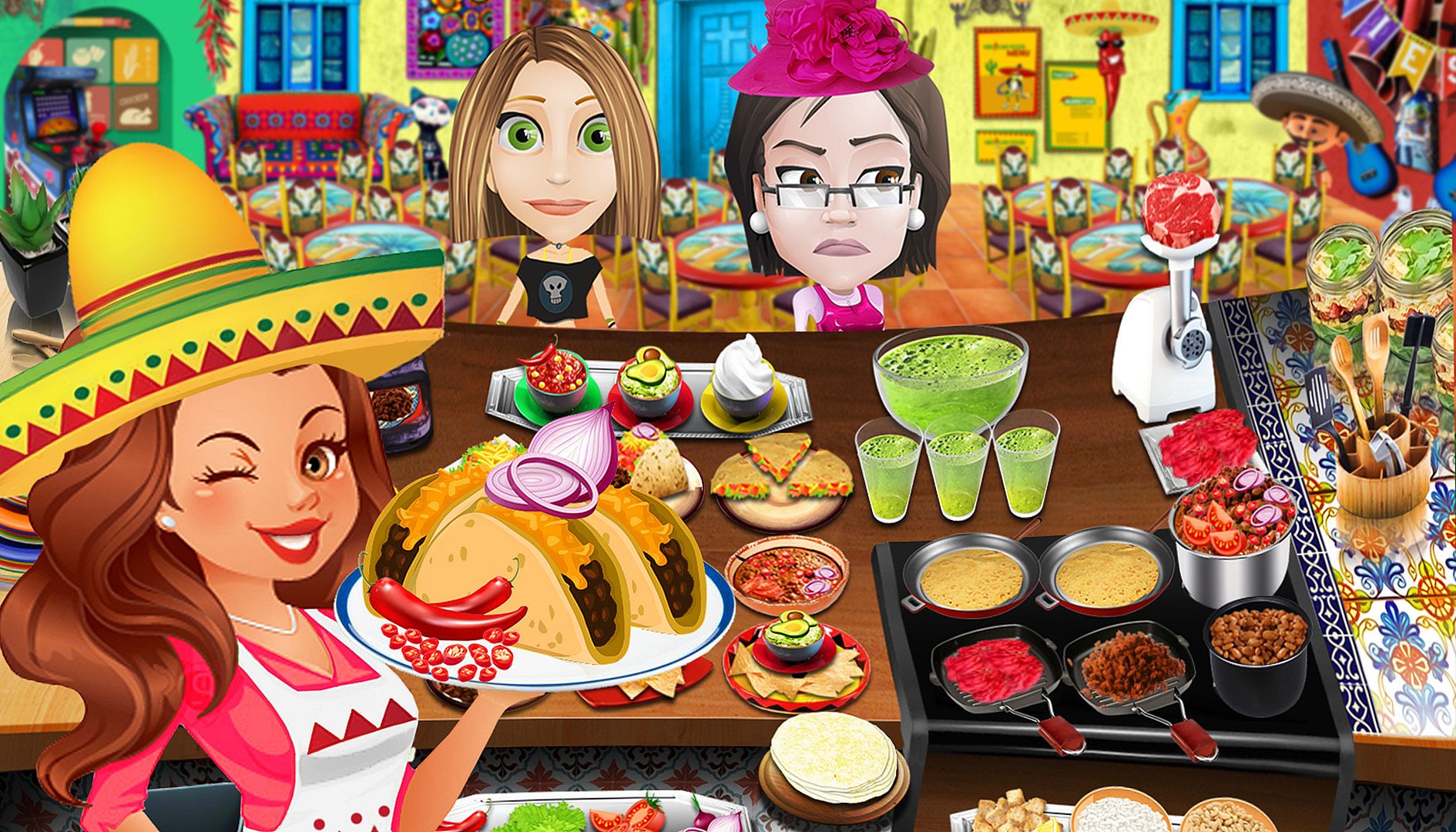
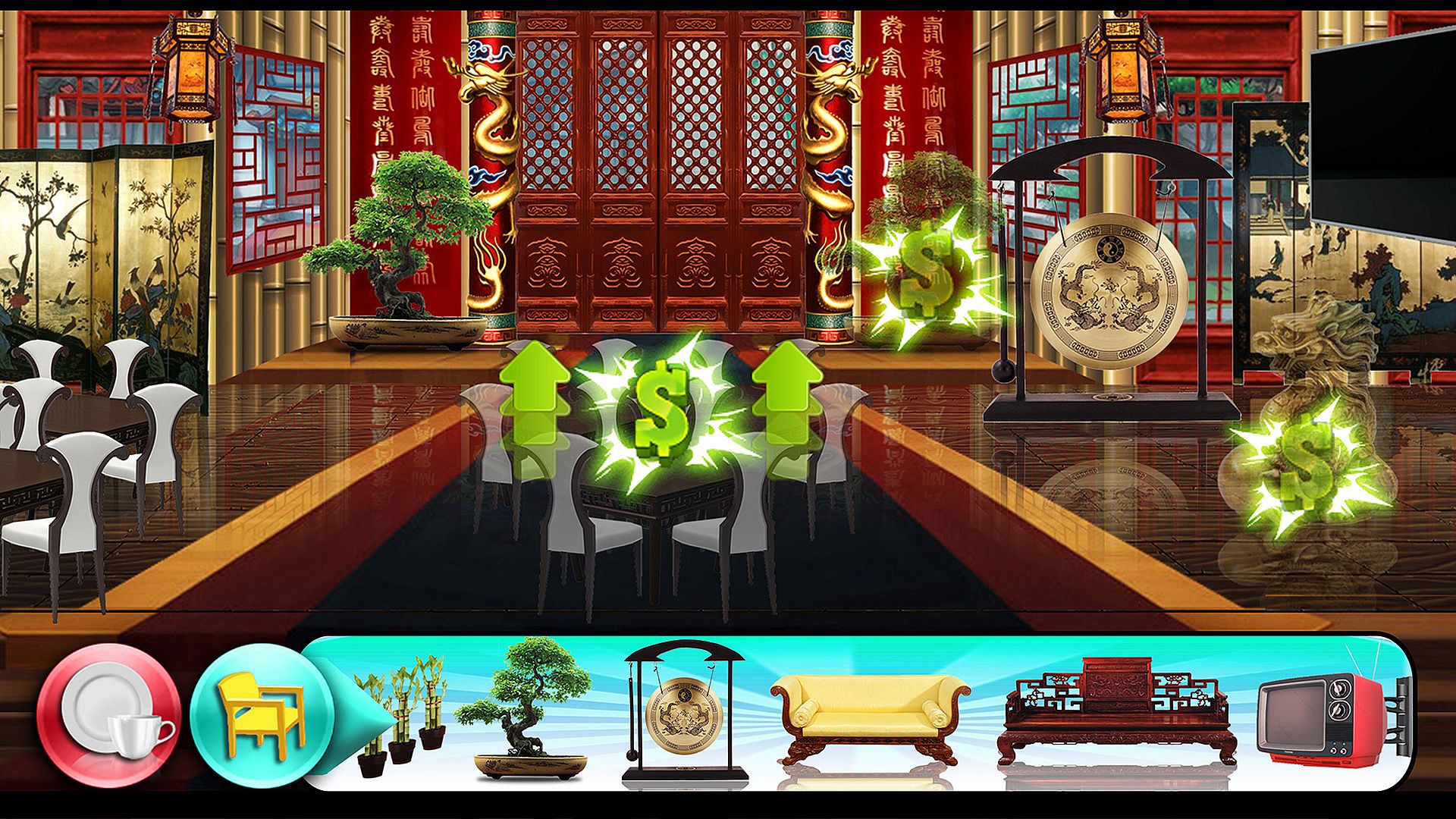
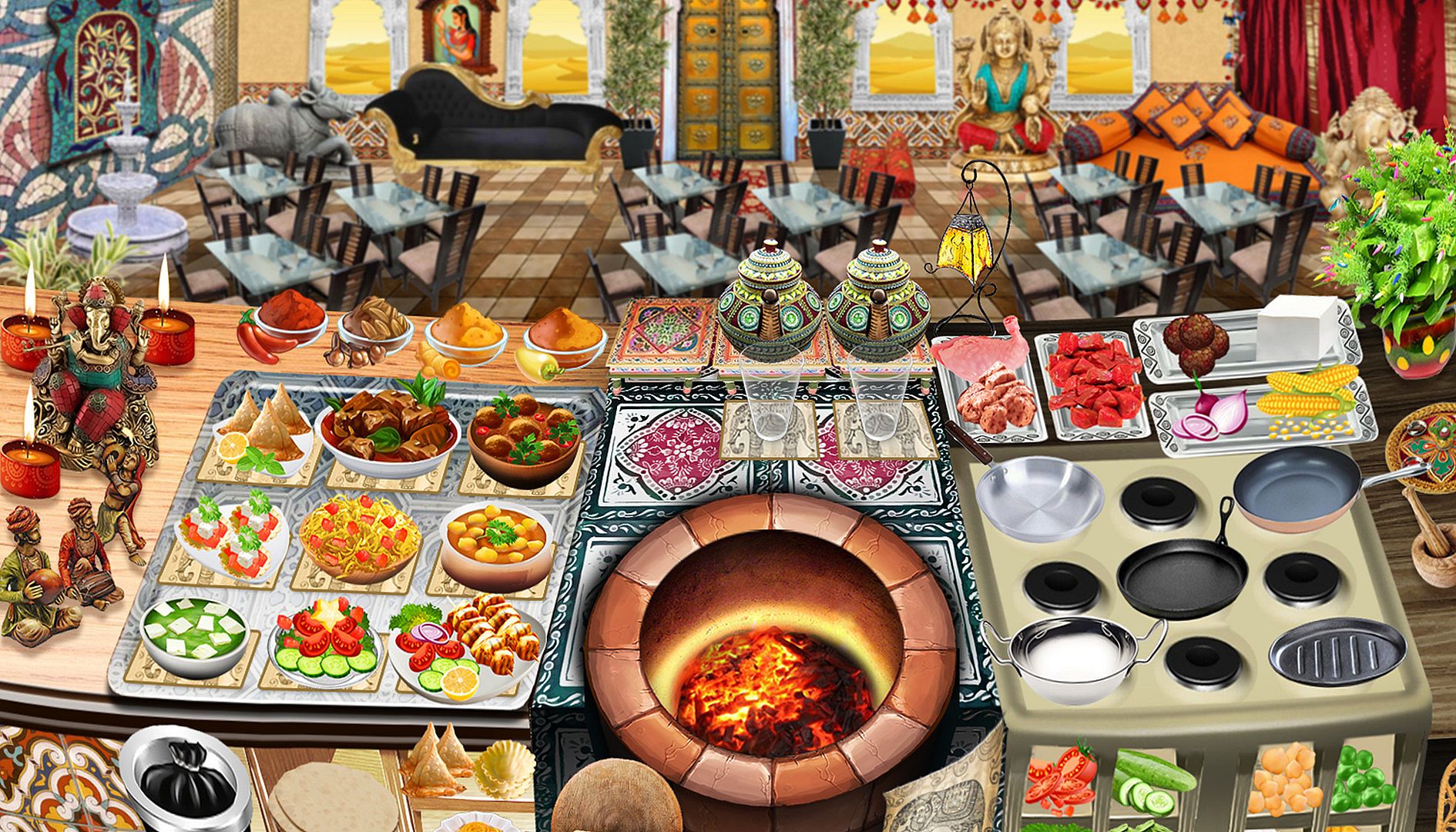
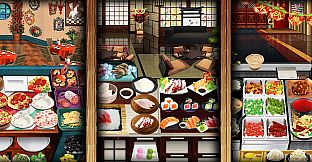
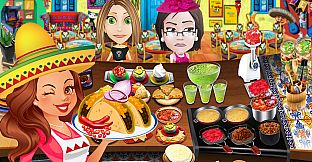
Progression ties directly to restaurant ownership. Starting in a basic fast-food setting builds foundational skills with simple items such as burgers and hot dogs. Success unlocks new locations that introduce more complex techniques, including stir-frying noodles, assembling sushi rolls, or baking layered desserts. Kitchen upgrades purchased with earnings improve speed, capacity, or ingredient variety, while interior customization options allow players to rearrange furniture and decor to influence customer satisfaction. Hundreds of dishes span breakfast items, main courses, and sweets drawn from American, Chinese, Italian, Japanese, Arabic, Indian, and Mexican traditions.
Game Modes
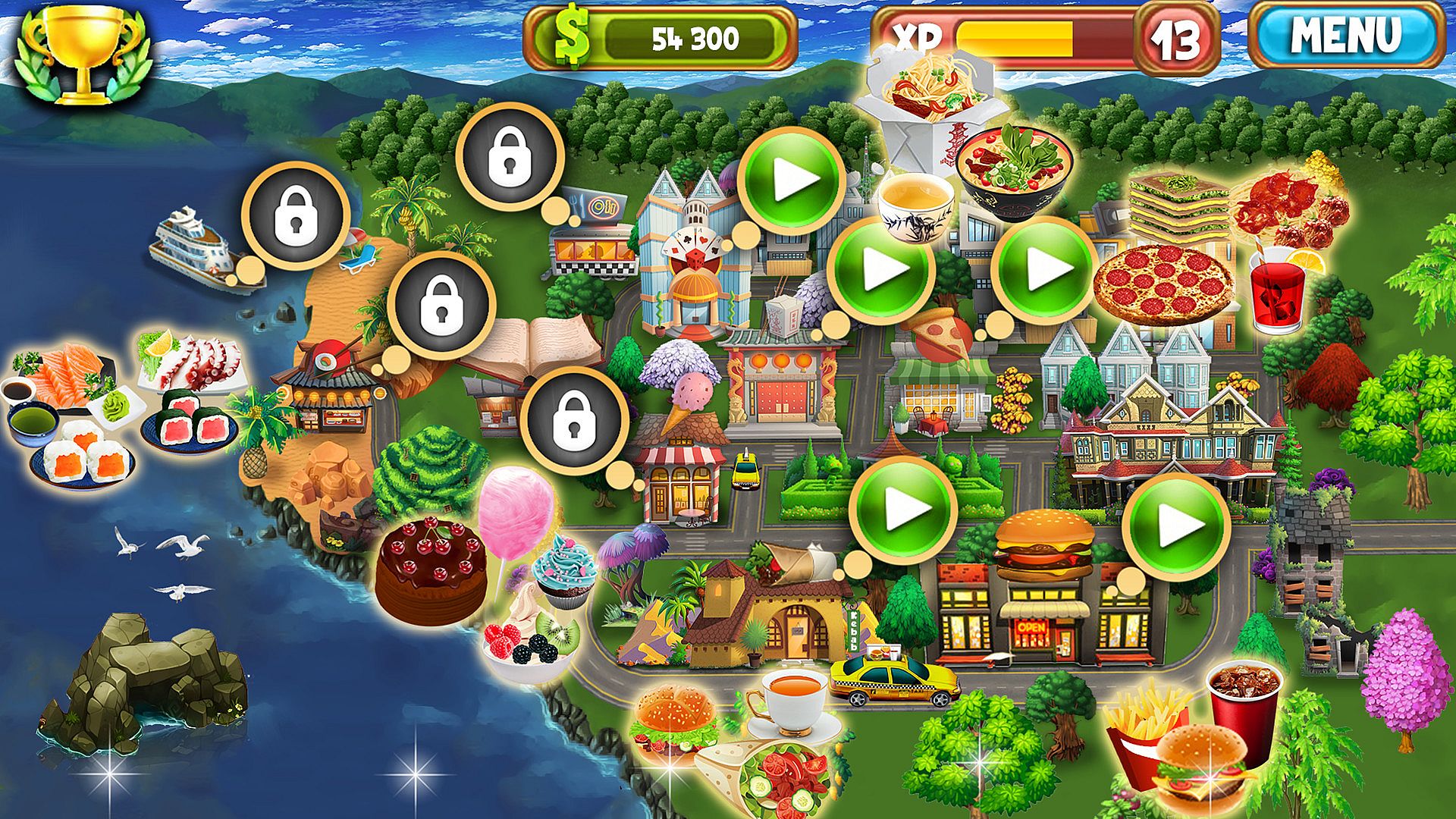
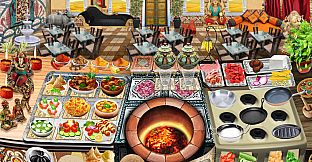
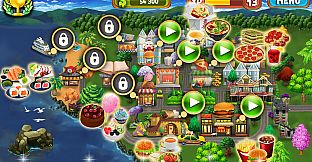
The experience centers on a single continuous progression system rather than separate named modes. Players advance through more than 300 levels distributed across eight distinct restaurants. Early stages emphasize quick service in a casual cafe environment. Later stages shift focus to precision and presentation in higher-end settings such as a Turkish establishment or an exclusive Japanese sushi venue. Each restaurant type brings its own menu demands and customer expectations, creating natural variety without requiring players to switch between unrelated game types.
Within each restaurant, levels function as individual challenges that increase in difficulty through higher order volume, stricter time limits, and the introduction of new recipes. There are no competitive leaderboards or cooperative options; the emphasis remains on personal improvement and steady business growth. Achievements track milestones such as completing specific cuisines or reaching upgrade thresholds.
Restaurant Variety and Progression
The eight restaurants cover a wide spectrum of dining concepts. Early options include a fast-food cafe and a bakery focused on quick, familiar items. Mid-tier locations introduce Turkish and Chinese wok-style cooking, where players handle stir-fries and rice dishes with multiple toppings. Advanced venues feature Italian pasta and pizza preparation alongside the demanding Japanese sushi and tempura station. A dedicated candy shop provides lighter dessert-focused gameplay with cupcakes, cotton candy, and frozen treats. This sequence encourages repeated play as each new restaurant resets some familiarity while layering additional mechanics.
Personalization extends beyond upgrades to include furniture placement that affects the overall atmosphere. Satisfied customers generate higher tips and faster reputation growth, which in turn unlocks further business opportunities. The system rewards consistent performance across all cuisine types rather than specialization in one area.
Is It Worth Playing?
The Cooking Game suits players seeking a relaxed, level-based cooking simulation without complex management layers or multiplayer elements. Its free-to-play status on PC removes any financial barrier, allowing casual sessions focused on short shifts or longer progression runs. Mixed user feedback reflects its straightforward presentation and repetitive structure, yet the variety of cuisines and steady stream of new restaurants provide enough variety to sustain interest for those who enjoy time-management tasks and incremental upgrades.
With 49 achievements and trading card support, the title offers clear goals for completionists. It remains available as a single-player experience with no seasonal content or ongoing updates required. Players who appreciate methodical kitchen work and restaurant expansion will find a complete package here, while those preferring high production values or narrative depth may look elsewhere.