

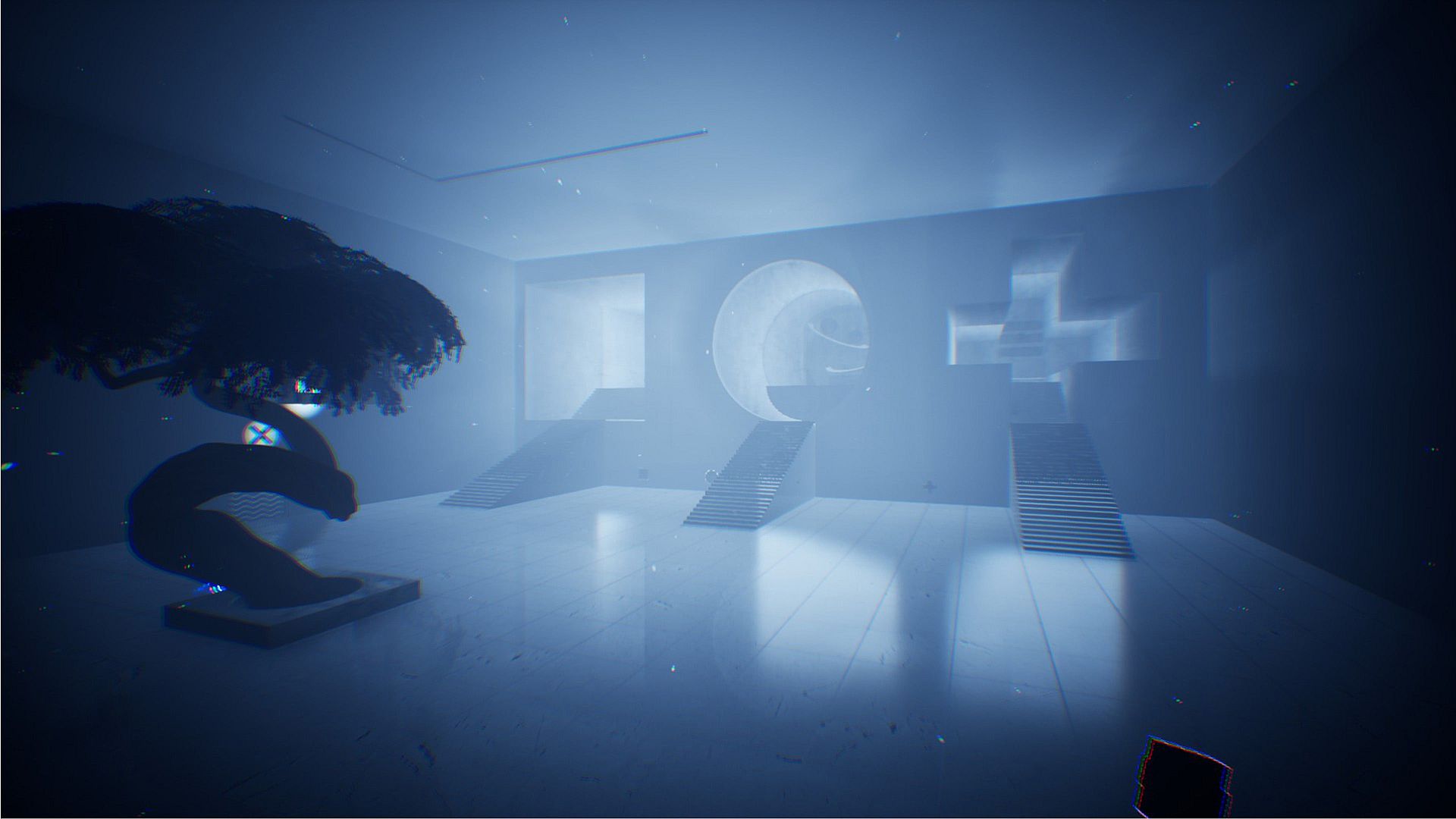
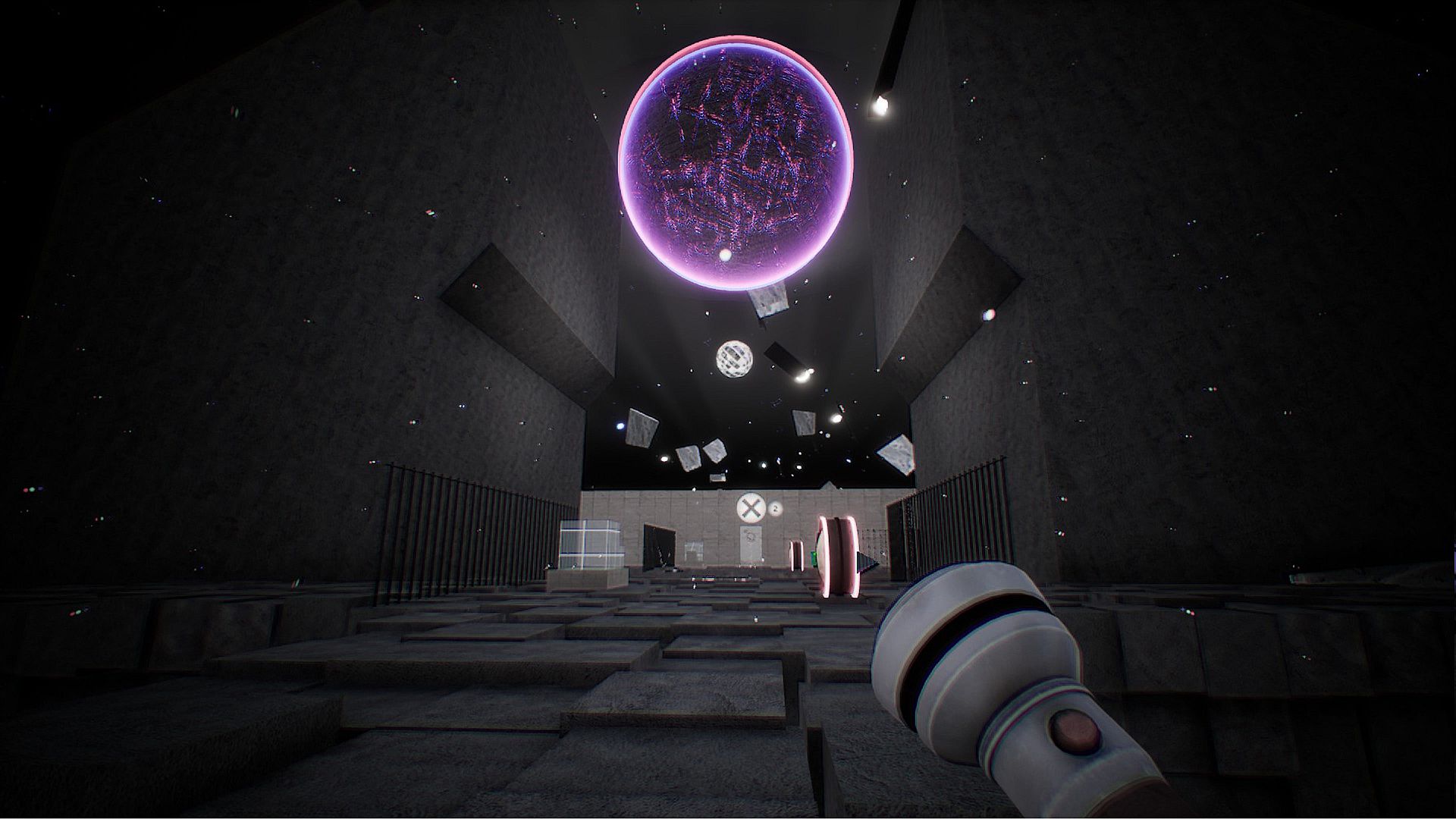
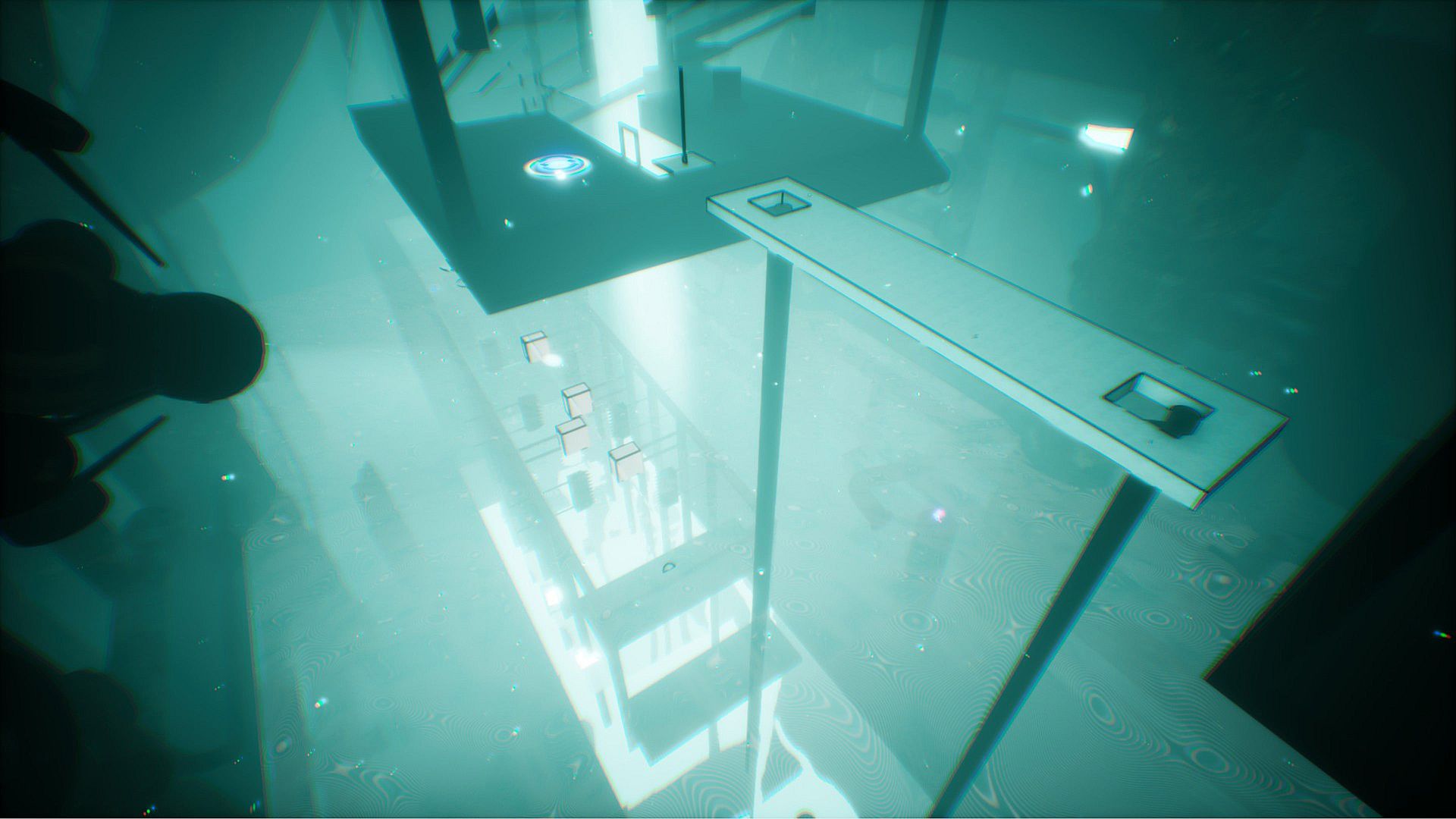
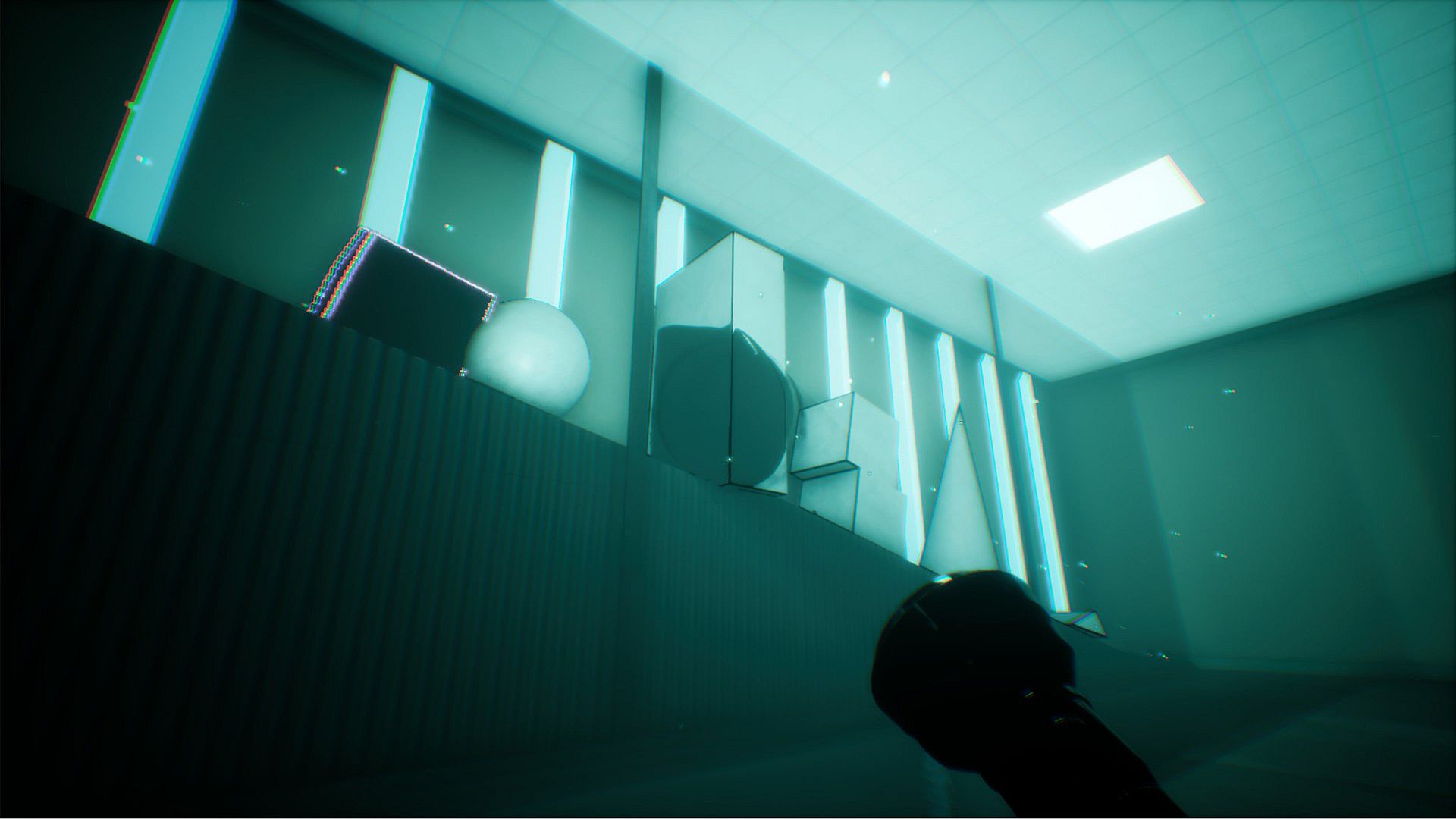
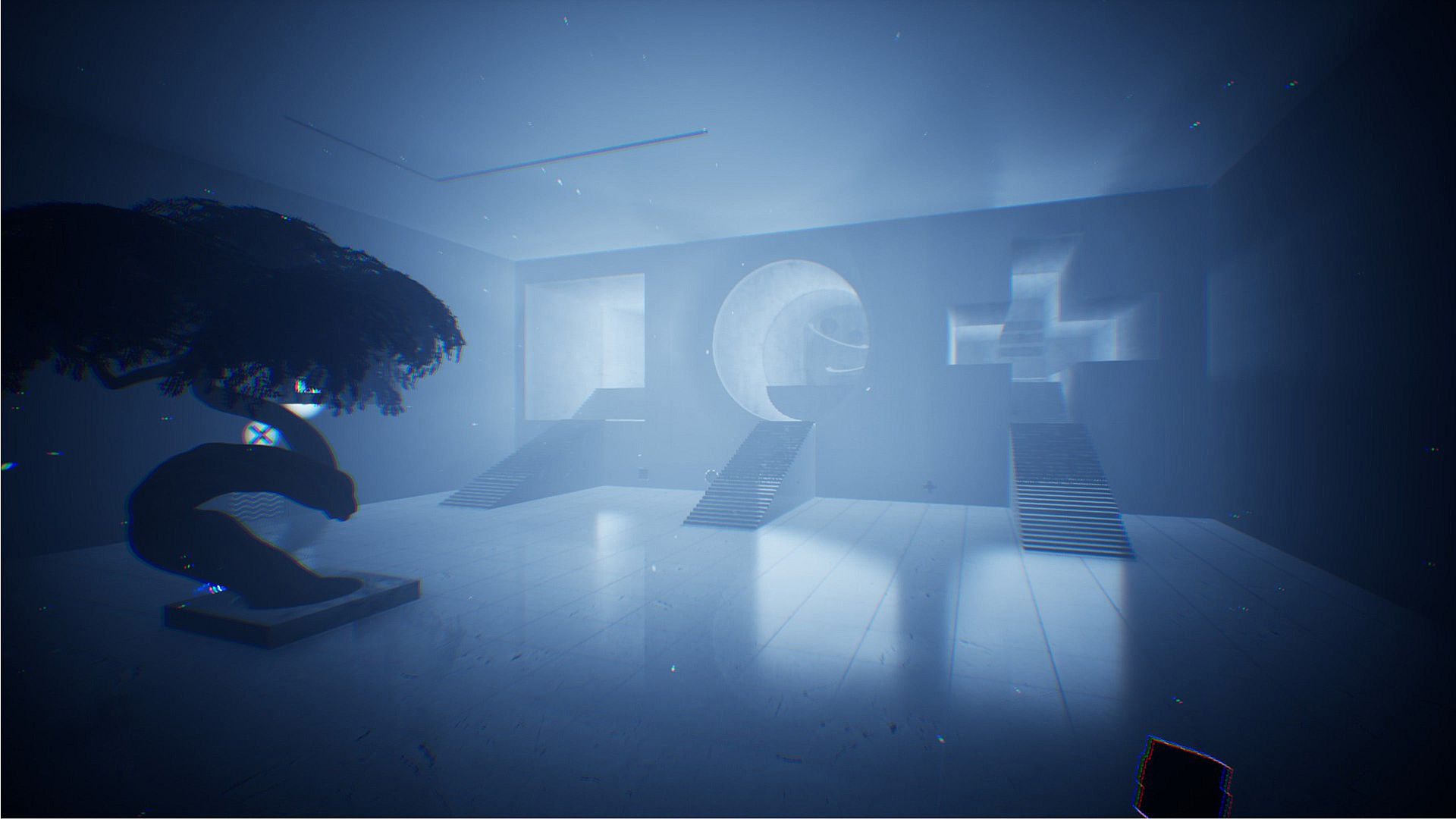
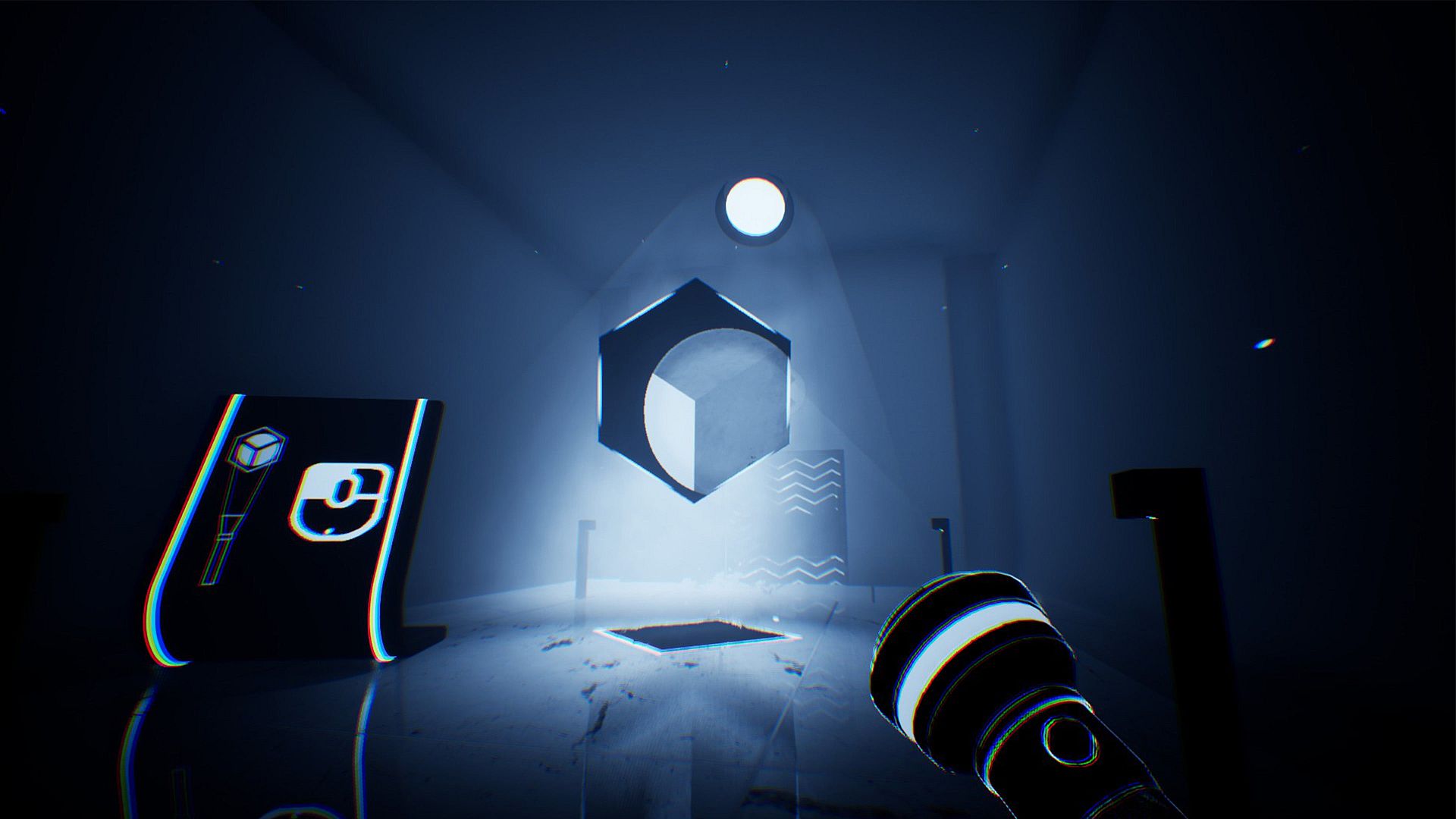
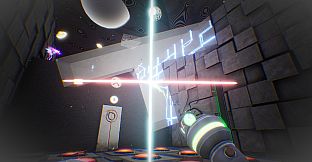
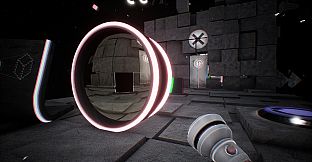
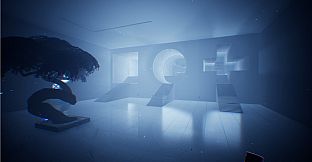
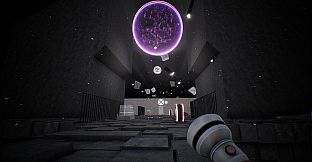
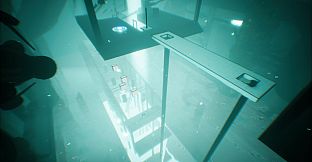
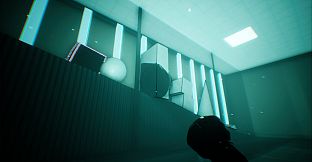
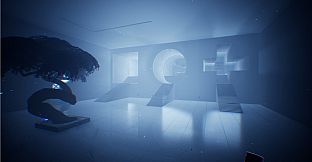


THANKS, LIGHT. is a first-person puzzle-platformer built around manipulating light and shadow to alter objects between flat silhouettes and solid three-dimensional forms. Players explore a series of interconnected environments on PS5 using a flashlight that grants or removes physical properties from the world around them. The game draws from the tradition of spatial puzzle titles while introducing a distinct system where perspective and illumination determine what is traversable or interactive.
Gameplay
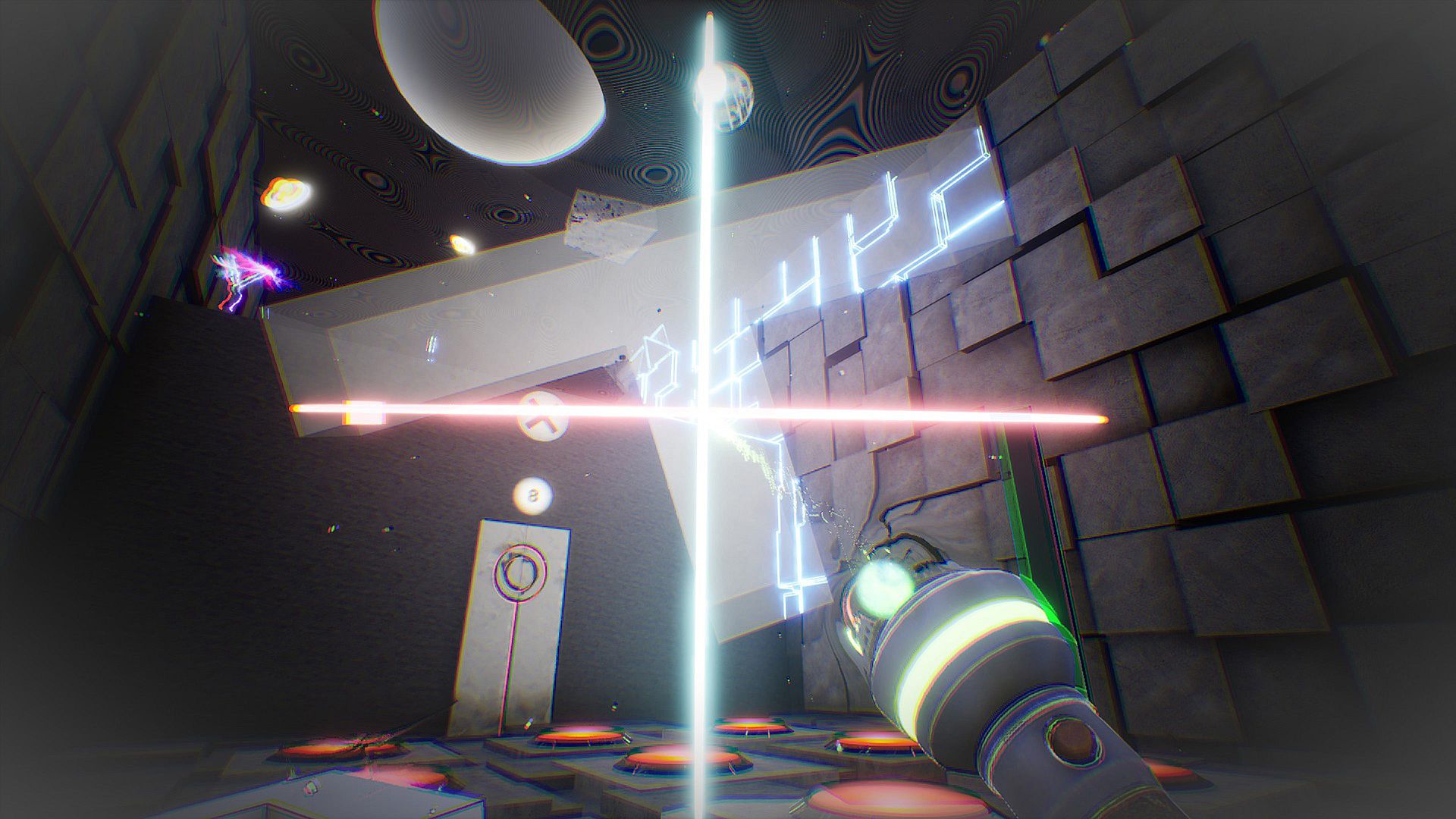
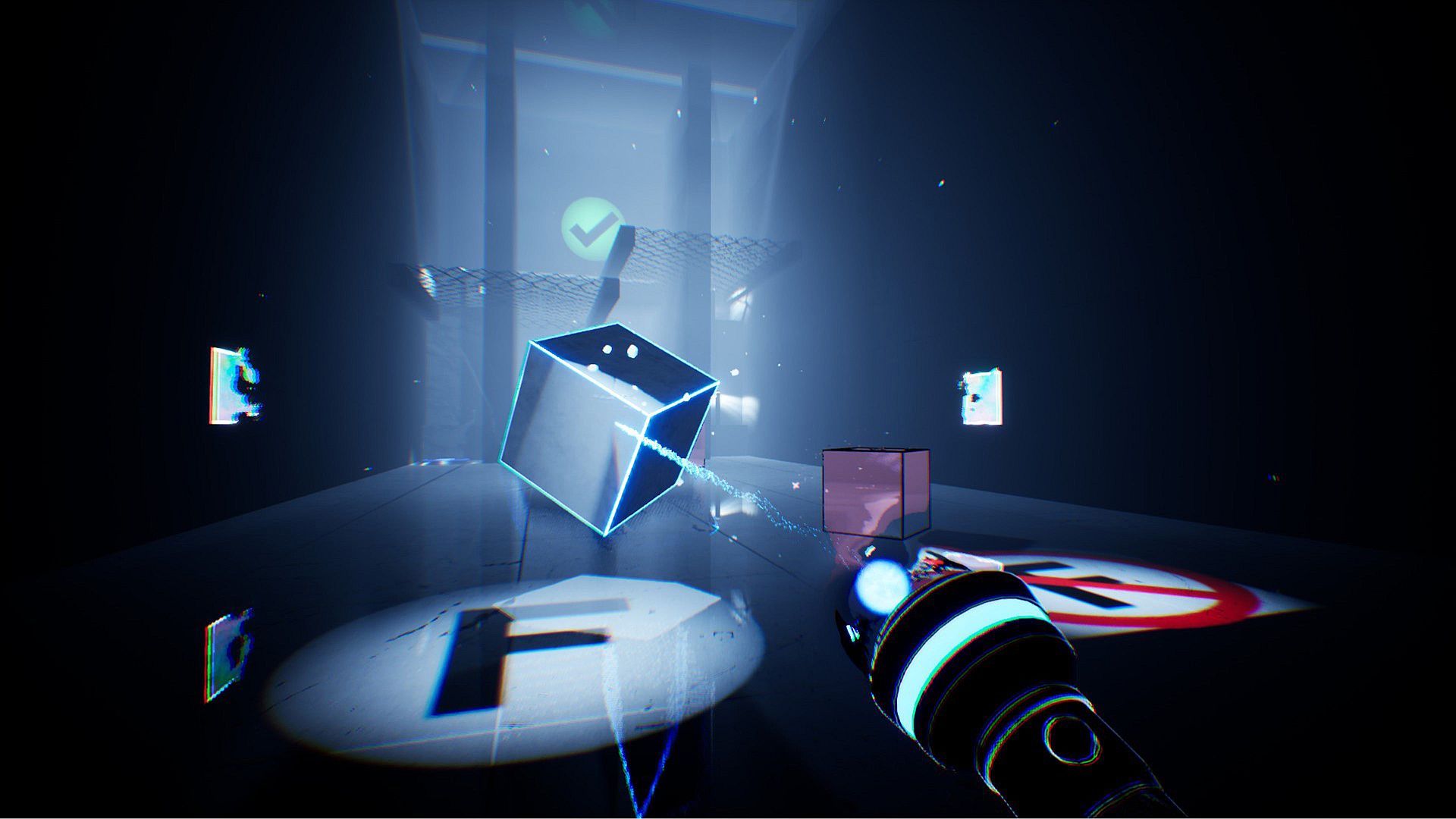
The central loop revolves around shining light to create mass and collision or absorbing it to eliminate those properties. A flat outline on a wall becomes a climbable pillar or a pushable block once illuminated. The same object flattened again passes through narrow gaps or stops rolling hazards in place. Perspective plays a key role because the silhouette of any shape changes with the viewing angle, allowing one object to serve multiple purposes depending on how light hits it.
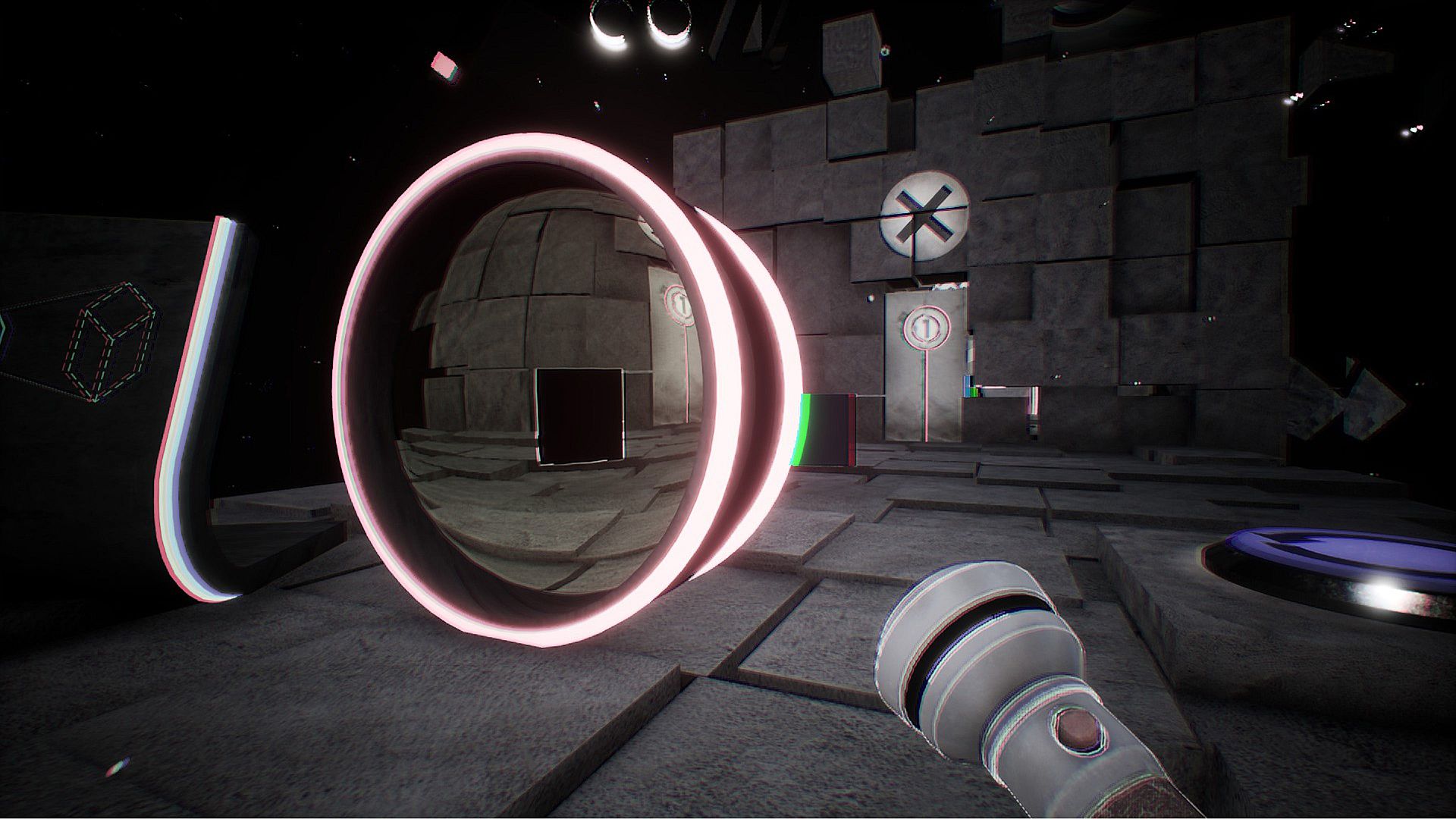
Mechanics expand across the experience. Mirrors create duplicates of illuminated forms. Lenses adjust the scale of objects. Merging combines two shapes into a single new tool with combined traits. These elements layer together so later stages require players to switch between illumination, absorption, duplication, resizing, and fusion within the same sequence. The design emphasizes observation of the environment itself, where repeating corridors or shifting architectural details often hide solutions or additional paths.
Progression moves through three distinct chapters that change the visual and atmospheric tone while steadily recombining the core tools. Each stage presents spatial challenges that reward careful experimentation rather than trial-and-error repetition. The single-player structure focuses entirely on puzzle solving without combat or time pressure elements.
Game Modes
THANKS, LIGHT. offers only a single-player campaign. There are no separate multiplayer, competitive, or cooperative modes. The entire experience consists of the linear progression through the three chapters and their sixty-plus stages. Players advance by solving the spatial puzzles in sequence, with no branching paths or alternative play styles confirmed.
Story and World
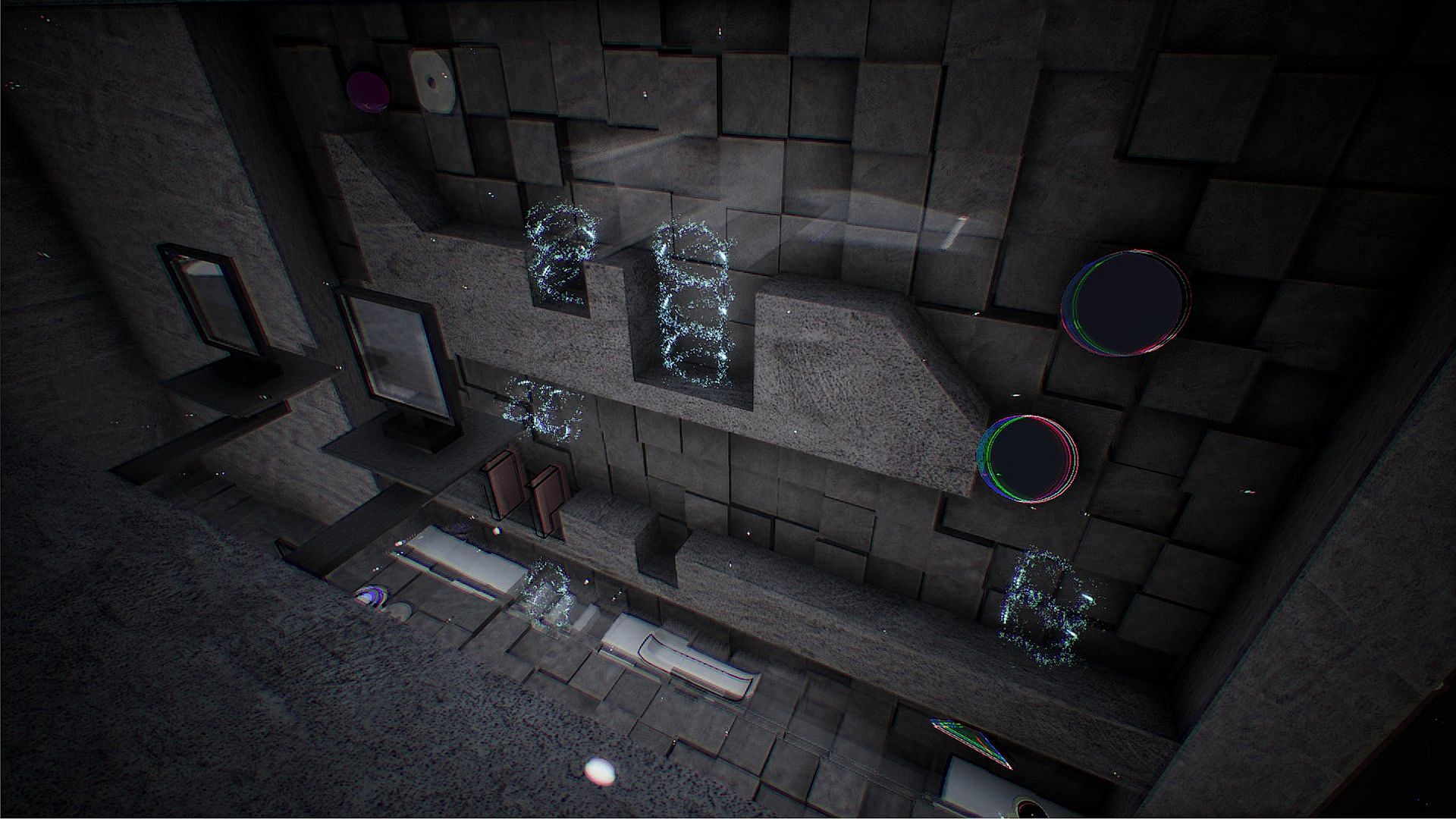
The setting unfolds as a series of carefully constructed spaces that feel both grand and unsettling. Early areas evoke marble museums and institutional hallways that repeat in subtle ways. Later sections shift into stark black-and-white environments where walls appear to leak fragments of memory. An unnamed Administrator is referenced as the creator of this place, while shadowy figures observe or warn the player from the edges. A young girl accompanies the journey in some descriptions, adding a layer of narrative tension without overt dialogue or cutscenes dominating the puzzle focus.
Is It Worth Playing?
THANKS, LIGHT. targets players who enjoy deliberate first-person puzzle-platformers centered on geometry and physics manipulation. The light-and-shadow system provides a fresh twist on familiar ideas, and the steady introduction of new mechanics keeps the sixty-plus stages engaging across its six-plus hours. As a debut title from an indie studio, it carries endorsements from experienced developers in the genre. With its recent release on PS5, the game remains a focused single-player experience without additional content updates or seasons announced. Those seeking a self-contained puzzle adventure with precise spatial reasoning will find the core loop rewarding, while players looking for multiplayer options or faster action should look elsewhere.