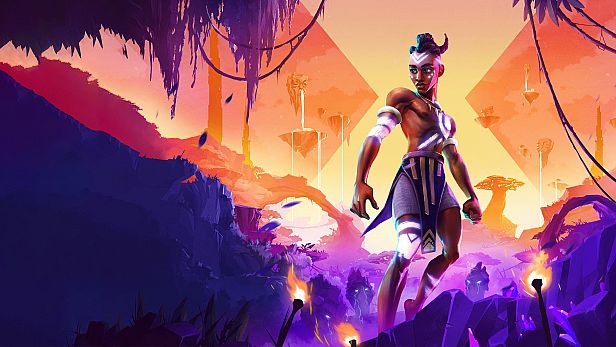




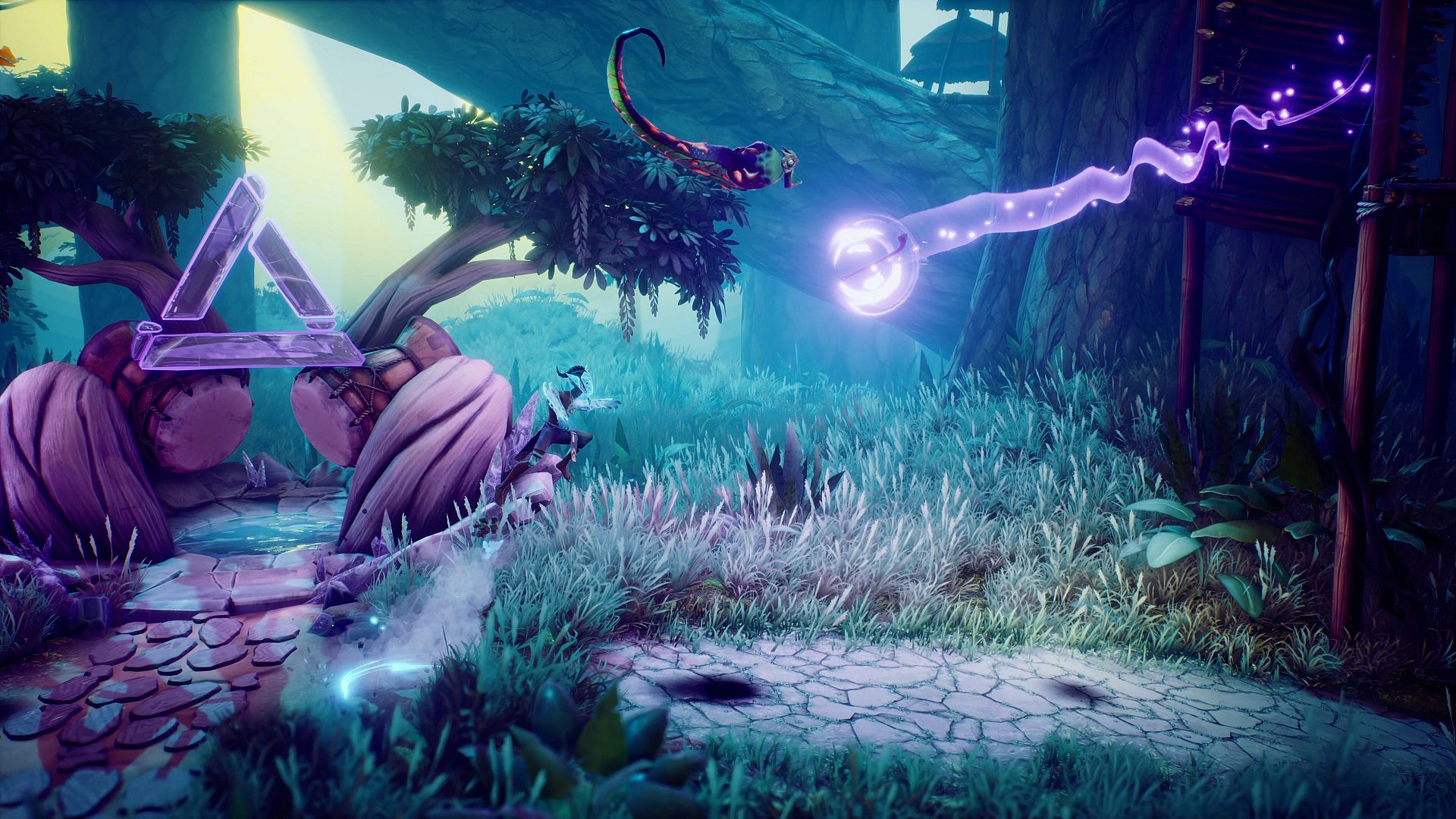
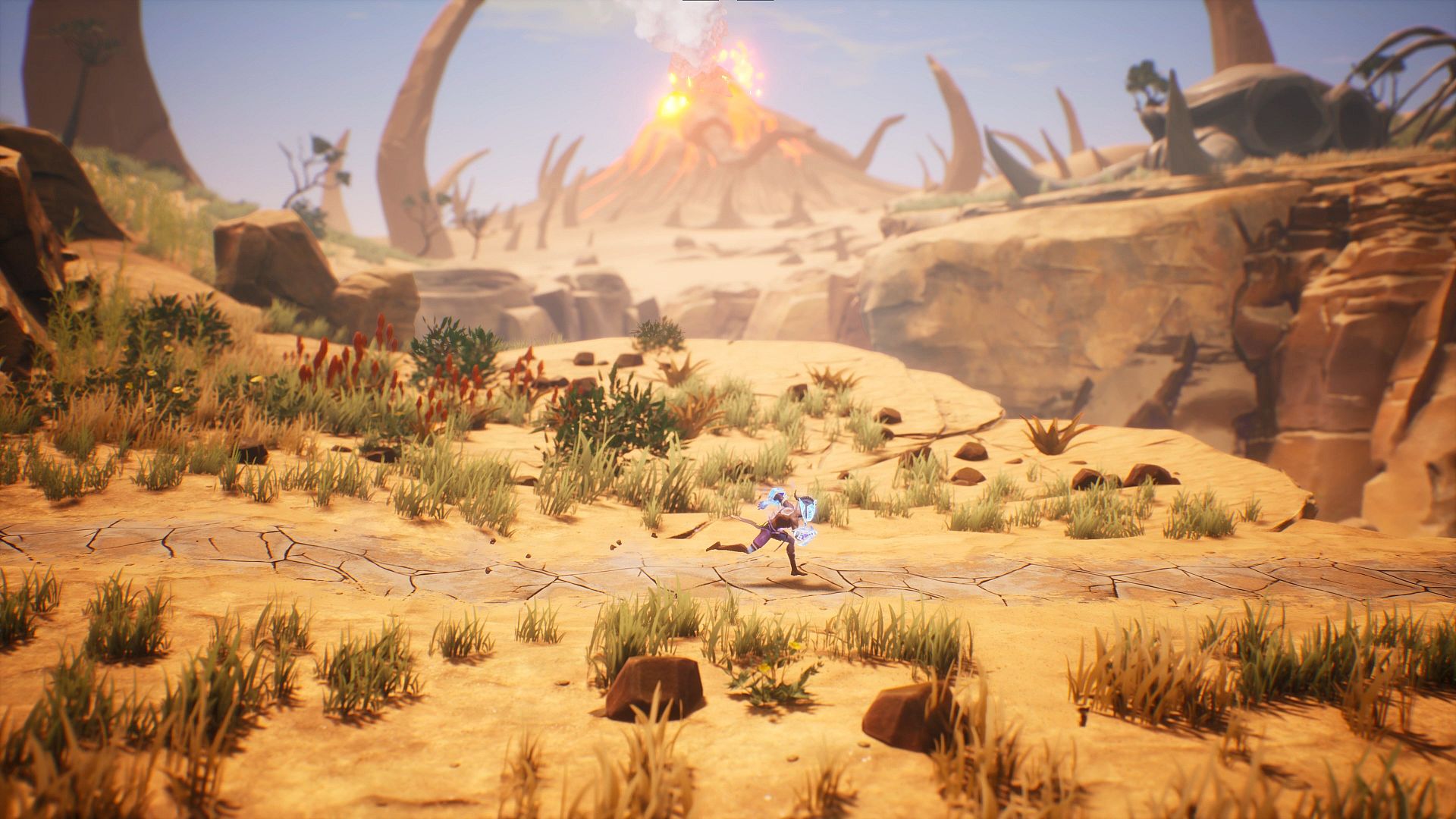

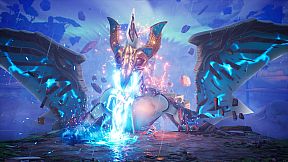
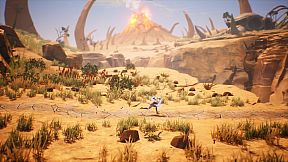

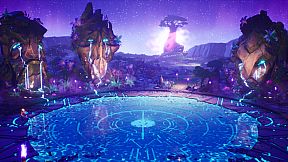
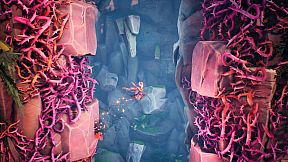
Tales of Kenzera: ZAU stands as a single-player action platformer built around metroidvania exploration and rhythmic combat. Players step into the role of Zau, a young shaman navigating the lands of Kenzera to confront loss and restore balance through a narrative drawn from Bantu-inspired mythology. The experience centers on precise movement, mask-based abilities, and encounters with restless spirits across distinct biomes.
Gameplay
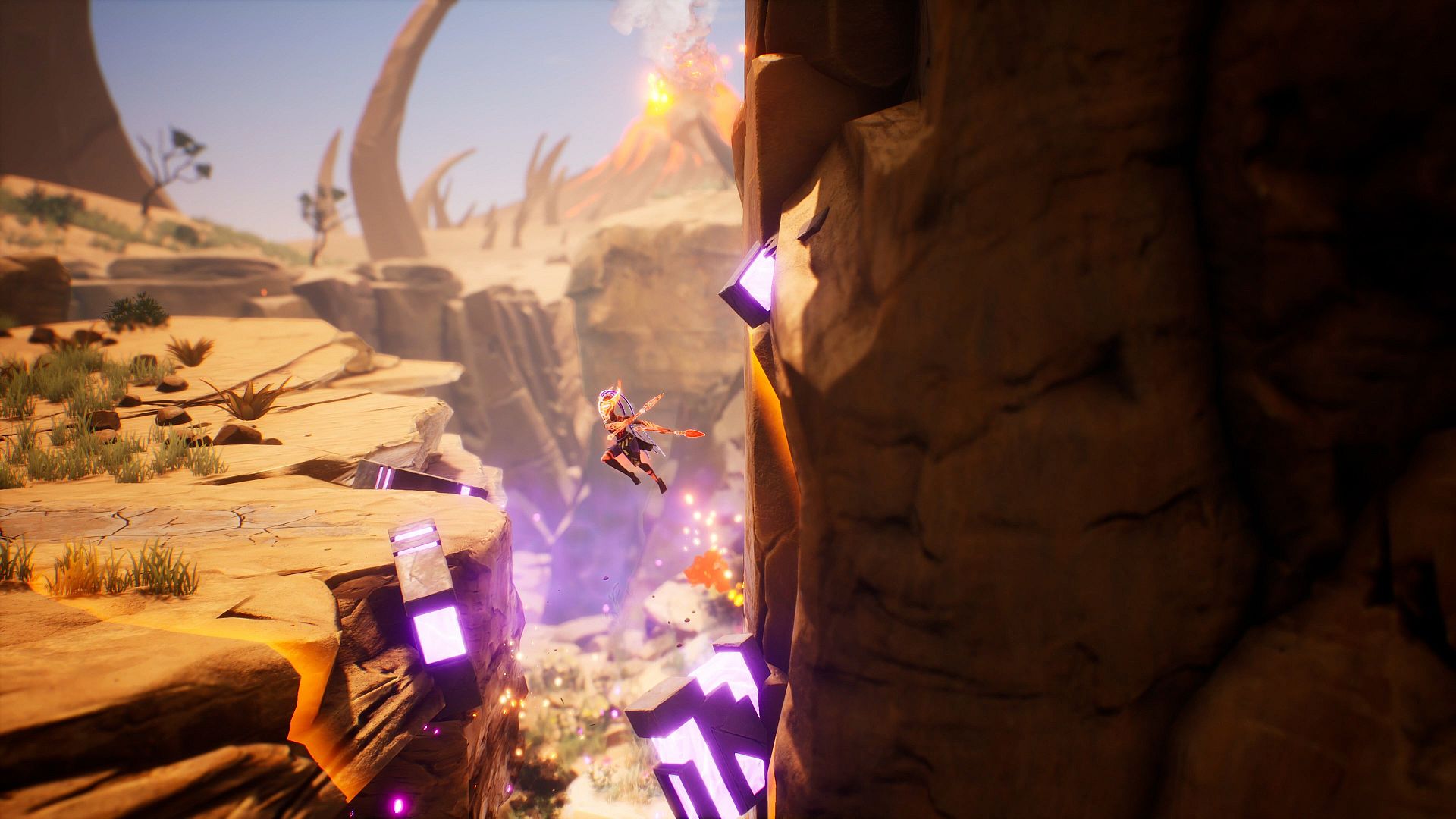
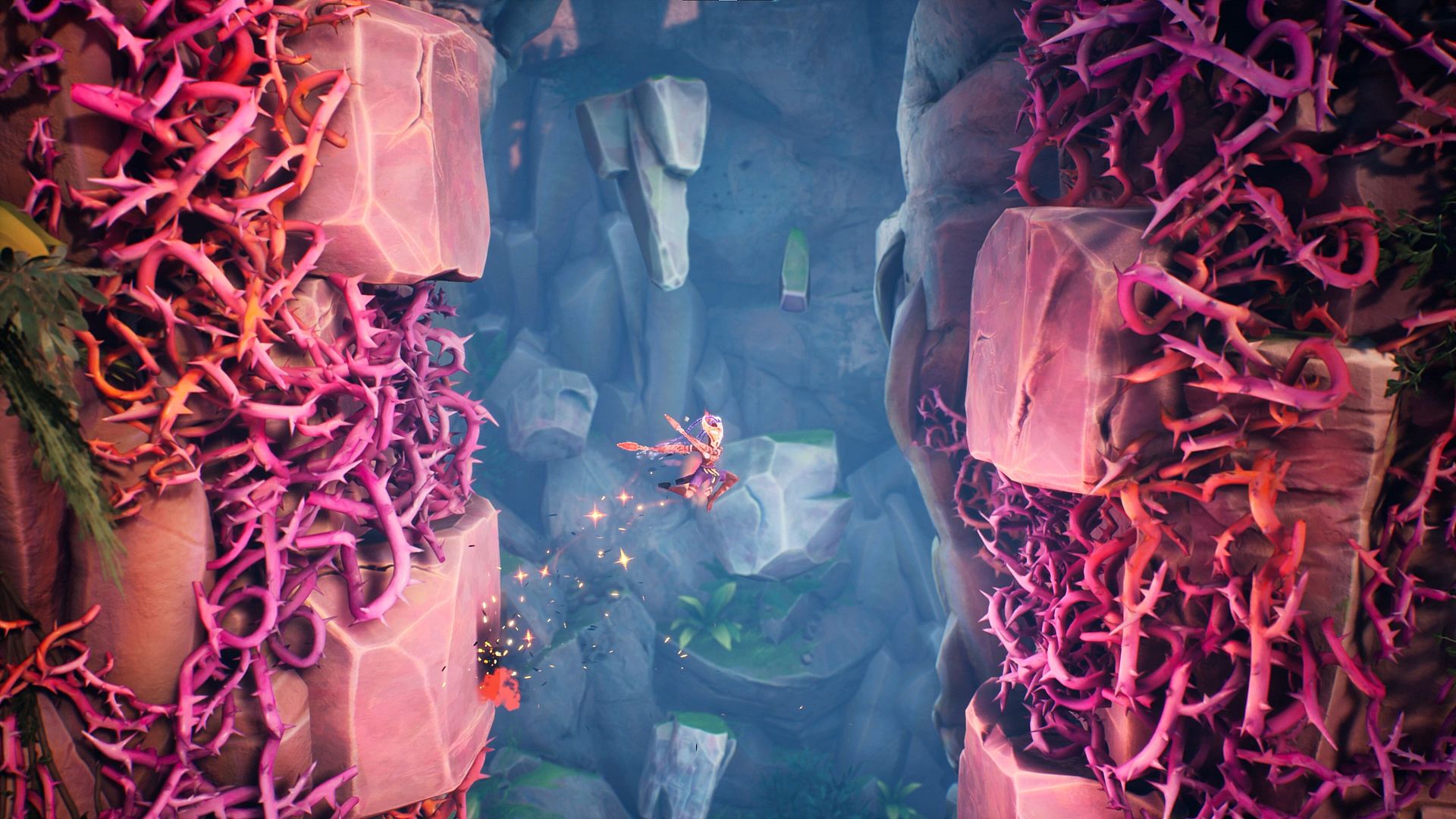
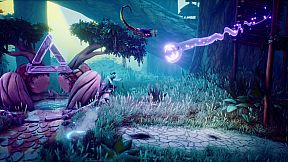
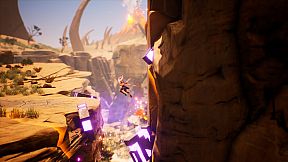
Core movement begins with a double jump and dash, expanding through acquired relics that enable gliding, grappling, freezing water for new paths, and smashing barriers. These tools support both traversal challenges and environmental puzzles in the Highlands, Woodlands, and Deadlands. Platforming sequences reward timing and momentum, with optional harder trials offering passive upgrades.
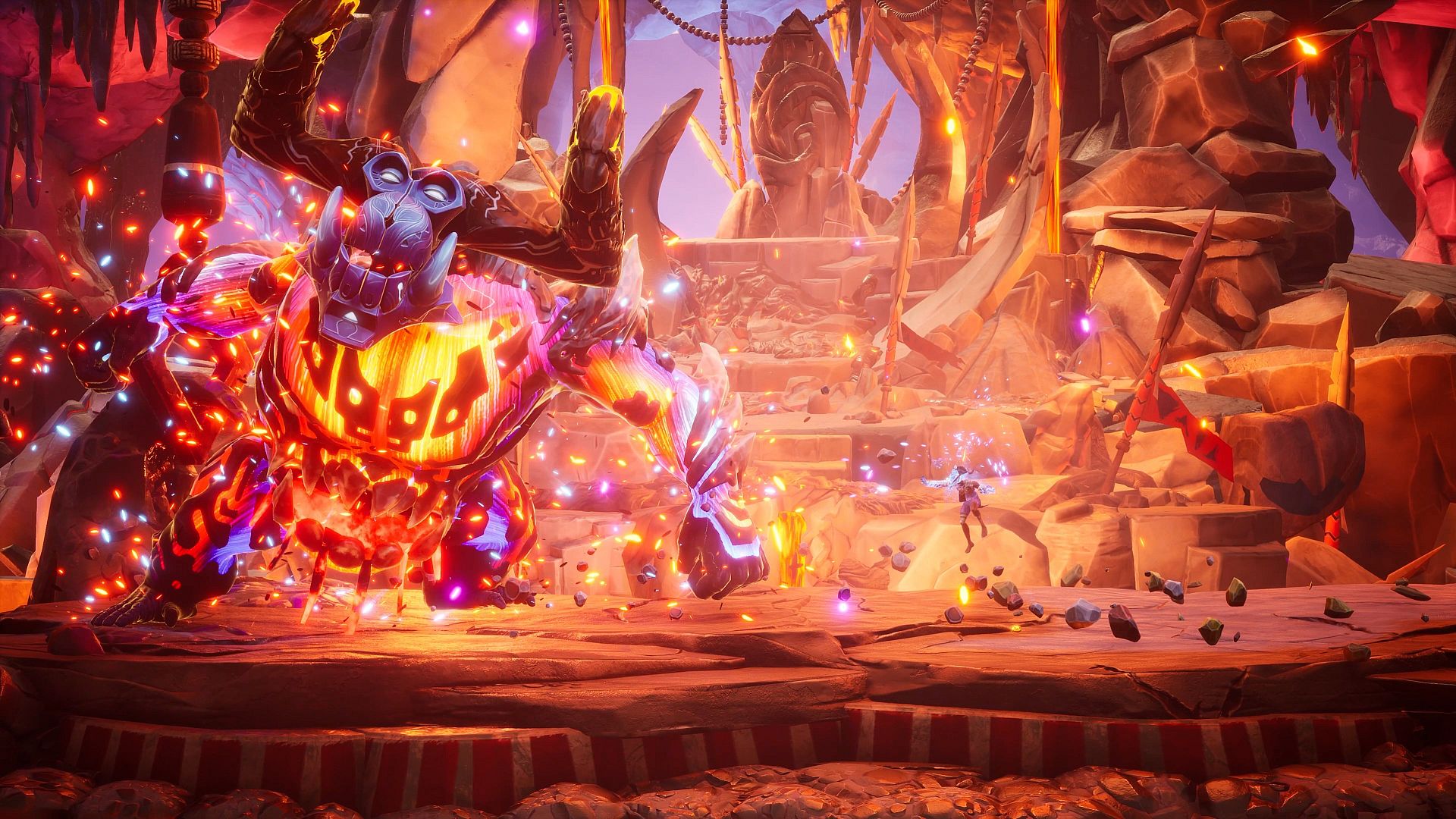
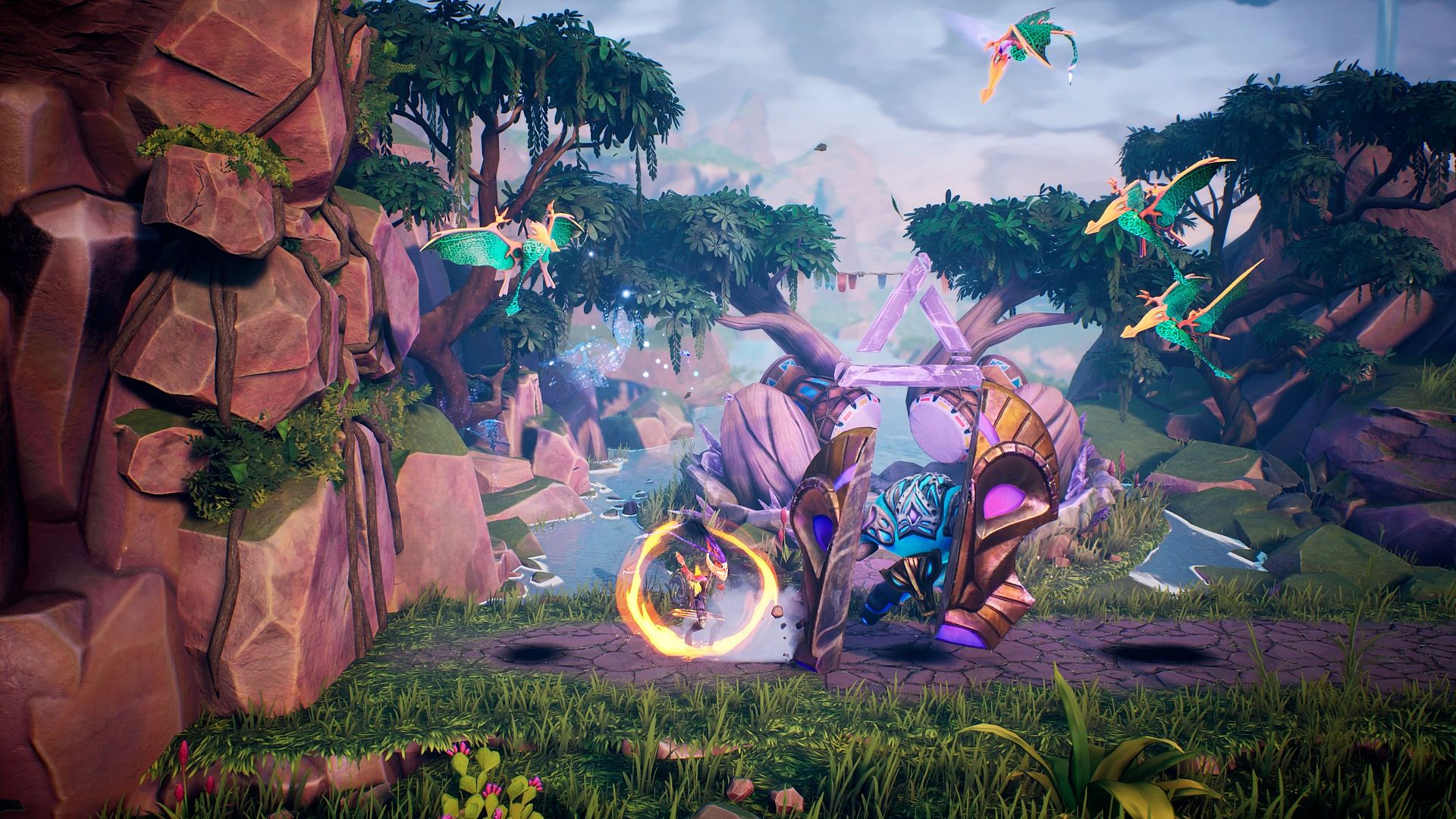
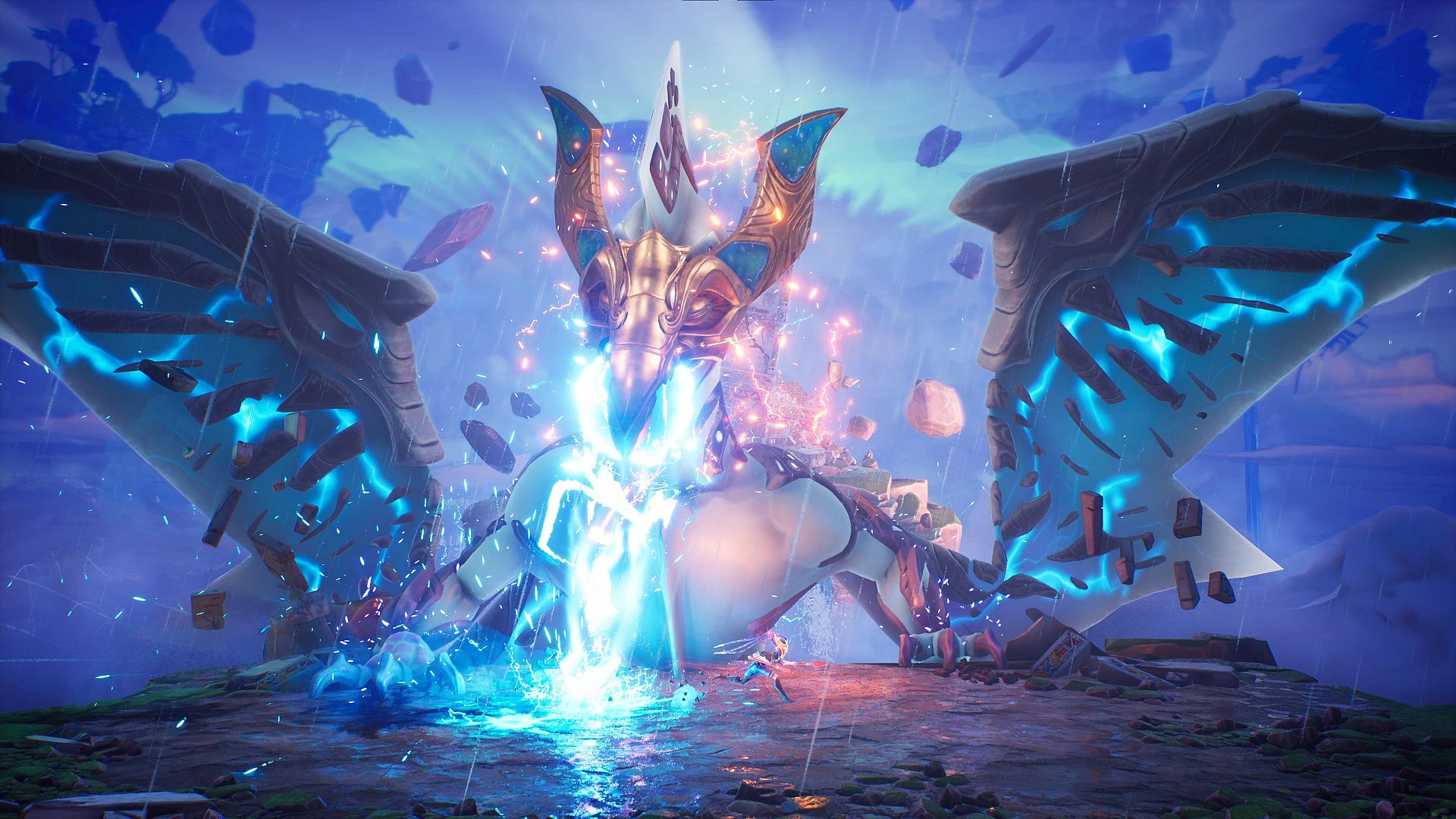
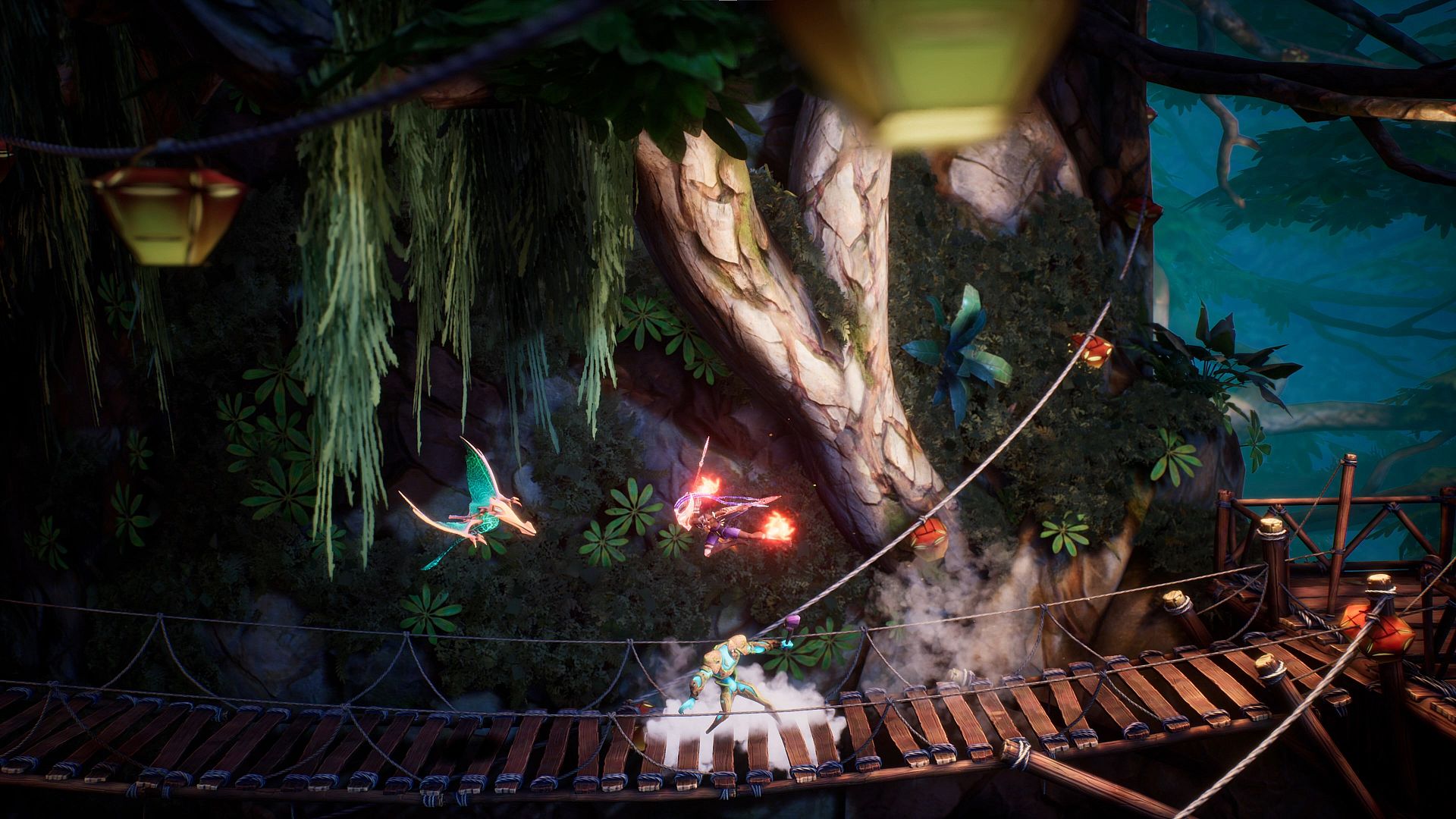
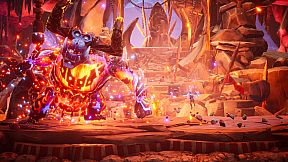
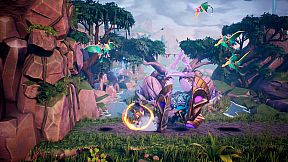
Combat revolves around instant switches between the Sun mask and Moon mask. The Sun mask delivers melee combos and fiery projectiles suited to close-range targets, while the Moon mask provides ranged attacks and crowd control options such as crystallizing foes or manipulating time. Enemies often carry color-coded shields that demand the matching mask to break, encouraging fluid transitions during fights. Skill trees for each mask unlock incremental improvements like extended combos or charged attacks, funded by points earned from defeating spirits. Ultimate abilities consume energy built through combat, including a flaming tornado from the Sun mask and a sweeping laser from the Moon mask. Boss encounters against figures like Impundulu and GaGorib test these systems in larger arenas with distinct mechanics.
Game Modes
The game offers only a single-player campaign. This linear yet explorable story mode guides players through the full narrative arc without any separate multiplayer, co-op, or competitive options.
Story and Setting
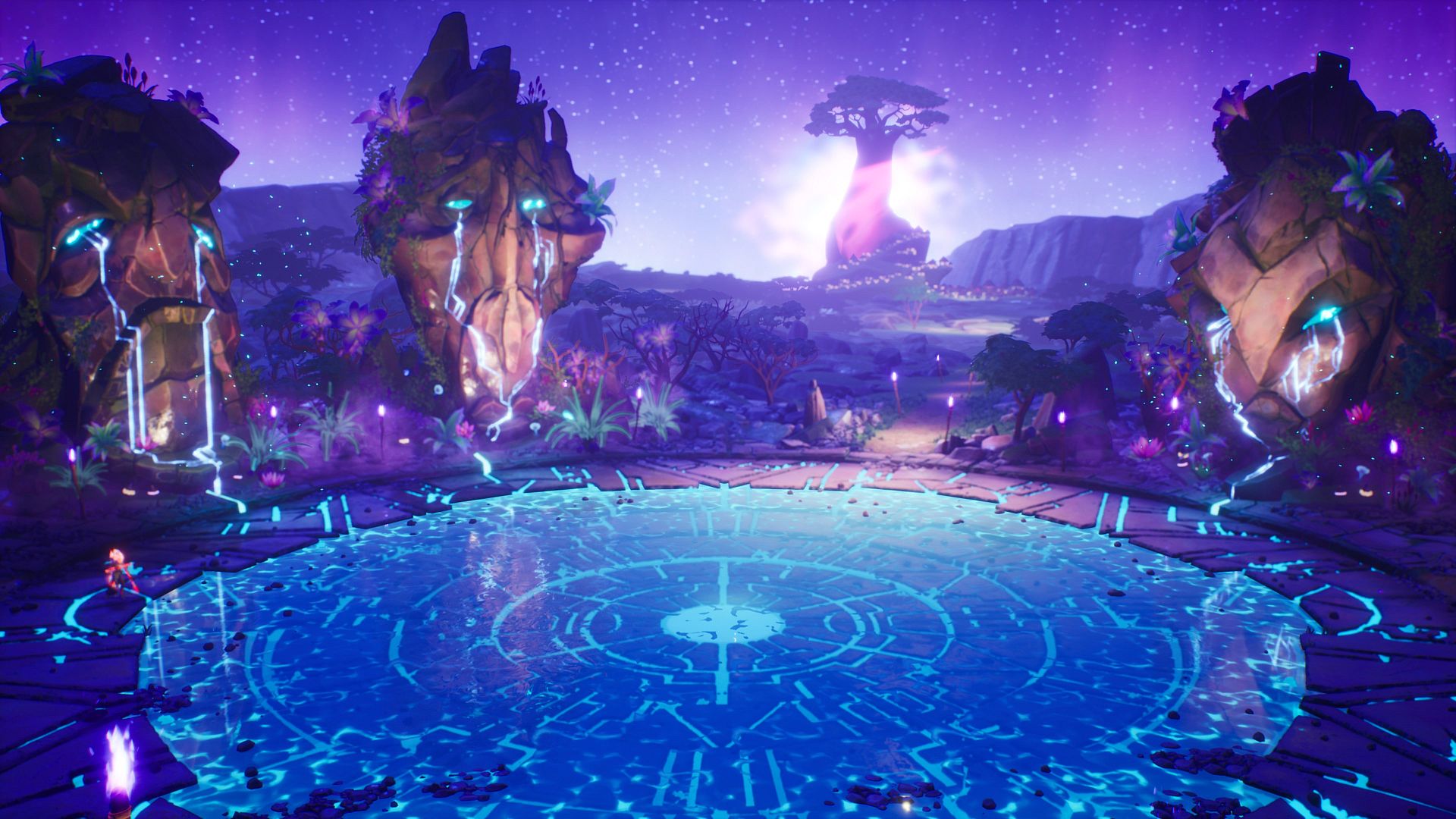
Zau begins his journey after reading a tale written by his late father, bargaining with the God of Death to reclaim his Baba's spirit. The world unfolds as a 2.5D realm filled with ancestral spirits, sacred sites, and creatures drawn from Bantu lore. Progress reveals memories of ancient shamans and lessons tied to grief, courage, and healing. The soundtrack by Nainita Desai underscores emotional beats during key moments and boss fights.
Is It Worth Playing?
Reception highlights the personal storytelling and responsive combat as strengths, with critics noting its emotional resonance and polished movement. The campaign runs roughly eight to ten hours for the main path, making it accessible for players seeking a focused metroidvania without extensive backtracking. It suits those drawn to narrative-driven platformers that blend action with themes of loss. The title appears on EA Play for subscribers, providing an entry point for sampling the full experience on Xbox Series X|S and other platforms.